Global

The Global Manufacturing PMI clocked in at 50 in January – exactly on the boom-bust line. The index has been on a general uptrend since mid-2023 with the January figure marking the first non-contractionary reading since August 2022. The headline index…
Prices of agricultural commodities have come under intensified downward pressure this year. Corn, soybean, and wheat prices have fallen by 8.6%, 8.3%, and 4.9% respectively so far this year. Multiple factors are behind the selloff. First, ag prices…
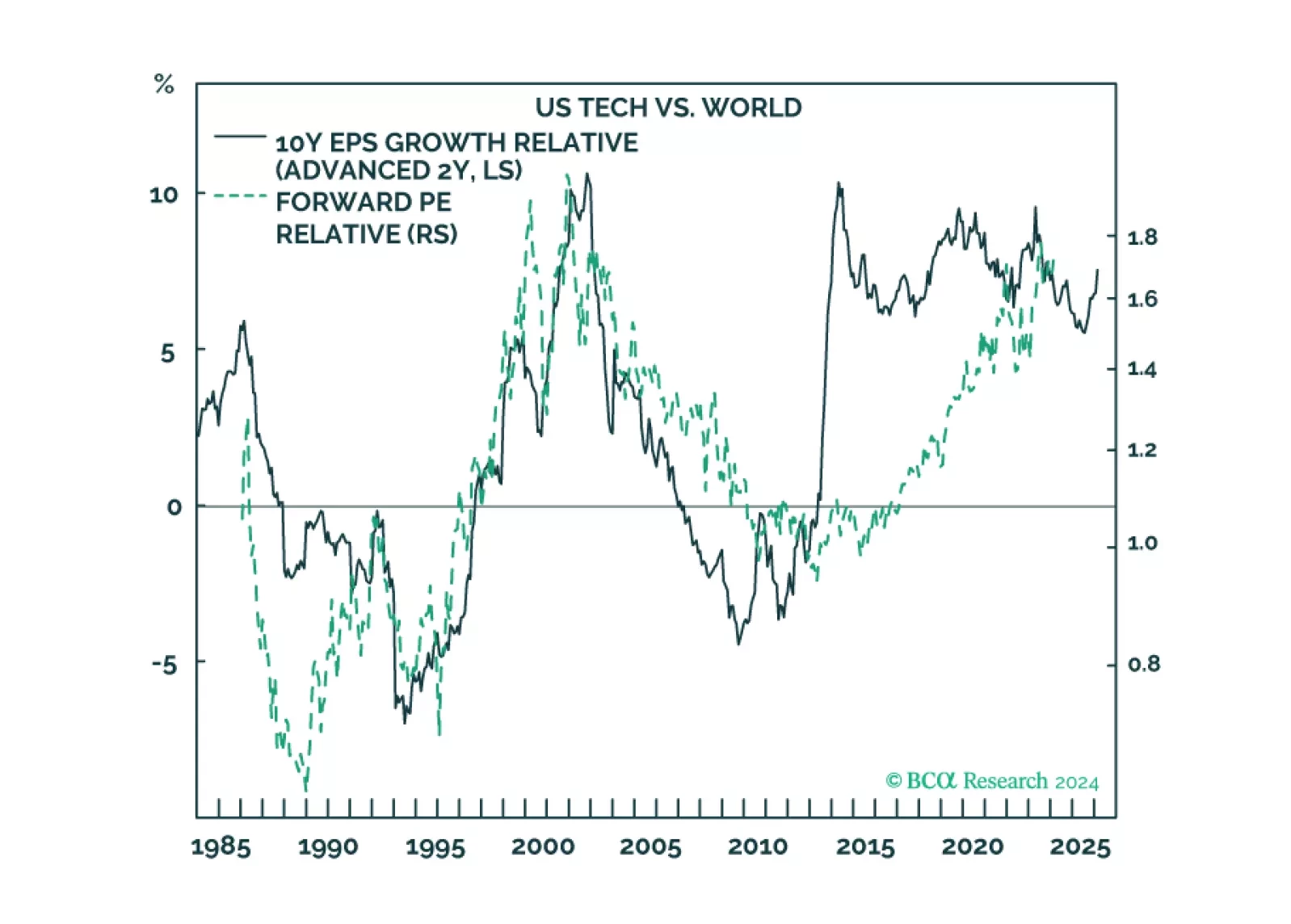
Our Valentine’s Day report is about two love stories: the infatuation with US tech and China’s infatuation with housing. We describe how these love stories will end, and why Europe could be the winner.
Over the past few months we have been highlighting that there are some budding signs of a recovery in global manufacturing activity. Most notably, the new orders-to-inventories ratio of Sweden’s manufacturing PMI has been rebounding. To the extent that Sweden…
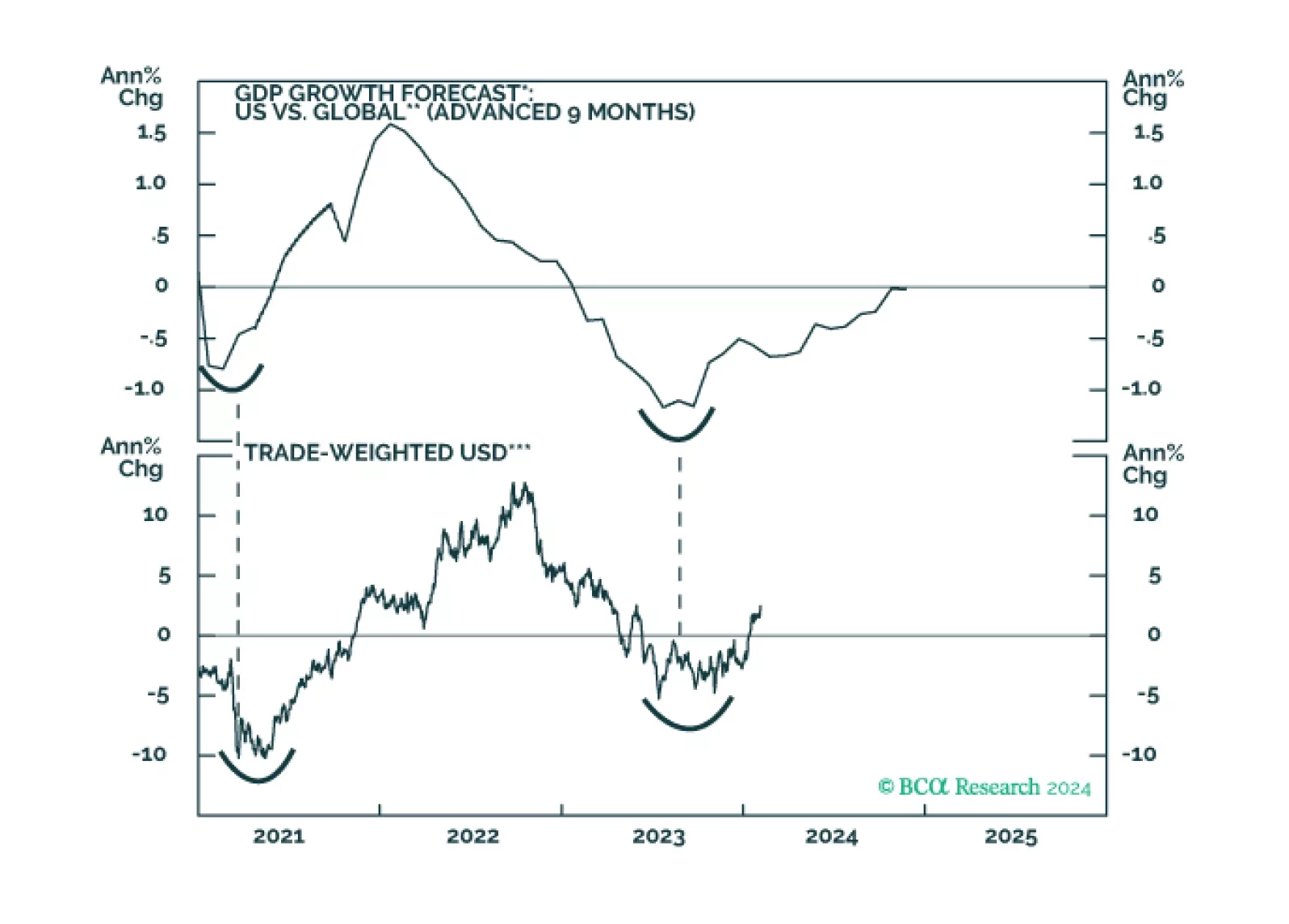
This week’s report explores factors behind the recent rise in the dollar, and whether this could continue in the next month.
According to BCA Research’s Commodity & Energy Strategy service, after falling 80% over the past year, lithium prices will continue to trade lower. Lithium is critical for green technology and defense equipment, given lithium-ion batteries’ high power…
US equities remain on a winning streak. After a sluggish start to the year, US stocks resumed their rally in late-January. Importantly, the rally has recently broadened out, with nine of the 11 S&P 500 sectors rising so far in February. Meanwhile,…
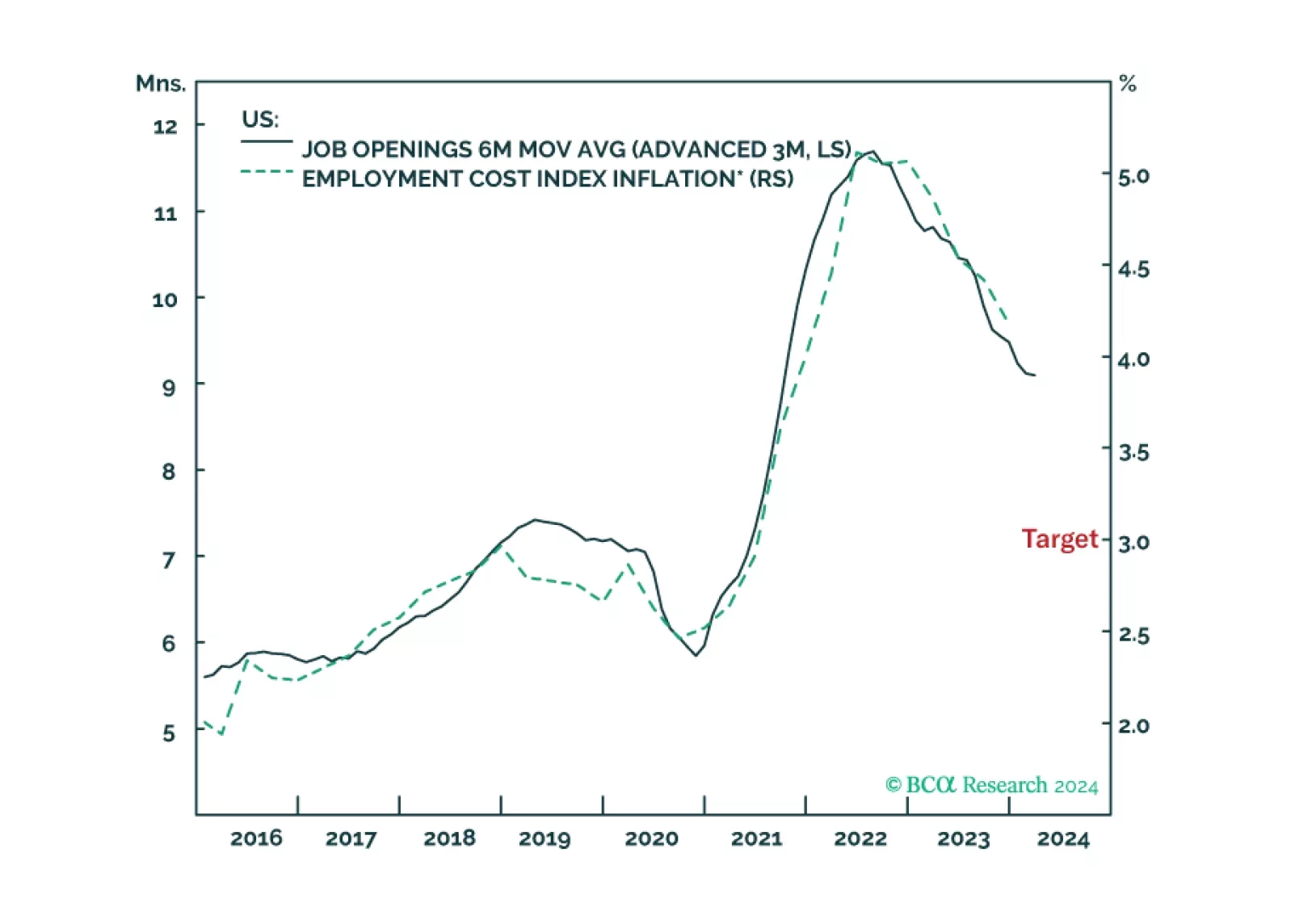
The disinflation to date has been benign because it has come almost entirely from improving supply. But the supply-side tailwind has exhausted, so the last mile of the journey to 2 percent inflation will be the hardest, especially in the US and the UK. We discuss the investment implications. Plus, we highlight an interesting sector pair-trade.
In the monthly Daily Insights Survey we conducted over the past week, we asked about our readers’ views on tech stocks, the US economy in 2024, and China’s contribution to global growth. Regarding tech stocks, 44% of respondents believe the rally as…
The late-2023 broad-based rally across major global financial assets fizzled at the start of this year, with most of the assets we track selling off in January. Chinese stocks continued to perform exceptionally poorly, with the investable and domestic…