AI and Markets
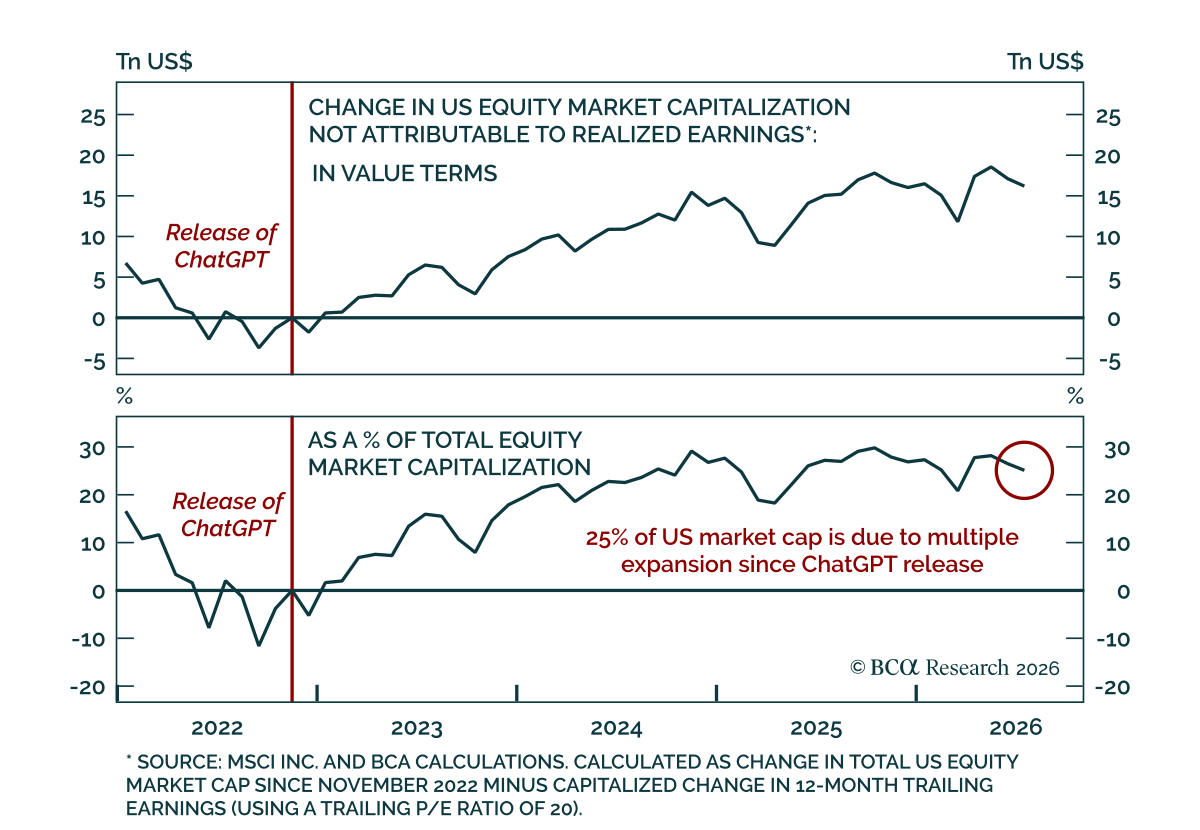
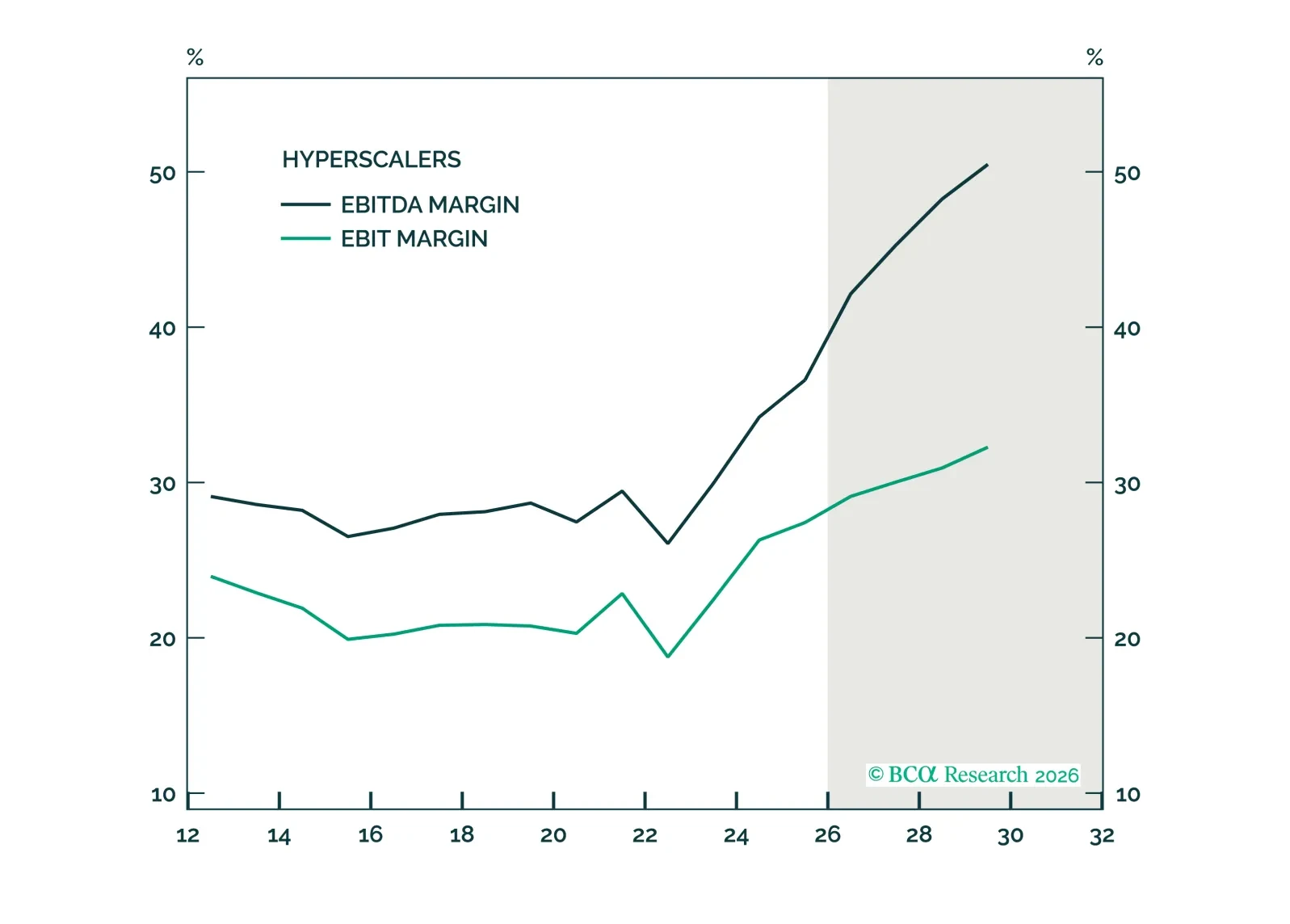
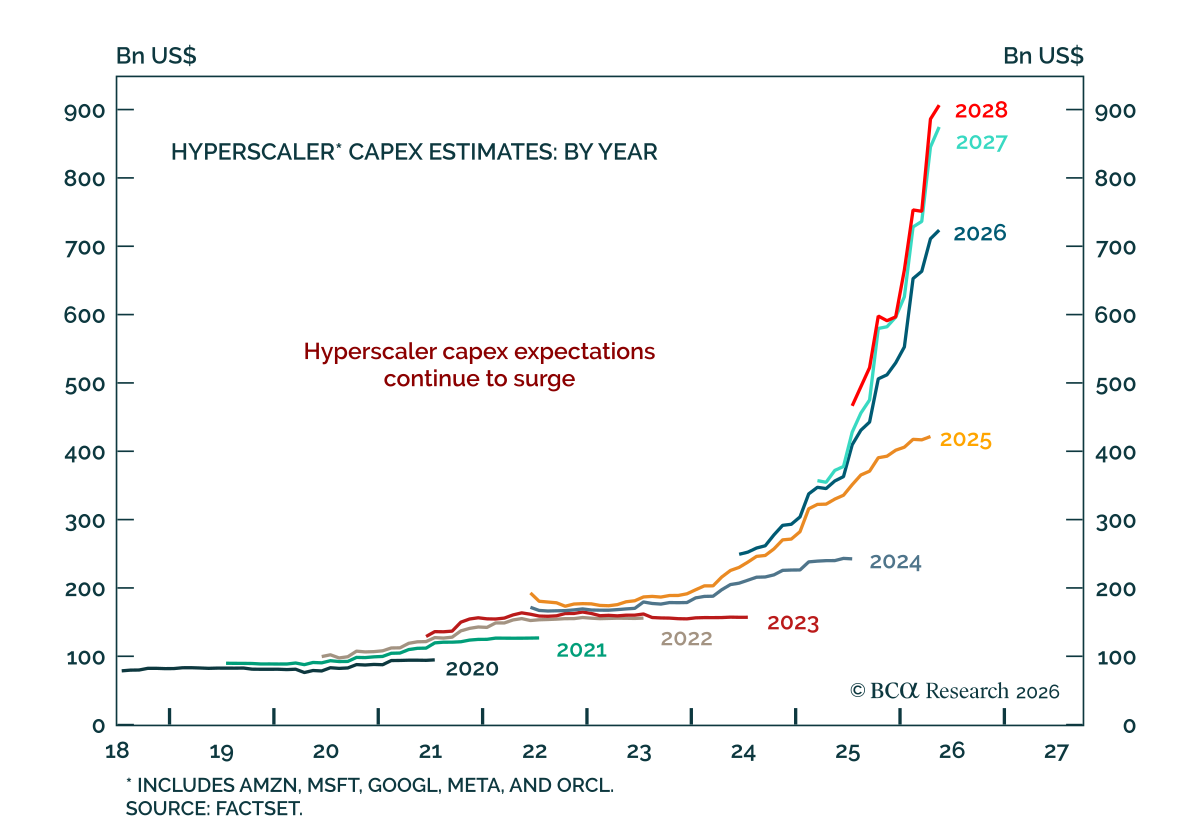
An acute shortage of AI hardware will support tech stocks into year-end. However, AI companies may need to ultimately generate $10 trillion per year in revenue to justify their capex. Barring a massive increase in productivity growth, this will be very difficult to achieve. Despite today’s Treasury announcement of upsized buyback operations, bond yields are likely to remain elevated over the coming months. Rising crack spreads have reduced the demand for crude, which is not encouraging for global growth. On the FX front, recent intervention to support the yen will probably be insufficient, but there is significant long-term upside for the currency.
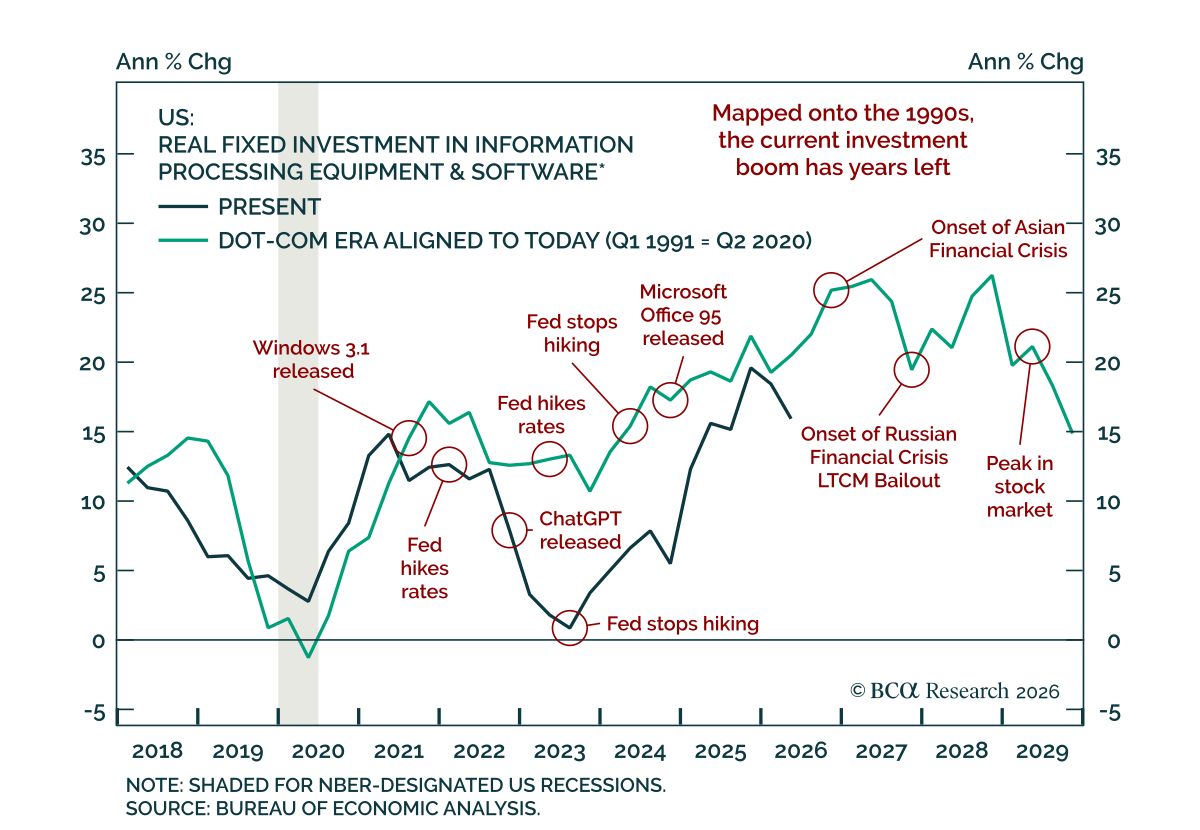
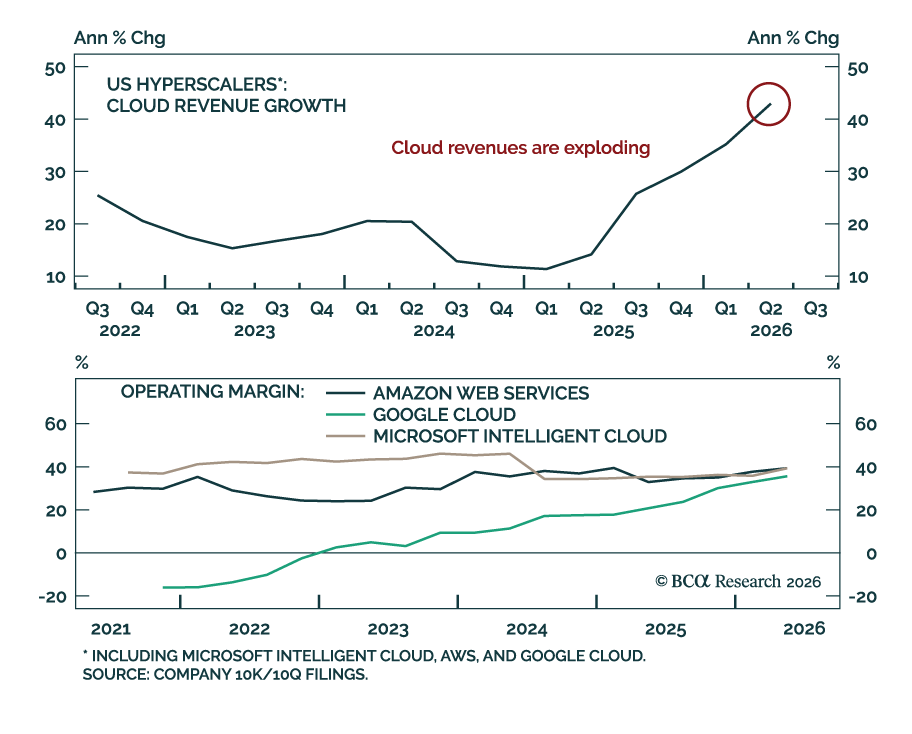
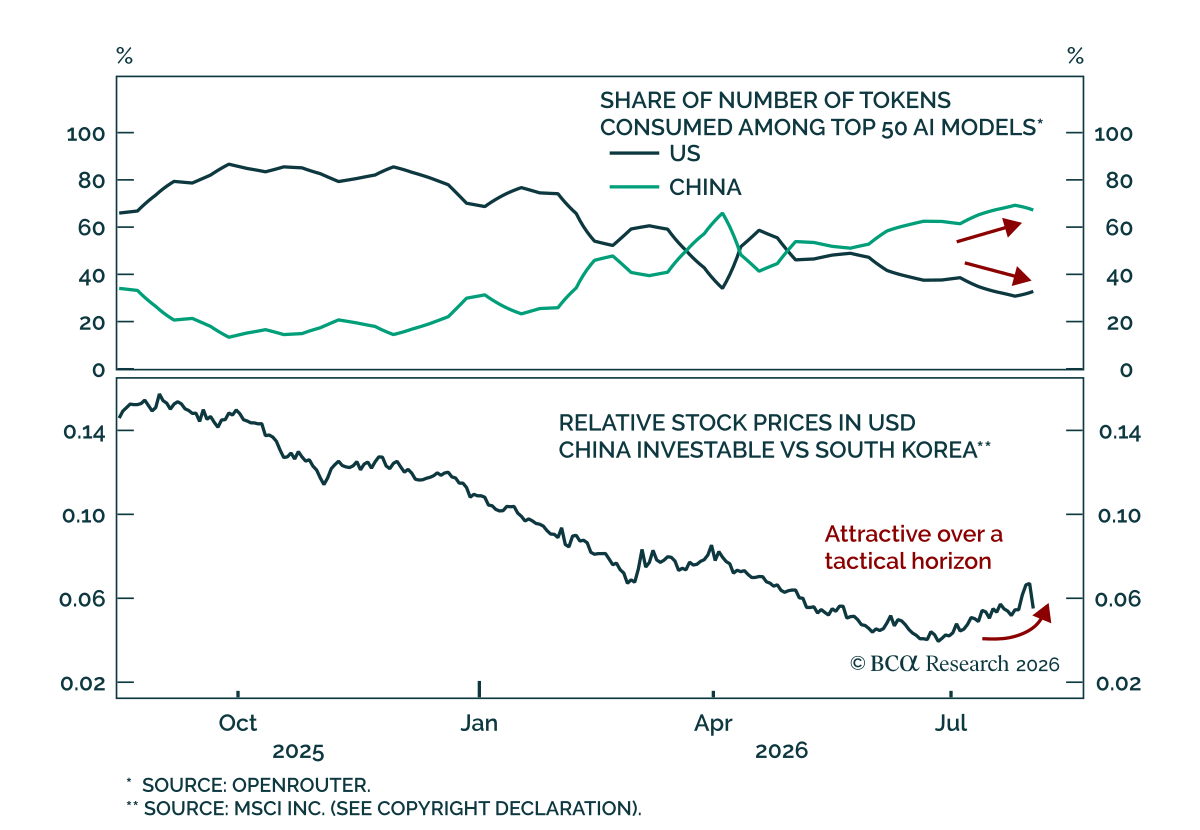
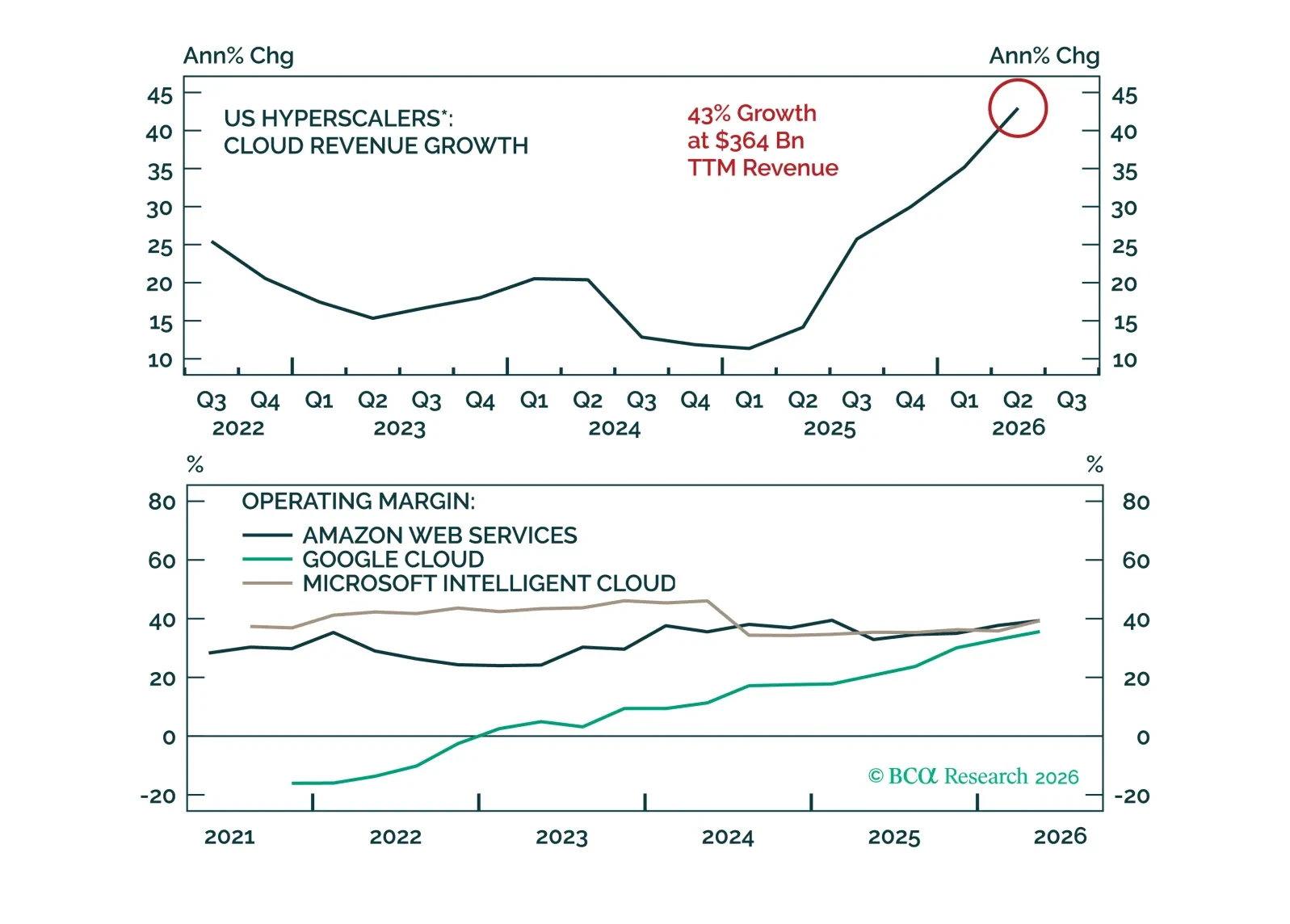
Investors have remained very skeptical about the profitability of the AI buildout. However, this earnings season the ROI has begun to show up, giving the bull market a green light to go higher. Remain overweight equities and continue to favor the hyperscalers.
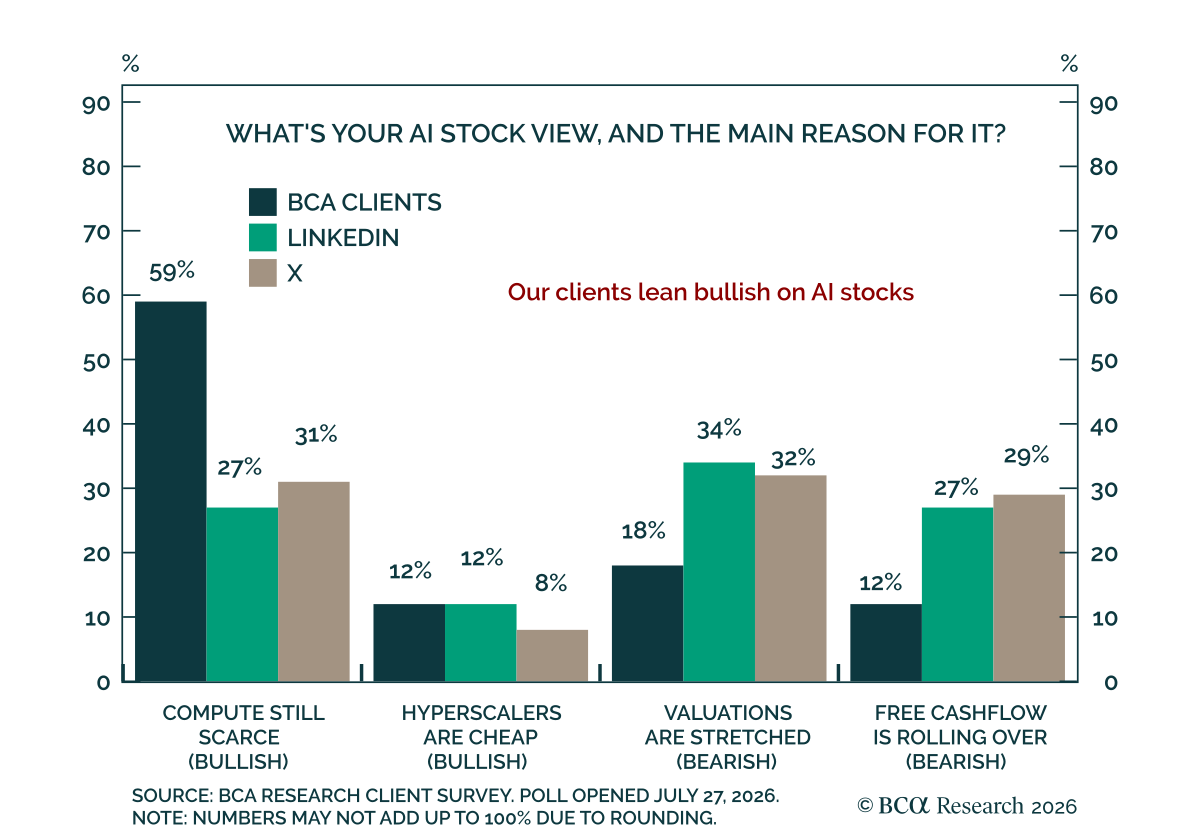
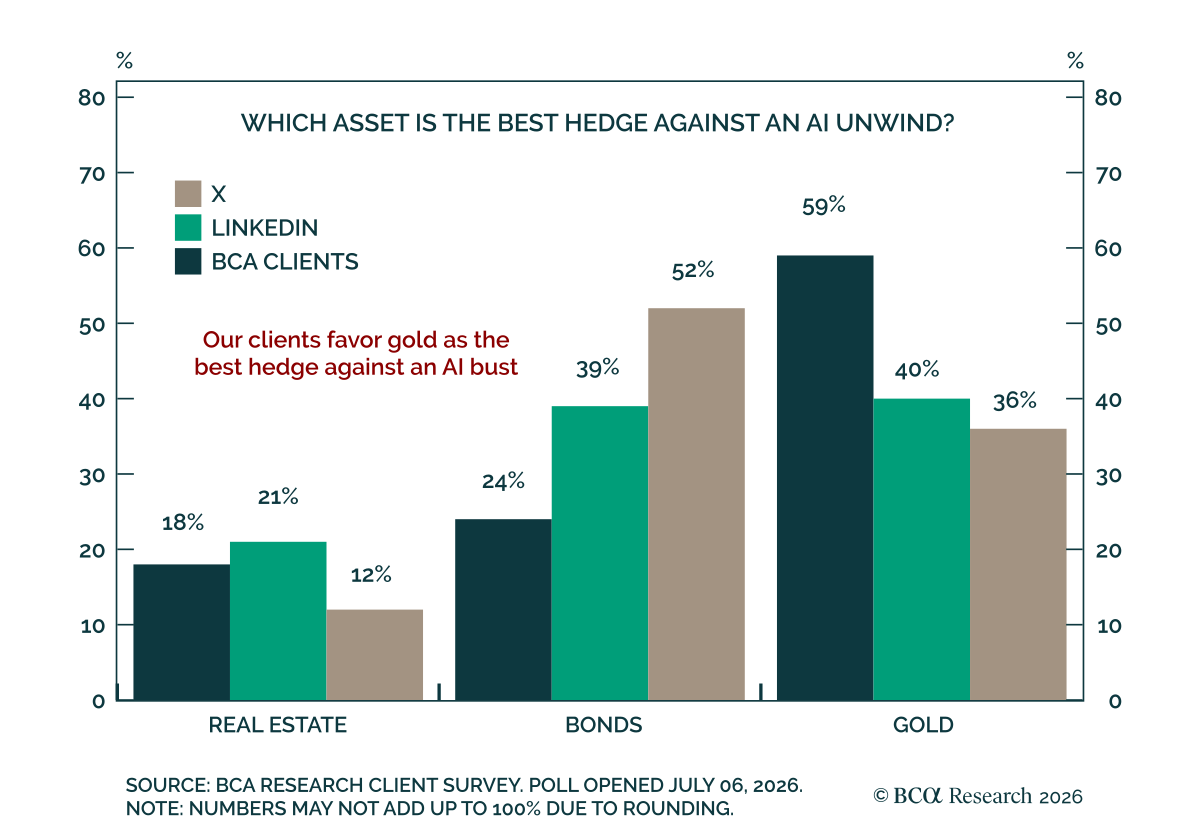
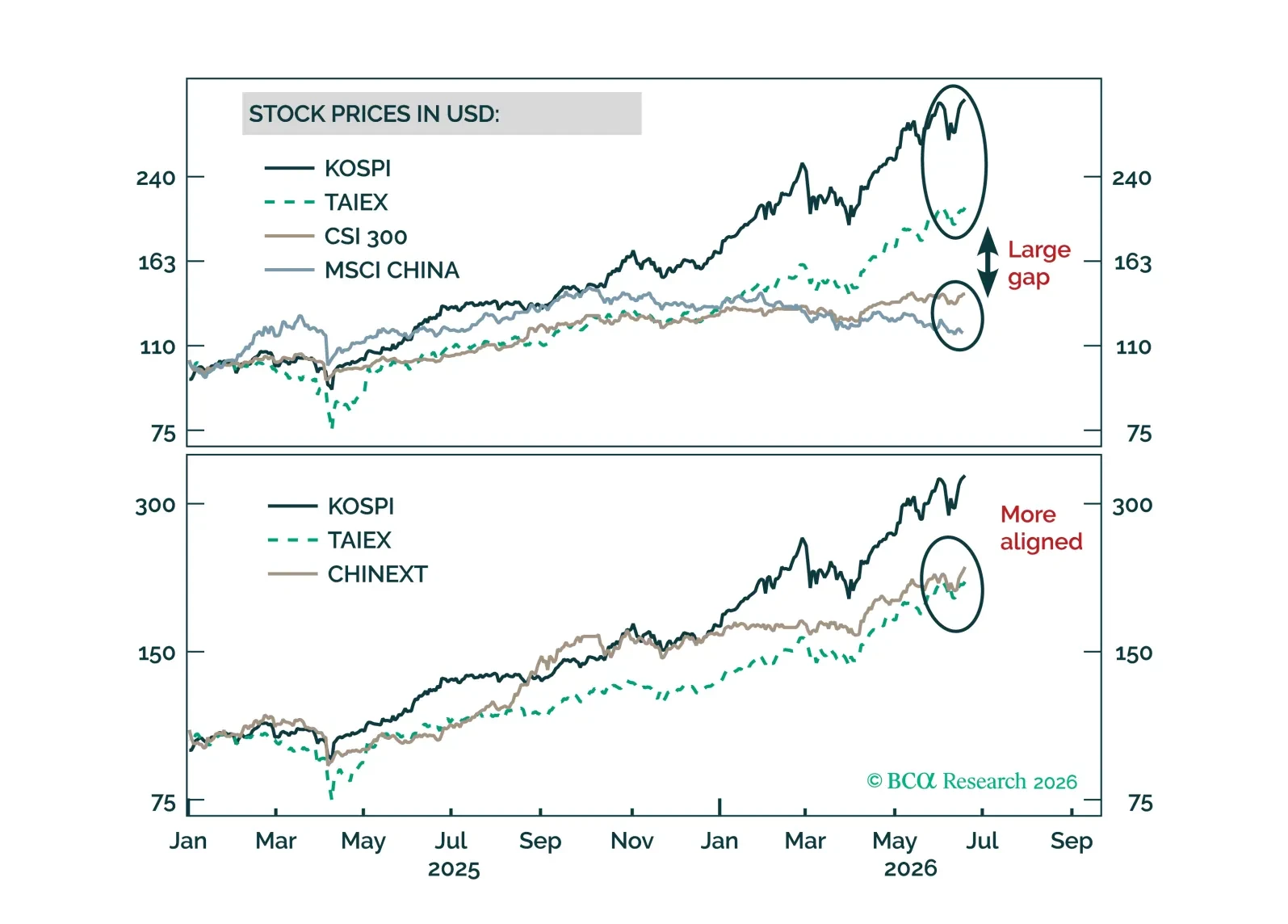
This report addresses five frequently asked questions from our Greater China clients over the past few months.