Consumer

The S&P/TSX Venture Index is a micro-cap index of Canadian companies listed on the TSX Venture Stock Exchange. Nearly two thirds of the index is comprised of material and energy stocks, making the index exposed to fluctuations in commodity markets.…
China’s official NBS PMI indicates that growth conditions remain sluggish. Although the composite index ticked up from 50.3 to 50.9, it is still barely in expansionary territory. Notably, the manufacturing PMI – which inched up by 0.2 points in January –…
Results of regional Fed surveys suggest that the US manufacturing sector is starting the year on a weak footing. Monday’s report from the Dallas Fed– the last to release its results for January – showed the headline manufacturing activity index collapse from…
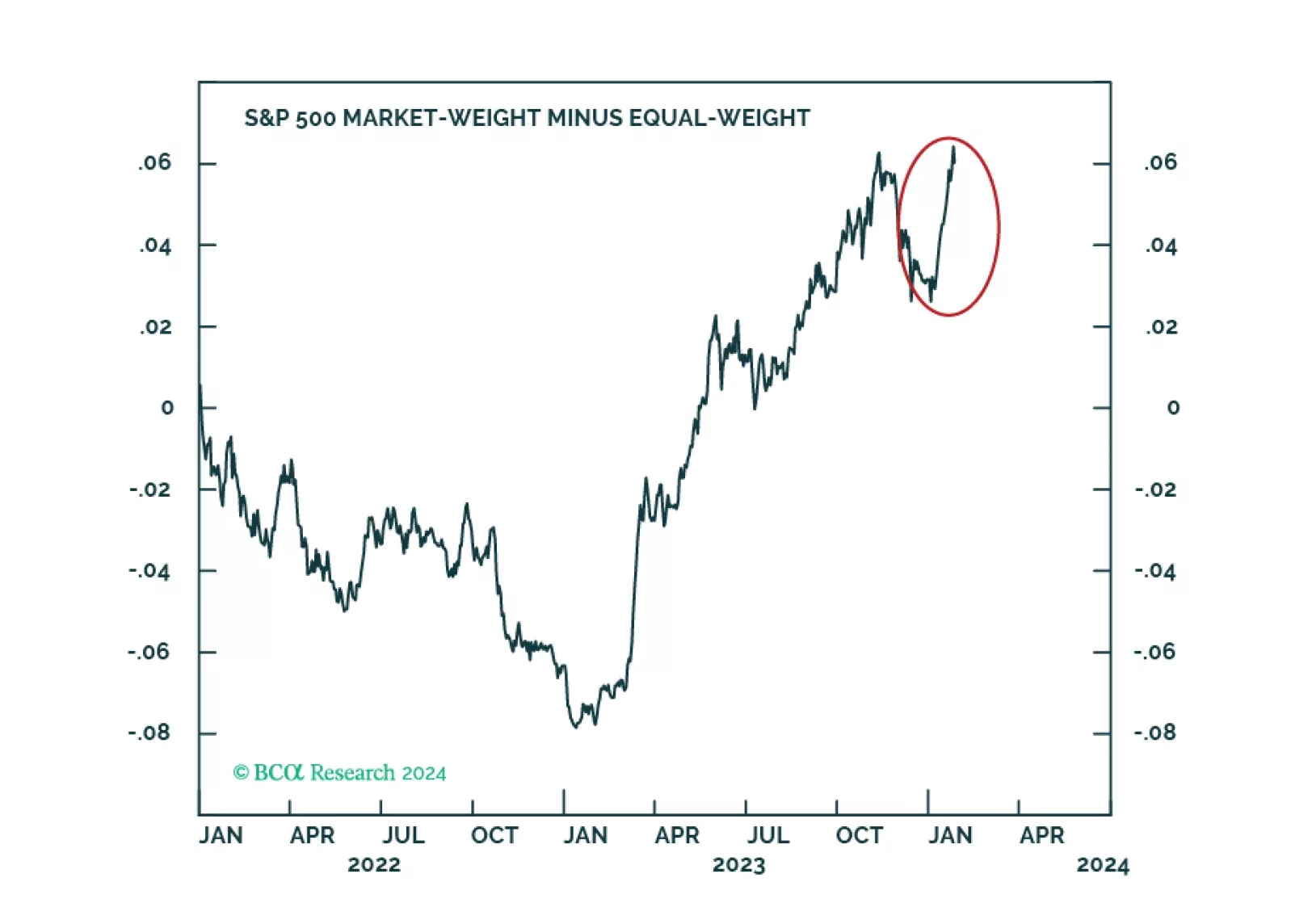
A recent slew of macroeconomic data has reassured us that the runway to a recession is longer than many thought. However, that positive realization comes with two caveats. First, the Fed pivot is not imminent, and the magnitude of rate cuts may disappoint. Second, the recession has been delayed but not avoided. Further, geopolitical risk is elevated. We will overweight Tech on the next dip and upgrade Retail to an overweight.
Friday’s US Personal Income and Outlays report for December delivered a positive update on the US economy. On the growth side, the data confirm the signal from the Q4 GDP release that consumer spending continues to power the US economy. The robust 0.5%…
Over the past few months, falling inflation has provided a boost to real wages in the Euro Area which returned to growth in 2023Q3 after 9 consecutive quarters of decline. This dynamic in turn improved the purchasing power of households, boosting their morale…
With the latest PCE release confirming that the disinflation process is intact (see The Numbers), a key question facing investors is around the timing of the Fed’s pivot to rate cuts. Indeed, the US inflation surprise index has collapsed from its mid-2021…
Germany’s IFO survey is sending a warning. The Business Climate Index unexpectedly fell for the second month in a row in January. Importantly, increased pessimism about the current situation and the outlook are driving this deterioration in sentiment among…
Government bond yields rallied and yield curves steepened across the Eurozone on Thursday following a less hawkish than anticipated tone from the ECB. As expected, the central bank kept policy rates unchanged and reiterated that it is still premature to…
The Q4 2023 US GDP print delivered a positive message on economic conditions. Although real GDP growth decelerated from 4.9% to 3.3%, it came in well above consensus expectations of 2.0% and the Atlanta Fed’s GDPNow estimate of 2.4%. Consumers once again…