Sorry, you need to enable JavaScript to visit this website.
Skip to main content

Iran

The Middle East conflict has re-escalated, with increasing risks to energy supply chains and inflation. The recent slowdown in drone and missile strikes was interrupted after Iran’s energy facilities were hit, prompting the IRGC to issue evacuation warnings…

This screener report builds on the macro risk portfolio framework developed in the US Equity Strategy and Equity Analyzer collaboration published on 9 March 2026. Here, we apply the framework to analyze recent Middle East hostilities and identify how bottom-up equity positioning should adapt as the conflict evolves, which we analyzed in a US Equity Strategy report published on 16 March 2026.

Overnight, the Israeli military reported that it managed to kill two high-profile Iranian leaders: the Secretary of the Supreme National Security Council and the leader of the internal paramilitary group, the Basij. Meanwhile, the Gulf States reported more interceptions of drones and missiles from Iran.

The market narrative around the Gulf conflict rests on three flawed myths: the UAE is not “finished,” Iran cannot close Hormuz indefinitely, and the war is not fundamentally about China.

Oil dominated cross-asset price action last week, driving yields and credit spreads higher and equities lower. European equities were particularly sensitive, showing the strongest inverse correlation with rising oil prices. Sector composition helps explain…

Our March 13 tactical insight into the ongoing Third Gulf War has incited a lot of client feedback.

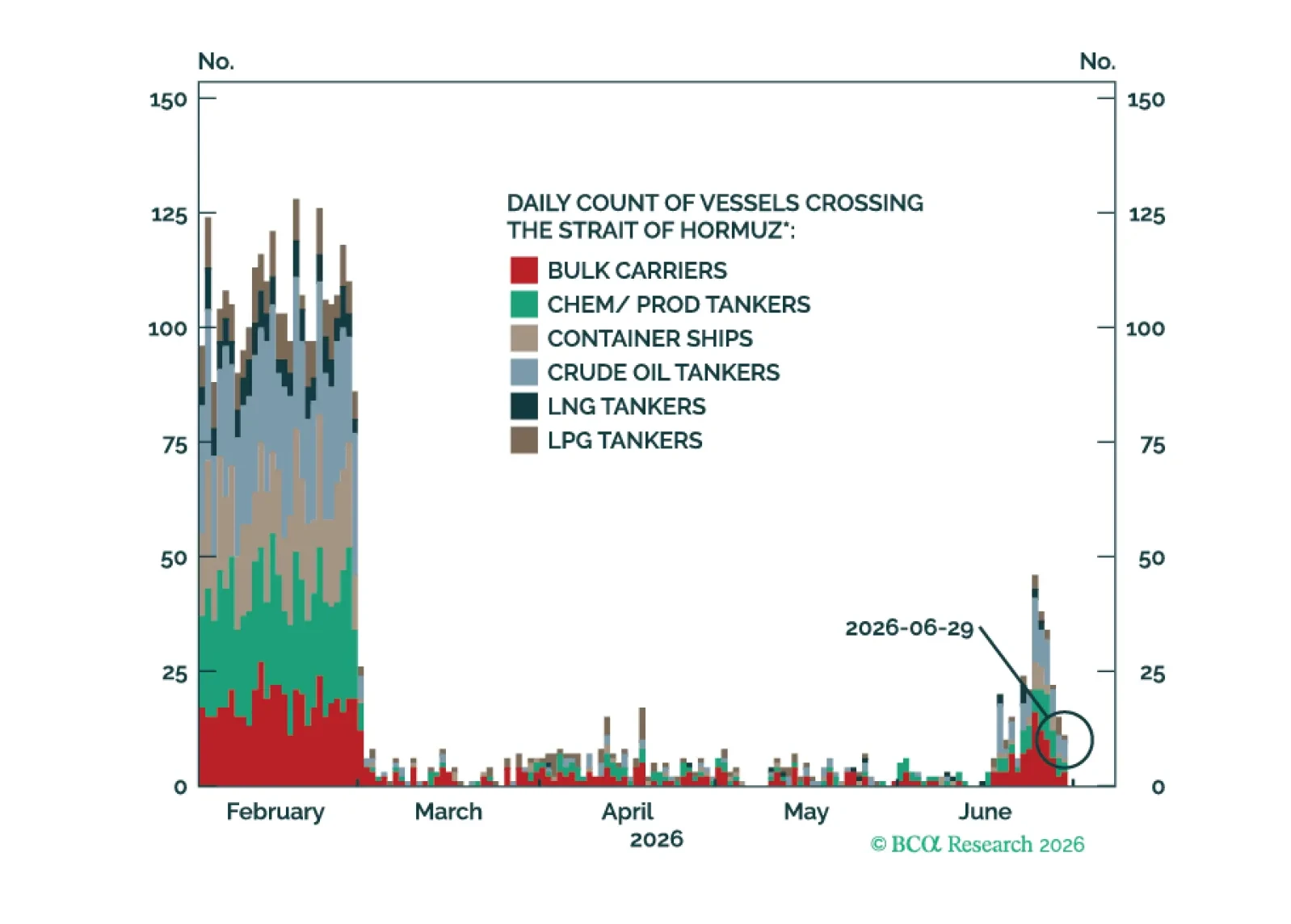
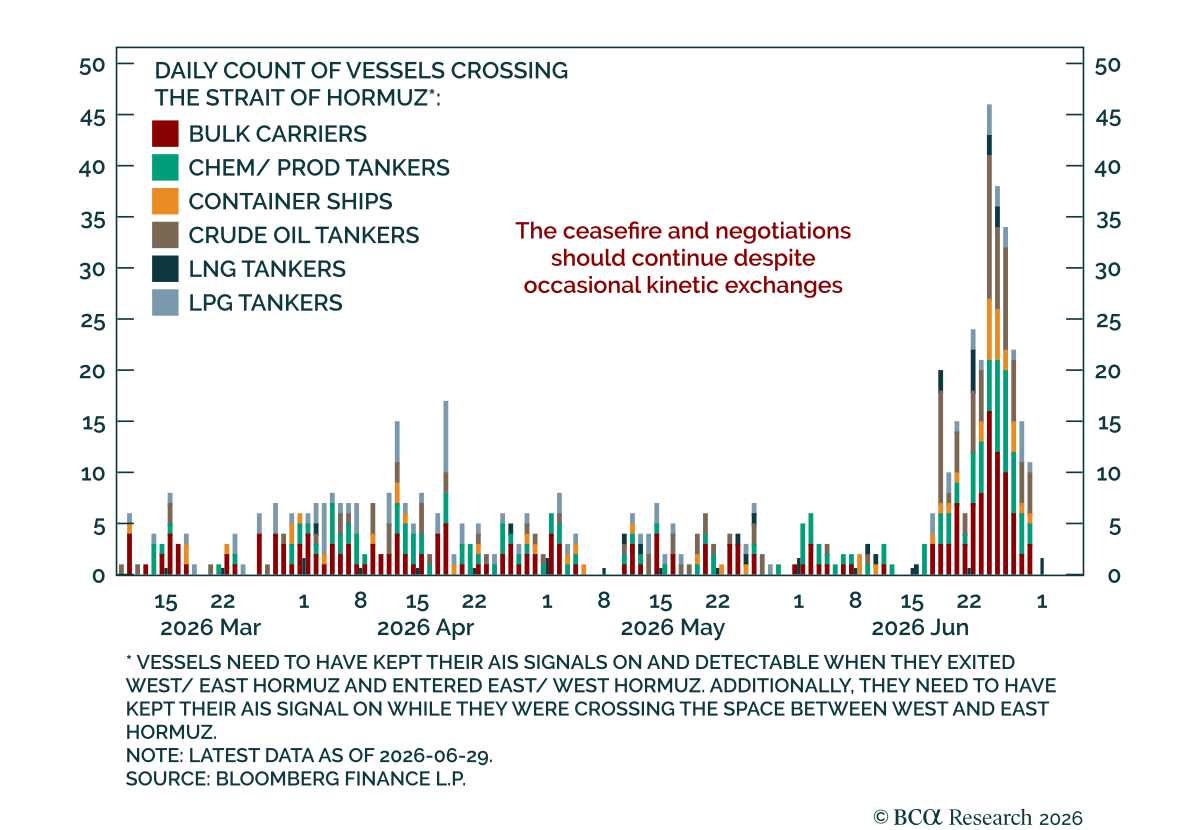
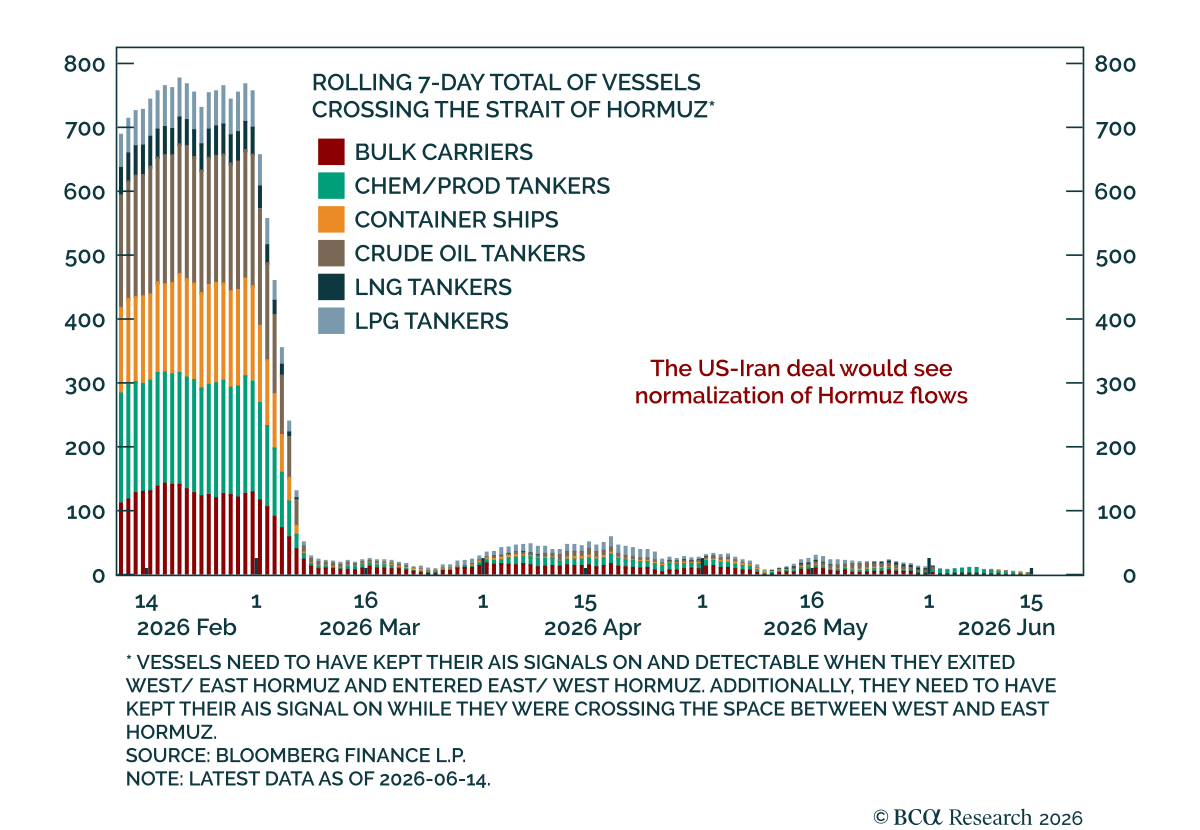
The conflict in the Middle East persists as the US and Israel continue their strikes, and so does Iran’s retaliation with drones and ballistic missiles against the Gulf States. The Strait of Hormuz is still essentially closed, despite some ships being allowed to traverse.

Middle East tensions sparked a surge in volatility, yet the S&P 500 decline has been comparatively modest. Across asset classes, moves seem related to risk preferences and near-term inflation concerns. Within equities, some cyclicals are under pressure, but the equity market’s growth view has been resilient, while the inflation view has climbed.

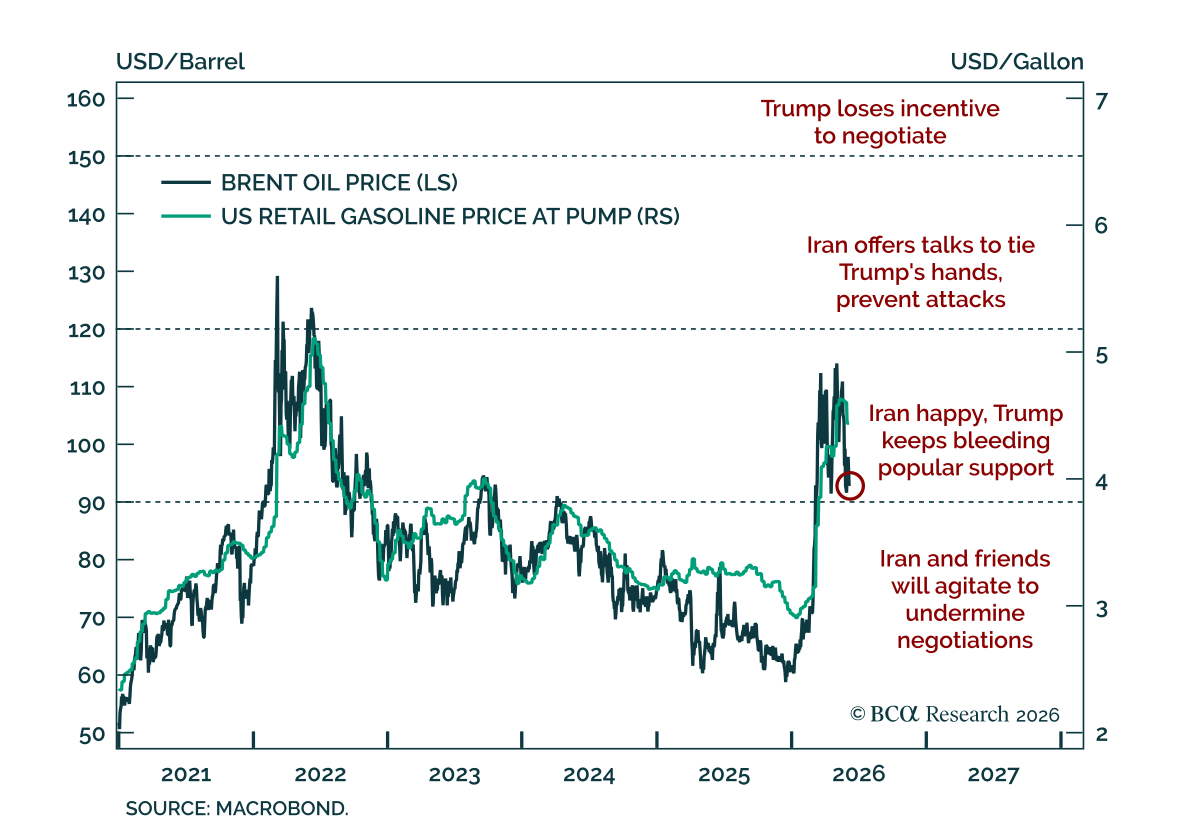
War momentum and escalating rhetoric around the Strait of Hormuz have pushed Brent above $100 and raised the risk of a broader supply shock. While parallels with 2022 offer a roadmap, today’s shock is likely shorter but more globally disruptive. Markets are repricing monetary tightening risks, though we see rate hikes as a mistake absent second-round inflation. Beyond oil, sulfur, helium, and fertilizer disruptions threaten food prices and the AI supply chain. Position defensively.

We outline a framework for the Iran war's impact on the commodity outlook in the event of a prolonged Strait of Hormuz disruption. We break it down into three phases: (1) the Initial Shockwave, (2) the Ripple Effects, and (3) the Backwash. The first phase has largely passed, and we are now in the Ripple Effects phase.

BCA's Iran Conflict Dashboard

Real-time charts on the Hormouz crisis, energy, and macro risk.

View Dashboard

Related Topics