Manufacturing
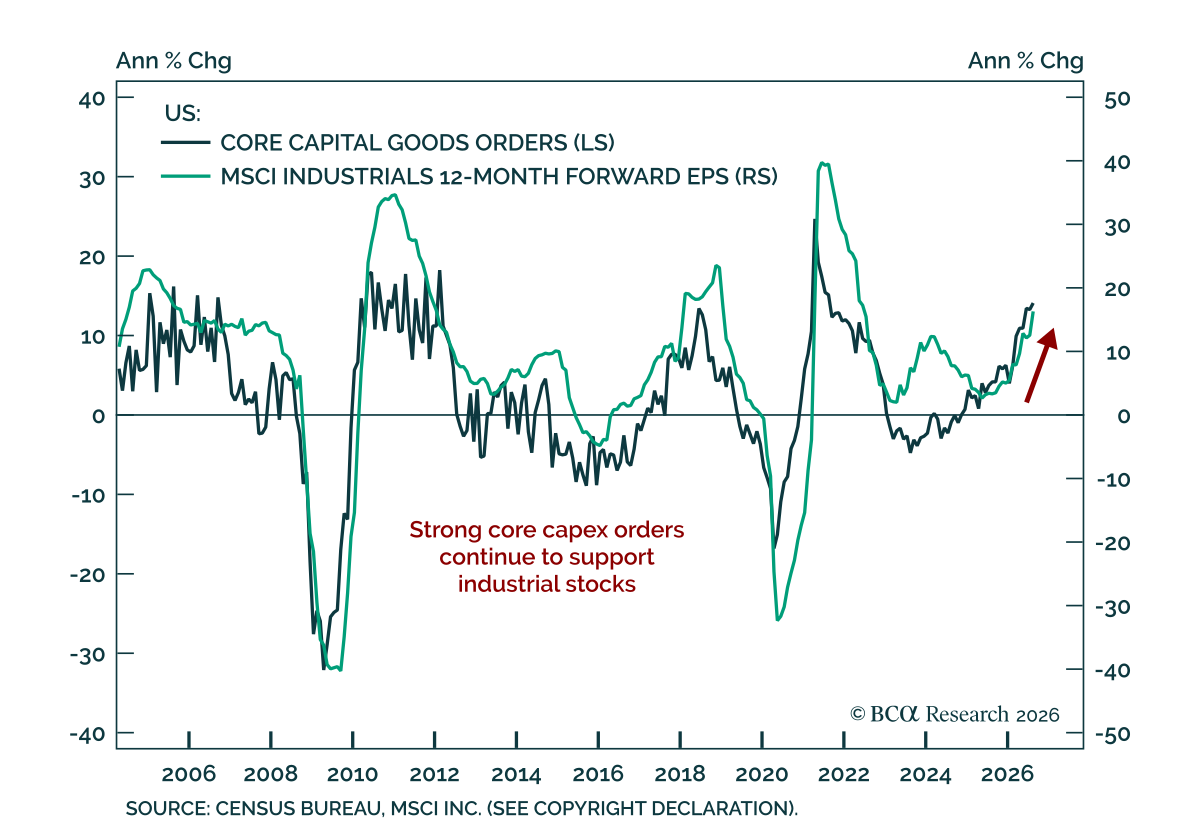
Strong core capital goods orders reinforce an overweight position in Industrials relative to the S&P 500. August US core capital goods orders rose 1.6% on a monthly basis, building on an upwardly revised 0.6% July gain. Orders are up around 14% annually -…
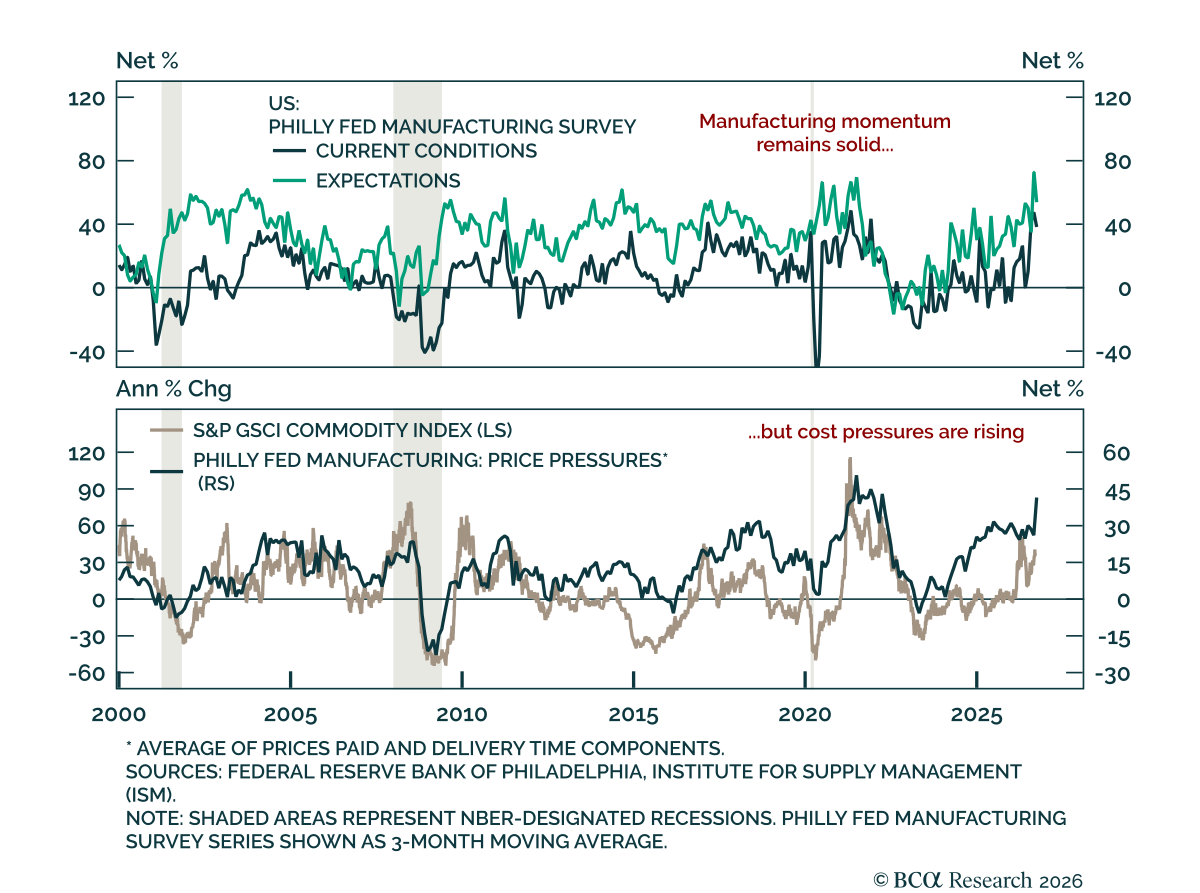
The September Philadelphia Fed survey showed manufacturing momentum holding up, alongside renewed price pressures. The headline index eased less than expected, to 37.8 from 47.3. The report echoed the NY Empire survey released earlier this week: manufacturing…
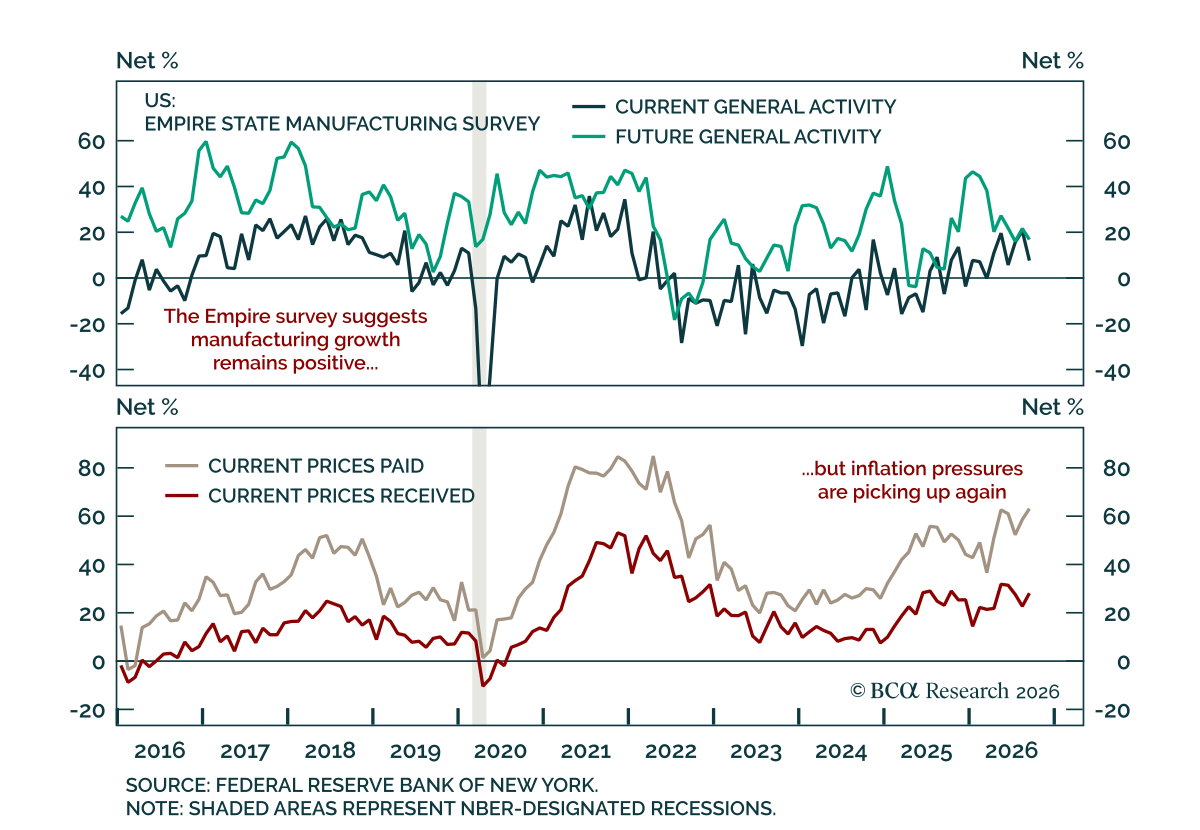
The September Empire survey missed estimates, with manufacturing activity moderating and price pressures picking up. The headline index fell more than estimates to 7.6 from 20.6, indicating slower manufacturing growth, but still marking a sixth straight month…
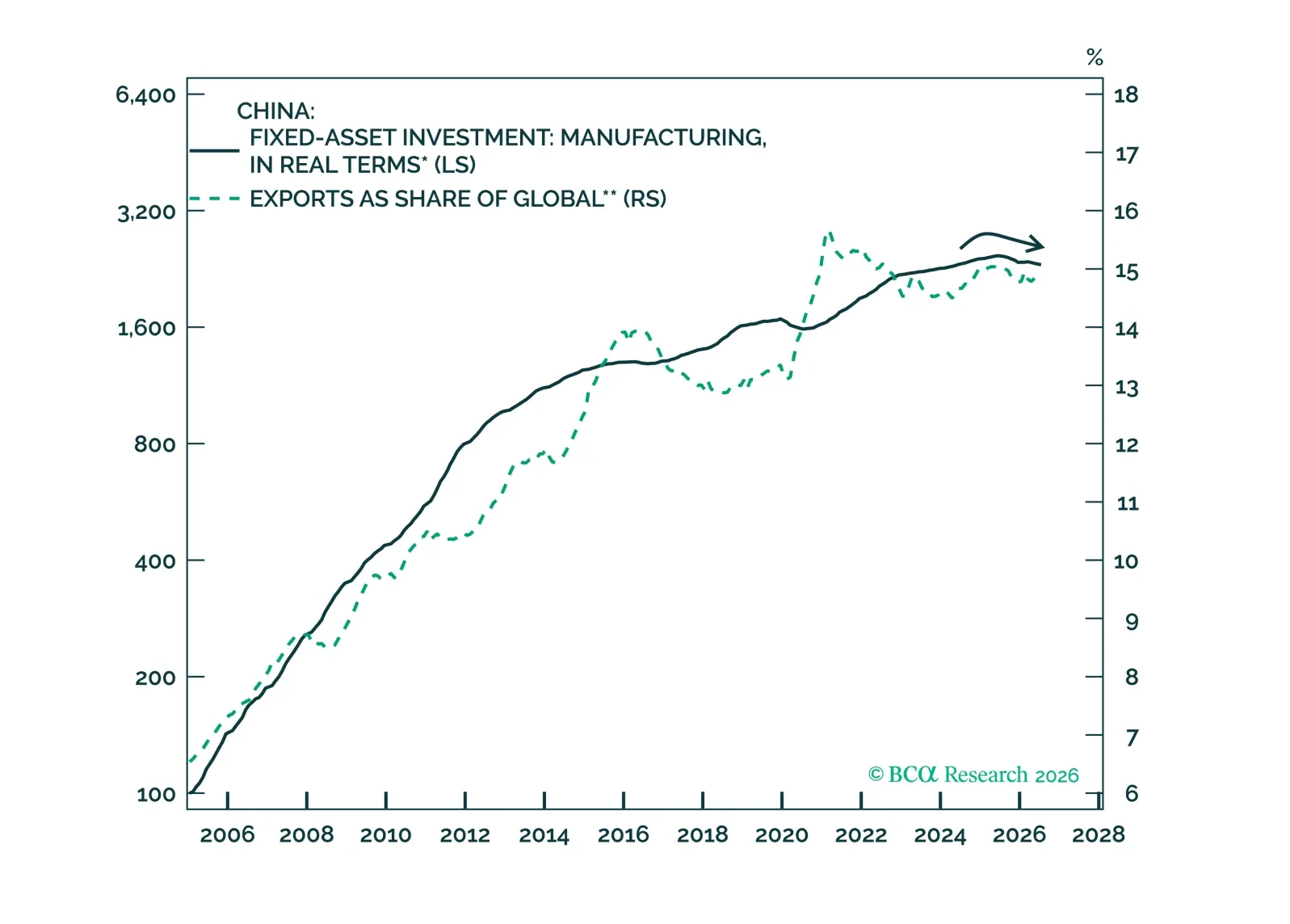
China’s manufacturing edge should endure in the next few years. AI will challenge the country’s advantage in some industries, but geopolitics and weakening productive investment pose greater threats to sustaining China’s industrial leadership.
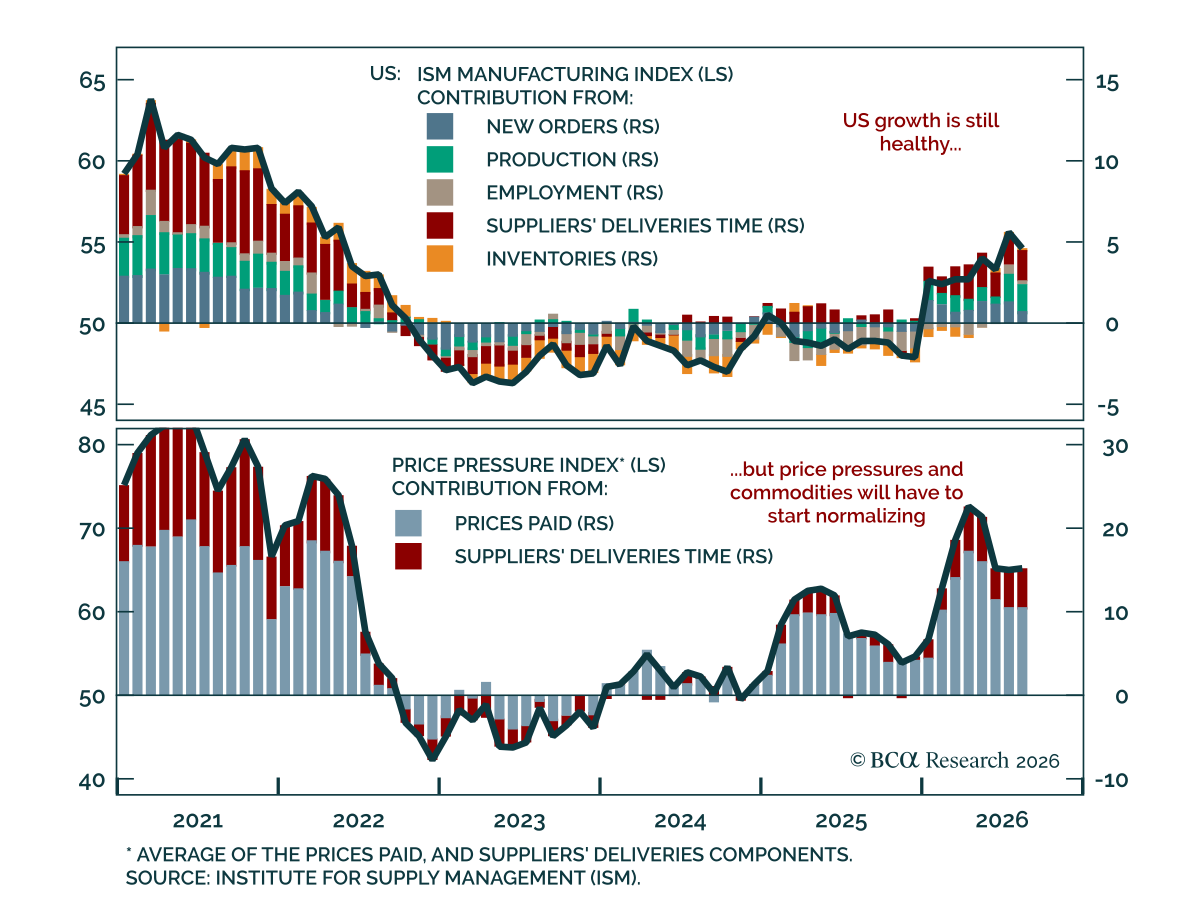
The August ISM Manufacturing report showed a decent but cooling expansion, while firmer pipeline price pressures remain tied to elevated commodity prices. The headline index fell to 54.6 from 55.6, missing estimates but still signaling expansion. Production…
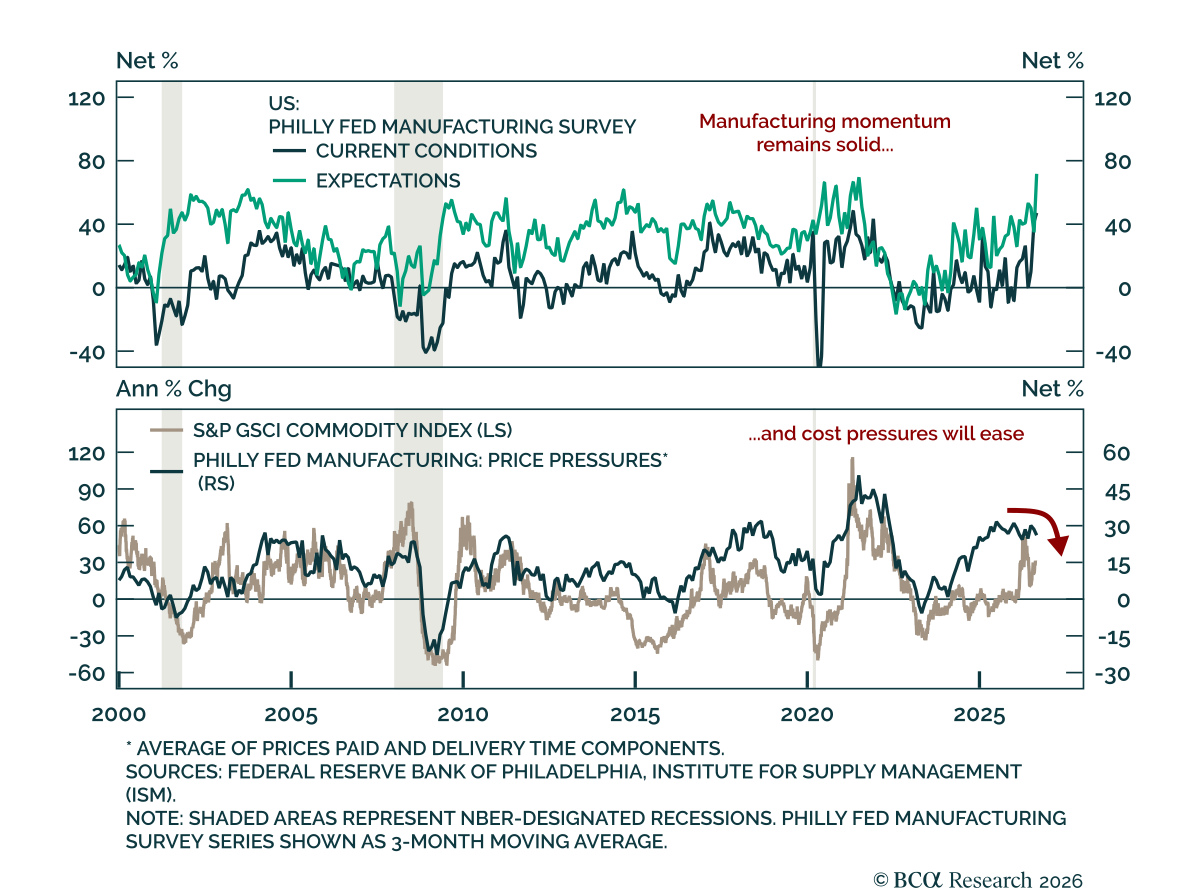
The August Philadelphia Fed survey points to strong manufacturing momentum without a renewed pickup in price pressures. The headline index rose to 47.4 from 41.4, well above estimates for a decline to 24.8. The print was also consistent with the strong Empire…

After Hormuz, Germany faces another shipping chokepoint, at home this time. Water level at the Rhine's river’s most critical chokepoint, Kaub, has fallen to just 11cm, the lowest reading since the 1970s. Forecasters warn it could take weeks of sustained rain…
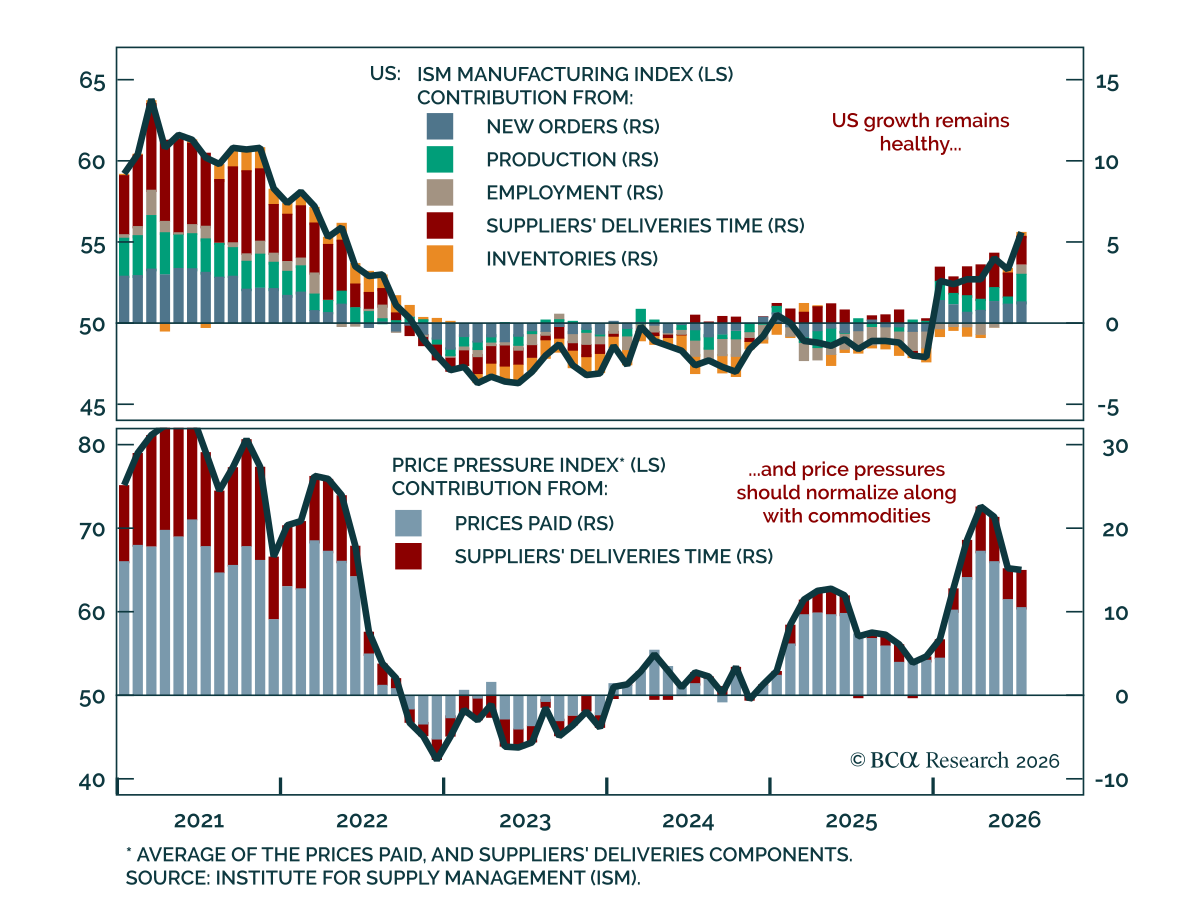
The July ISM Manufacturing survey confirms that US growth remains healthy without overheating, supporting a tactical overweight on equities relative to bonds. The headline index rose to 55.6 from 53.3 in June, beating estimates. The increase was driven…
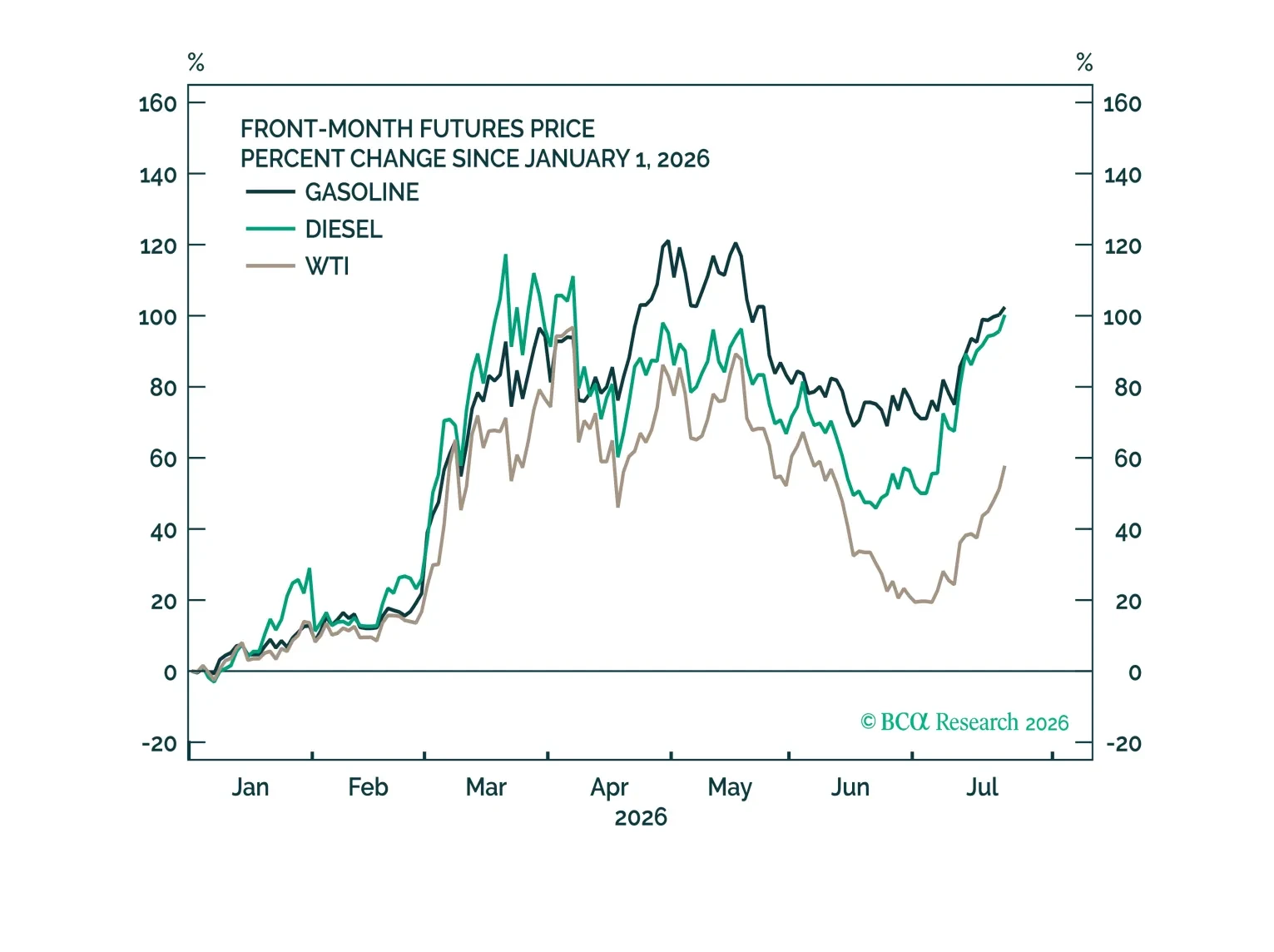
As long as the AI boom keeps booming, all other investment considerations will remain on the back burner. However, if the AI trade fizzles, this would expose deep-seated problems within the global economy, which could very well lead to an economic downturn as early as next year.
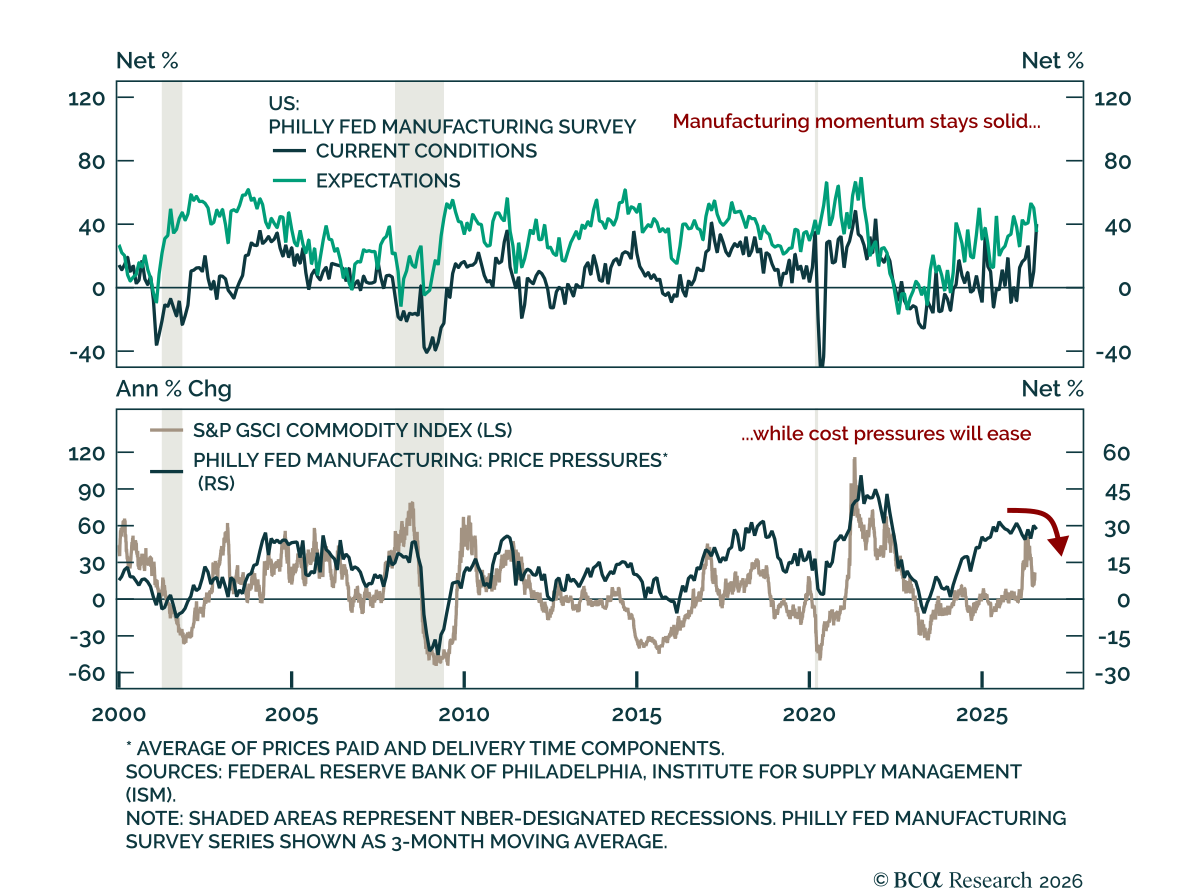
The July Philadelphia Fed survey beat estimates by a wide margin, which signals continued US manufacturing strength. The headline rose to 41.4 from 10.3, its highest in nearly five years. The Philly Fed survey is volatile but carries weight due to the…