Sorry, you need to enable JavaScript to visit this website.
Skip to main content

Monetary

The Atlanta Fed's Home Ownership Affordability Monitor (HOAM) – which gauges a median-income households' ability to absorb annual costs related to owning a median-priced home – dropped to a fresh record low in August. At 67.3, the index is significantly below…

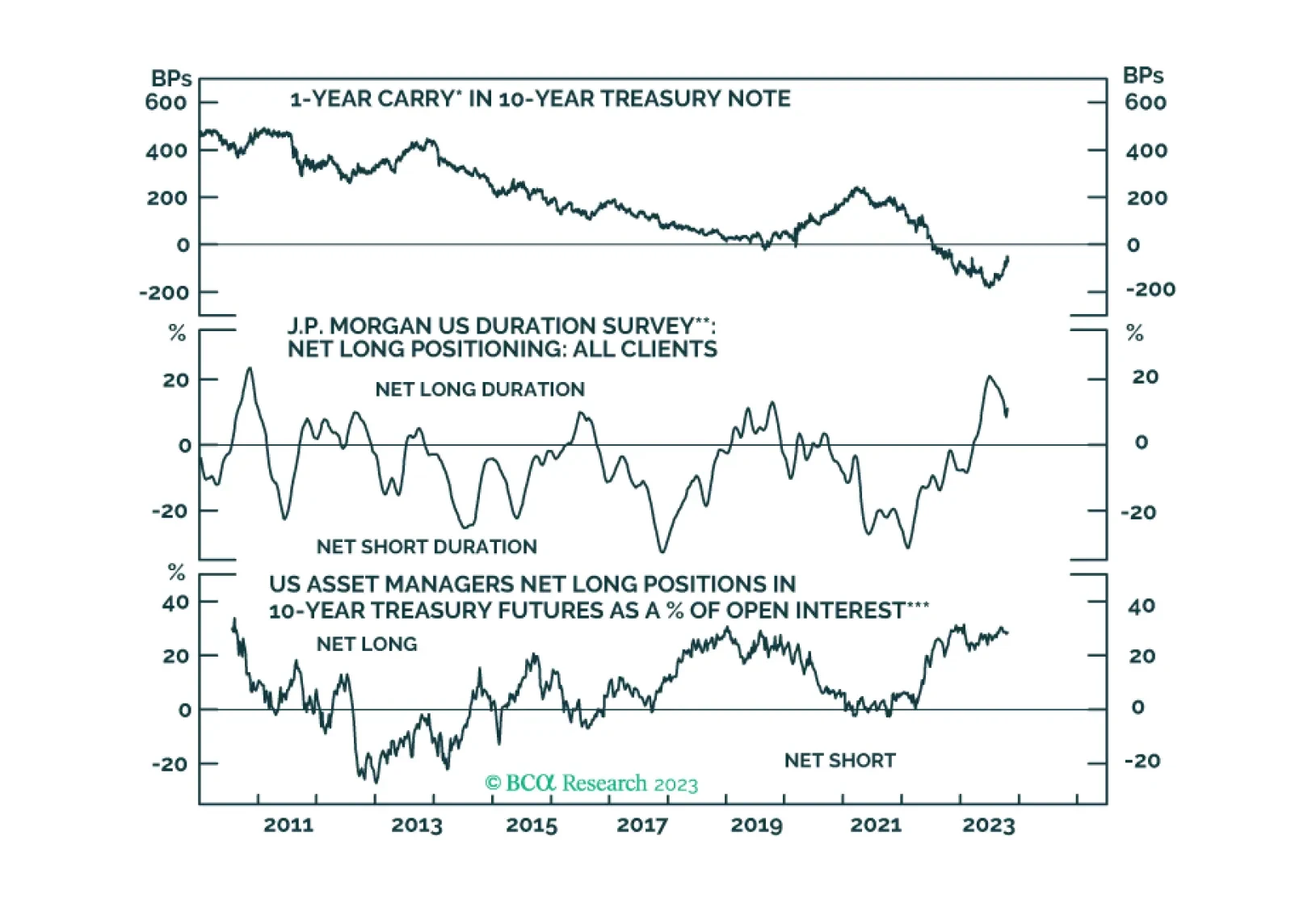
This week’s report contains an update on the Treasury curve’s recent bear-steepening trend and a look at different measures of long-maturity Treasury valuation.
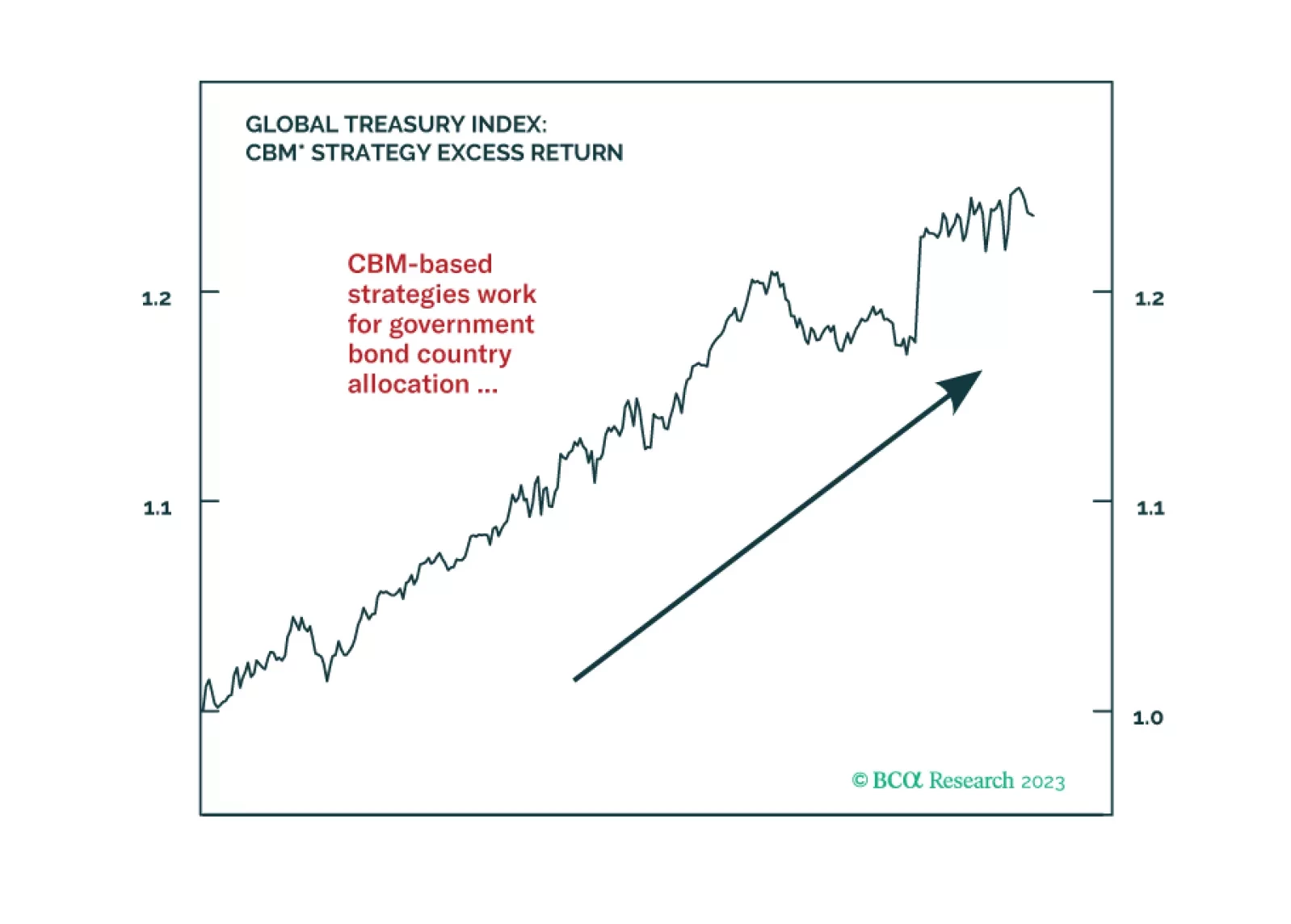
In this Special Report, we introduce two strategies that use our Central Bank Monitors for global fixed income country allocations and currency trades. We find that using the Monitors in country selection helps improve the performance of a developed markets government bond portfolio. The CBMs can also help substantially minimize the drawdowns on a standard FX carry strategy.
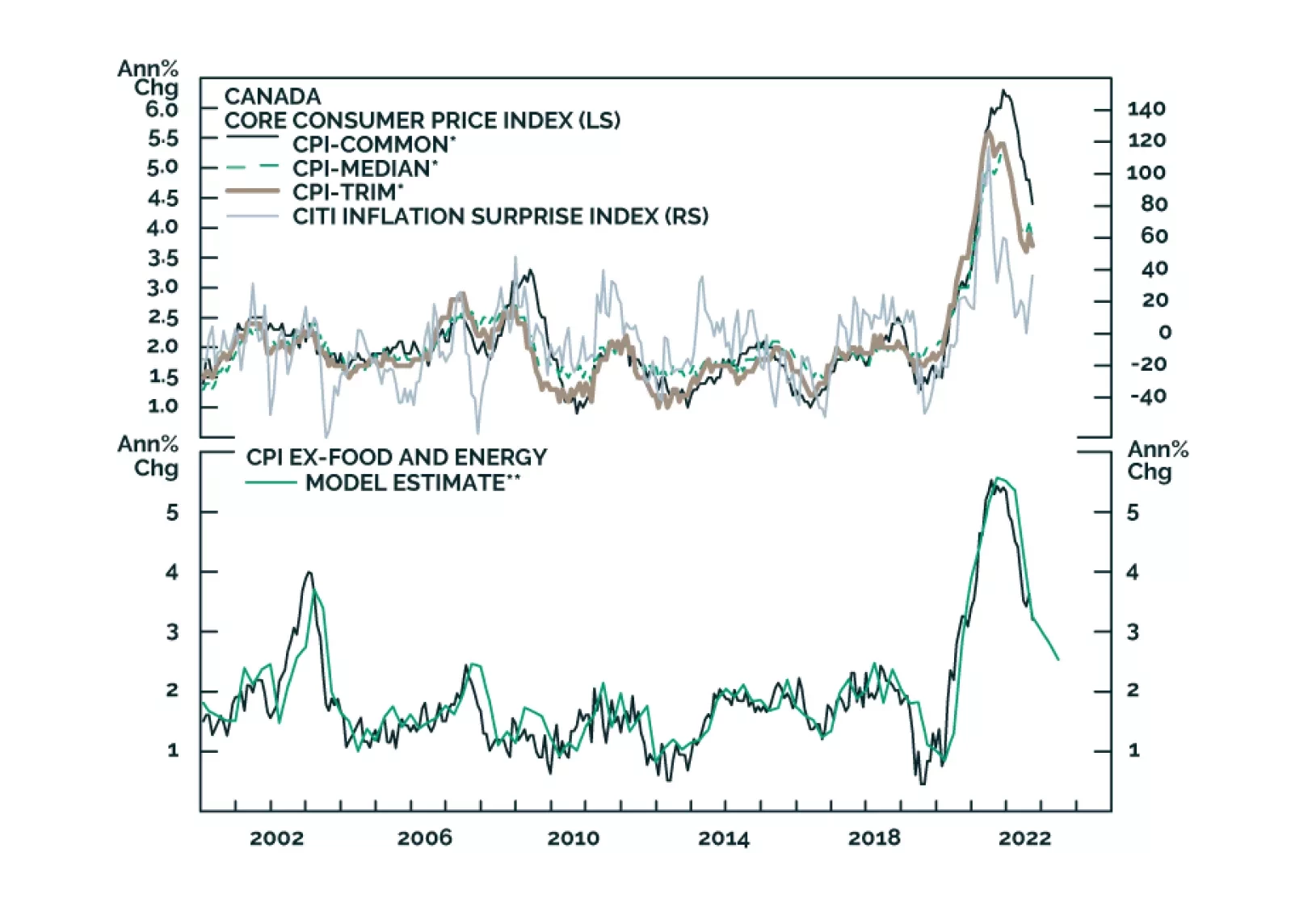
In this insight, we look at whether the recent data justifies a shift by the BoC, and some potential trades.

In this insight, we look at whether the recent data justifies a shift by the BoC, and some potential trades.

The European Commission's preliminary release for Consumer Confidence painted a murky picture for consumer sentiment on Monday. The headline print of -17.9 was largely unchanged from the previous month's print of -17.8, but beat expectations of -18.3.…

Europe’s weak patch is not about the ECB’s policy tightening, at least not yet. 2024 is another story, and the ECB’s policy will prompt a Eurozone’s recession around the summer.

The biggest banks report that consumer credit card delinquencies still have yet to get back to pre-COVID levels and other credit performance indicators, leading and lagging, remain solid. There is still a great deal of cash sloshing around the banking system, though consumption has clearly slowed. We reiterate our view that a recession is coming, but not before the year is out.

German producer prices declined by a new record 14.7% y/y in September, broadly in line with expectations of -14.1% y/y and a steeper pace of contraction than August's -12.6% y/y. Meanwhile, the monthly rate of change returned to contraction (-0.2% m/m)…
The Conference Board's Leading Economic Index's 0.7% m/m decline in September sent a weaker-than-anticipated signal about the outlook for the US economy. It fell below anticipations that the pace of decline would remain unchanged at -0.4% m/m and marks the…