
Sorry, you need to enable JavaScript to visit this website.
Skip to main content

Currencies

Japanese equities have outperformed their global peers since September 2022 in common currency terms. Over this period, the Nikkei 225 and the TOPIX posted gains of close to 50%. A weak yen has boosted Japanese multinationals’ foreign revenues and prompted…
The Global Manufacturing PMI clocked in at 50 in January – exactly on the boom-bust line. The index has been on a general uptrend since mid-2023 with the January figure marking the first non-contractionary reading since August 2022. The headline index…
Energy security is a focus of many governments, especially since the onset of the Russia-Ukraine conflict. One producer that is benefitting from diversification away from Russian oil and gas is Norway. This is buffeting the trade account and will provide…

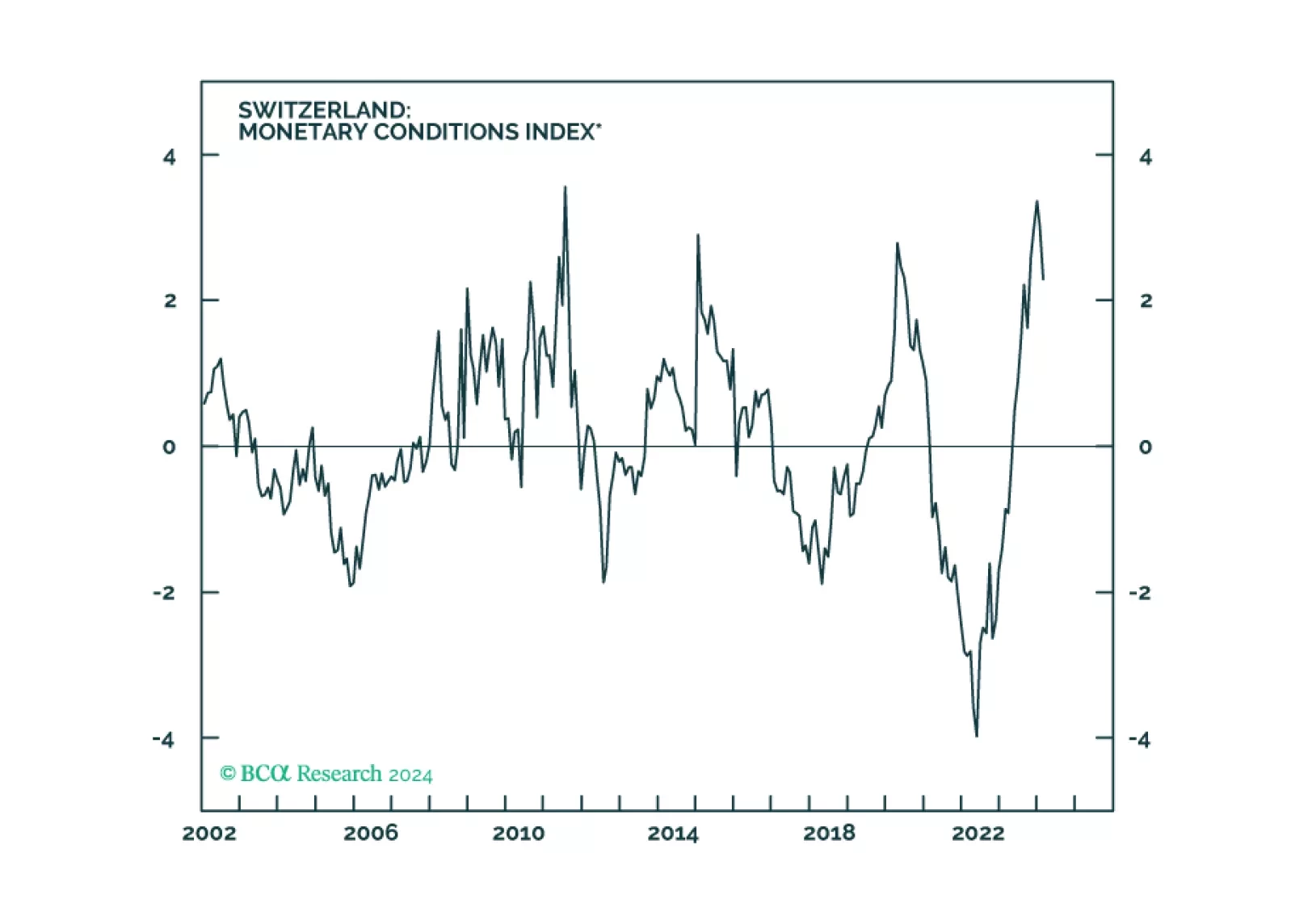
In this Insight, we speculate on the outlook for the CHF.
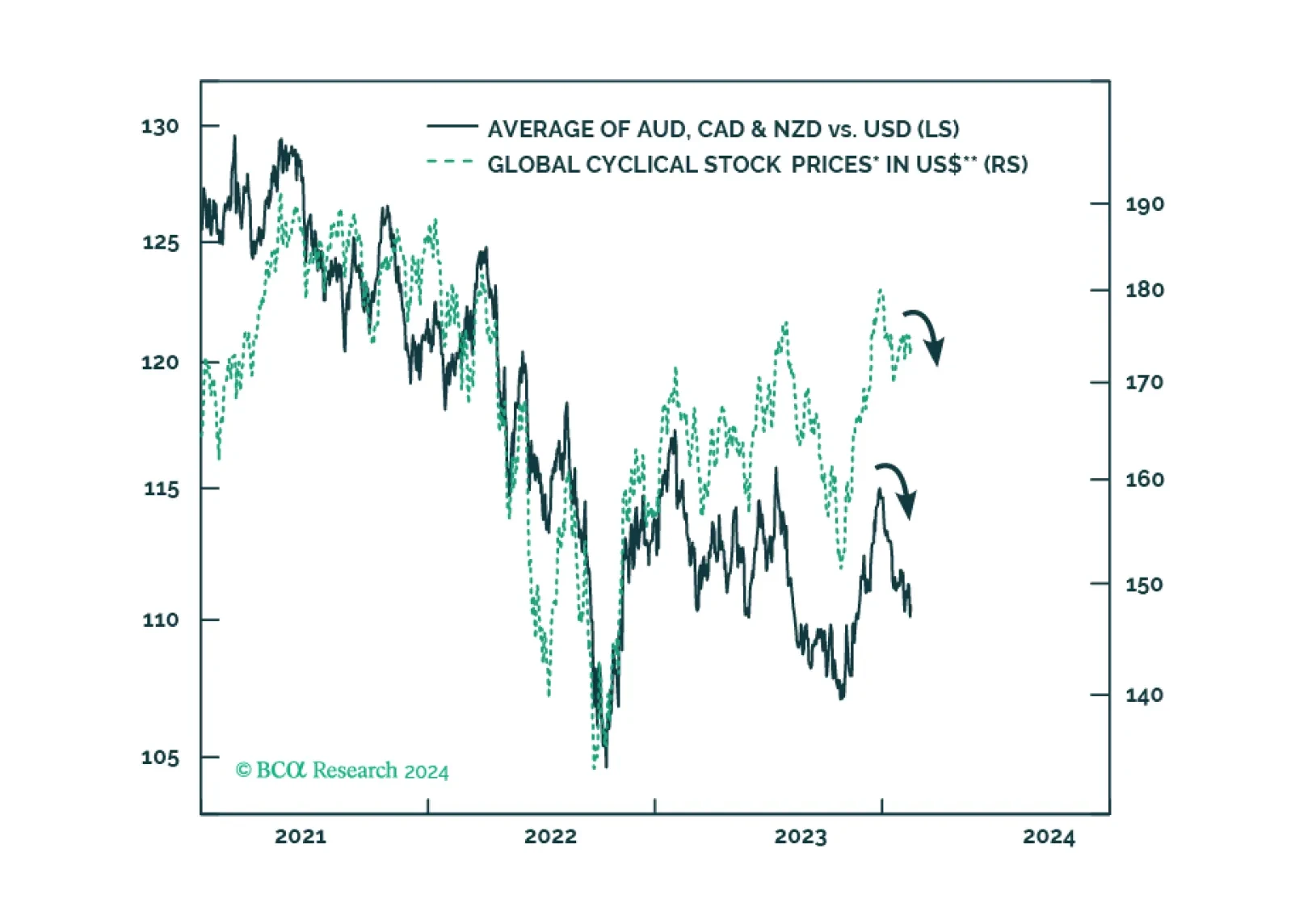
Over the next six months, the deterioration in non-US growth will occur earlier and be more pronounced than in the US. This expectation reinforces our confidence to bet on the strength of the US dollar. As usual, the flip side of the US dollar strength will be weakness in EM risk assets.
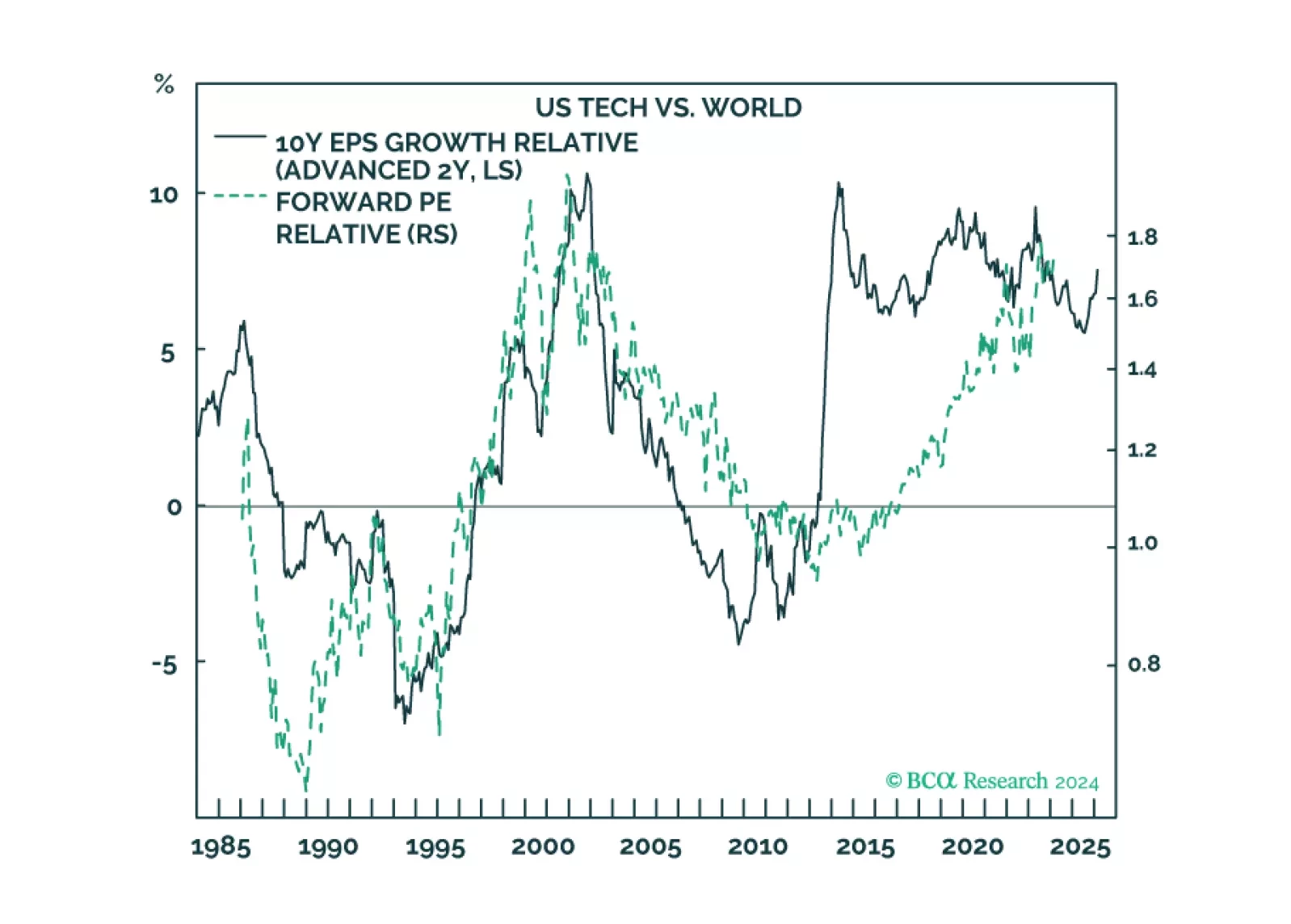
Our Valentine’s Day report is about two love stories: the infatuation with US tech and China’s infatuation with housing. We describe how these love stories will end, and why Europe could be the winner.
The Swiss franc is among the worst performing major currencies so far this year. This marks a reversal following its stellar performance last year. The Swiss National Bank’s (SNB) support for the domestic currency is behind last year’s strength.…
Special Report

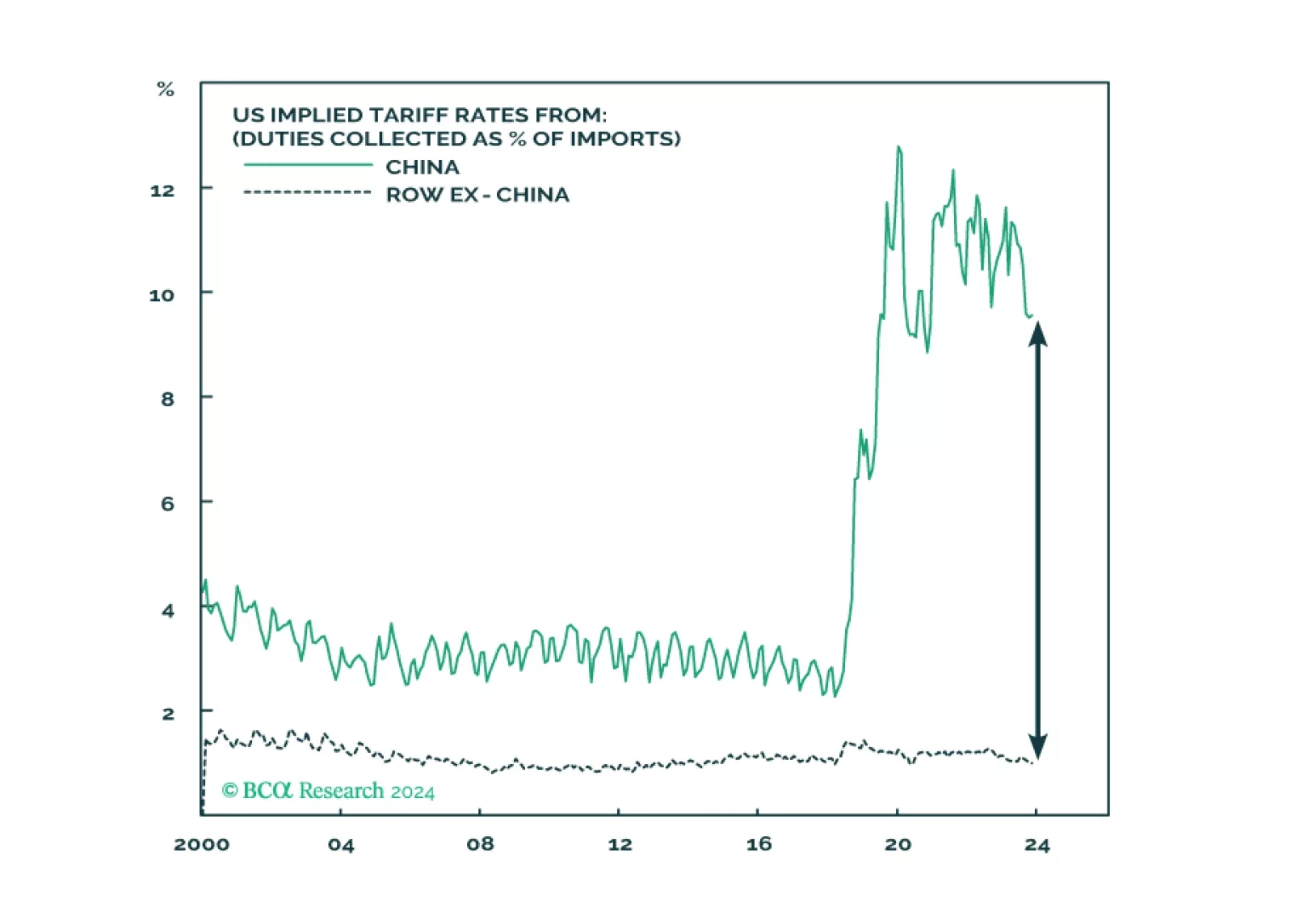
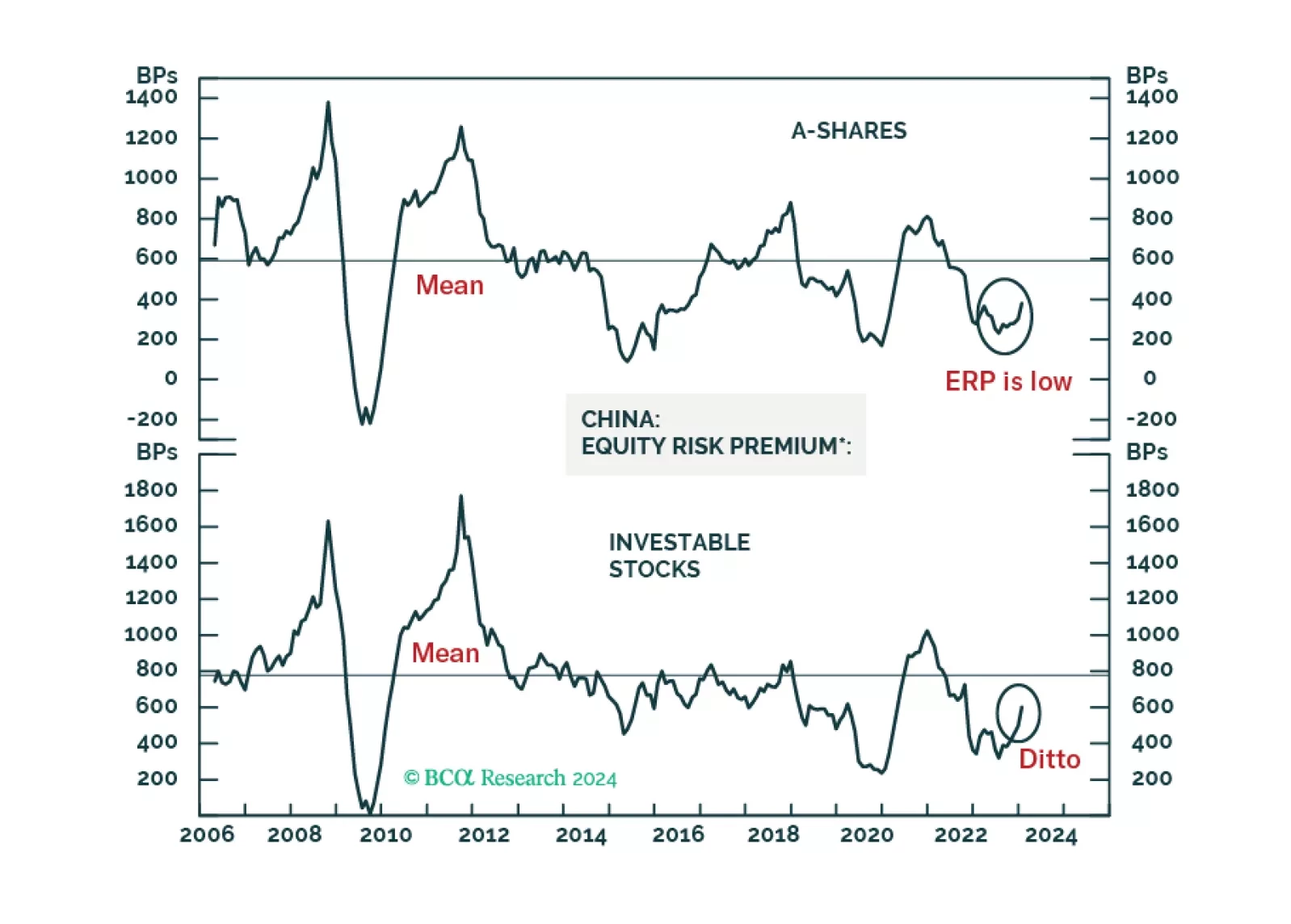
China will continue to suffer from a “triple crisis”. Though there could be a tactical bounce, cyclically we still recommend underweighting Chinese equities.
Our Emerging Markets team believes that the risk-reward profile of the US dollar remains very attractive. First, if US growth stays robust, US interest rate expectations will rise because rate cuts priced in will not be realized. Rising interest rates will…

Chinese A-shares will probably begin forming a volatile bottom. The basis is that authorities will likely throw the kitchen sink at the onshore market in an attempt to stabilize share prices. The same is not true for offshore listed stocks. Hong Kong-traded Chinese share prices will likely continue to fall. Beijing is less concerned with offshore stocks as their holders are primarily foreign investors.