AI
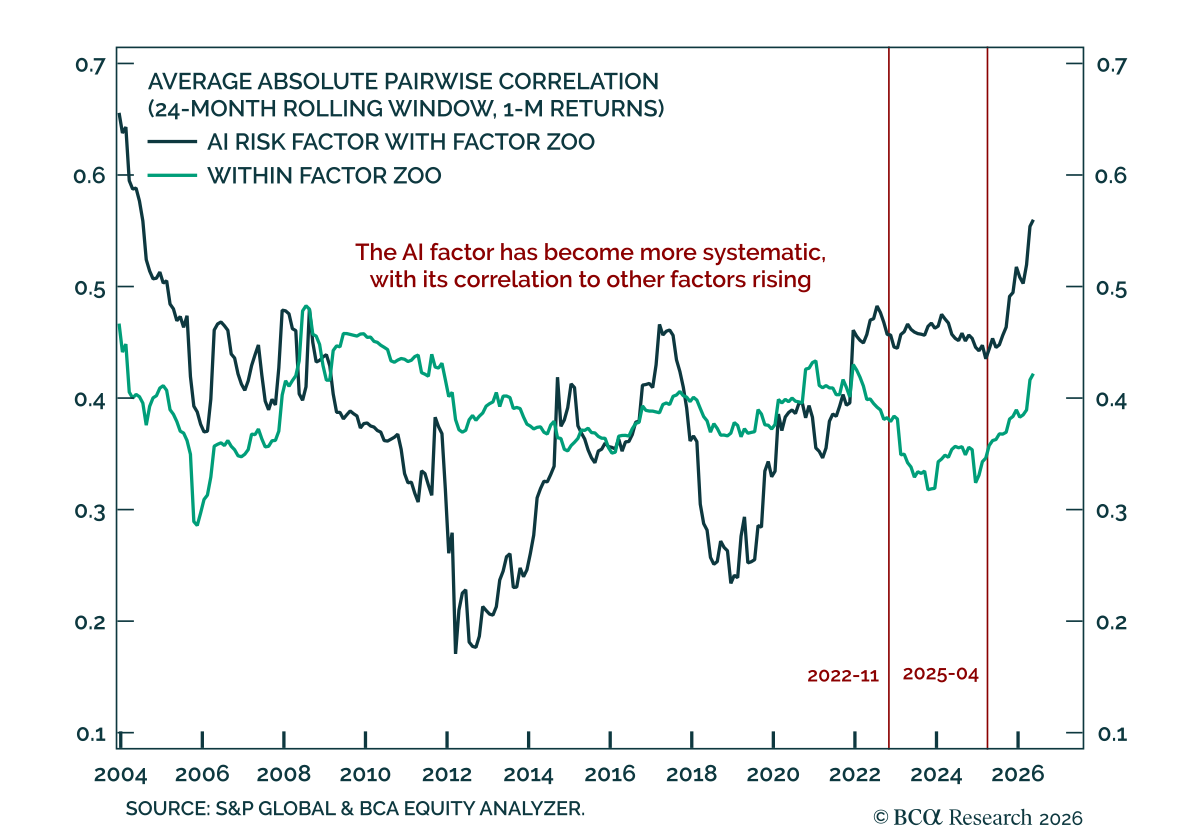
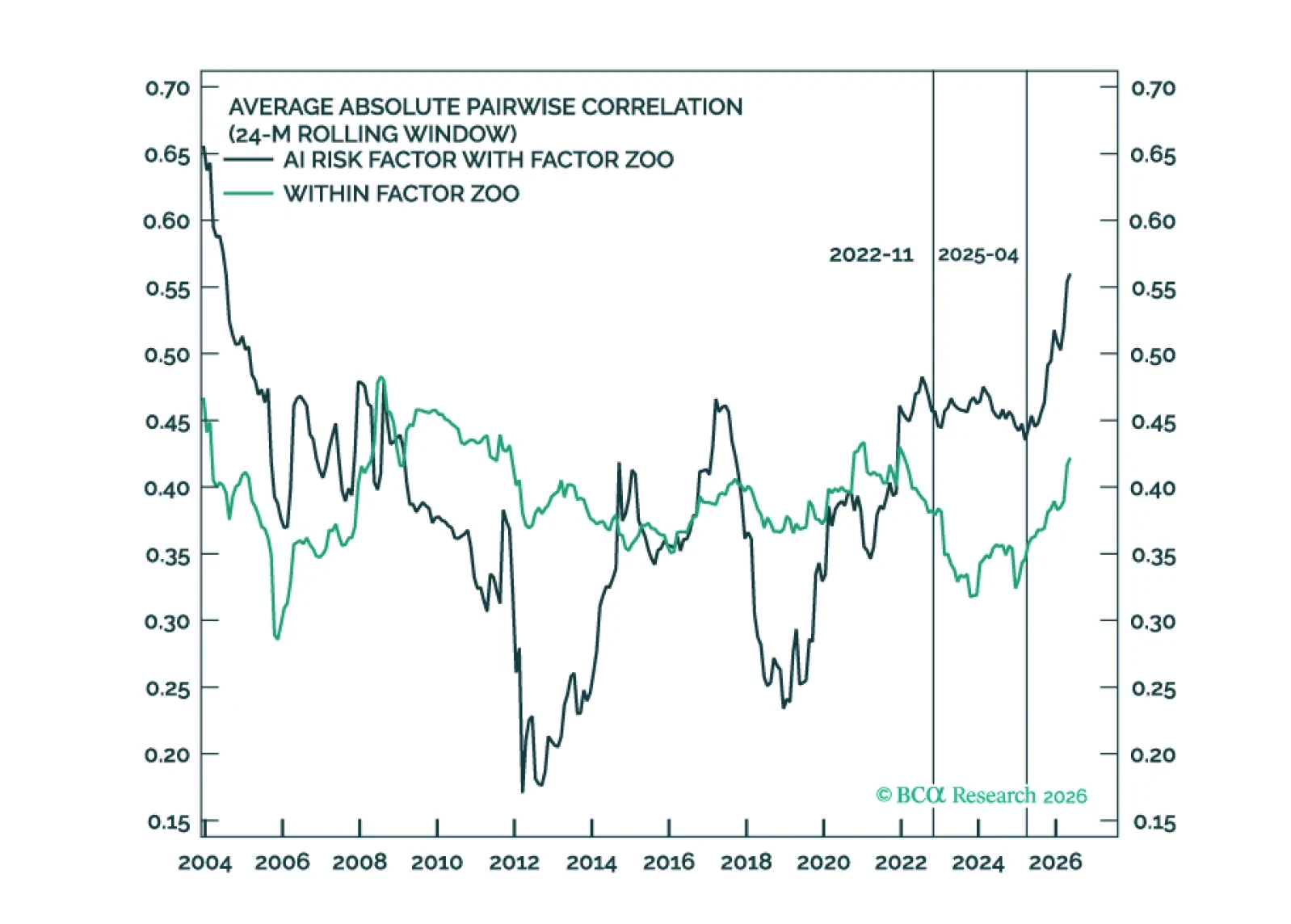
The S&P 500 has become increasingly concentrated. We know that. But the critical question is not how many stocks are driving the market; it is how many factors are driving stocks. We define an AI risk factor to test whether AI has become the dominant common exposure throughout much of the factor zoo.
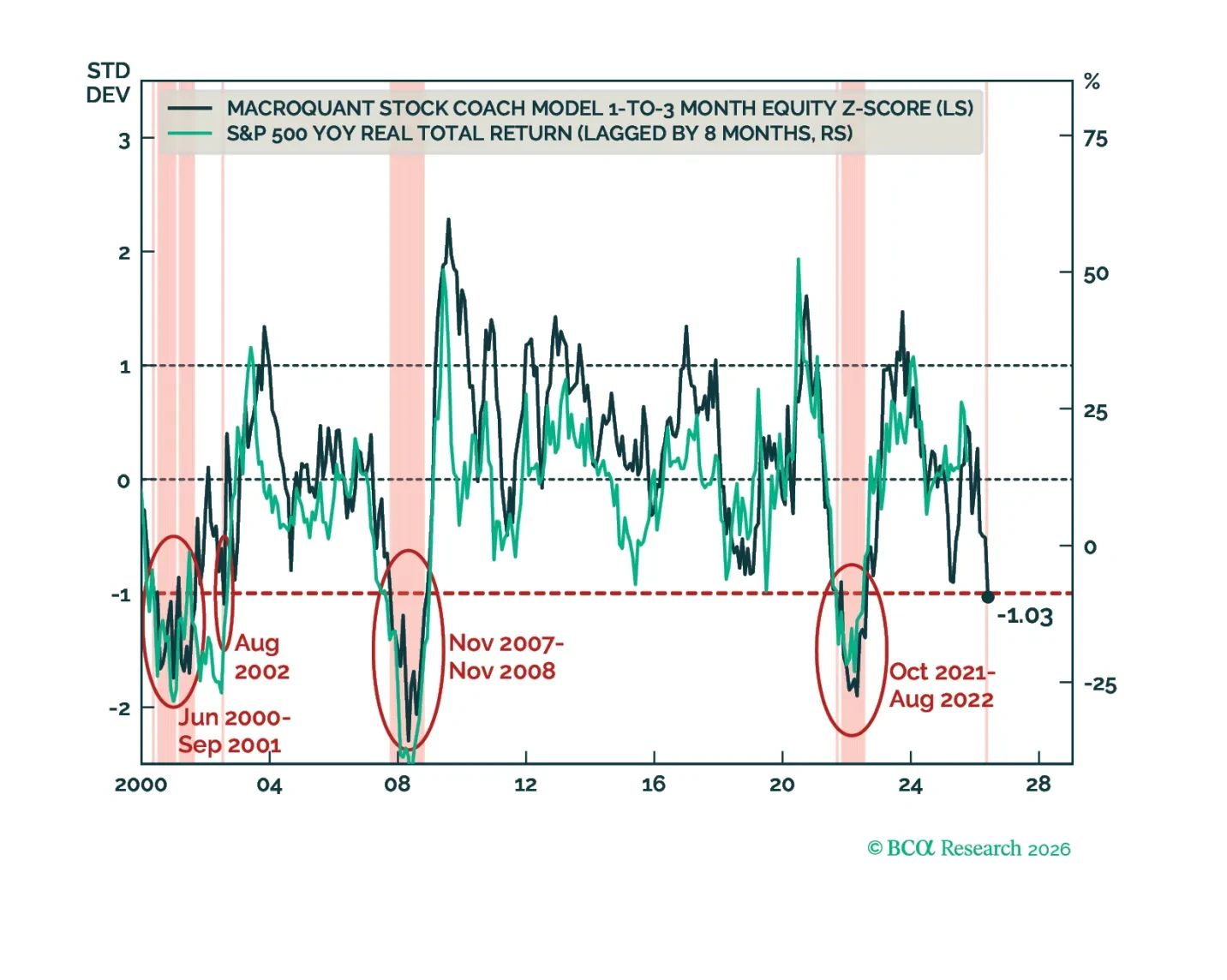
The equity bull market is getting long in the tooth. Bonds should perform well once economic growth begins to slow. The dollar will strengthen over the coming months before resuming its downtrend. While crude has likely found a near-term floor, we favor metals over energy in the long run.
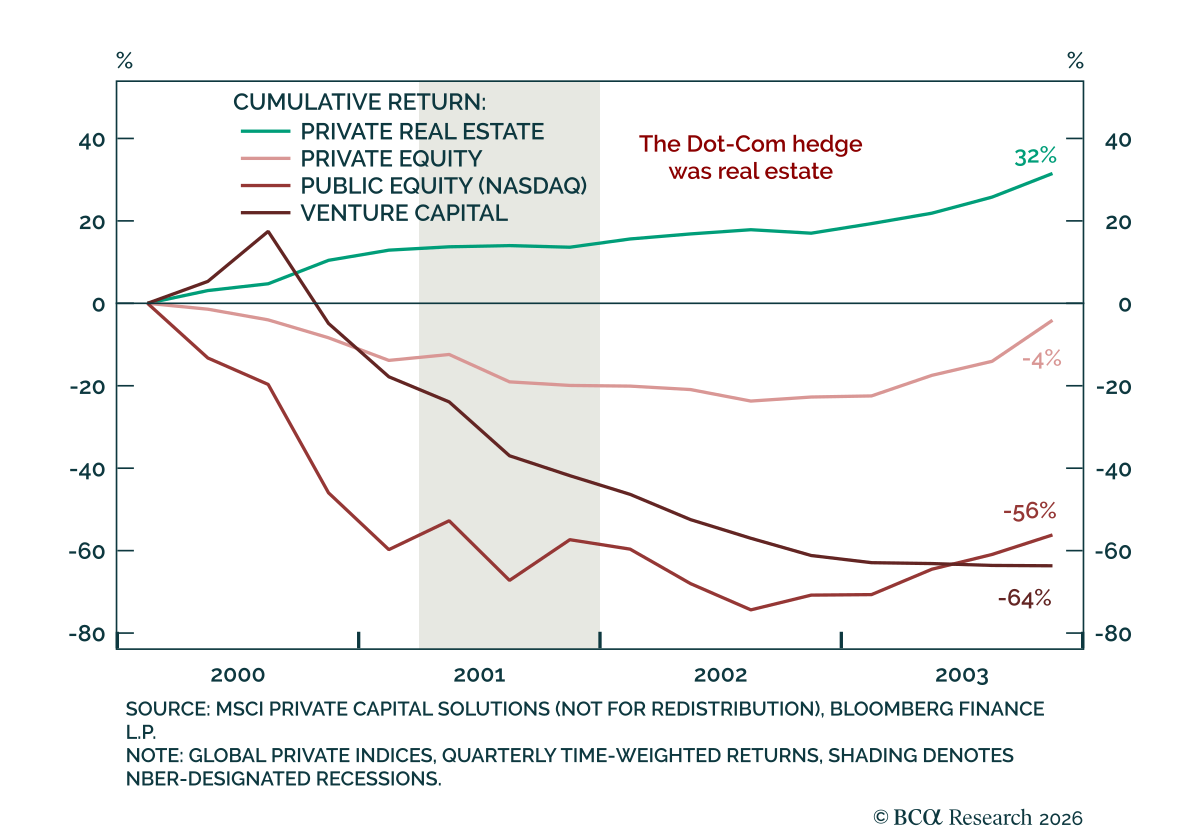
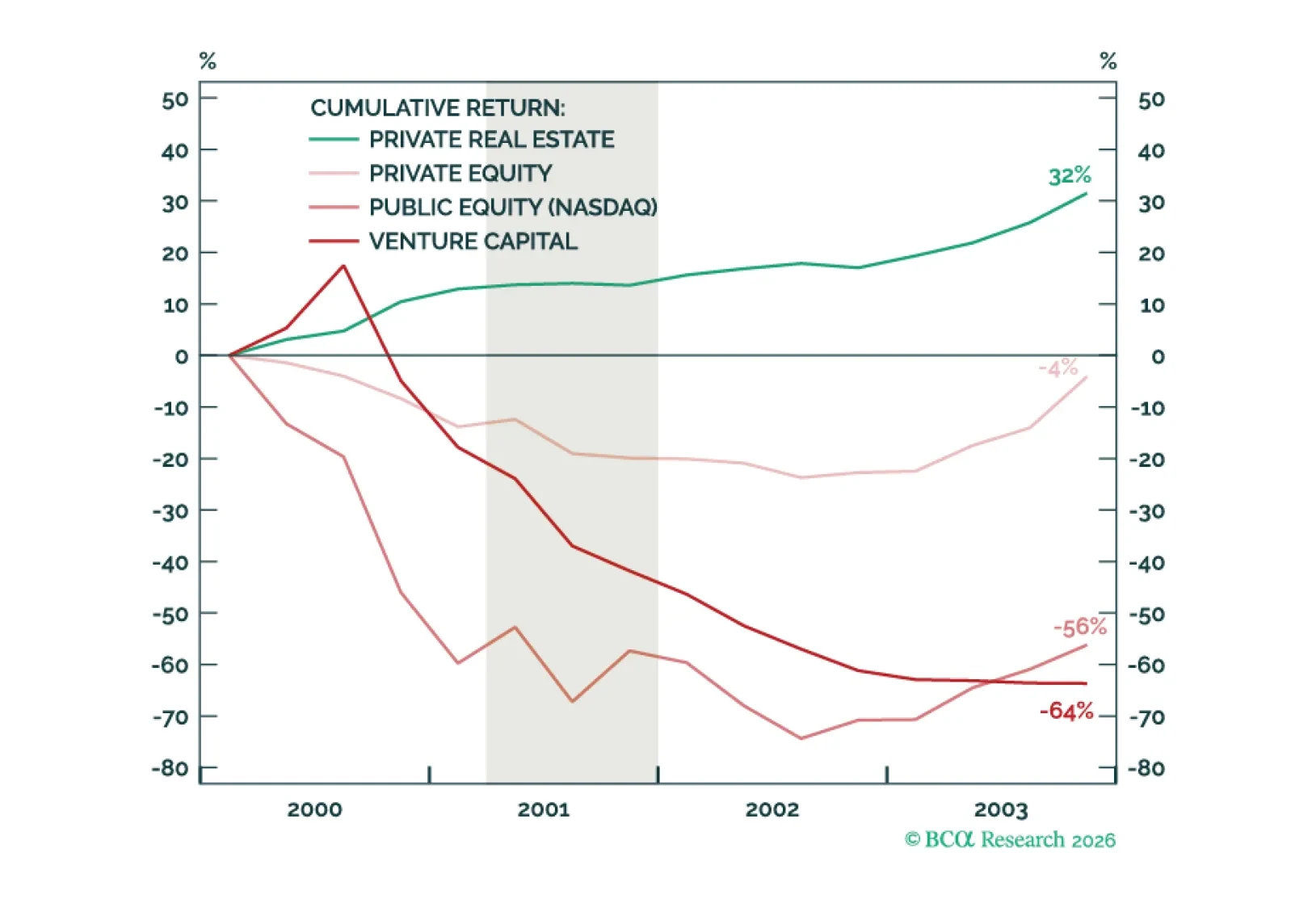
AI dominates markets, but concentration is risk. Real Estate is the diversifier. It outperformed during the Dot-Com bust and will do so again if the AI trade unwinds. Even Office, the sector arguably most exposed to AI disruption, will prove more resilient than bears expect.
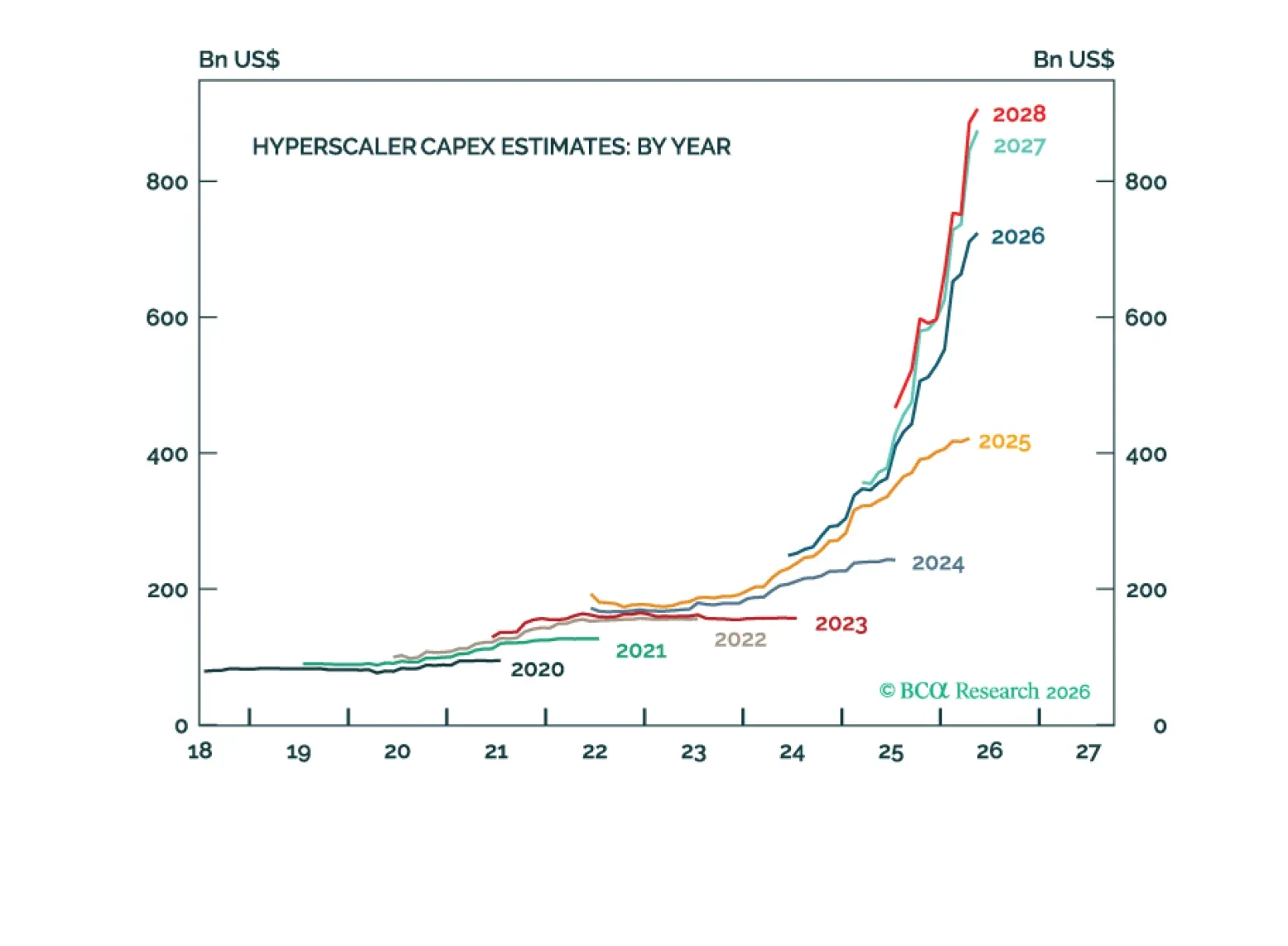
A surefire way to make money is to buy stocks in industries experiencing shortages. AI supply-chain bottlenecks will persist for the next few years but markets will price in relief before then.
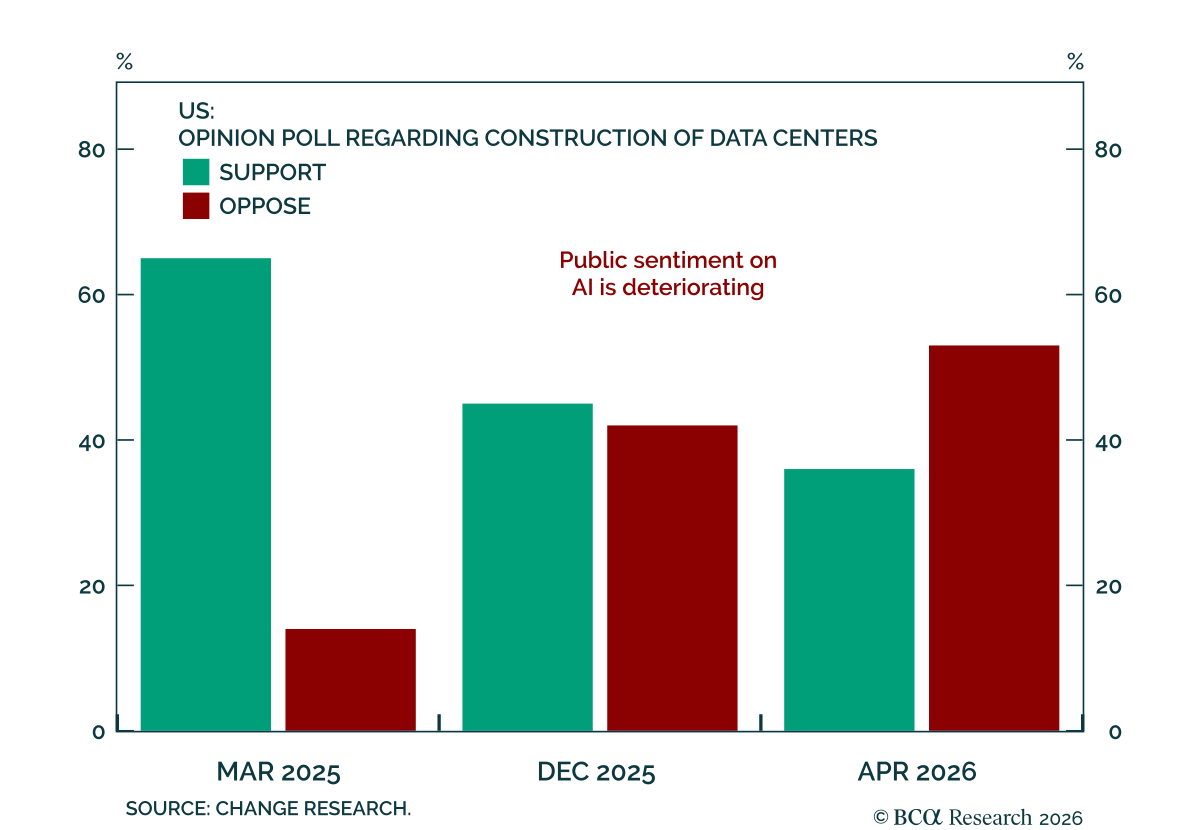
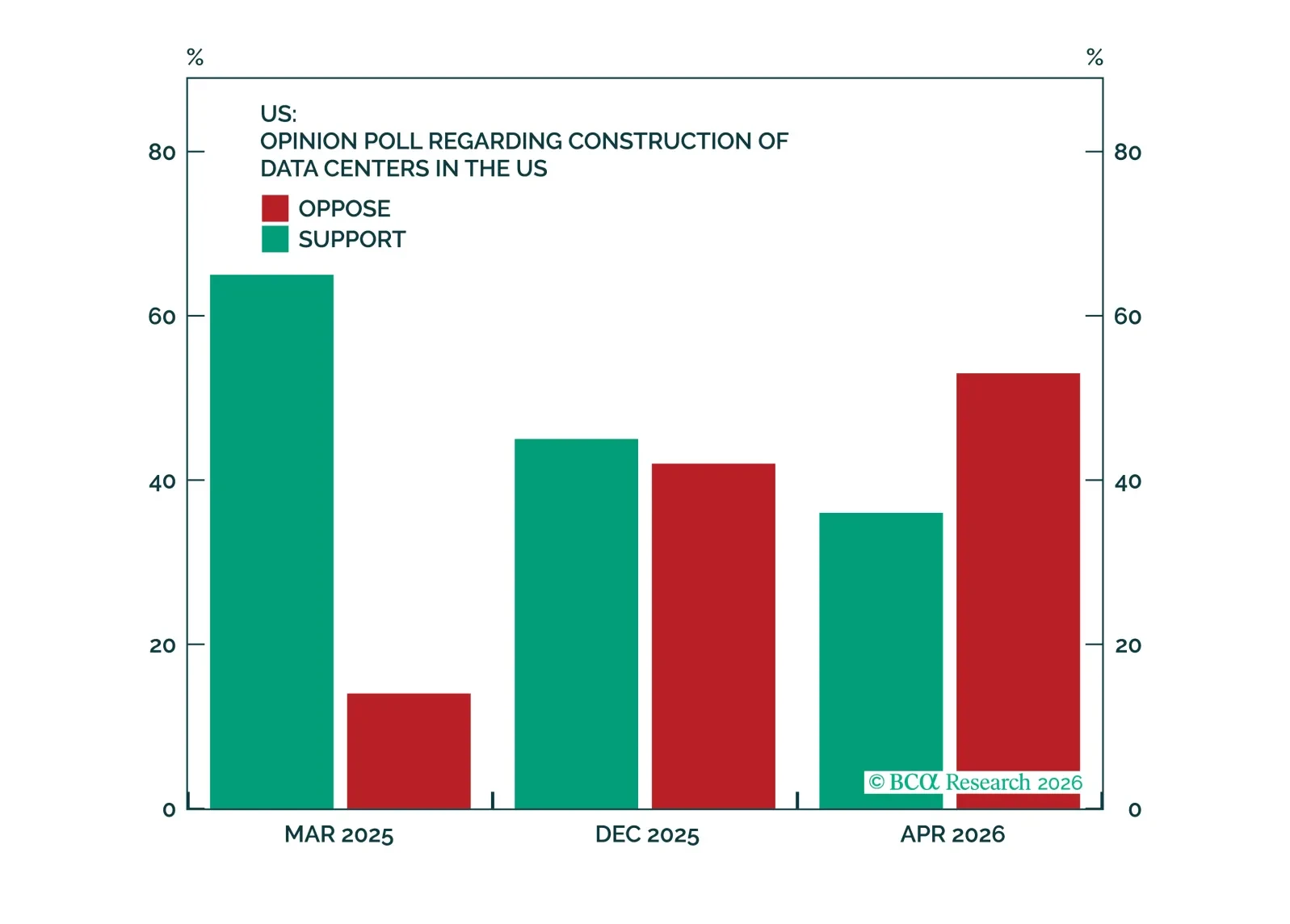
The populist backlash against AI could result in bipartisan regulation in 2027, but is especially likely to prompt tax hikes from 2029.
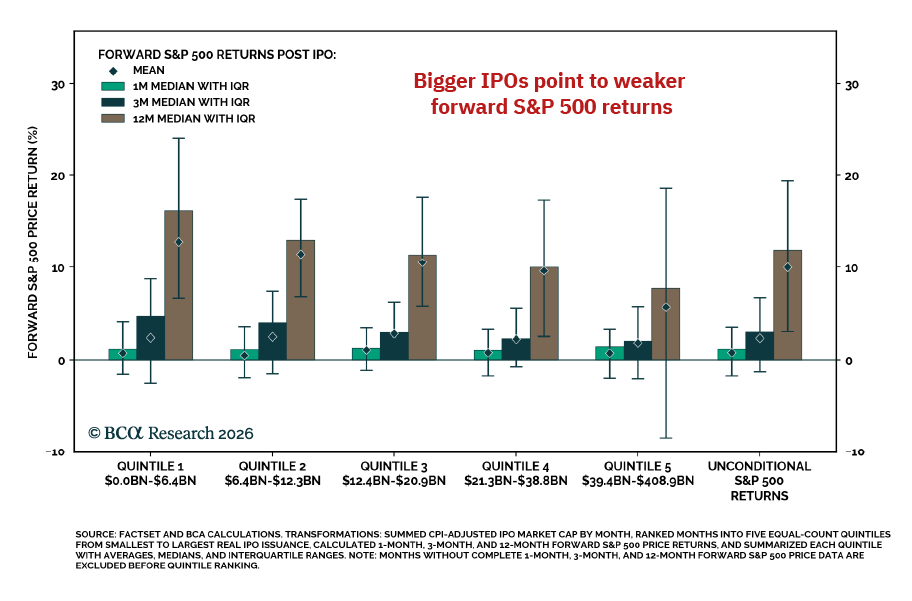
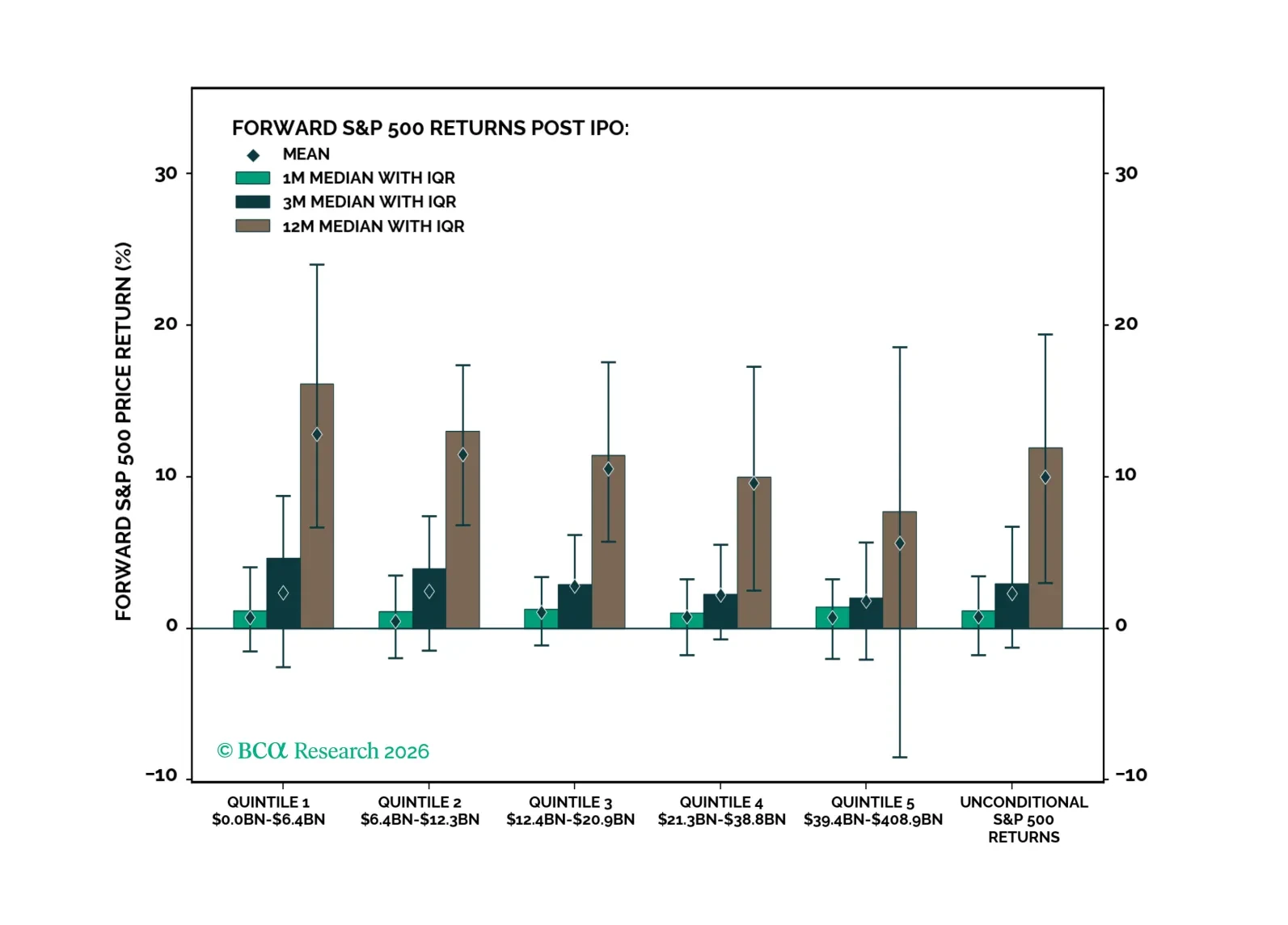
Based on 40 years of history and some 12,000 IPOs, the evidence suggests that the coming IPO wave may dampen forward market returns, mute further multiple expansion, and possibly interrupt sector trends. That said, even monster-sized IPOs are unlikely to trigger a sustained bear market: only about 20% of mega-IPOs coincide with market peaks. The bigger risk is AI leadership rotation as new listings dilute scarcity premia in existing winners.