
Sorry, you need to enable JavaScript to visit this website.
Skip to main content

Asia

China’s November PMIs were mixed, and reflected very low growth. The official composite PMI was unchanged at 50.8, driven by a small uptick in manufacturing to 50.3 and a small downtick of services to 50. The Caixin manufacturing PMI jumped to 51.5 from…
The November ISM Manufacturing index beat expectations, increasing to 48.4 from 46.5 in October. The improvement was partly driven by the new orders component, which increased to 50.4 from 47.1. Price pressures moderated.  The underlying details of…

This week we conduct a thorough audit of our open positions by revisiting the original basis and subsequent performance of all 13 cyclical recommendations. Following the review, we recommend closing 6 of the 13 positions.
The November Philly Fed manufacturing survey missed expectations and fell to -5.5 vs. 10.3 in October. New orders and shipments softened although they still indicate growth. Most indicators of current activity decreased, while indicators of expectations…
Taiwanese export orders surprised positively when a deceleration was expected, printing at 4.9% y/y, up from 4.6% in September. The increase was spread across most categories, with exports of electronic products accelerating to 11.2%. Japanese exports also…
East Asian exports reveal the global economy keeps decelerating. Singaporean non-oil domestic exports (NODX) missed expectations and decelerated in October, falling 7.4% m/m (-4.6% y/y). Electronics exports grew 2.6% y/y, slowing down from 4.0% in September.…
Chinese activity indicators showed resilience in October, with retail sales jumping from 3.2% to 4.8% y/y. Industrial production growth was roughly unchanged at 5.3% y/y. New and used home prices keep falling, albeit at a slower pace. We would fade this…
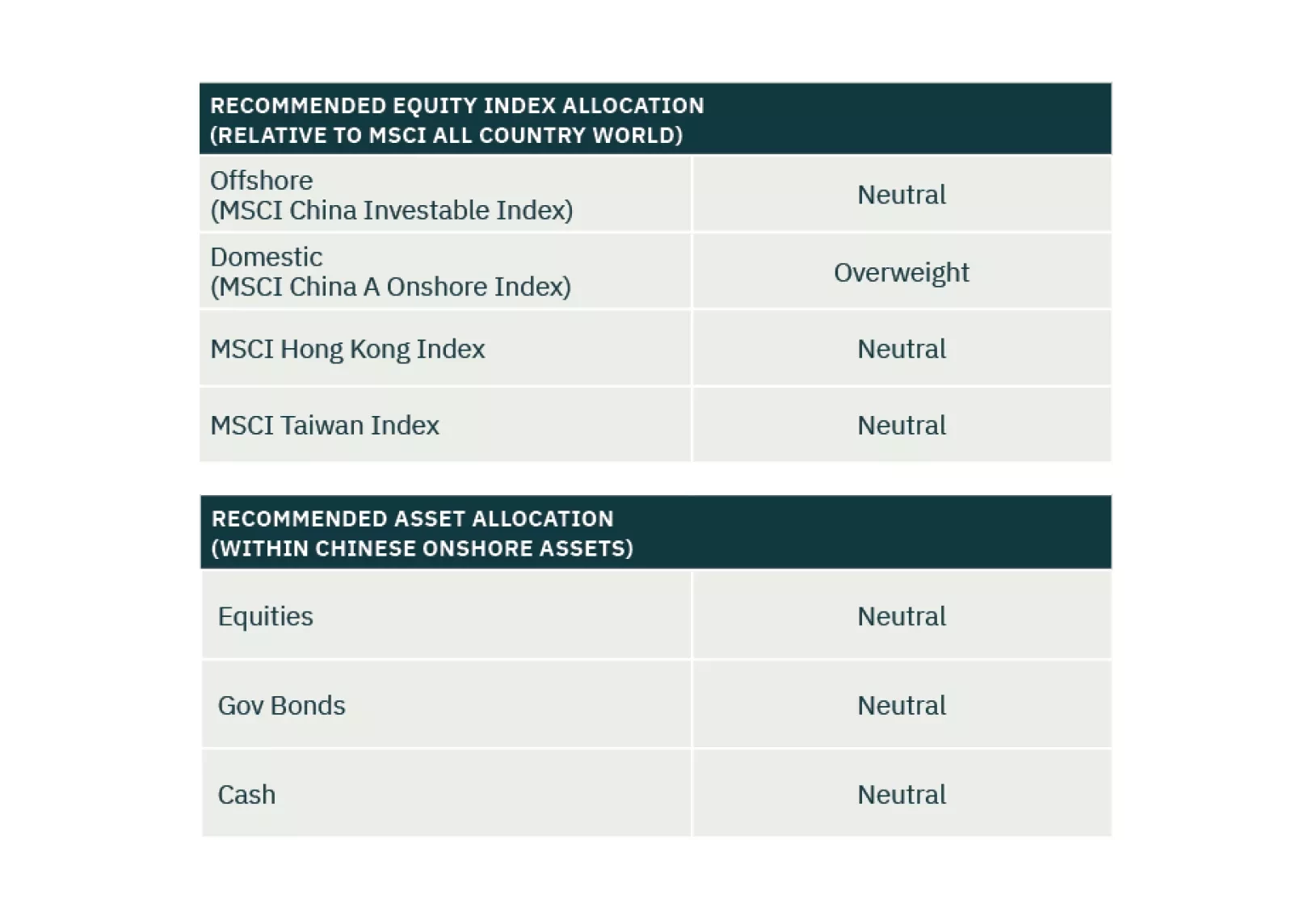
Our China Investment Strategy team assessed the country’s outlook in a context of underwhelming stimulus and rising trade tensions. Trump’s re-election raises the likelihood of tariff hikes on Chinese exports. China’s recent stimulus announcements…

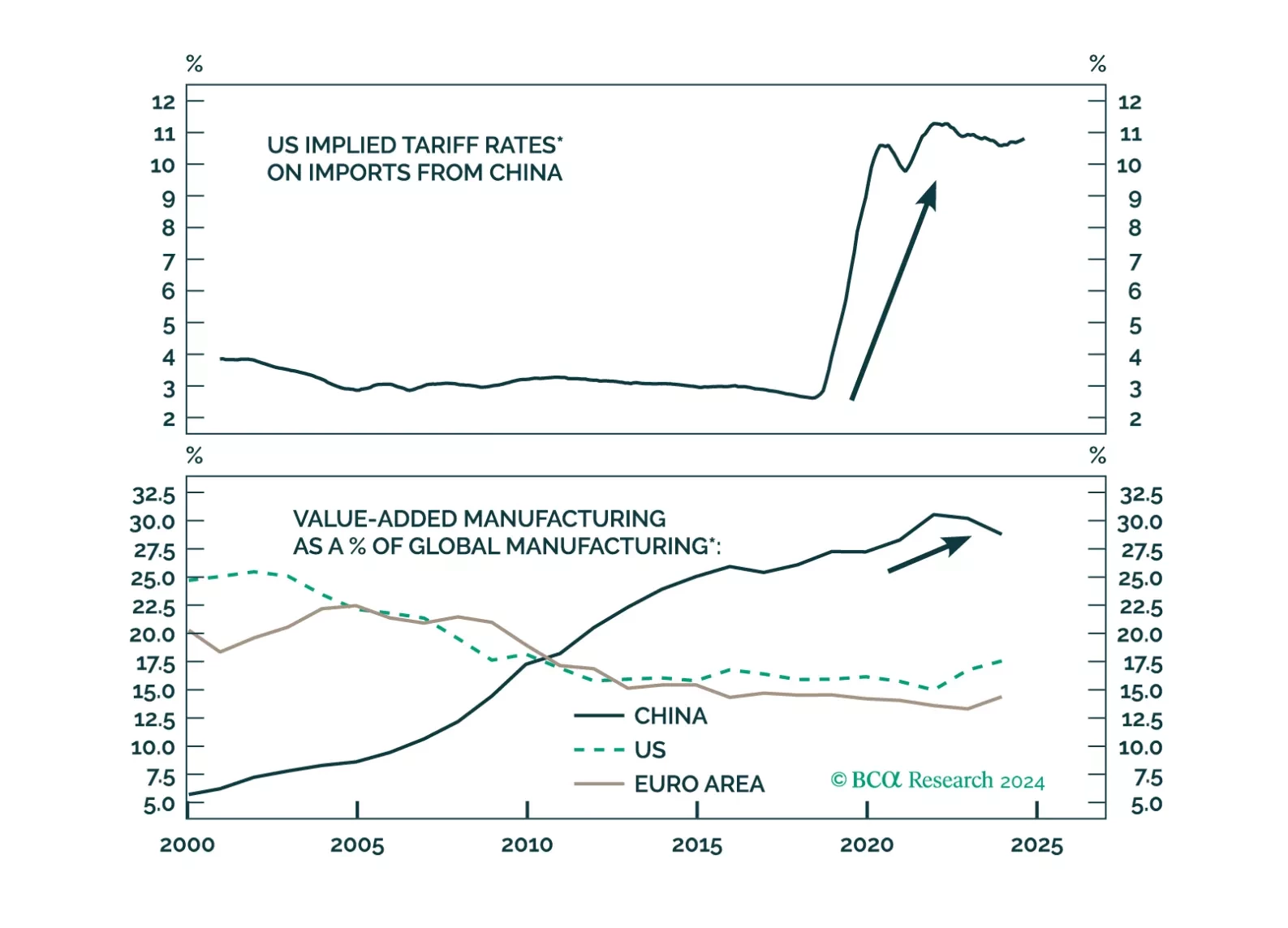
Trump's presidential re-election makes US tariff rate hikes on Chinese exports an imminent threat. Beijing has made extensive efforts to derisk the domestic economy and diversify trade away from the US. However, China is no better positioned today than it was in 2018 to withstand the impact of a renewed trade war.
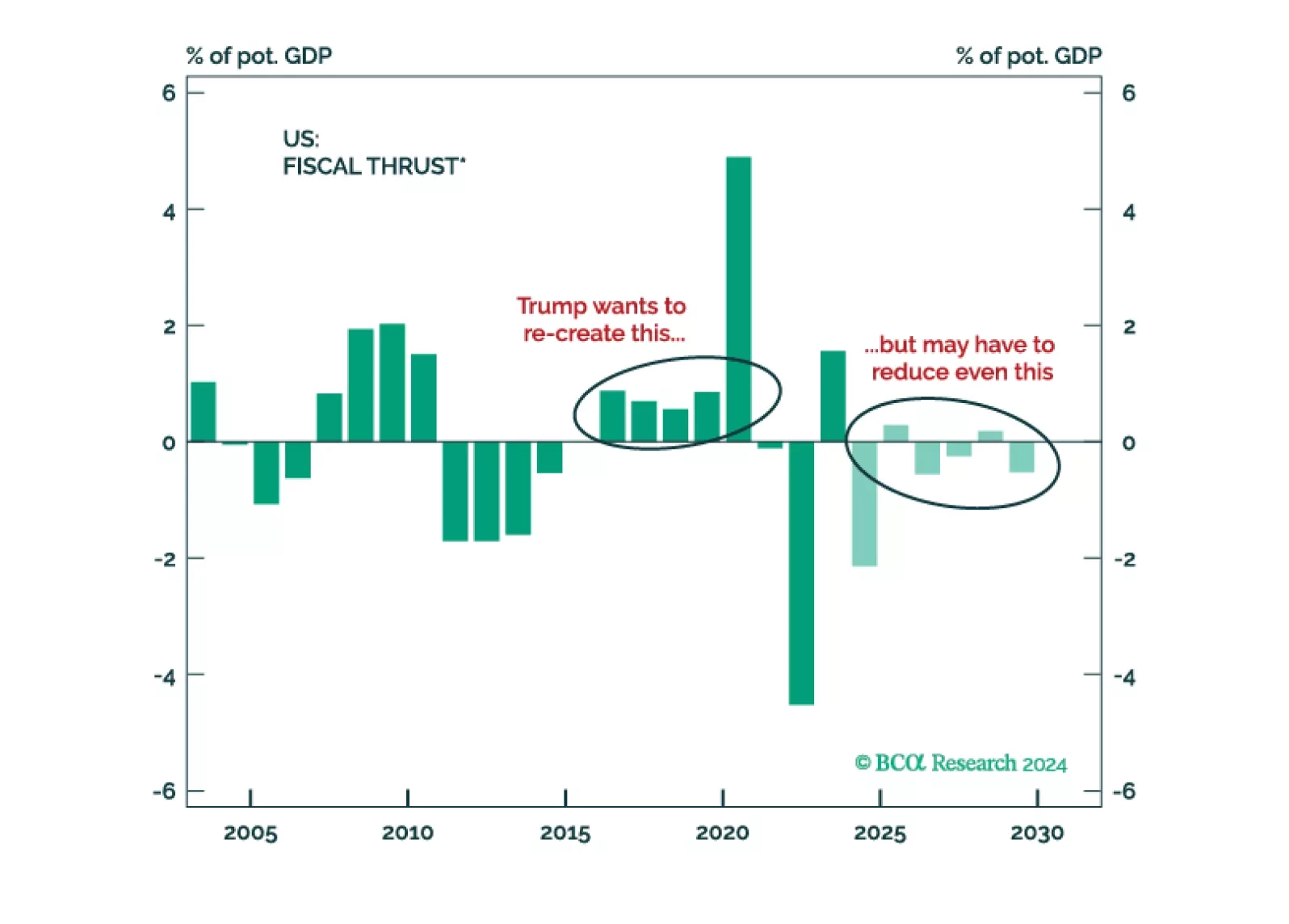
The month of November has brought us S&P 6,000! President Trump has won a “Red Sweep” (as we expected all year) and has ushered in a regime change in America. For now, we are open to chasing momentum. However, the biggest risk to the market are bond yields, which should rise as investors start to price President Trump’s policies and their impact on deficits.