Sorry, you need to enable JavaScript to visit this website.
Skip to main content

Business Cycles

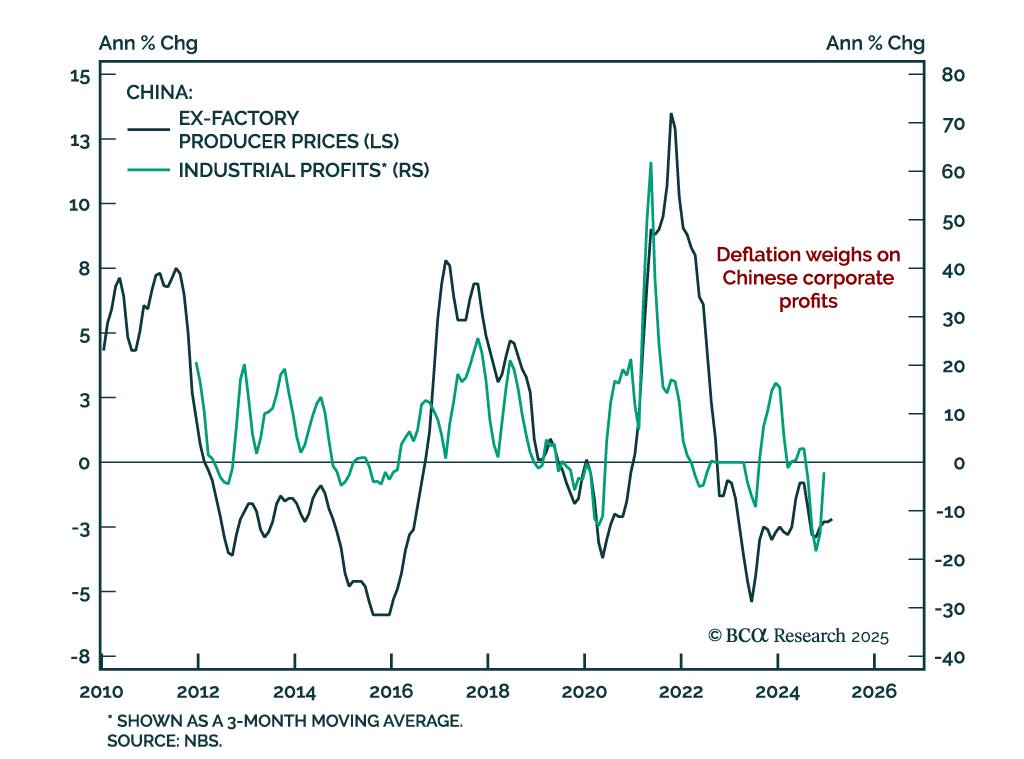
China’s February consumer prices fell 0.7% y/y after expanding on an annual basis in January. Producer price deflation stood at -2.2% y/y, roughly unchanged from a month prior. China’s first quarter data is heavily influenced by seasonality, as the shifting…
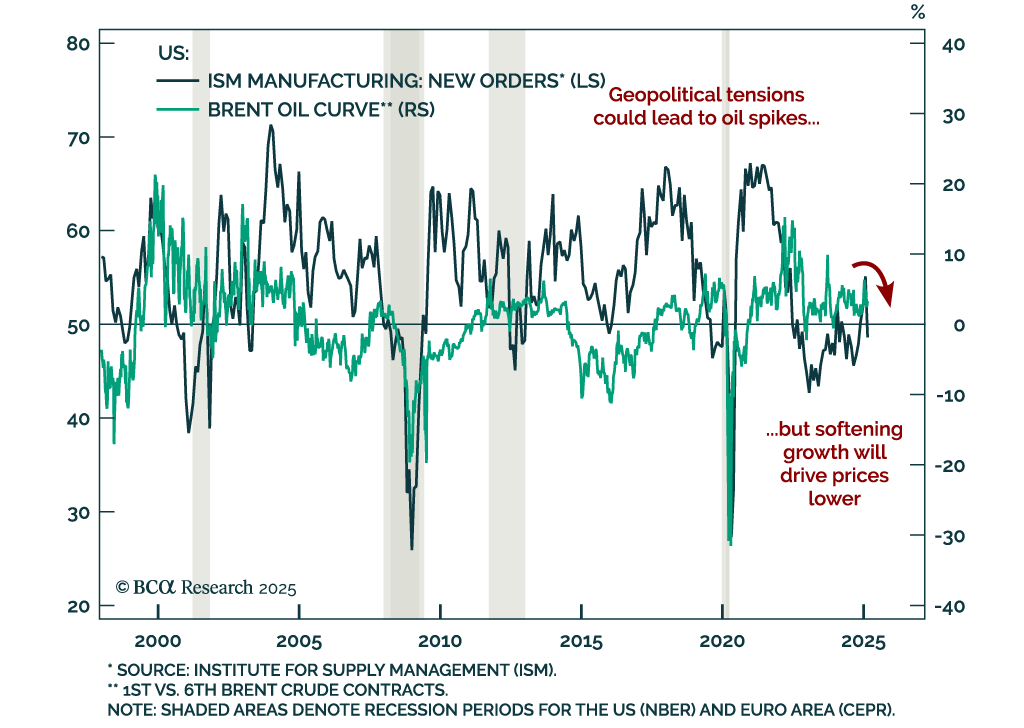
After range-bound trading late last year, oil prices began the year rising to resistance levels, before falling and testing support on the downside. Oil remains caught between conflicting supply and demand risks.  Increased trade tensions are a drag on…
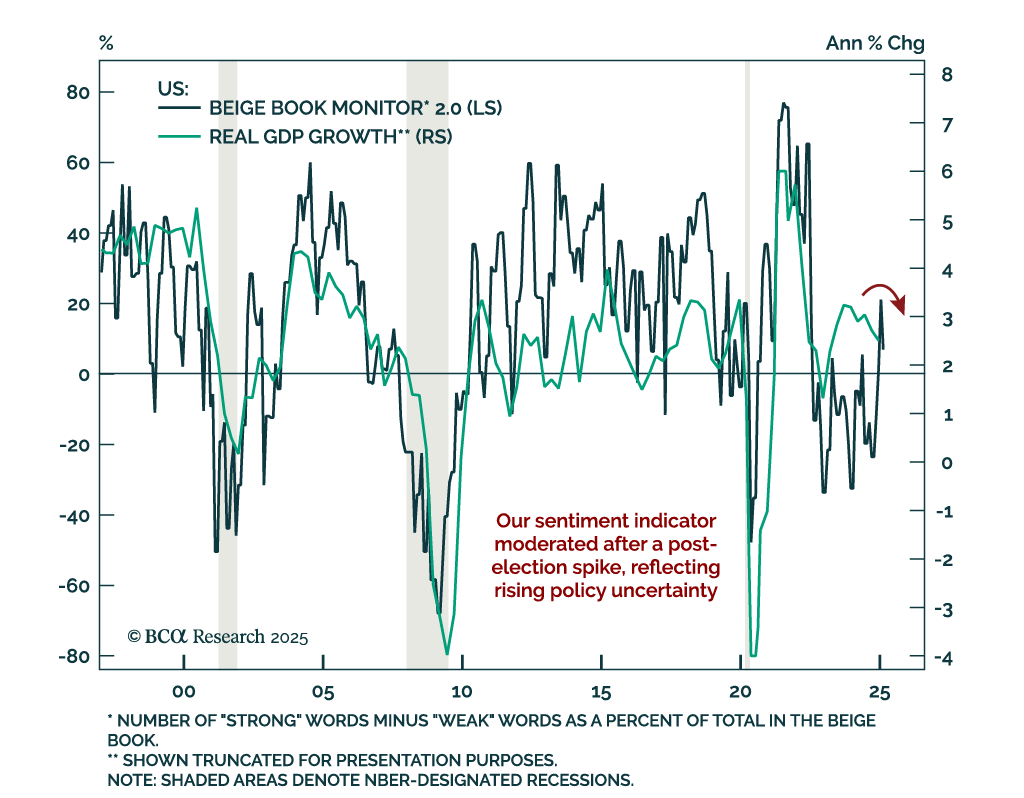
The Federal Reserve’s Beige Book shows a slowing economy, a moderating labor market, and rising price pressures.  The latest Beige Book is in line with other sentiment indicators showing slower growth and decreased confidence following the post-election…
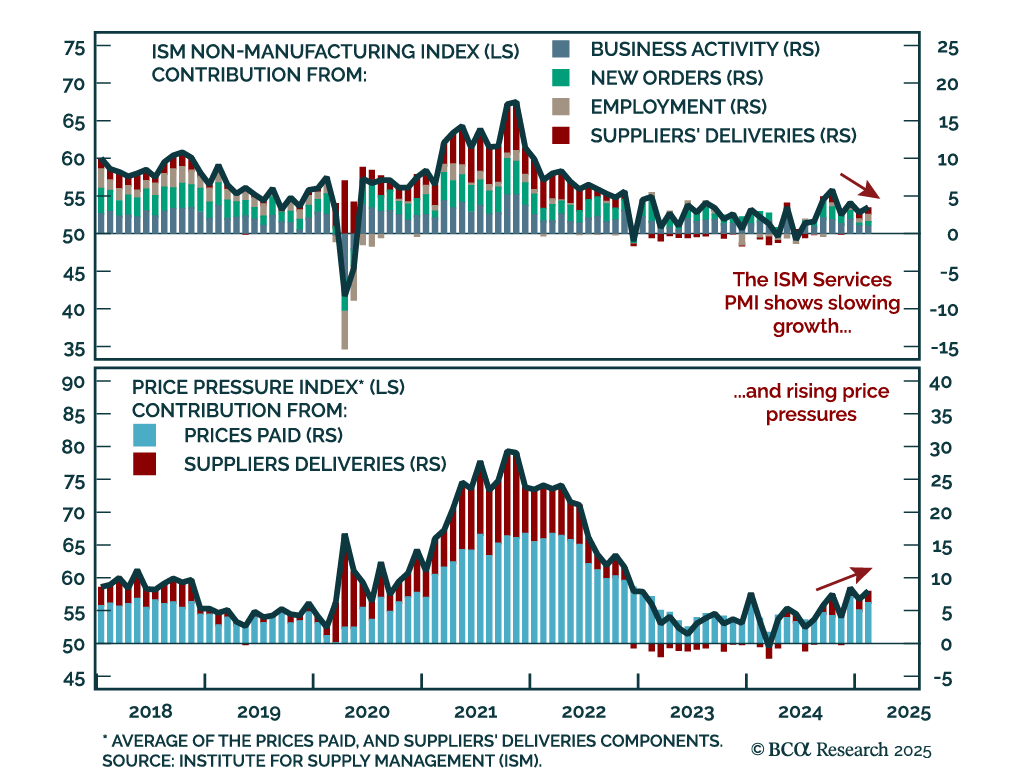
ISM Services Sends Stagflationary Signal …

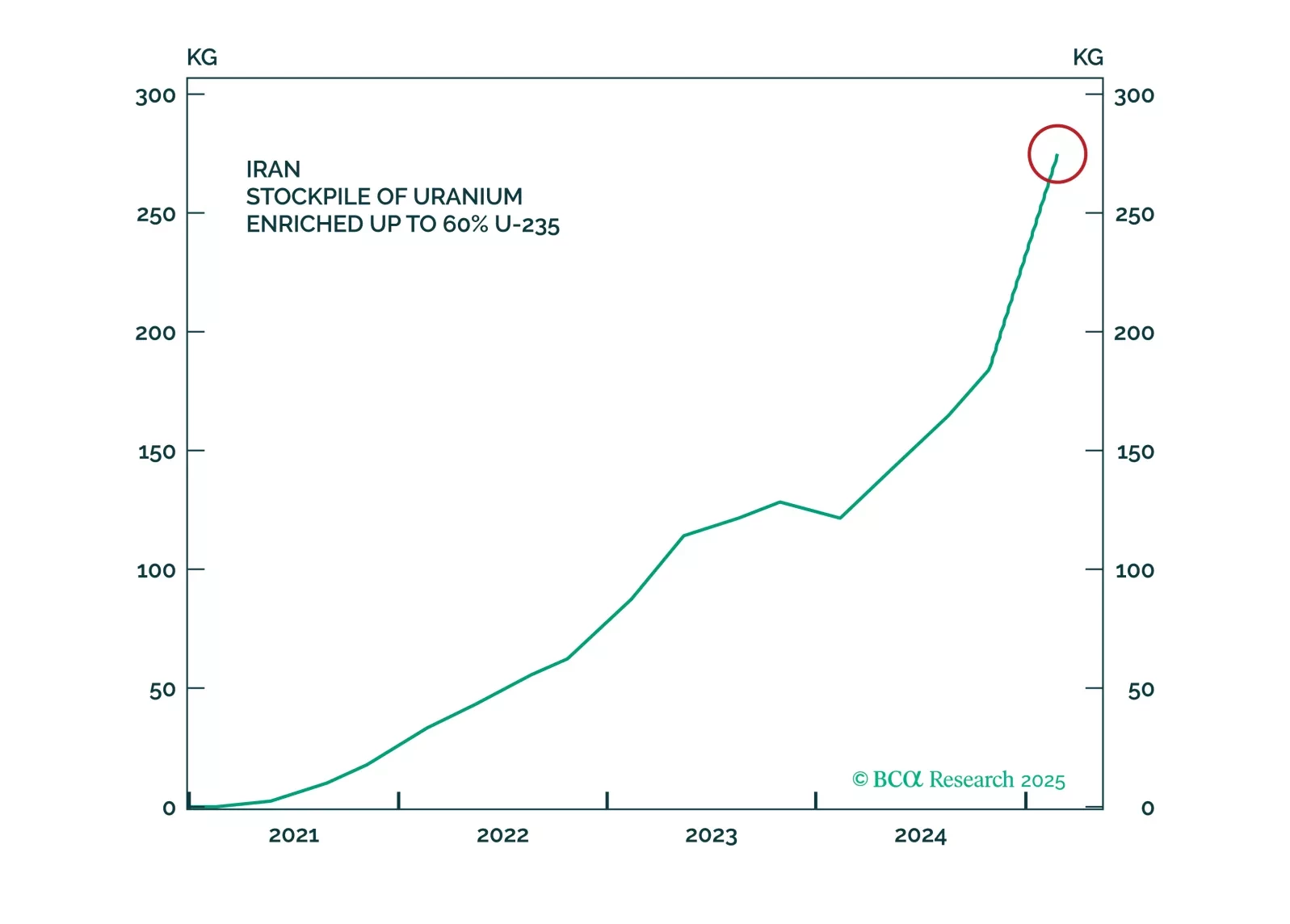
The tariffs on Canada and Mexico will come into effect as scheduled while the tariffs on China will be doubled. In the Middle East, Iranian response to any attack will threaten Middle Eastern oil supply. Meanwhile, Chinese fiscal support will surprise to the upside at the Two Sessions. But Trump's China policy will cause volatility. Now that the stock market is cracking, reinitiate defensive trades, such as long treasuries versus US stocks and long global defensives versus cyclicals.
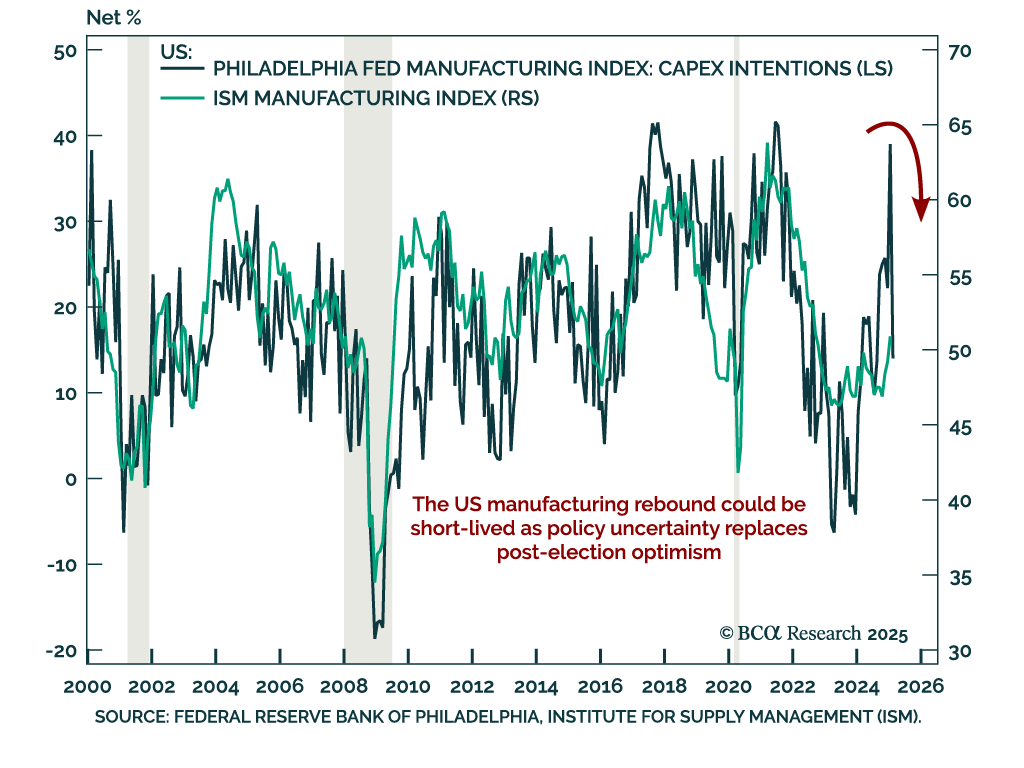
The February Philadelphia Fed Manufacturing index beat expectations, but retreated to 18.1 from last month’s lofty 44.3 reading. All activity subcomponents pulled back, except for delivery times. The Philly Fed index is volatile even in normal times, and…
Preliminary estimates of Q4 real GDP growth in Japan was stronger than expected, rising to 2.8% q/q annualized from 1.7% in Q3. Domestic demand remained strong, and the GDP deflator increased to 2.8% y/y. Japan’s economy is running hot, sustaining price…

Argentina is entering a regime shift from the traditional short boom-bust cycles of the past 50 years. Profound structural reforms will result in a productivity boom, leading to a more durable economic expansion while keeping with the disinflation trend. Authorities will likely lift capital and currency controls in the second quarter of this year. All in all, odds are that Argentinian assets have entered a multi-year bull market.

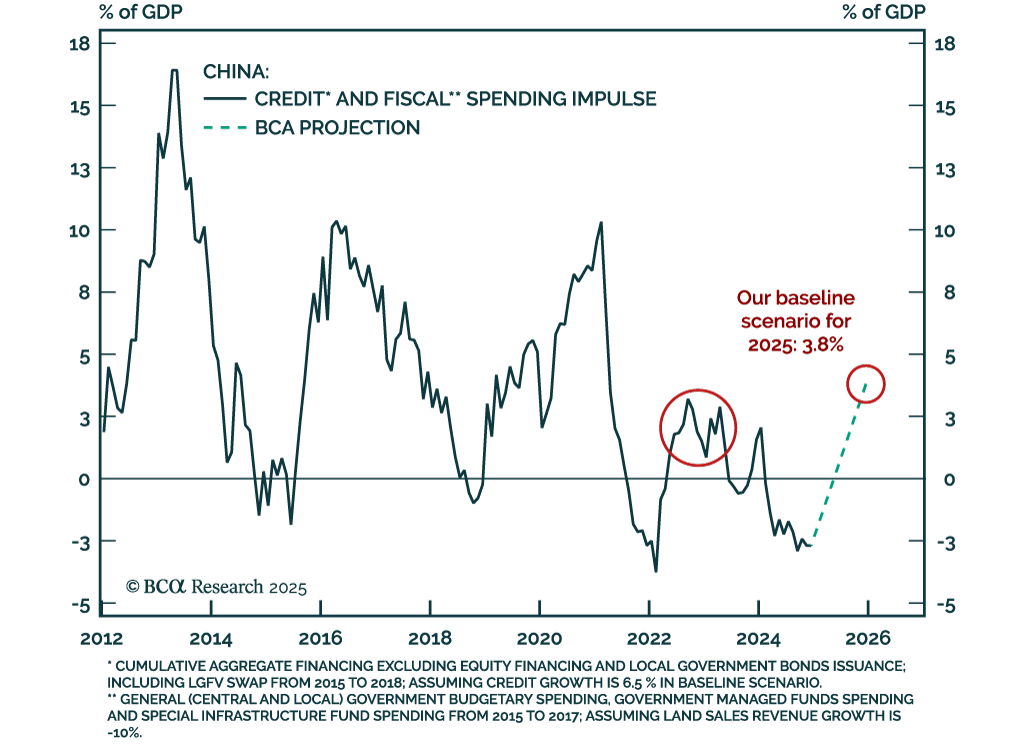
China barely hit its growth target in 2024 by shifting back to its old model of exports, racking up a record trade surplus with the world – right as Donald Trump walks back into the White House. Tariffs will elicit larger fiscal stimulus even as China rolls out innovations such as DeepSeek to meet its 2025 industrial goals, creating a volatile mix this year.

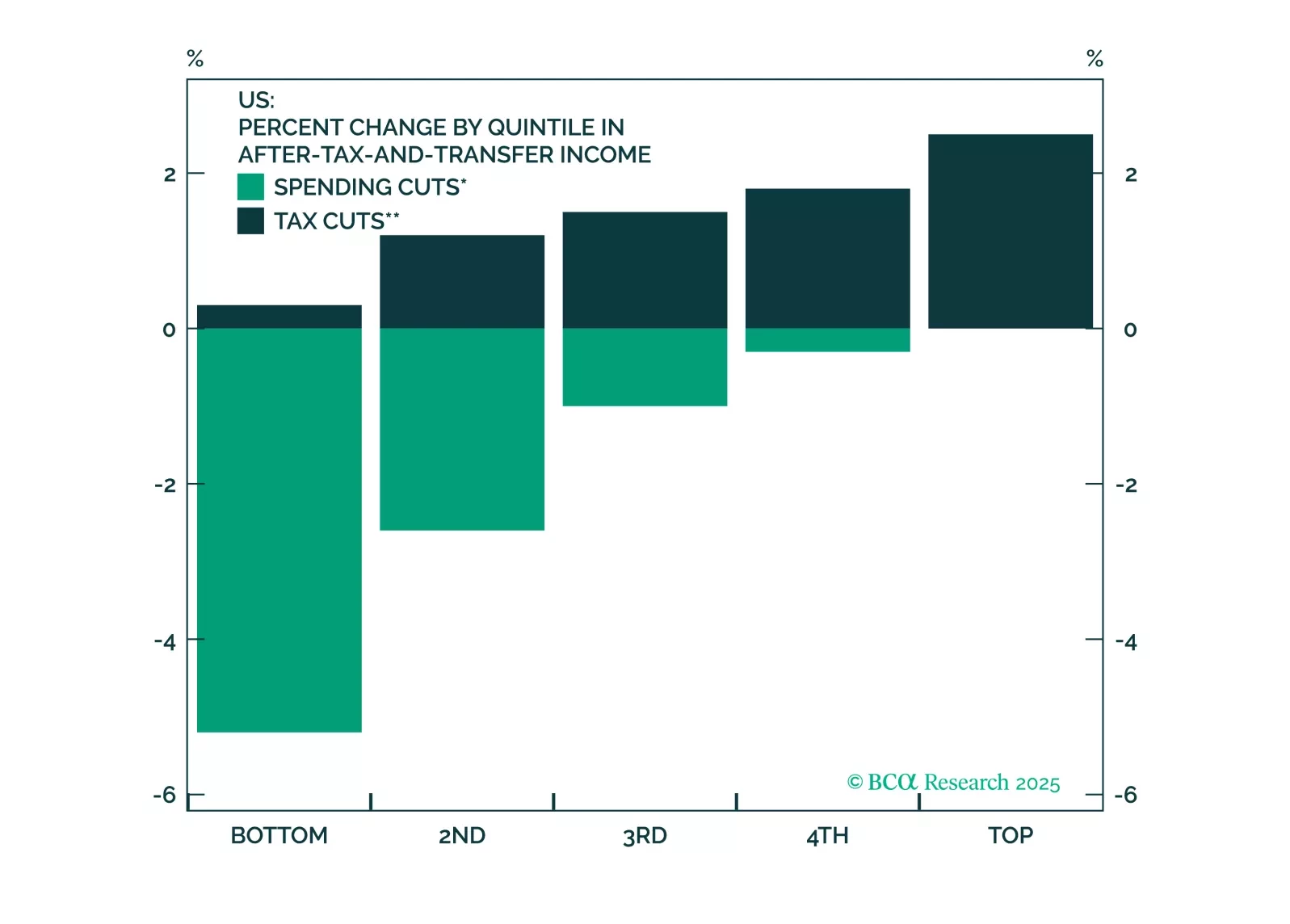
  • Congress will pass tax cuts by end of 2025 producing a fiscal thrust of about 0.9% of GDP in 2026. 
  • Trump will count on that stimulus as a basis for slapping tariffs on leading trade partners.
  • China will retaliate against Trump and stimulate its domestic economy, while pursuing stronger trade ties with other countries. Europe will also retaliate. 
  • Geopolitical risk will shift from Ukraine-Russia to Israel-Iran, where the conflict will continue to escalate until a crisis point is reached within 2025.