Business Cycles

According to BCA Research’s European Investment Strategy service, European equities near cycle highs are vulnerable to weaker earnings. The team’s earnings model for Eurozone equities continues to point to a double-digit profit contraction over the next…
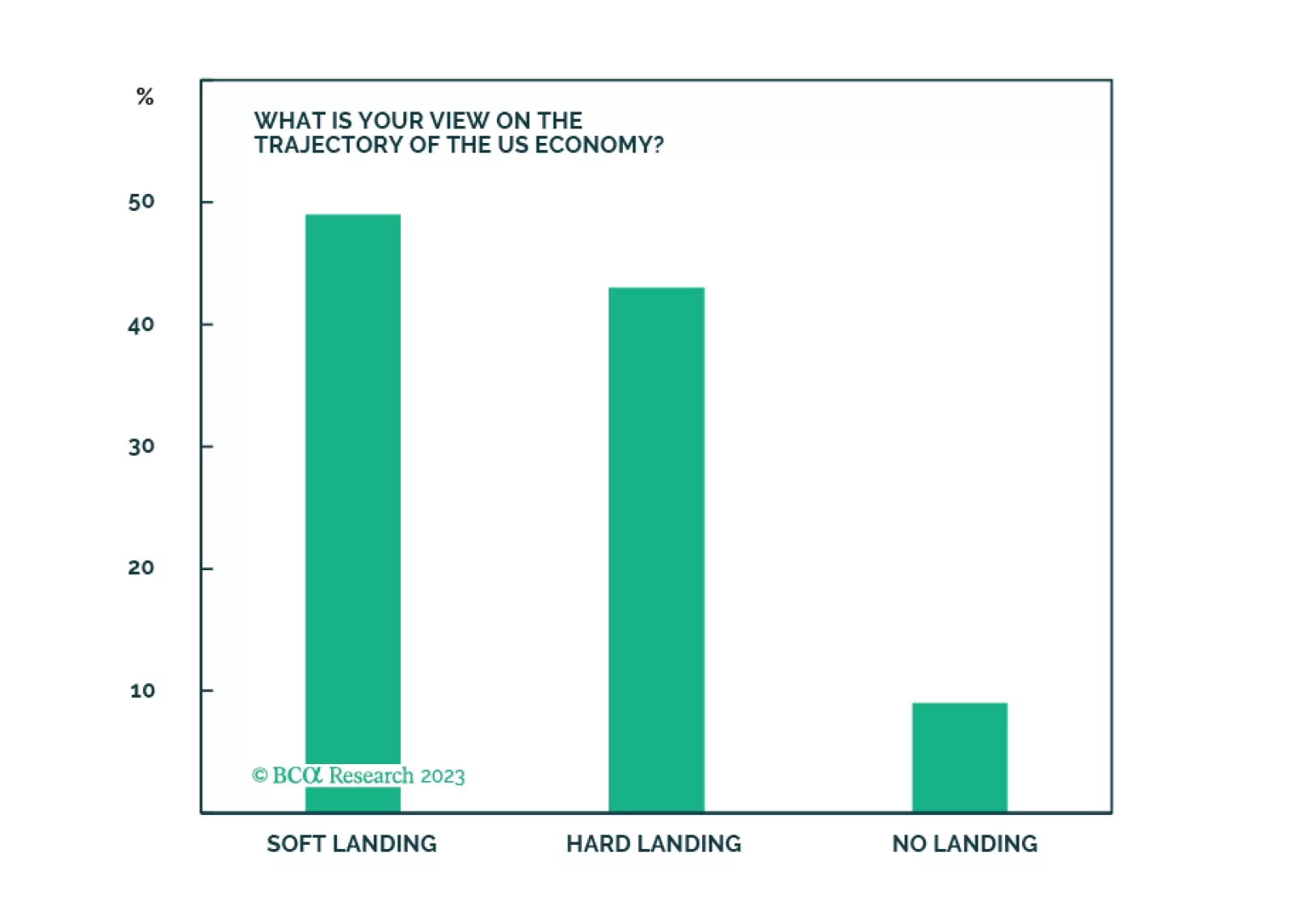
The Santa Claus rally is a repricing of the "soft landing" scenario as a likely economic outcome. Yet, many investors remain cautious, and harbor significant cash balances. Next year, repricing of various scenarios will continue, and volatility will be elevated. We remain in a "hard landing" camp and recommend defensive stance on a strategic investment horizon.
The latest Bank of England/Ipsos quarterly Inflation Attitudes Survey shows the public revised down its near-term inflation outlook. Respondents now believe inflation will fall to 3.3% in the year ahead – down from 3.6% in the August survey and the lowest…
The University of Michigan’s Consumer Survey sent an optimistic signal about the attitude of the US consumer on Friday, handily beating consensus estimates across the board. The preliminary headline index came in at 69.4, up from 62.0 in November, surprising…
The global investment community has become well aware of many problems facing the Chinese economy including real estate excesses, policymakers’ reluctance to stimulate, as well as elevated debt levels among local governments, enterprises, and consumers. …
According to BCA Research’s US Political Strategy service, the Fed will be surprisingly dovish in 2024 but it has a poor track record of avoiding recessions once monetary policy is restrictive. The independence of the Fed is misunderstood: The Fed is…
The Japanese yen strengthened considerably on Thursday after comments by Bank of Japan (BoJ) Governor Kazuo Ueda caused investors to bring forward their expectation of the timing of the end of negative rates. In particular, Ueda noted that monetary policy…
On the surface, Chinese export data delivered a positive surprise on Thursday, painting a favorable picture of the global manufacturing cycle. Exports unexpectedly grew on a year-over-year basis in November for the first time since April. The 0.5% y/y…
The ‘Joshi rule’ real-time recession indicator signals the start of a US recession when the three-month moving average of the unemployment rate of ‘job losers not on temporary layoff’ rises by 0.20 percent from its low during the previous 12 months. The…
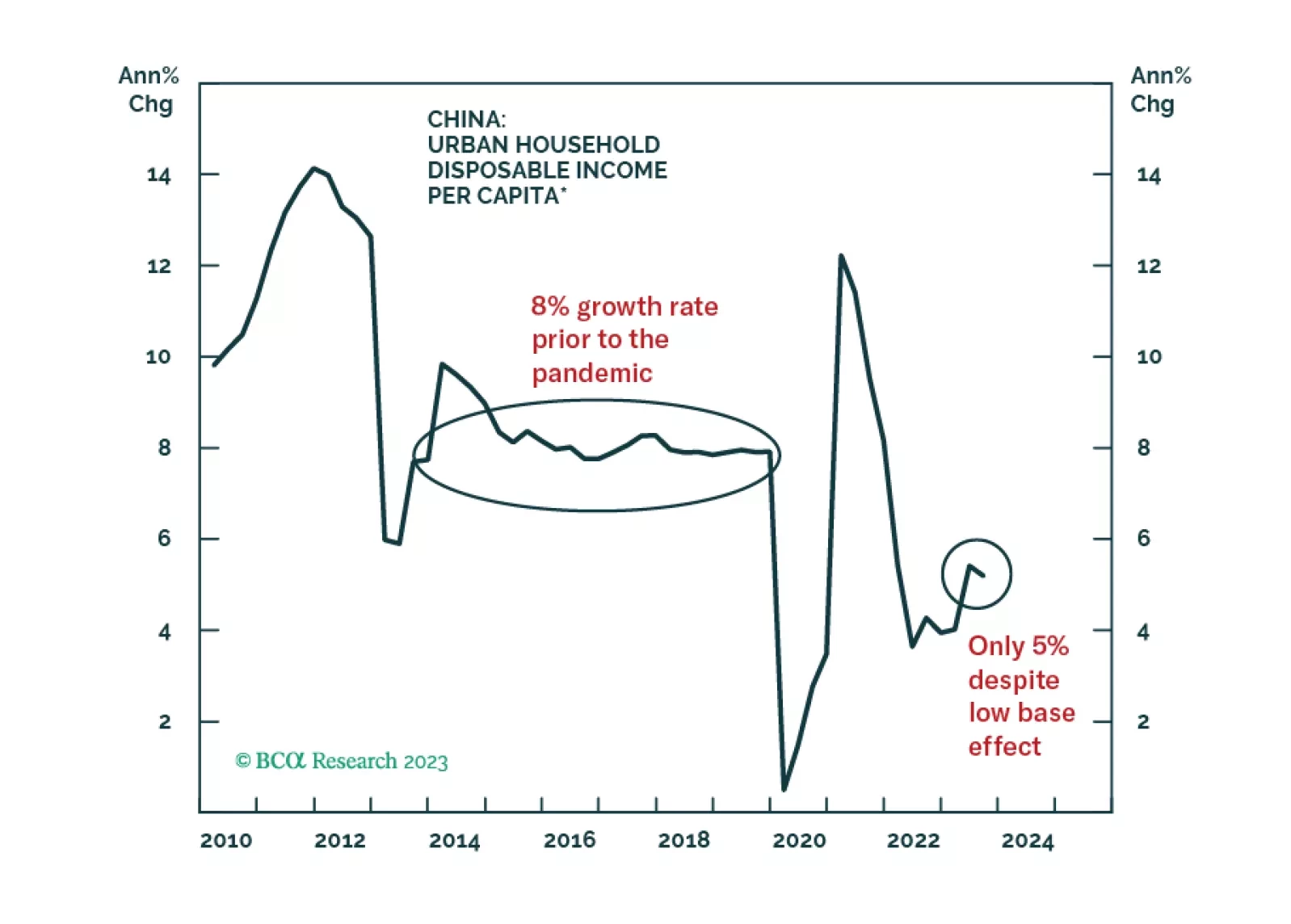
The overarching macro theme for China in 2024 will be deflation and its impact on the economy, macro policies, and financial markets. Widespread deflation, in combination with high debt levels and falling real estate prices, has unleashed debt deflation and balance sheet recession dynamics. The latter are rendering monetary policy inefficient.