Business Cycles

German factory orders sent a disappointing signal on Wednesday. New orders at German factories unexpectedly declined by 3.7% m/m in October, disappointing expectations of a 0.2% m/m rise following two consecutive months of increase. The annual rate of…
Retail sales volumes grew on a sequential basis for the first time in three months in October, rising by 0.1% m/m following an upwardly revised 0.1% m/m decline. On an annual basis, the pace of decline slowed from -2.9% y/y to -1.2% y/y. While the release…
Copper benefited from the recent improvement in global risk sentiment, participating in the broad-based rally in November. To the extent that the red metal has vast applications across many economic sectors, it is considered a reliable gauge of global…
The Reserve Bank of Australia (RBA) kept the cash rate unchanged at 4.35% on Tuesday, in line with expectations. In her post-meeting statement, Governor Michele Bullock revealed that economic developments since the RBA’s November rate increase have been in…
The number of US job openings fell sharply in October according to the JOLTS survey, from 9.4 million to 8.7 million. At 8.7 million, job openings are still above the 7.1 million average seen in the two years prior to the pandemic. Viewed in isolation, this…
China’s CSI 300 equity index closed at its lowest level since early 2019 on Tuesday following news that Moody’s downgraded its outlook for China’s credit rating from stable to negative. The report cited the potential impact of financial stress among…
The November services PMIs sent a slightly positive signal on Tuesday. The global measure ticked up from 50.4 to 50.6, pointing to a marginal pickup in the pace of expansion. Importantly, this slight improvement was broad-based across the major global…
According to BCA Research’s US Bond Strategy service, US corporate bond spreads are far too tight. The soft landing narrative took hold of markets in November as the overnight index swap (OIS) curve moved to price in 159 bps of Fed easing between now and…
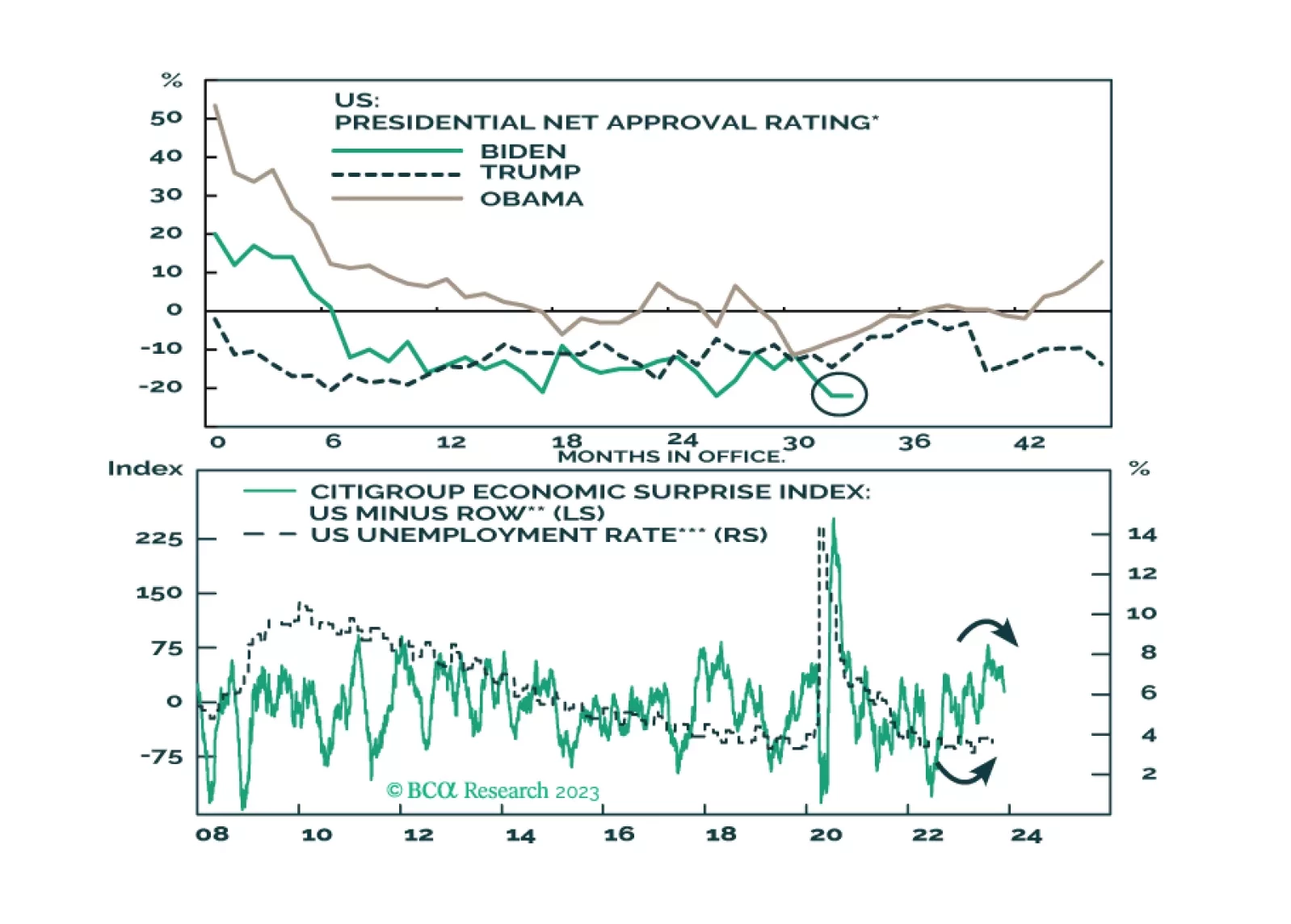
Global instability will continue in 2024 – whatever happens afterward. Slowing economies will exacerbate already high geopolitical risk and policy uncertainty stemming from the US election and foreign challenges to US leadership. Overweight government bonds, defensive sectors, the Americas versus other regions, aerospace/defense stocks, and cyber-security stocks.
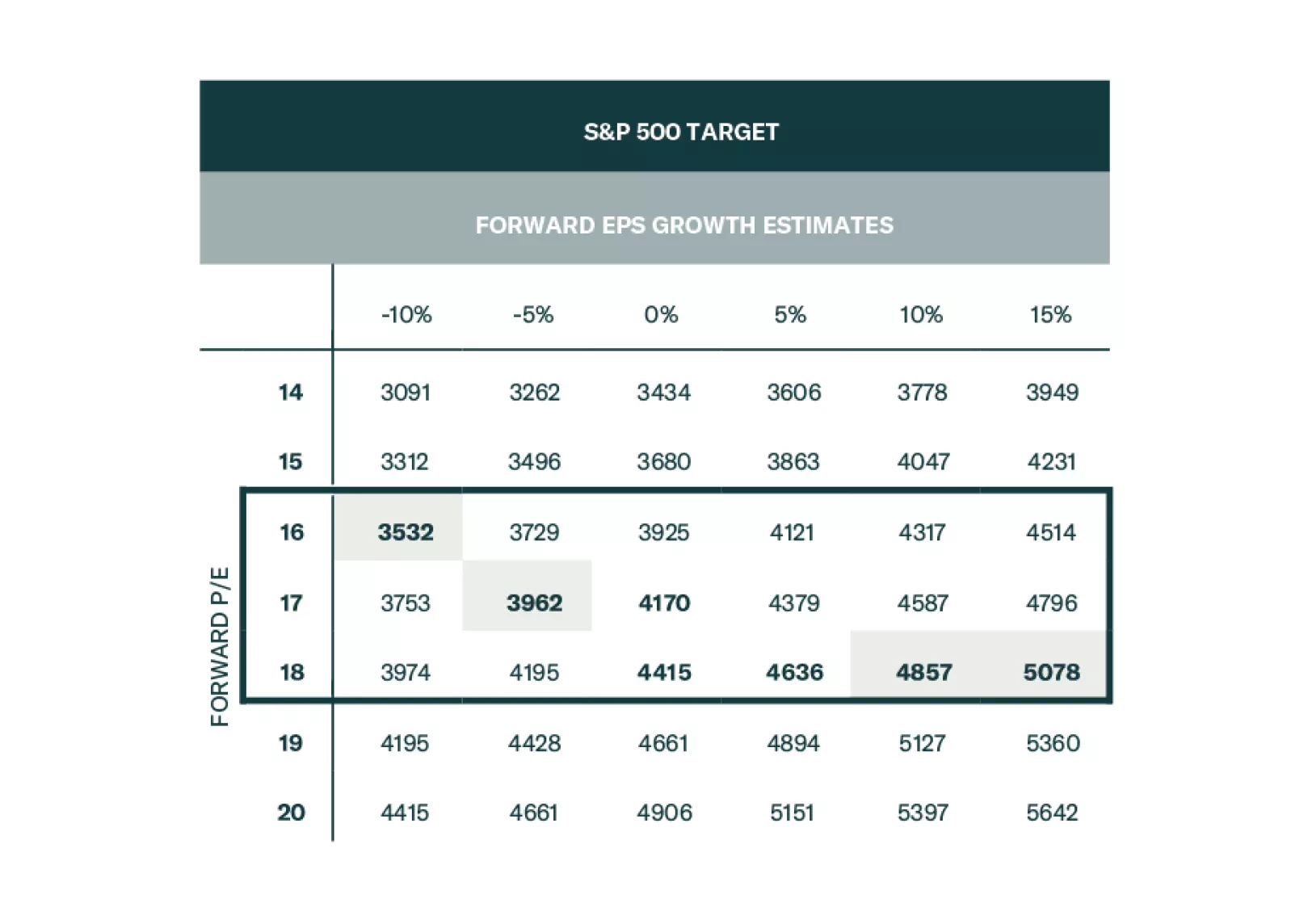
We expect the US economy to slow and potentially downshift into a recession sometime in 2024, as tighter monetary policy weighs on consumers and businesses. In addition, (geo)political tensions may increase market volatility. The risk/return for US equities is unfavorable. We recommend that our clients reduce portfolio beta and increase allocations to defensives and quality growth.