Canada
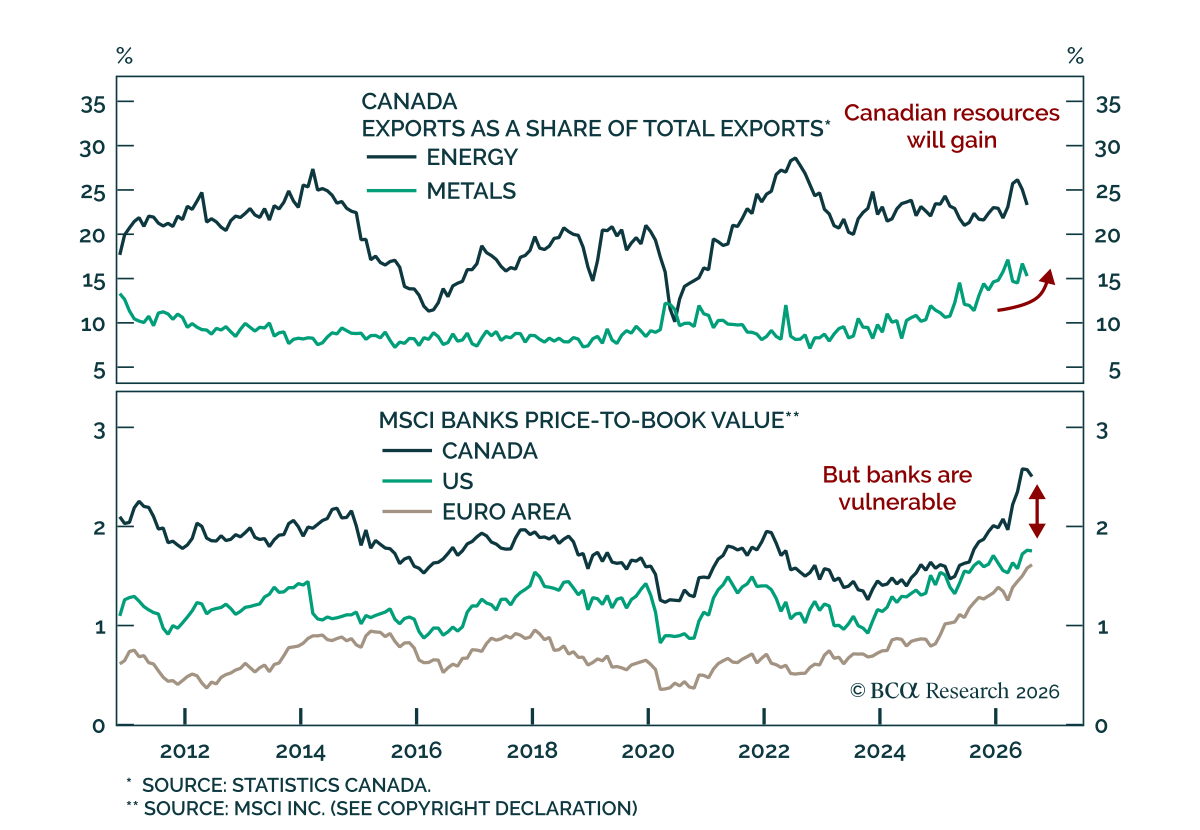
Canadian equities have corrected despite rising commodity prices, as weakness in Energy, Materials and IT has outweighed gains in banks. Energy stocks entered the month with stretched valuations following a strong earnings season, leaving the sector…
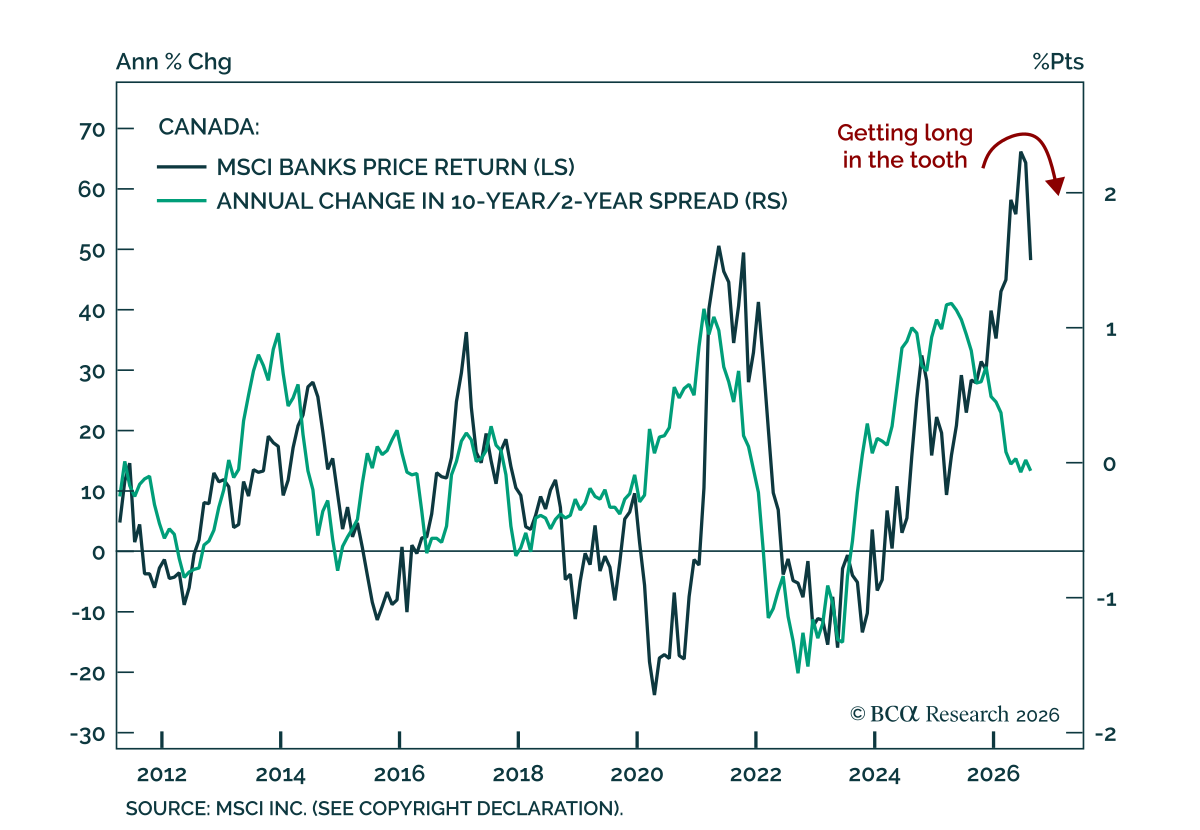
Canadian banks are overdue for a correction as stretched valuations, a weakening housing market and fading support from the yield curve create growing downside risks. Bank equities have continued to surge even as the 2-year/10-year spread has stopped…
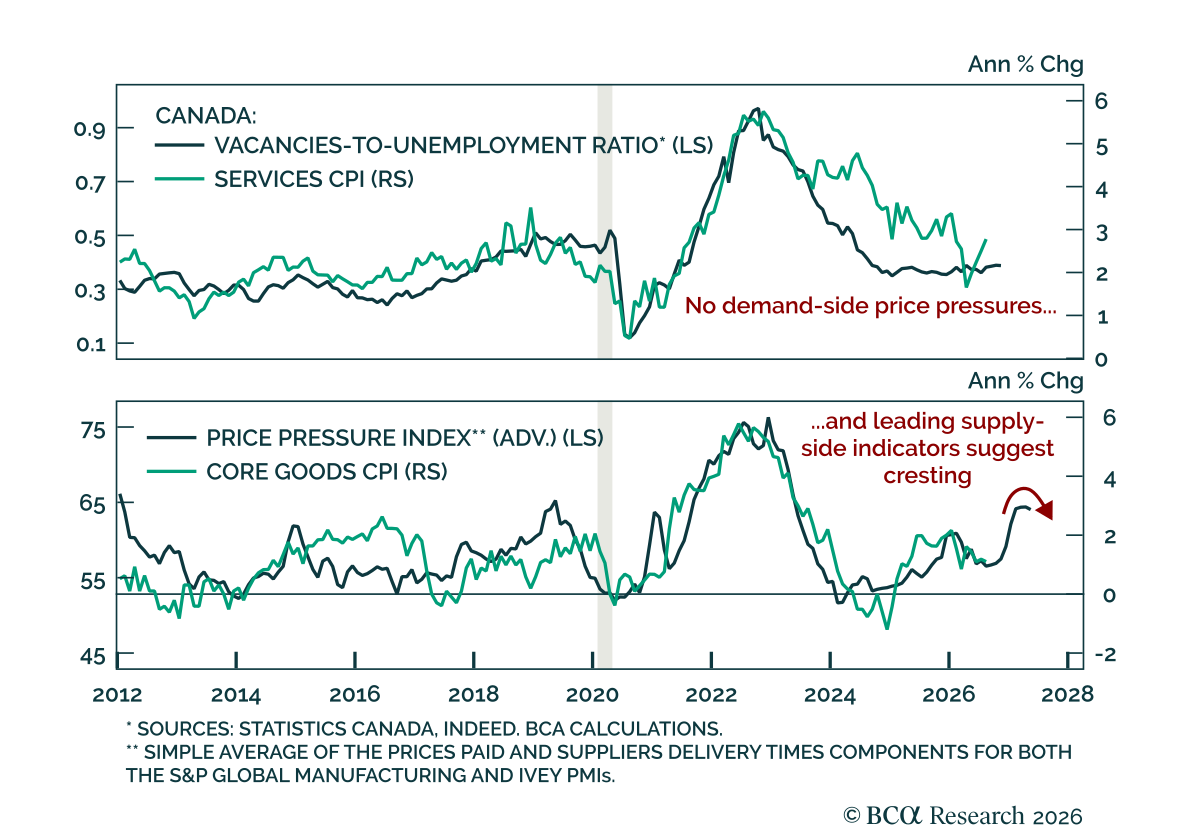
August inflation remained contained, reinforcing our view that markets are pricing too much BoC tightening and supporting Canadian government bonds relative to US Treasuries. Headline CPI was in line with estimates at 3.0% y/y, unchanged from July and at the…
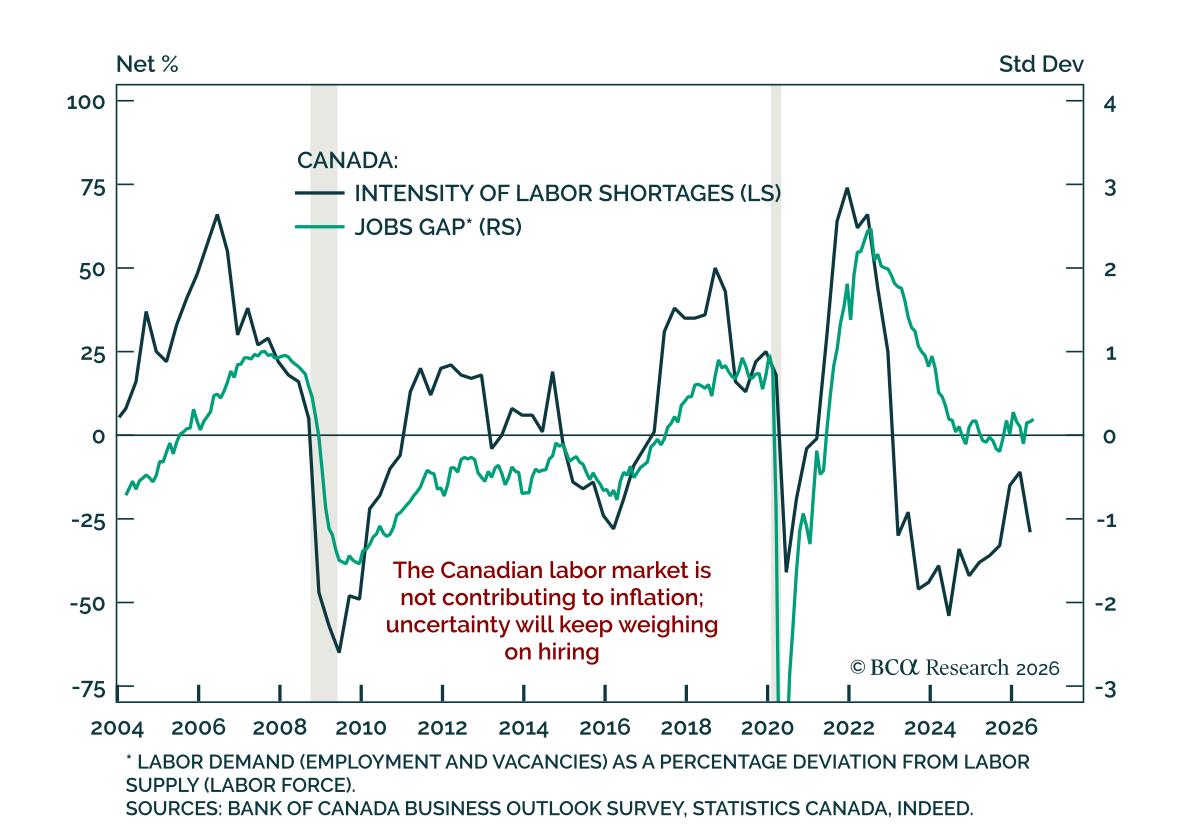
The August Canadian jobs report underscores how fragile the growth outlook remains, with employment contracting and wage growth slowing sharply. Employment fell by 41.7k, missing estimates for a 15k gain after July’s 75.1k increase, with most of the losses in…
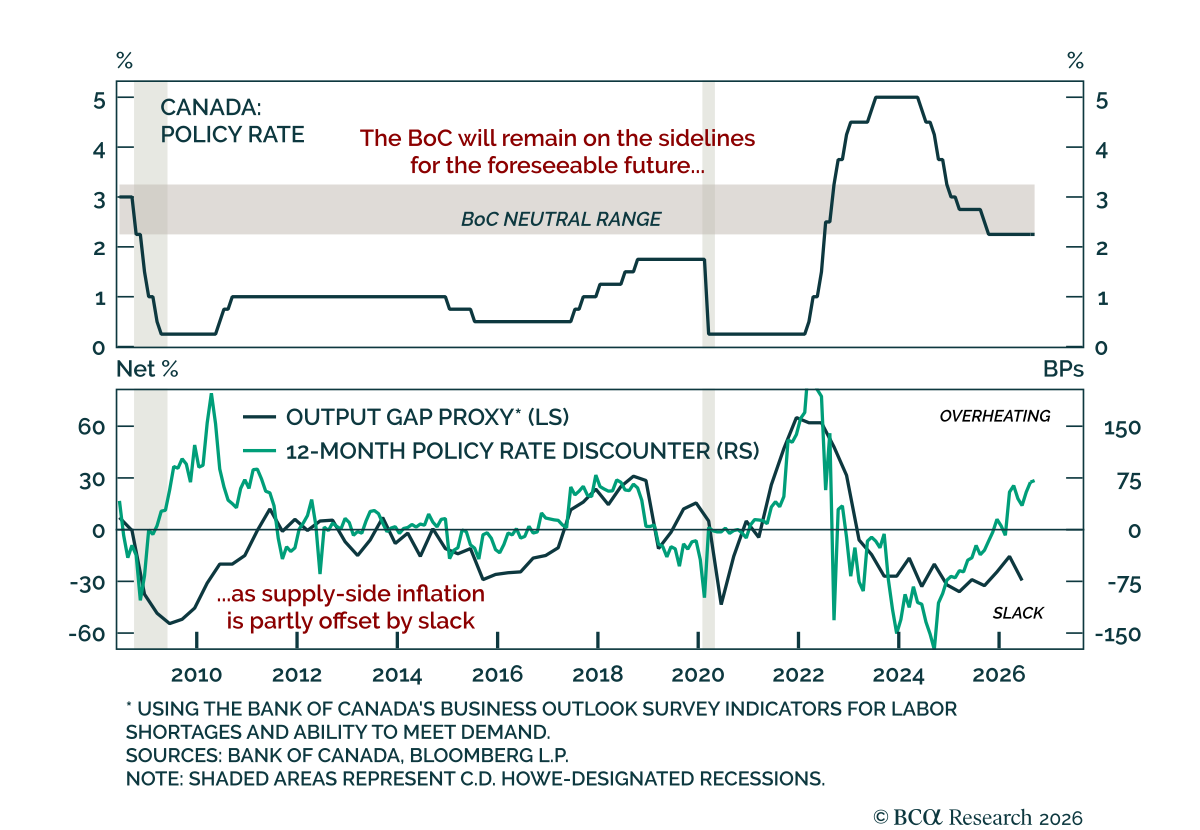
The Bank of Canada held rates at 2.25%, with two-sided stagflationary risks returning but the BoC tilting slightly more toward upside inflation risks than downside growth risks. The overnight rate remains at the bottom of the BoC’s estimated neutral range…
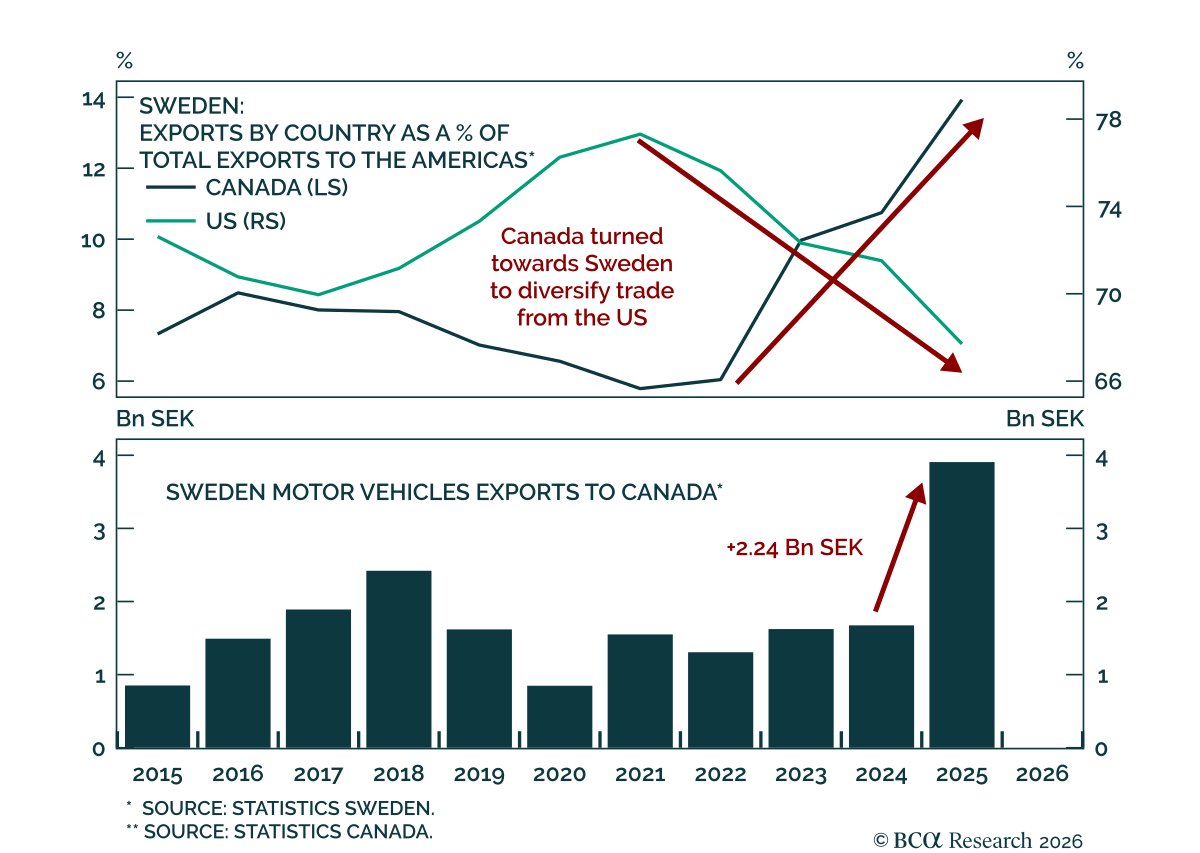
Canada’s efforts to diversify away from the US are starting to pay off. As the US has shifted its trade policy, Canada has aimed to broaden its trade ties, including through deeper engagement with Europe. As a result, Sweden has quietly become one of…
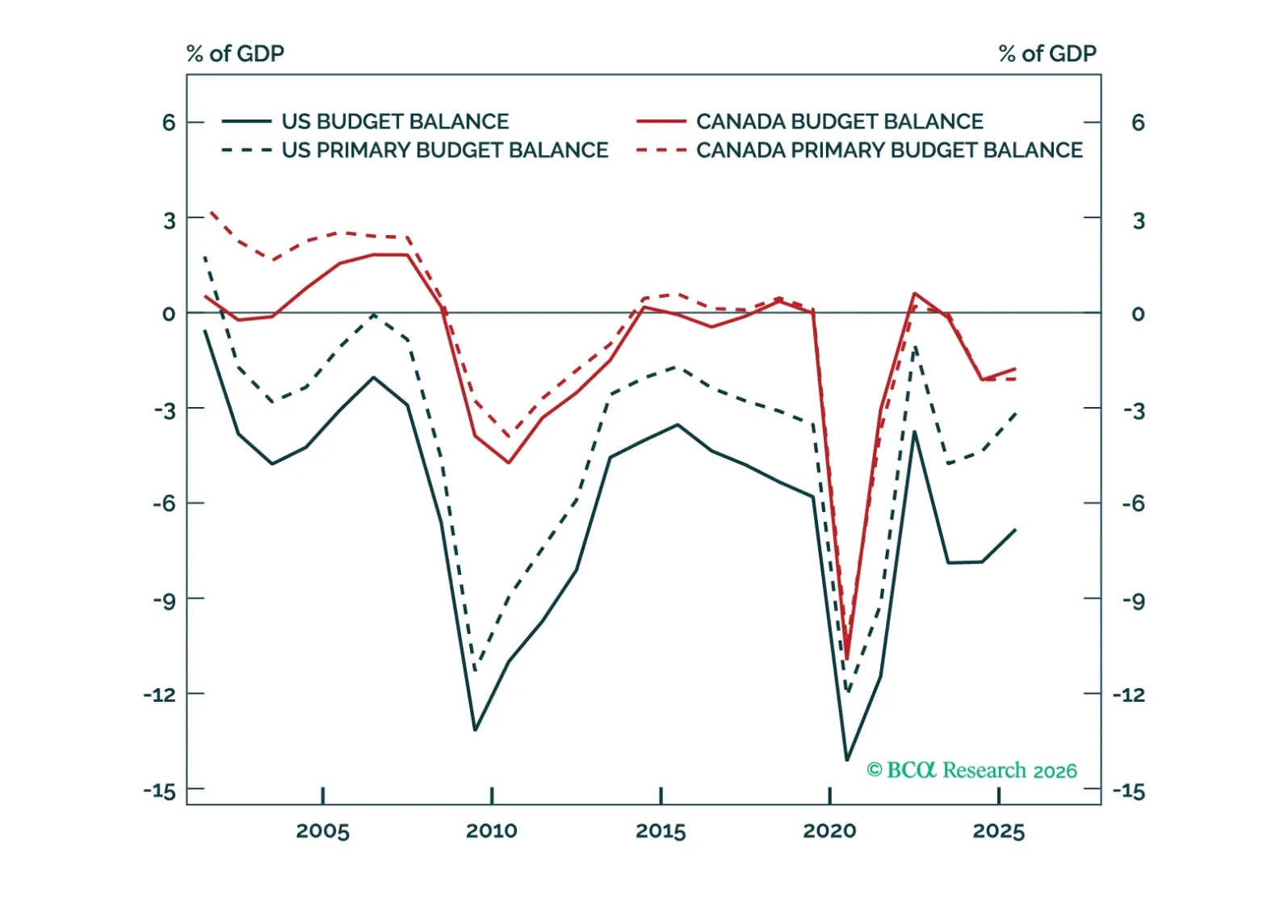
Canada may welcome a trade skirmish with the US. It has ample fiscal room with which to retaliate and its domestic political calculus – with bubbling risk of secession – means that fighting an external threat is a boon, not a bore.
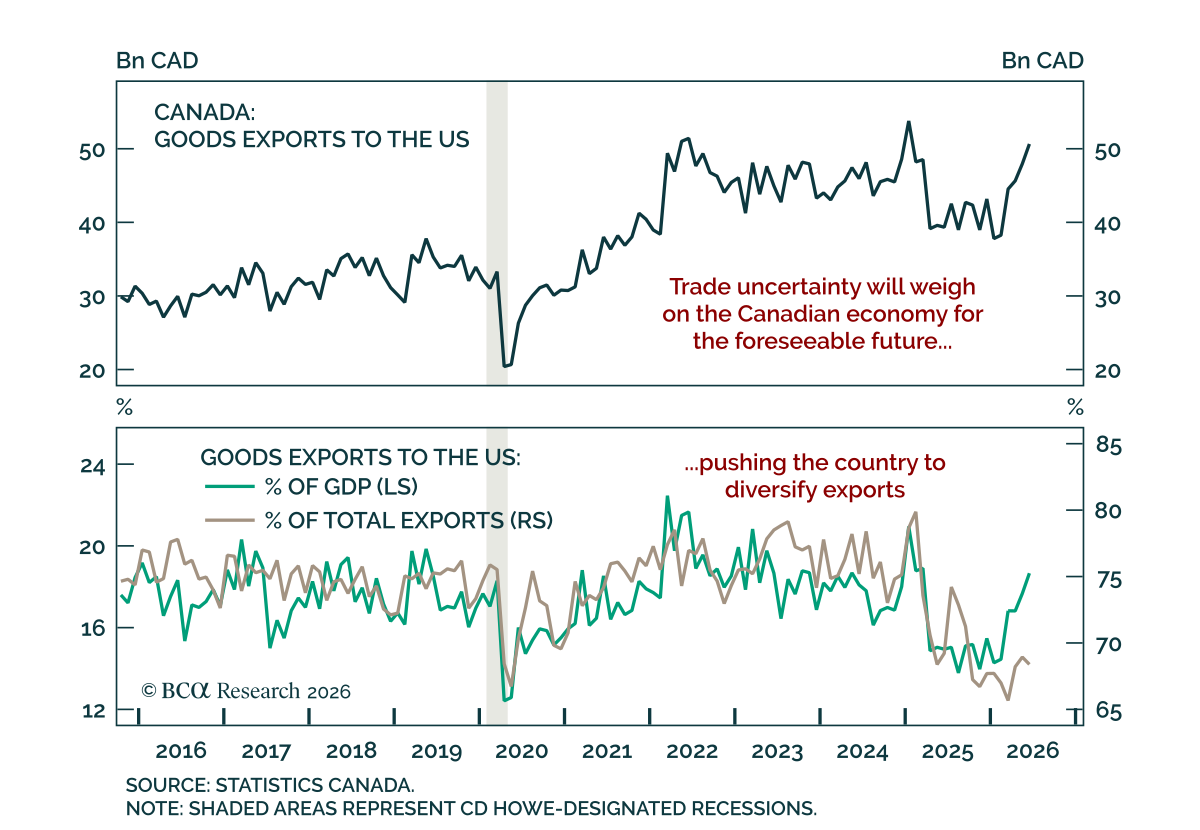
The collapse of US-Canada trade talks adds uncertainty to an already soft Canadian macro backdrop, favoring Canadian bonds relative to US Treasuries. Negotiations broke down minutes before the midnight deadline, with both sides accusing the other of adding…
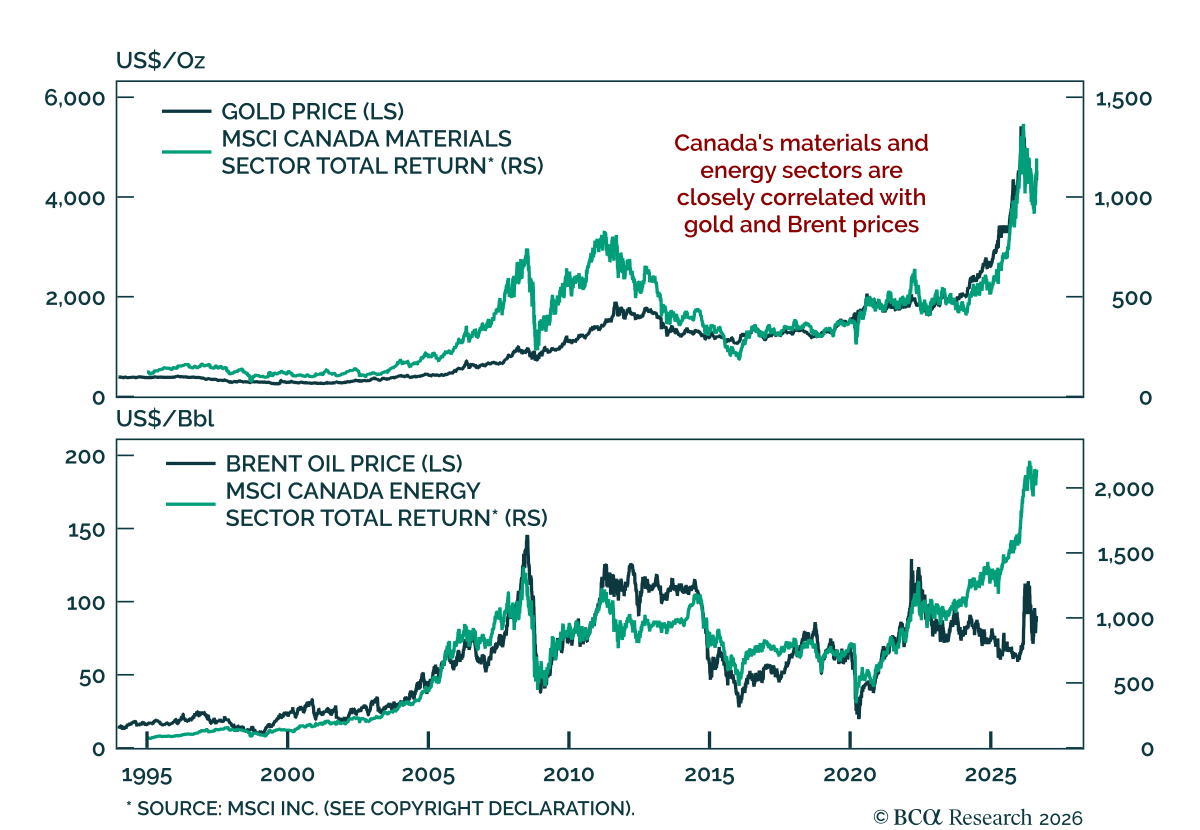
The Canadian stock market’s significant exposure to materials and energy offers valuable diversification benefits. Materials account for roughly 19% of the market and are closely tied to gold prices, while energy represents another 17% and is highly sensitive…
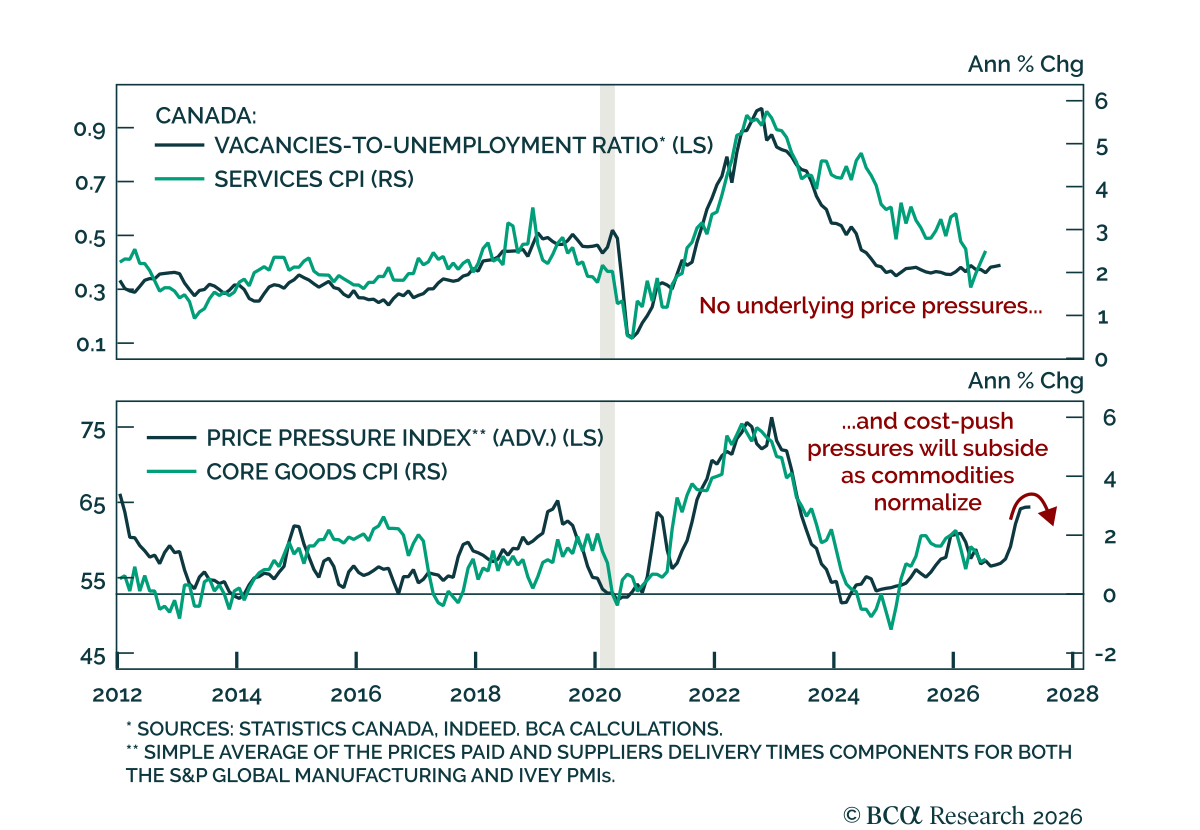
Canada’s hotter July CPI print was driven by energy, while underlying inflation pressures remain contained. Headline inflation rose to 3.0% y/y from 2.8%, reaching the top of the BoC’s 1%-to-3% band. Core inflation also edged up to 1.9%, while the BoC’s…