Commodities
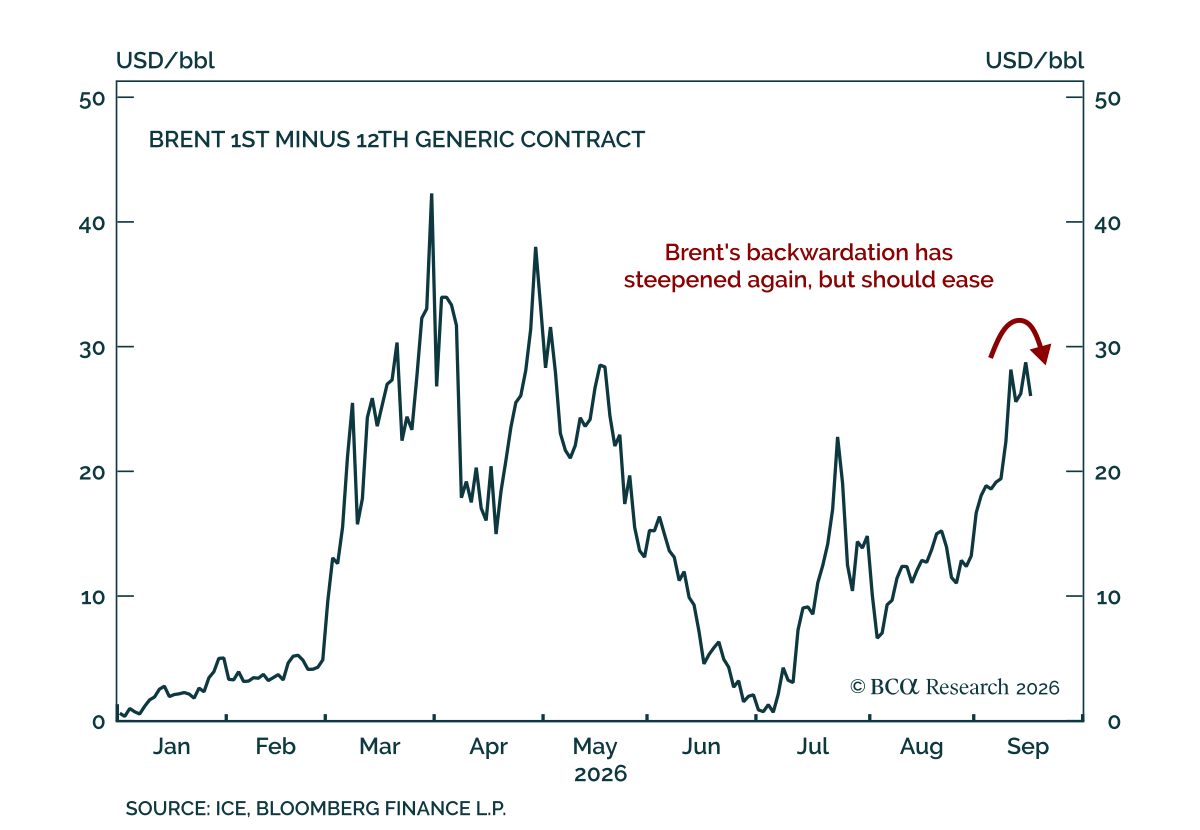
Our Commodity strategists expect rising dark transits through the Strait of Hormuz to keep cushioning the blow to global crude supplies. Middle Eastern seaborne exports have continued to climb through September despite the latest escalation in hostilities, a…
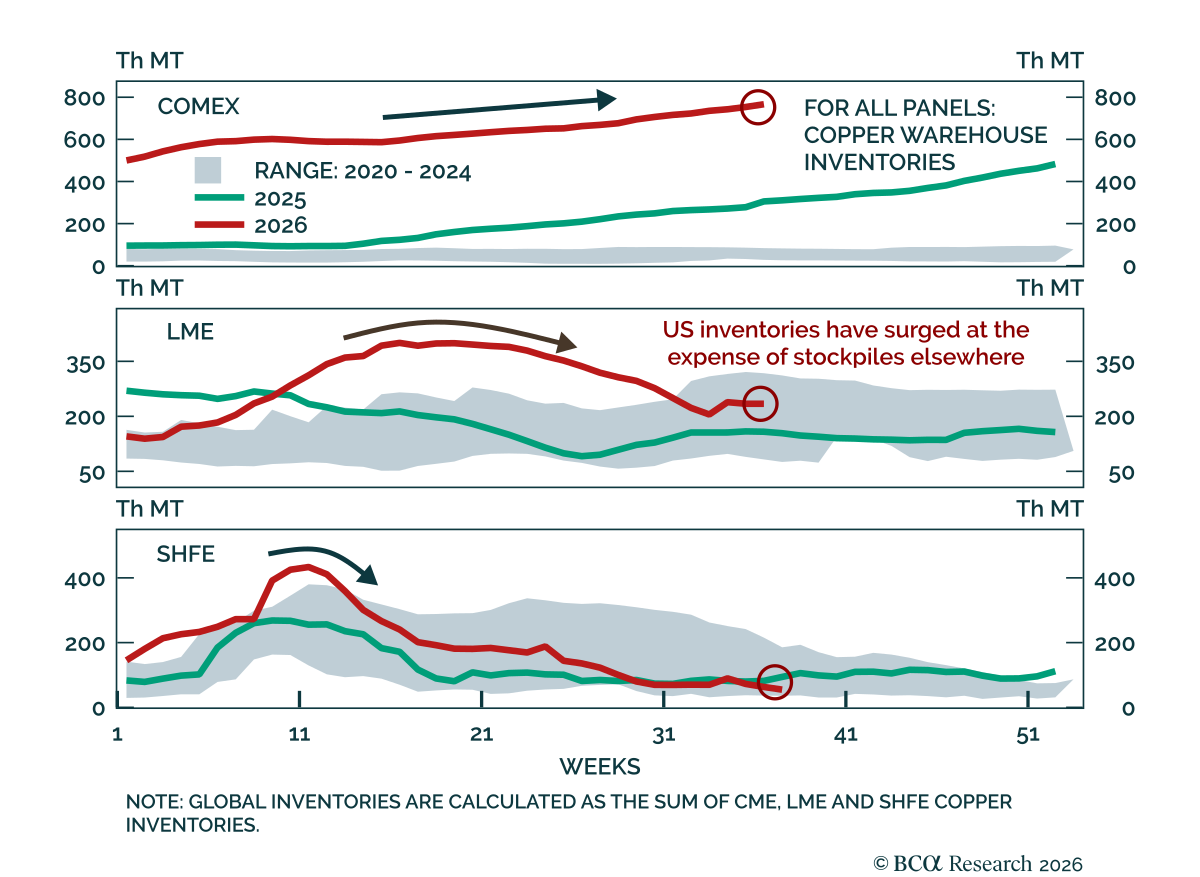
Our FICC strategists see copper's rally as hostage to US tariff uncertainty. The prospect of a levy on refined copper imports has dislocated global inventories and lifted prices. US exchange stockpiles now stand at 15 times their 2020-2024 average and account…
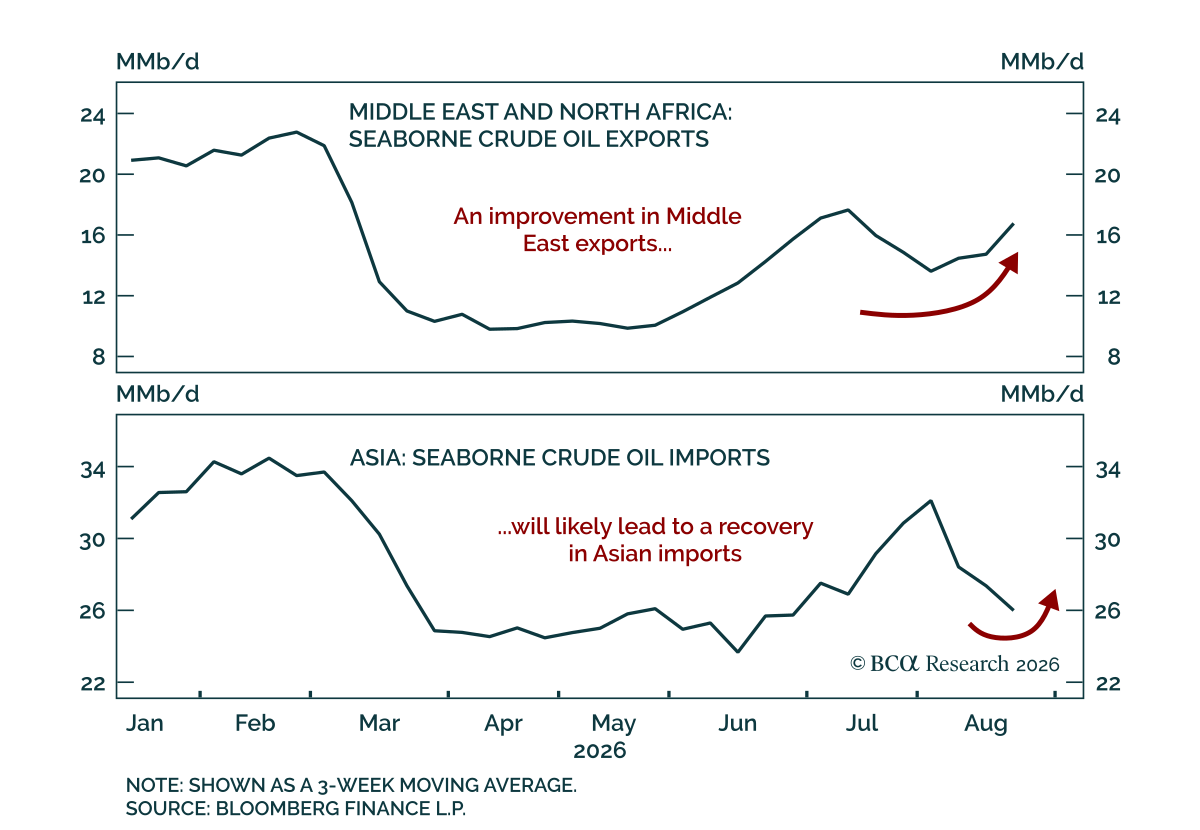
Our Commodity strategists judge that crack spreads are near their peak; the next big move will be to the downside. The record premium of refined product prices over crude reflects a bifurcated oil market, in which the pain from the supply disruption sits at…
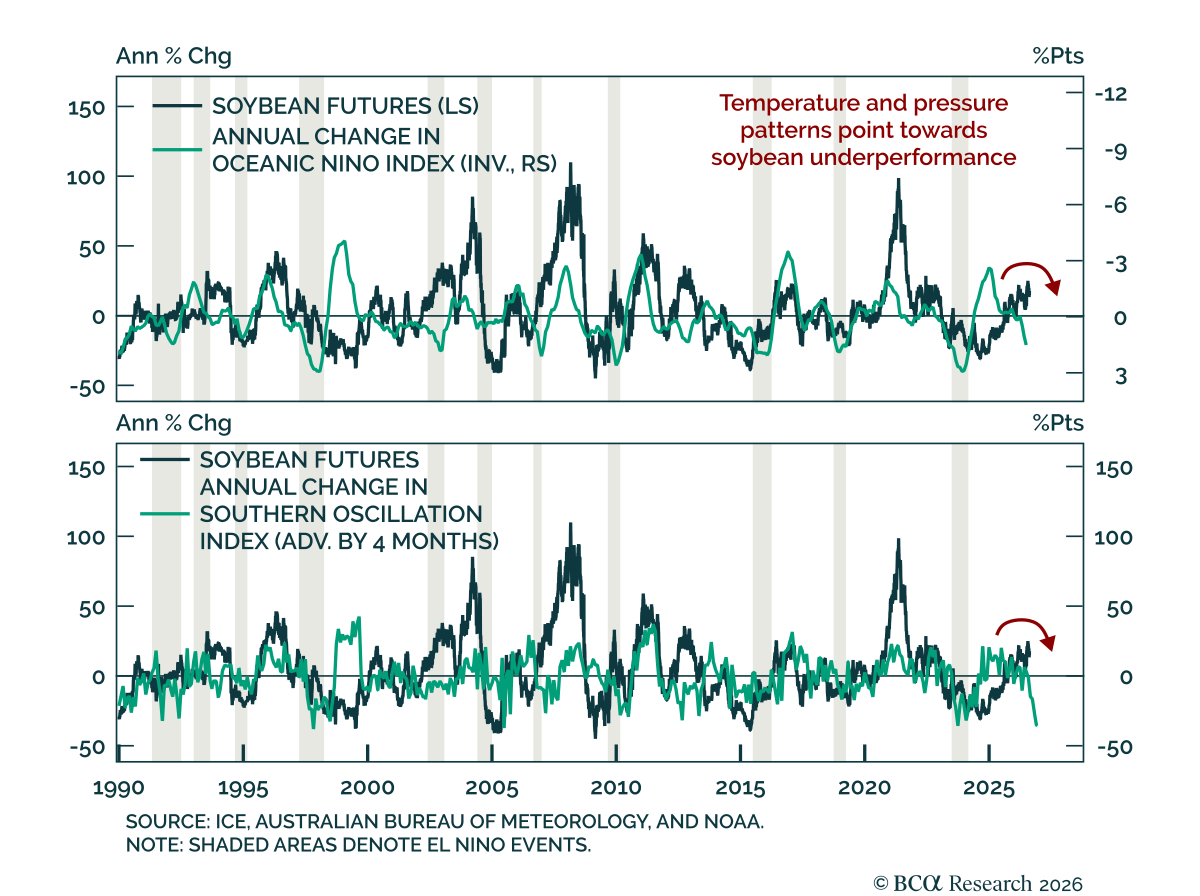
El Niño signals are strengthening, but the setup points to soybean underperformance versus the broader agriculture complex. Agriculture is generally less exposed to swings in the business cycle than energy and industrial metals, with prices driven more by…
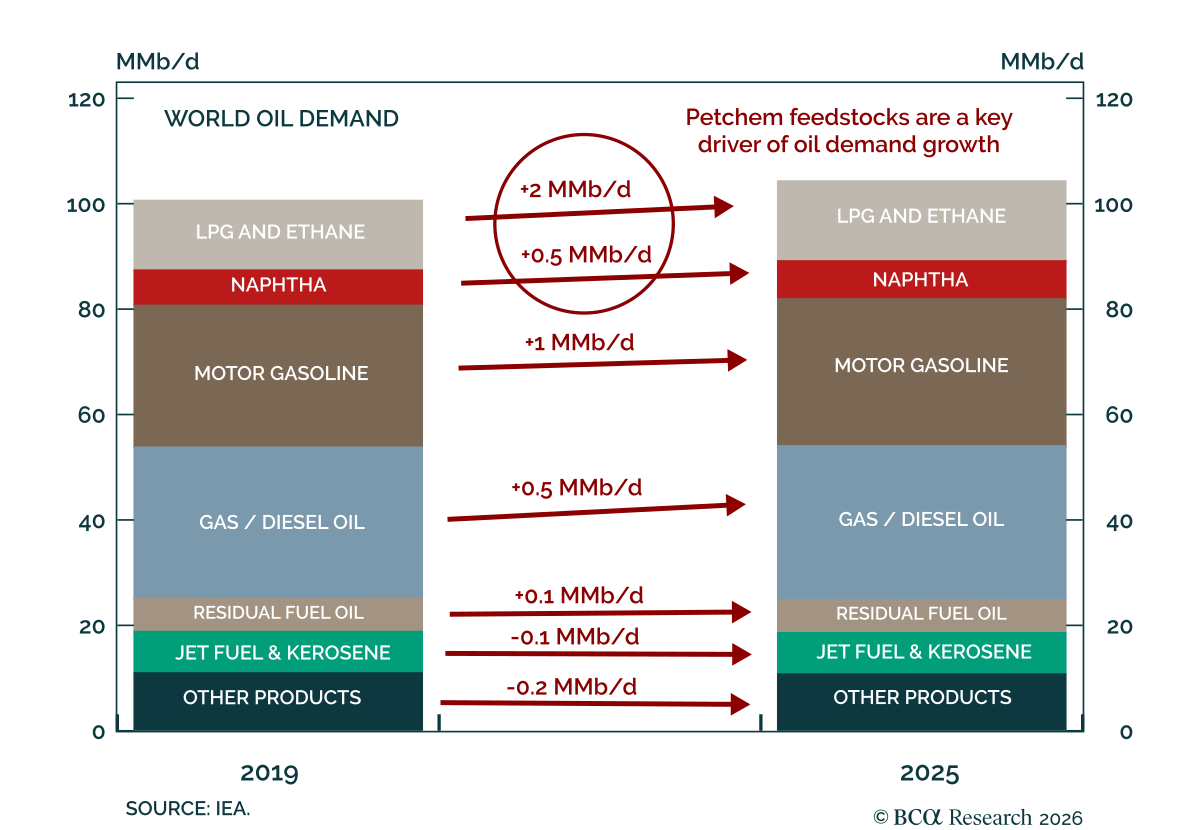
Our Commodity strategists see China's pivot to coal-derived petrochemical feedstock as a long-term tailwind for Chinese coal prices, and a structural headwind for global oil demand growth. Petrochemicals account for most of the net increase in oil demand in…
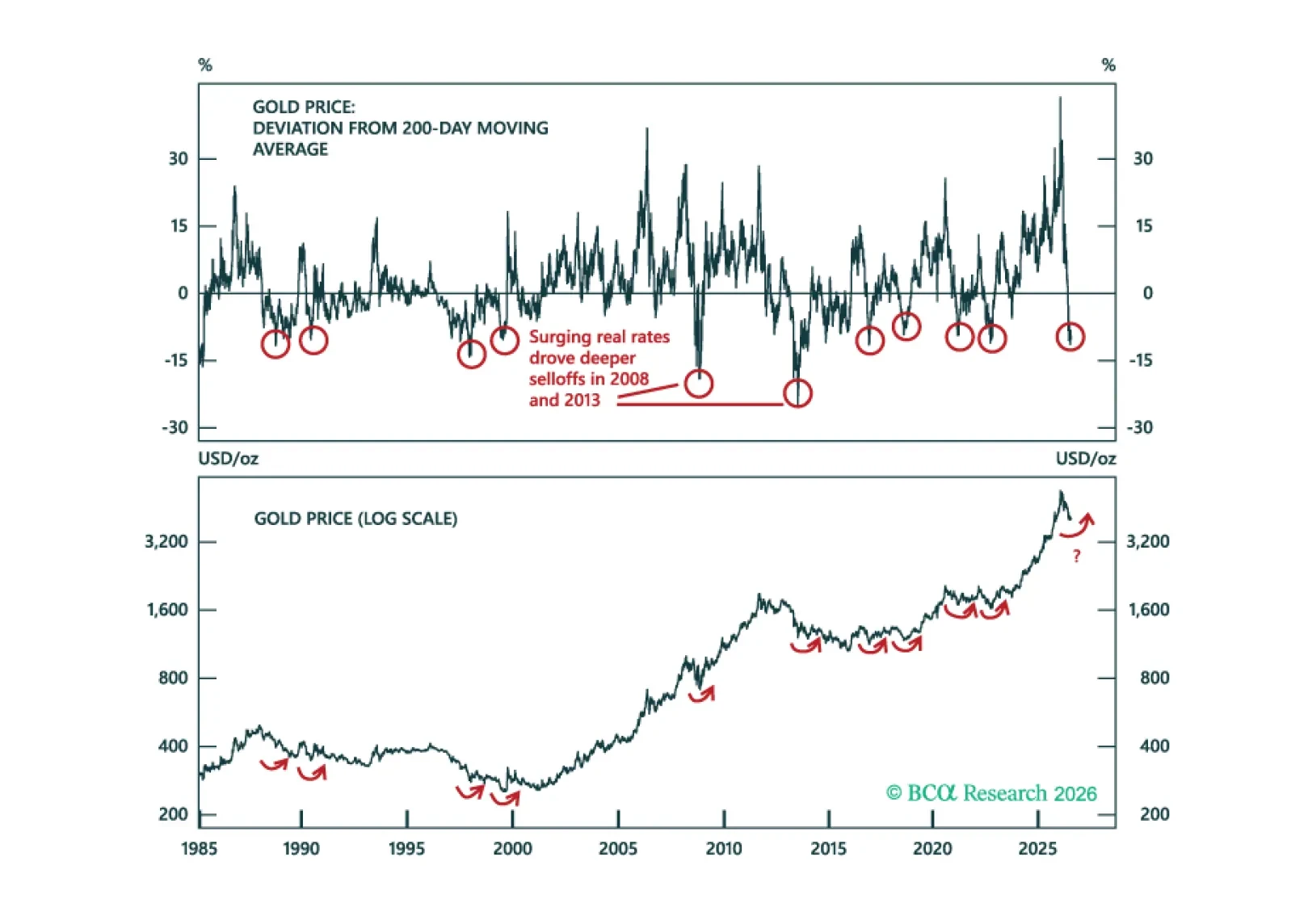
In this Special Report we argue that the worst of gold's downturn is likely behind us. Real rates and the dollar — which have reasserted themselves as gold's primary drivers — are set to shift from headwinds to tailwinds for the metal.
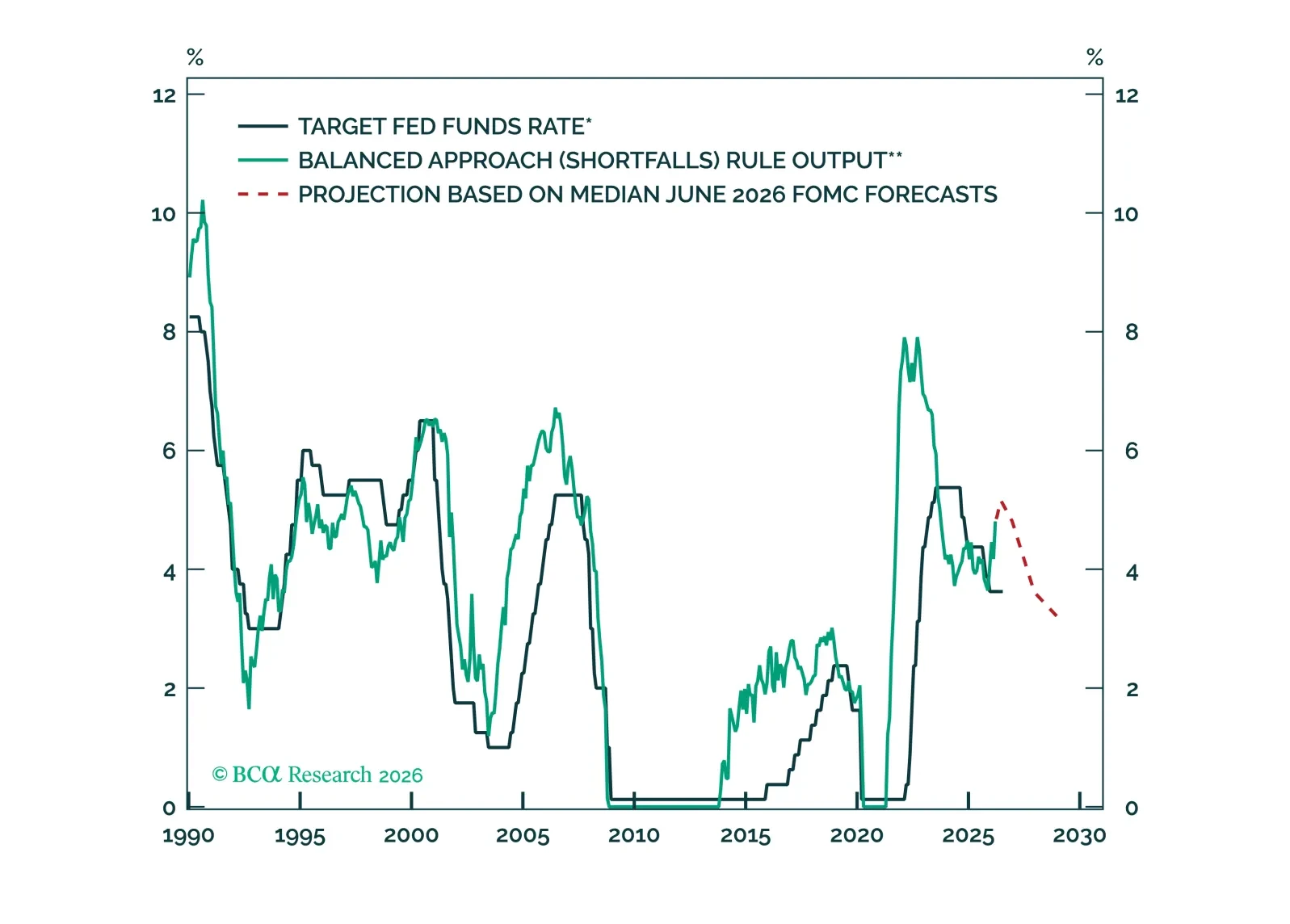
Goldilocks, with fault lines underneath. Our first joint FICC outlook lays out where growth, inflation, and policy are headed this quarter and where the calm could crack.
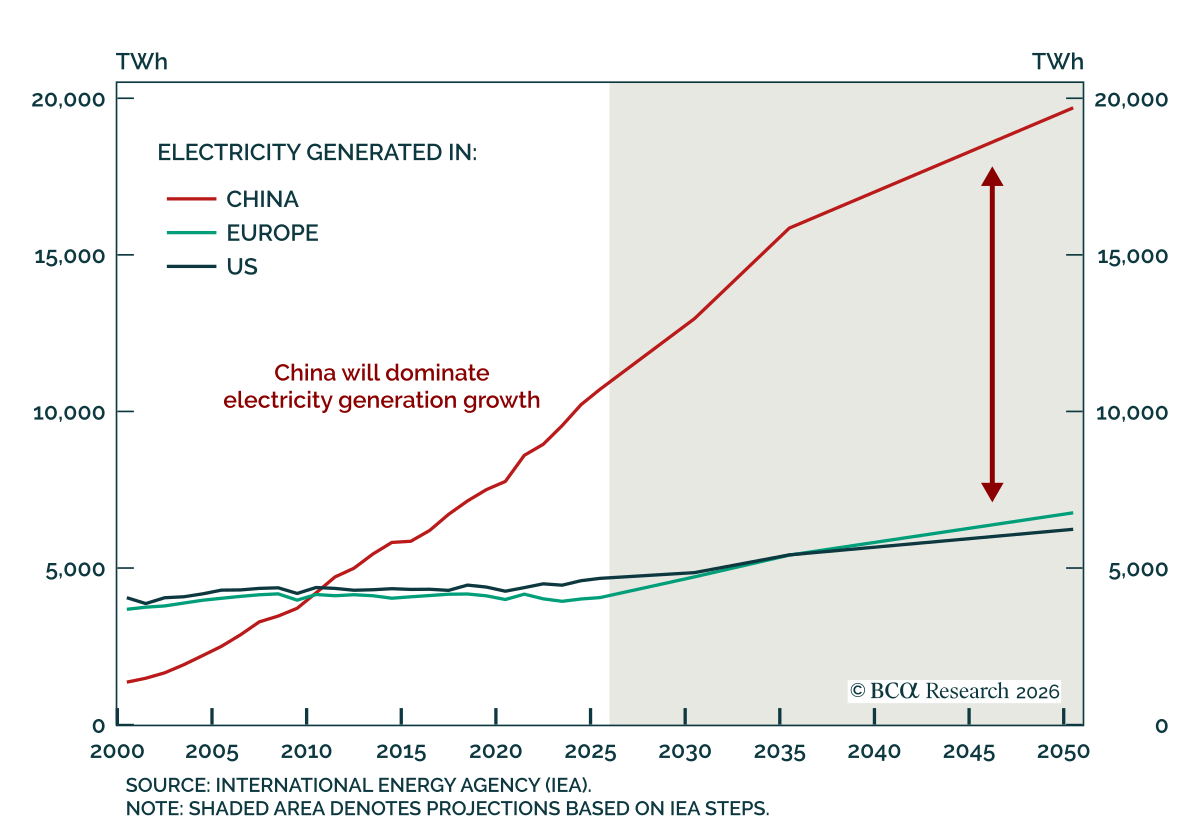
China’s grid advantage is becoming a structural edge in the new age of electrification, but the US is starting to respond. Our Chart Of The Week is a collective effort from Jing Sima, Chief China Strategist, Roukaya Ibrahim, Chief Commodity Strategist, and…
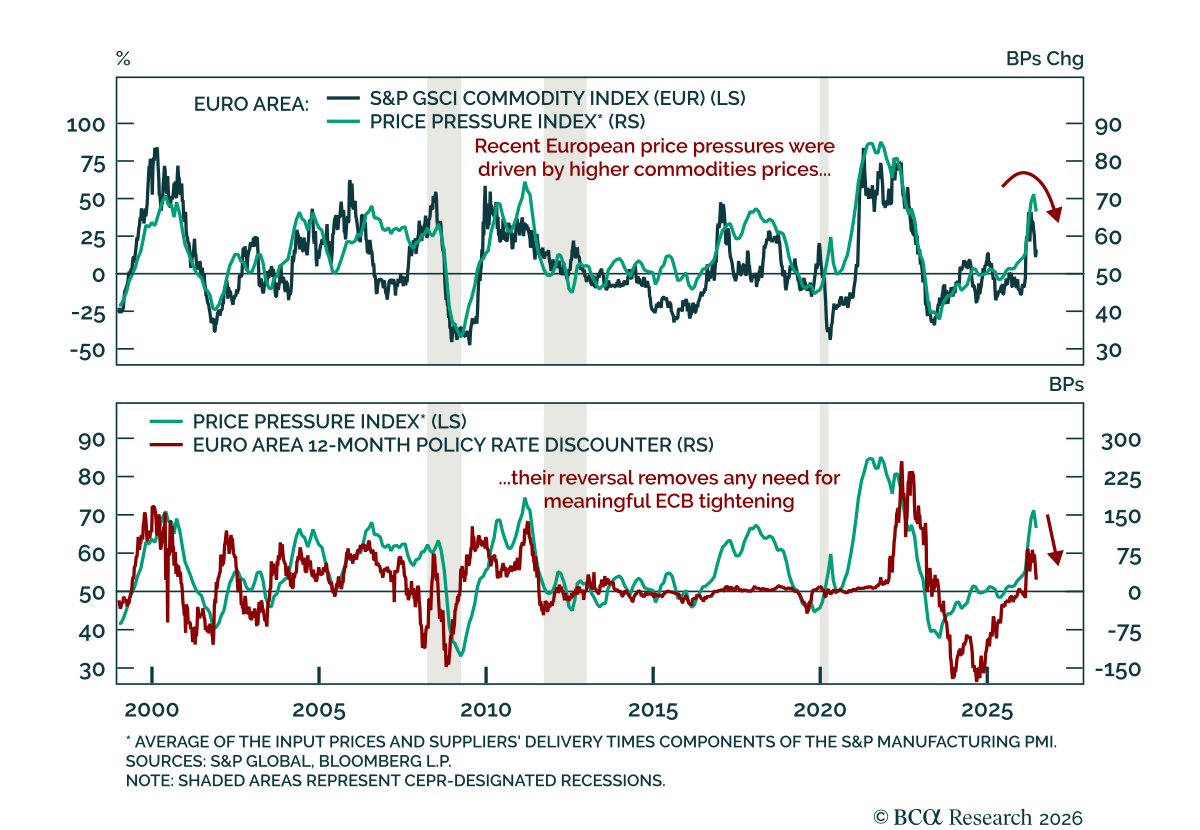
June inflation prints came in softer than expected across most major eurozone economies, reinforcing the case against further ECB tightening. Inflation undershot consensus in Germany, France, and Italy, while Spain was slightly above forecast but unchanged;…
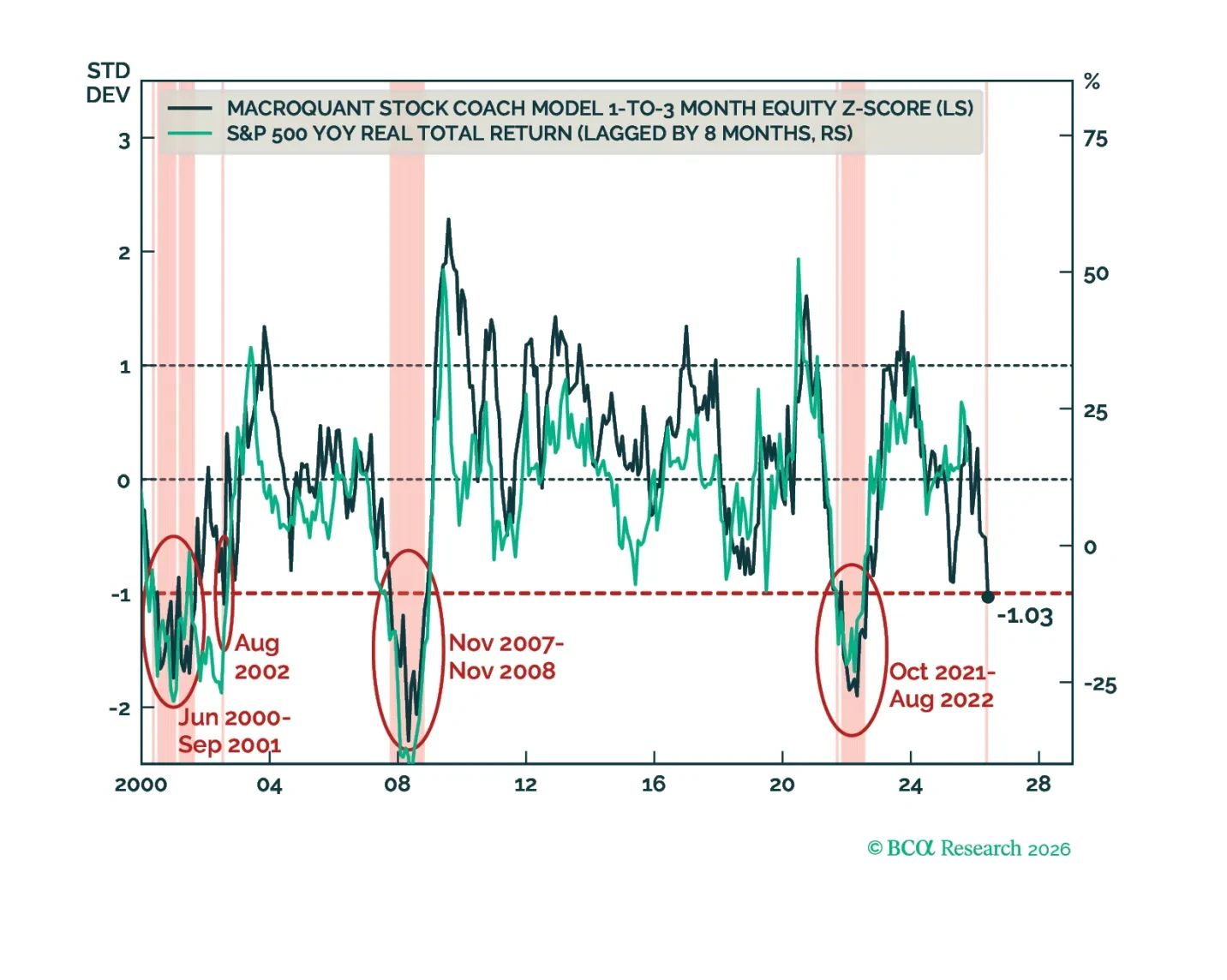
The equity bull market is getting long in the tooth. Bonds should perform well once economic growth begins to slow. The dollar will strengthen over the coming months before resuming its downtrend. While crude has likely found a near-term floor, we favor metals over energy in the long run.