Corporate Bonds
Our Portfolio Allocation Summary for January 2025.
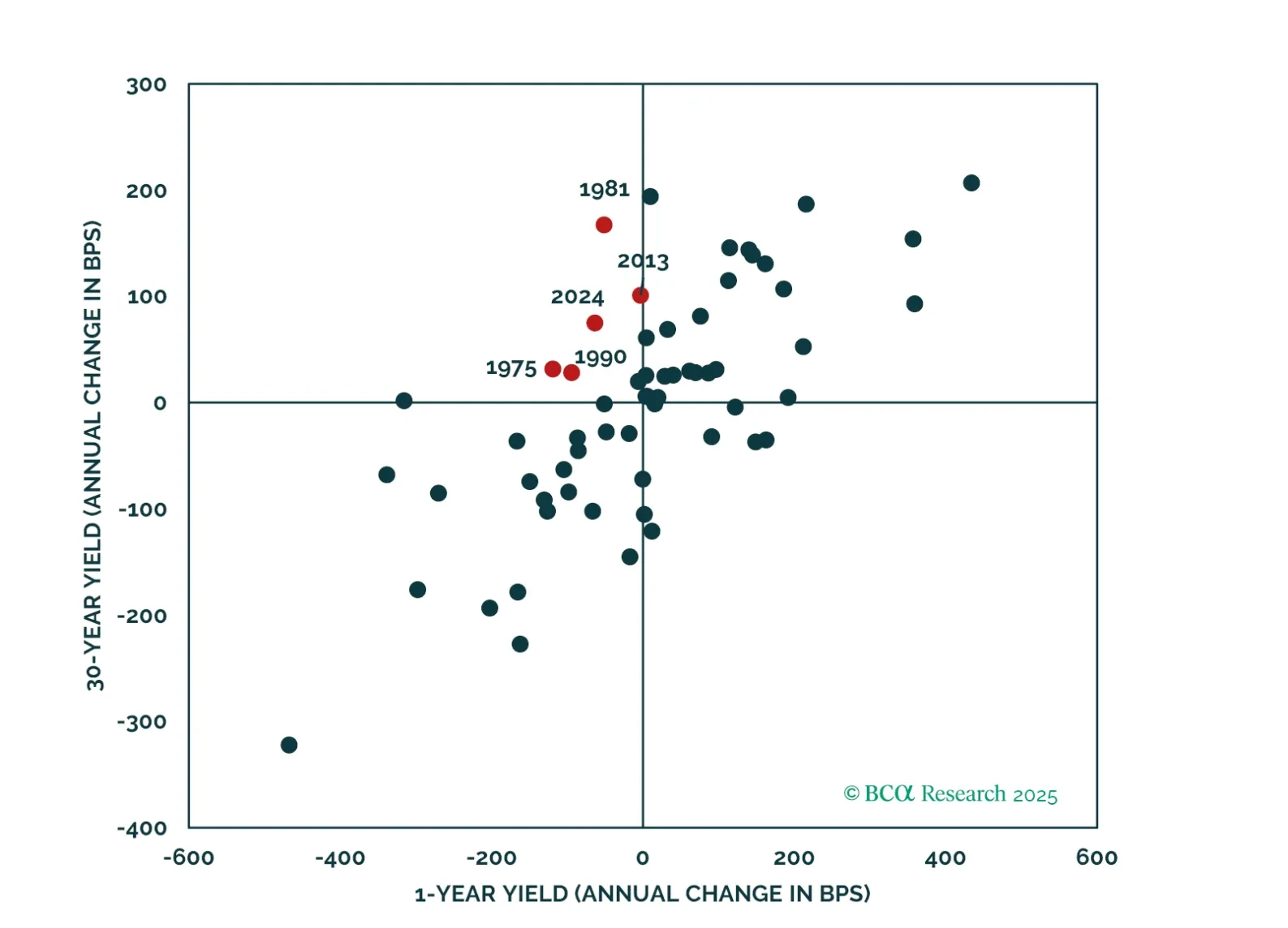
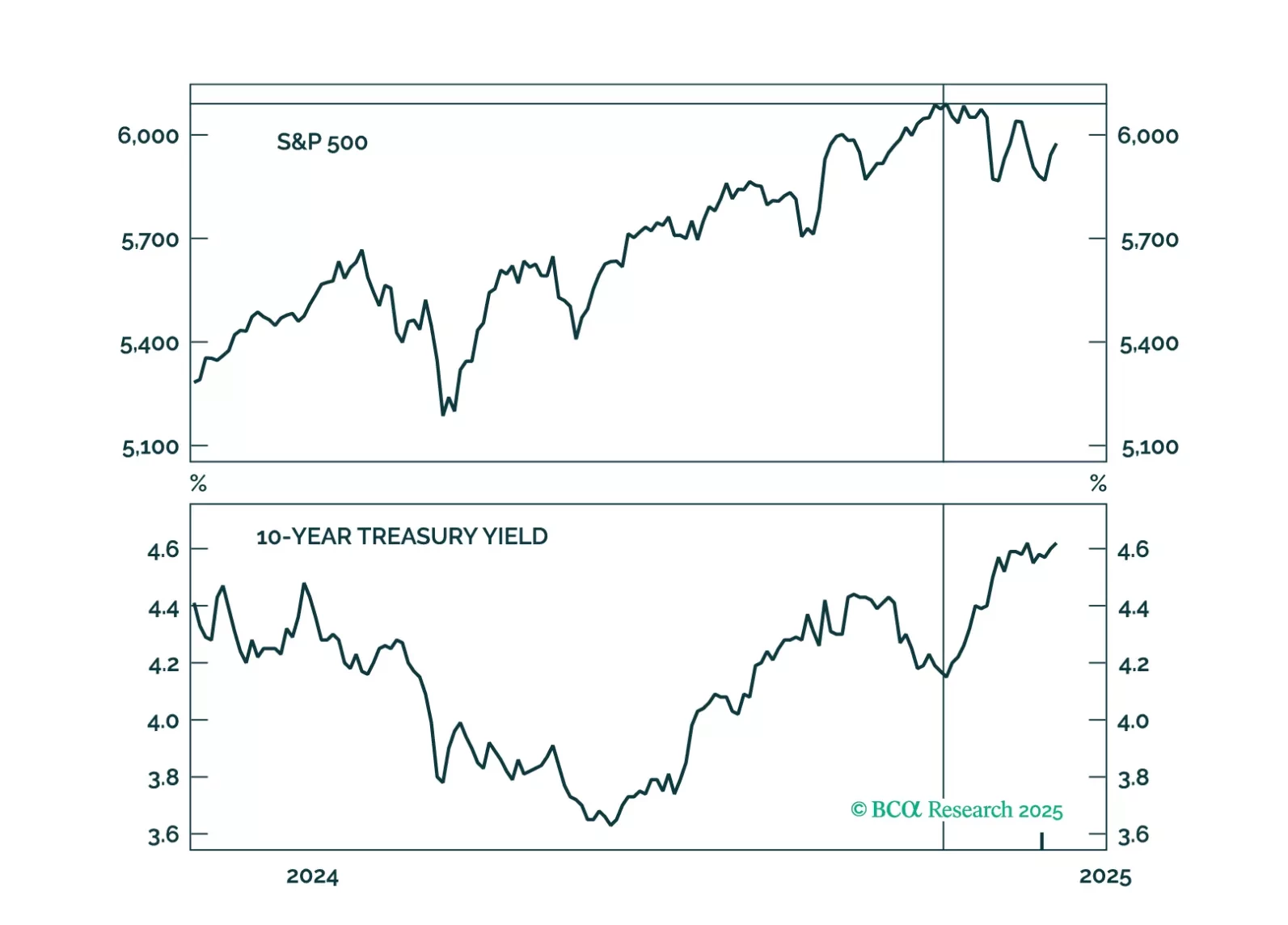
Paradoxically, raging optimism on the US economy is making a reacceleration in growth less likely in 2025. The reaction of the bond market has made the Fed rethink its cutting campaign. Markets are also constraining Trump’s agenda. US manufacturing will not recover with a surging dollar. Fears of inflation and debt sustainability have made moderate House Republicans push back against the President Elect’s wishes. Given the sky-high optimism embedded in asset prices, we believe a defensive portfolio stance is warranted on a 12-month horizon. Overweight gold to hedge the risk of a fiscal crisis.
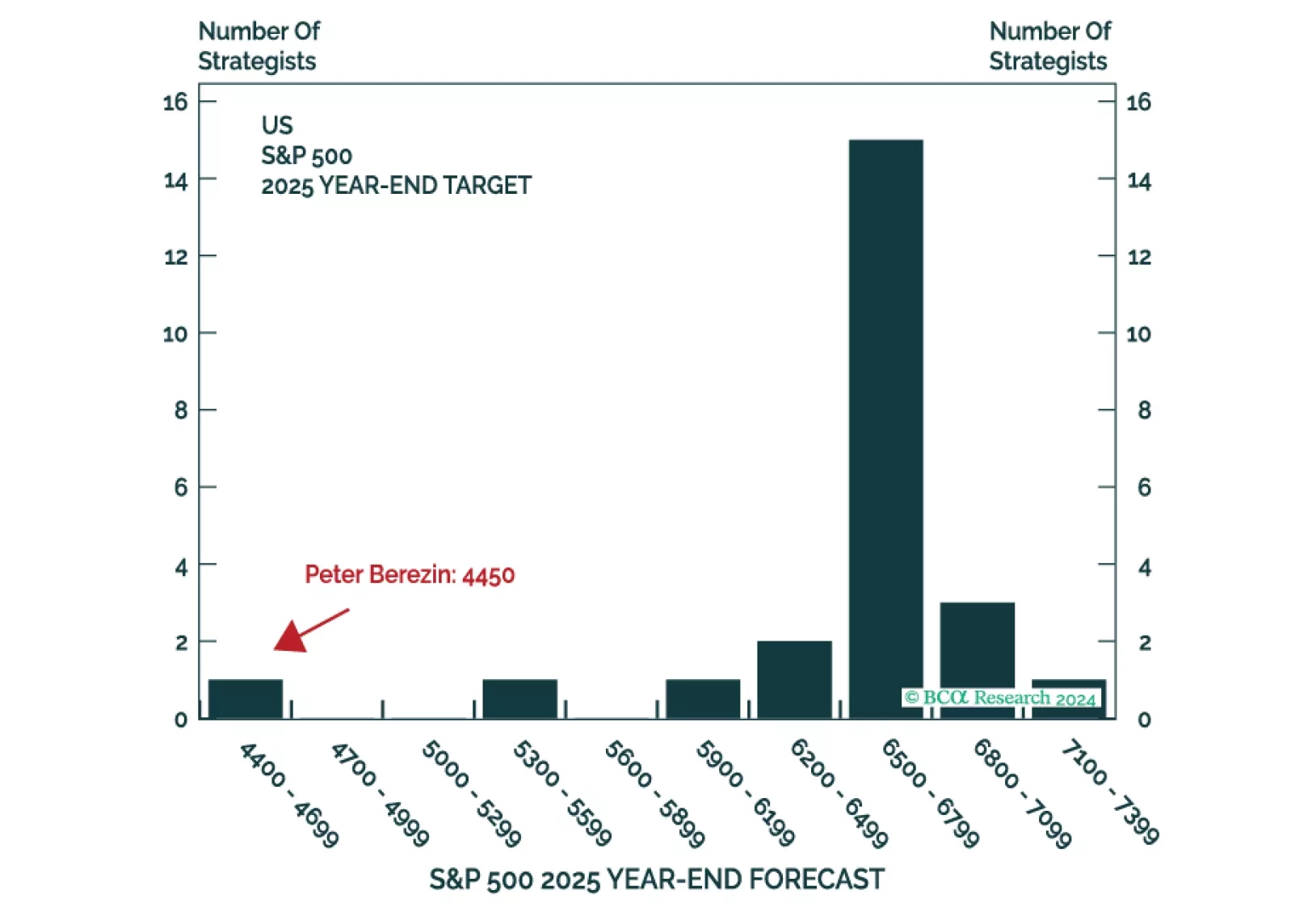
This is the time of the year when strategists are busy sending out their annual outlooks. Here on the Global Investment Strategy team, we decided to go one step further. Rather than pontificating about what could happen in 2025, we decided to harness the power of the multiverse to tell you what did happen (in at least one highly representative timeline).
Next week, please join me for a Webcast on Tuesday, December 17 at 10:30 AM EST (3:30 PM GMT, 4:30 PM CET) to discuss the economy and financial markets.
And with that, I will sign off for the year. I wish you and your loved ones a very happy and healthy 2025. We will be back in the first week of January with our MacroQuant Model Update.
We offer 5 key investment views for US fixed income markets in 2025.
Our Portfolio Allocation Summary for November 2024.
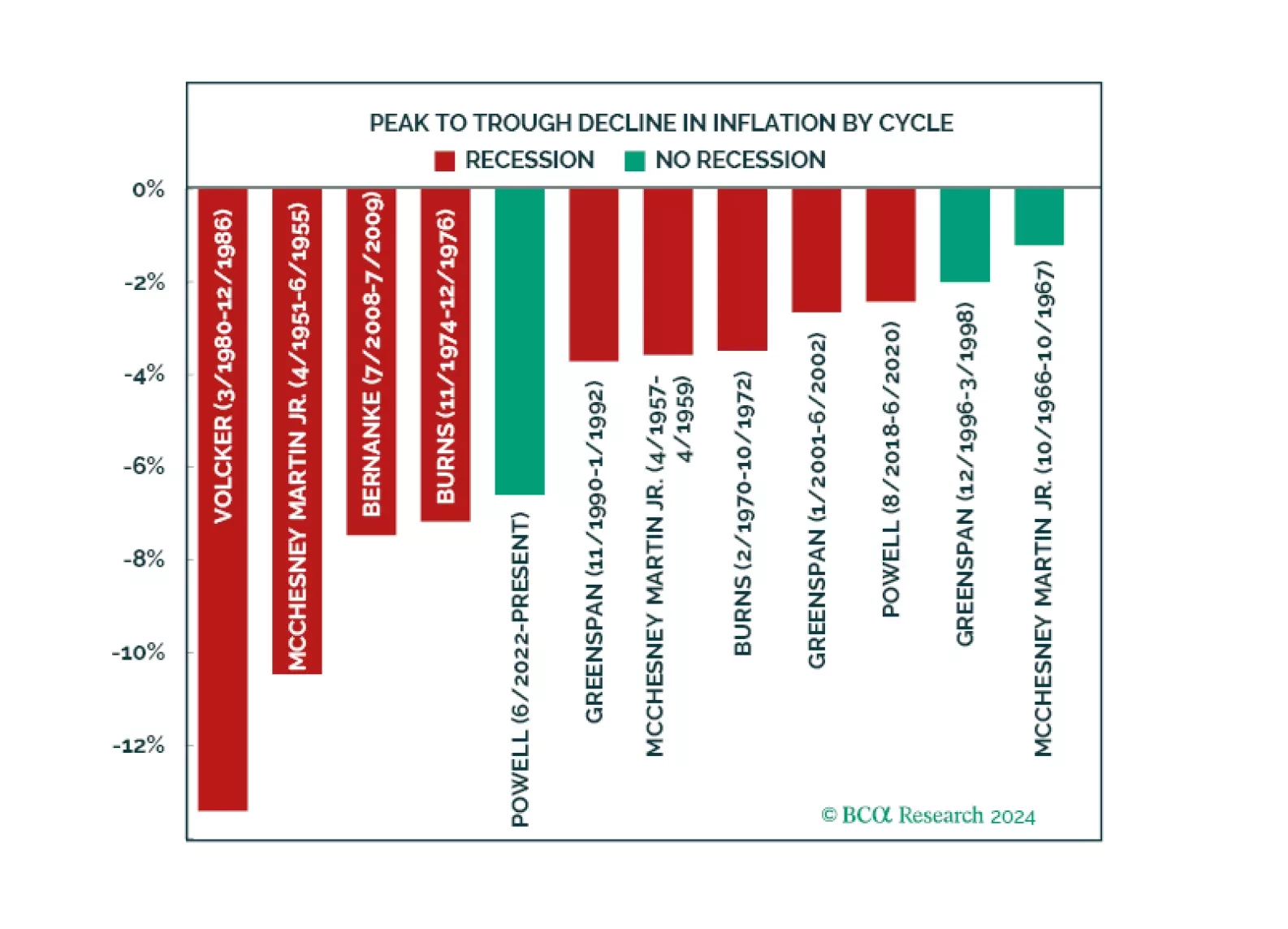
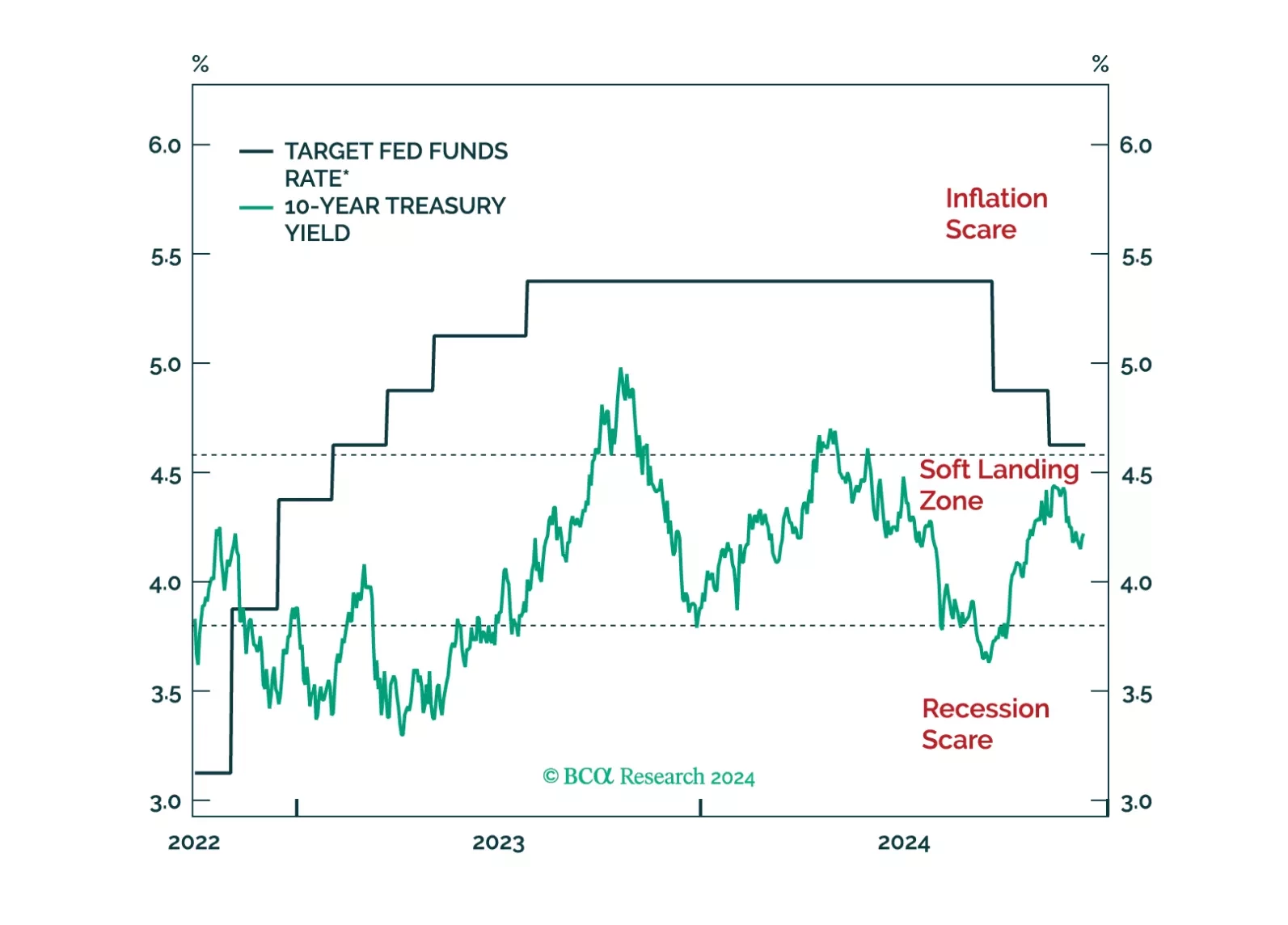
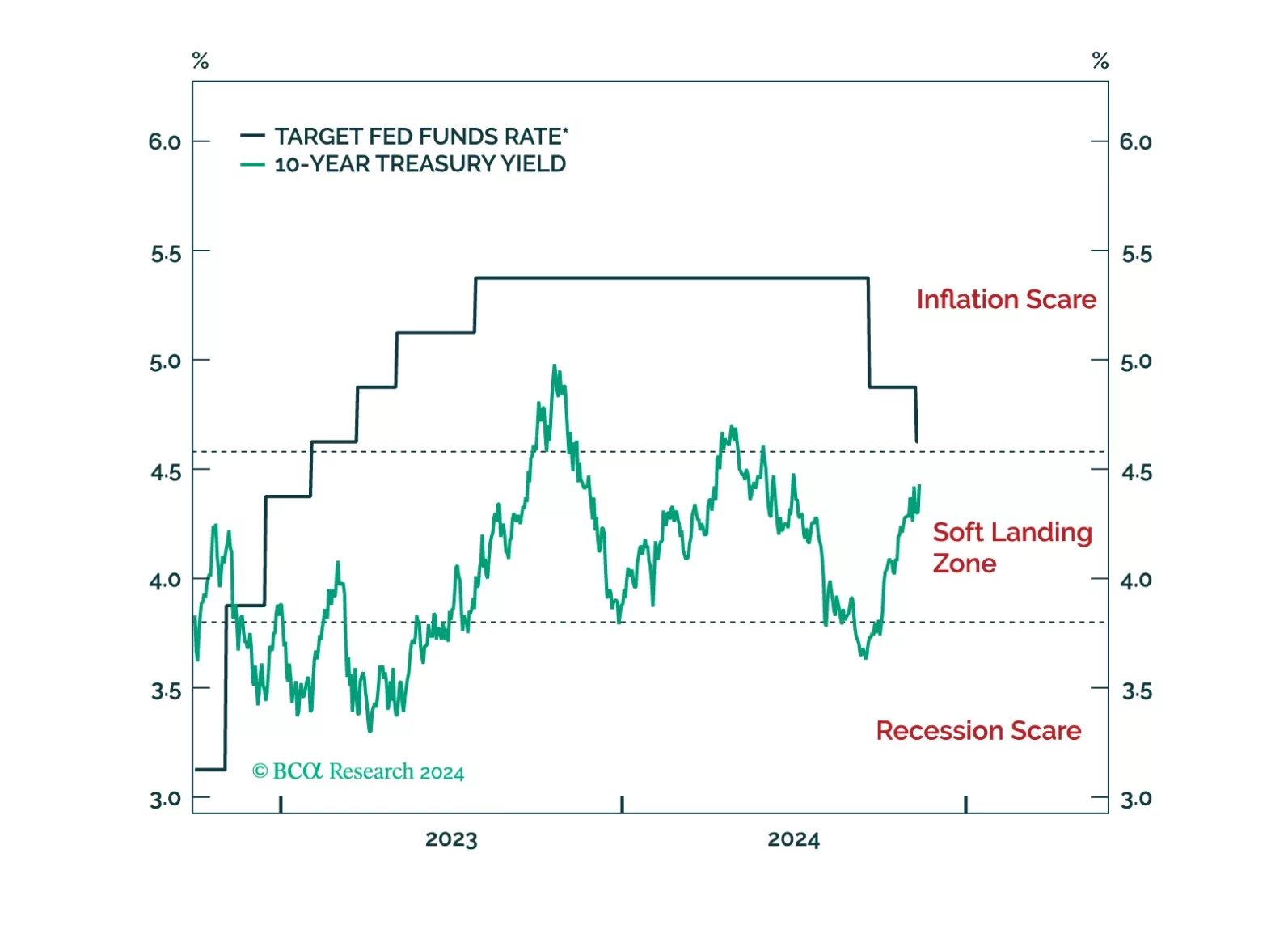
Can Powell achieve a soft landing? There are some indications he is doing it. We examine why our negative stance was wrong and analyze the four growth engines that kept recession at bay. Half of these forces remain while the other half have run out of juice. While this might be enough to keep the economy going, we maintain our defensive positioning. Equities have priced a very benign outcome. Meanwhile, rising rates in anticipation of a Trump win are pushing the economy away from the soft-landing path. We hedge the possibility of further upside in yields in case Trump gets elected by downgrading duration to neutral.
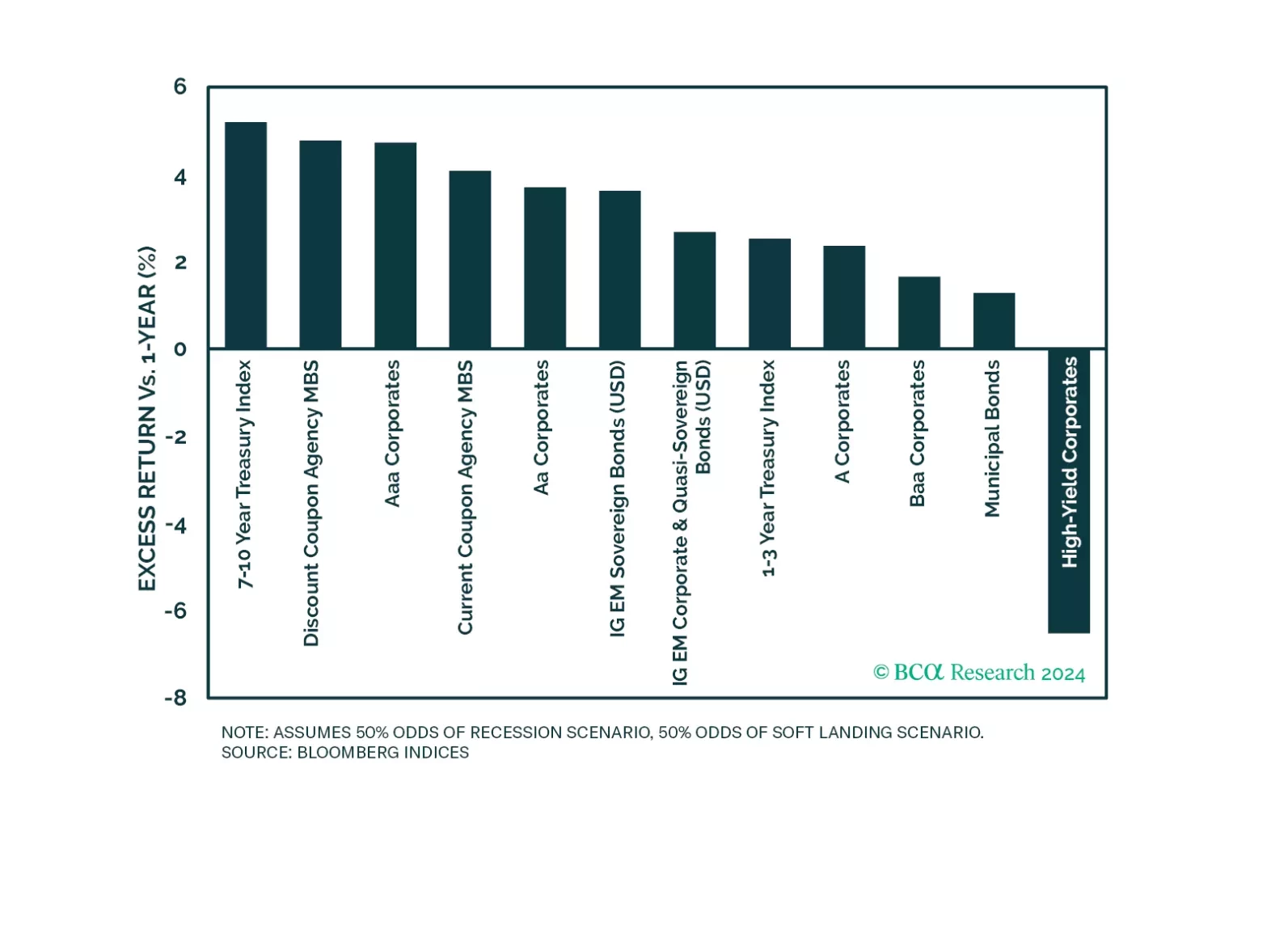
We update our 12-month return projections for different US fixed income sectors in soft-landing and recession scenarios.
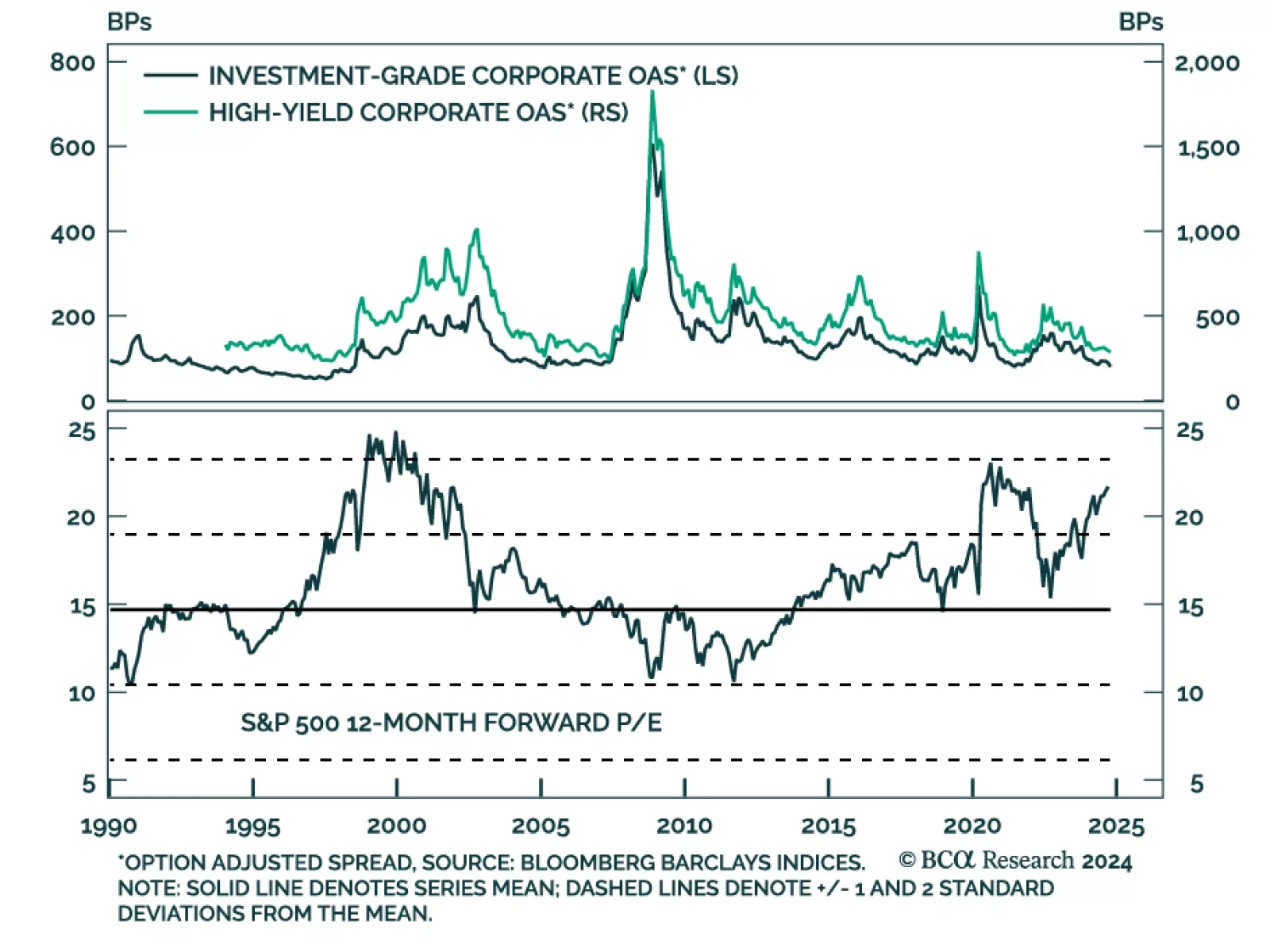
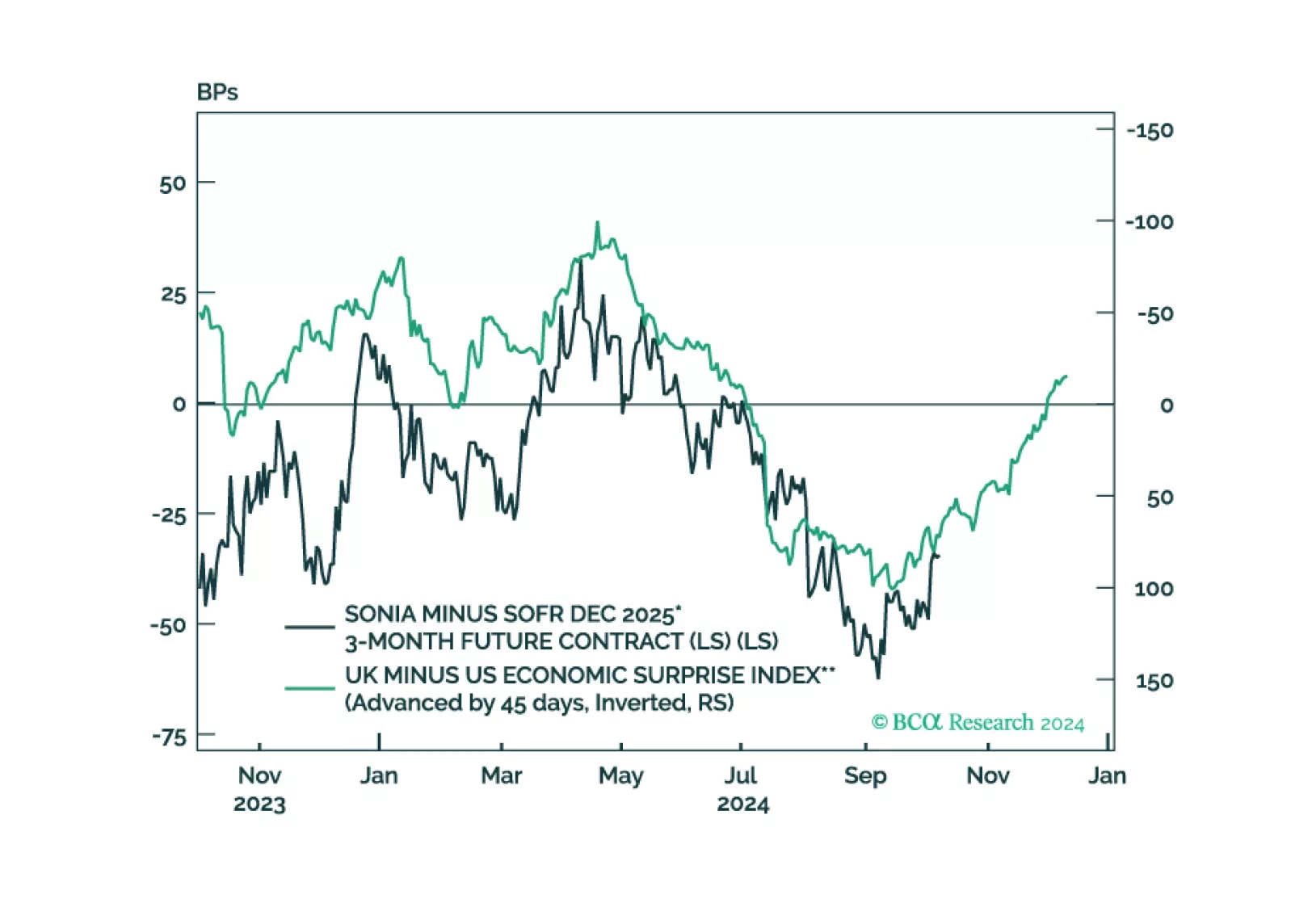
Our Q3 portfolio was defensive, which we believe will be the appropriate stance in the next six-to-twelve months. Data coming out of the US has remained robust which could cause US bond yields to temporarily overshoot. An overshoot in US bond yields will be an opportunity to dial up the portfolio’s defensive tilt. The average decline in 10-year Treasury yields 12 months after the first Fed rate cut is 100 bps. This time should be no different. There are not many changes to this quarter’s portfolio allocation. We have upgraded UK gilts to overweight and downgraded European credit to underweight. Portfolio duration remains the same. In terms of future changes, we are generally watching the trend in inflation given many central banks are delivering jumbo rate cuts. Any pause in the disinflationary trend we have seen will send bond yields soaring. This is a risk to our view. Otherwise, a recession in the first half of 2025 will cement our long duration stance.
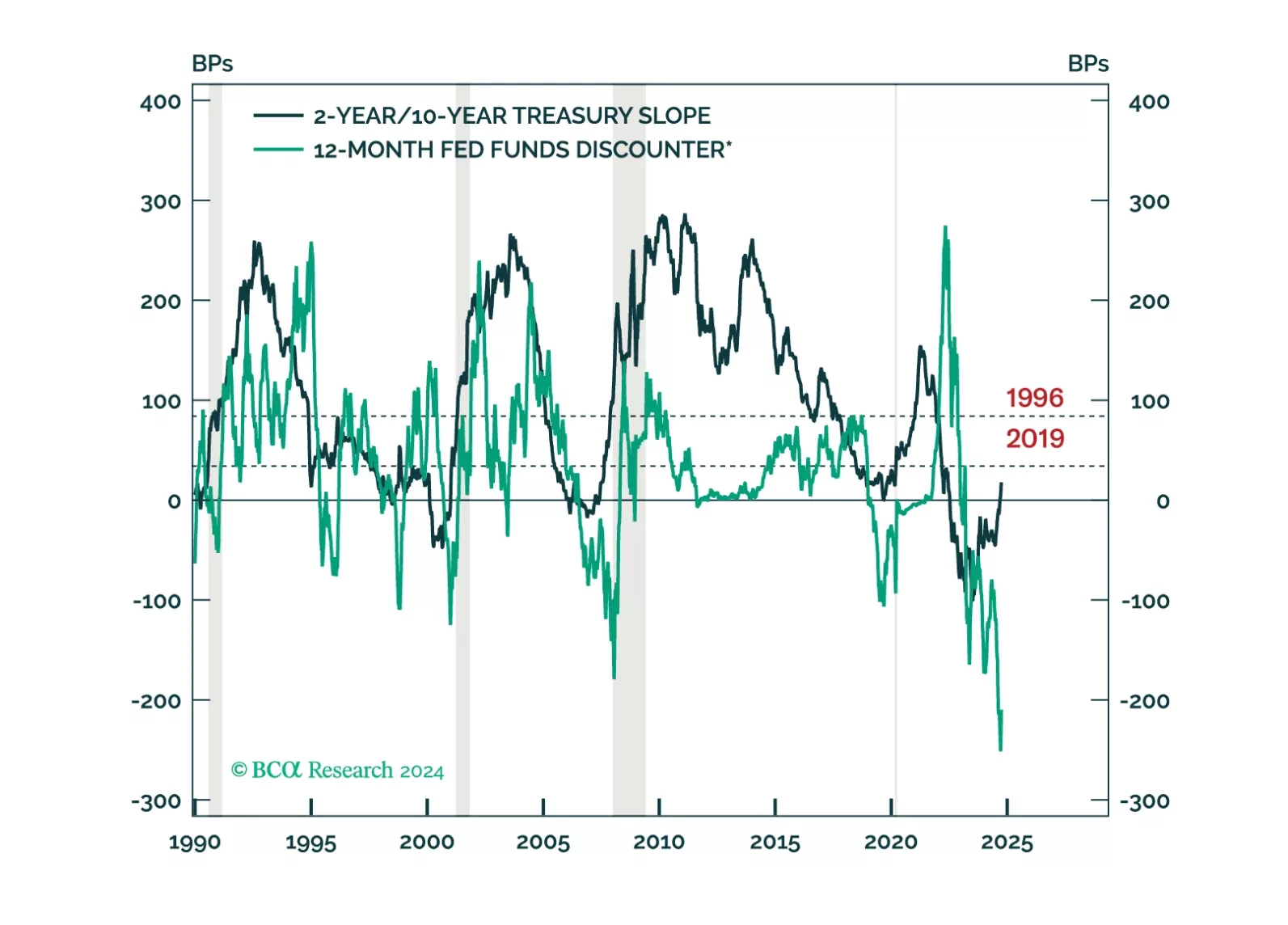
Our Portfolio Allocation Summary for October 2024.