Corporate Bonds
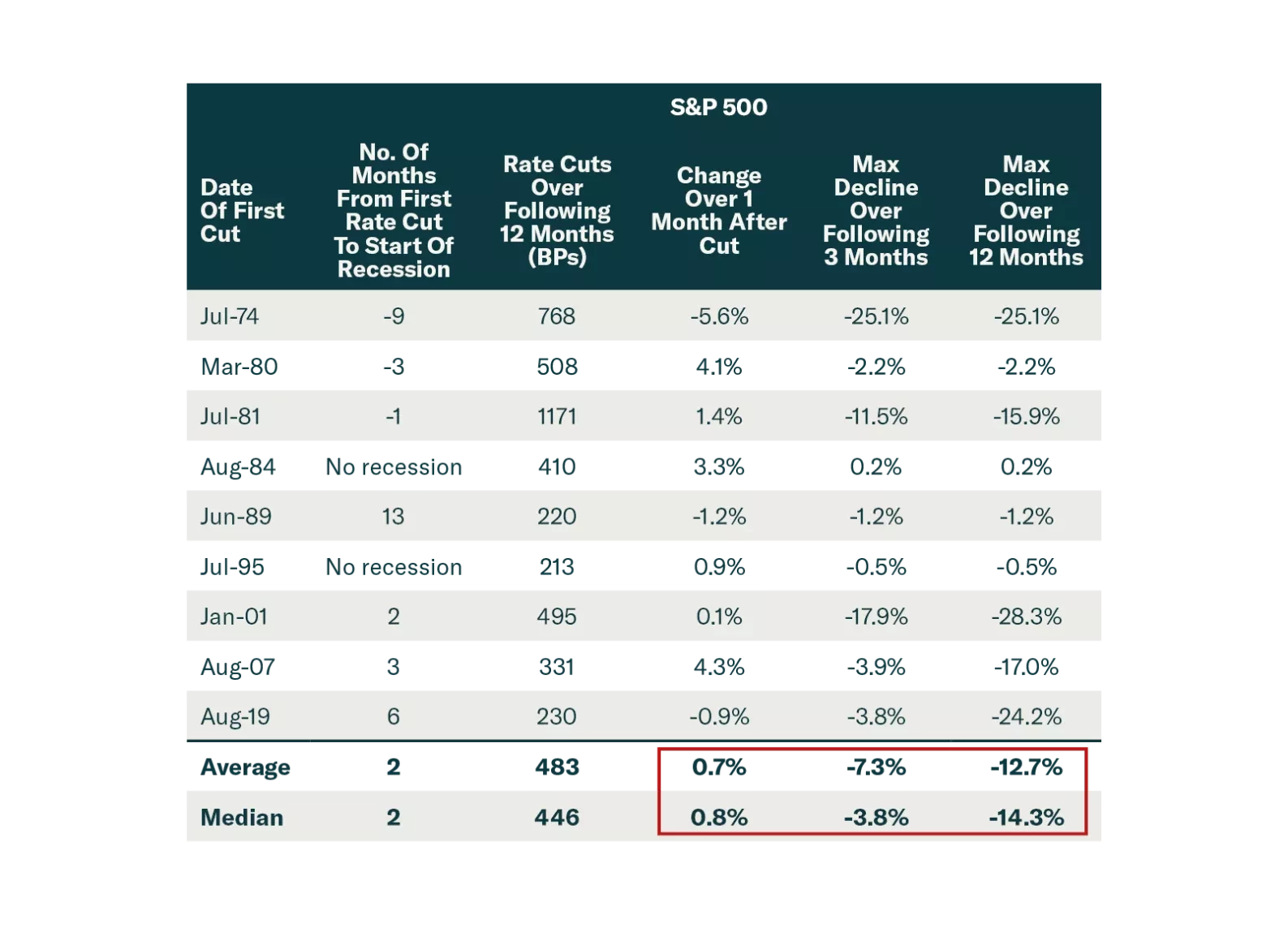
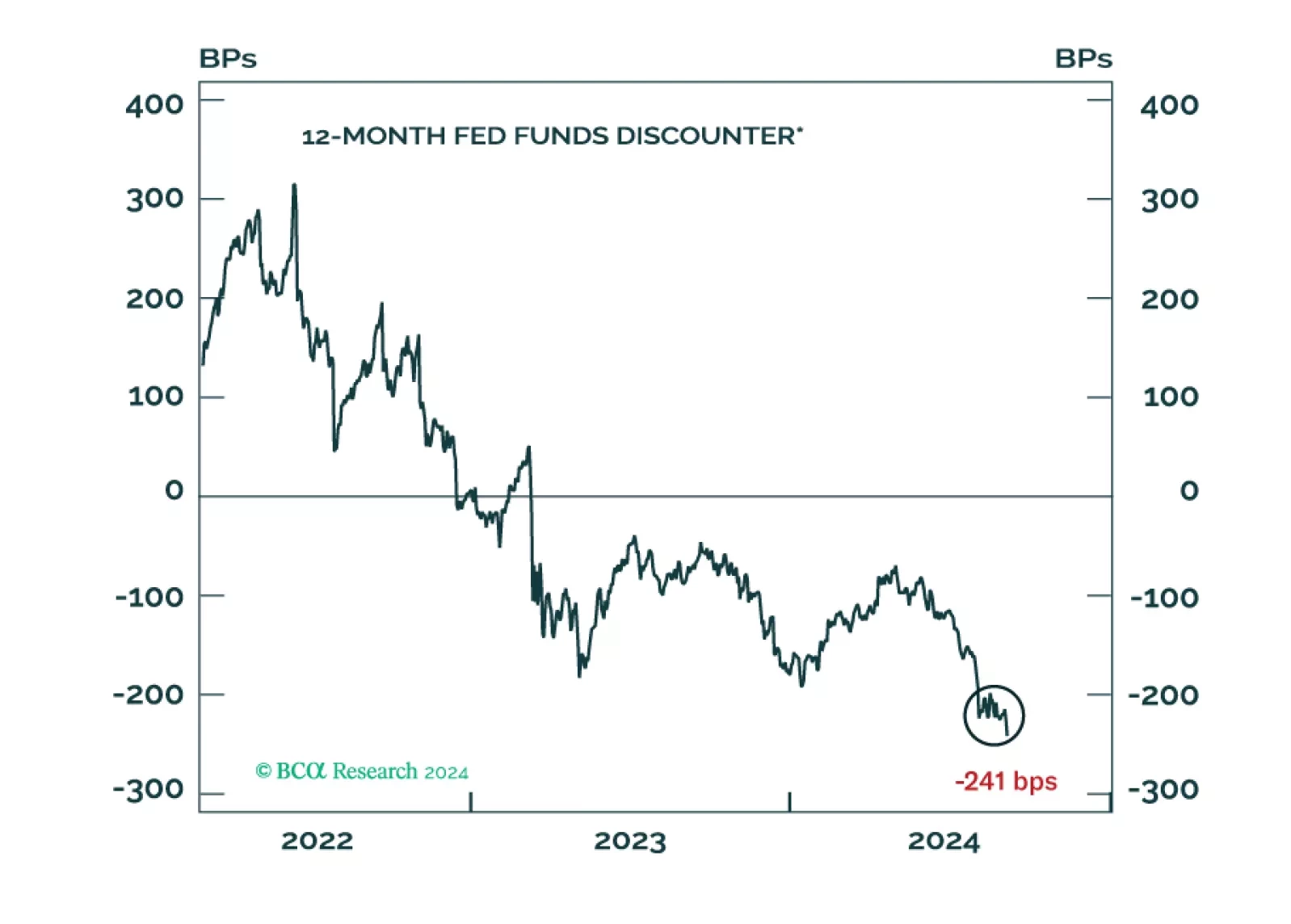
The market got excited by the 50 bps Fed cut and China stimulus. But these are a recognition that economies are slowing significantly. Stocks often rally after the first Fed cut, before falling sharply. Investors should stay defensive.
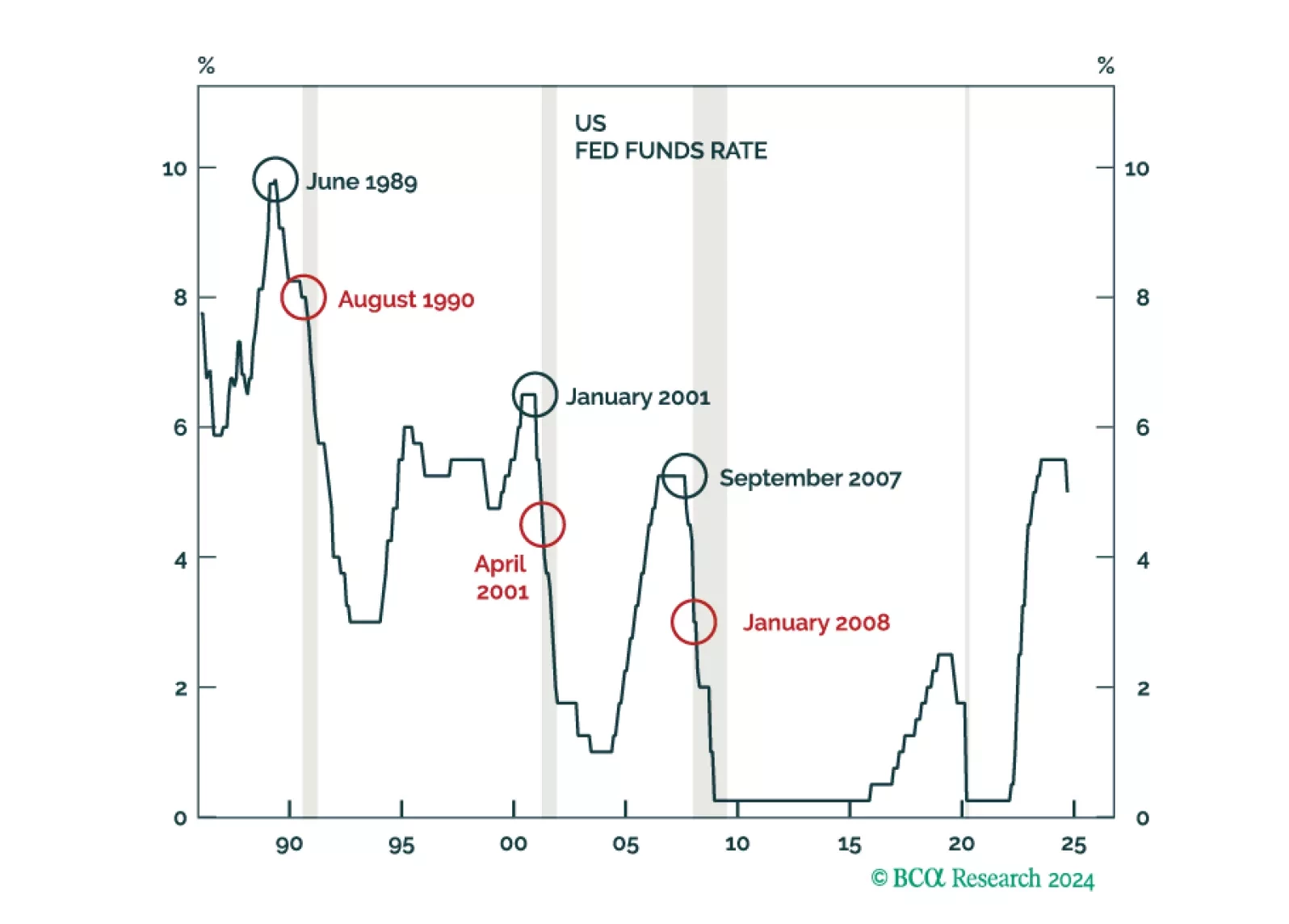
After resisting the consensus narrative in 2022 that a US recession was imminent, and then predicting an immaculate disinflation for 2023, the Global Investment Strategy team has joined the dark side and is now expecting a recession to start in the US within the next six months. Accordingly, we recommend that investors underweight stocks and overweight government bonds.
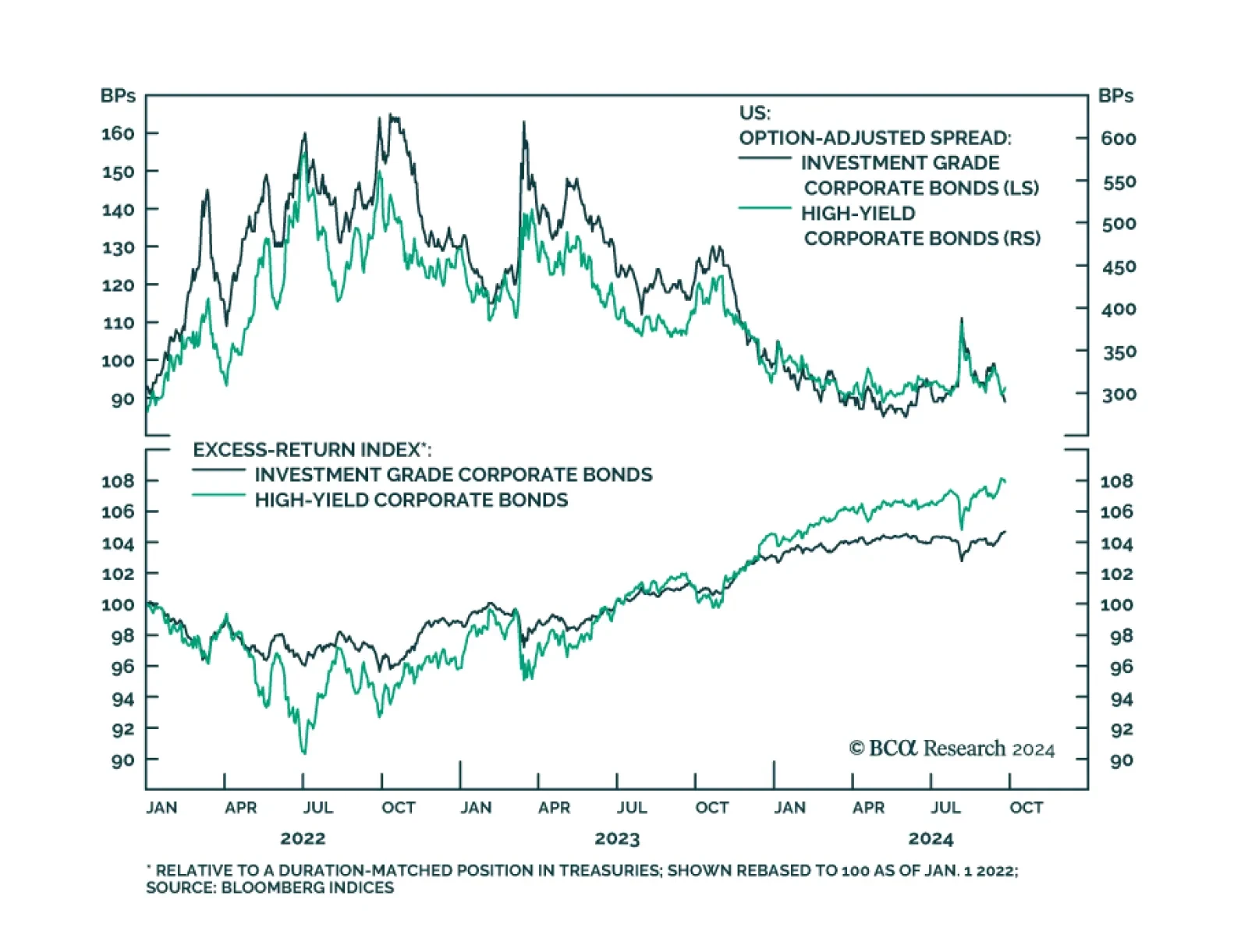
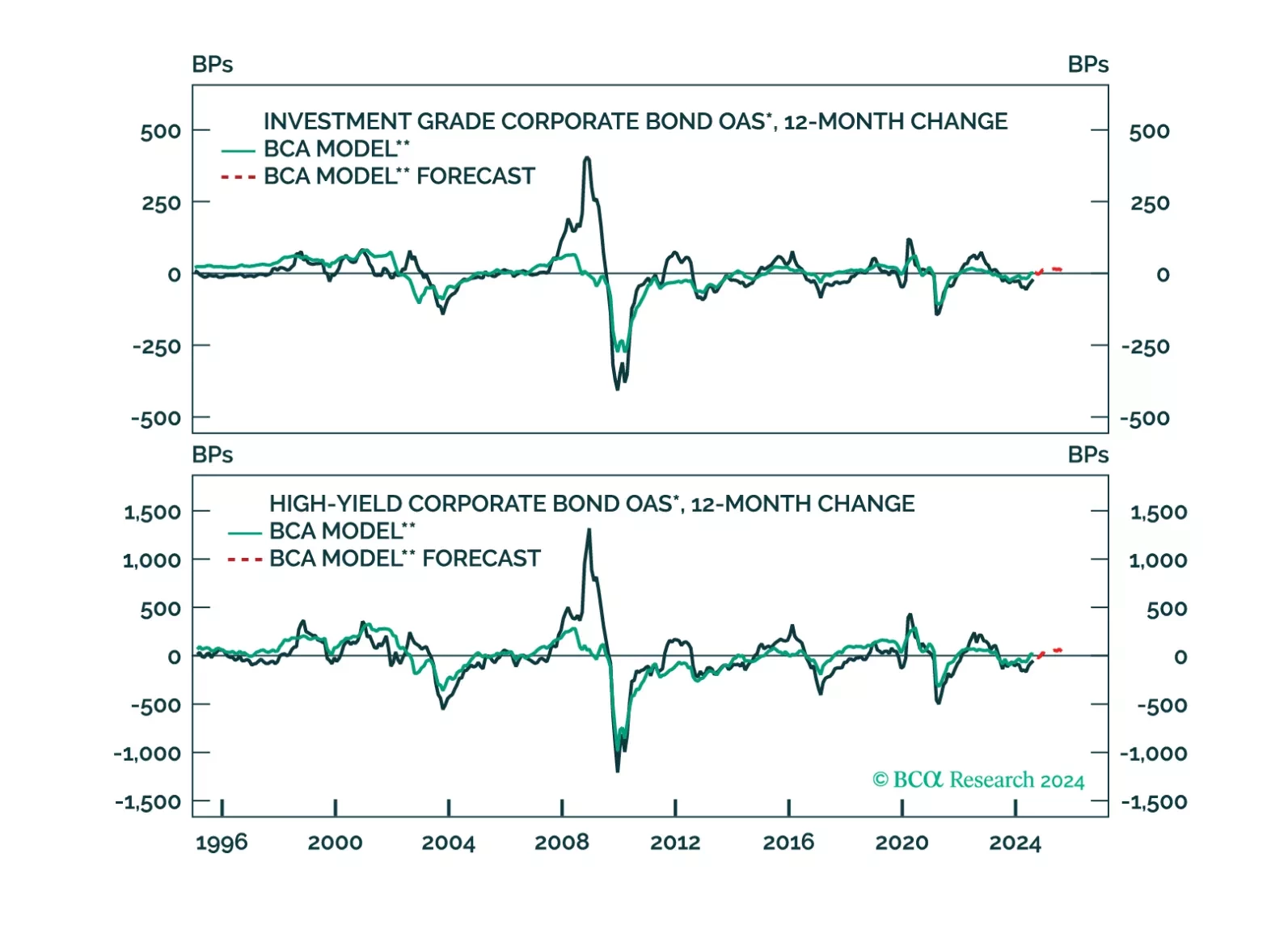
We update our corporate default rate model and consider the implications for corporate bond spreads.
Our Portfolio Allocation Summary for September 2024.
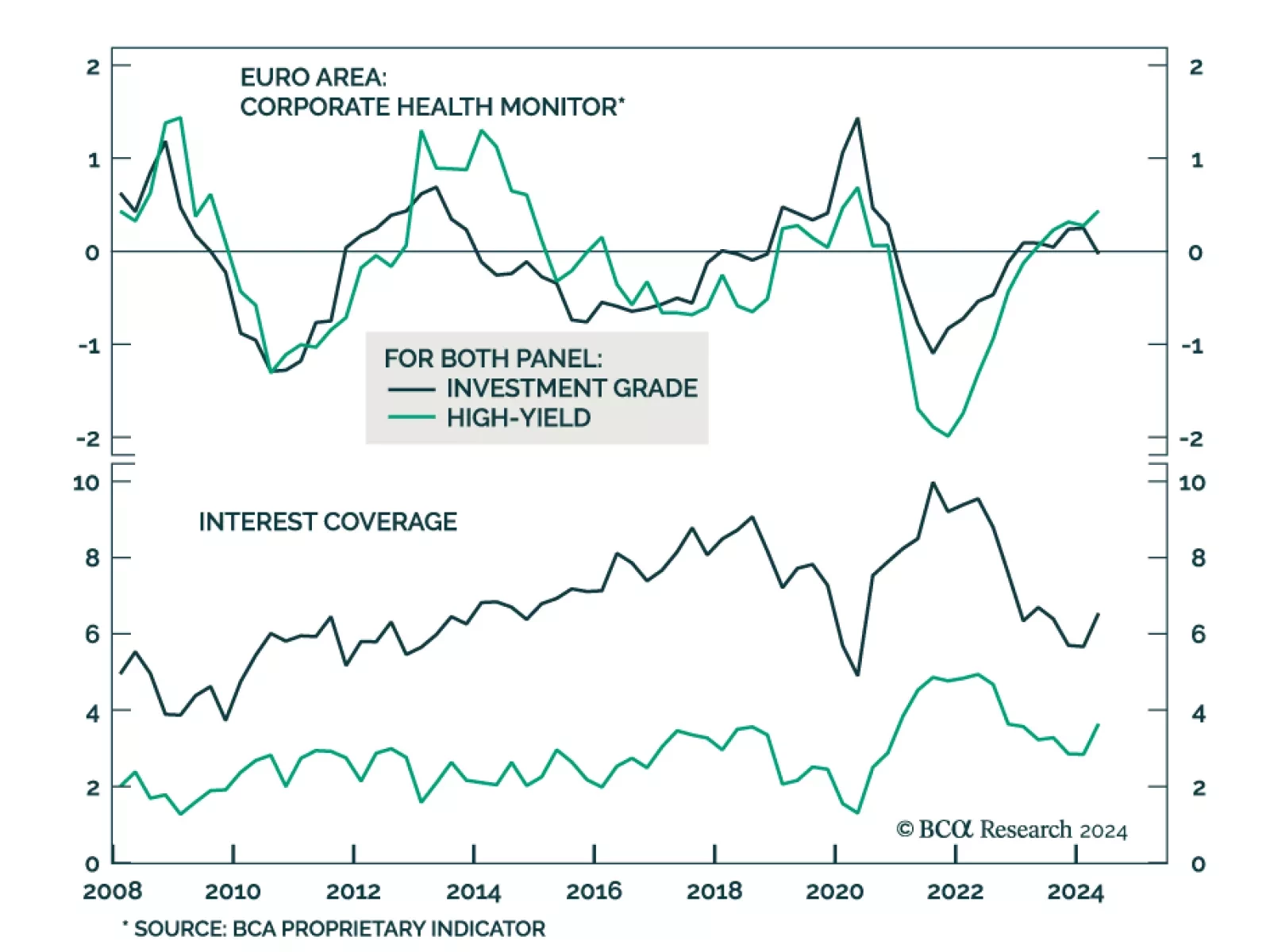
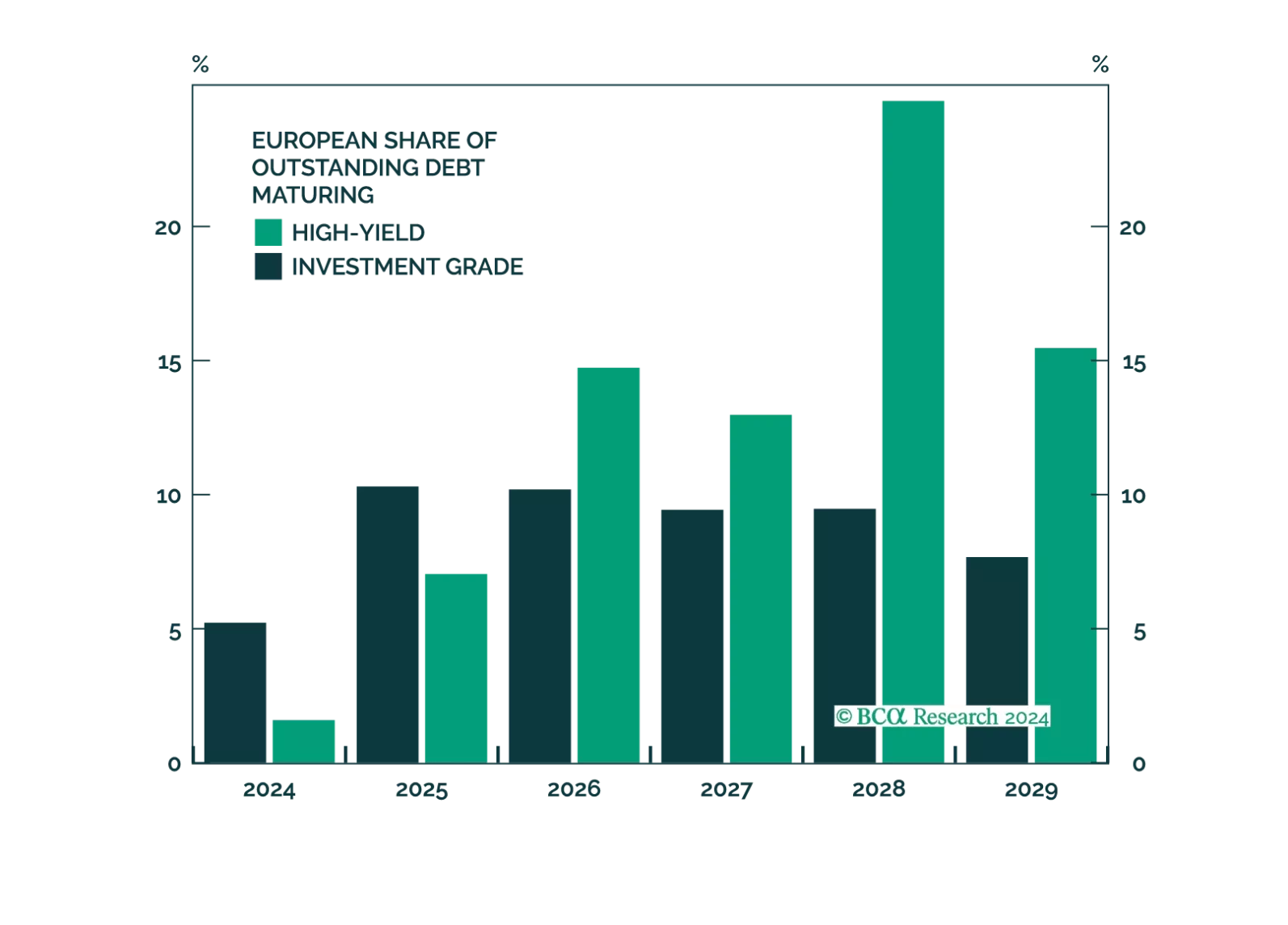
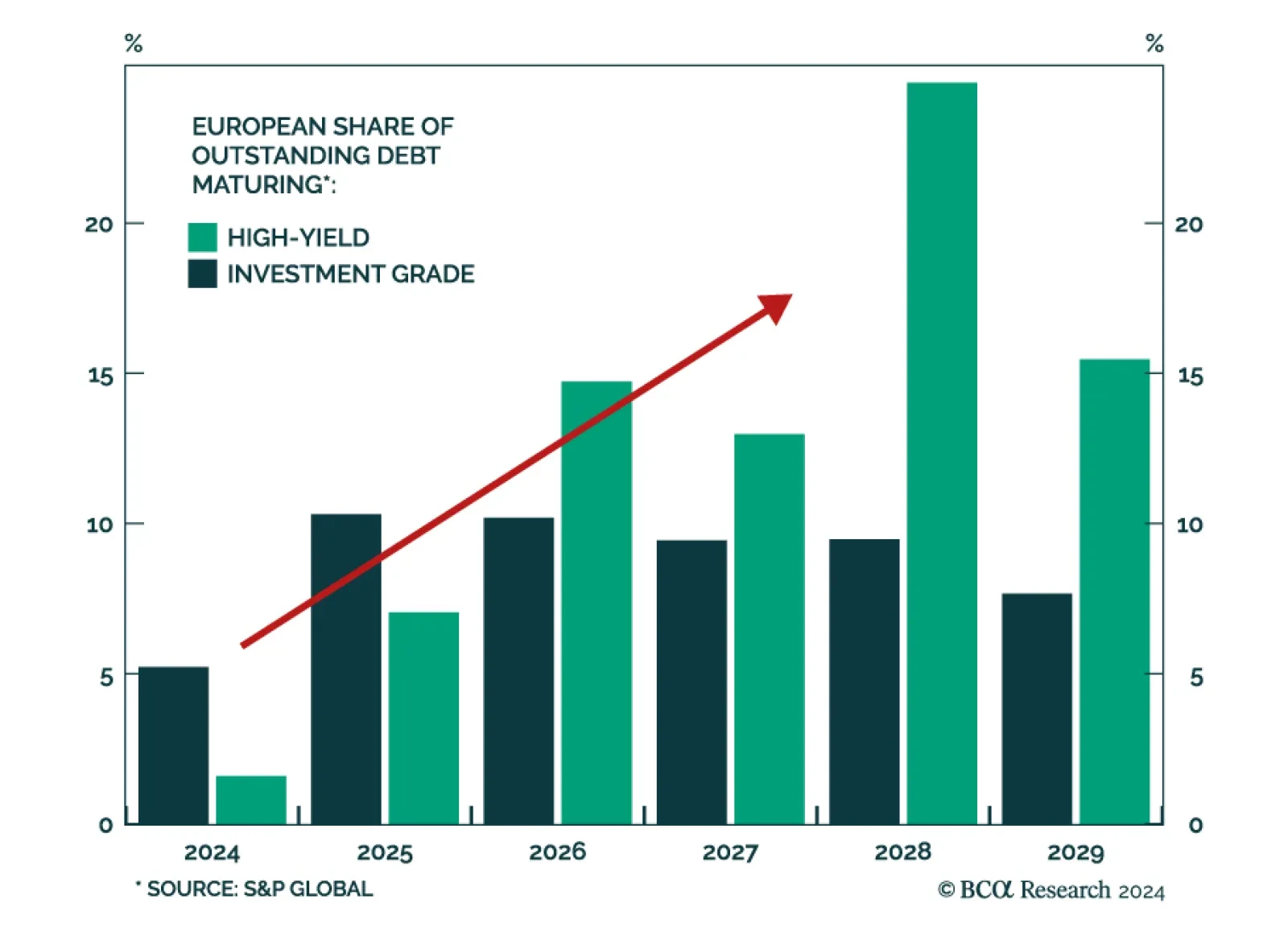
Turn negative on European credit. At current levels, spreads do not compensate for the risk of a recession materializing later this year or in early 2025.
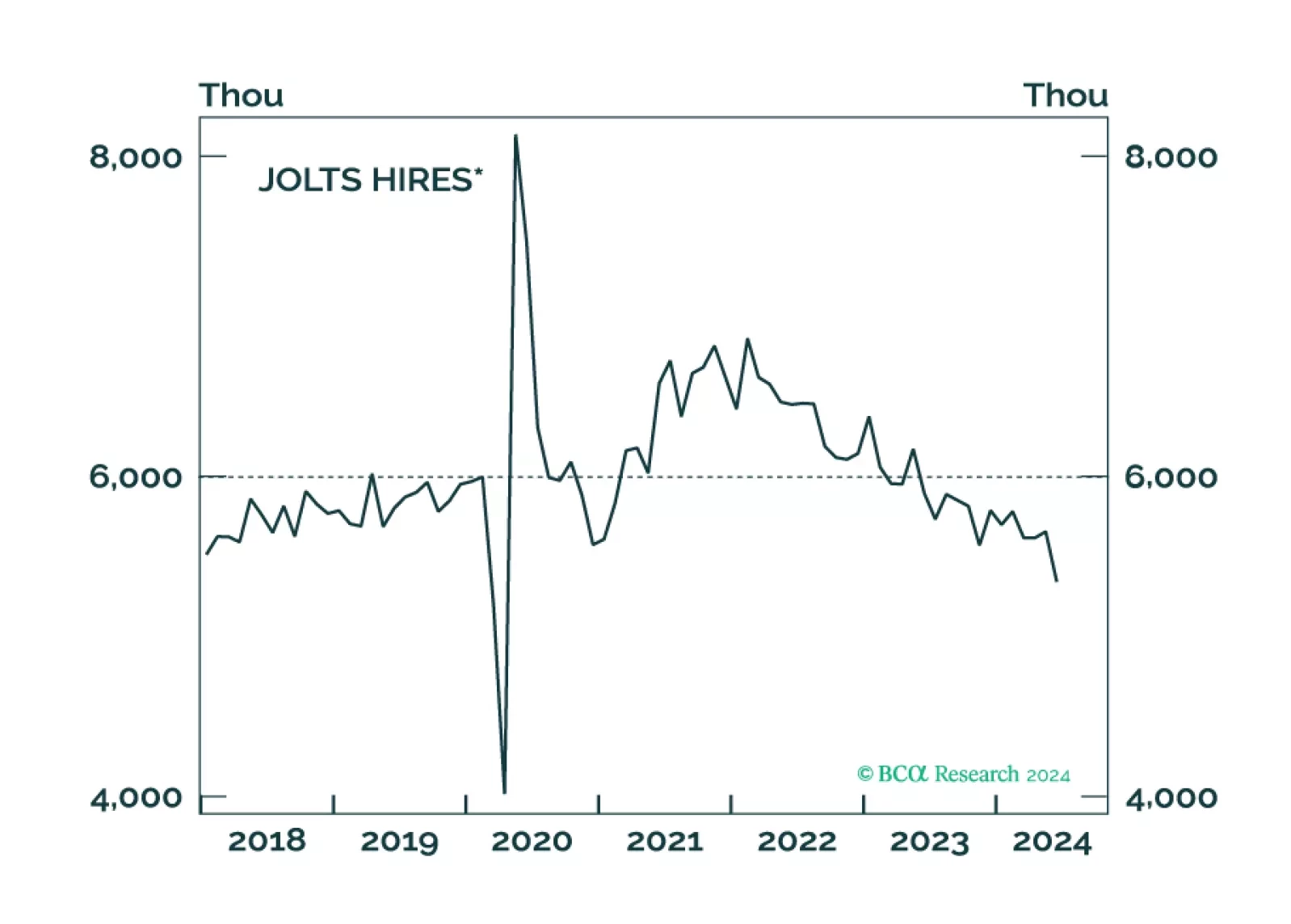
Our Portfolio Allocation Summary for August 2024.
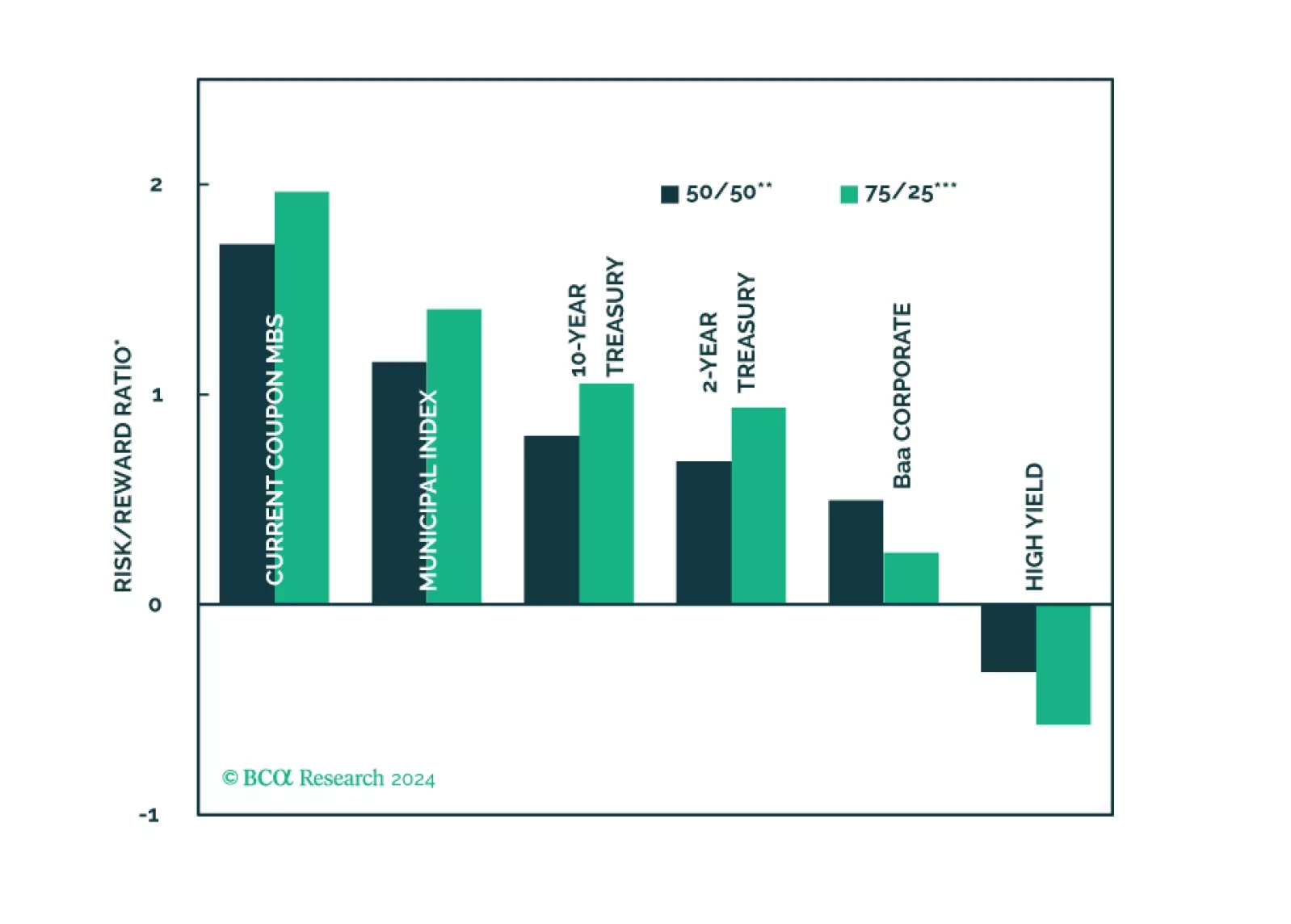
We calculate expected returns for several different US fixed income sectors with a focus on how municipal bonds stack up against the investment alternatives.