Sorry, you need to enable JavaScript to visit this website.
Skip to main content

  Sweden’s manufacturing PMI started contracting in July, plummeting from 53 to 49.2, falling far short of expectations that growth would broaden. Weakness was broad-based. Notably, new orders and new export orders plunged…
  Historically, interest-rate sensitive sectors such as financials and real estate have tended to post the highest returns in the 3 months preceding the first Fed rate cut. Interestingly, industrials, typically a deep cyclical…
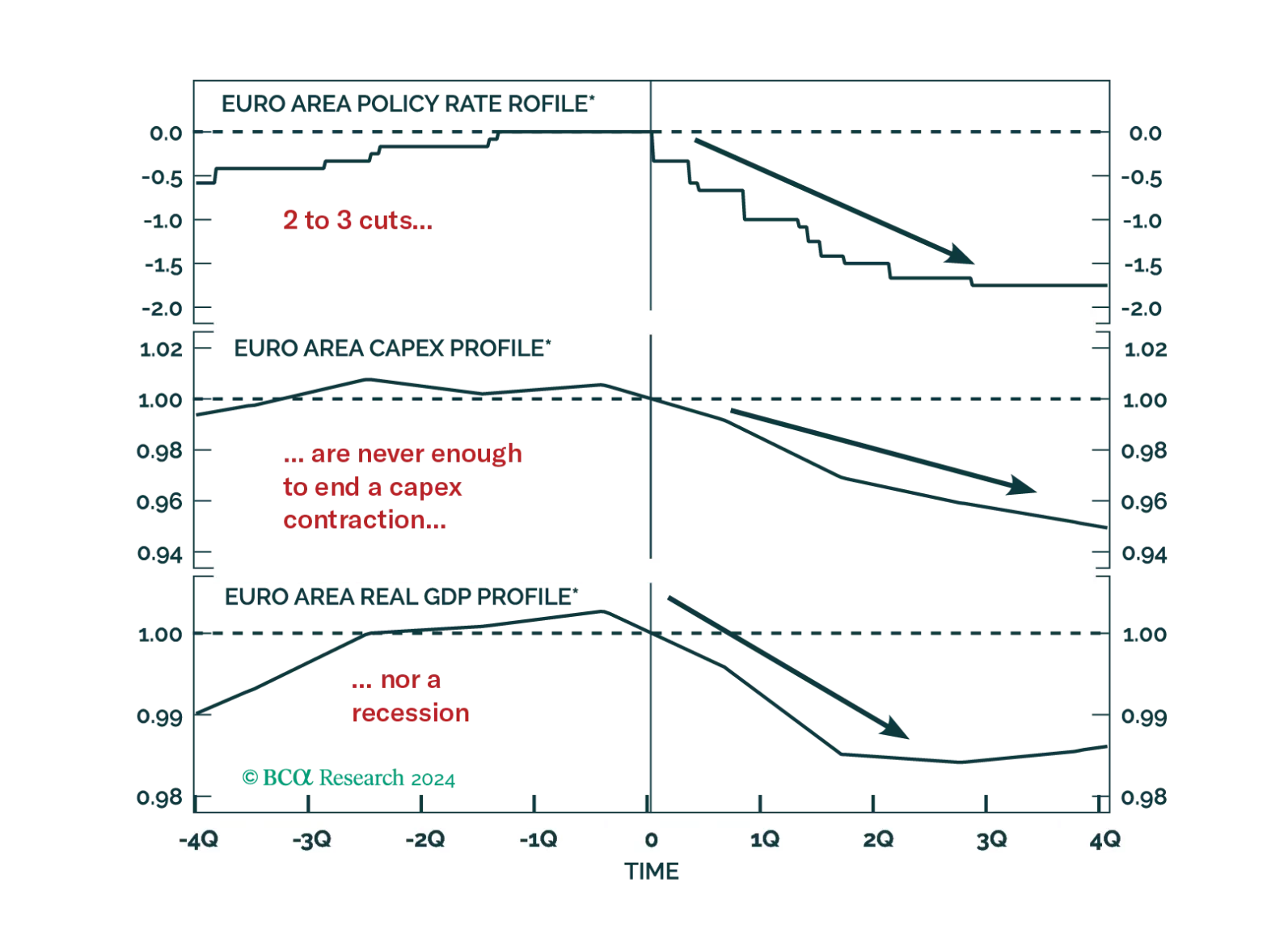
Investors hope that the ECB rate cuts priced into the curve will be sufficient to achieve a soft landing in Europe. History argues against this view, but will this time be different?
  BCA’s composite sentiment indicator, compiled from surveys of advisors, individual investors and traders, surged over the past three months from already very optimistic levels. It reached 63% last week, a six-and-half-year…
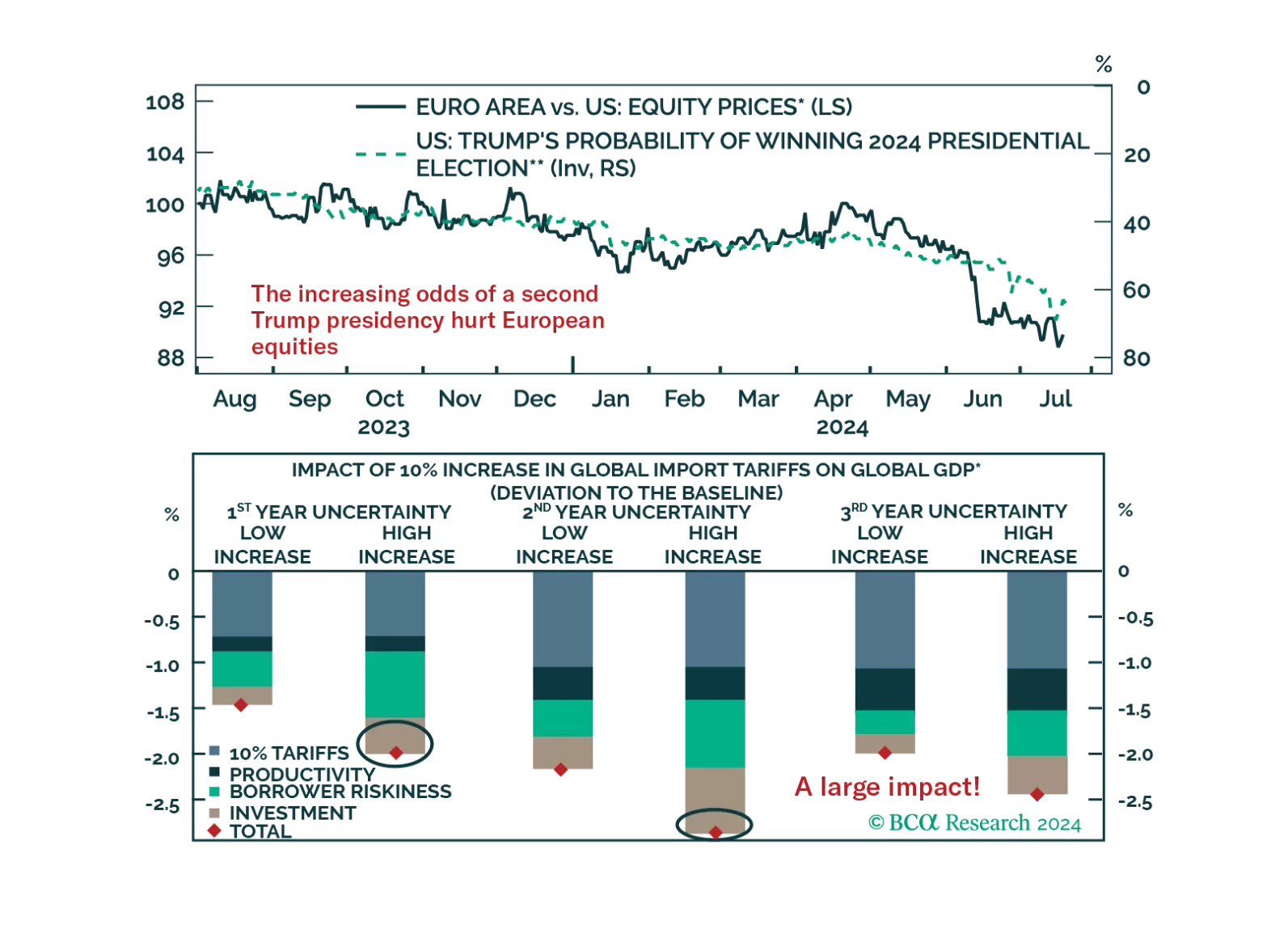
As Trump’s victory odds rise, the underperformance of European equities deepens. How negative would a global trade war be for European assets?
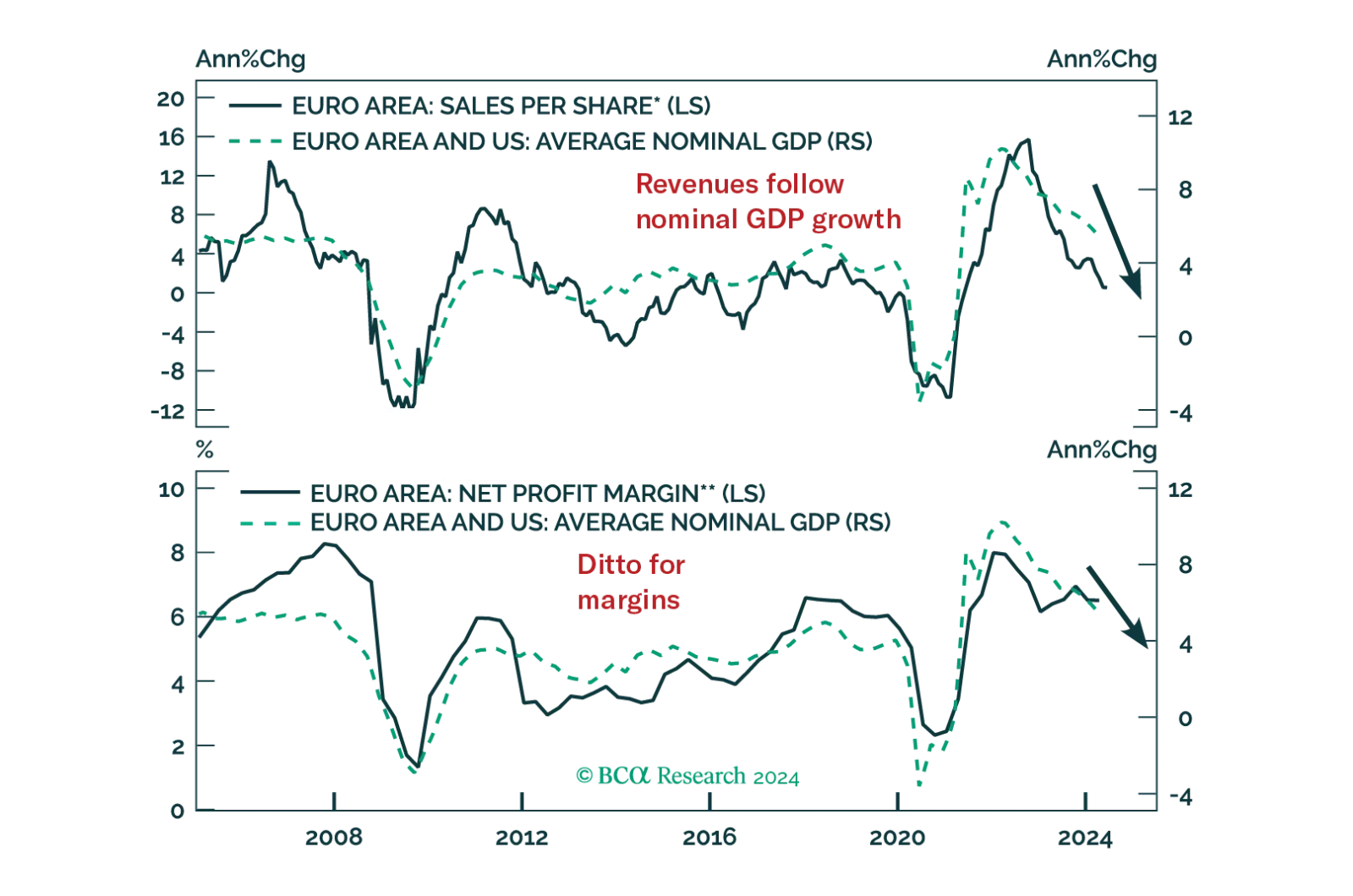
The real threat to European equities is growth, not political risk. How low will Eurozone earnings fall during the coming recession and how much will equities decline in response?
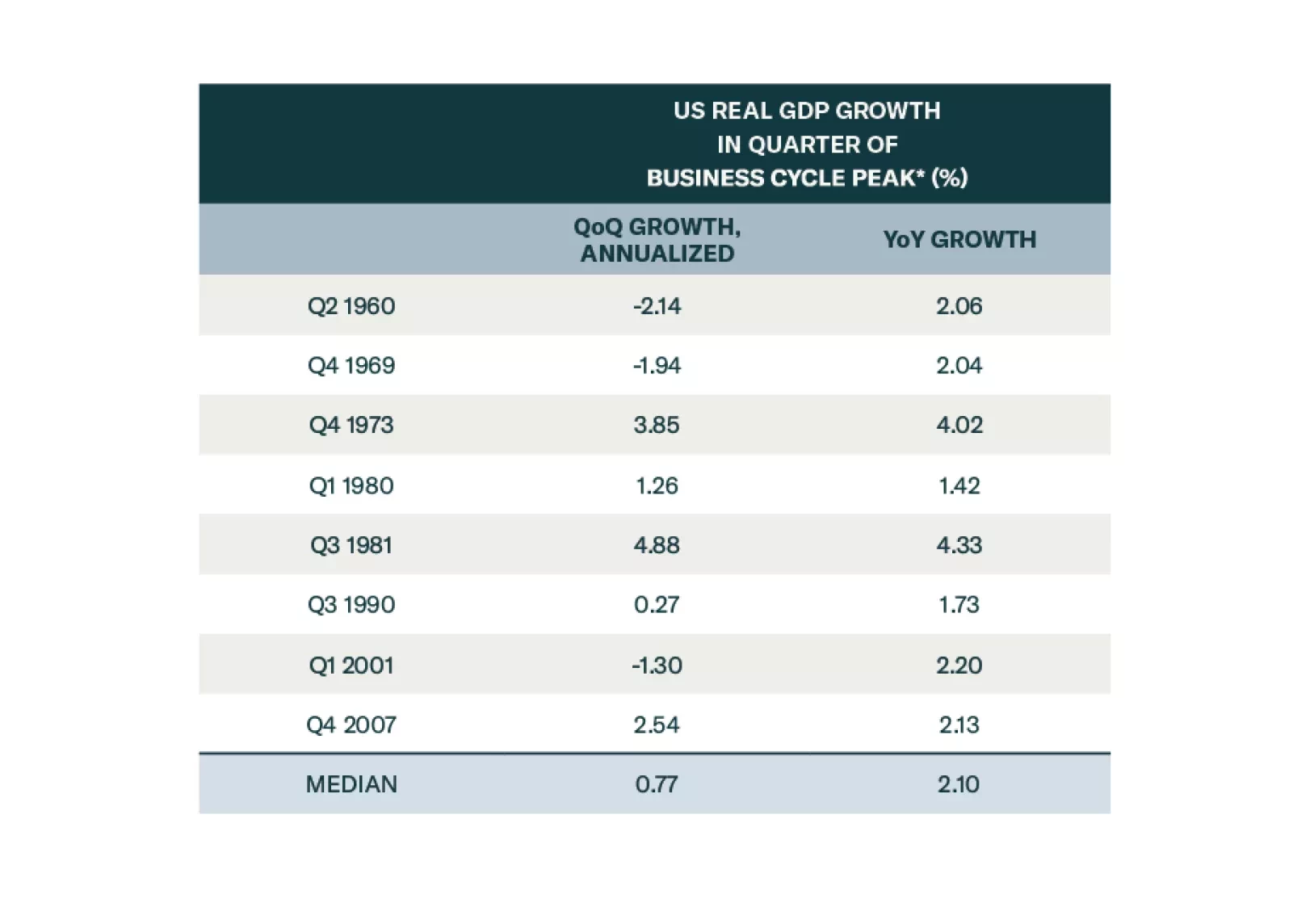
The consensus soft-landing narrative is wrong. The US will fall into a recession in late 2024 or early 2025. We were tactically bullish on stocks most of last year, turned neutral earlier this year, and are going underweight today.…
  We continue to expect a recession by early 2025 but assign non-trivial odds to growth surprising to the upside until then. Our Global Investment Strategy team thus recommends investors adopt a barbell equity strategy as a…
  Our colleagues at Global Investment Strategy have shown that postwar US (and global) manufacturing cycles have tended to last 3 years, divided equally between an 18-month up leg and an 18-month down leg. This framework has been a…
The US economy remains on a path towards a recession, most likely starting in late 2024 or early 2025. For now, investors should maintain a benchmark allocation to equities, but employ a barbell strategy of overweighting defensives…