Developed Countries
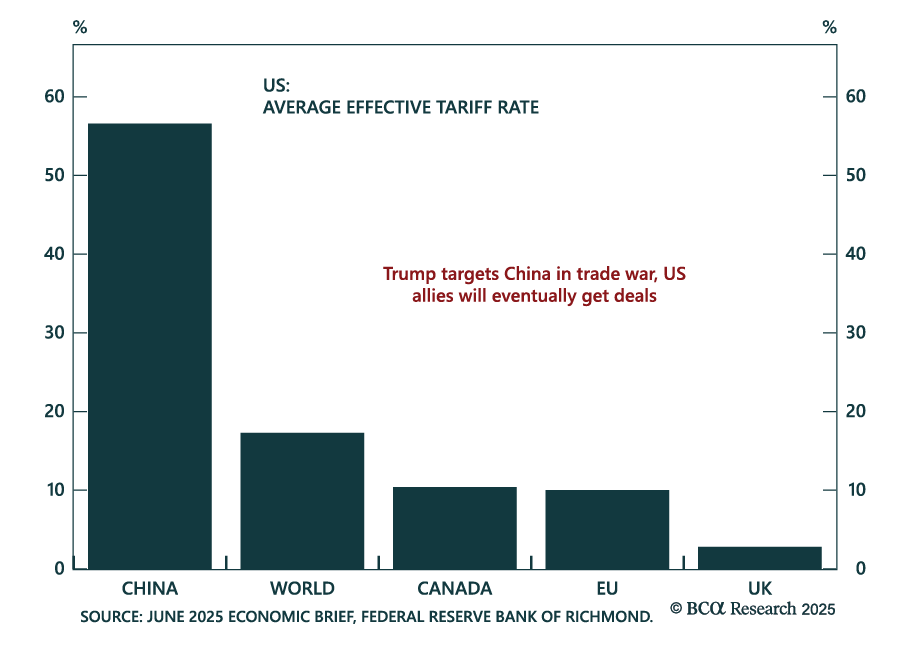
Our Geopolitical strategists warn that structural and cyclical risks remain elevated despite a fading threat of acute shocks, and recommend booking profits ahead of tariffs and weaker data. President Trump is passing his signature legislation and pivoting to…
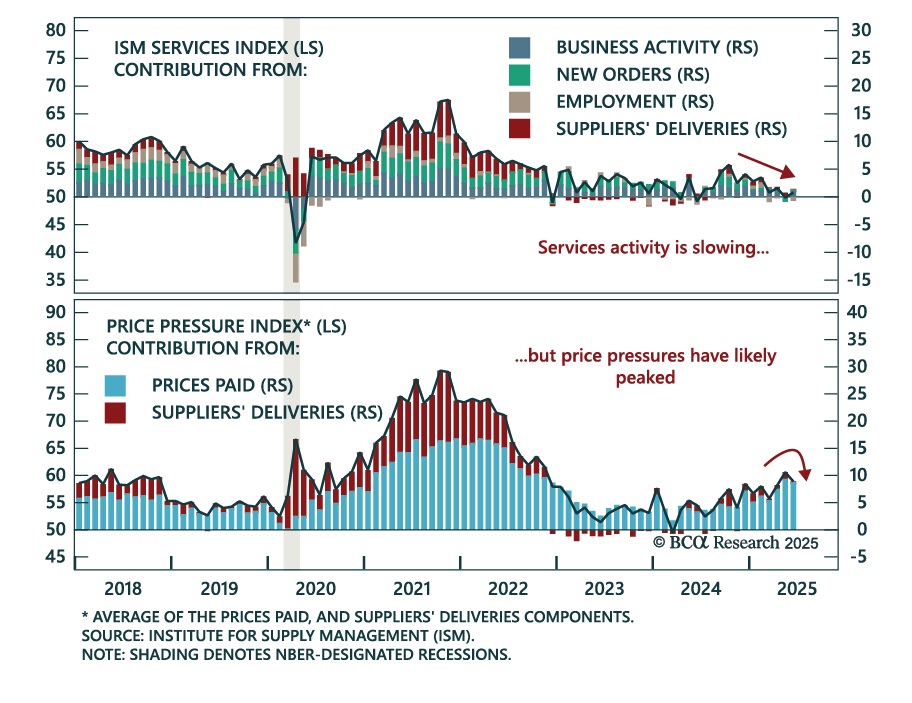
ISM Services data confirm slowing growth and cooling inflation, reinforcing a defensive allocation stance. The index rose slightly to 50.8 in June from 49.9 in May, with new orders rebounding into expansion at 51.3. However, the employment subcomponent…
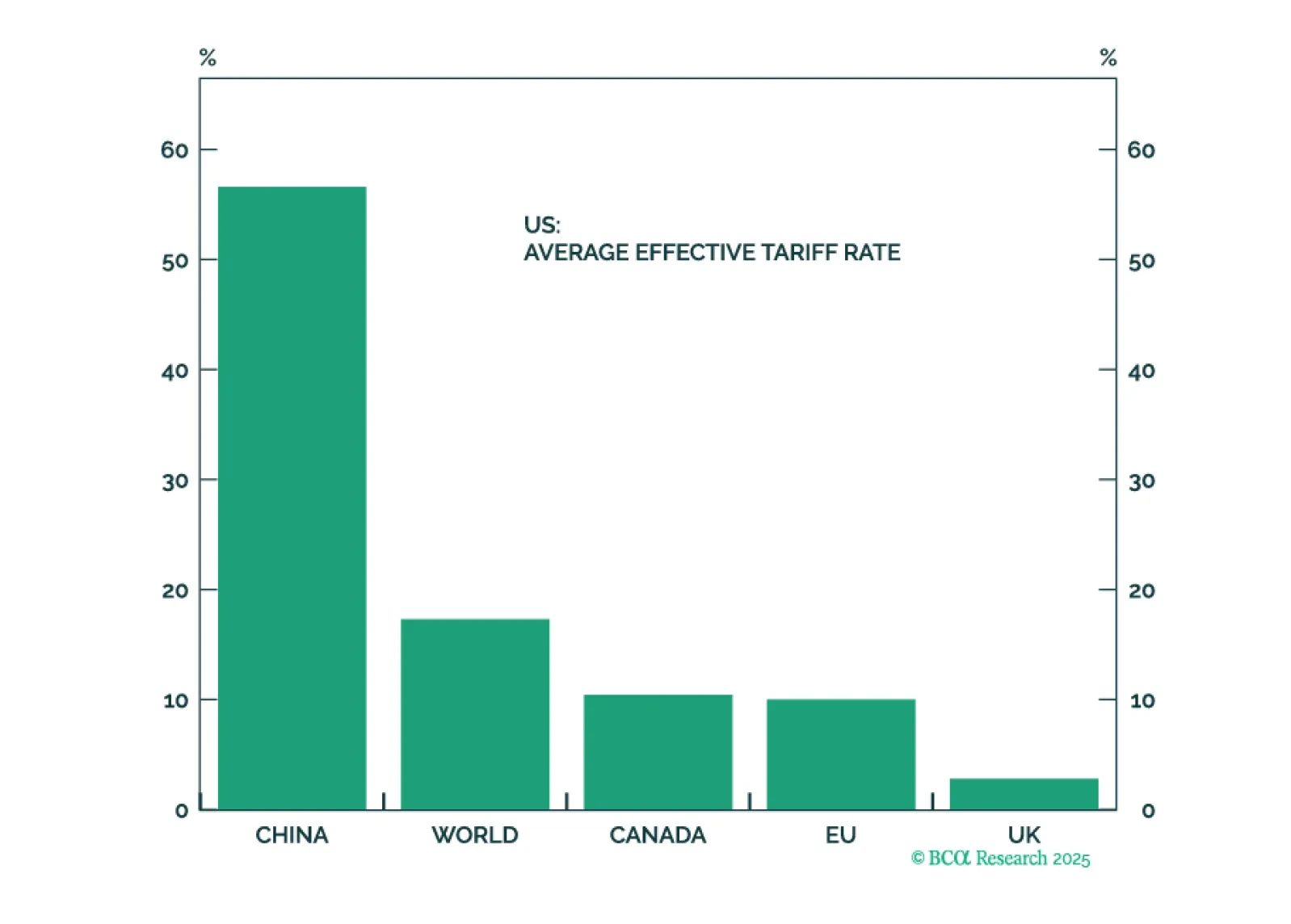
Acute geopolitical risks, like a massive oil shock, may be abating. But structural geopolitical risk remains high and could upset a blithe market. Cyclical economic risks are underrated as the US slows down and China continues to stumble. Investors should book some profits in anticipation of tariff implementation and a downturn in hard economic data.
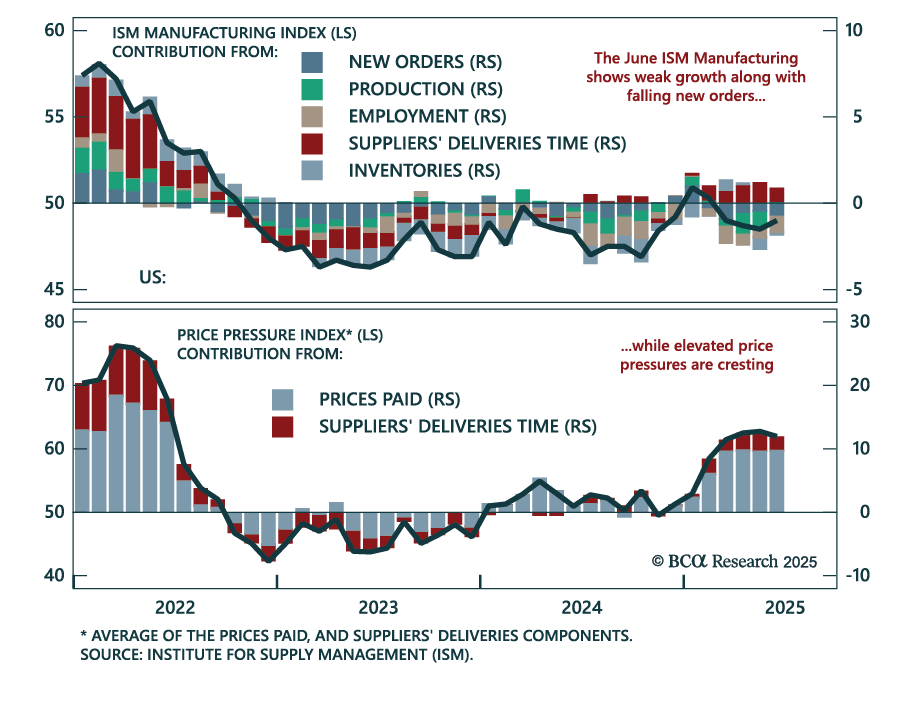
The June ISM points to sluggish US manufacturing and reinforces long duration positioning amid peaking price pressures. The index rose modestly to 49.0 from 48.5 in May, with the rebound driven by slightly higher production and slower supplier deliveries due…
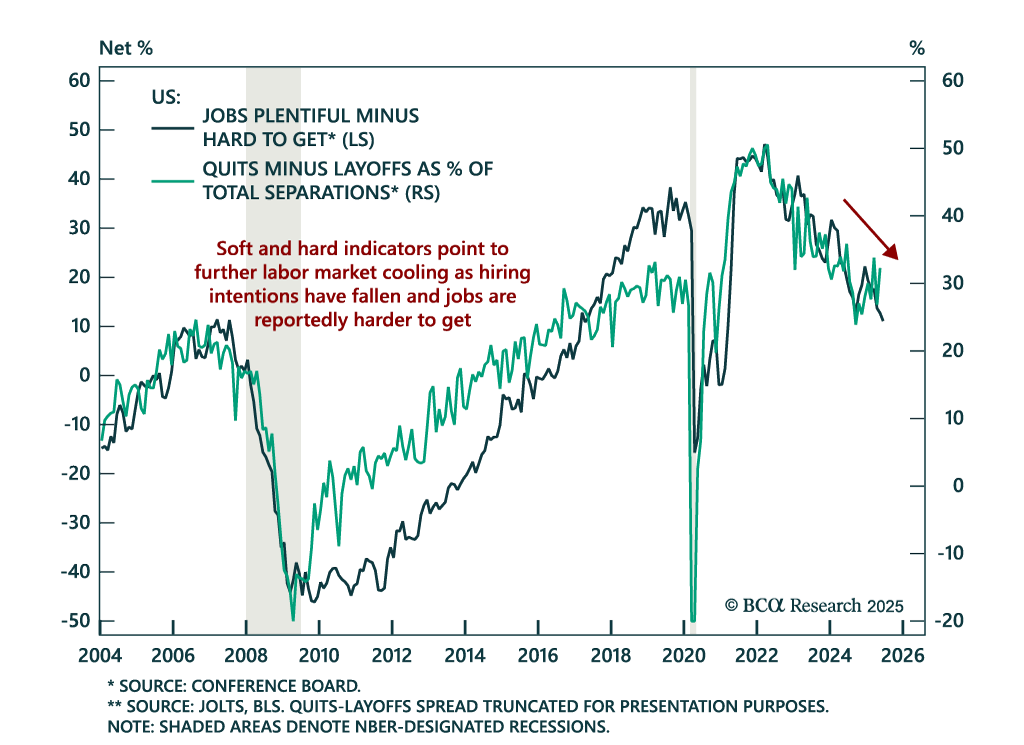
May JOLTS data suggest labor market softening beneath the surface, reinforcing a defensive stance across portfolios. Job openings rose to 7.7m from 7.4m, beating estimates, while quits ticked up to 3.3m and layoffs fell to 1.6m. However, hiring edged lower to…
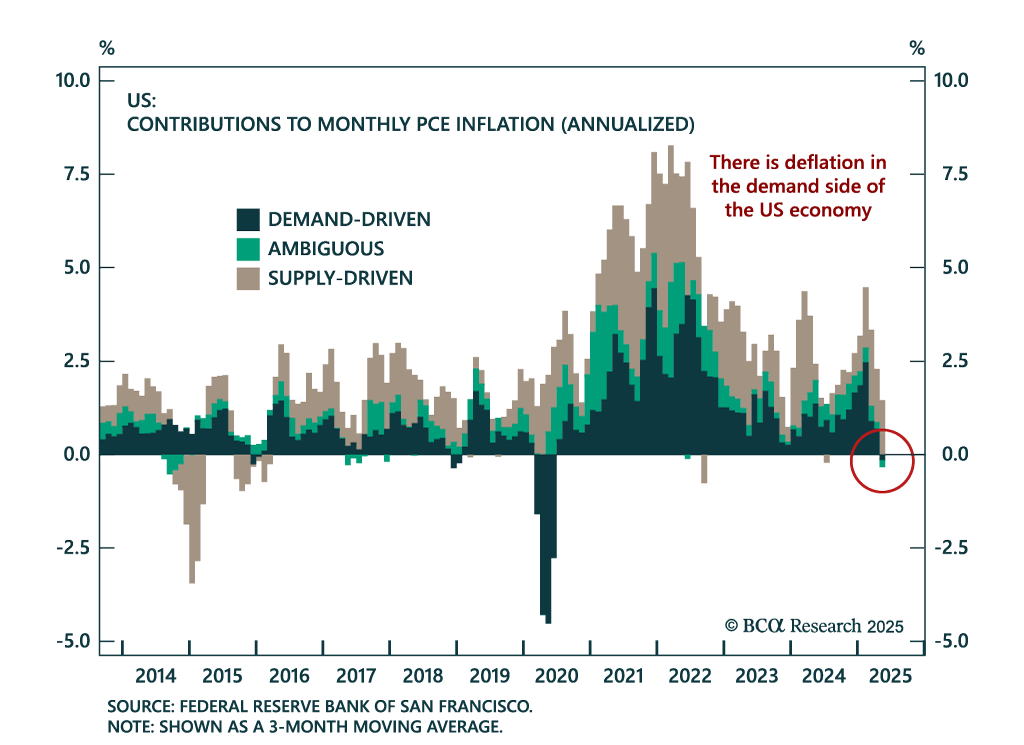
Our Global Asset Allocation strategists expect lower interest rates to revive a sluggish US economy, prompting upgrades to duration and equities. Although not in recession, the US is enduring one of the weakest non-recessionary years on record, weighed down…
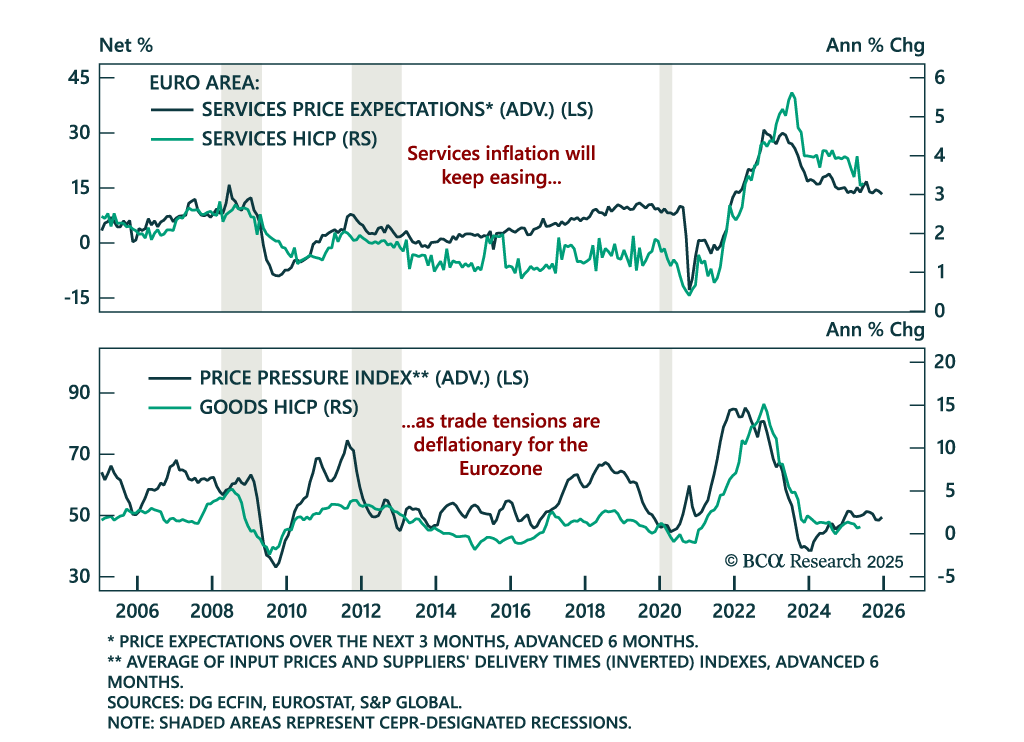
June Eurozone inflation data and soft growth backdrop support further ECB easing and reinforce the case for long European bond exposure. Flash HICP inflation ticked up to 2.0% y/y from 1.9%, while core inflation held steady at 2.3%, both in line with…
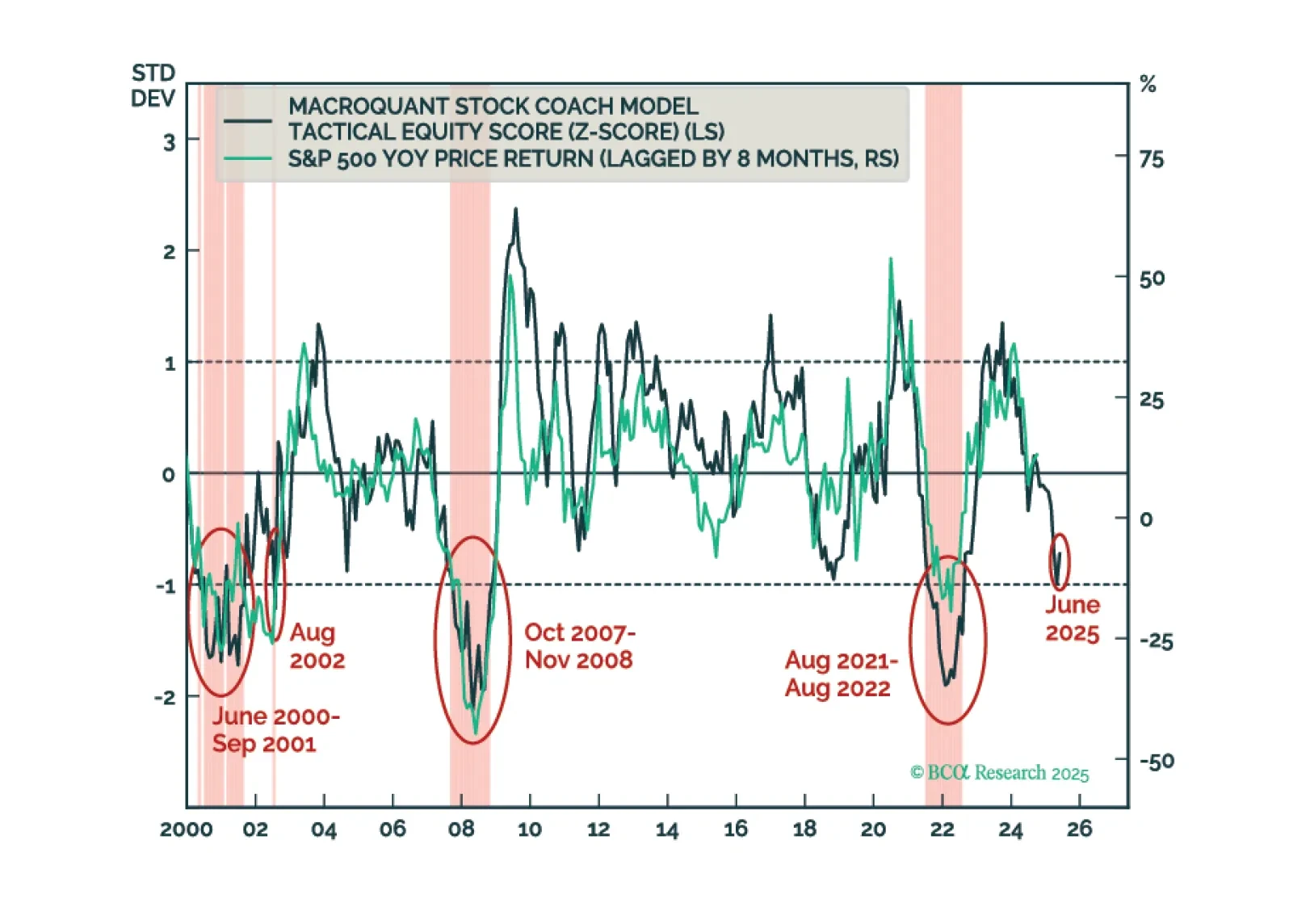
MacroQuant’s US equity z-score is dangerously close to the -1 threshold. Moves below that threshold have reliably coincided with equity bear markets in the past. As such, MacroQuant recommends an underweight on stocks, offset by an overweight on bonds and cash.

Our US Bond strategists expect a modest narrowing of the Treasury/OIS spread, supporting a cyclical long-duration stance and 2s10s steepeners. Over the past year, the spread has added roughly 30 bps to the 10-year Treasury yield, driven by factors such as…
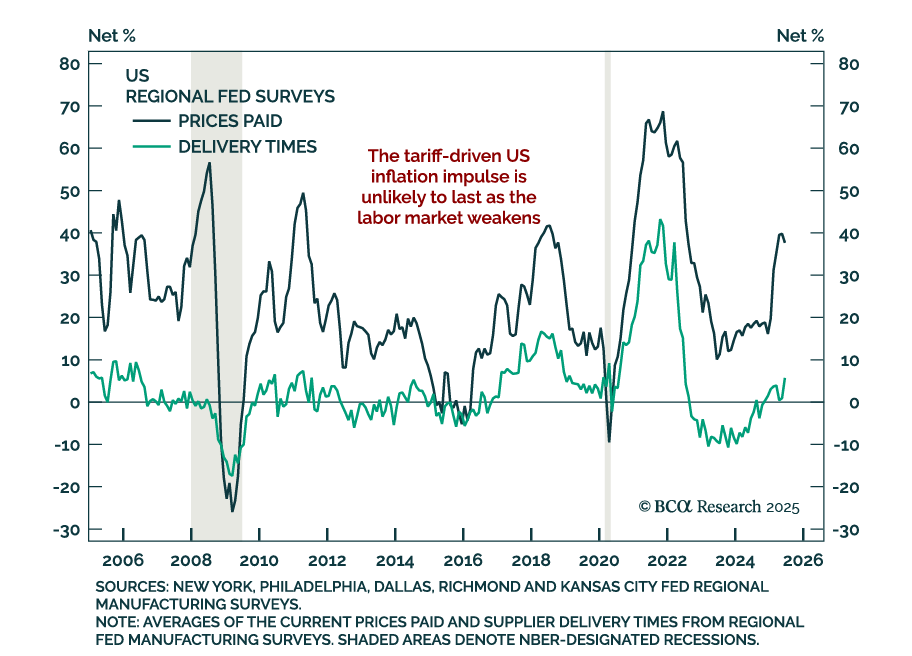
Regional Fed surveys confirm sluggish US manufacturing and tame inflation, supporting long duration positioning outside the US. The June Dallas Fed Manufacturing survey missed expectations, rising to -12.7 from -15.3, still deep in contraction. New orders…