Economic Growth

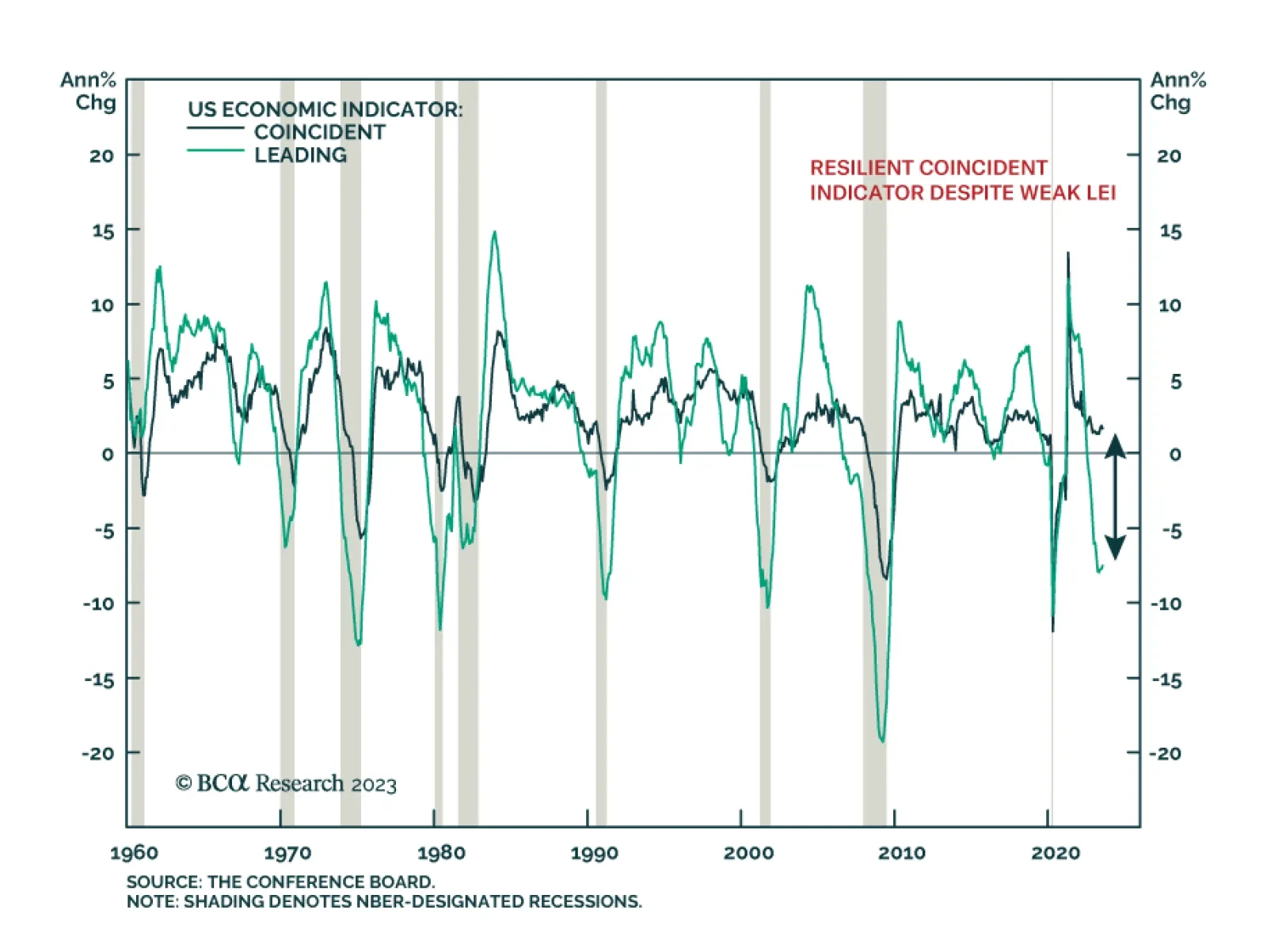
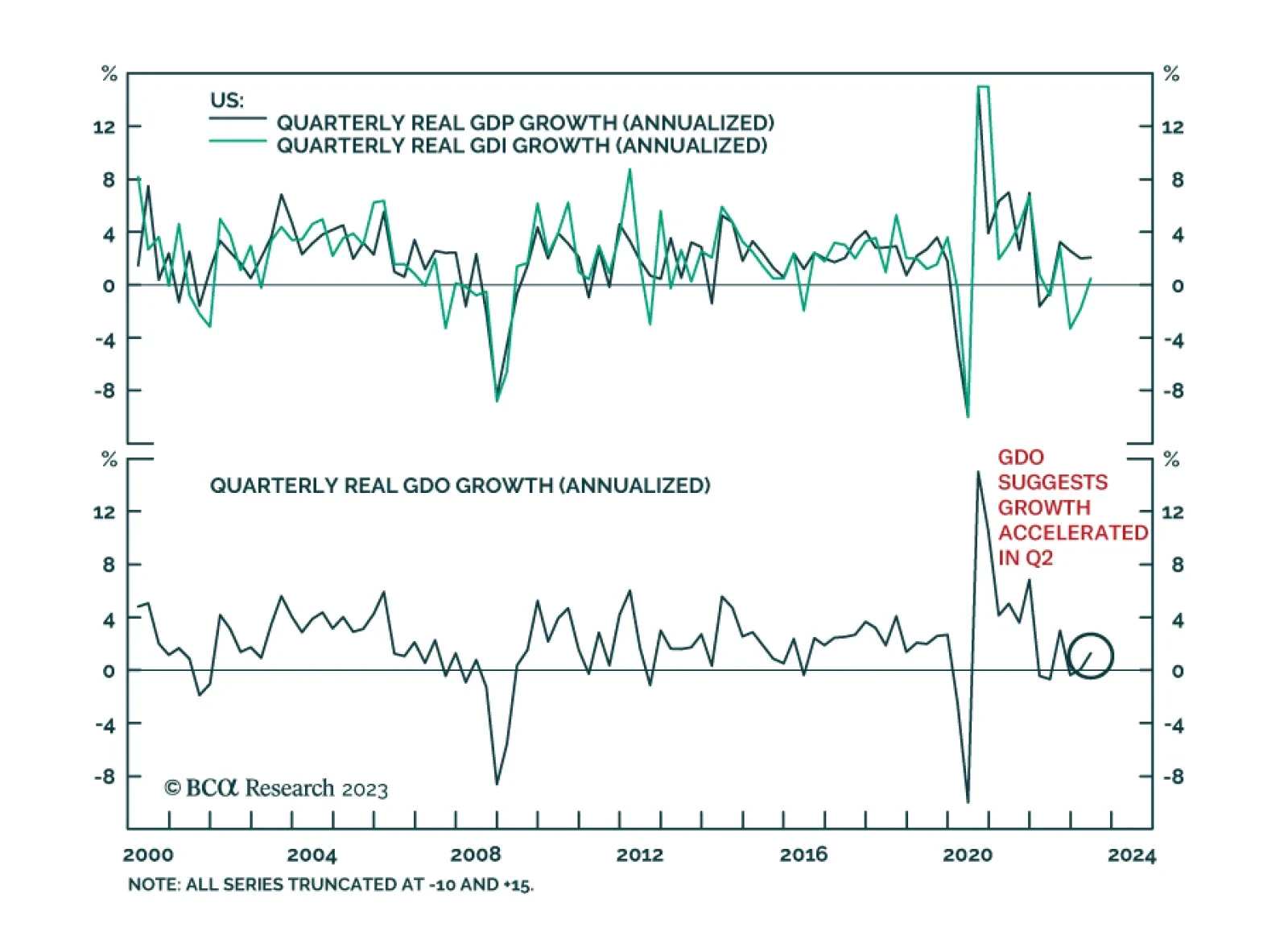
In Section I, we respond to the ongoing challenge to our view that the US economy is on a recessionary path. The available evidence overwhelmingly supports the notion that US monetary policy is tight, which argues against the “no landing” economic scenario. It also underscores that the recessionary clock is indeed ticking unless the monetary policy stance eases soon. The “soft landing” narrative remains improbable and may have been unduly boosted by artificially low inflation readings over the summer. Until concrete signs of the meaningful rate cuts emerge, we will continue to recommend that investors maintain defensive portfolio positions. In Section II, we review the “modern-day” Phillips Curve, and explain why it is unlikely that the Fed will see a sustainable return to its 2% target without a rise in the unemployment rate above NAIRU.
A global portfolio is likely to return only 5.3% a year over the next decade, compared to 6.7% in the past. Investors either need to lower their return expectations, or take more risk. Our total return methodology remains consistent with previous editions, with changes limited to the Alternatives section.
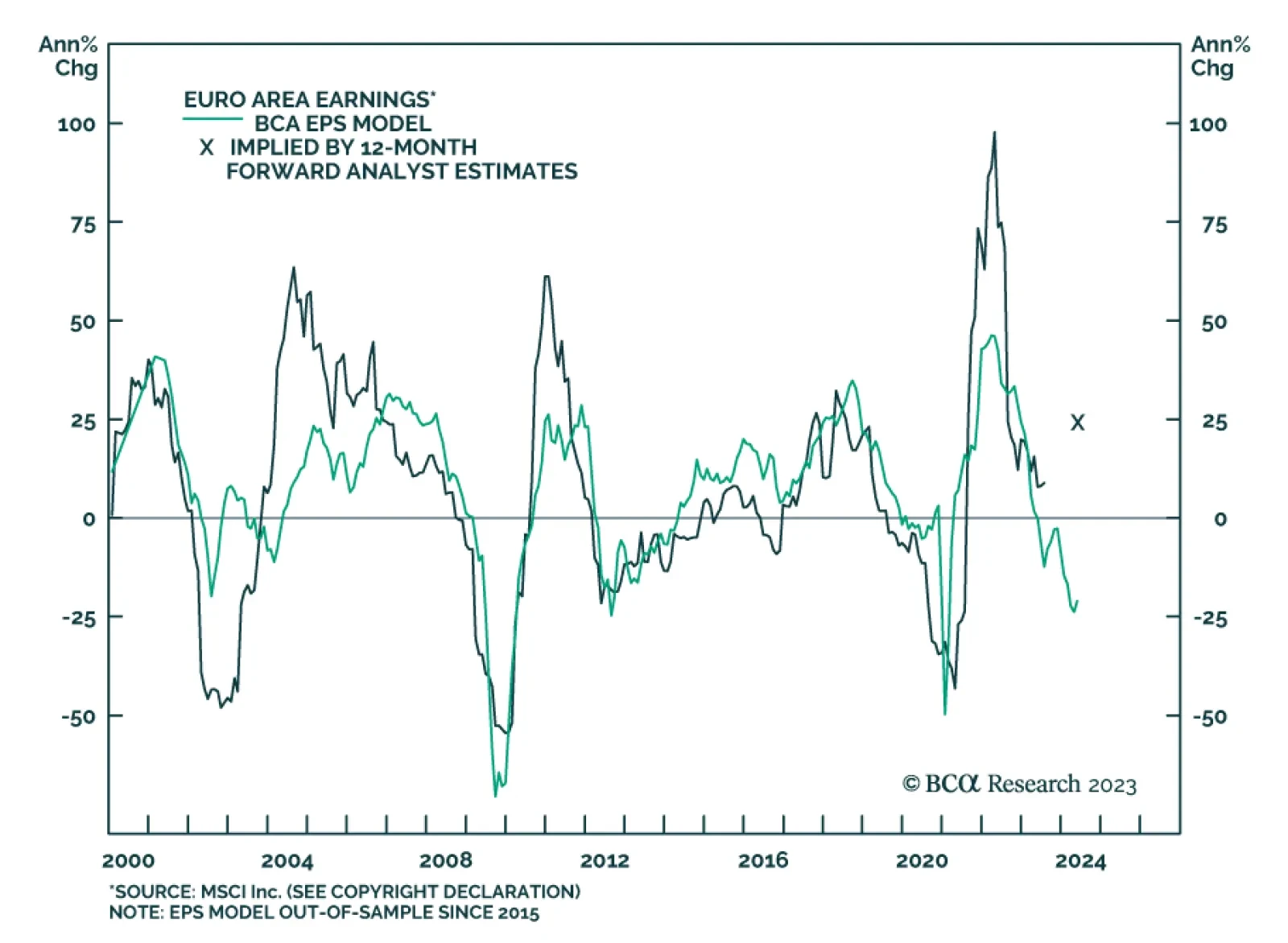
Today’s Strategy Report chartbook presents the data underpinning our view that both inflation and growth are slowing, likely pointing to a recession beginning sometime in the first half of next year. We are tactically equal weight across asset classes after being stopped out of our equity overweight on August 17th and expect our next move will be to underweight equities and overweight fixed income, in line with our twelve-month view.
In this report, we review our FX trade recommendations with suggestions on how to position for the next few months.
China removed checks and balances in its political system to deal with a very dangerous economic transition. The transition is going badly, yet investors cannot rely on checks and balances to correct or prevent policy mistakes. The Taiwanese election is a looming bellwether.