Sorry, you need to enable JavaScript to visit this website.
Skip to main content

Economy

In the absence of official government data, investors are turning to alternative sources to gauge the direction of the US economy. Our analysis of this data suggests that the economy has continued to expand at a moderate pace over the past two months. If the Supreme Court were to strike down the tariffs, this would reduce the near-term odds of a recession while raising the odds of overheating.

Fresh off a month of boning up on all things AI, we walk through a high-level Q&A discussing AI capex and how much the AI investing boom is really contributing to US growth.

MacroQuant is tactically overweight equities, favors an above-benchmark duration stance in fixed-income portfolios, remains bearish on the US dollar, and is bullish on gold and copper.

In Section II, Doug and Global Investment Strategy’s Miroslav Aradski consider the implications of the AI investment boom.

In Section I, Doug explains how the sharp upward revision to second-quarter consumption in the final GDP estimate has reduced our recession conviction and could lead us to abandon our recession call altogether. The situation is fluid, though, as typified by the striking weakness of stocks in consumer-facing and cyclically exposed subindustries. In Section II, Doug and Global Investment Strategy’s Miroslav Aradski consider the implications of the AI investment boom.

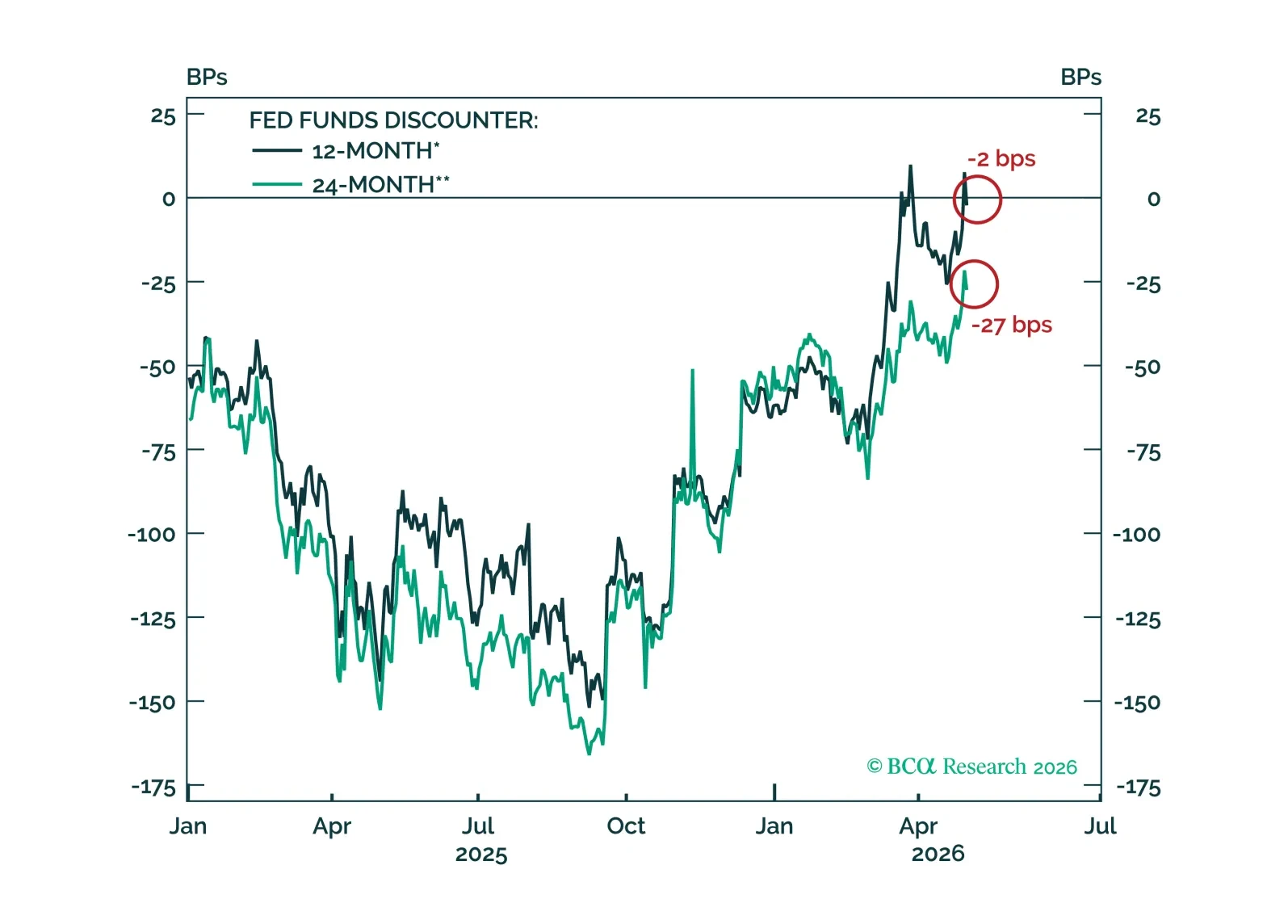
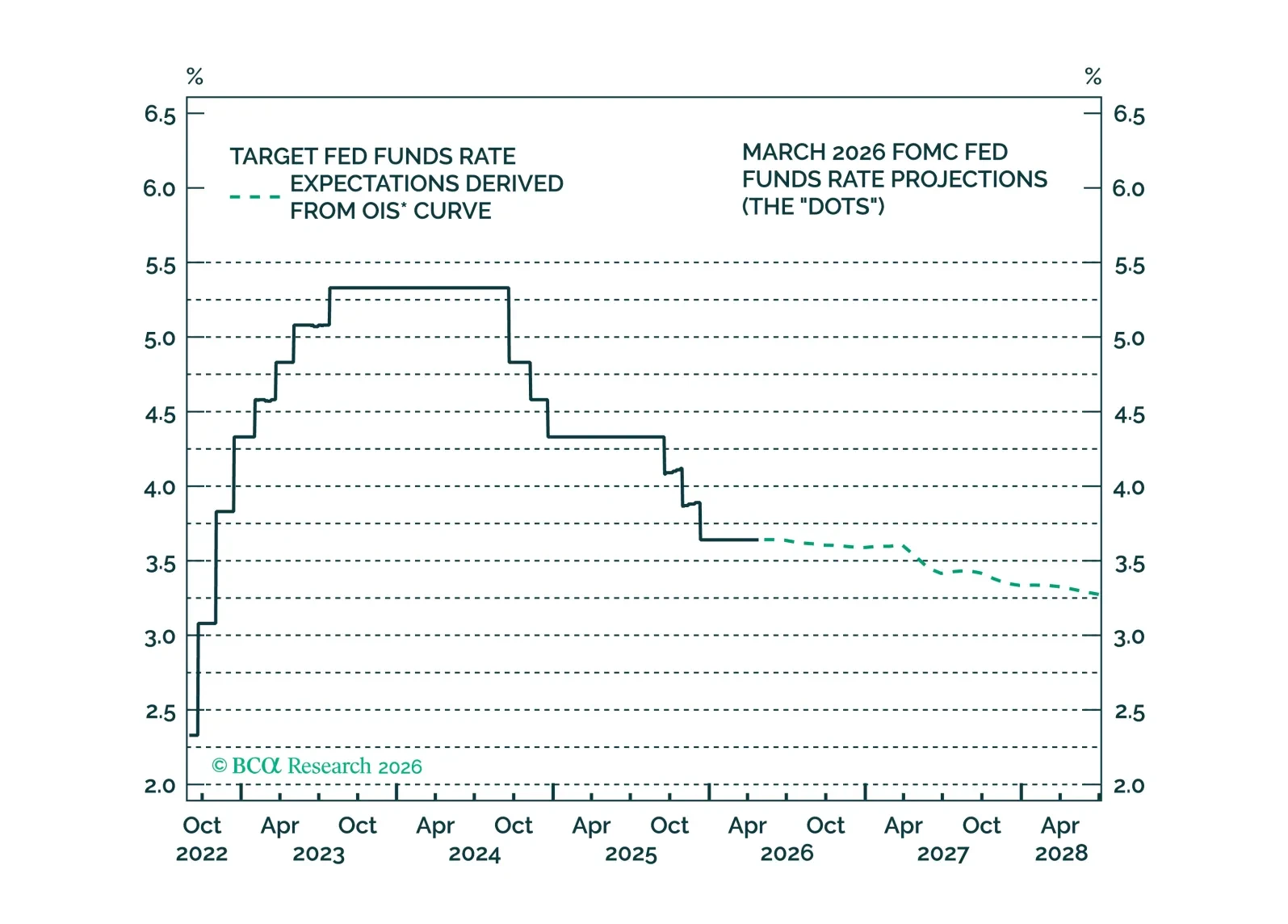
The Fed cut rates today, but a follow-up rate cut in December is uncertain. It will depend, in large part, on who wins a debate about the neutral rate of interest.

Australian September and Q3 inflation surprised to the upside, reinforcing the RBA’s cautious stance on easing. Headline CPI rose to 3.5% y/y from 3.0%, above the RBA’s 2–3% target range, while trimmed mean CPI increased to 2.8% from 2.6%. The September data…
The Fed cut rates by 25 bps to 3.75%–4.00% and announced QT will end December 1, signaling modest easing but no December cut commitment. The decision matched expectations, with dovish (Gov. Miran, for a 50 bps cut) and hawkish (Pres. Schmid, for no cut)…

This month’s China High-Frequency Indicator (HFI) Chartbook decodes the conflicting messages in recent economic data, highlights key signals from our HFI, and explains what they mean for China’s economy and markets.

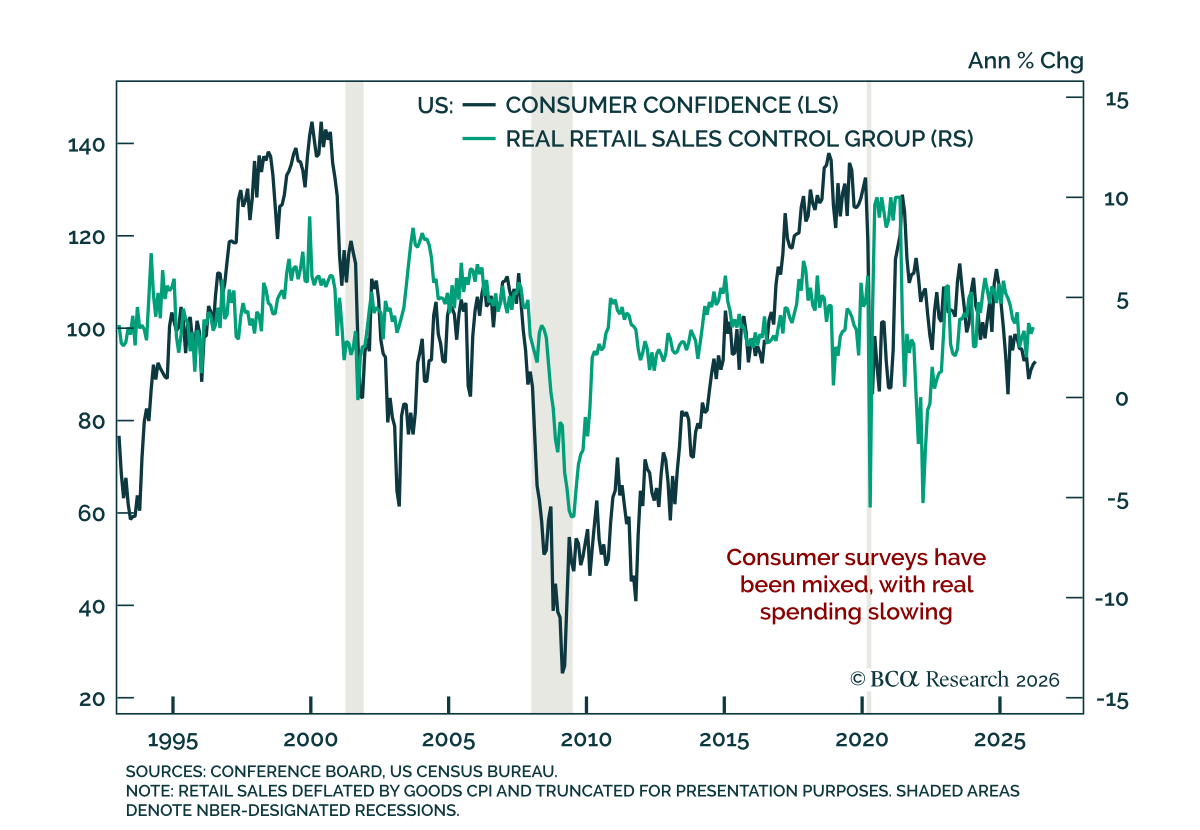
The October Conference Board Consumer Confidence survey beat estimates but fell slightly, showing stable current conditions and softer expectations. The headline declined to 94.6 from an upwardly revised 95.6. Consumers’ assessment of their present situation…