Economy
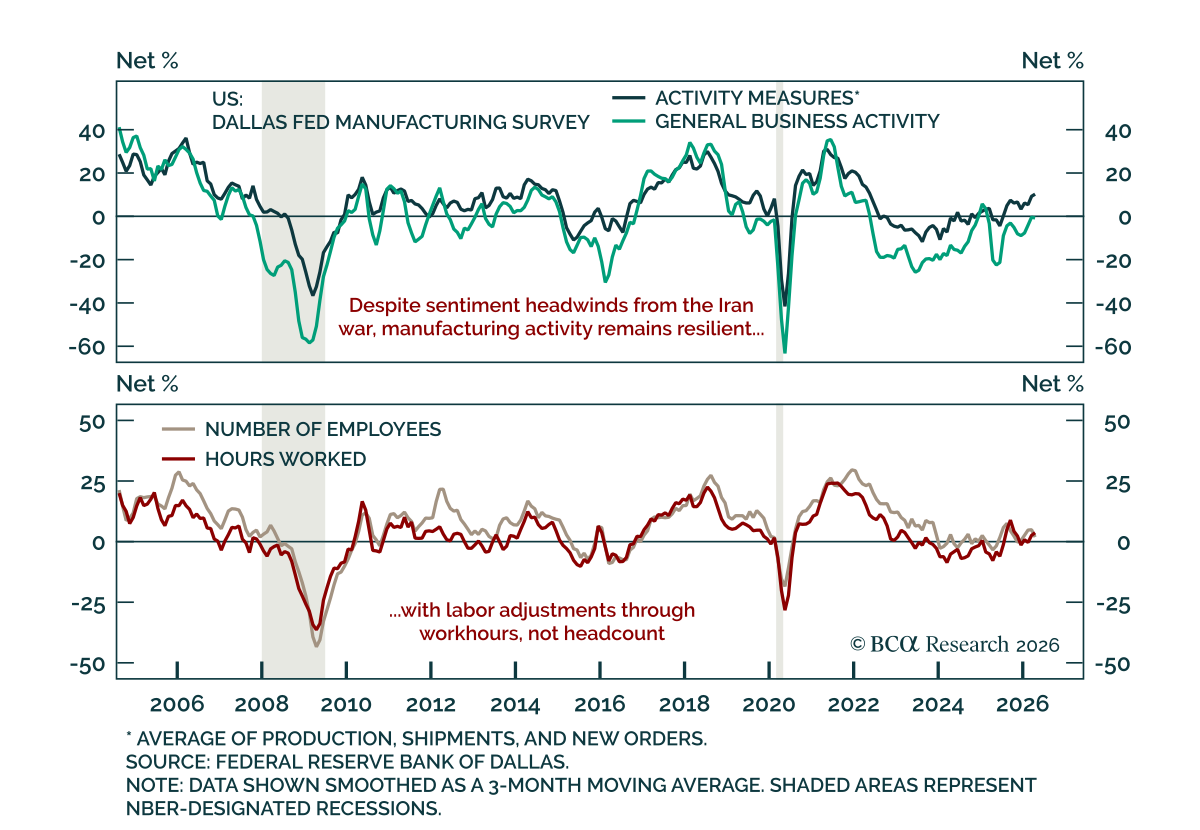
The April Dallas Fed survey missed estimates, but underlying activity remained firmer than the headline suggested. The manufacturing headline index fell to -2.3 from -0.2. Comments were mixed, but respondents broadly pointed to slower sales due to uncertainty…
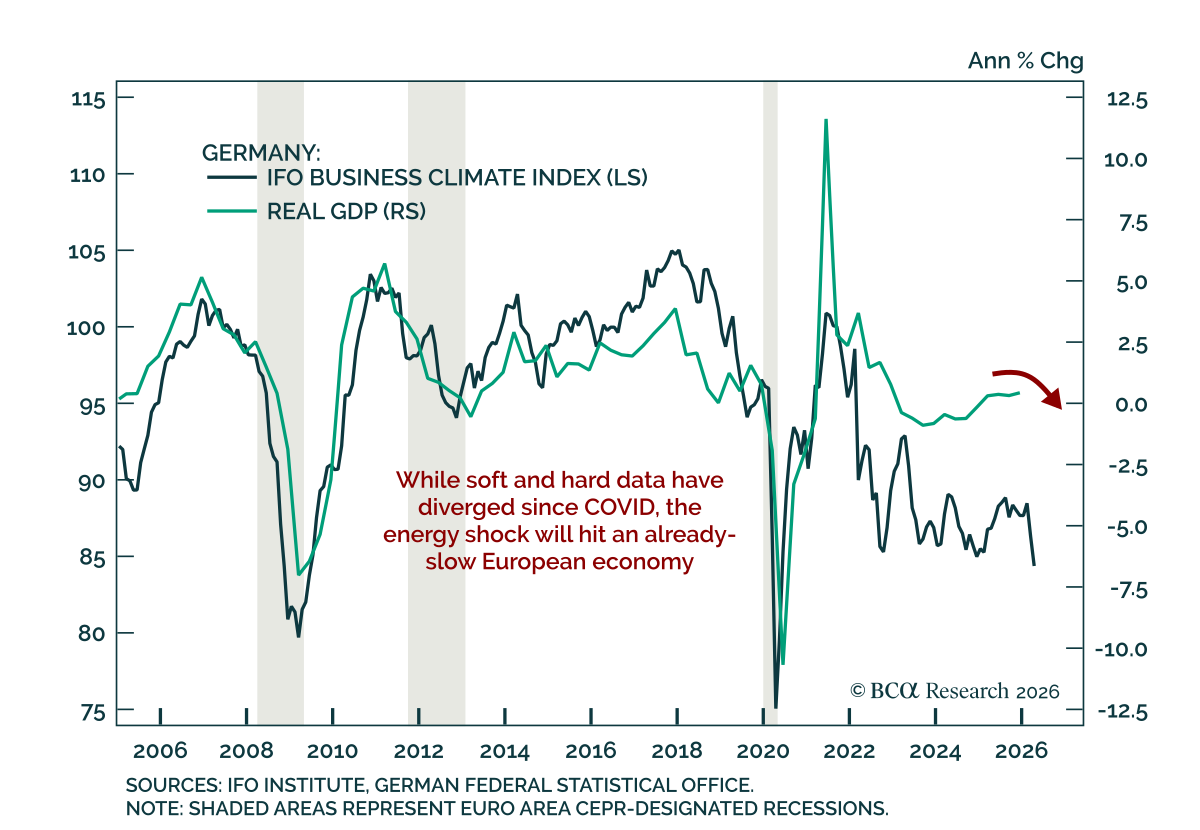
German data continue to deteriorate, reinforcing Europe’s vulnerability to a prolonged energy shock. The May GfK German Consumer Climate indicator fell to -33.3 from -28.1, a level not seen since the 2022 energy shock and near all-time lows for the series.…
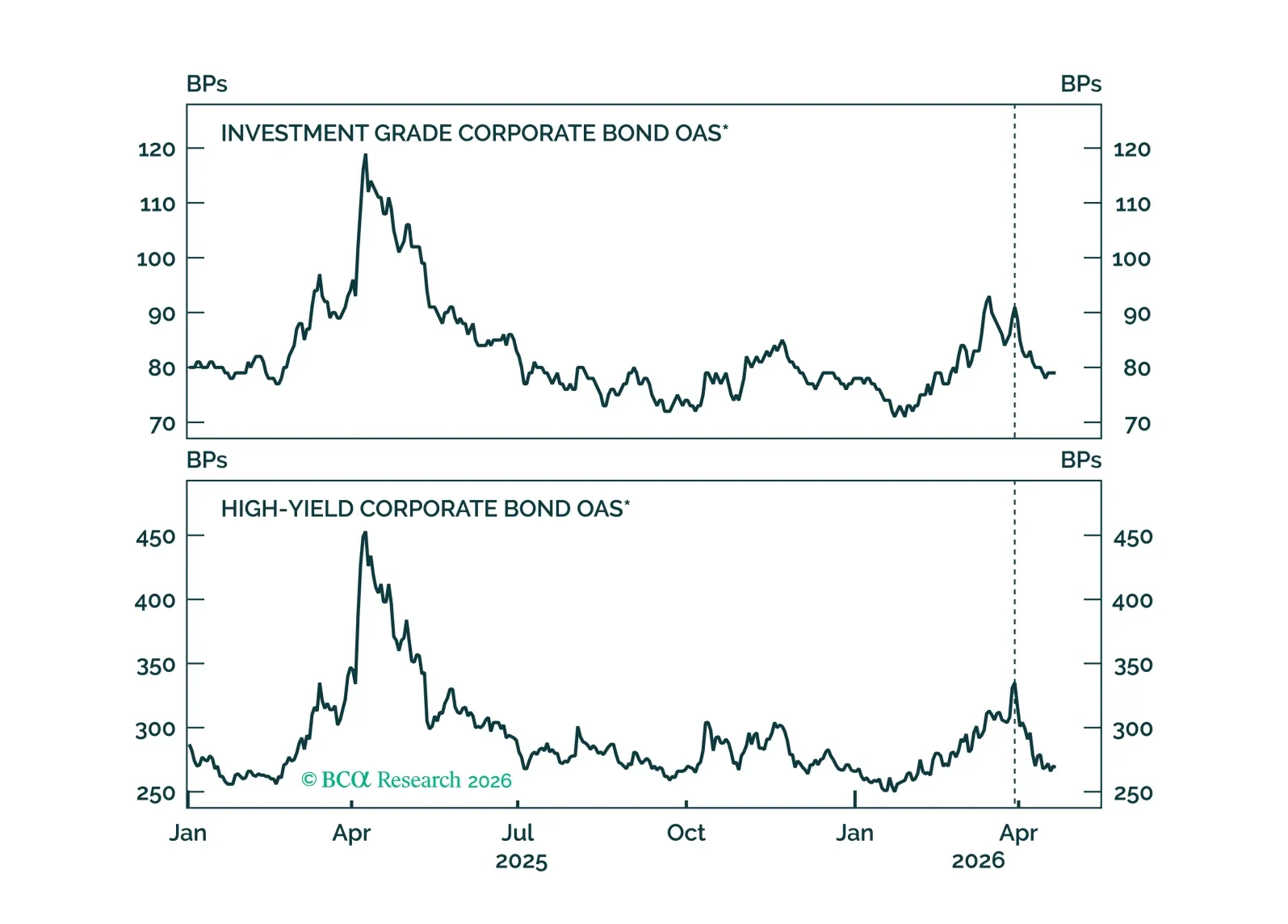
We recommend increasing exposure to spread product as the US economy transitions back into a low rate vol regime.
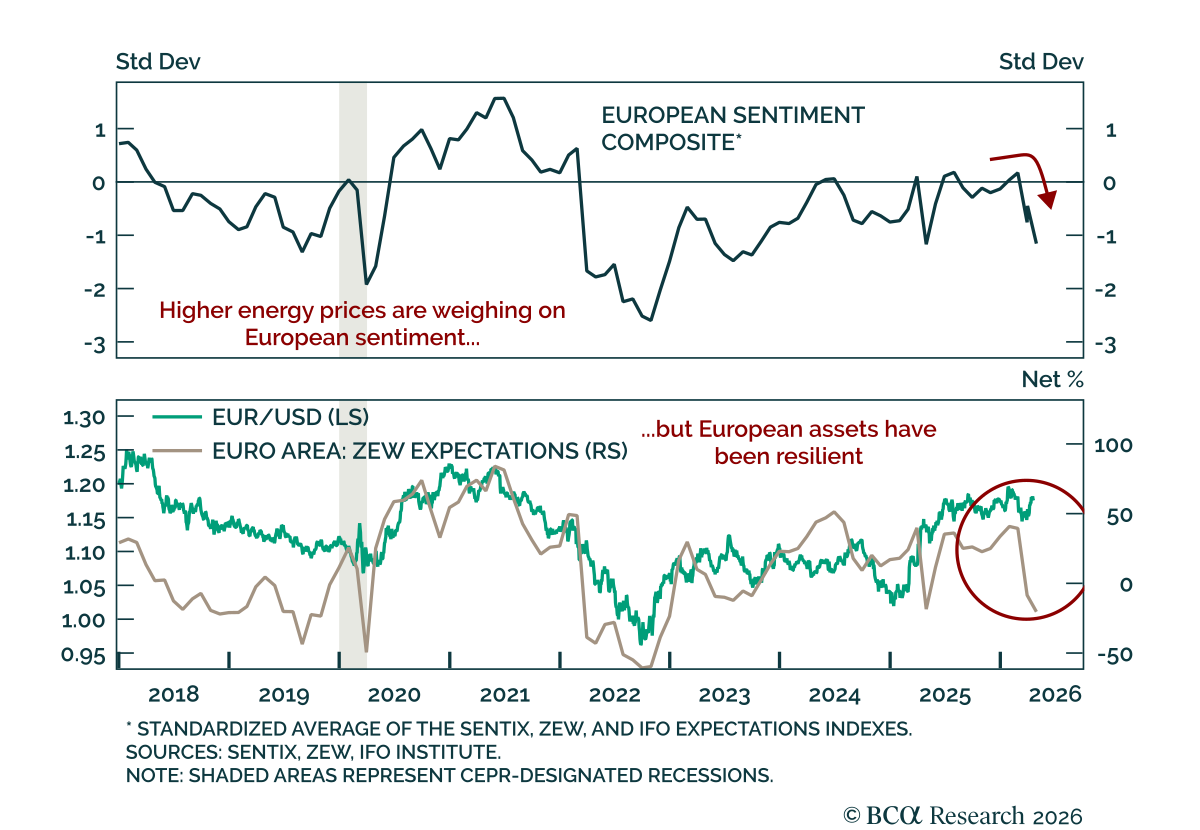
The April ZEW showed continued deterioration in European sentiment, with no sign yet of a rebound. Germany’s expectations component missed estimates and fell to -17.2 from -0.5, while the eurozone measure fell to -20.4 from -8.5. Current conditions in Germany…
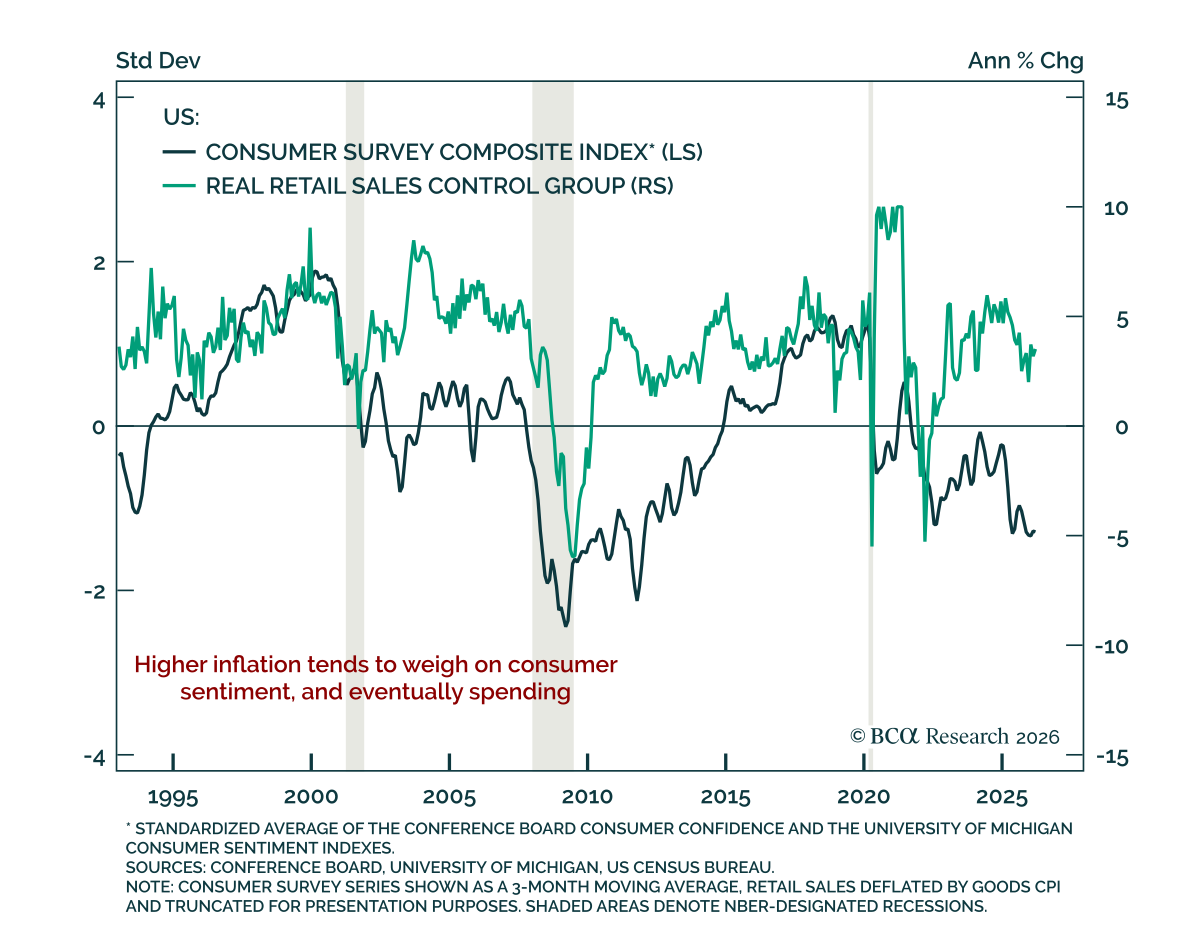
March US retail sales beat estimates, but the strength was nominal rather than real. Headline sales rose 1.7% m/m from 0.7%, while core sales (excluding autos and gas) held at 0.6%. The control group, which feeds into GDP, rose 0.7%. The report was however…
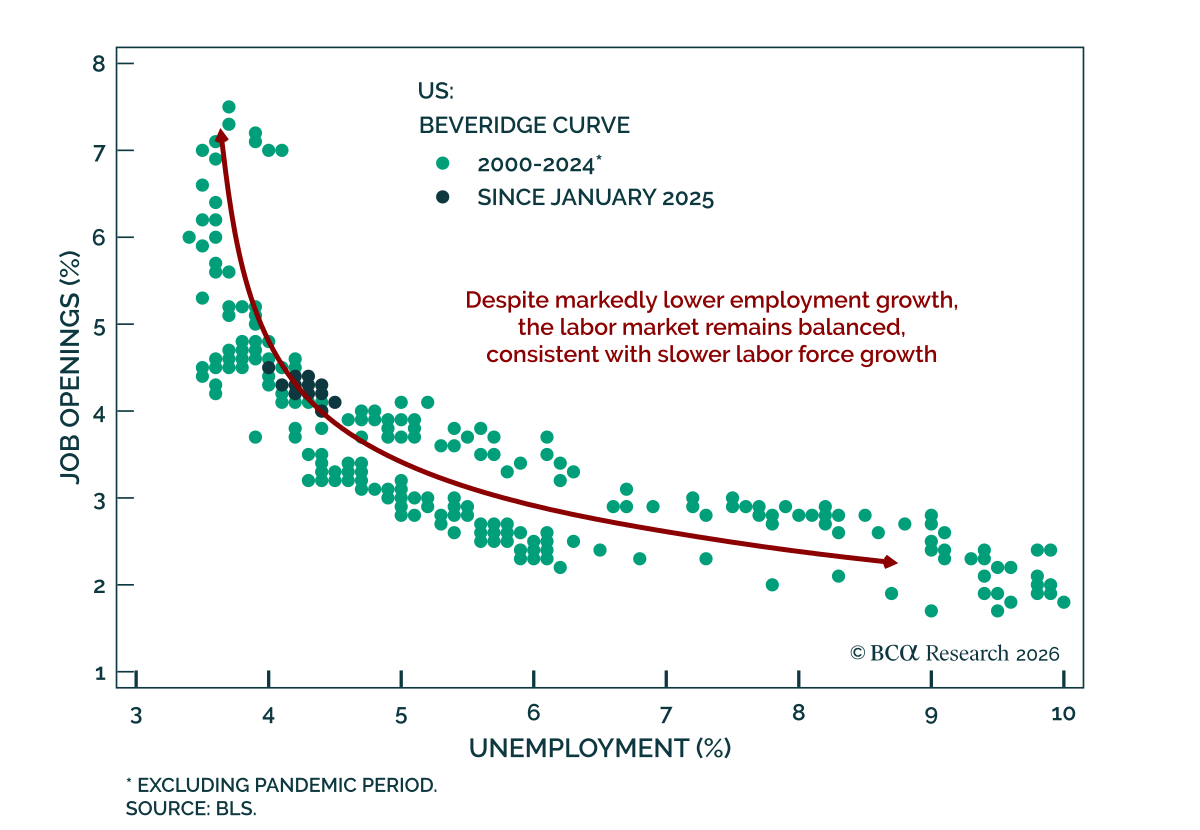
Fed Governor Waller’s latest speech suggests the FOMC’s dovish wing is moving away from the case for cuts. While Waller was one of the most dovish members before the energy shock, his tenure has been marked by prescience at key inflection points on both the…
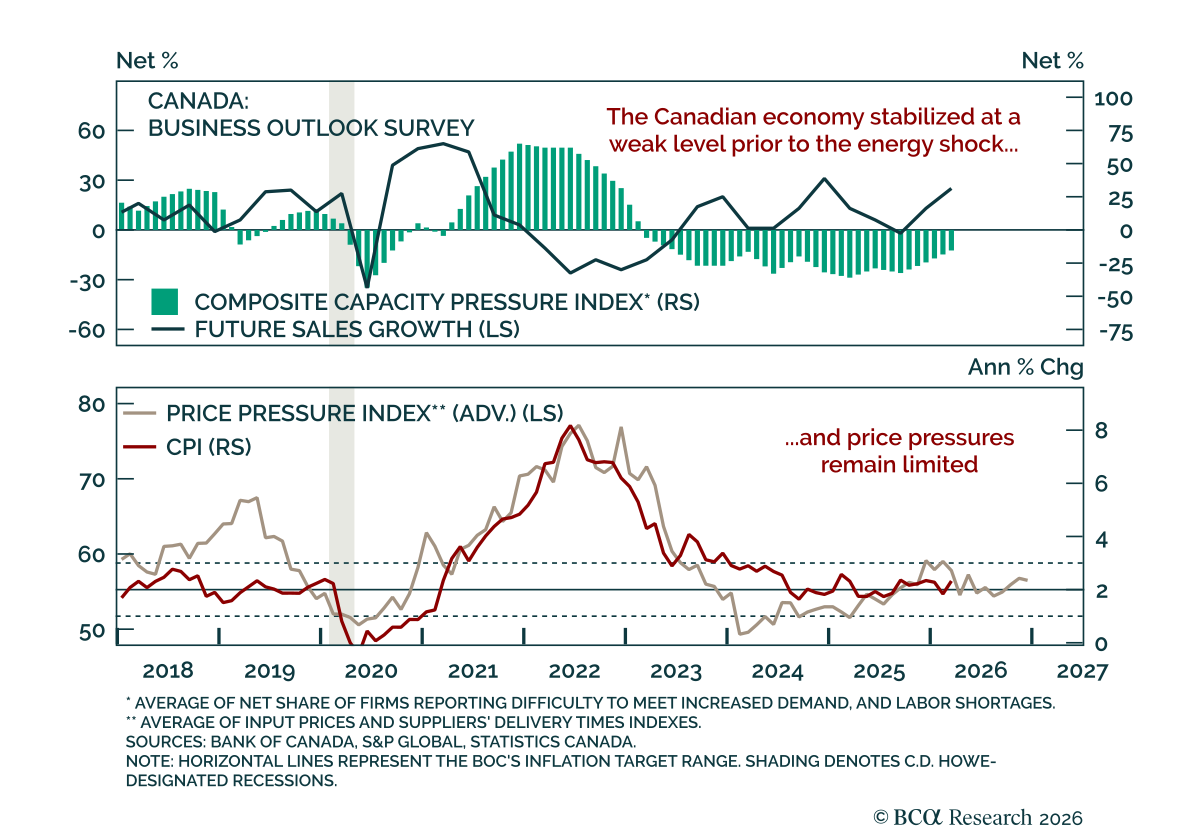
The Bank of Canada’s 2026 Q1 Business Outlook Survey improved, but the domestic economy still had slack before the energy shock. The Q1 survey saw the headline index rising to -0.4 from -1.8 in Q4 of last year. The future sales index jumped to 25 from 13 and…
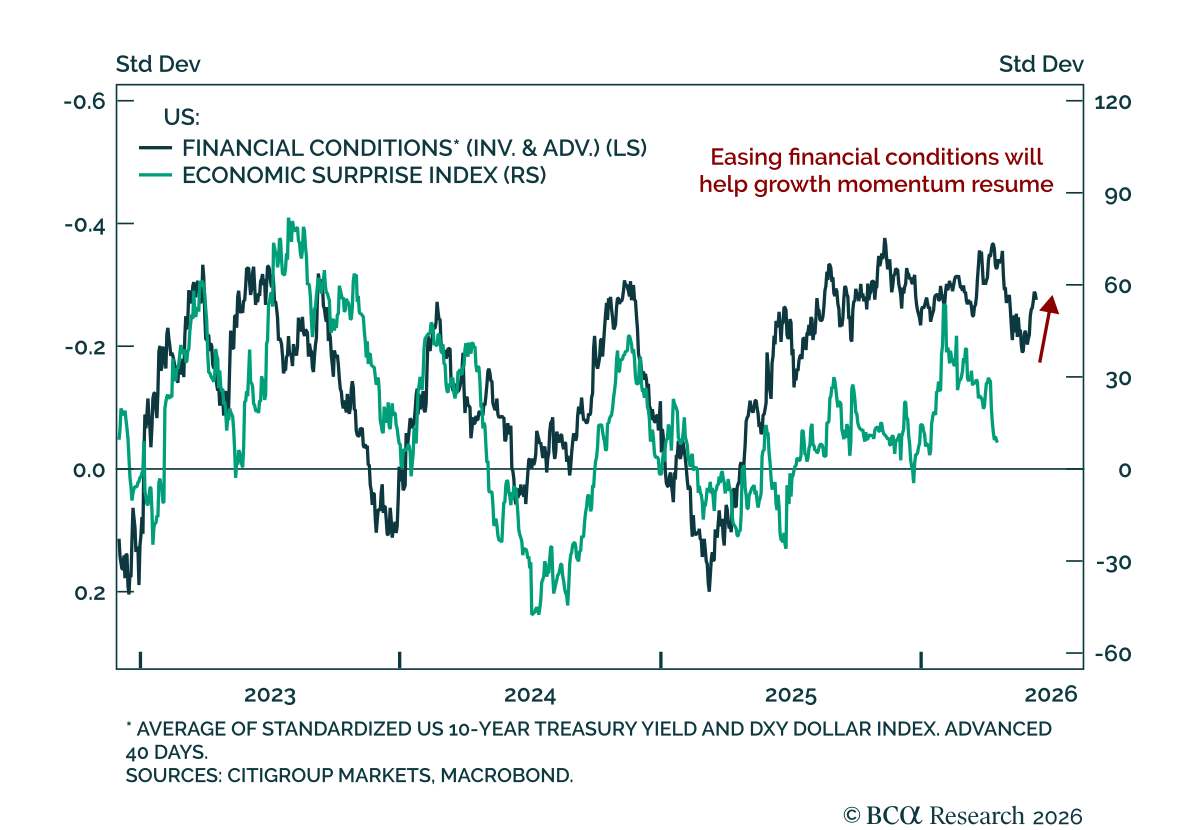
The energy shock has hit confidence more than activity so far, while easier financial conditions keep the tactical backdrop supportive for risk assets. The shock hit suddenly, and because hard data lags more timely soft data, the full effect of higher energy…
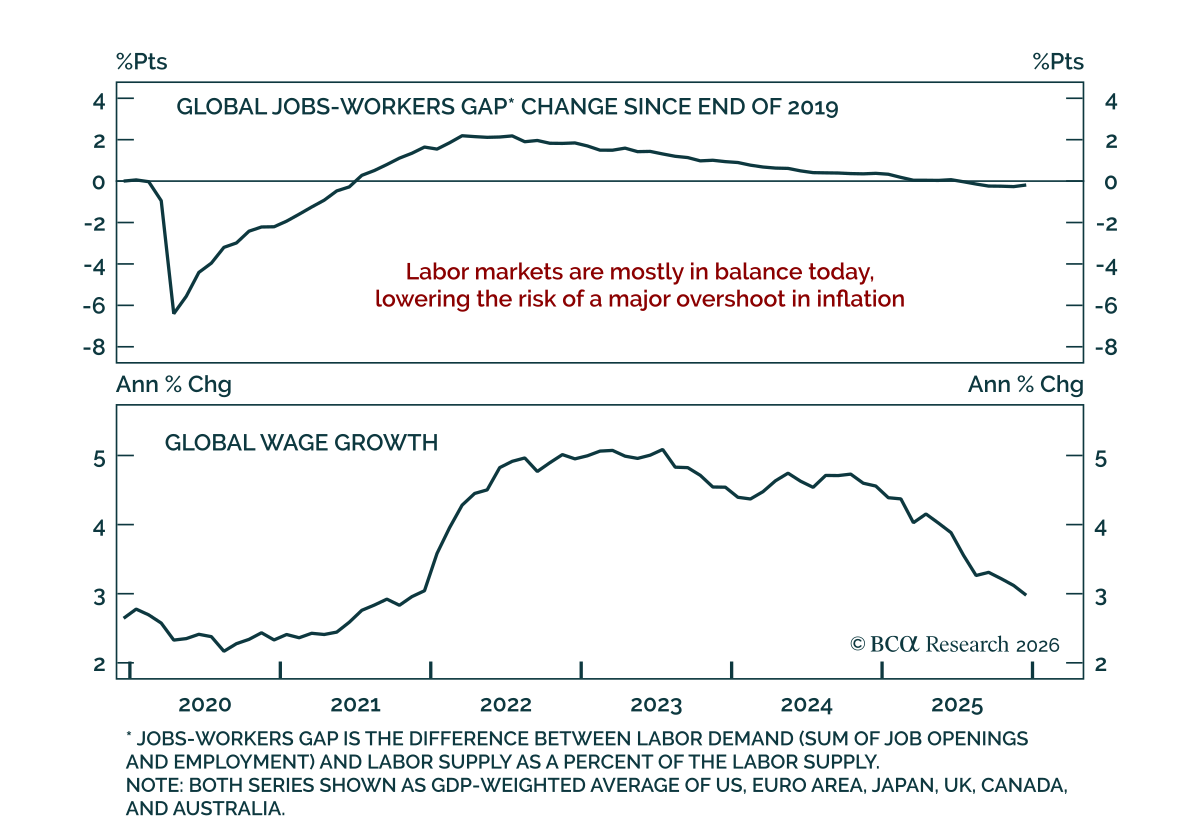
Our Global Investment strategists see the oil shock's inflationary impact as short-lived. Near-term headline inflation will rise as energy prices filter through, but labor market slack and decelerating wage growth keep the risk of unanchored expectations low.…
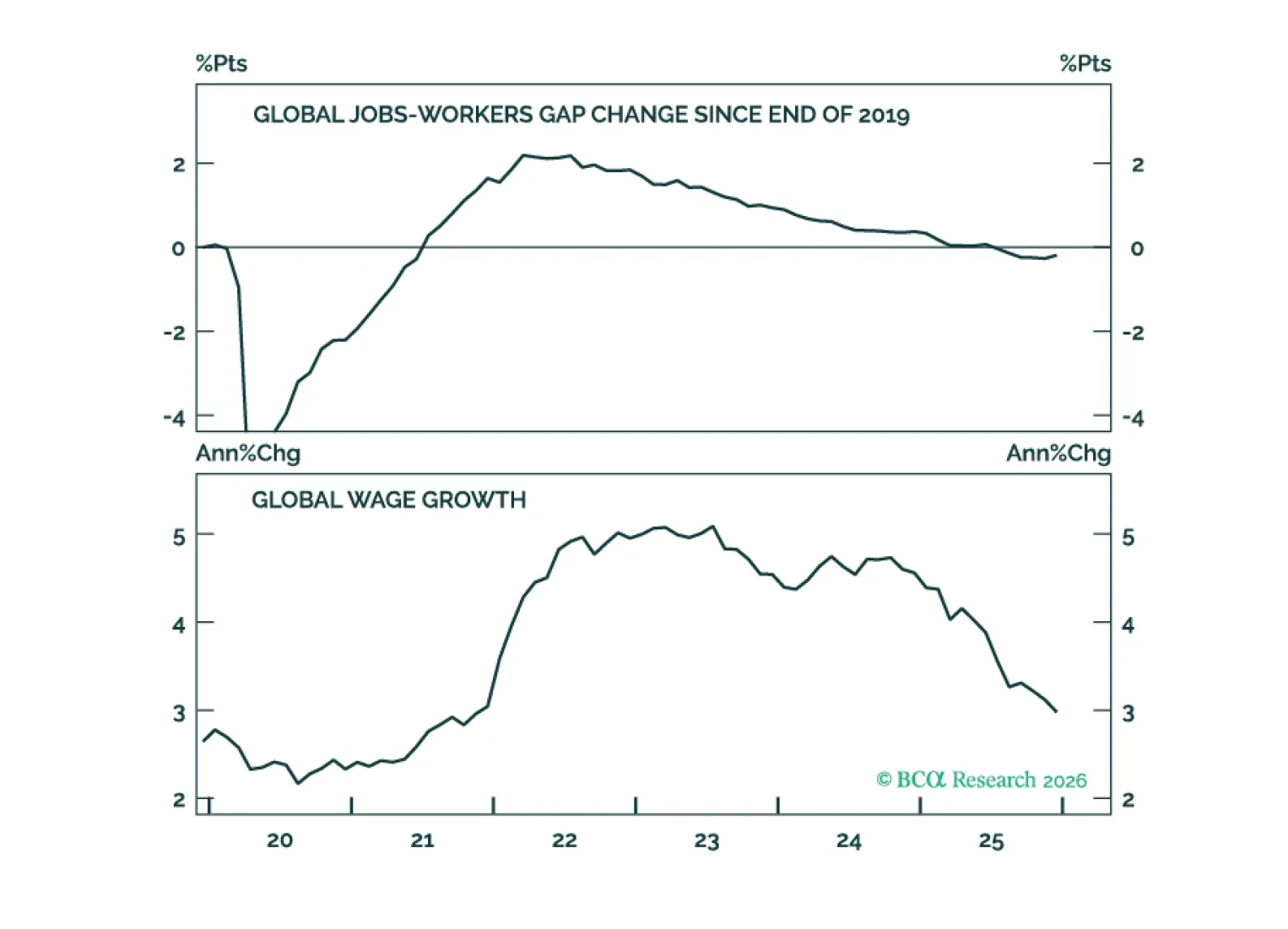
We do not expect the oil shock to have a lasting effect on inflation. Looking further out, a variety of structural forces will influence inflation, including fiscal policy, globalization, demographics, and AI.