
Sorry, you need to enable JavaScript to visit this website.
Skip to main content

Emerging Markets

Investors should not get their hopes up about this week’s US-China summit. Chinese President Xi Jinping and US President Joe Biden will meet on the sidelines of the Asia Pacific Economic Cooperation (APEC) summit in San Francisco on November 15. The two…
China's CPI and PPI inflation release for October indicates that deflationary pressures continue to dominate the domestic economy. After remaining unchanged in September, consumer prices declined by 0.2% y/y last month, falling below consensus estimates of a…
According to BCA Research’s Emerging Markets Strategy service, Indonesia's “window of opportunity” to transition to a lower real interest rate regime – without jeopardizing the currency stability – has closed. This opportunity had opened thanks to an…
Special Report

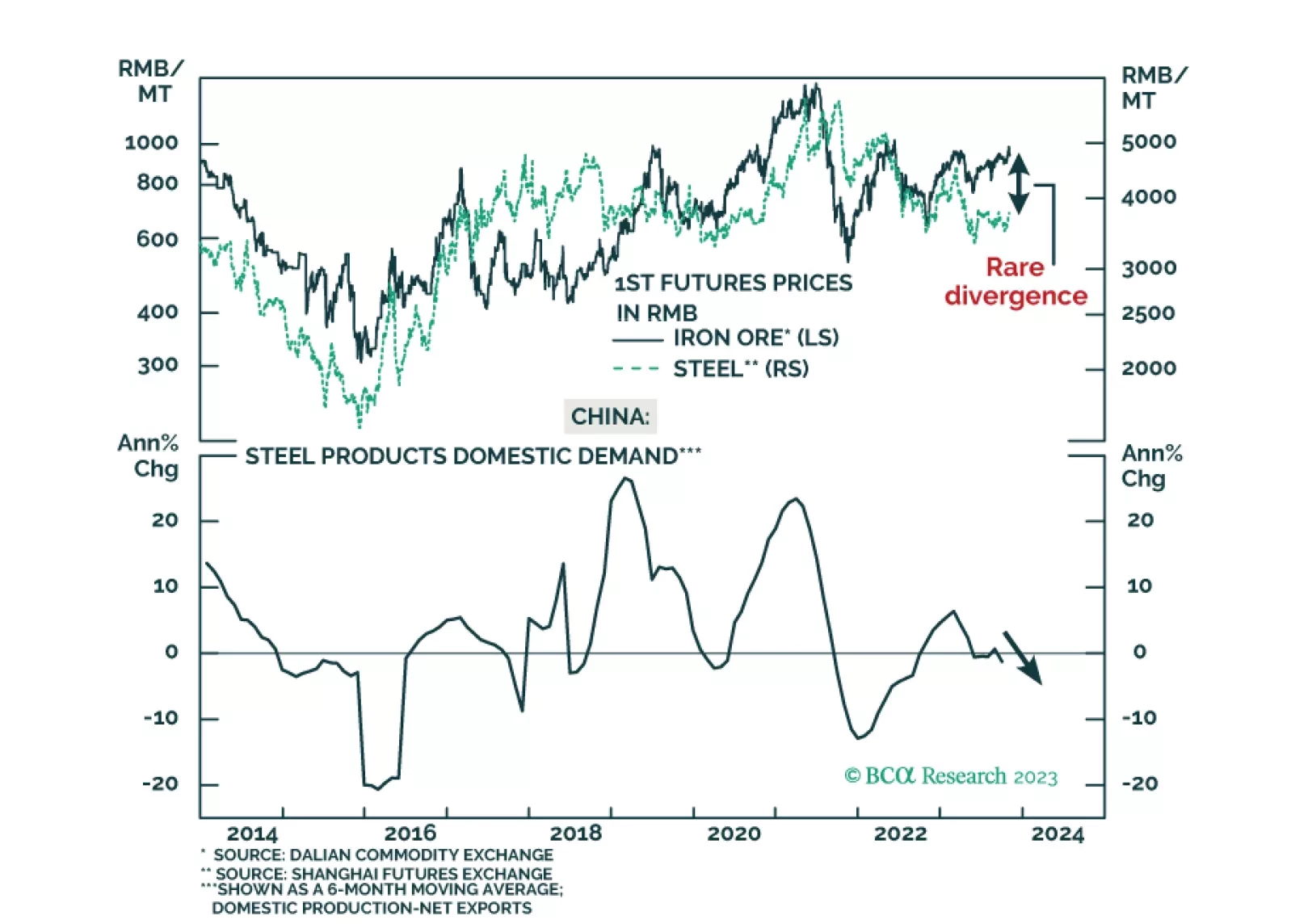
Increasing iron ore prices coupled with declining steel prices represent an unsustainable disparity. Iron ore prices will pivot downward in the next six months. A sizeable reduction in China’s steel production will likely occur, reducing global iron ore demand. Meanwhile, global iron ore supply will increase moderately.
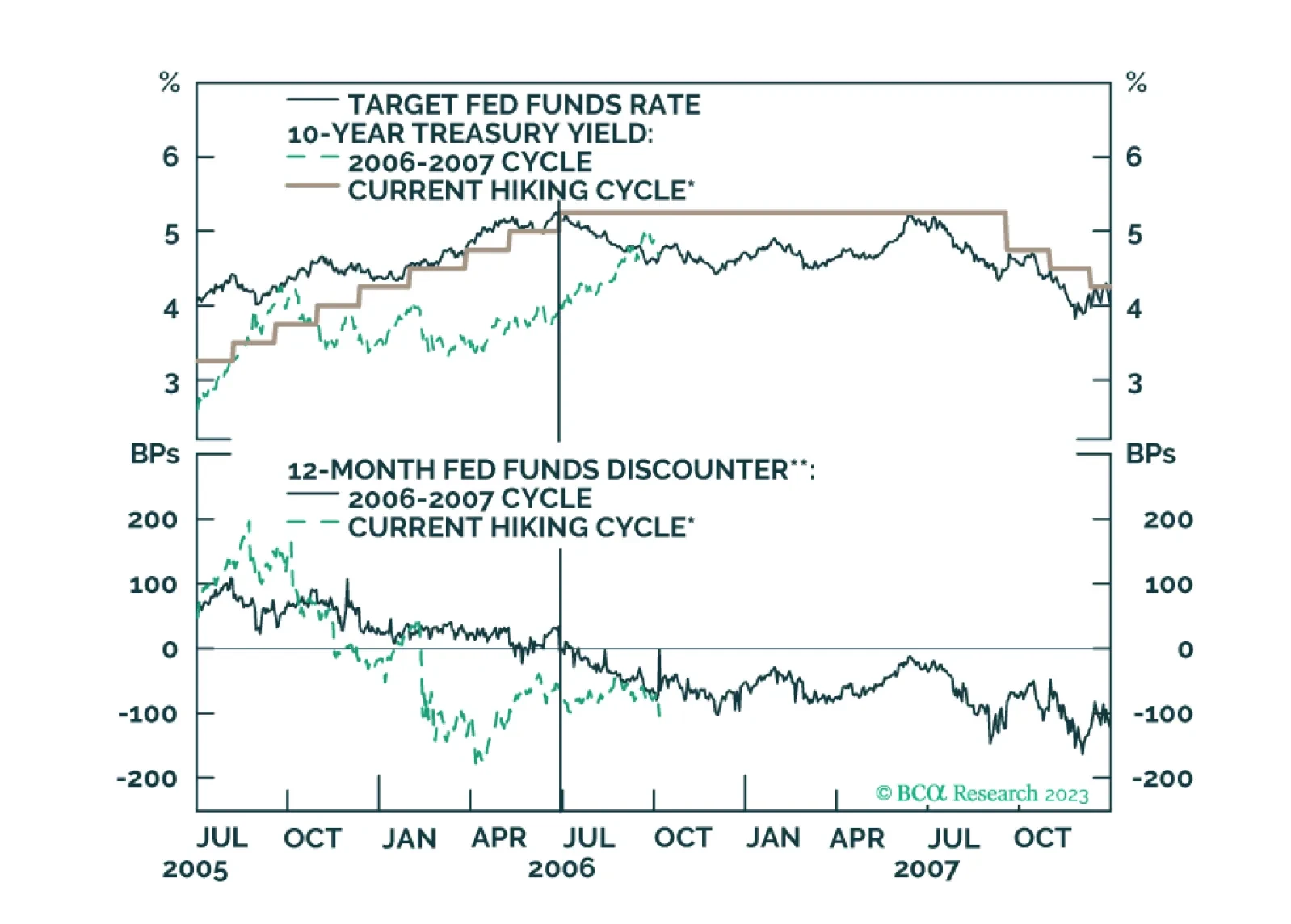
Chinese trade data for October delivered a mixed message on Tuesday. On the one hand, the export contraction deepened to -6.4% y/y following -6.2% y/y in September and surprised expectations that it would moderate to -3.5% y/y. Yet on the other hand, import…
The Global Composite PMI slid to 9-month low in October, sending a pessimistic signal about economic conditions around the world. The 0.5-point decline pushed the index down to 50.0 – right on the boom-bust line indicating that global activity stagnated last…

Our Portfolio Allocation Summary for November 2023.
The South African rand is the best performing major currency since the DXY peaked on October 3. Considering that the rand acts as a proxy for global sentiment towards emerging markets, its recent strength raises the question whether investors are becoming…

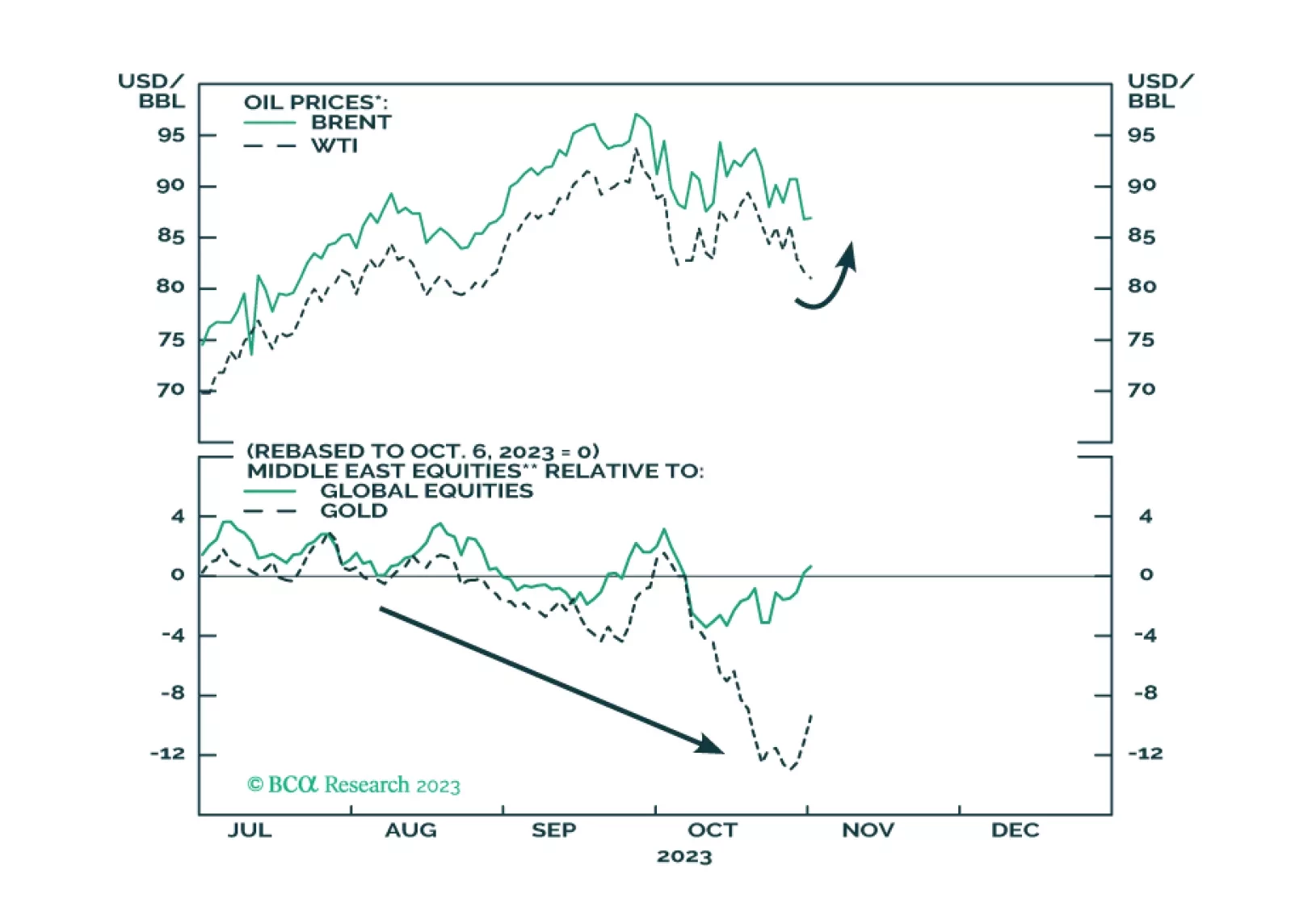
Investors should reduce risk, increase allocation to safe havens, and brace for oil price volatility and supply disruptions stemming from the Middle East over the next zero-to-12 months.
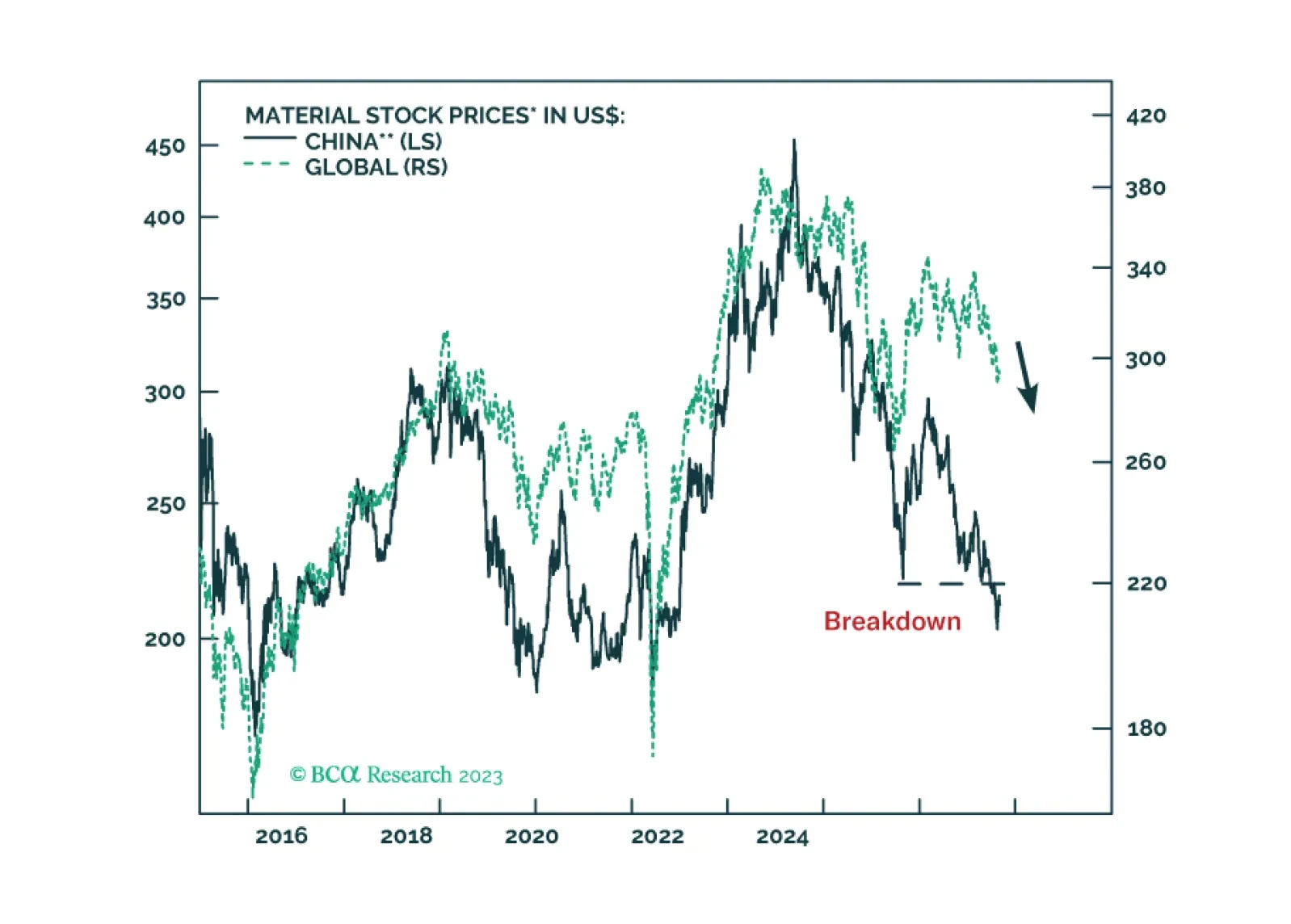
In financial systems, cracks typically begin on the periphery and then expand to the center. Hence, the ruptures on the fringes often act as an early warning. These fissures tend to widen and spread to the core, causing a breakdown in the S&P 500. Investors should consider buying US Treasurys aggressively when the S&P 500 slips below 4,000.