Emerging Markets
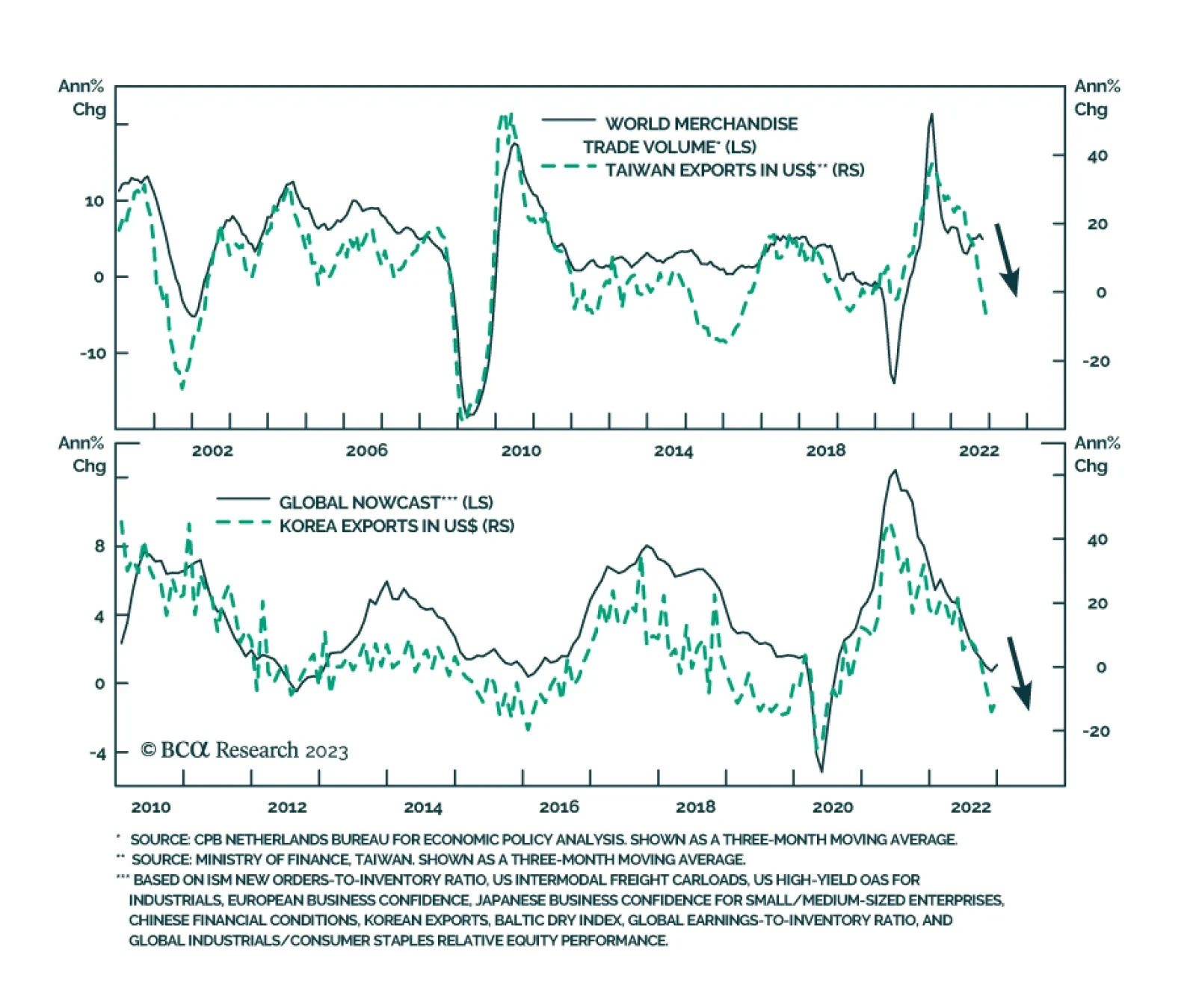

Relative to beaten-down expectations, global growth will surprise on the upside in 2023. Investors should overweight equities for now but look to turn more defensive in the second half of the year.
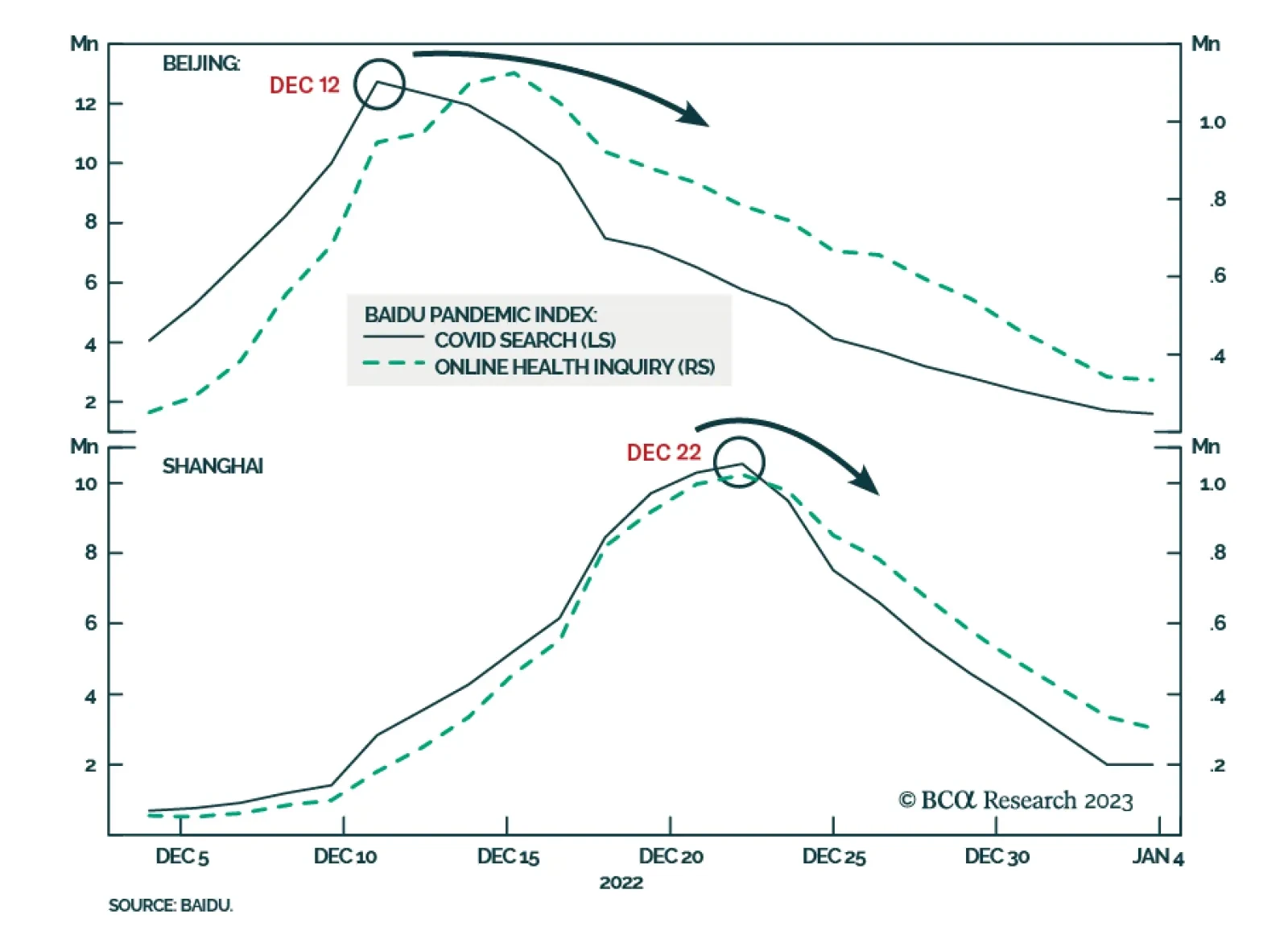
How to play China's reopening? What are the dichotomies in the performance of China's plays in financial markets? Why has the Chinese central bank tightened liquidity since October and what has been the impact on local rates and the RMB? Is global growth about to bottom? What is the outlook for EM stocks, currencies, credit markets as well as the broad-trade weighted US dollar?
China's economic recovery will be led by consumer spending on services rather than the industrial sector. The current equity market leadership – outperformance by tech stocks – is unsustainable. Persistent deflationary forces will compel policymakers to inject more liquidity and bring down interest rates to reflate the economy. Hence, the RMB will resume its decline against the USD soon.
Slowing growth would be bad for equities, but so would stronger growth since it would mean more rate hikes.
In Section I, we note that the global growth outlook has modestly deteriorated over the past month, despite an improving 12-month outlook for Chinese domestic demand in response to the imminent end of the nation’s “dynamic zero-COVID” policy. Investors should remain conservatively positioned over the coming year, as we recommended in our Annual Outlook report. In Section II, we examine whether the structural risks facing global stocks are higher or lower today than they were prior to the global financial crisis, and what that implies for stock and bond risk premia.
Vietnamese stocks can remain shaky for a few more months. But they have cheapened considerably, and equity portfolios with longer terms investment horizon should overweight them in EM, Emerging Asia and Frontier Market portfolios.
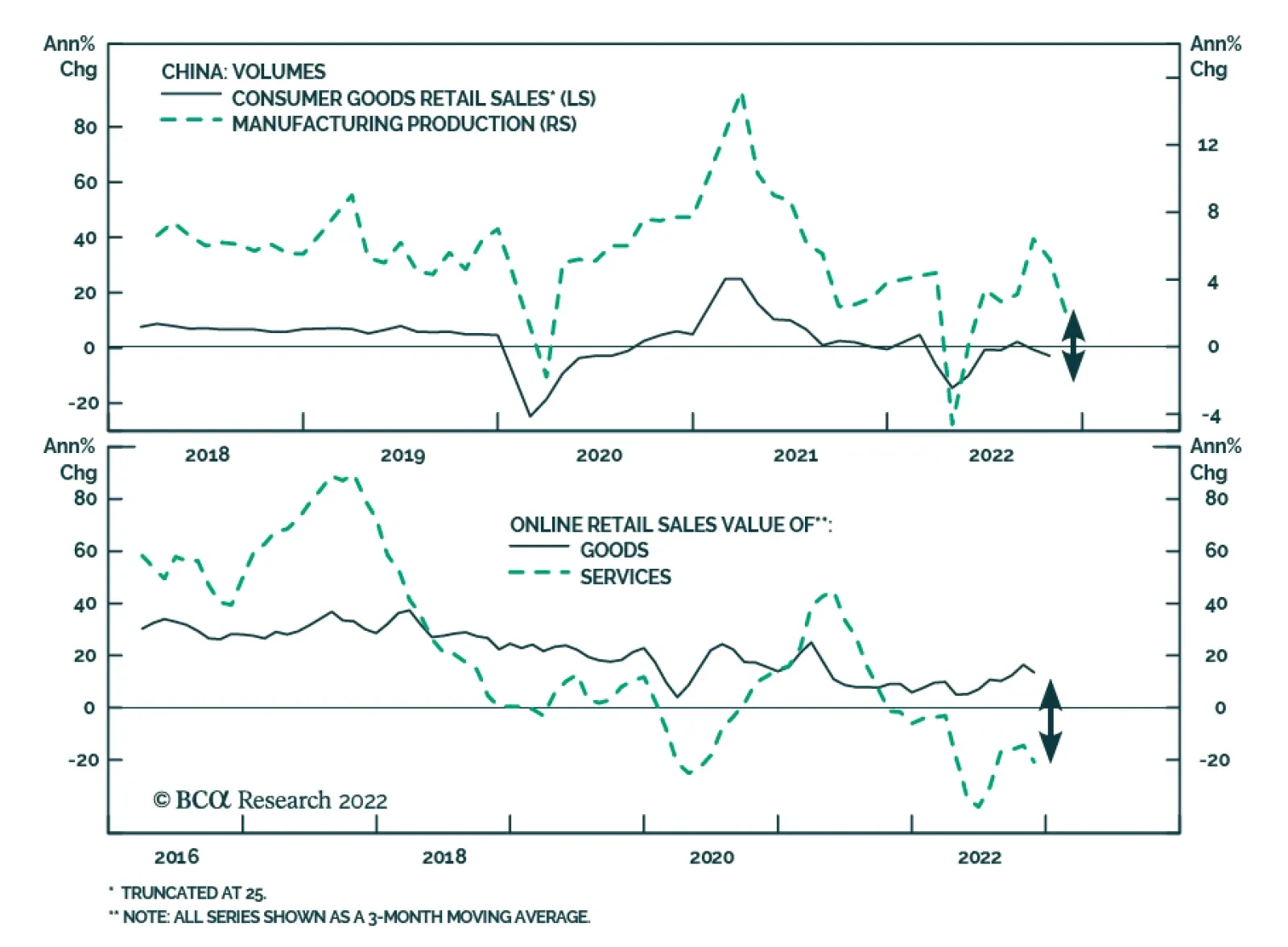
Both the US and China have structural imbalances that need correcting. The former has a structurally imbalanced labour market in which demand far outstrips supply. The latter has a massively overvalued housing market. The concurrent correction of these two structural imbalances in the world’s two largest economies will necessitate a sharp slowdown in global growth, and leads to several investment conclusions.