Equities
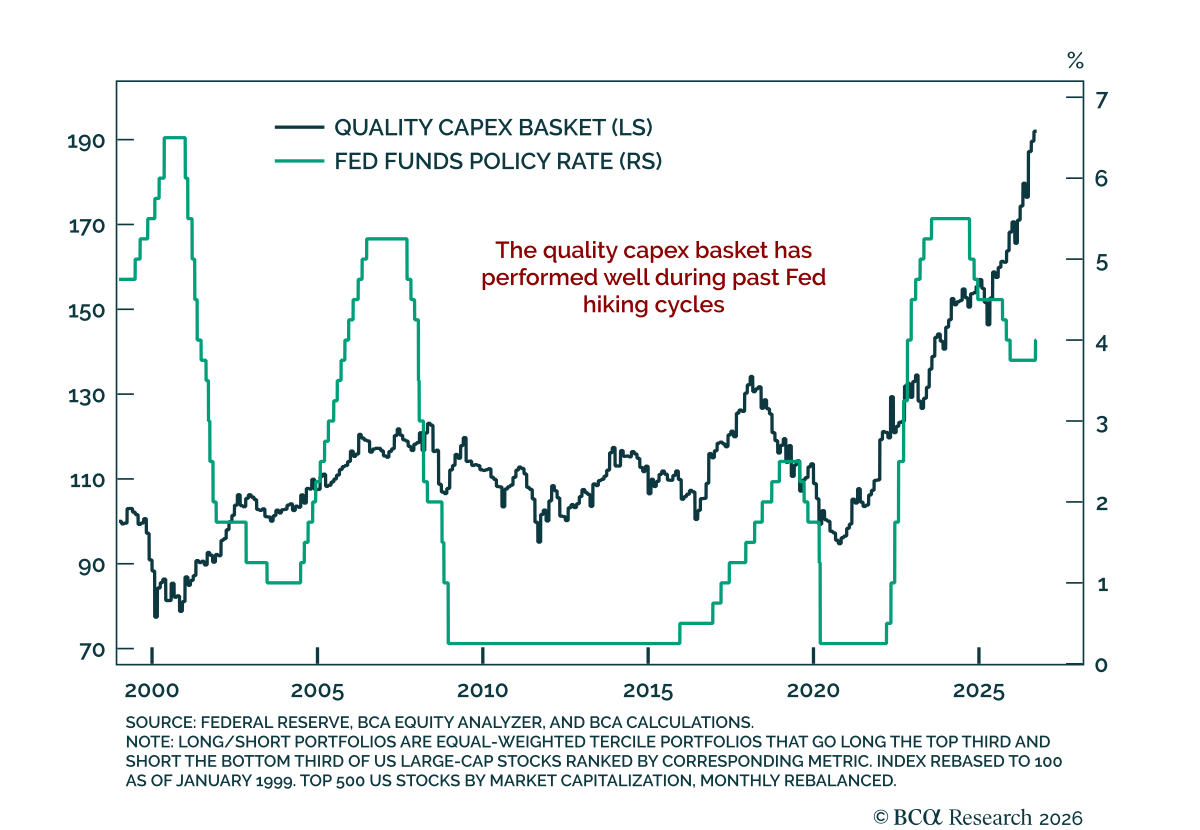
Our US Equity strategists expect stocks to withstand the start of a new tightening cycle. Last week's hike came with a signal of more to follow, but the market has already done much of the adjusting. Valuations compressed ahead of the decision, and the…
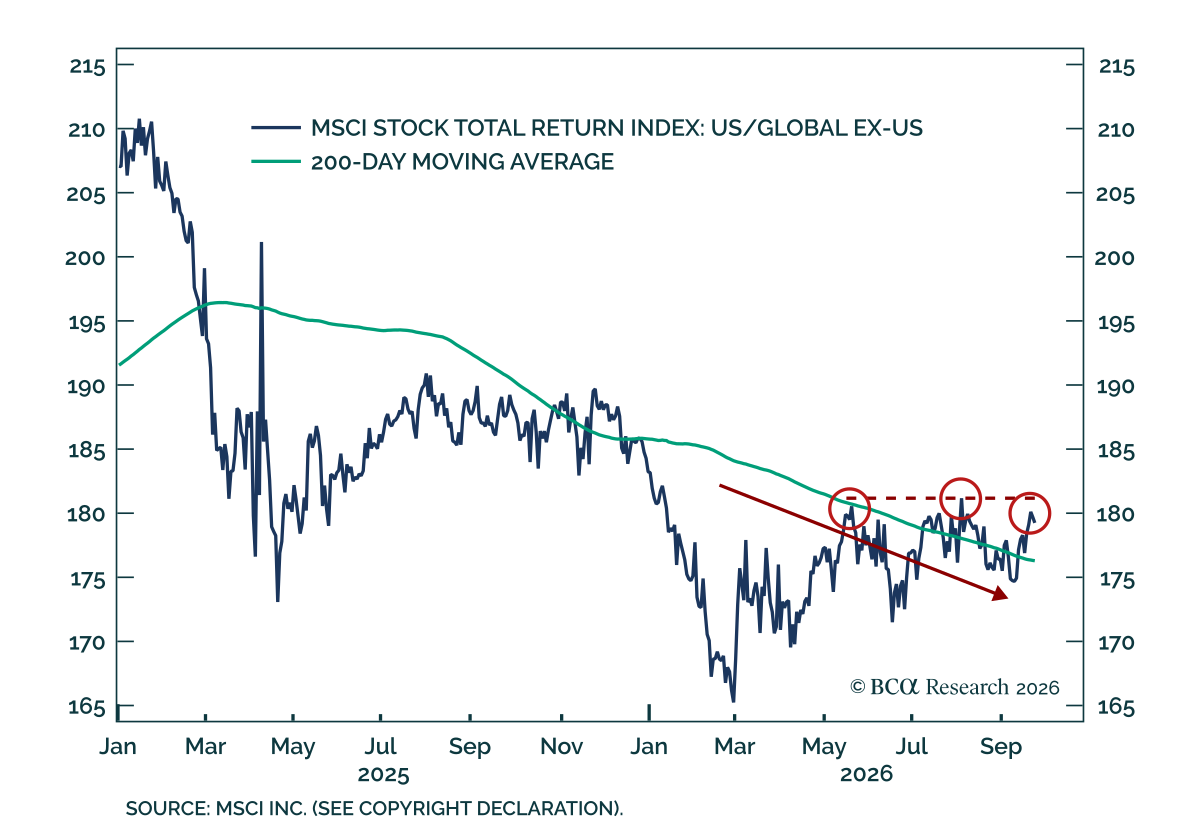
The consensus among BCA's strategists remains overweight equities and neutral across bonds and cash on a 12-month horizon. Within equities, the US moves to underweight relative to MSCI ACWI on a 12-month view; on a 3-month horizon, we remain overweight.…
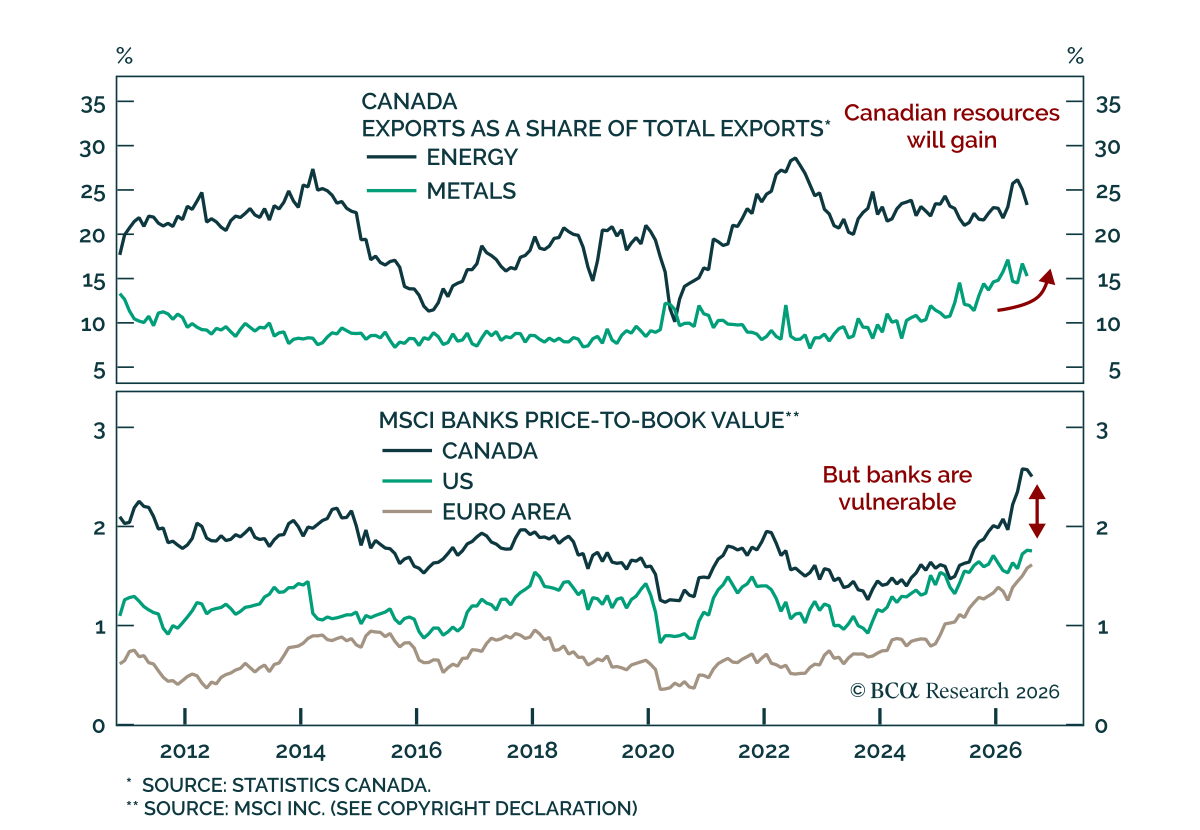
Canadian equities have corrected despite rising commodity prices, as weakness in Energy, Materials and IT has outweighed gains in banks. Energy stocks entered the month with stretched valuations following a strong earnings season, leaving the sector…
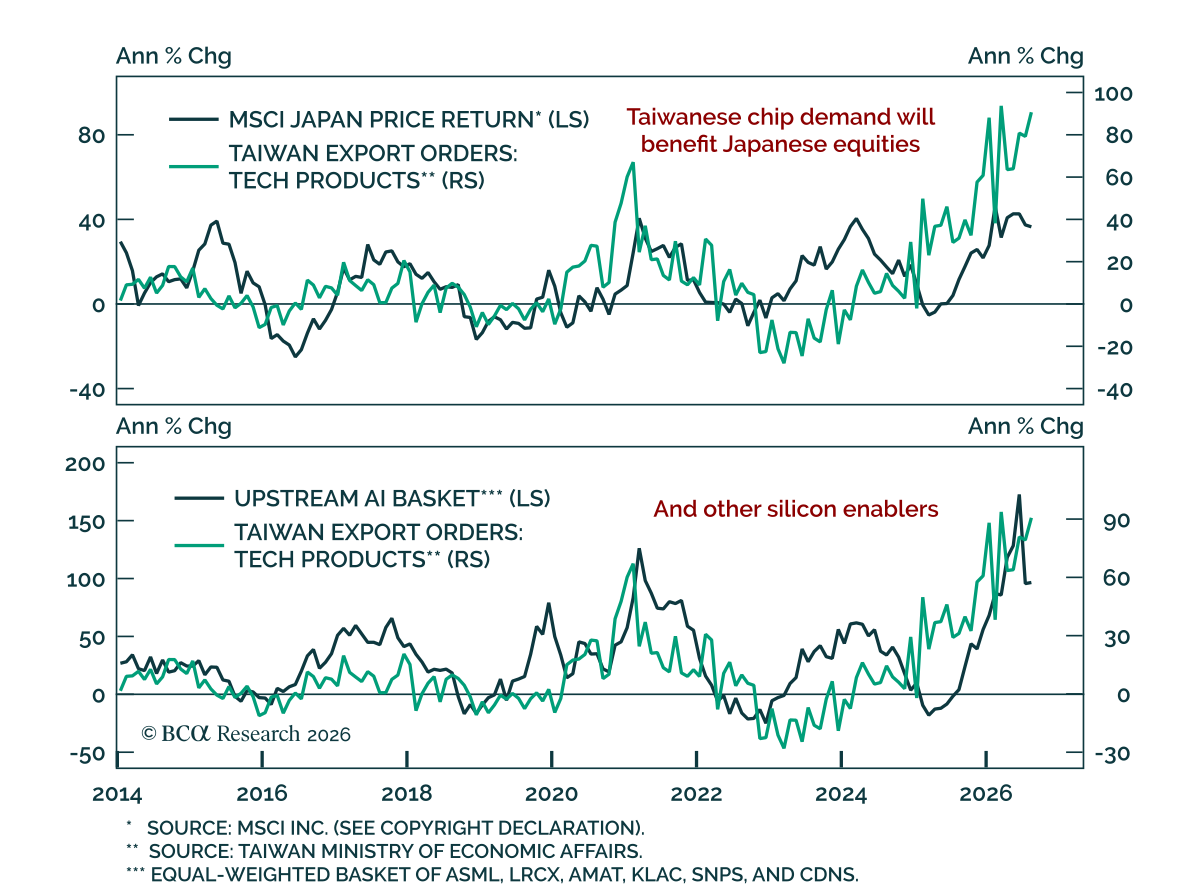
Taiwan’s tech export orders suggest that the global AI investment cycle remains strong, favoring Japan and upstream AI stocks linked to the buildout. Orders are near all-time highs, while the stable inventory-to-shipments ratio indicates that production has…
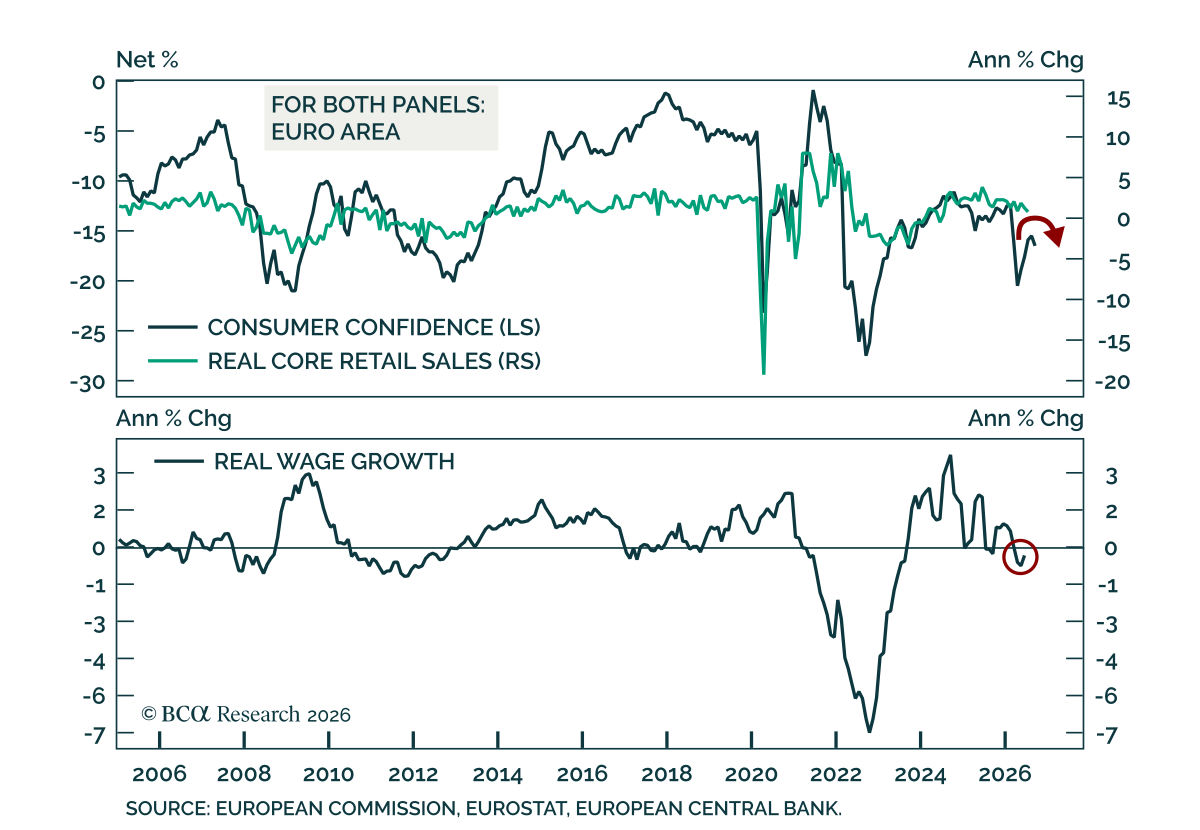
Falling Euro Area consumer confidence and greater energy exposure favor US over European equities near-term. Euro Area consumer confidence fell in September, ending a four-month upswing. The European Commission's flash index dropped 1 percentage point (p.p.)…
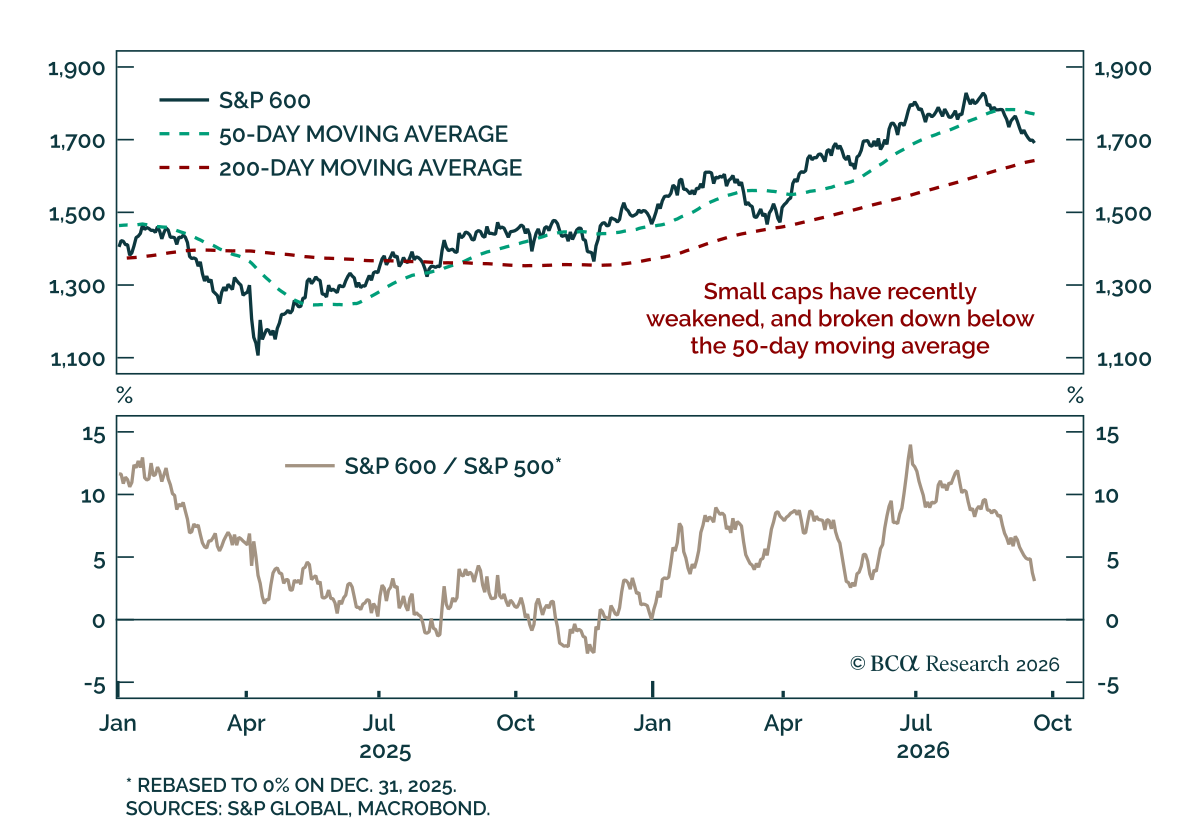
US small caps are coming under pressure. The S&P 600 has fallen below its 50-day moving average after outperforming since late 2025, following roughly five years of substantial underperformance versus the S&P 500. The 200-day moving average is likely…
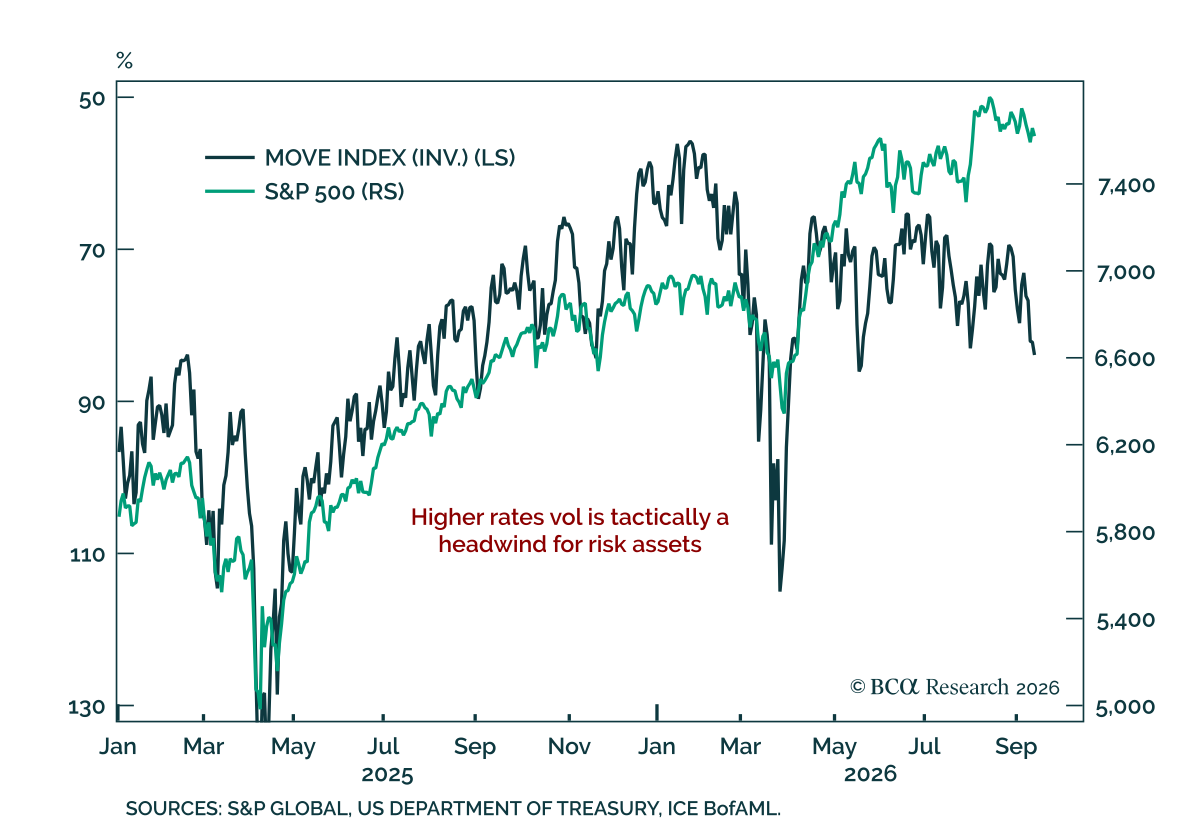
Higher bond yields are becoming a more important risk for equity markets, but the implications depend on whether Fed tightening remains mild or develops into a genuine hiking cycle. At our September Views meeting, our US Bond strategists outlined two…
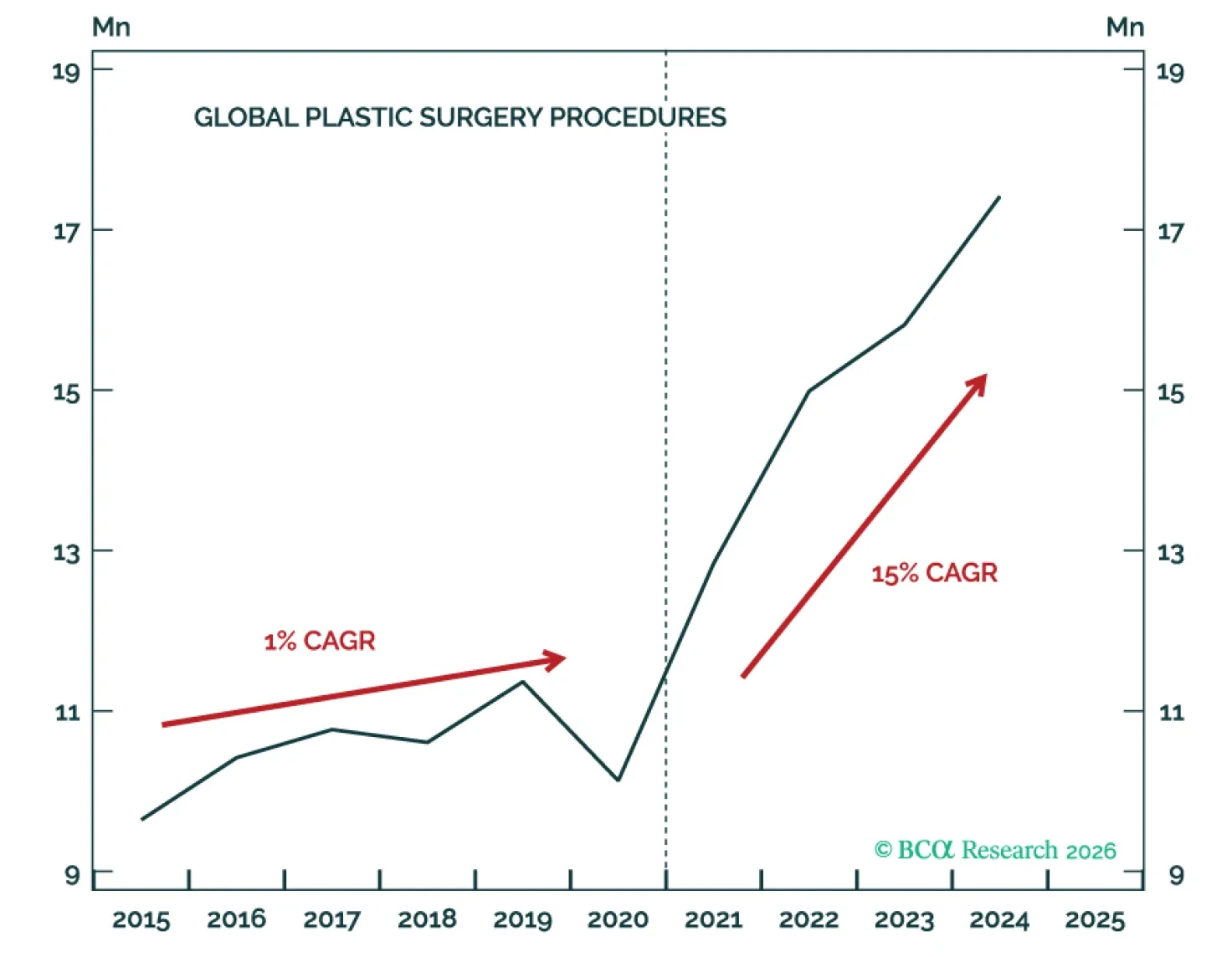
The rise of remote work, online dating, and other demographic changes are increasing the demand for aesthetics. GLP-1s provide an effective and inexpensive cure for obesity, and their secondary effect “Ozempic face” has structurally altered the demand for aesthetic procedures and skincare. Long GLP-1 producers, biostimulator injectable producers, and K-Beauty contract manufacturers.
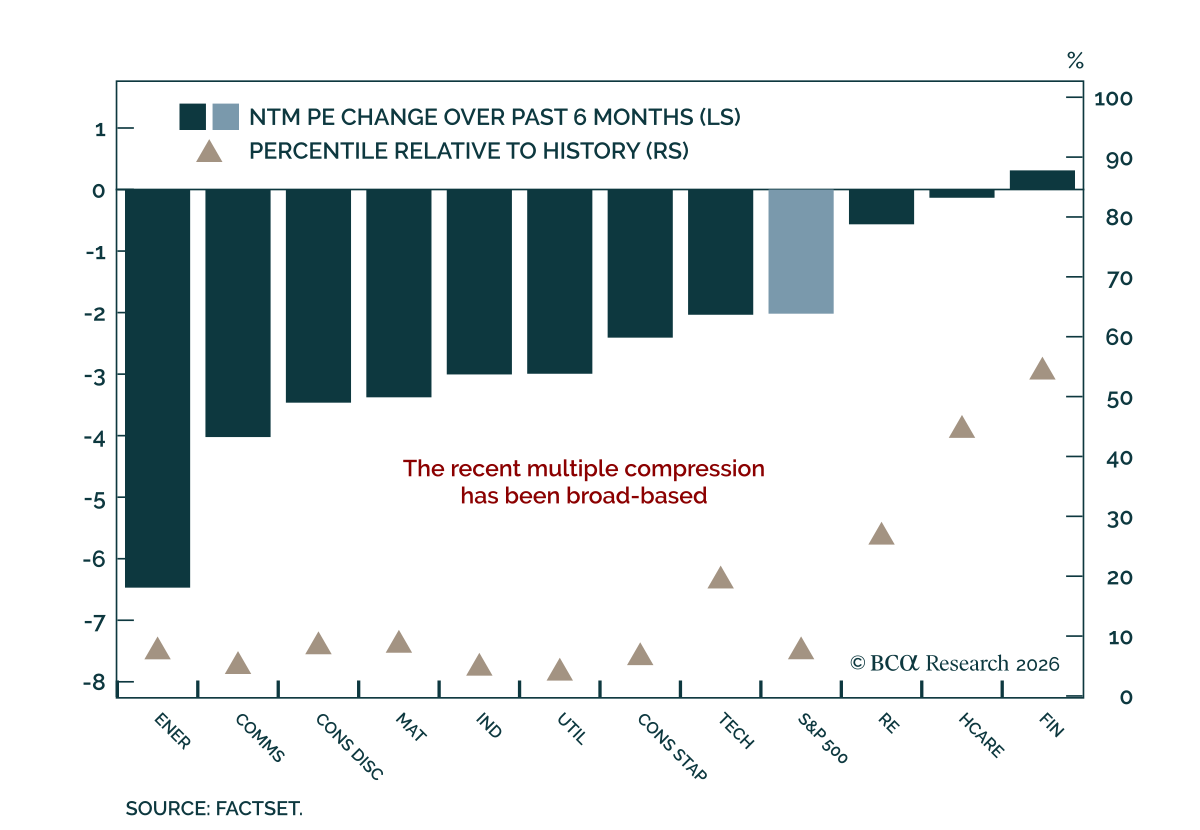
Our US Equity strategists remain constructive on US equities but see the path to their 8100 year-end target as increasingly dependent on earnings, with less scope for multiple expansion to contribute. Higher yields, slower EPS growth and heavy IPO issuance…
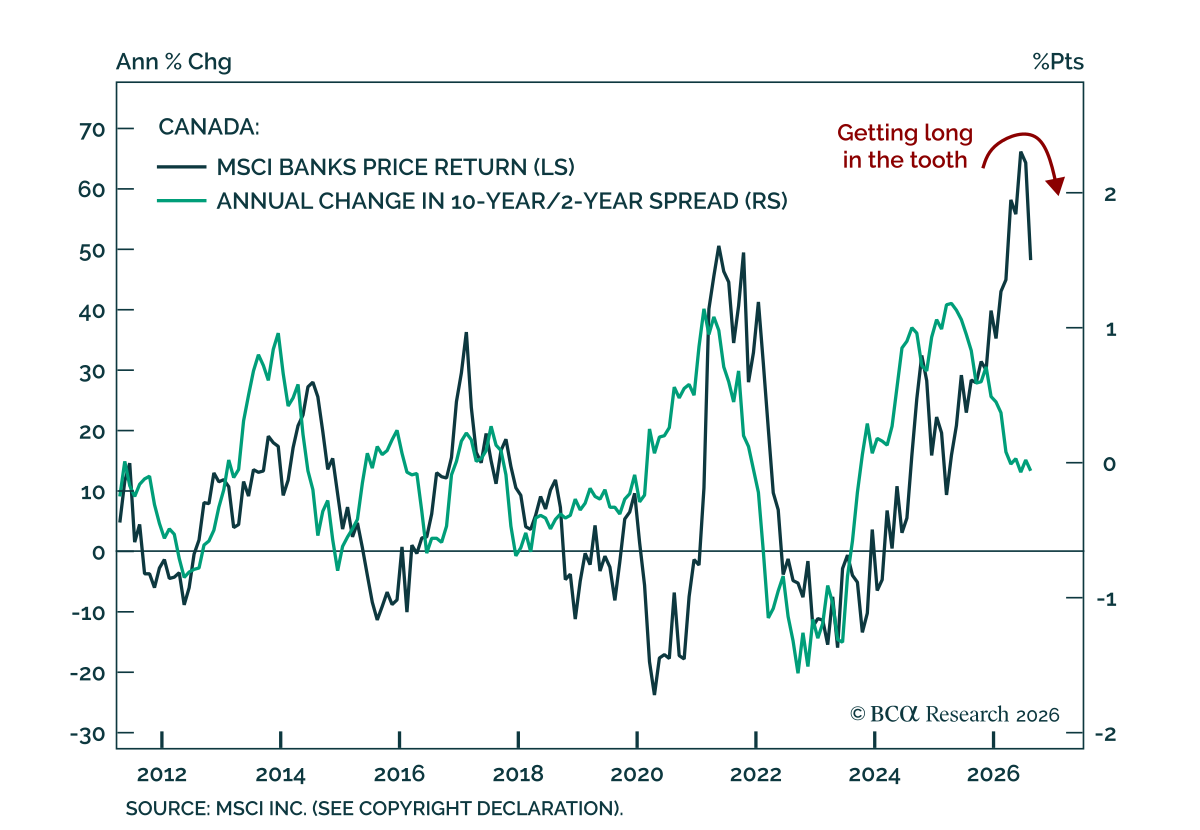
Canadian banks are overdue for a correction as stretched valuations, a weakening housing market and fading support from the yield curve create growing downside risks. Bank equities have continued to surge even as the 2-year/10-year spread has stopped…