Sorry, you need to enable JavaScript to visit this website.
Skip to main content

Equities

According to BCA Research’s Emerging Markets Strategy service, the recent improvement in global manufacturing and Asian exports will likely prove to be a mid-cycle amelioration rather than a cyclical recovery. Global trade/manufacturing is the key driver…

The combined US credit impulse and fiscal thrust indicator will likely relapse in 2024, heralding growth weakness. Stalling US sales volume and falling inflation, combined with sticky labor costs, will herald a non-trivial profit margin compression. The recent increase in Asian exports will likely prove to be a mid-cycle improvement rather than a cyclical recovery.

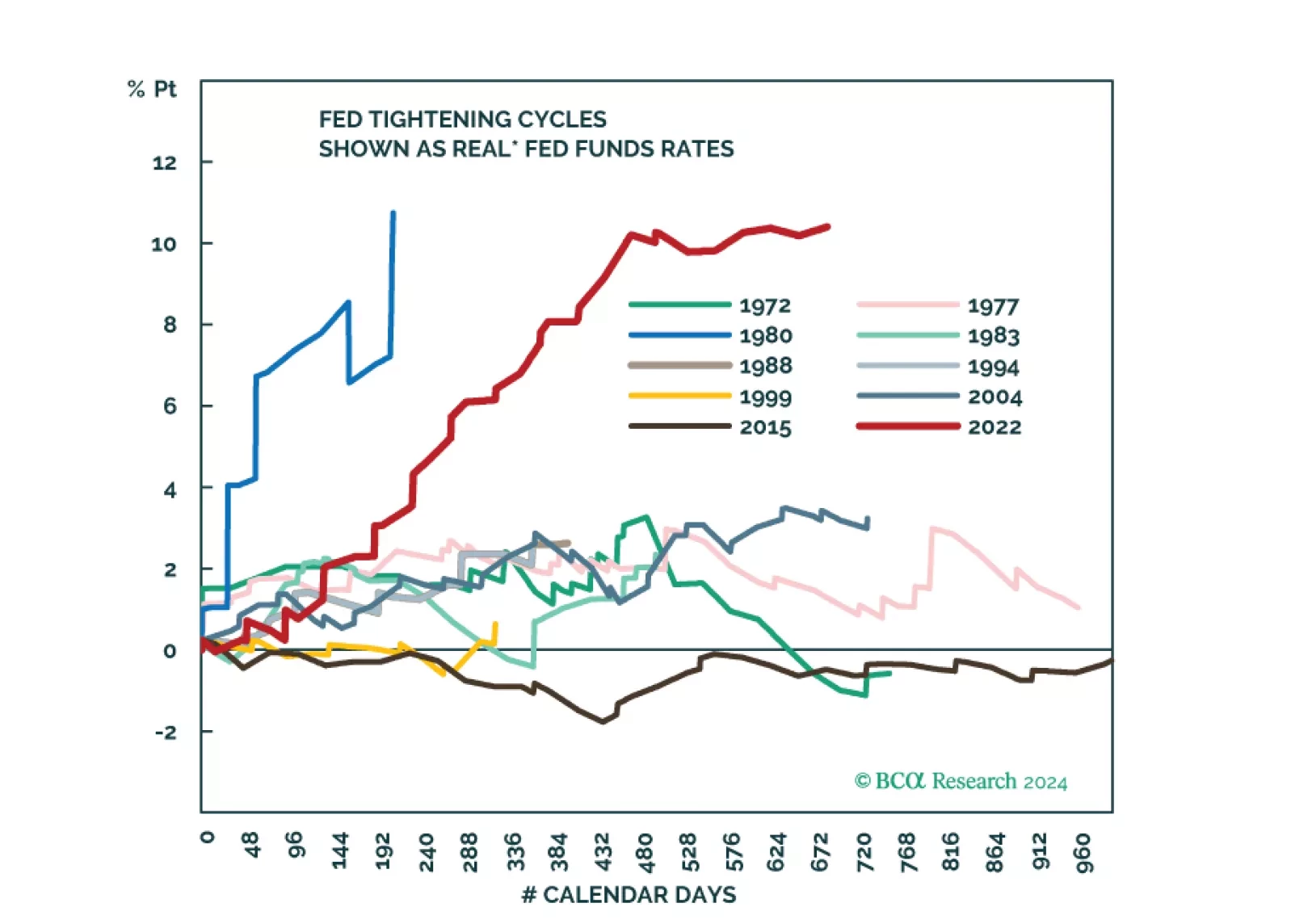
The Fed faces a dilemma. Cut rates early to avoid a recession, but at the risk of not slaying wage inflation. Or, not cut rates early to ensure that wage inflation is slayed, but at the risk of a downturn. Faced with such a dilemma, the lesser evil is to slay wage inflation even at the risk of a downturn. Meaning that the market has overpriced early rate cuts. We discuss some other investment implications, and identify two rebound candidates.

The Santa Claus rally started in late October lifting the S&P 500 by 15.8%. However, there are signs that the rally is getting tired. Consider the following: The S&P 500 has been trading at around 4,750 since the middle of December. …
S&P500: Should Investors Buy The Dip? …

The market’s pricing of a soft landing means that geopolitical risks are becoming more, not less, relevant in 2024. US domestic divisions will invite challenges as foreign powers rightly fear that US policy will turn more hawkish after the election.

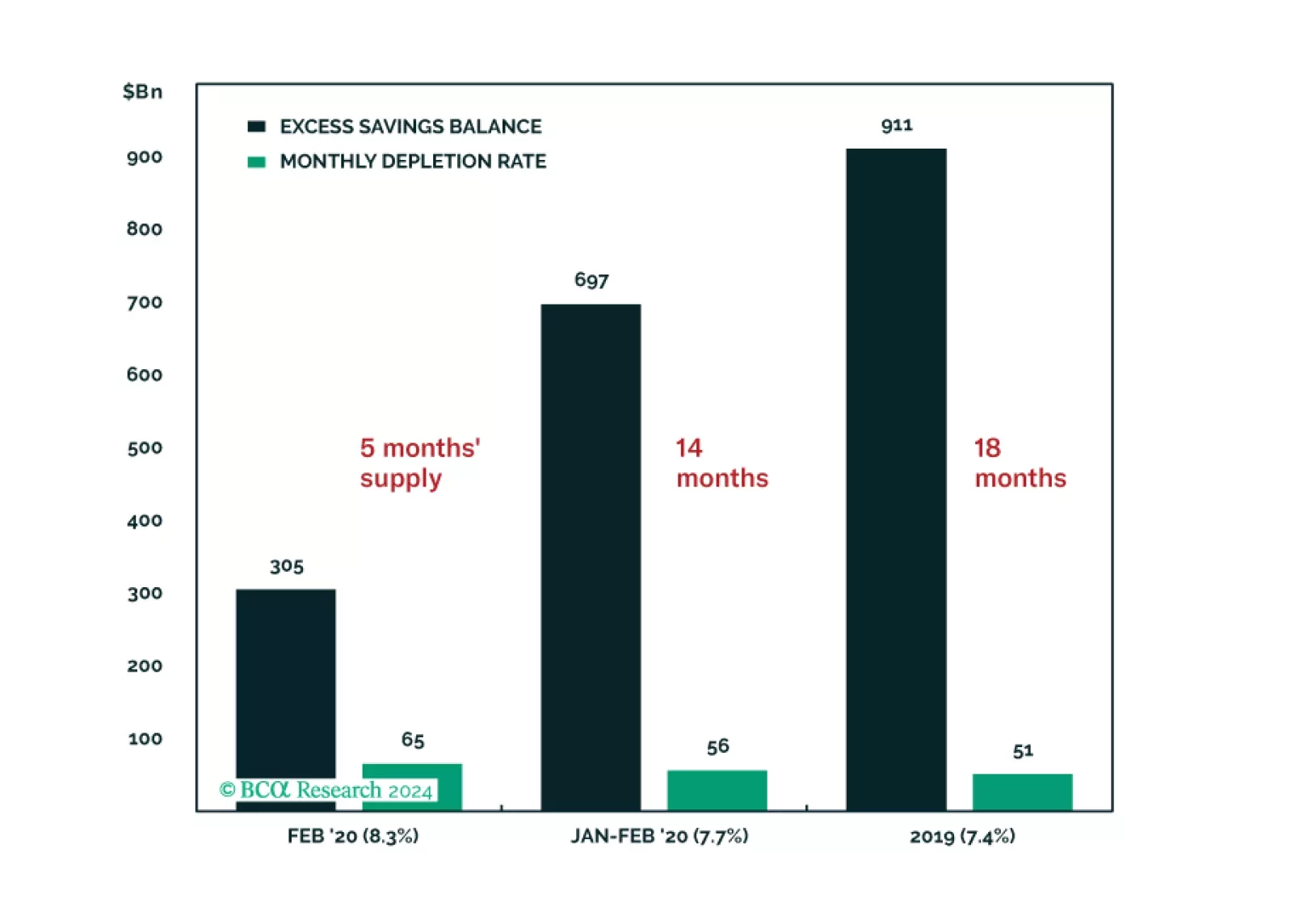
Growth in US disposable income has outpaced inflation nearly every month since mid-2022. Consumption is principally driven by income, but in the US it has gotten a meaningful assist the last two years from the drawdown of excess savings accumulated over the…
The S&P 500 has started off the new year on a weak footing, dropping by 1.5% in the first week of January.  Indeed, by the end of 2023, several indicators were warning that conditions were becoming bearish.  In particular, investors have…

A low multiplier effect of stimulus will reduce the magnitude of the rebound in China's business activities in 2024. The housing market downturn will likely persist, and the ongoing household deleveraging also poses a significant challenge to China’s economic recovery.

Despite the blah opening to the year, we do not think stocks have reached an inflection point. We expect that incoming data will continue to flatter the soft-landing narrative for another couple of months, helping the S&P 500 to establish a new all-time high before the rally runs out of steam.