Europe
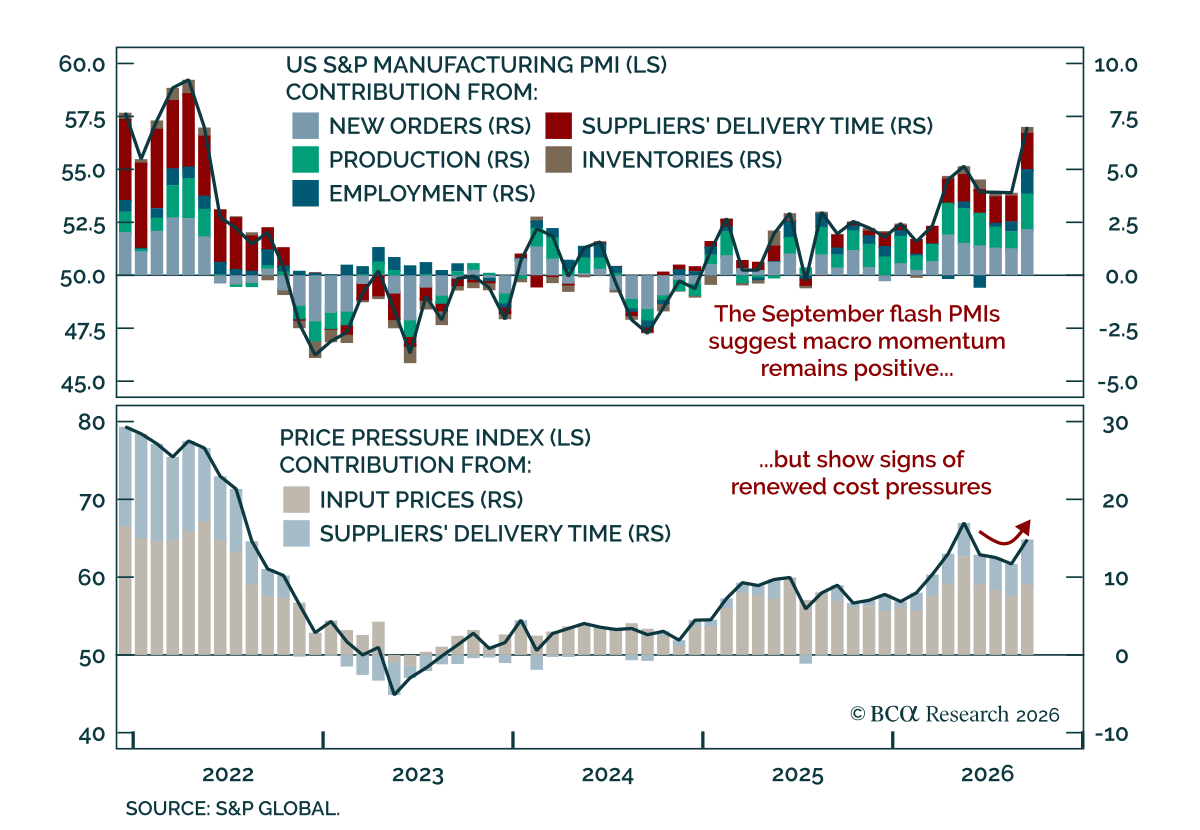
September's flash PMIs show the US economy remains resilient to persistently high energy prices and higher rates. The composite index rose to 58.4 from 56, its highest level since 2021. Manufacturing and services both came in well above consensus.…
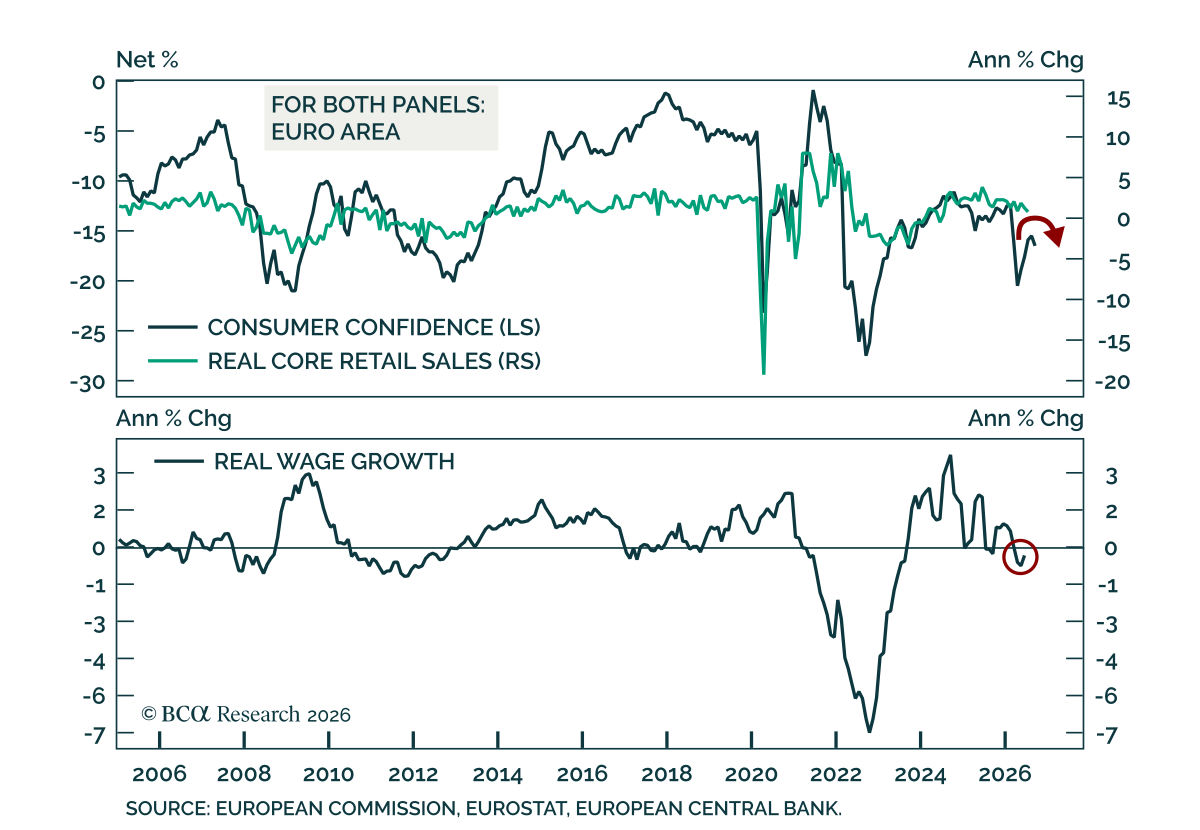
Falling Euro Area consumer confidence and greater energy exposure favor US over European equities near-term. Euro Area consumer confidence fell in September, ending a four-month upswing. The European Commission's flash index dropped 1 percentage point (p.p.)…
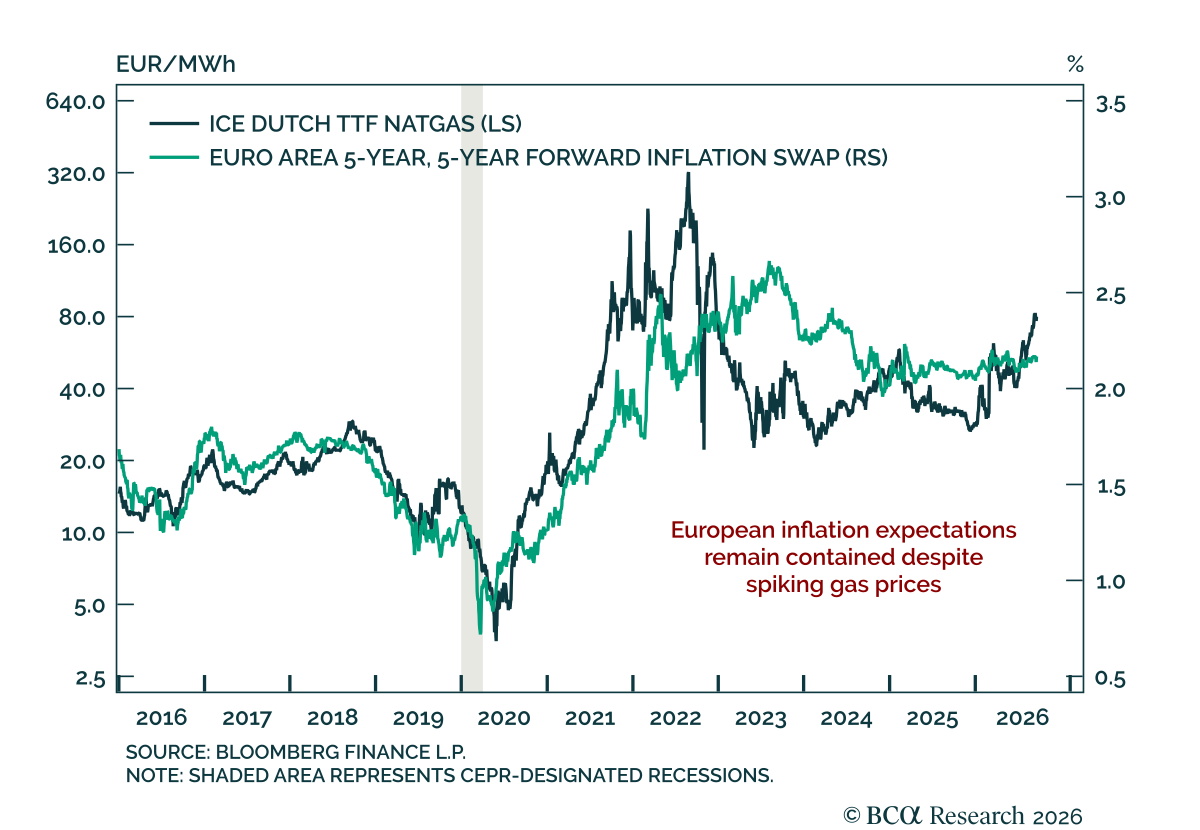
European natural gas prices have surged above recent highs, but the absence of a corresponding rise in longer-term inflation expectations argues against the ECB hiking deeply into restrictive territory. ICE Dutch TTF prices, the European benchmark, have moved…
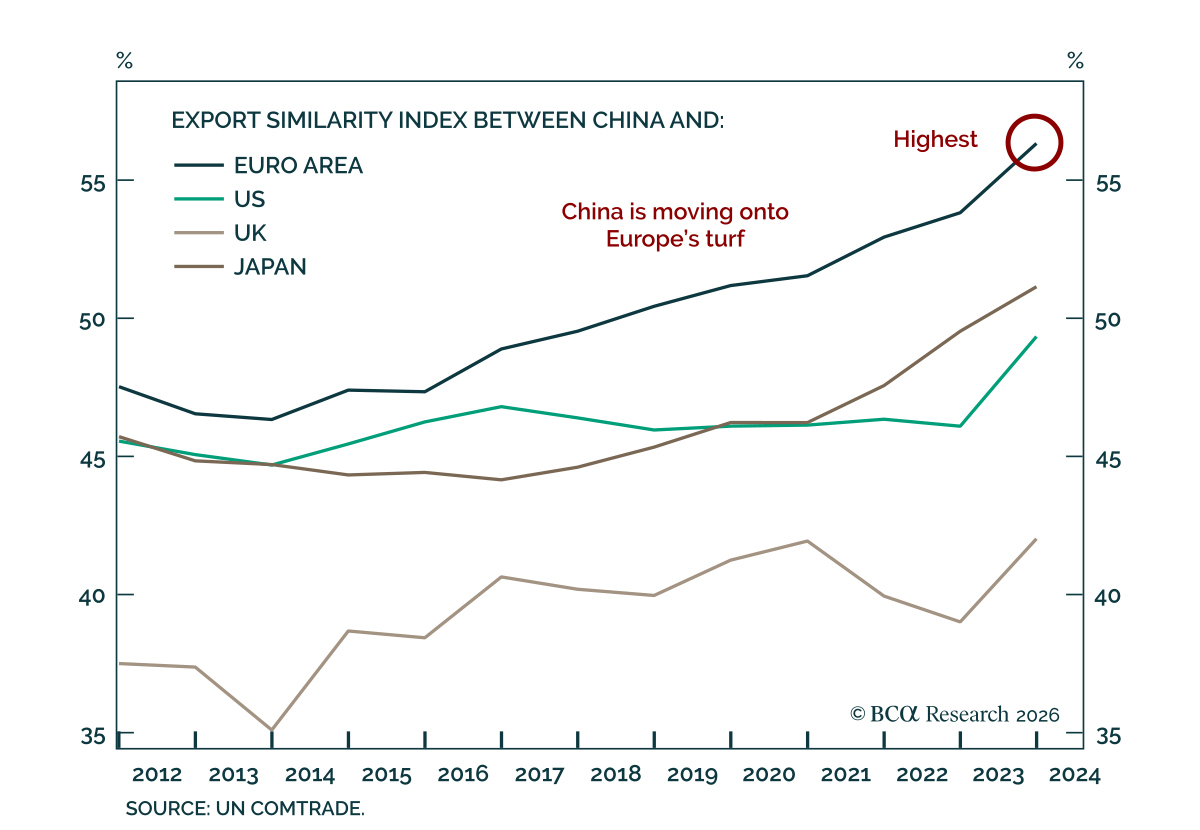
China’s rise up the industrial value chain is creating a structural challenge for Europe. Our Chart Of The Week comes from Jeremie Peloso, Chief European Strategist. China shock 1.0 largely benefited Europe. China supplied cheap labor and low value added…
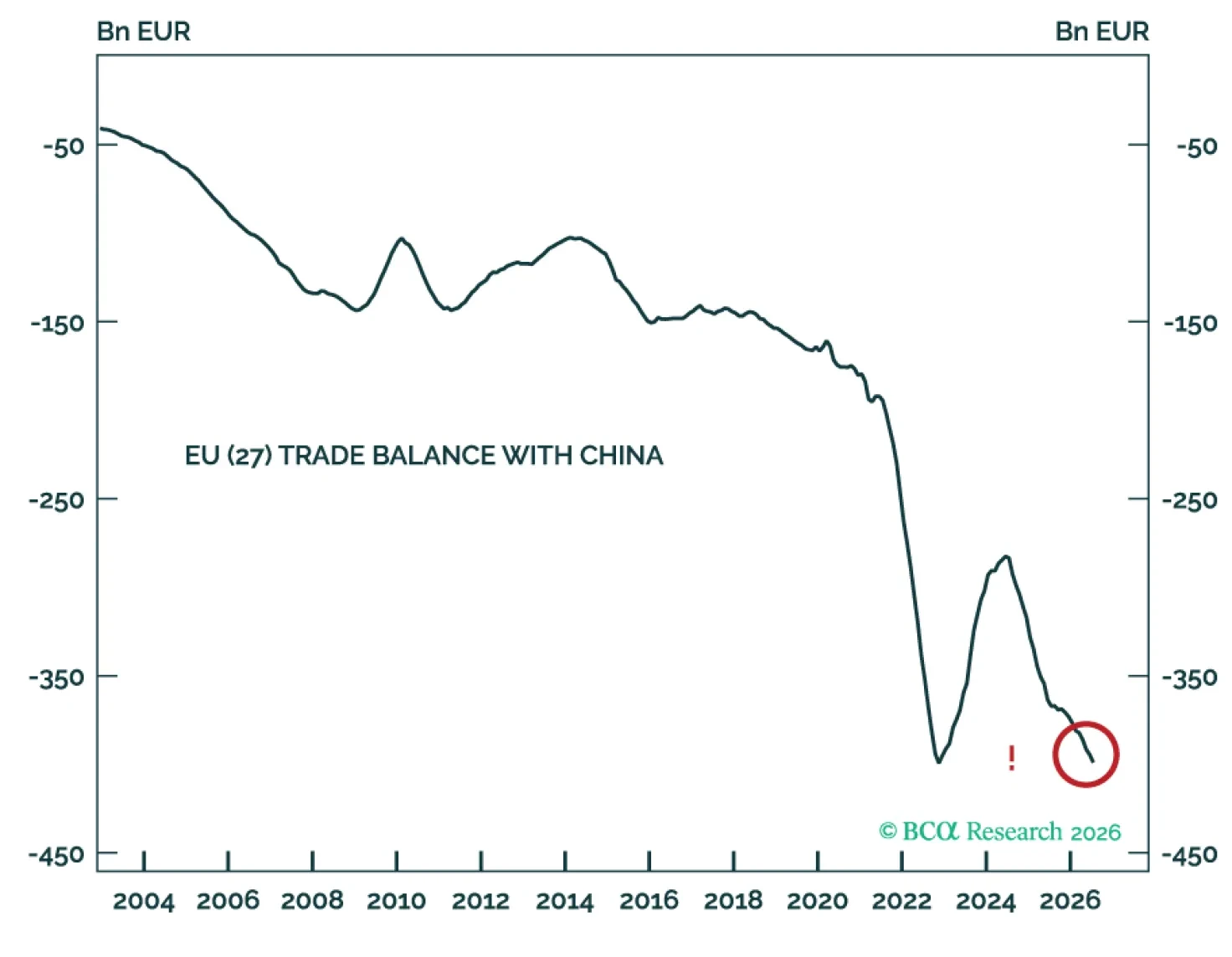
China shock 2.0 threatens Europe’s industrial core, but it is also forcing a long-overdue response. China stands to lose more than the EU from the coming confrontation. Beijing cannot afford to alienate Europe while its domestic demand remains weak. Europe, meanwhile, can turn protectionism into a stronger fiscal multiplier and an industrial revival.
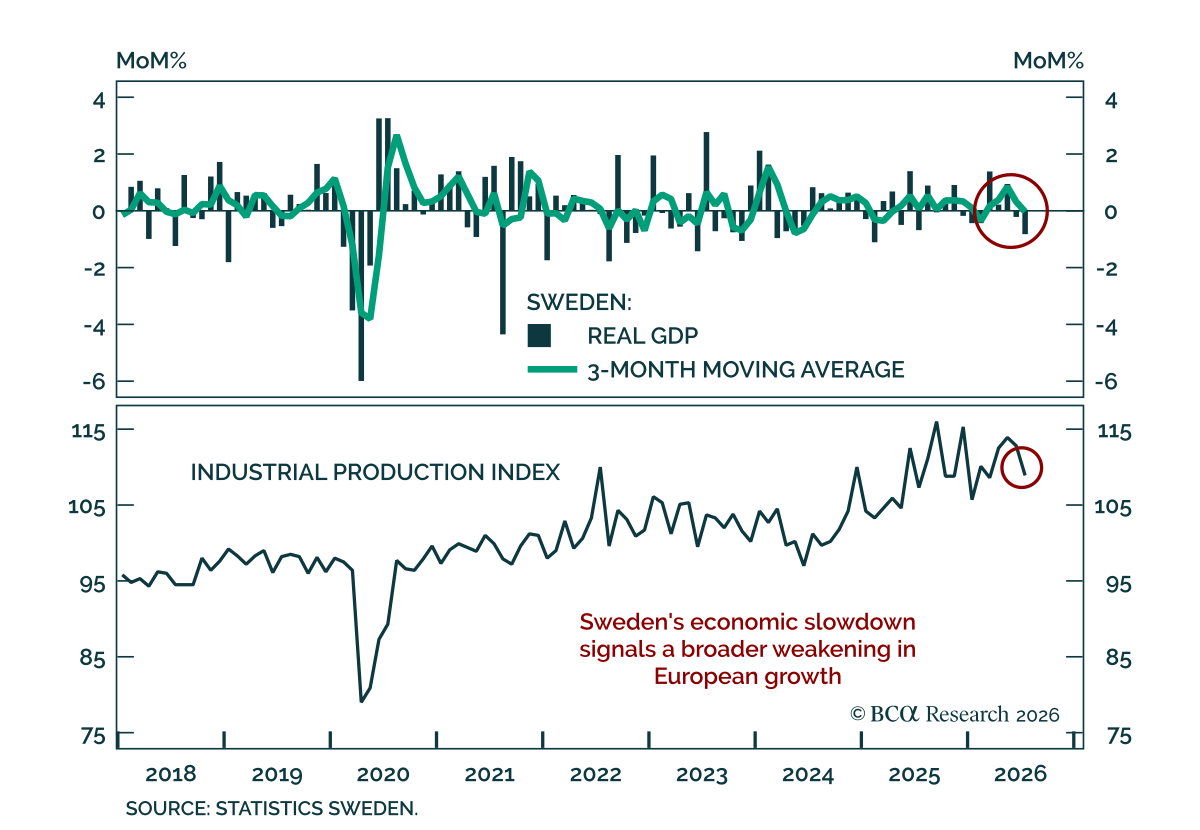
Sweden's economy is sending an ominous signal. GDP contracted 0.8% m/m, dragging the three-month moving average to zero, with industrial output as the primary drag. As our European and FICC teams have noted, the Swedish industrial cycle has been slowing…
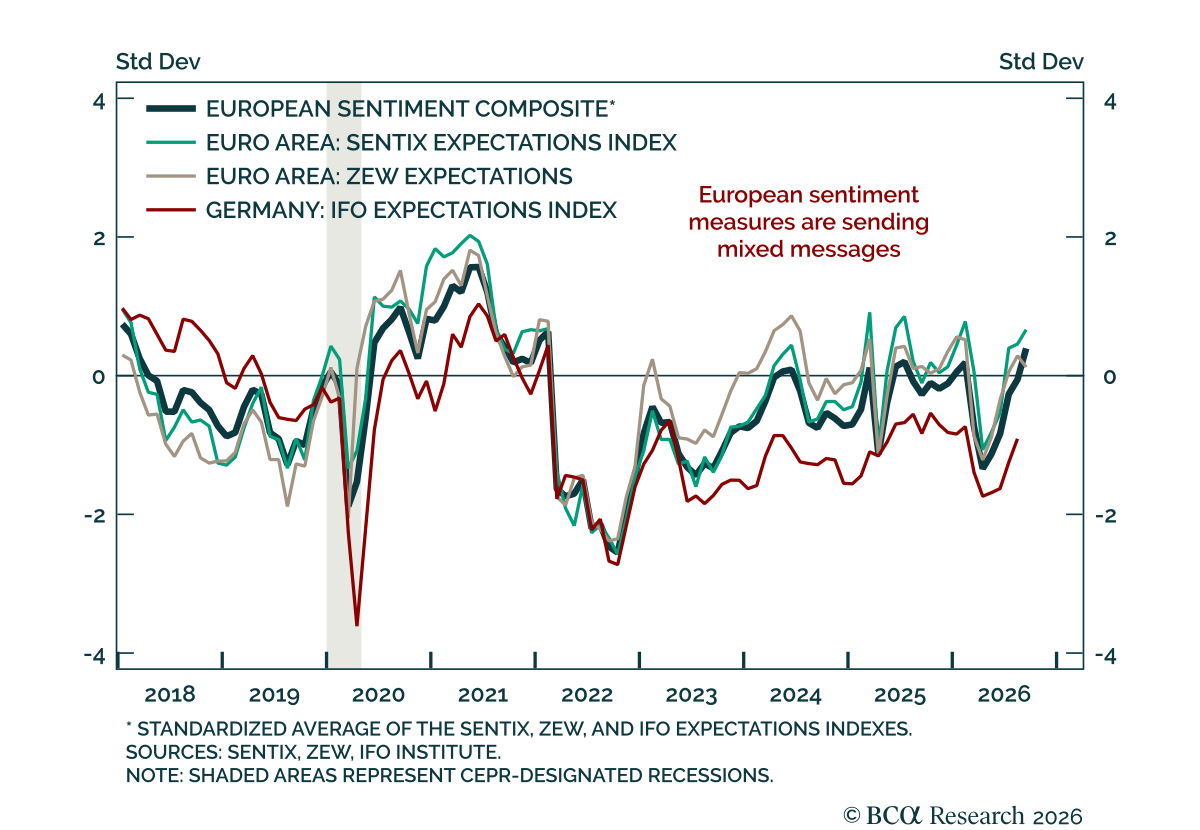
The September ZEW survey sent mixed signals, reinforcing our view that European growth momentum is unlikely to accelerate materially and supporting an overweight on Bunds. Euro area expectations fell to 25.8 from 31.4. In Germany, expectations missed…
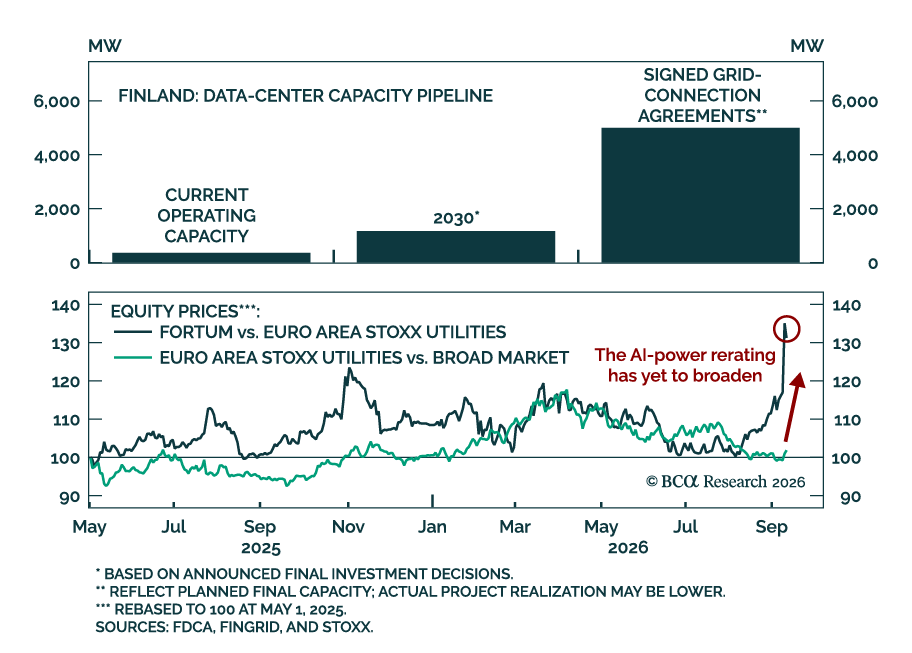
Europe’s AI buildout is creating a new source of structural power demand. Our Chart Of The Week comes from our analyst Eugenia Pan, and shows why this trend is favoring utilities with reliable low-carbon power. Finland offers an early example. While its…
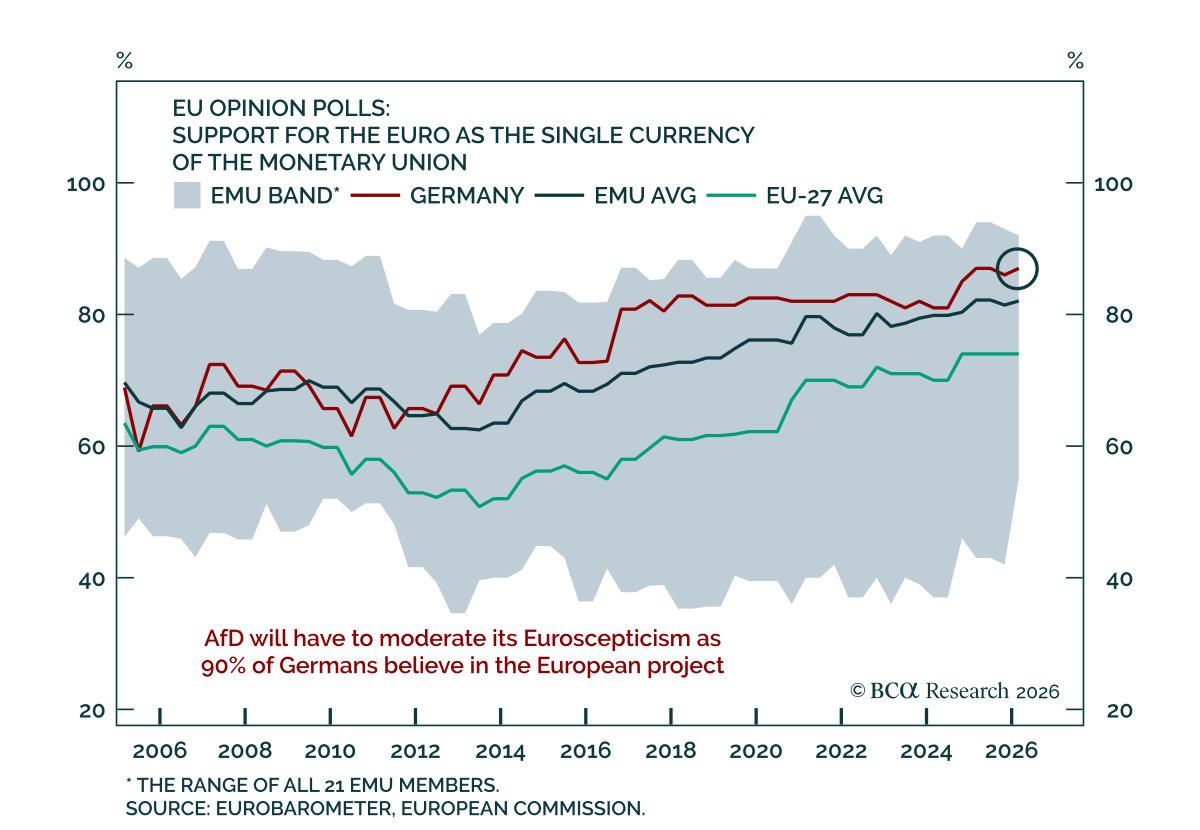
Our GeoMacro strategists think the AfD’s historic victory in Saxony-Anhalt is being overinterpreted, with national leadership still far away. The party fell short of a majority and will face constraints even at the state level. While the AfD has national…
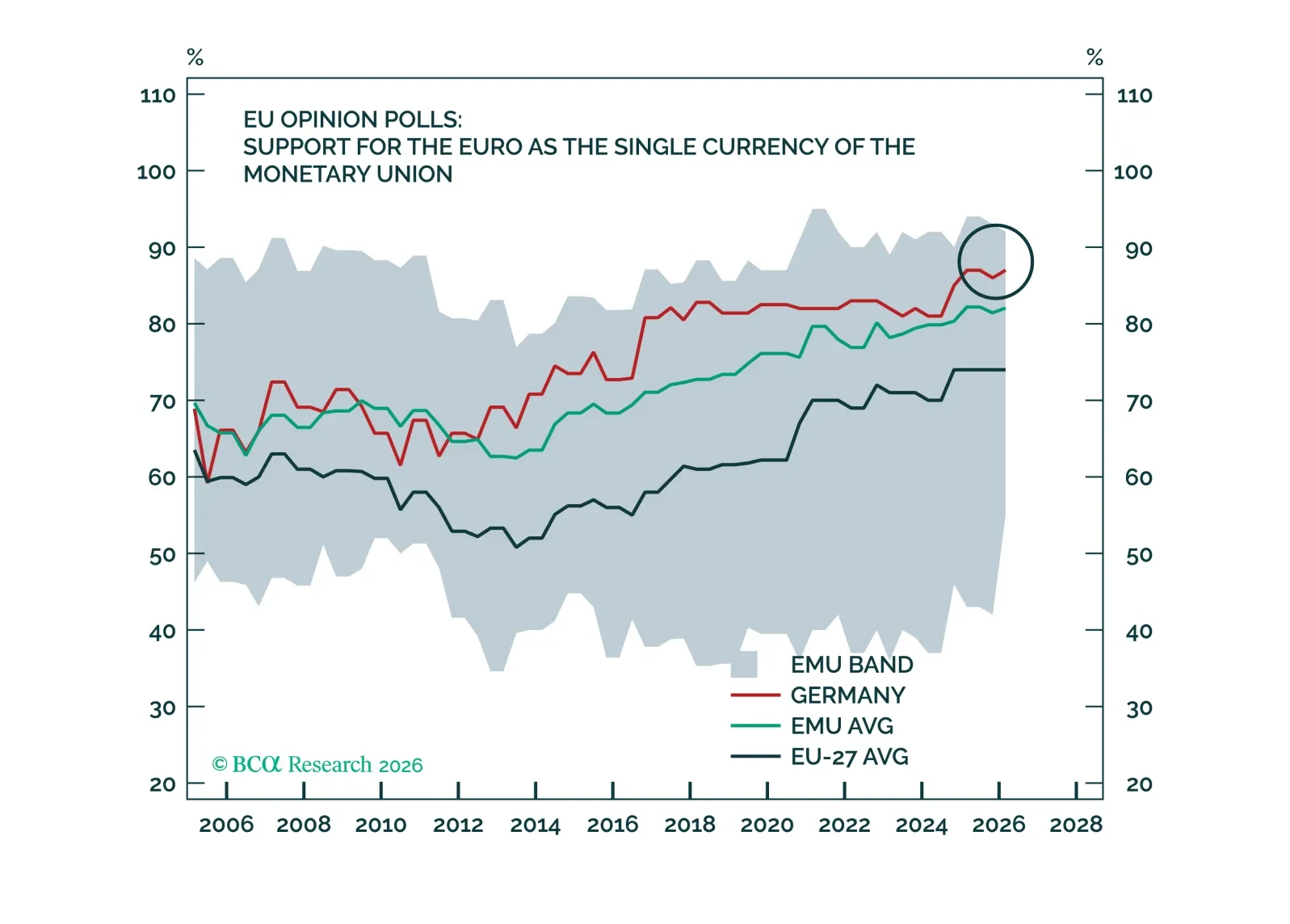
Alternative for Germany’s election win in the state of Saxony-Anhalt is overrated.