Fixed Income
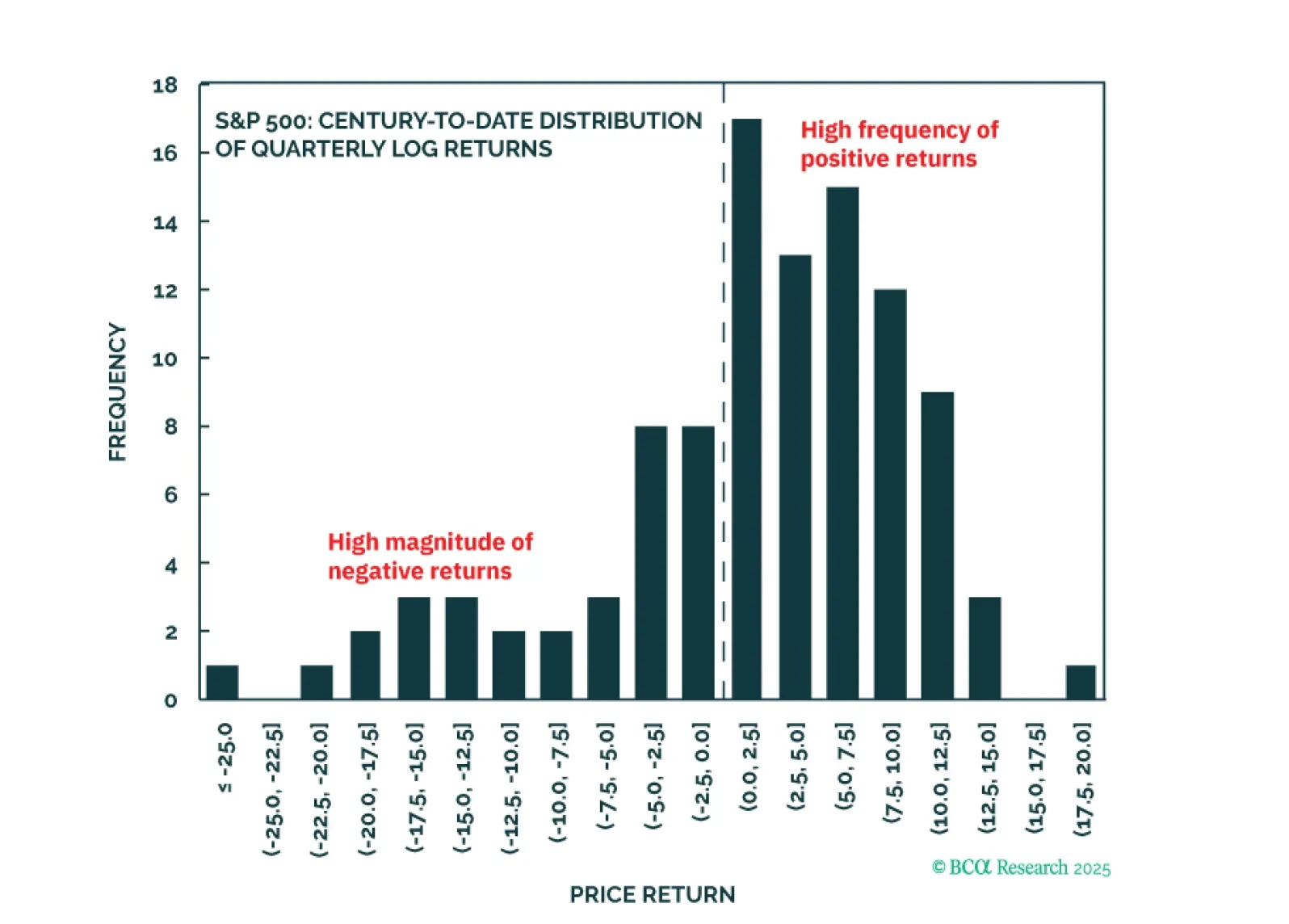
Asset allocators must pay attention not only to the magnitude of an asset’s expected returns but also to its shape, a concept technically known as skew. Adding skew into our analysis moves our equity allocation up to neutral while bonds remain at underweight. Plus: a new tactical trade is to buy sugar.
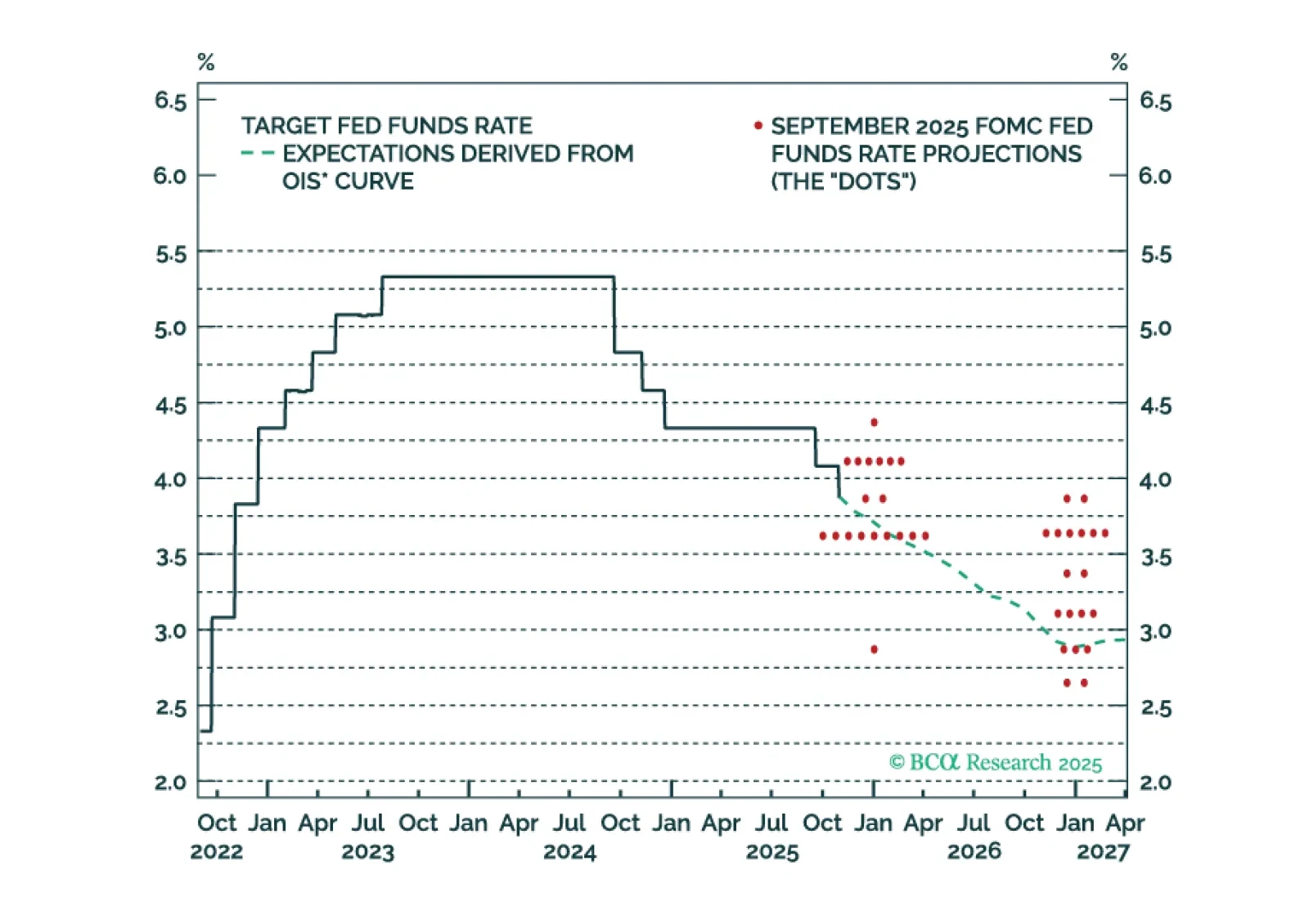
The Fed cut rates today, but a follow-up rate cut in December is uncertain. It will depend, in large part, on who wins a debate about the neutral rate of interest.
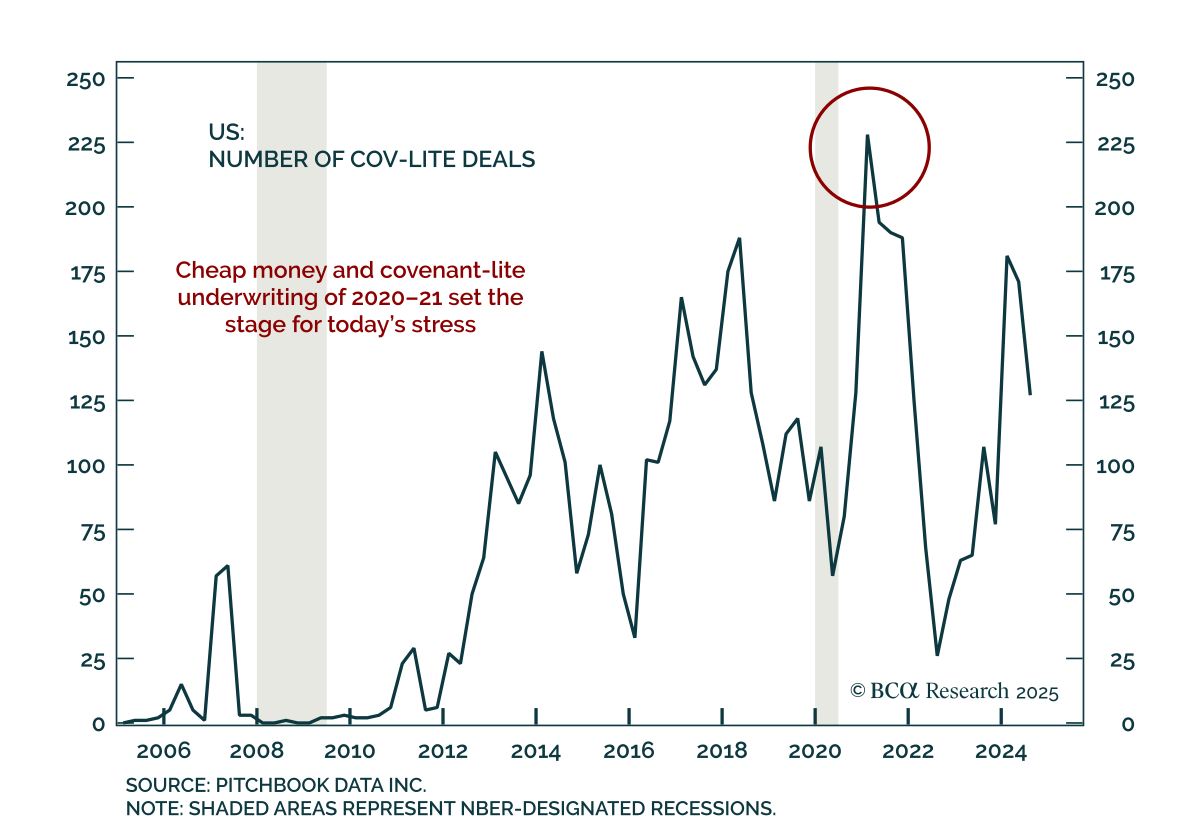
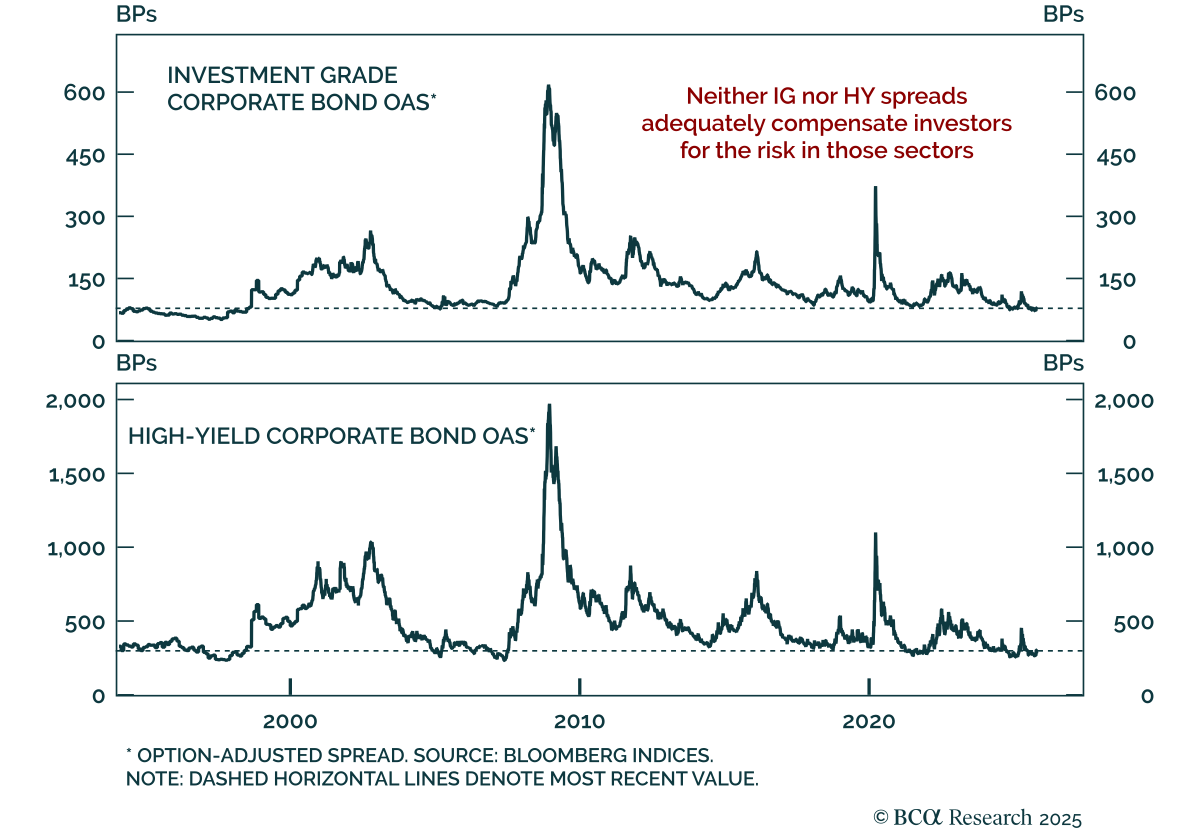
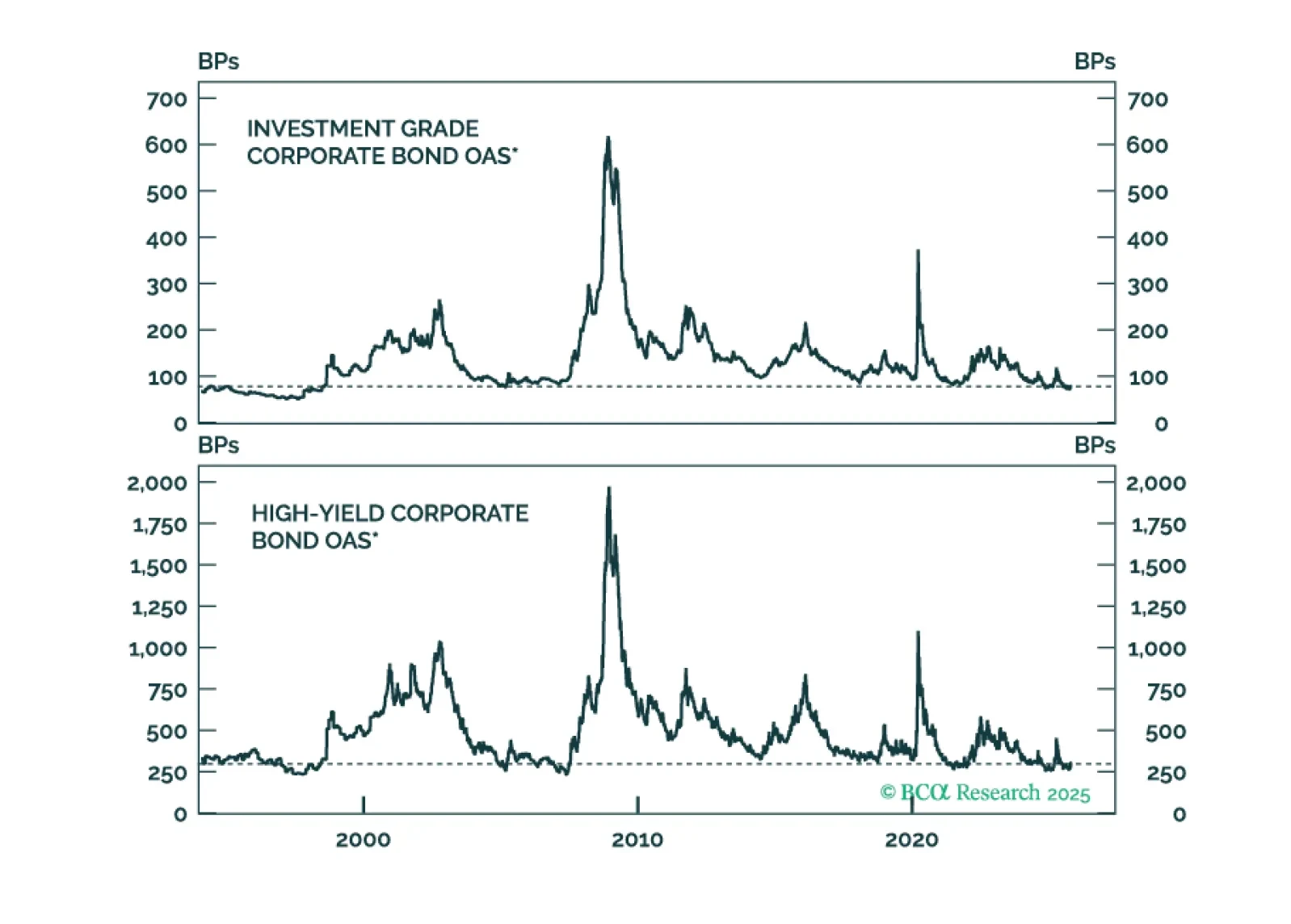
This week’s Special Report evaluates the reward and risk in corporate bonds. We address the question of whether low expected excess returns today are justified by low risk or an example of overvaluation.
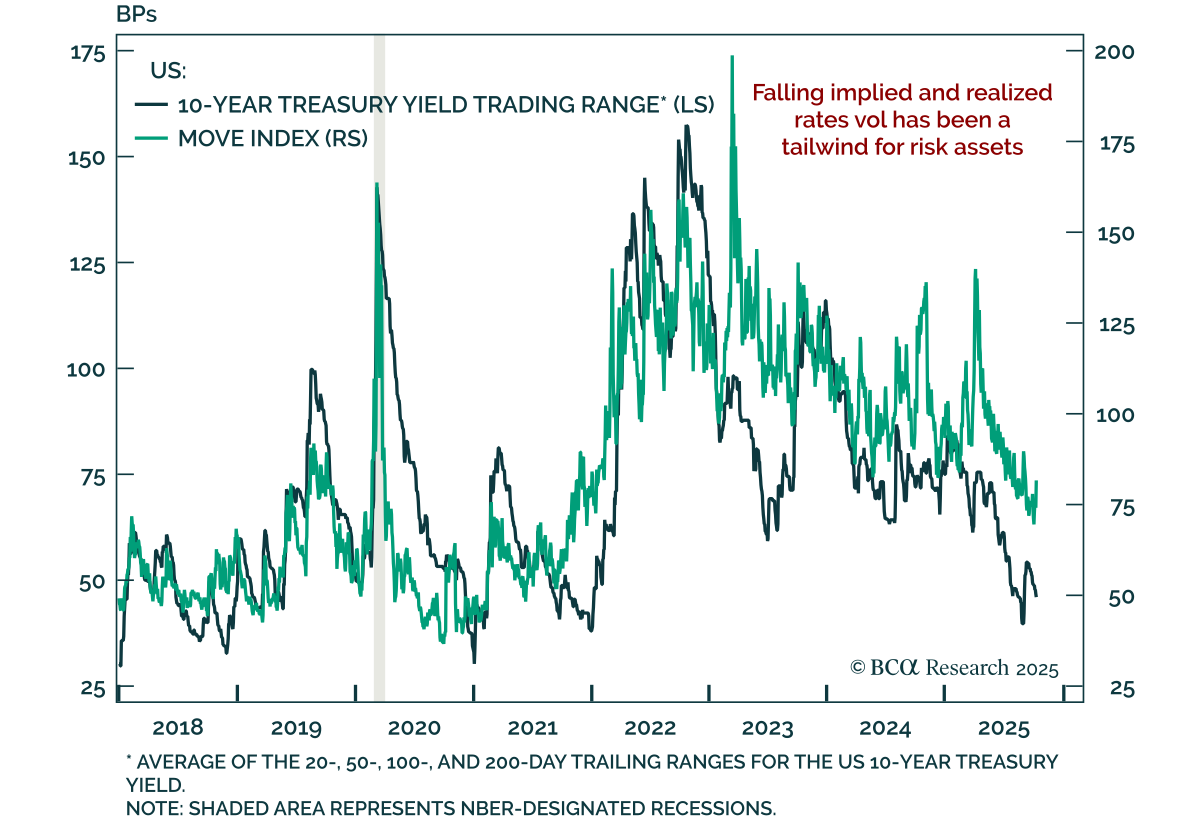
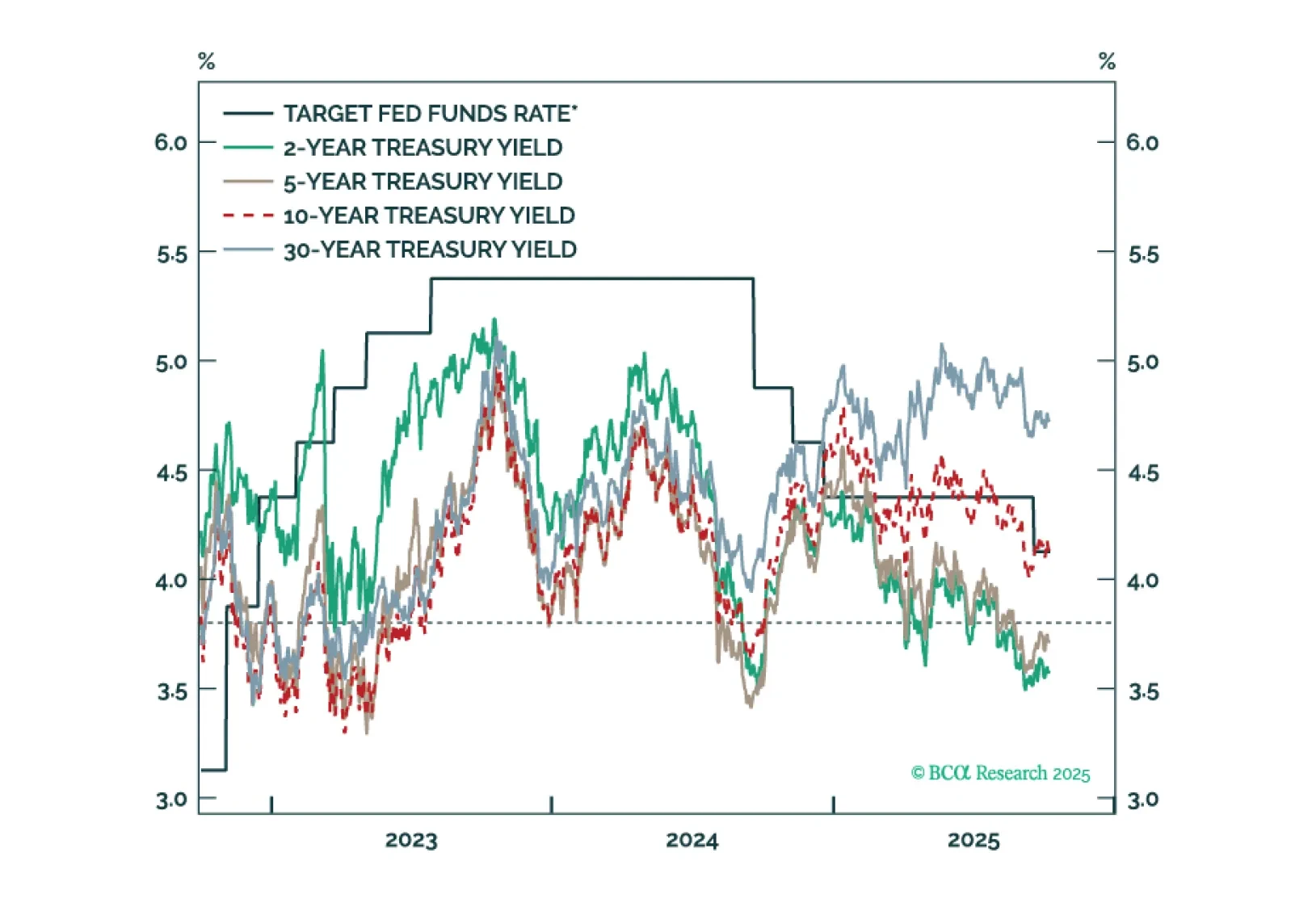
Treasury yields are generally following the pattern of past interest rate cycles, but with a larger term premium keeping the curve steeper than usual.
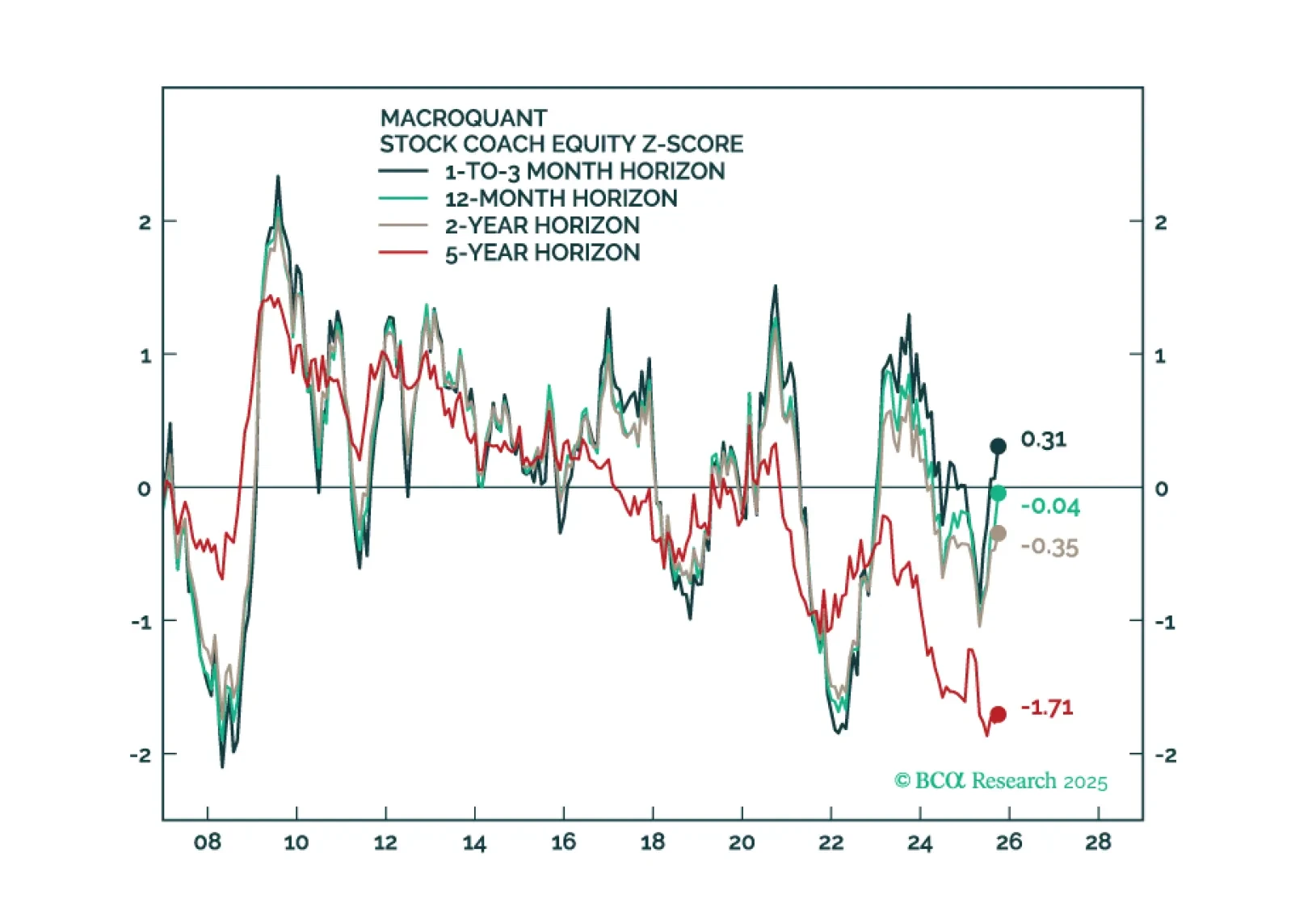
In this Q4 Strategy Outlook, we discuss where we stand on our recession call, the outlook for stocks and bonds in various scenarios, why investors are misunderstanding the impact of AI on corporate profits, whether the US dollar has entered a structural downtrend, our perspective on the yen, gold and other commodities, and much more.