Fixed Income
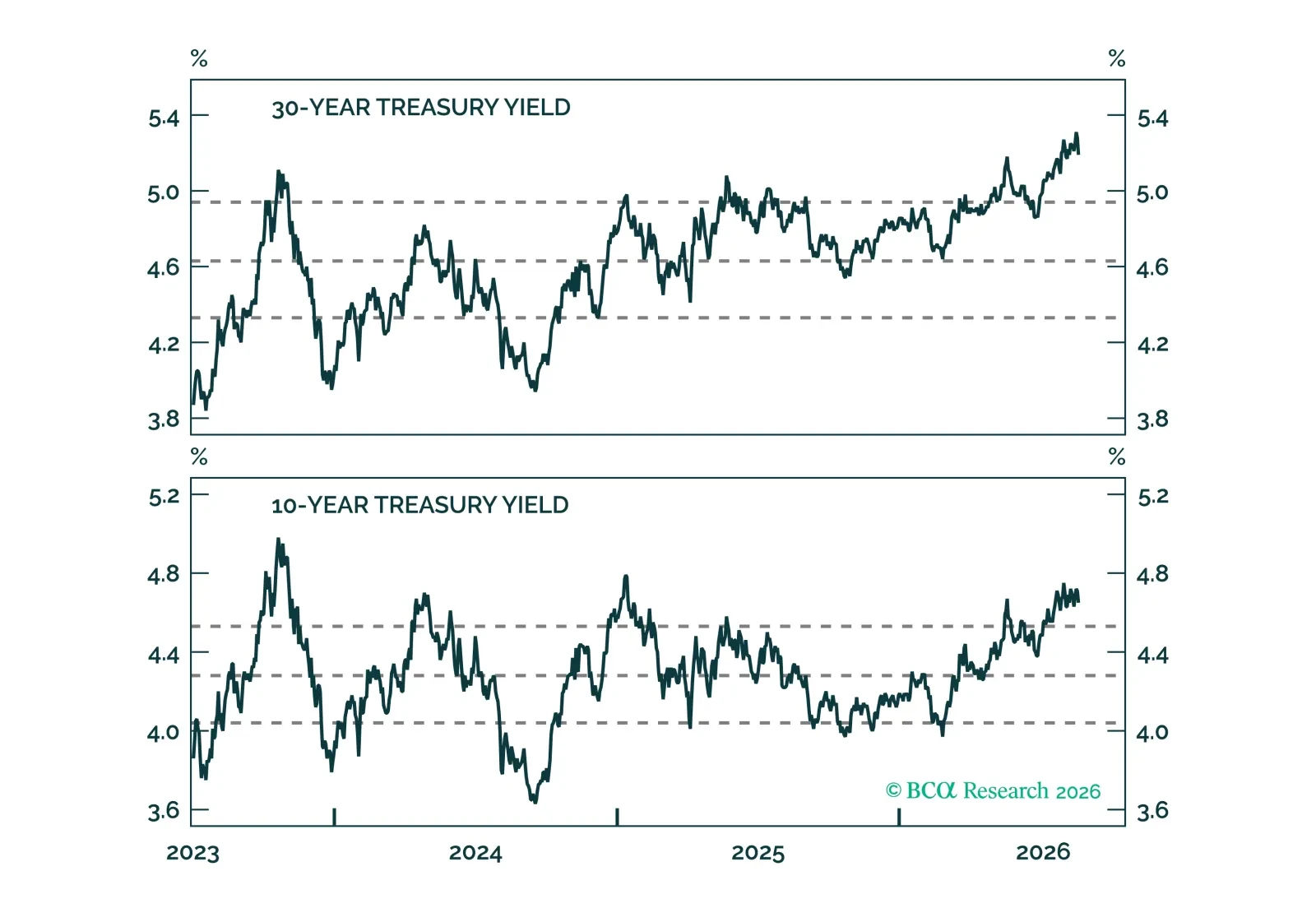
Despite recent increases, long-maturity Treasury yields are roughly consistent with fundamental fair value. We see limited value in long duration plays.
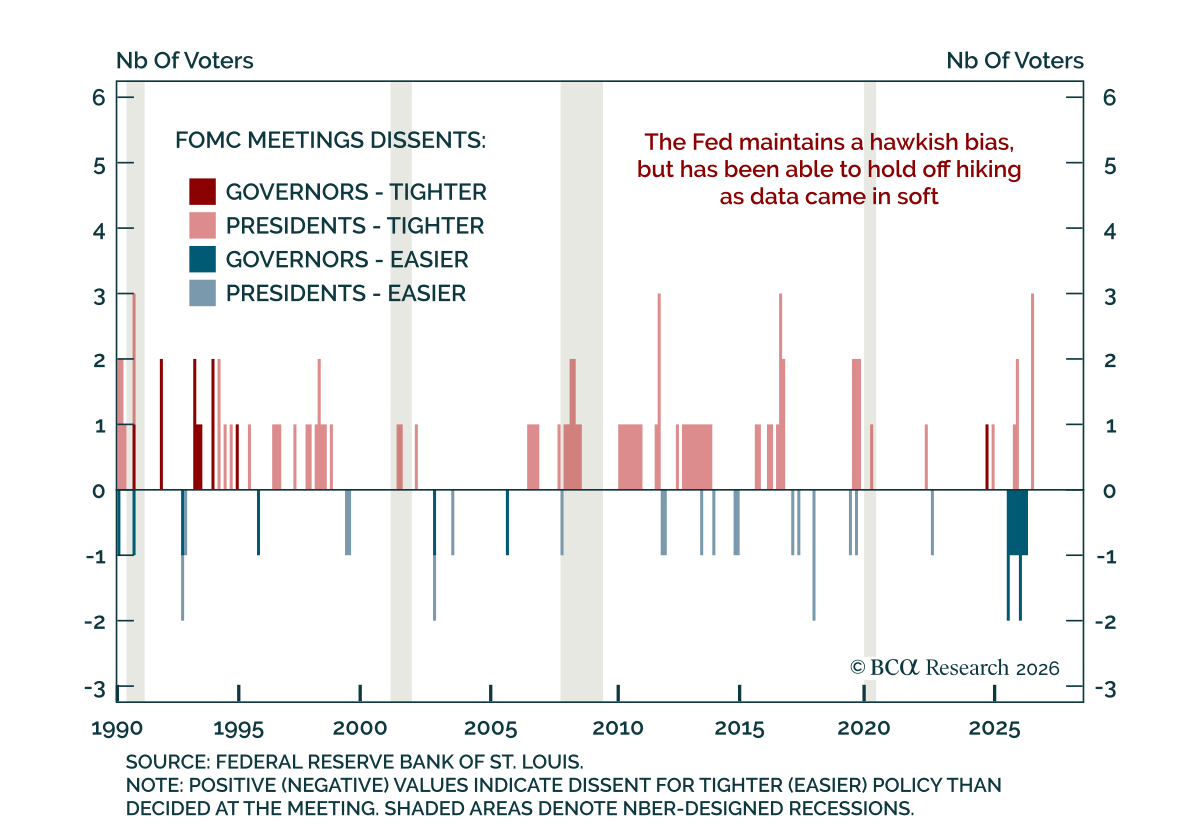
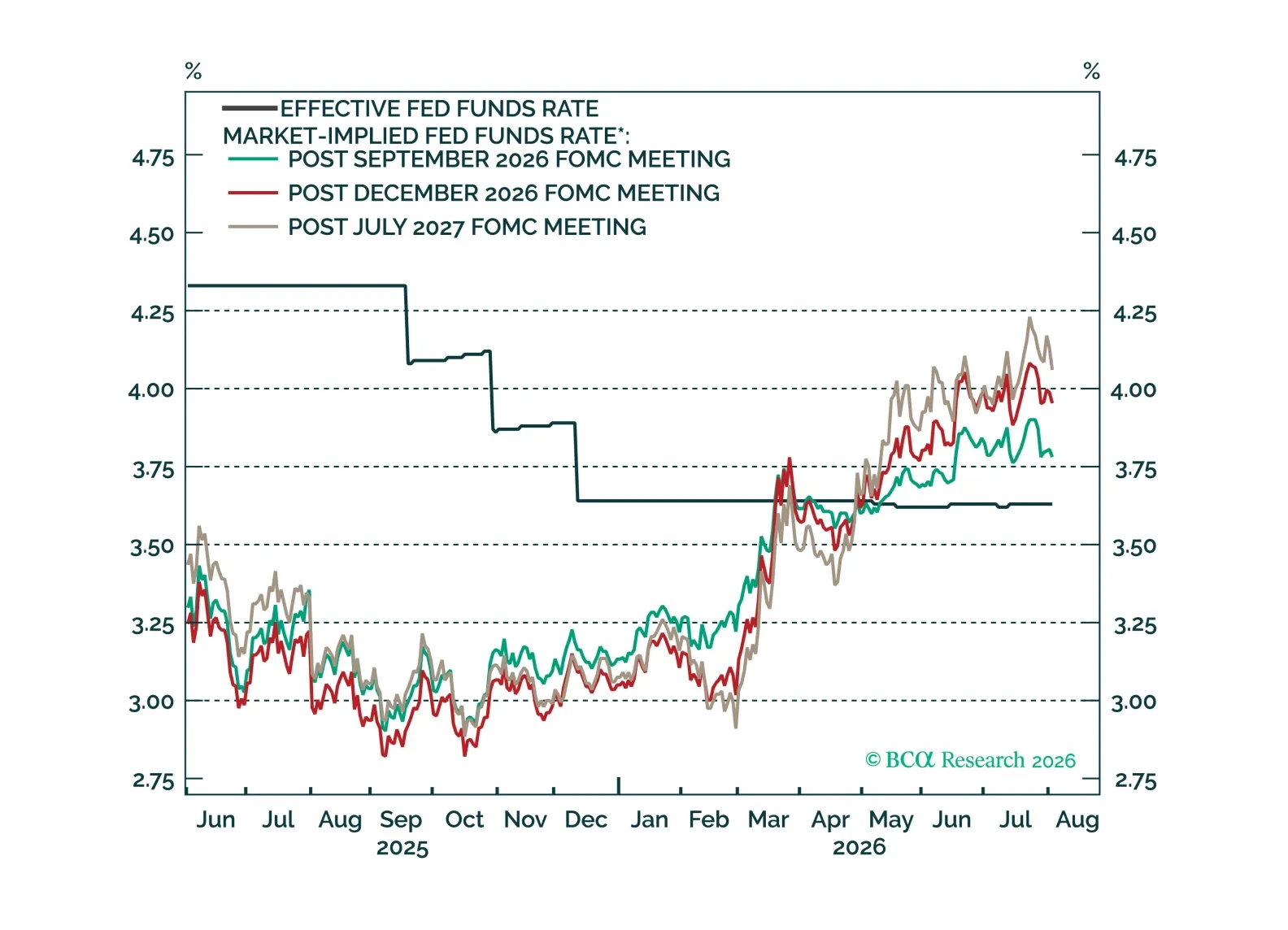
The July Fed minutes showed a broader hawkish bias than the vote suggested, but softer data since the meeting have reduced the urgency to hike. The FOMC held rates at 3.5%-3.75% despite three dissents in favor of a 25 bps hike. The minutes revealed support…
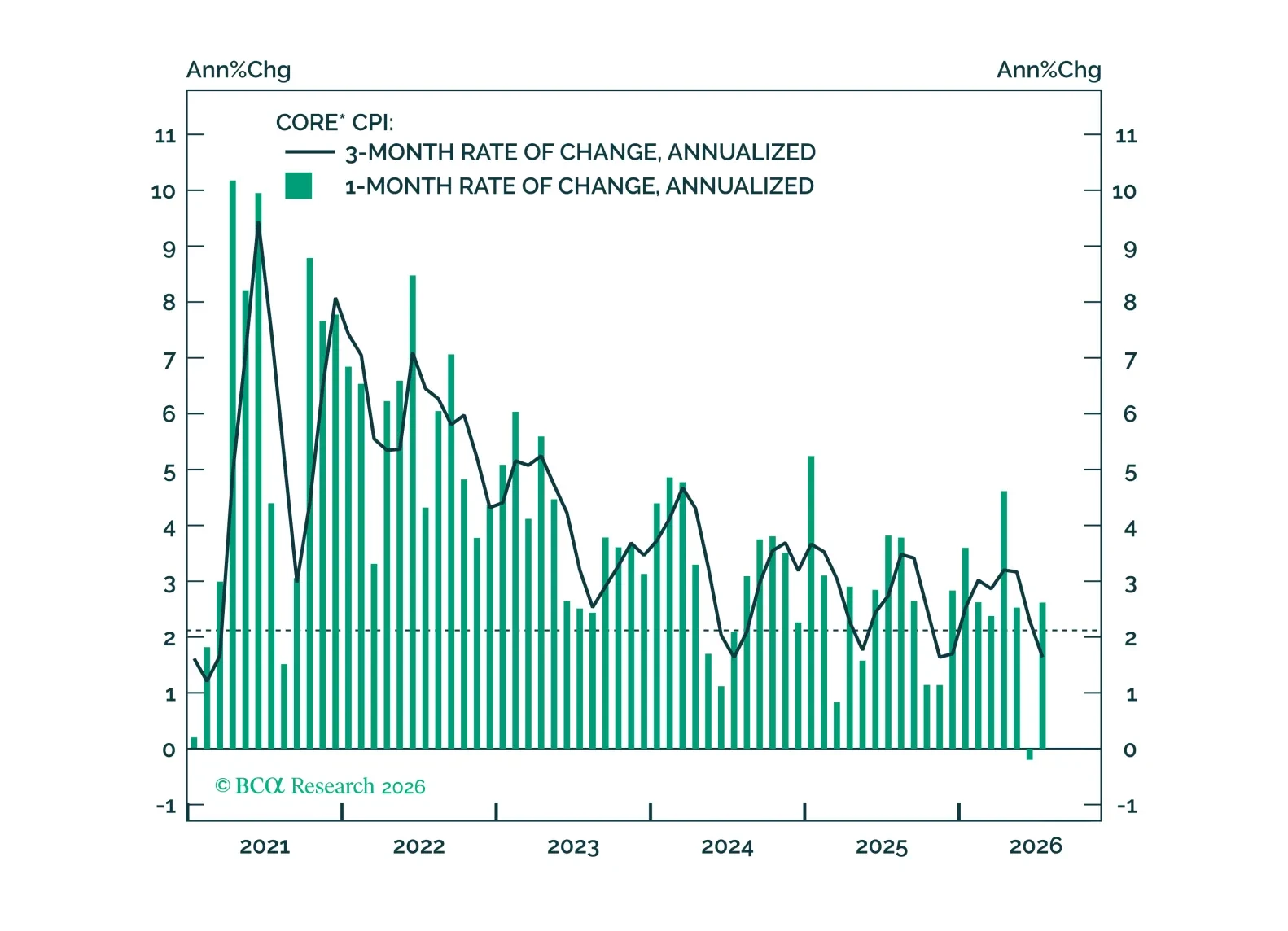
July’s CPI reading was low enough to keep the Fed on hold for now, but near-term upside inflation risks remain.
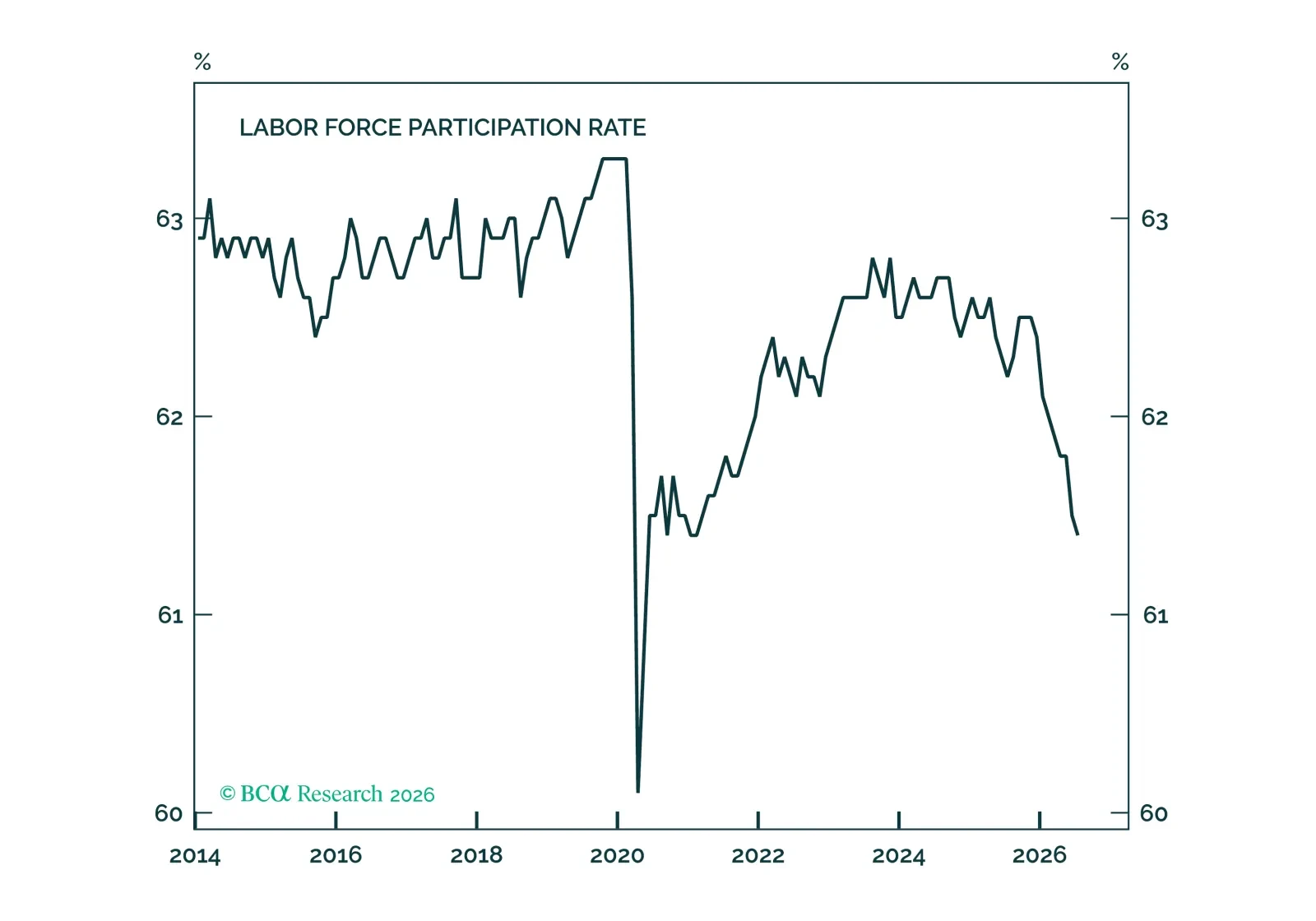
The evidence is increasingly clear that swings in labor supply, mostly related to immigration enforcement policy, have been the primary driver of nonfarm payroll growth during the past two years.This remained true in the July report which showed declines in both nonfarm employment (-23k) and the unemployment rate (from 4.19% to 4.09%). The driver of both moves was a 264k drop in the size of the labor force.When labor supply is this volatile, we should downplay measures of job growth and pay more attention to measures of labor market utilization.Measures of labor market utilization look broadly stable. The unemployment rate is trending down, but the prime-age (25-54) employment-to-population ratio has weakened, and the numbers of marginally attached and involuntary part-time workers are rising.We don’t think this morning’s jobs report reduces the odds of a September rate hike which, in our view, remain high. Next week’s July core CPI report will be a more important driver of near-term Fed policy.Please click here to access our US Labor Market Chartpack for more details on US employment trends.
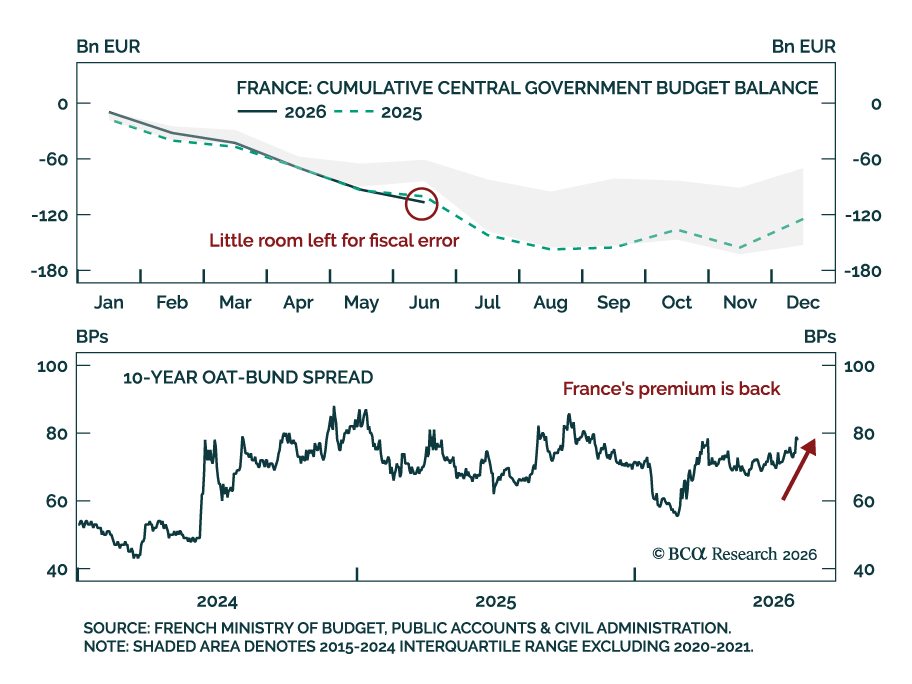
France’s renewed fiscal slippage reinforces the case for underweighting 10-year OATs. The cumulative central government deficit had already tracked near the lower edge of its historical interquartile range in early 2026, before widening to €107 billion in…
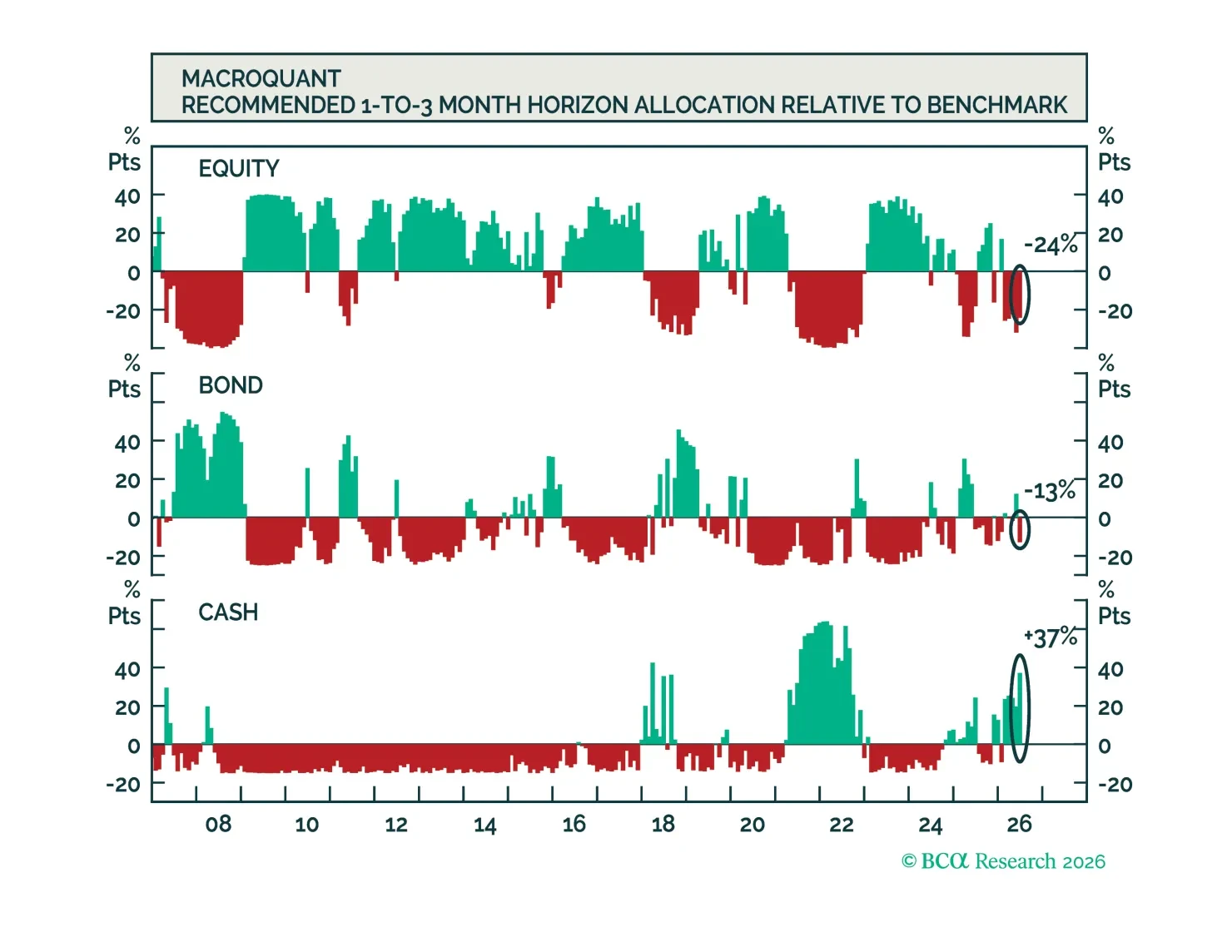
MacroQuant recommends a slight underweight position in equities, and favors a below-benchmark duration stance in fixed-income portfolios. The model is very positive on the US dollar, neutral on gold, constructive on copper, and very bullish on oil.
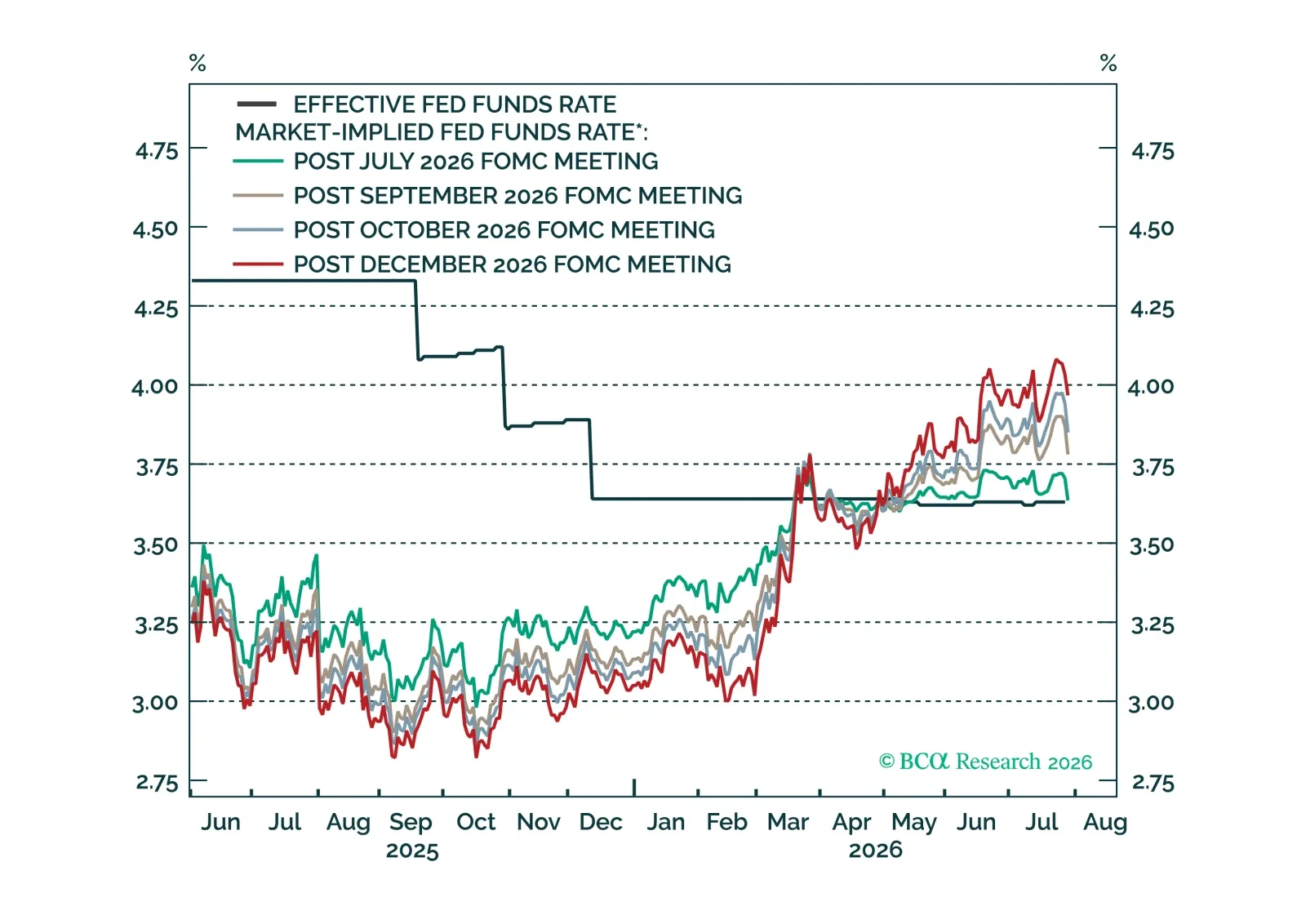
Despite today’s hold, the bar for a rate hike in September remains low and contingent on the next two core CPI reports.
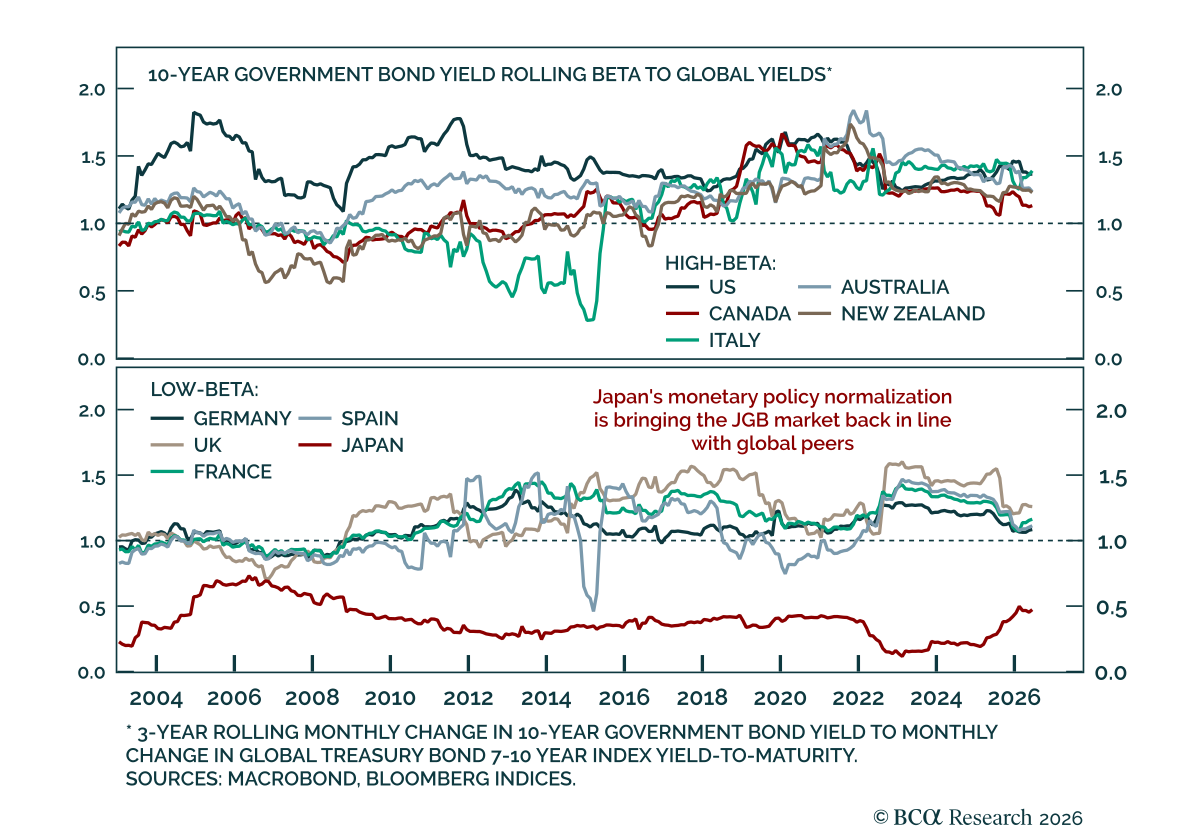
The BoJ’s reflationary plan and a low yield beta supports an underweight on JGBs. BCA has historically used cross-country yield betas to guide bond allocation by mapping each market’s sensitivity to global yields. Japan still stands out as the only major DM…
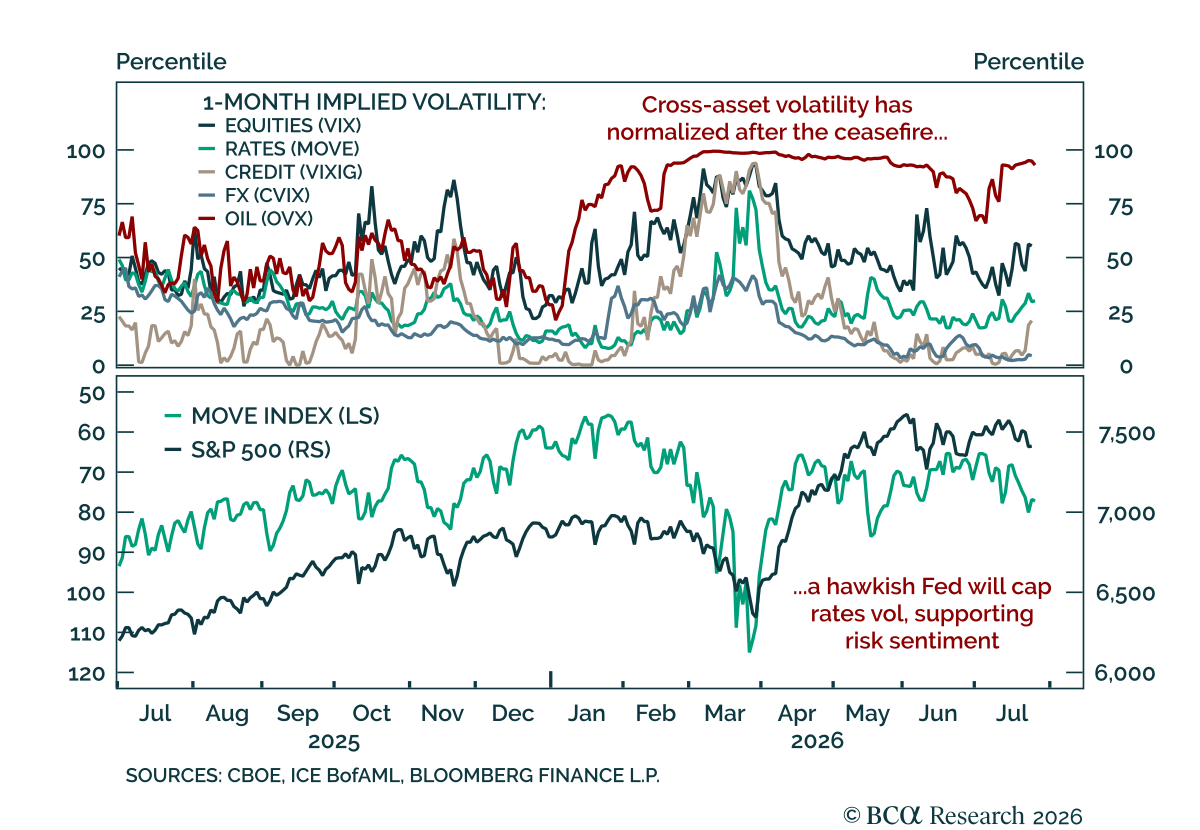
Cross-asset volatility has eased, and muted rates volatility supports our tactical overweight of equities relative to bonds. Cross-asset volatility spiked at the start of the year on the back of the Iran conflict, before broadly retreating. Outside oil,…