Fixed Income

Transit through the Suez Canal has hit a new low. The 7-day moving average of daily ship transit calls is currently at 30, less than half of what it was at the end of 2023. The decline in volume has been even more severe, with metric tons passing through the…
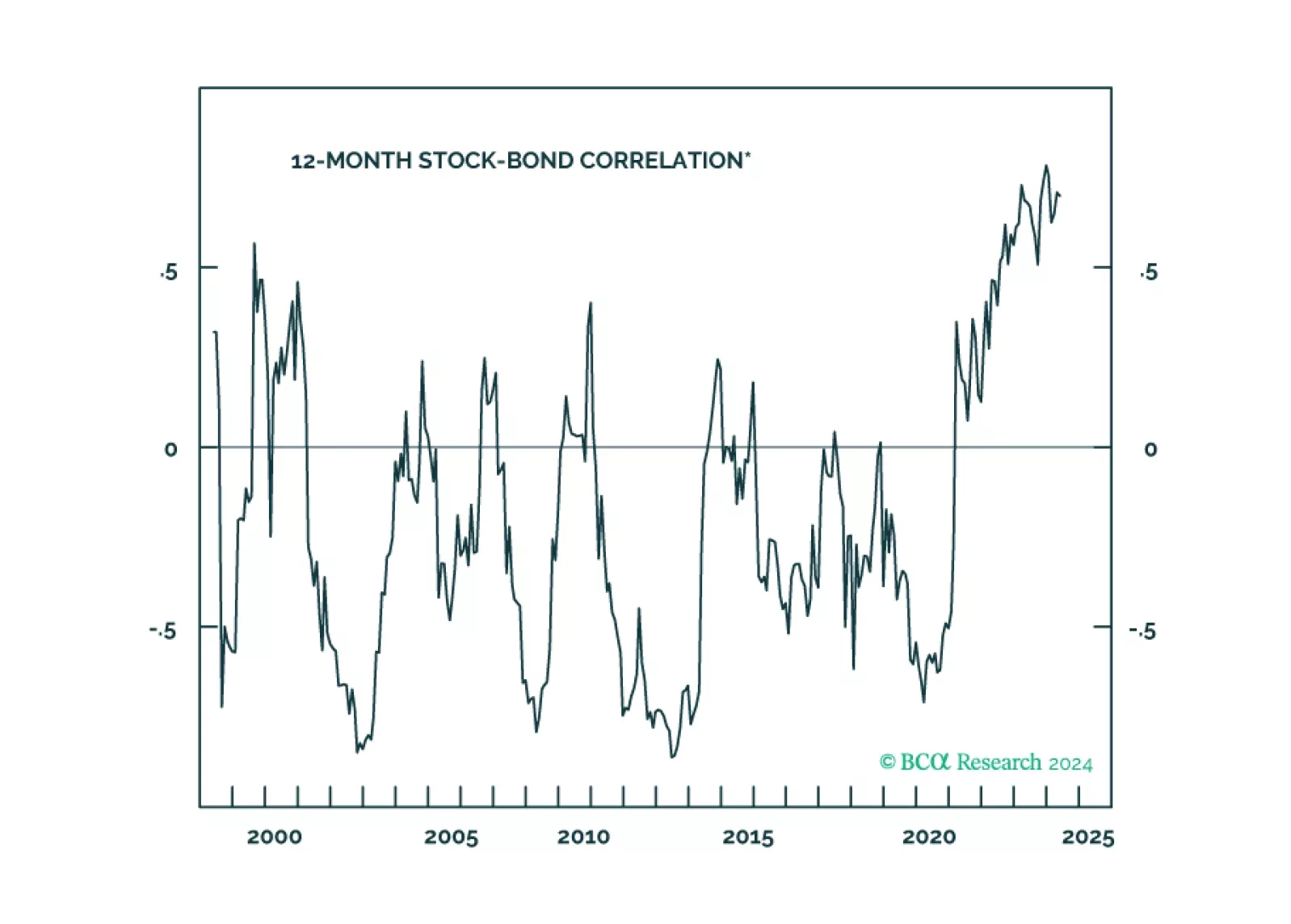
According to BCA Research’s US Bond Strategy service, while US economic data clearly show that labor demand has slowed from its peak two years ago, it isn’t yet clear whether this slowing represents a re-normalization to pre-pandemic levels or the start of a…
Average hourly earnings growth slowed to 0.2% m/m in April from 0.3% m/m in March and came in below expectations. On a year-on-year basis, they decelerated from 4.1% to 3.9%, the lowest since June 2021 and below expectations of 4%. Nonfarm payrolls growth…
The ISM Services PMI largely disappointed in April. The headline index fell to 49.4 from 51.4, below expectations of a faster pace of growth. April’s contraction ends a streak of 15 consecutive months of services-sector expansion. Two alternative…
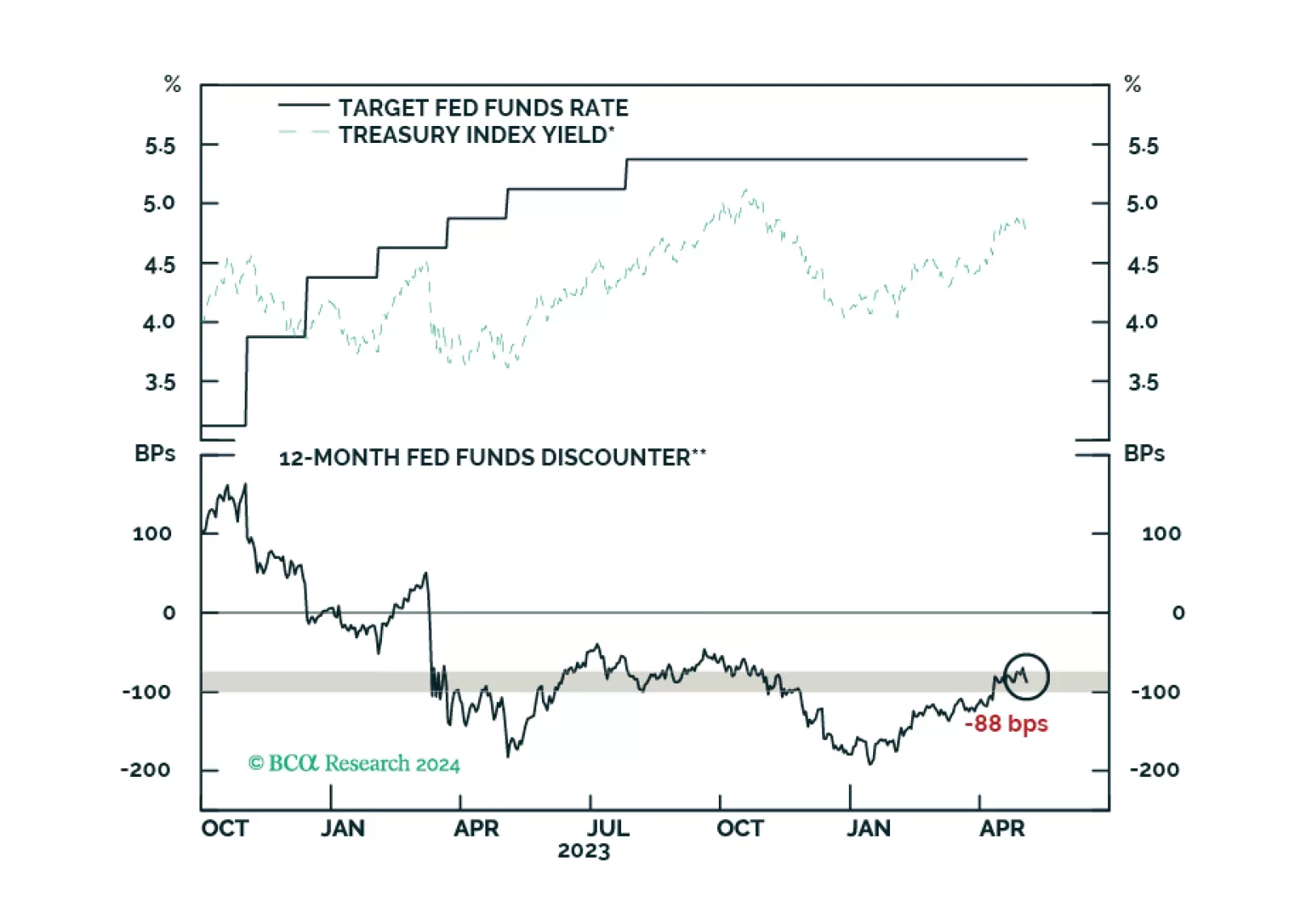
Some thoughts on this morning’s employment report and recent trends in US economic data.

Mainland residents’ investments in gold, other metals, and Hong Kong-traded stocks are a form of capital outflow. Chinese authorities will counter any excessive capital flight with stricter administrative controls. Thus, markets benefiting from these flows will likely be hurt.
The Fed left the policy rate unchanged following its May FOMC meeting. It also announced it would slow the pace of quantitative tightening starting on June 1, from the current $60 billion per month to $25 billion per month for Treasuries redemptions, while…
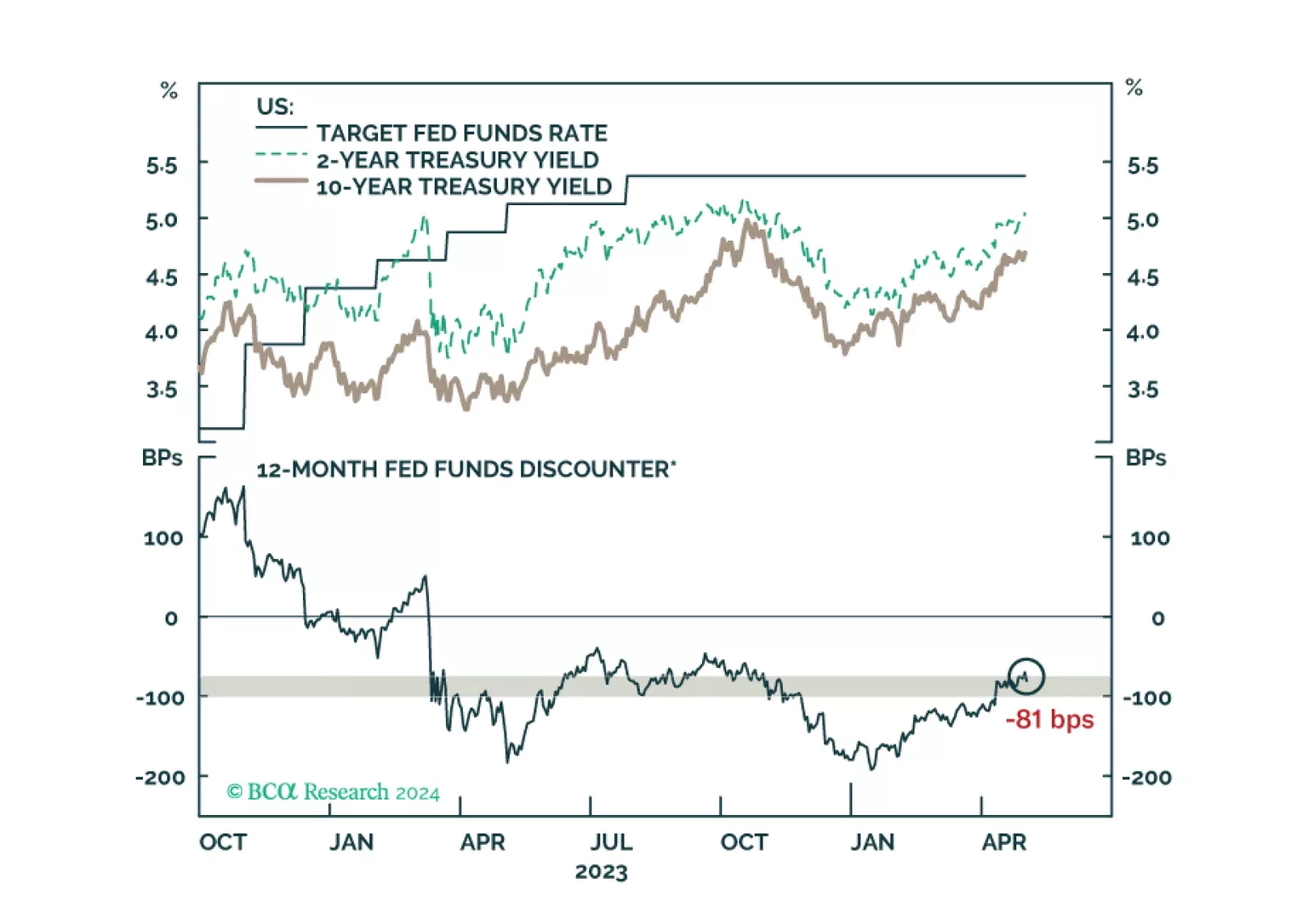
Updated views on US Treasury yields and the dollar following today’s FOMC meeting.
The details of the JOLTS report showed a labor market that continued to cool in March. The number of US job openings decreased to 8.488 million in March, from 8.813 million in February, and below expectations of 8.680 million. Workers seemed to be less…