Fixed Income
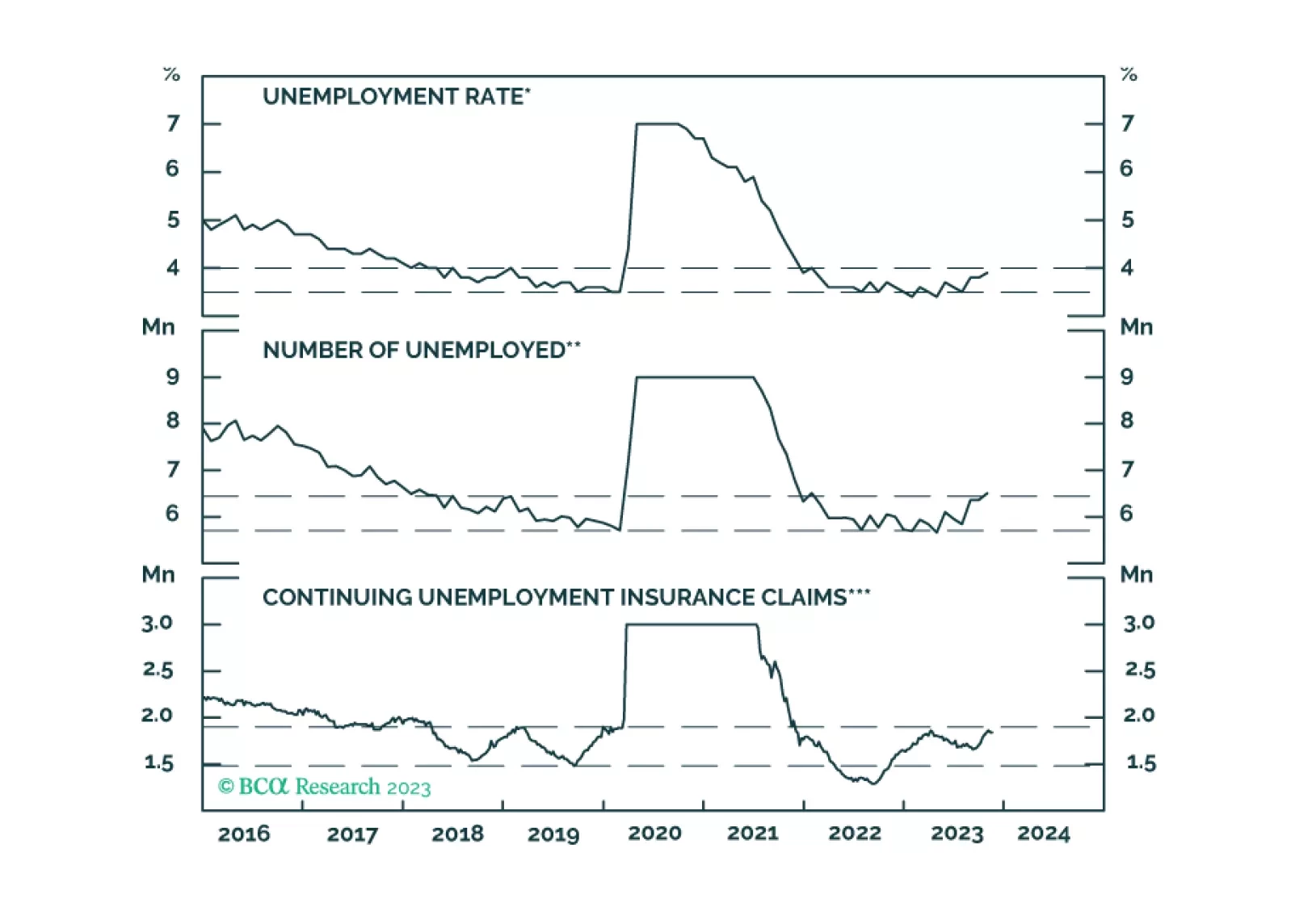
We investigate the recent increase in unemployment with the goal of determining whether it is flagging an imminent US recession.
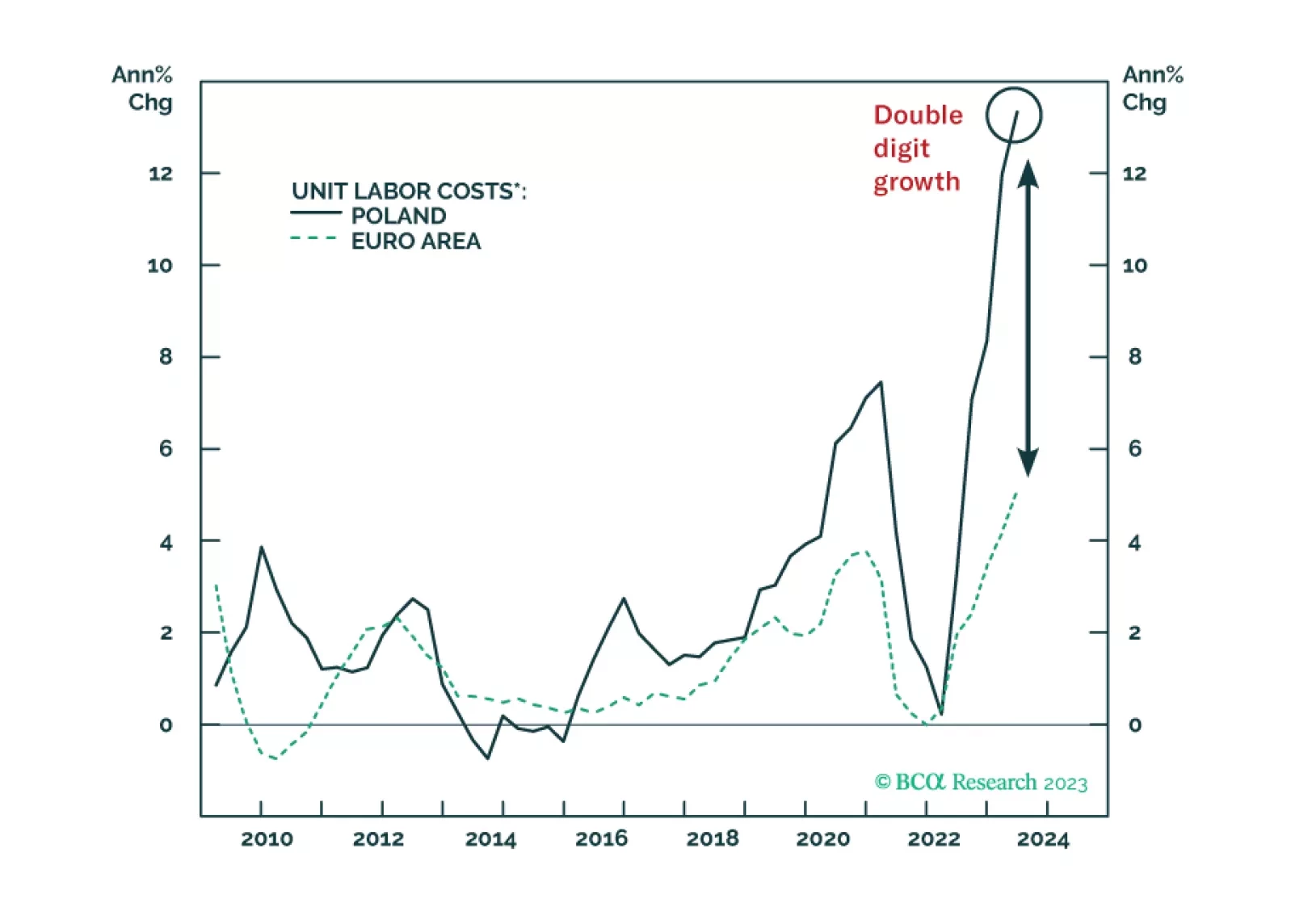
Poland’s inflation will stay elevated. And yet, its return to the European mainstream has improved its financial market outlook. Accordingly, we are recommending new trades on Polish equity, fixed income, and currency.

Tuesday’s CPI release confirmed that the disinflationary trend in Canada remains intact. After a brief relapse this summer, Canada’s inflation is headed in the right direction. As anticipated, headline CPI inflation came in at 3.1% y/y in October, down from…
The minutes of the Fed's latest FOMC meeting revealed that there is a consensus among policymakers to proceed carefully. Another rate increase is appropriate only if "incoming inflation indicated that progress toward the Committee's inflation objective was…
After dipping into negative territory between June and early August, the Global Economic Surprise Index has since rebounded, signalling an improvement in economic momentum. Initially, this rebound was isolated to the US. However, the trend has been broadening…
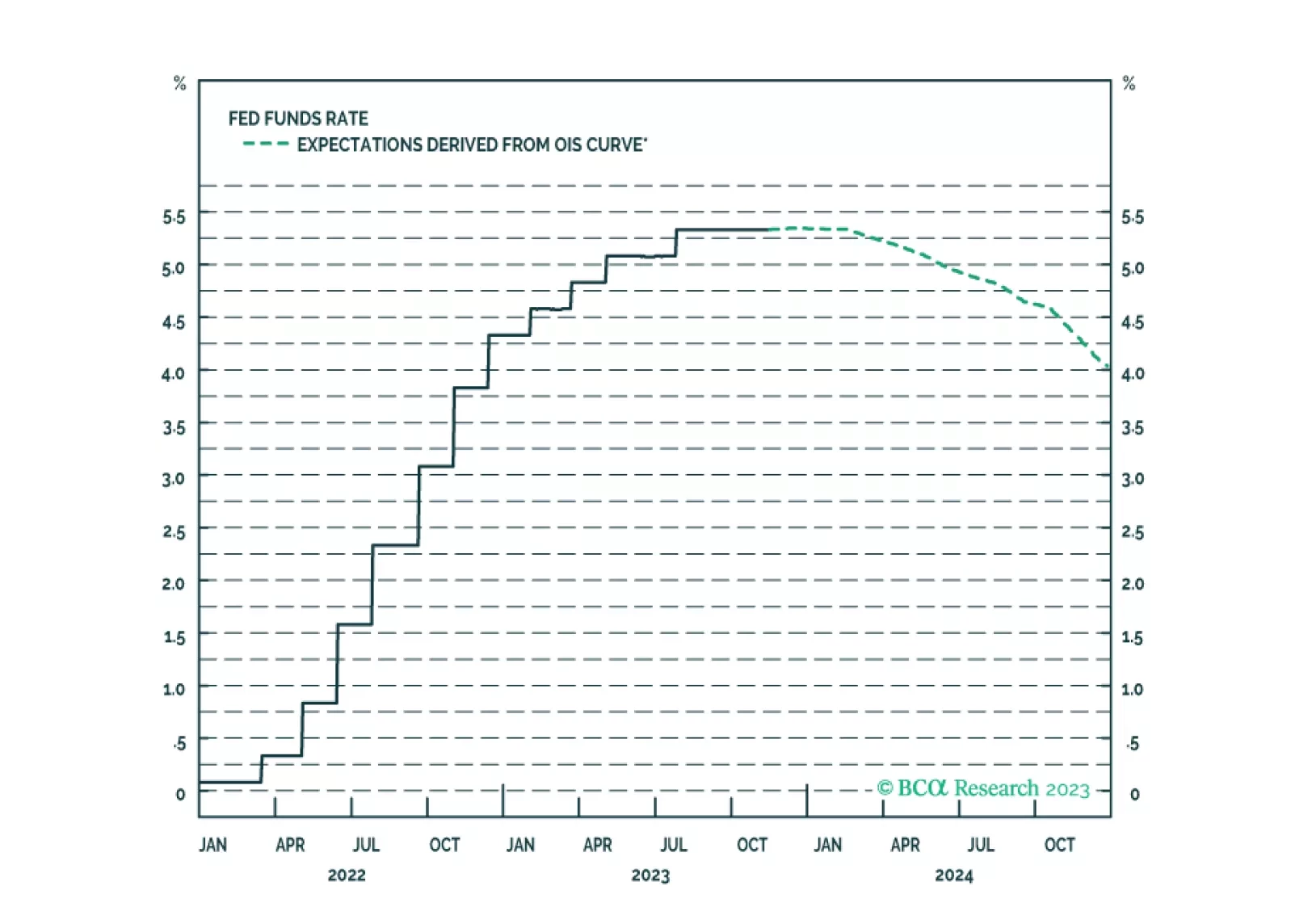
The soft-landing narrative has gotten nowhere at BCA but appears to be making some headway with broker-dealers and investors. We are preparing to lean against it once it pushes equity prices a little higher.
Global market sentiment has improved notably since late-October. In the equity space, DM and EM stocks have gained 8.5% and 7.8% respectively since October 26. Regarding currencies, the counter-cyclical DXY index has lost 2.2% so far in November. And as we…
BCA Research's US Bond Strategy service continues to recommend a neutral allocation to TIPS for now, but with a bias to turn underweight. The team calculates a forecasted range for headline CPI inflation of 0.9% to 2.9% over the next 12 months. For core…
US jobless claims have been trending higher in recent weeks, confirming that labor market conditions are deteriorating. Initial claims came in slightly above consensus estimates on Thursday, increasing by 231 thousand versus expectations of a 220 thousand…
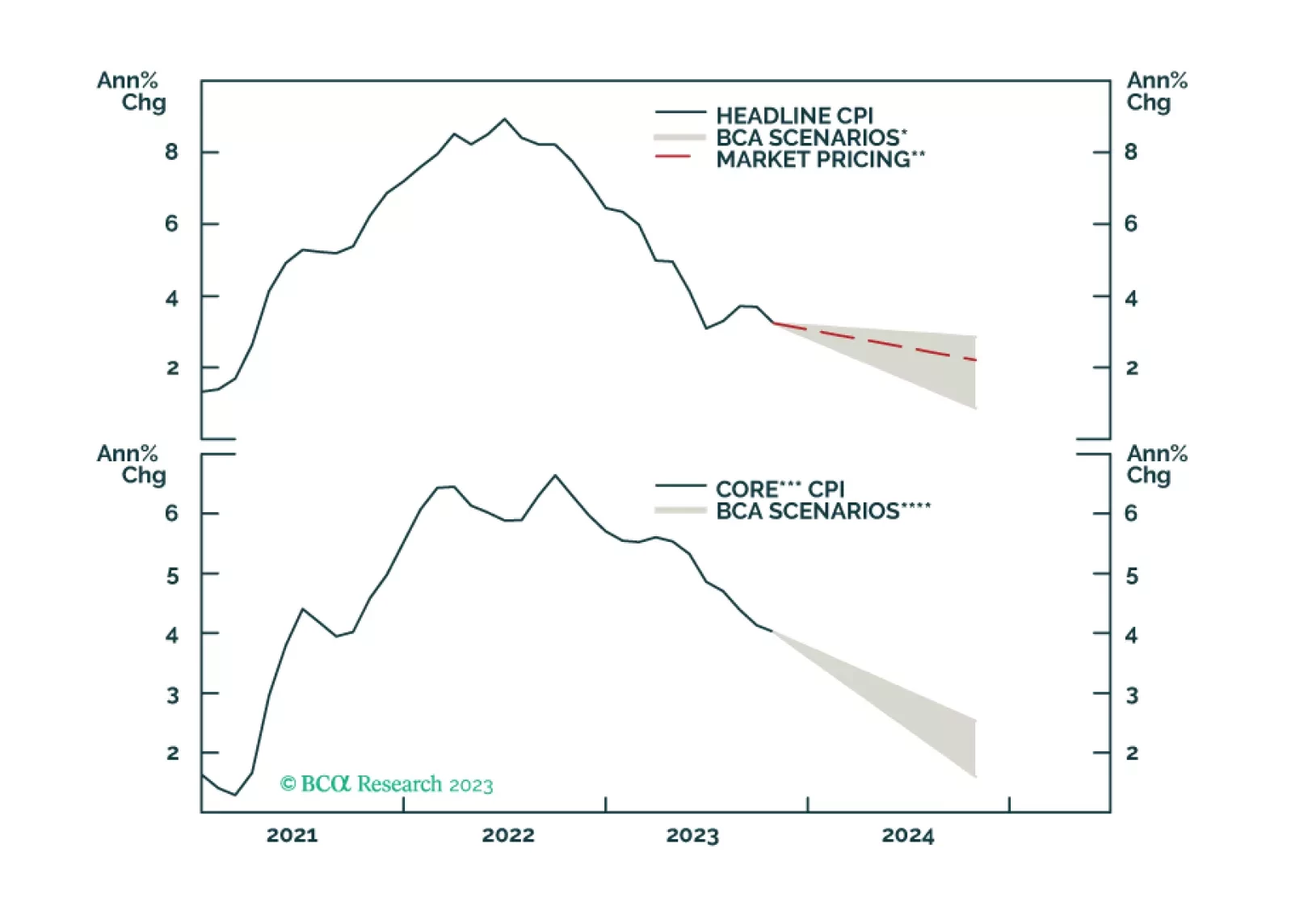
This week’s Special report revisits our TIPS Golden Rule. We provide a 12-month inflation forecast and discuss how it impacts our TIPS view.