Geopolitics
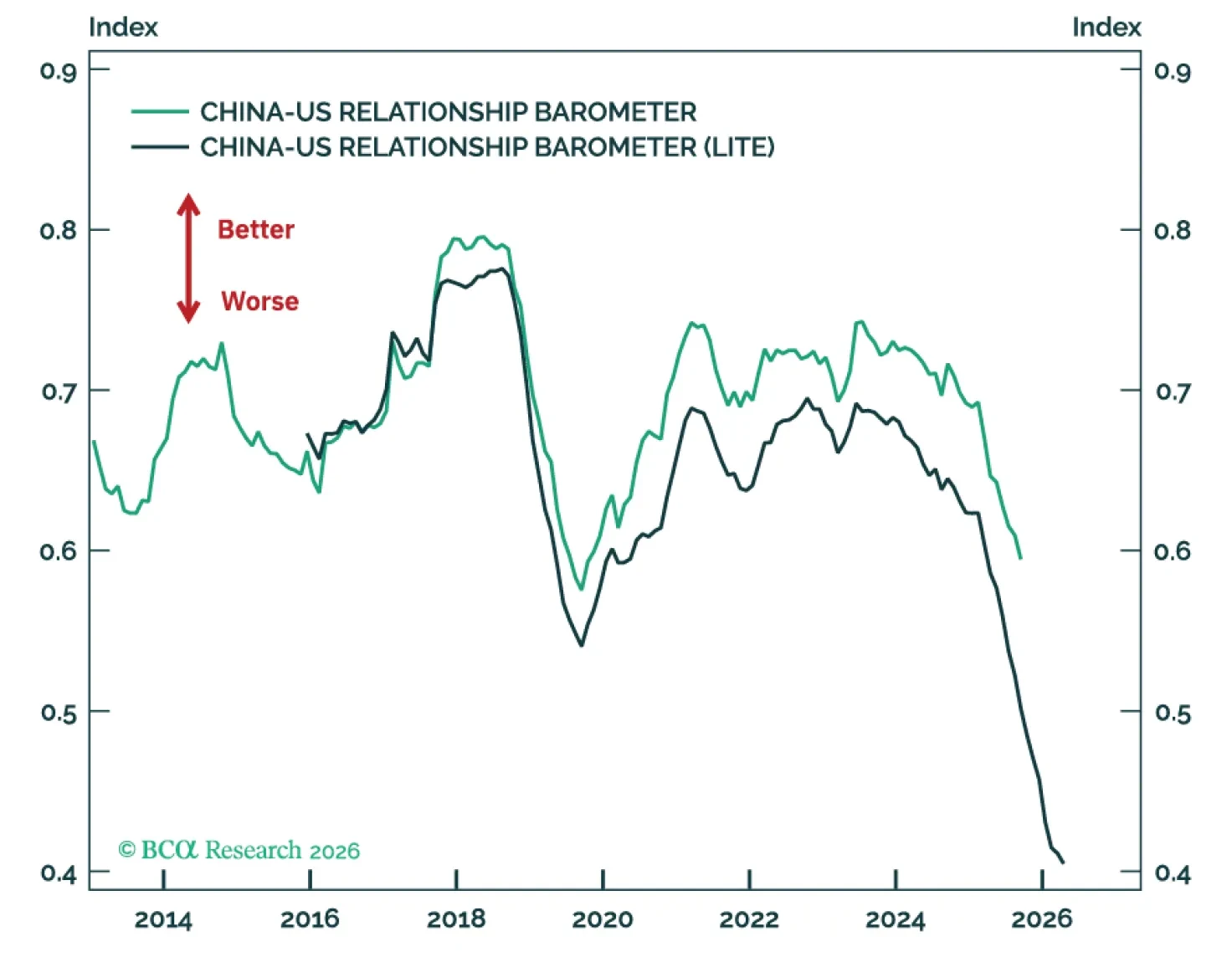
The Trump-Xi summit does not imply concrete benefits to US-China trade. Strategic tensions persist, forcing China to increase fiscal stimulus in 2027.
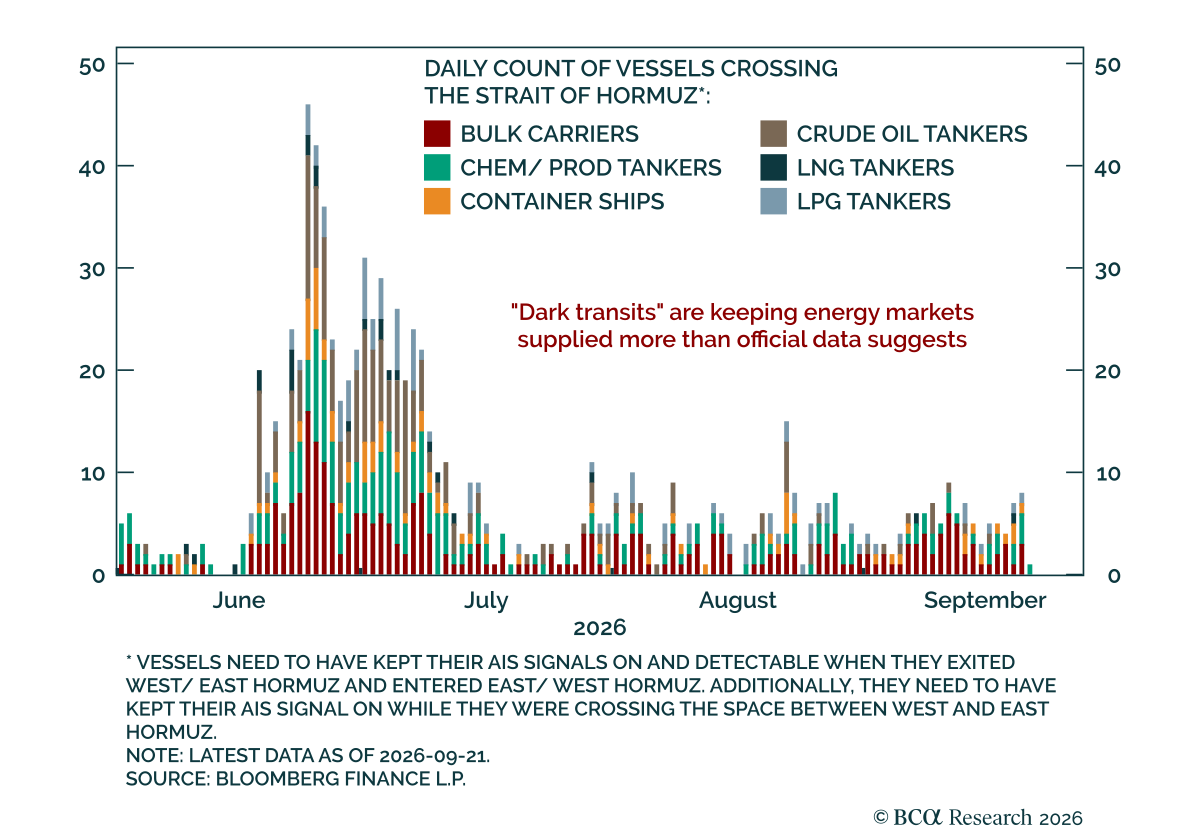
A busy geopolitical weekend reinforced that both Russia and Iran are still calibrating escalation to avoid triggering a broader conflict. Our Monday BCA Live & Unfiltered meeting focused on the weekend’s geopolitical developments. Russian and Ukrainian…
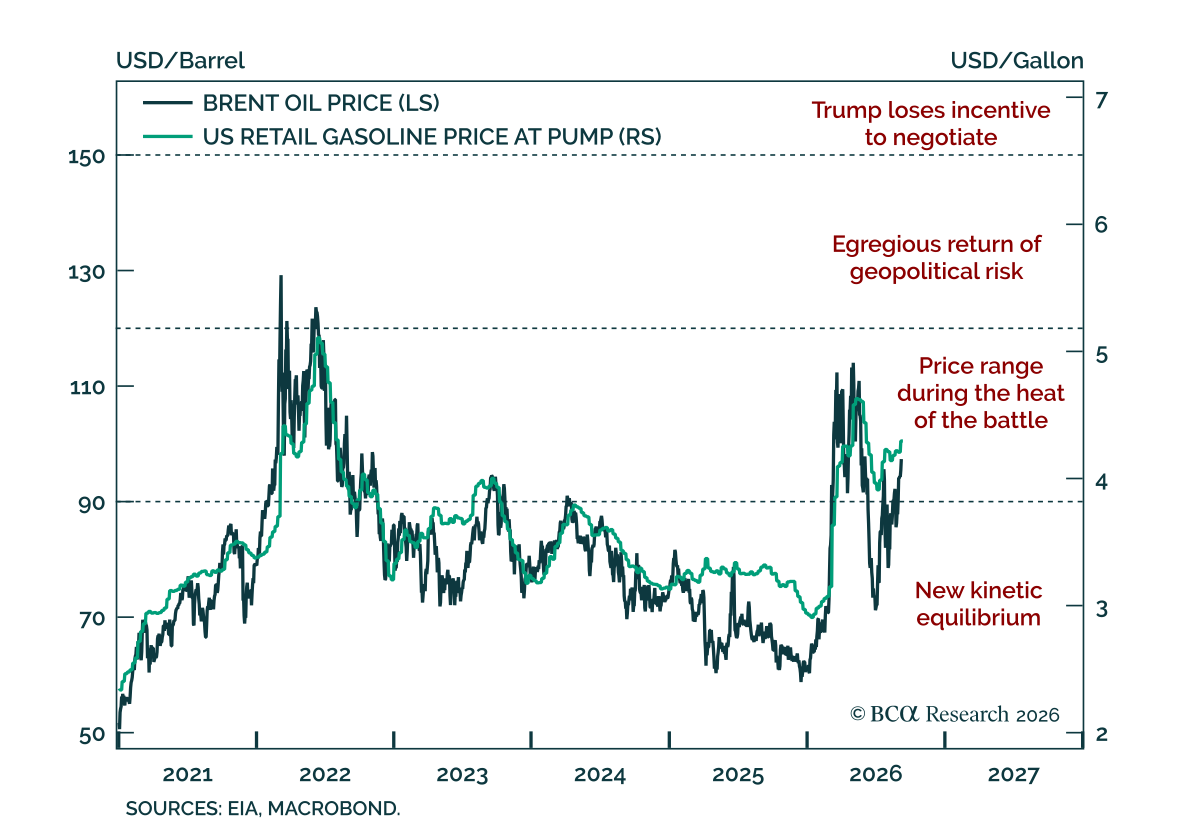
The latest Middle East escalation fits Iran’s existing strategy of keeping oil prices elevated ahead of the US midterms, but attacks on energy infrastructure and tankers now threaten the recovery in regional crude exports. Our GeoMacro strategists see…
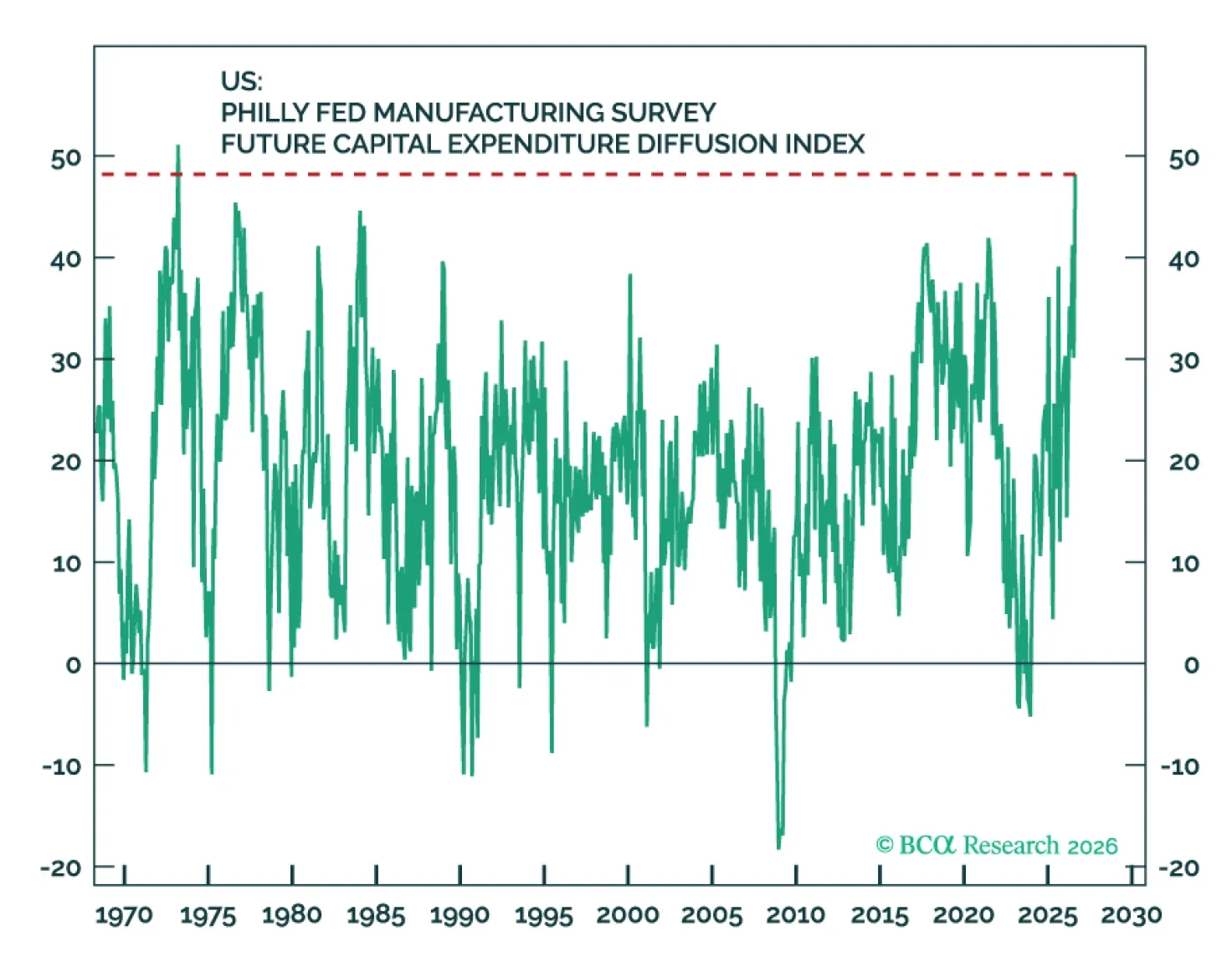
Dear Friends,Does the world need an 87-page deck? Probably not. But you're getting it regardless. We are itching to turn bond bullish and we remain equity bulls for now. Are there risks to these views, you bet. Thus the 87 pages. Plenty for bulls and bears alike. But if you were to pin us down to the main risk in 2027, it would be a combination of Midterm Dem sweep and end of Iran war. End of Iran war? Yes, indeed. If the economy can withstand high interest rates and gasoline prices today (Chart of the Month), what is it going to do next year if both abate? The Fed does not have an inflation problem today, but it may next year. For an in depth analysis of these topics, read my full Here, There, and Everywhere Chartpack.
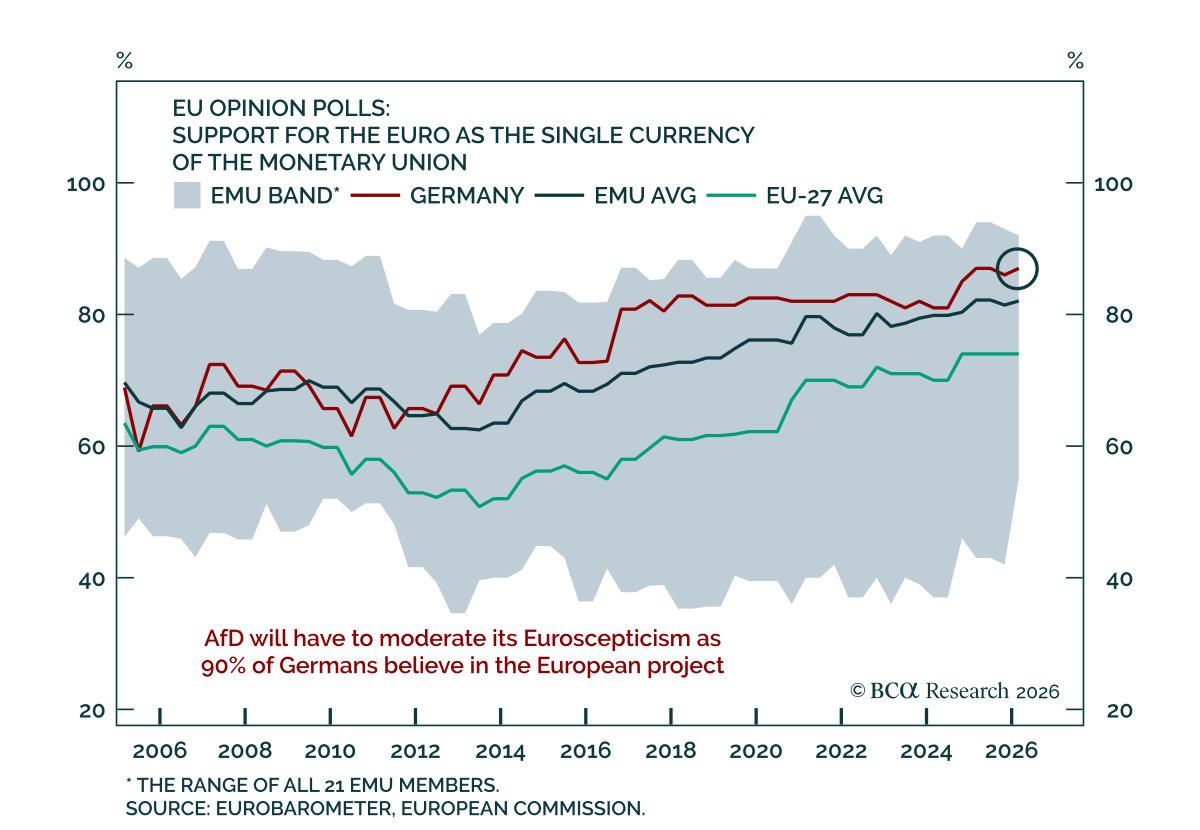
Our GeoMacro strategists think the AfD’s historic victory in Saxony-Anhalt is being overinterpreted, with national leadership still far away. The party fell short of a majority and will face constraints even at the state level. While the AfD has national…
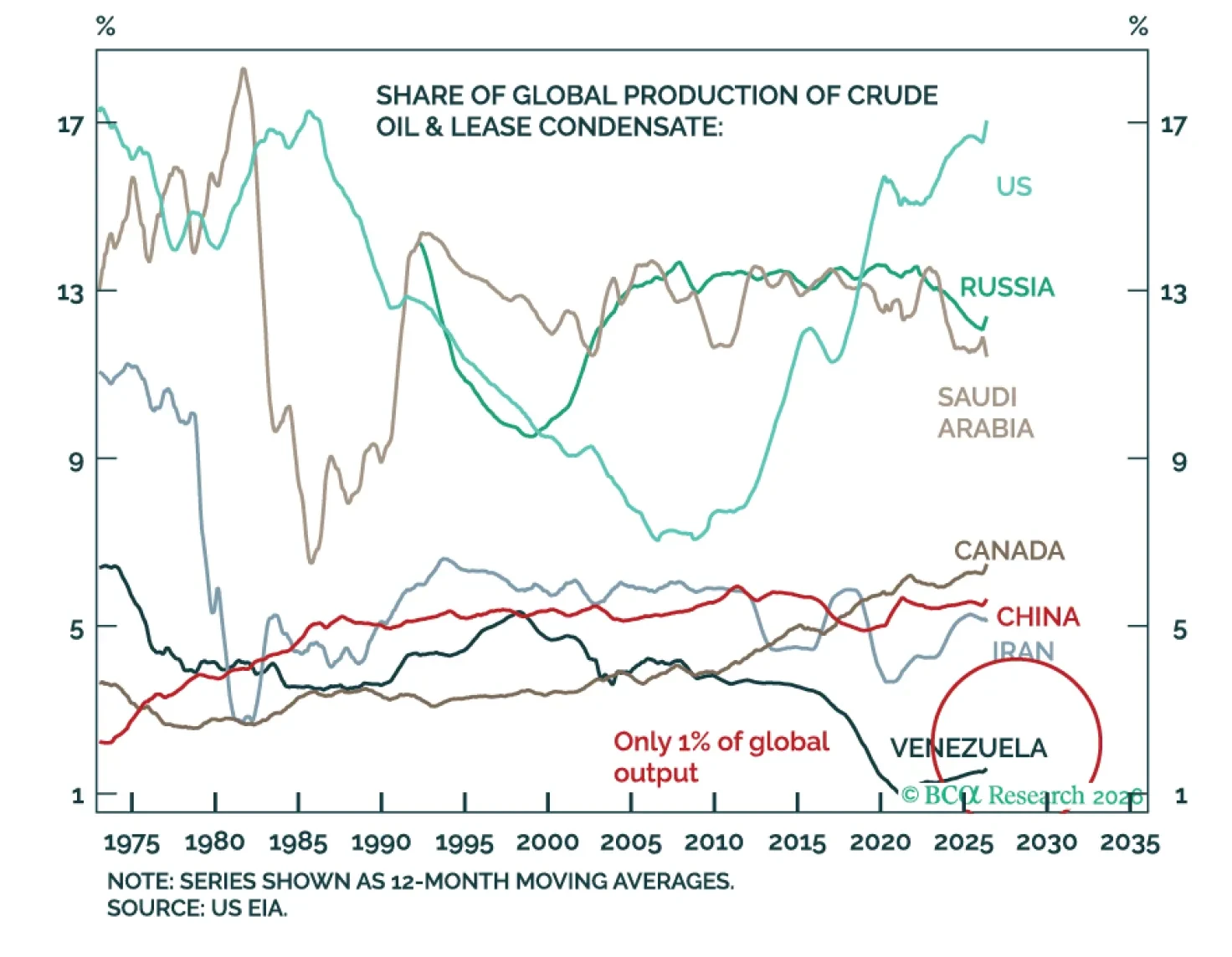
President Trump referred to the US-Venezuela agreement as the “biggest oil deal in world history.” However, oil production growth constraints limit its near-term impact on global crude markets. Instead, Middle East developments will continue to dominate oil’s trajectory over the coming months.
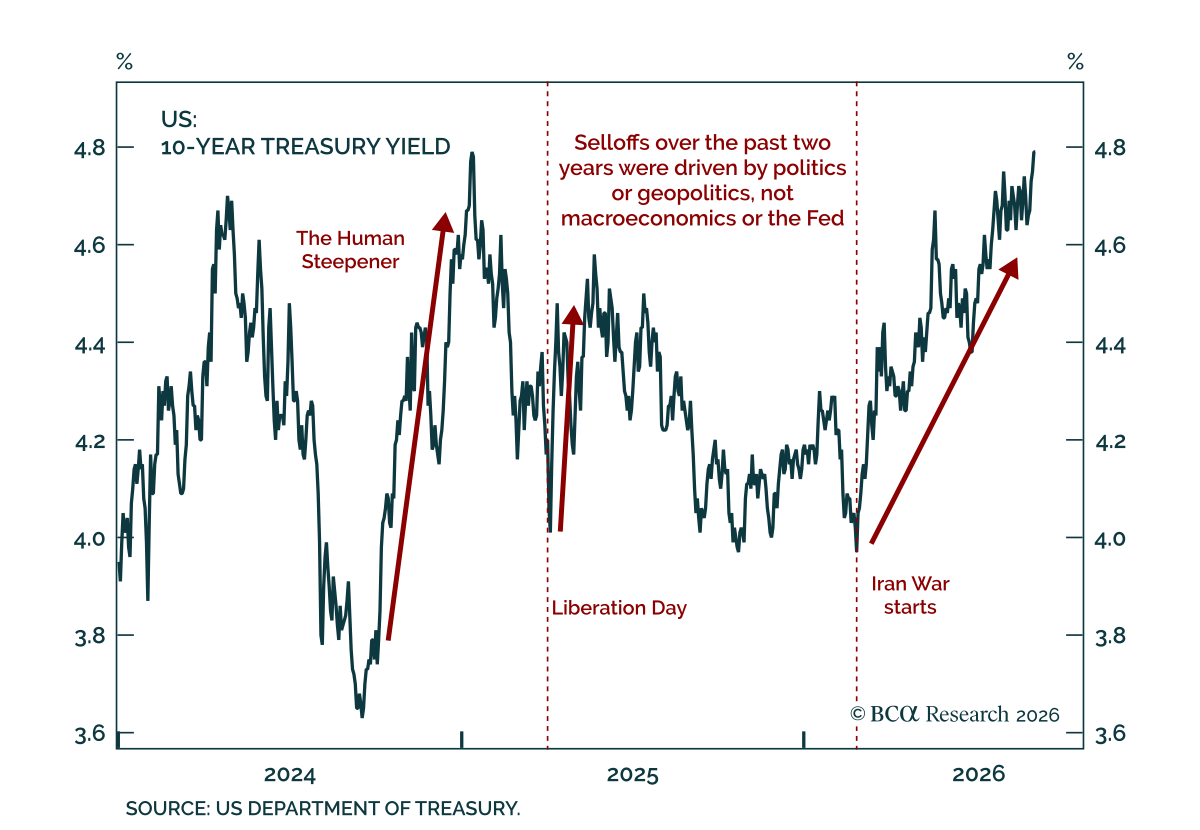
Our GeoMacro strategists see the long-dated Treasury selloff as a story about vibes rather than technical factors. Unorthodox US policy and persistent supply shocks have given markets indigestion, with the tone the White House is setting on the Iran war…
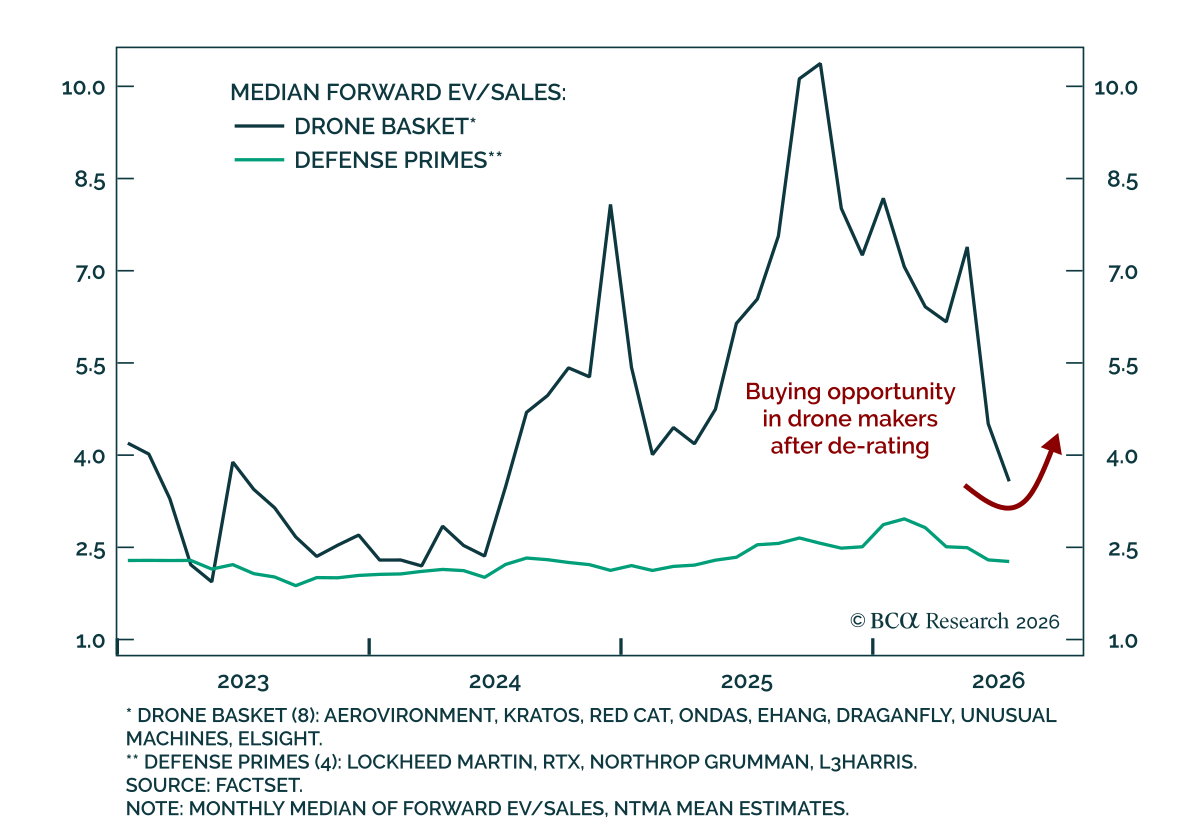
Our GeoMacro strategists are neutral on large-cap aerospace and defense and overweight drone makers. Multipolarity, international insecurity, and conflict still provide a secular tailwind for global defense spending and arms manufacturing, reinforced by the…

Rapid policy shifts from the Trump administration are likely to add to stock-market volatility in the final stretch before the midterms. Online betting odds now put Democrats at roughly 50/50 to win the Senate, approaching our Geopolitical strategists’…
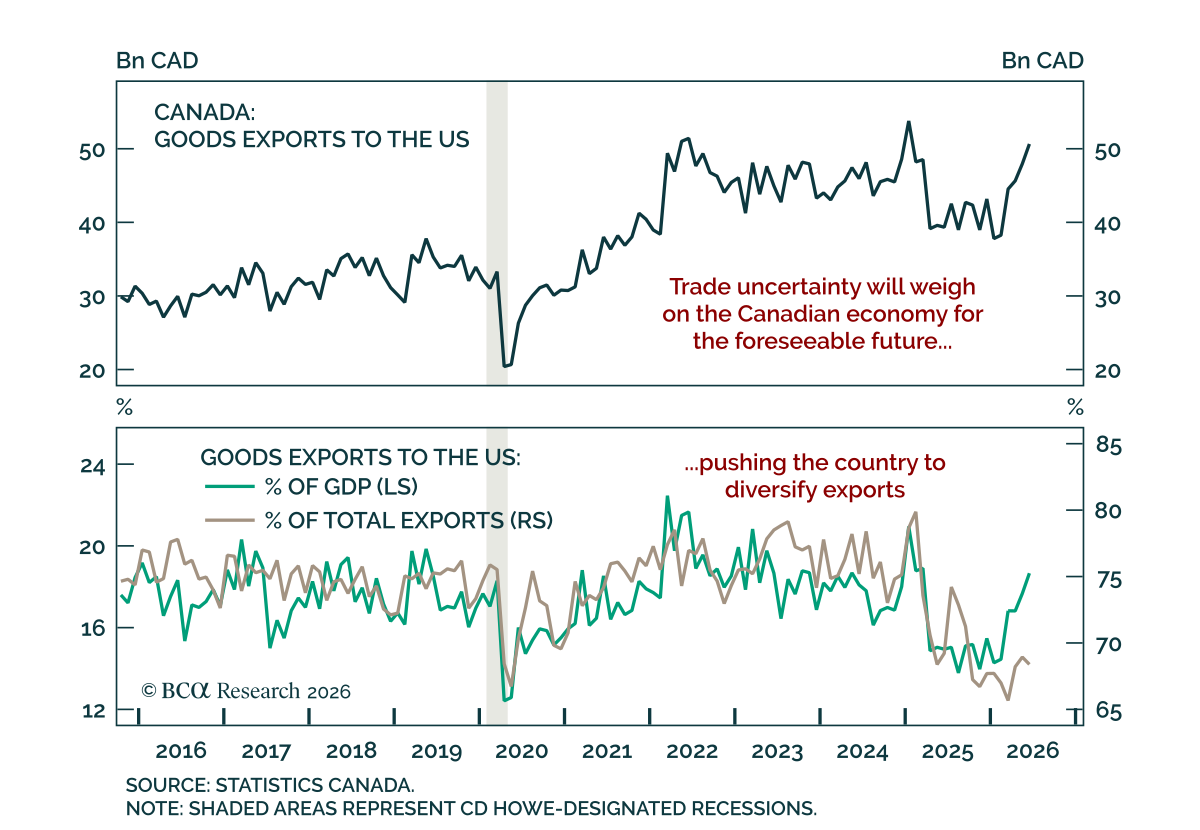
The collapse of US-Canada trade talks adds uncertainty to an already soft Canadian macro backdrop, favoring Canadian bonds relative to US Treasuries. Negotiations broke down minutes before the midnight deadline, with both sides accusing the other of adding…