Inflation/Deflation

A brief recap of the July FOMC meeting and its investment implications.
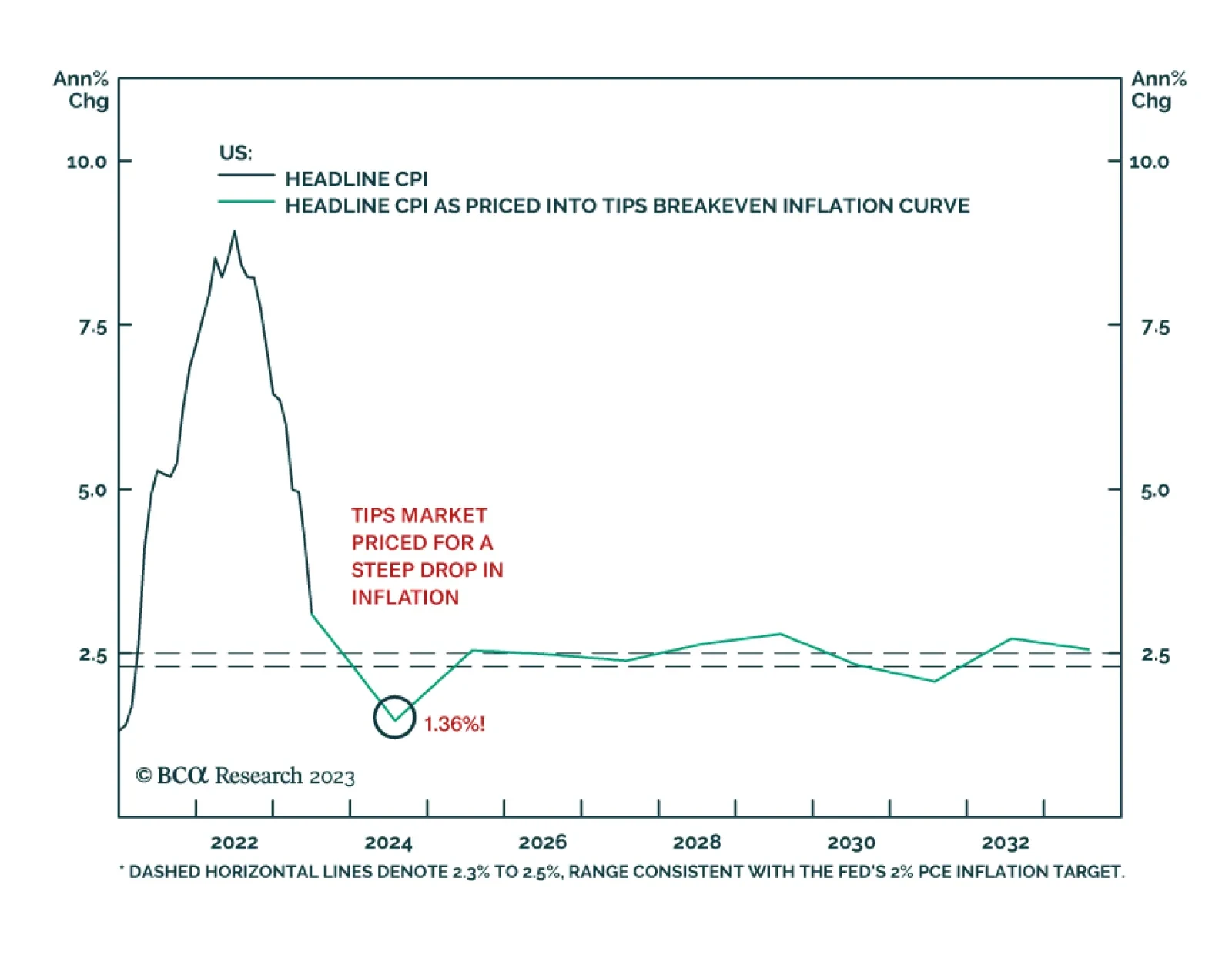
According to BCA Research’s US Bond Strategy service, inflation will fall during the next 12 months, but not by as much as markets expect. Investors should take advantage of this valuation opportunity by entering 2-year/10-year TIPS breakeven slope…
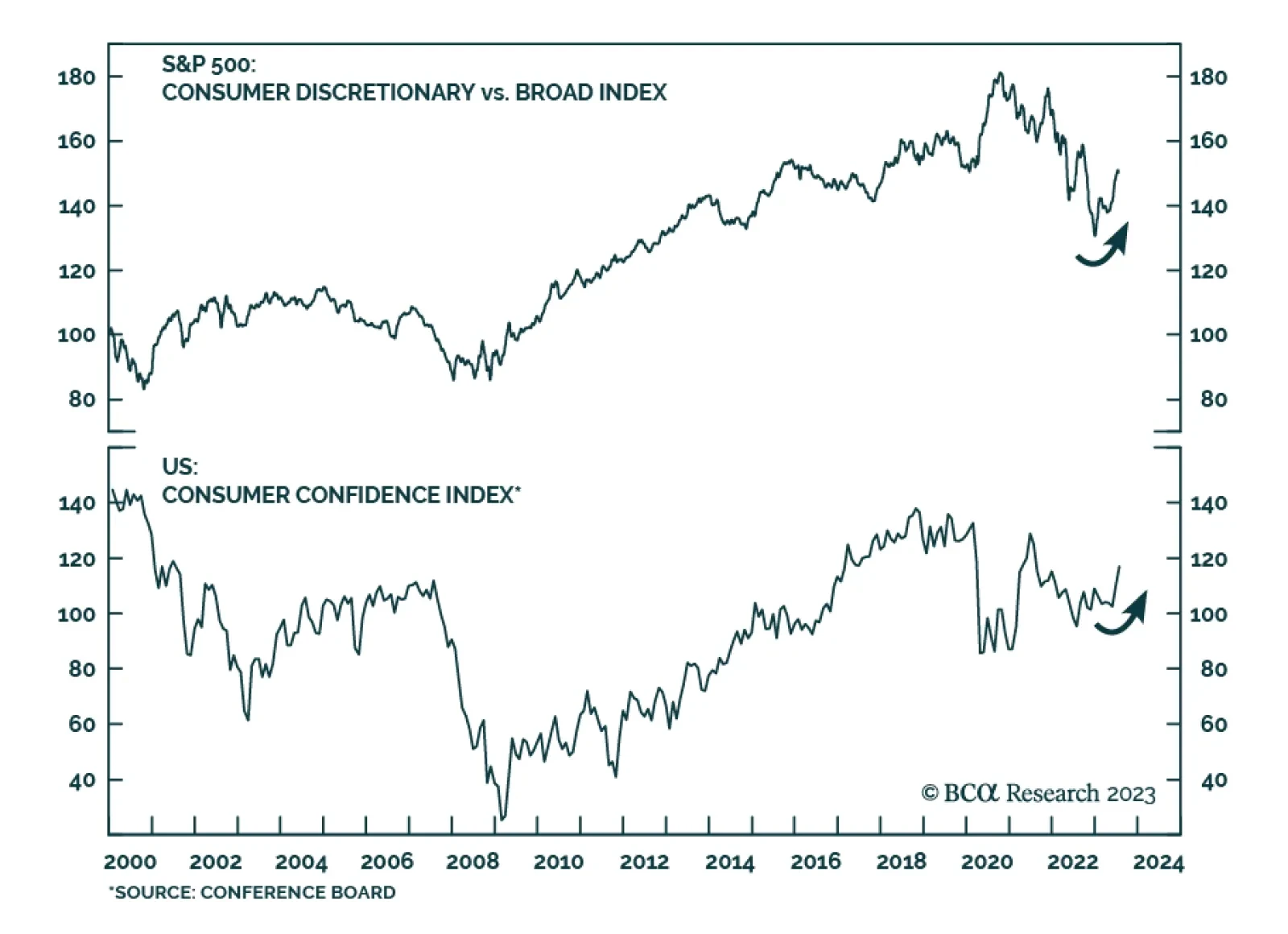
The US Consumer Discretionary sector has been one of the top winners since the equity rally broadened two months ago. Its 13% gain since the end of May outpaces the S&P 500’s rally by 3.8 percentage points This outperformance comes despite last week’s…
This week we preview the July FOMC meeting, provide an update on the Fed’s balance sheet and recommend a new TIPS trade.
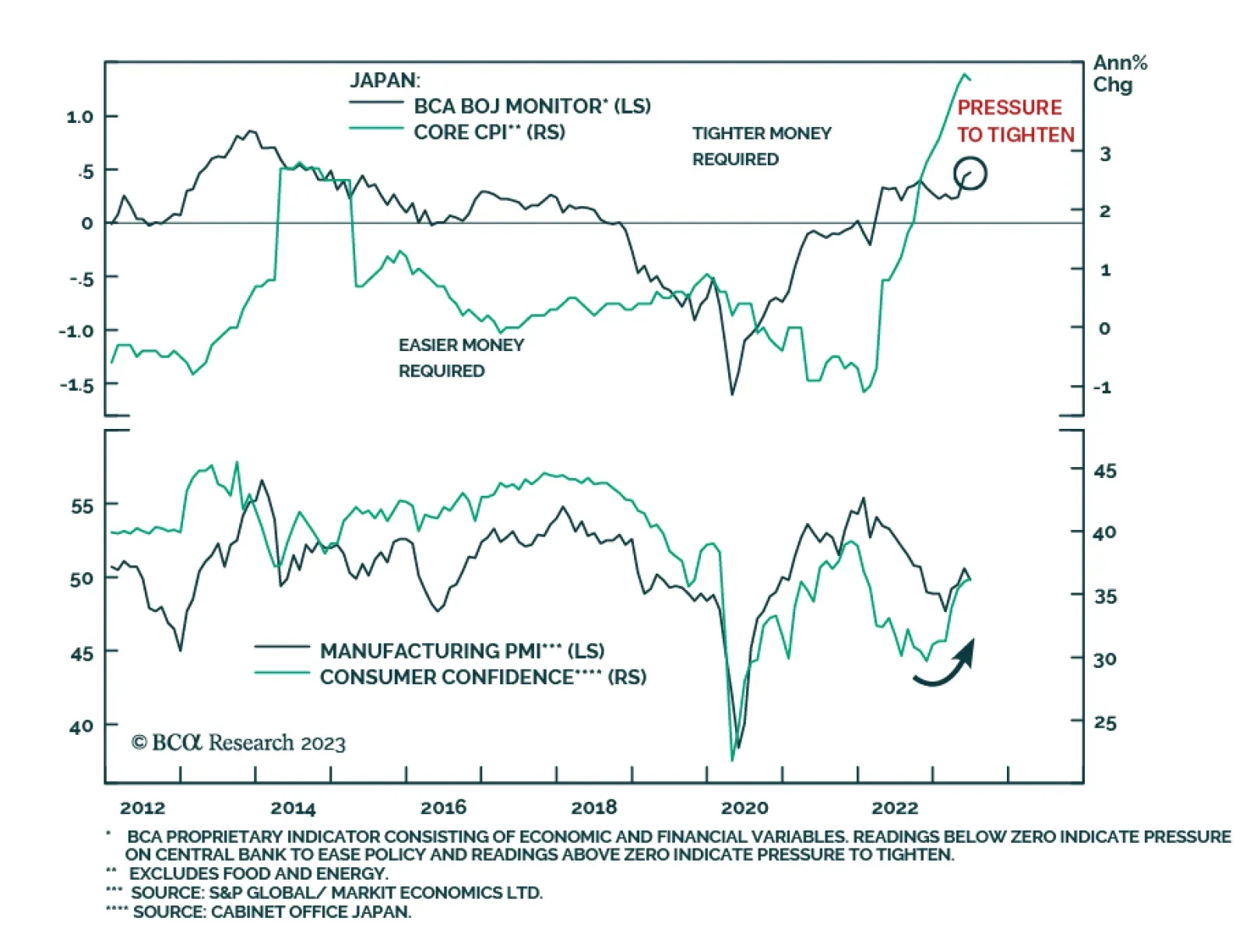
The Japanese yen slid by 2.1% vis-à-vis the US dollar last week, reversing the prior week’s rally. This latest bout of weakness comes on the back of speculation that the Bank of Japan will keep policy unchanged at its Friday meeting. On the one hand, both…
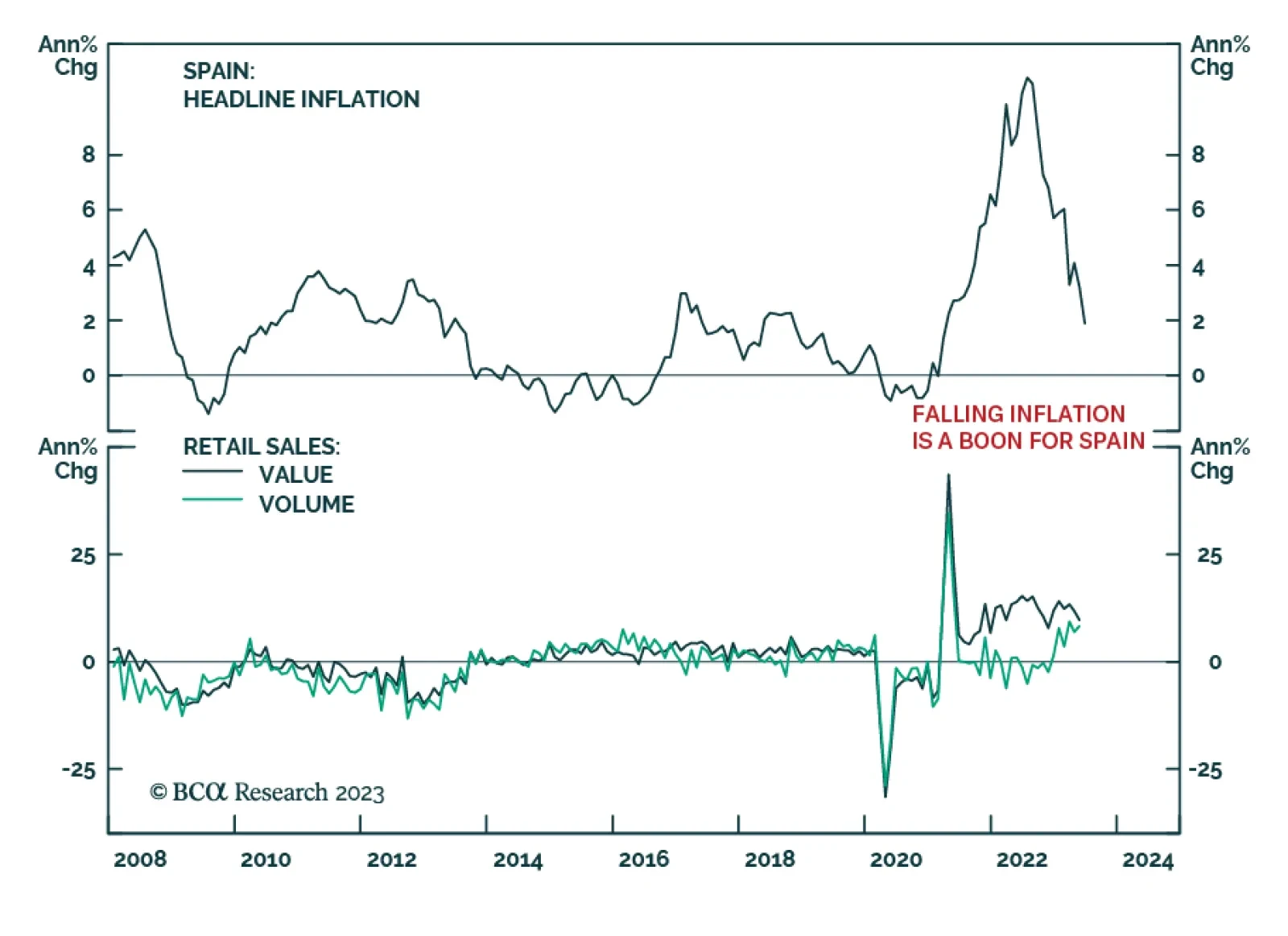
According to BCA Research’s Geopolitical Strategy and European Investment Strategy services, Spain’s economy is outperforming that of the Eurozone thanks to lower inflation and exploding tourism activity. These trends will not be affected by the results of…
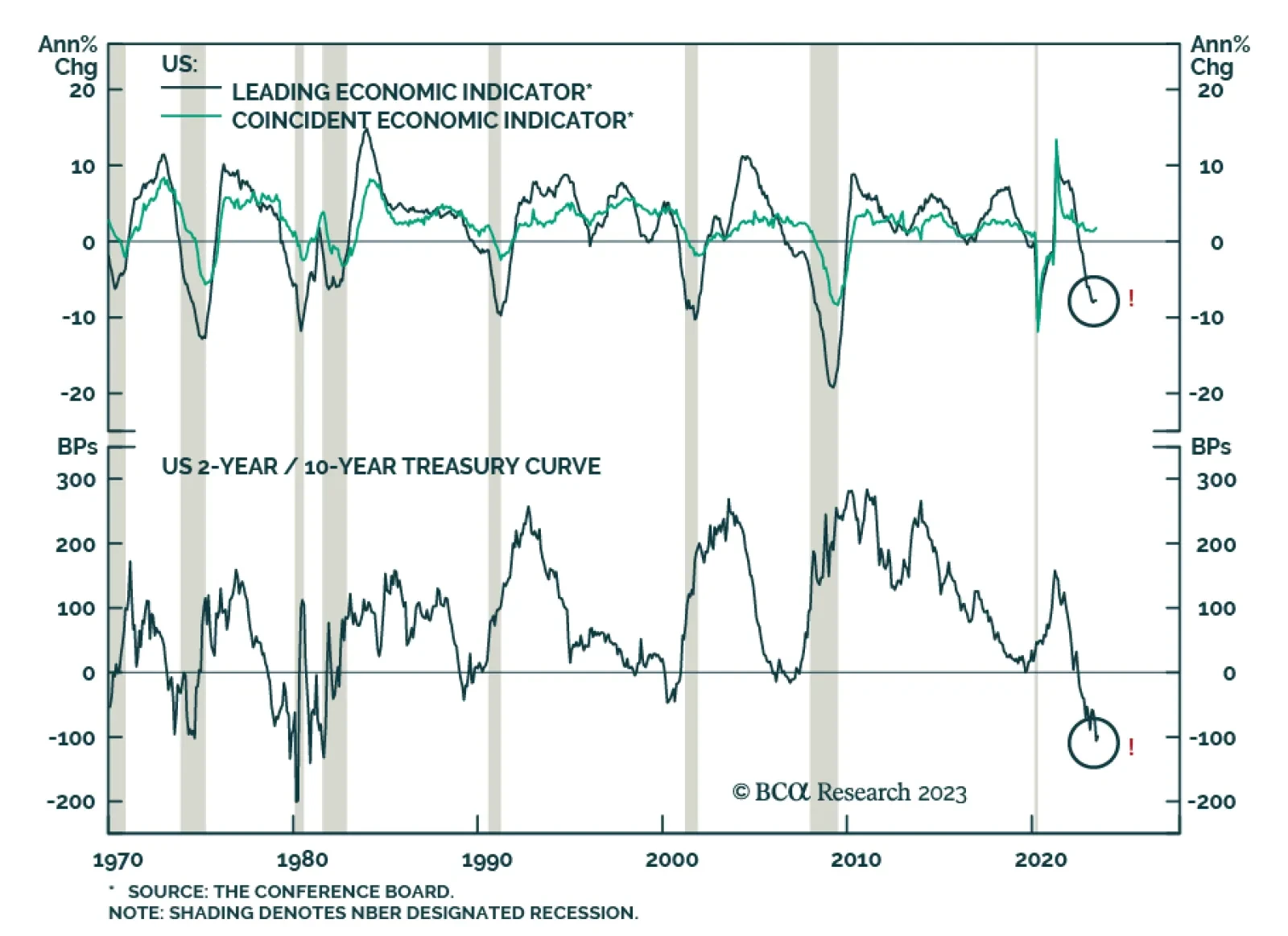
Investors have become increasingly more optimistic about the economic outlook. BoA’s Global Fund Manager Survey shows the share of investors surveyed expecting the global economy to experience a soft landing over the next 12 months rose to 68% in July. That…
Spain is holding a general election this Sunday and the country is likely to veer to the right. Will this shift threaten European unity and herald a new period of tensions in the Eurozone?
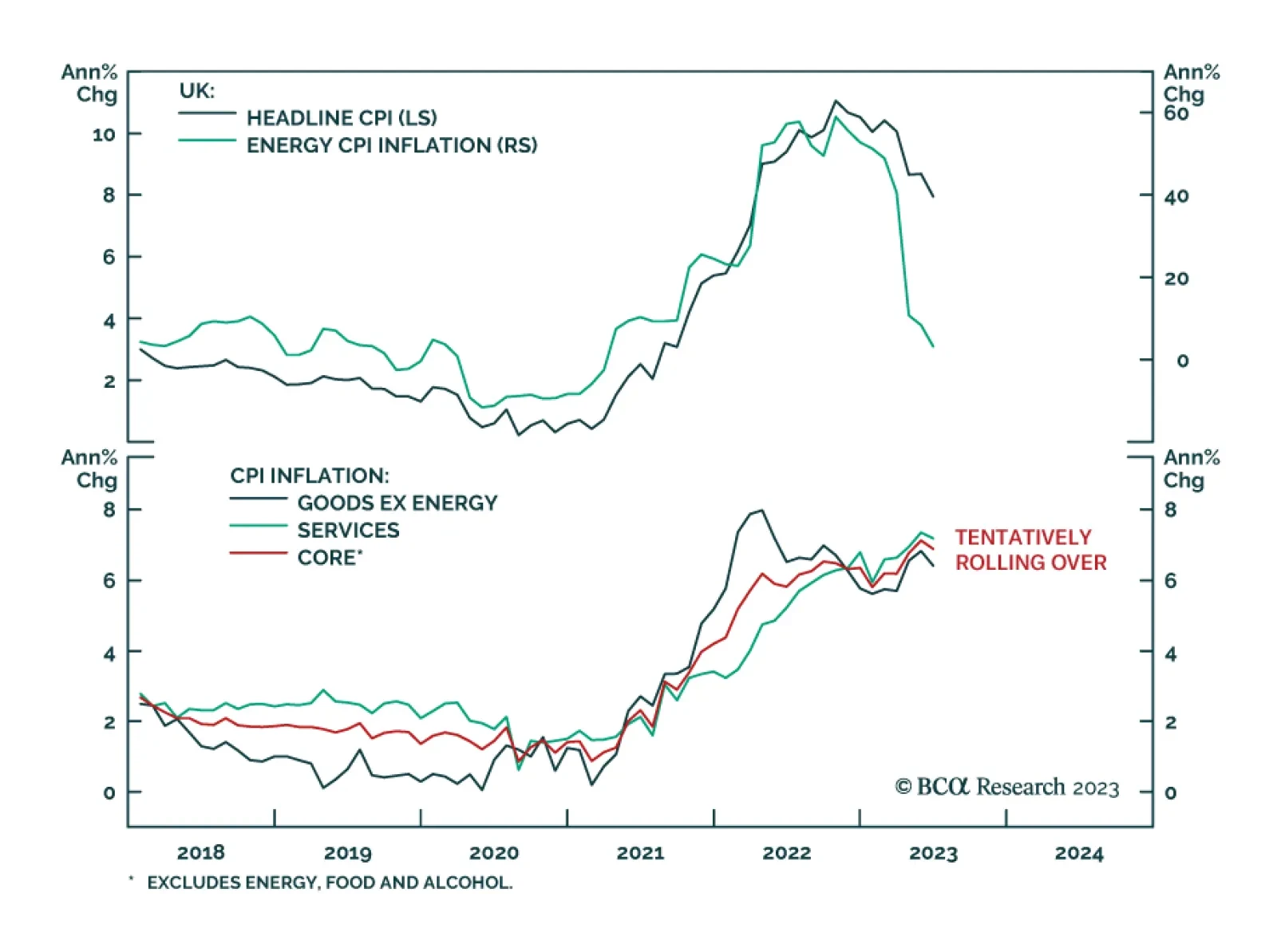
Softer-than-anticipated CPI inflation caused UK Gilts to rally and the British pound to weaken on Wednesday. Headline CPI inflation fell from 8.7% y/y to a 15-month low of 7.9% y/y in June – a greater decline than anticipations of 8.2% y/y. On a…
In this report, we dissect which markets have broken out and which ones have not, and reflect what this entails for our global macro view. Also, we analyze how the S&P 500 has been taking its cues from a change in the inflation trend. Yet, inflation dynamics are complex, and a falling inflation rate does not mean that the inflation menace has been eliminated.