
Sorry, you need to enable JavaScript to visit this website.
Skip to main content

Inflation/Deflation

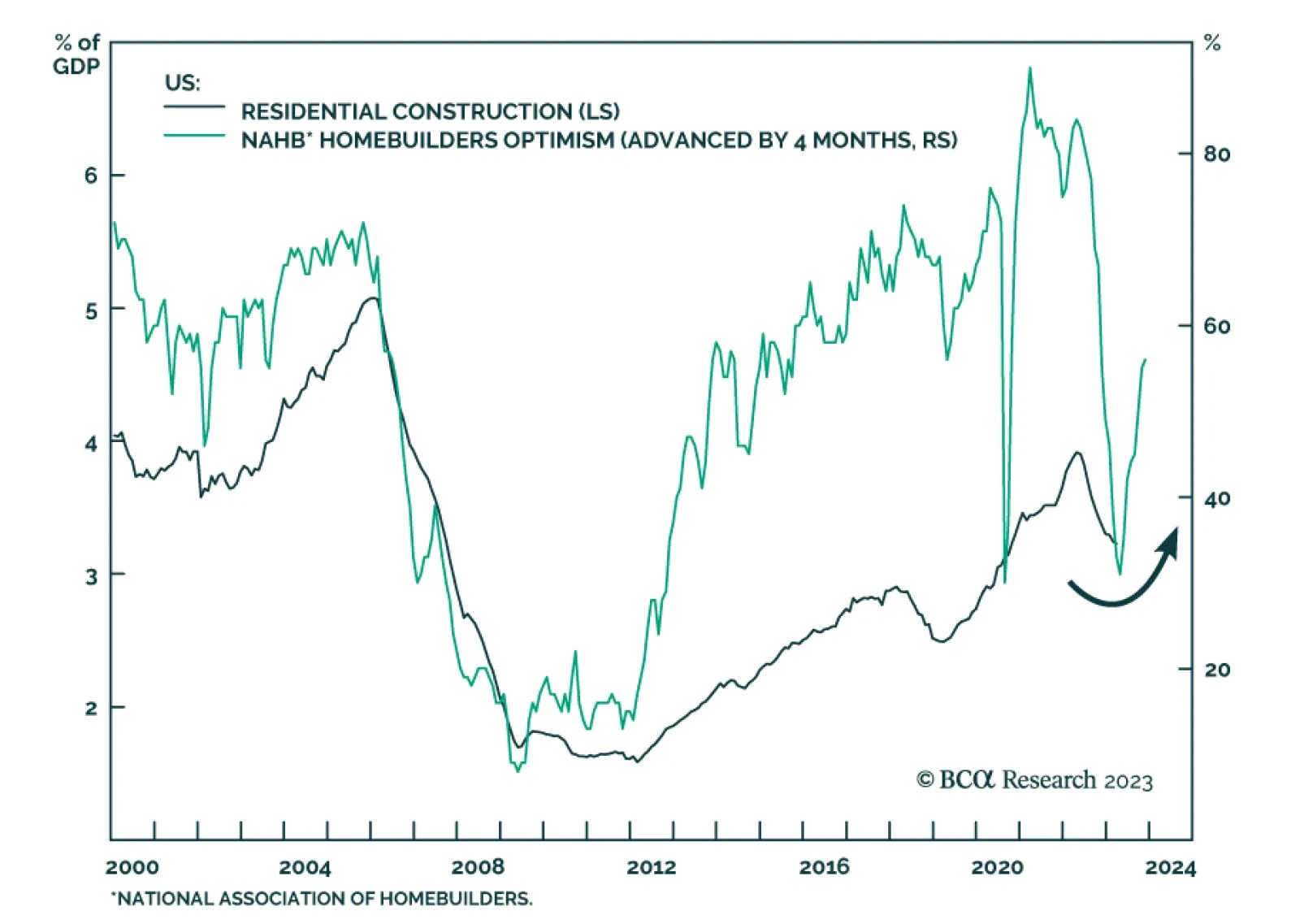
Results of the NAHB survey shows US homebuilder sentiment inched further above 50 to a 13-month high of 56 in July. Its ongoing rise above 50 indicates that net sentiment is becoming increasingly favorable. That said, homebuilders pared back some optimism…
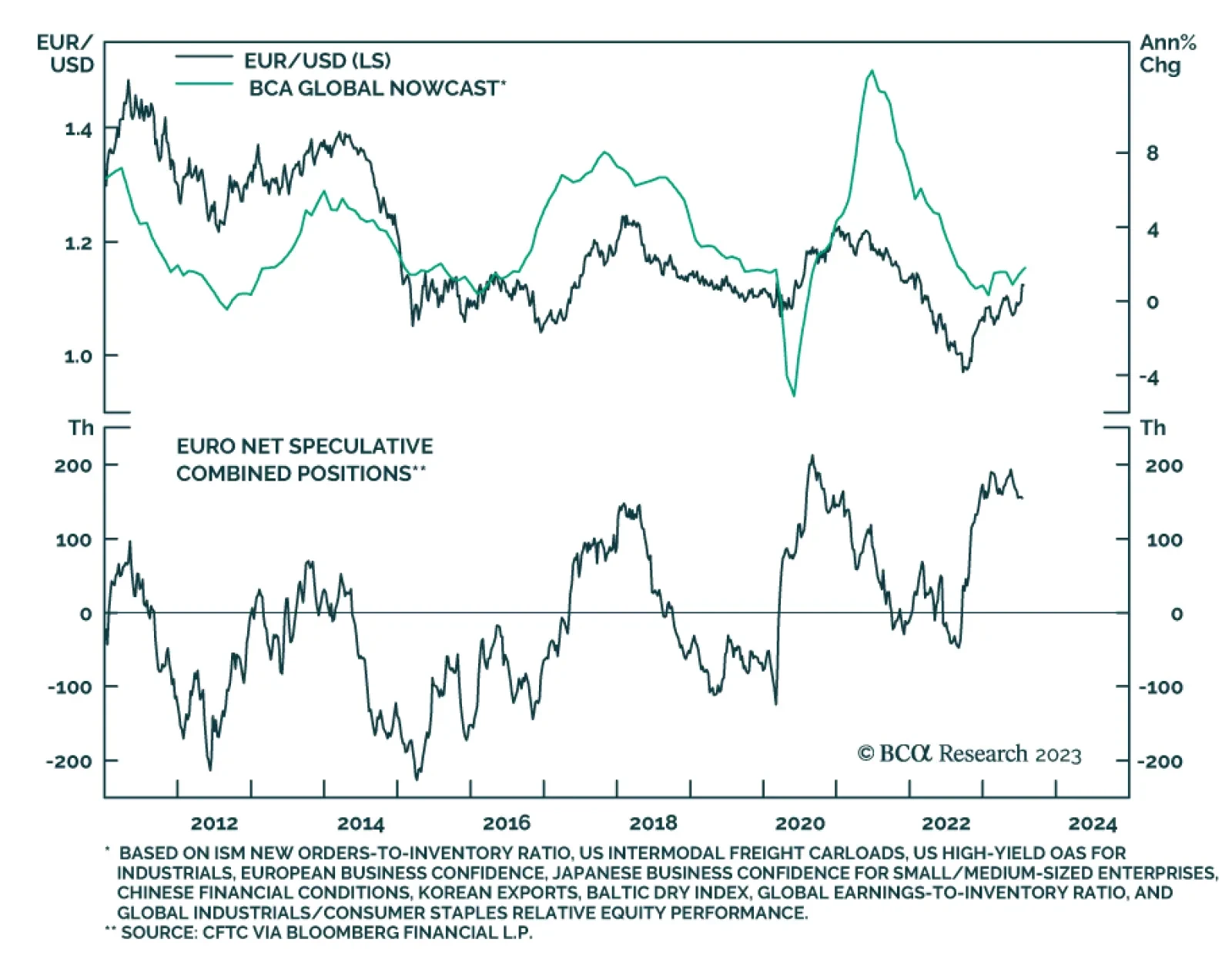
After US inflation slowed down markedly, EUR/USD broke out to 1.12, which constitutes a 16-month high. The euro is benefiting from the market expectation that the Fed will soon be done with its hikes while the ECB’s monetary tightening campaign remains more…
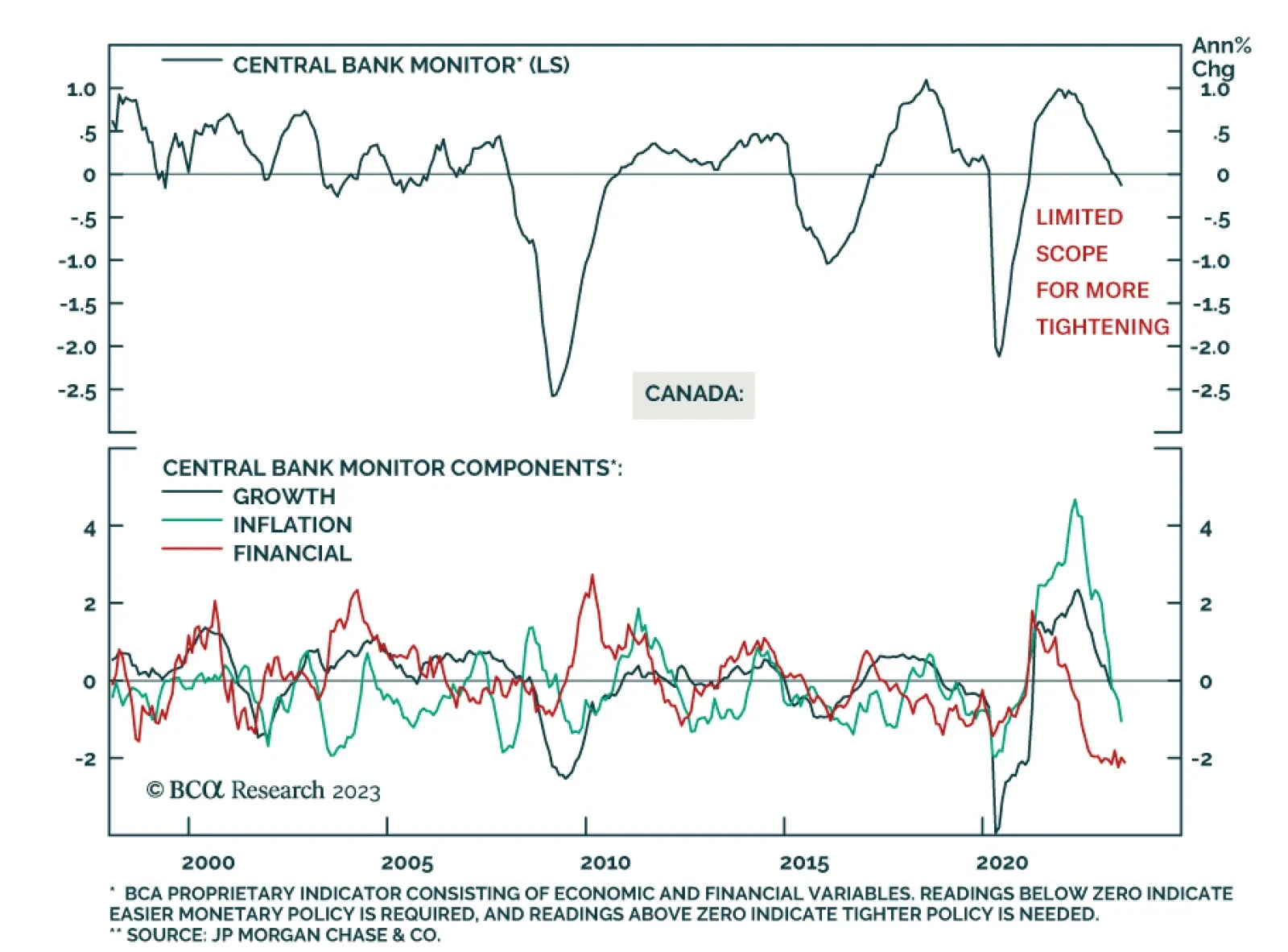
Canada’s CPI release showed headline CPI inflation cooled from 3.4% y/y to 2.8% in June – below estimates calling for a less pronounced moderation to 3.0% y/y. This marks inflation’s first return to the Bank of Canada’s 1%-3% percent inflation target range…
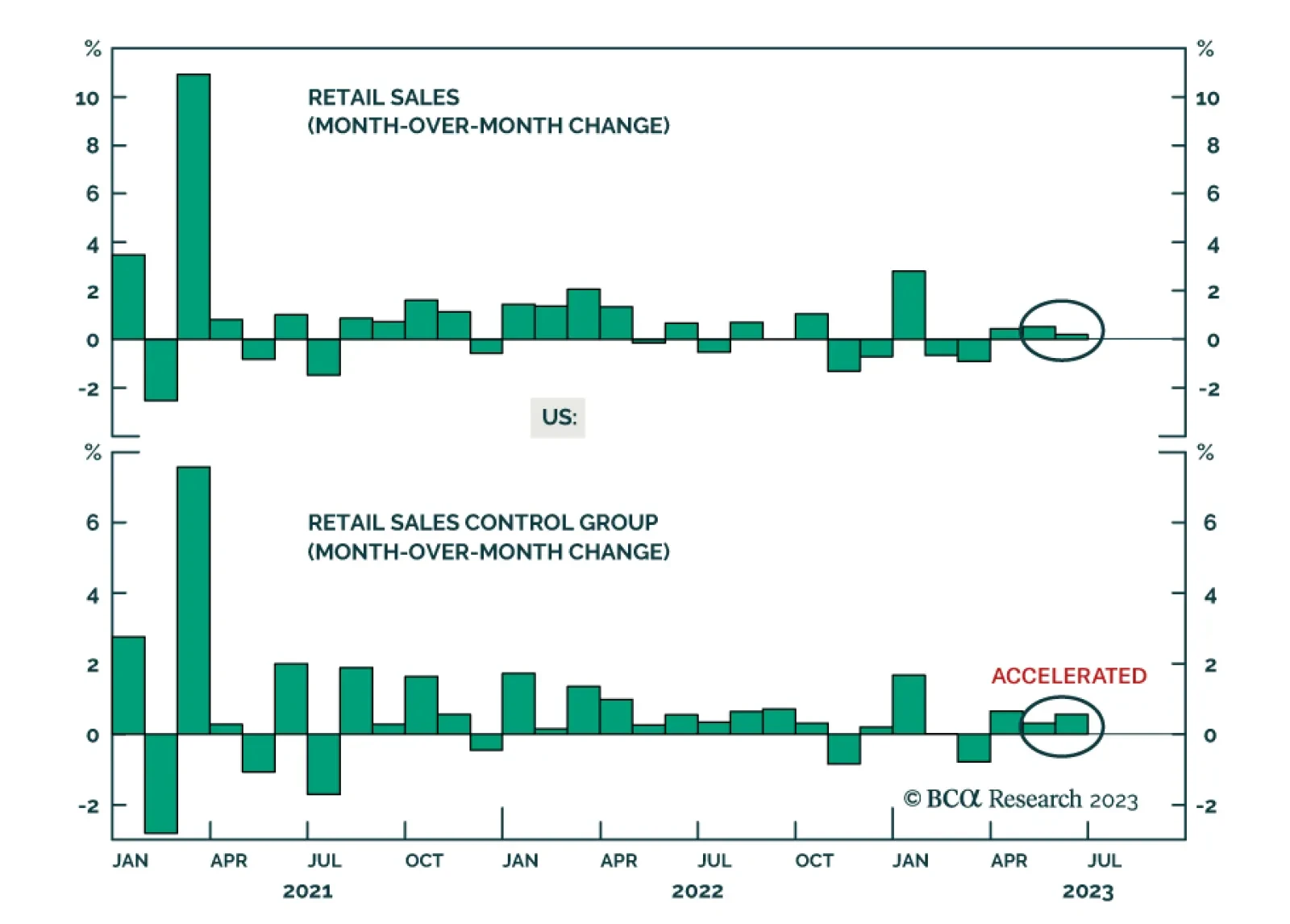
US retail sales delivered a mixed signal on Tuesday. On the one hand, overall retail sales growth decelerated from 0.5% m/m to 0.2% m/m in June– disappointing expectations of 0.5% m/m. Spending on retail sales excluding the volatile auto and gas retailers…

In recent months, the European and US economies have greatly diverged, with the Euro Area massively disappointing while the US has surprised to the upside. Can this dichotomy continue or is it Europe’s turn to shine?
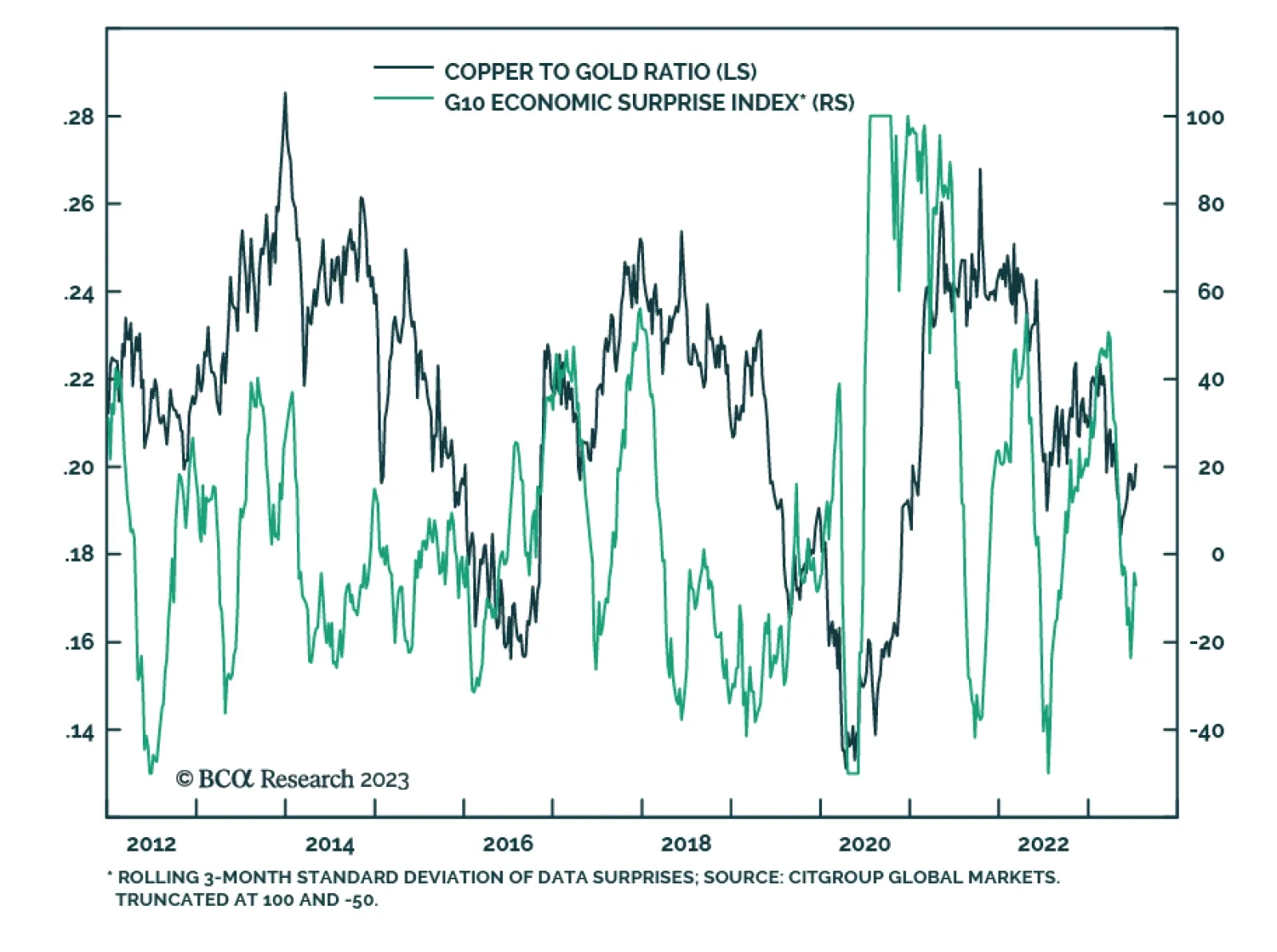
Copper rallied to a two-month high by the end of last week. Importantly, this move did not occur in isolation. It coincides with greater optimism about the prospects of a soft landing. Indeed, the US economic surprise index is solidly in positive territory…

Stocks fare best when there is plenty of slack in the economy and growth is strong and getting stronger. The good news is that the economic growth score for the US in our MacroQuant model is above its historic average. The bad news is that US economy is operating with little slack and sentiment is getting complacent. We recommend that investors maintain a modest overweight to equities for the time being but look to get more defensive later this year or in early 2024.
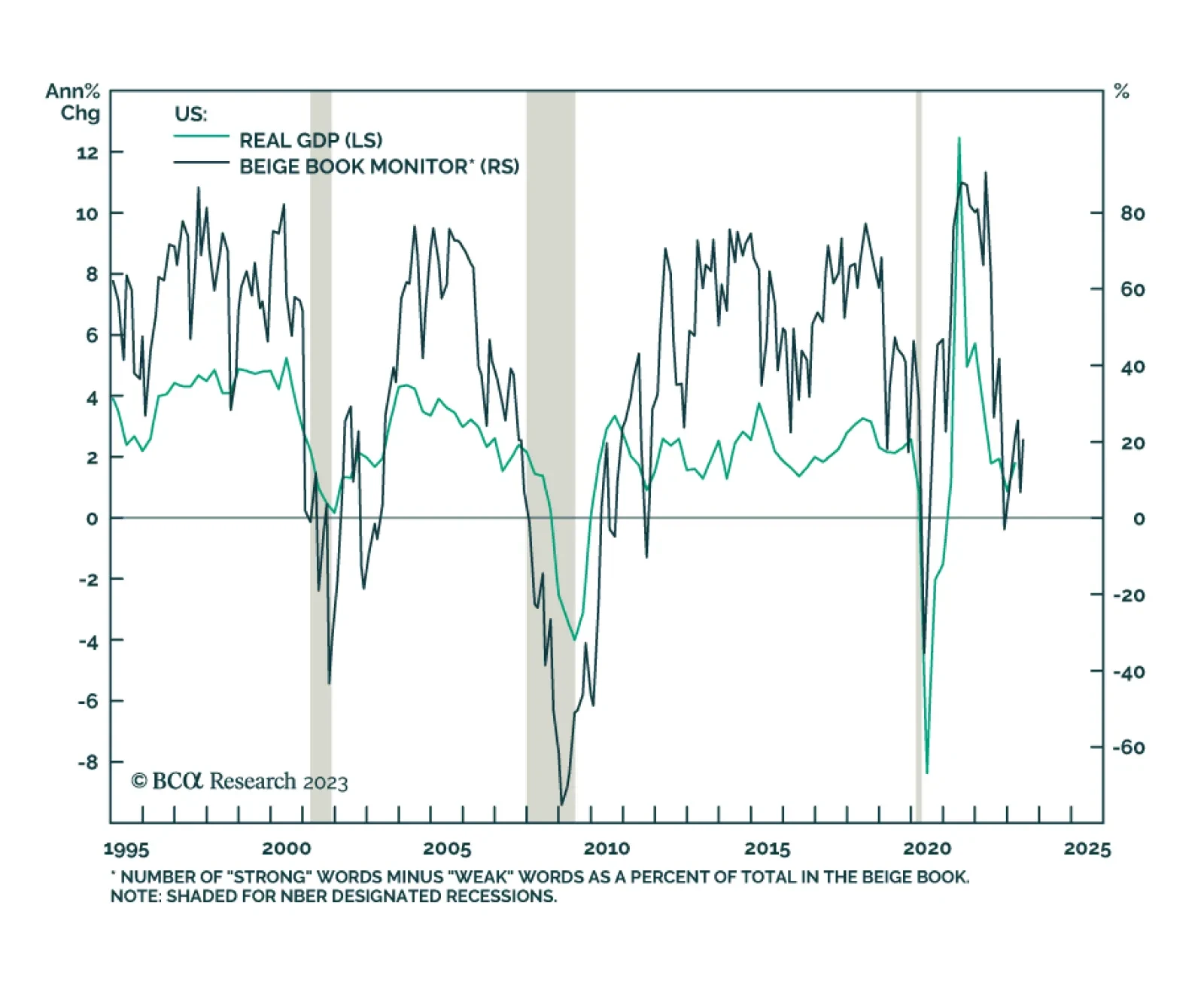
The Fed’s latest Beige Book reveals that economic activity rose slightly in recent weeks. The results are based on surveys and interviews conducted across 12 districts through June 30. In particular, two of the districts experienced “slight and modest…

In this report, we explore Brazil’s inflation and monetary policy outlook, the Lula administration’s back-and-forth between pragmatism and populism, and how these factors will affect Brazilian financial markets going forward. All in all, we believe Brazilian risk assets will be in a trading range relative to their EM peers in the next 12 months.

Falling inflation enables central banks to pause rate hikes, which is good news. But time goes on. Restrictive monetary policy, Chinese debt-deflation, energy supply shocks, US and global policy uncertainty, and extreme geopolitical risks will undermine hopes of a soft landing and beautiful disinflation.