Inflation
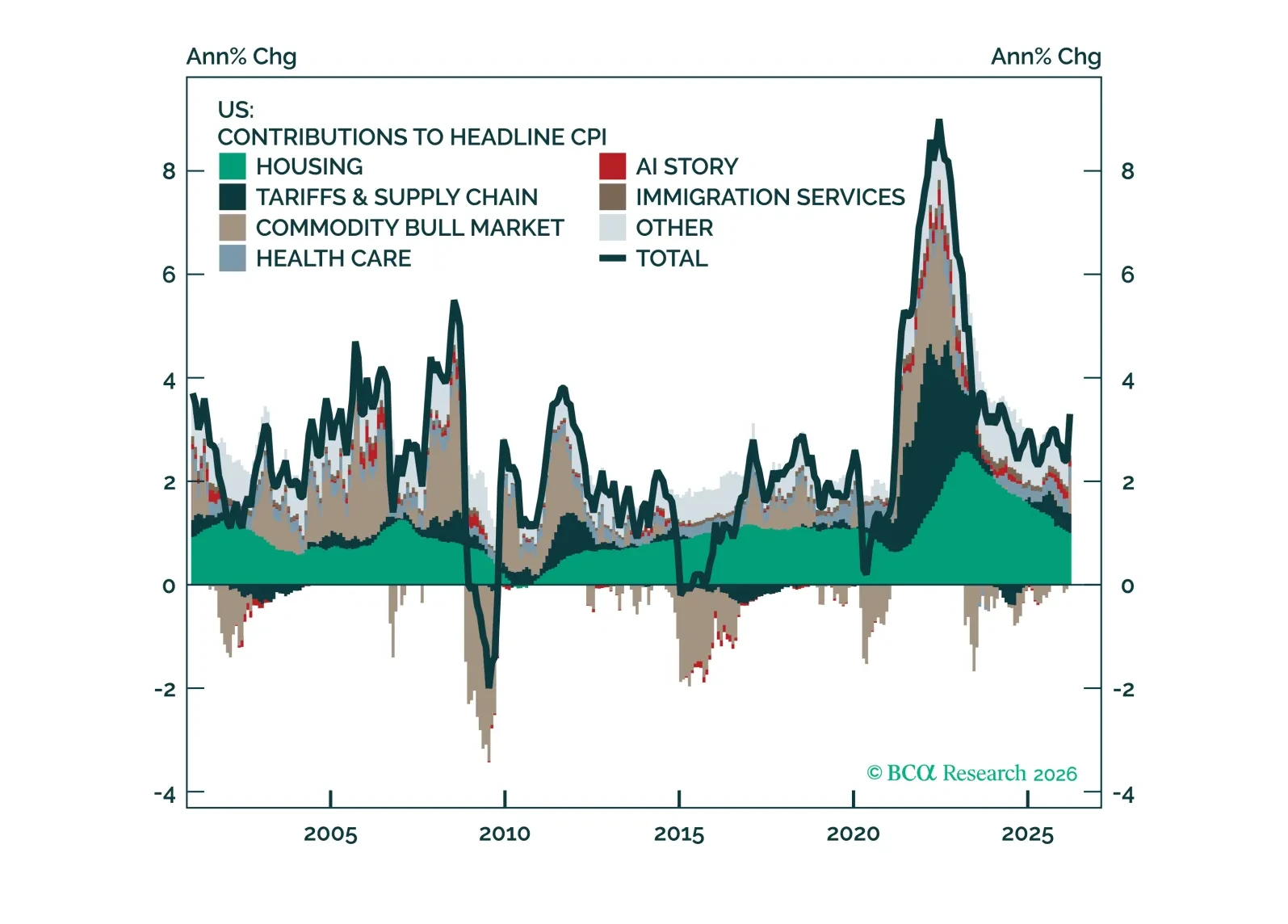
The tenuous ceasefire holds, with the "new geopolitical equilibrium scenario" remaining in place. Enough crude trickles through Hormuz to avert a global recession, but not to alleviate building inflationary pressures, a product of a complicated geomacro context that is not transitory. The Fed will look to ignore these in the short term, fueling the equity rally in the US. Chinese equities may pop thanks to the upcoming détente. When does it all end? Beware of major IPOs!
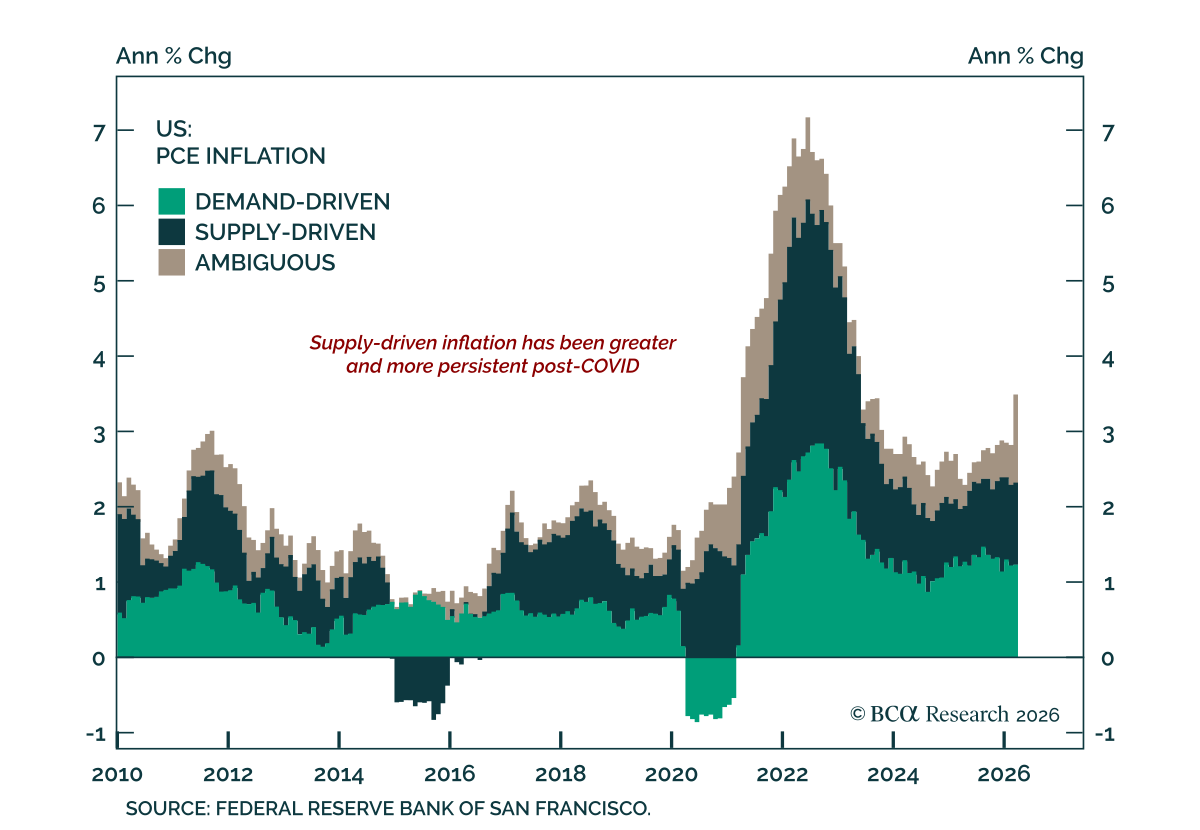
The 2020s have already delivered four inflation shocks, with a structural backdrop turning more inflationary. Inflation first rose during the post-COVID reopening, as globally integrated supply chains struggled to adjust. Russia’s invasion of Ukraine then…
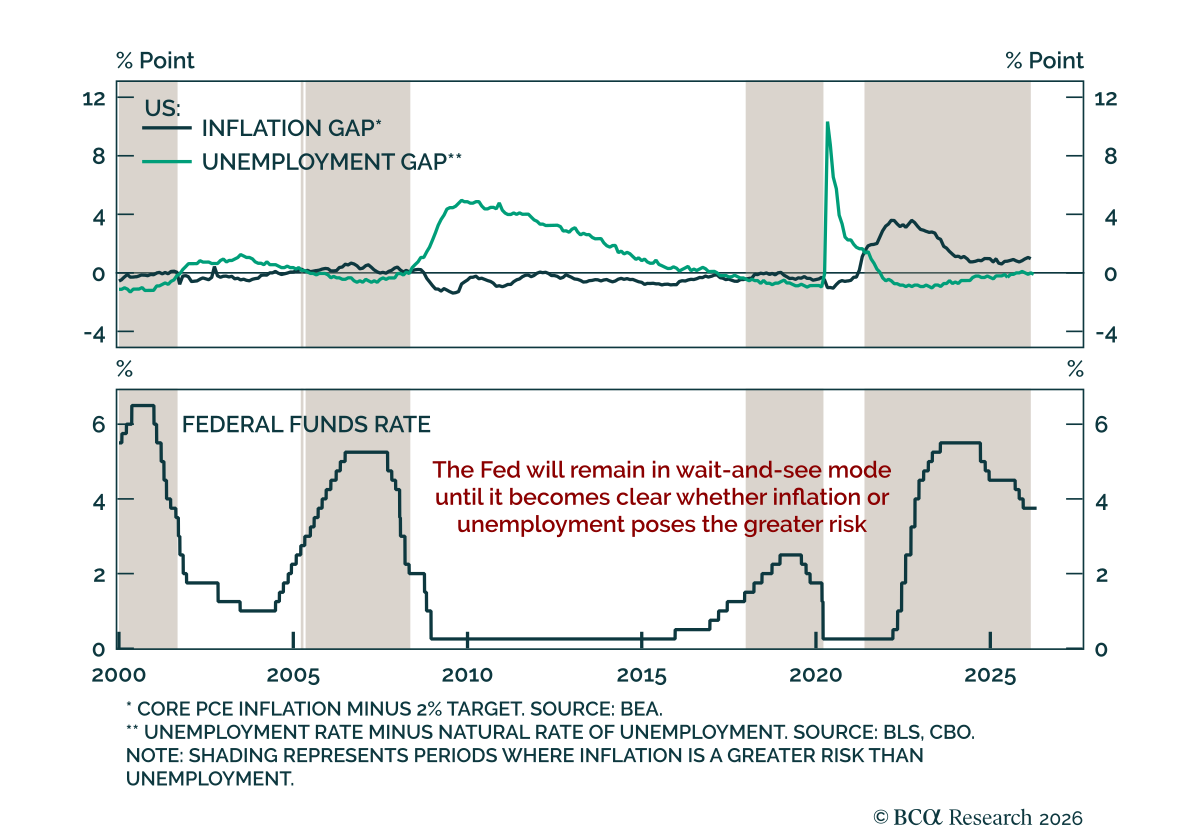
The Fed held rates for a third consecutive meeting and signaled no urgency to cut. The Fed left rates at 3.5-3.75%, with a 8-4 vote in favor of the relatively unchanged statement. Dissents were two-sided, with Governor Miran favoring a 25 bps cut, and…
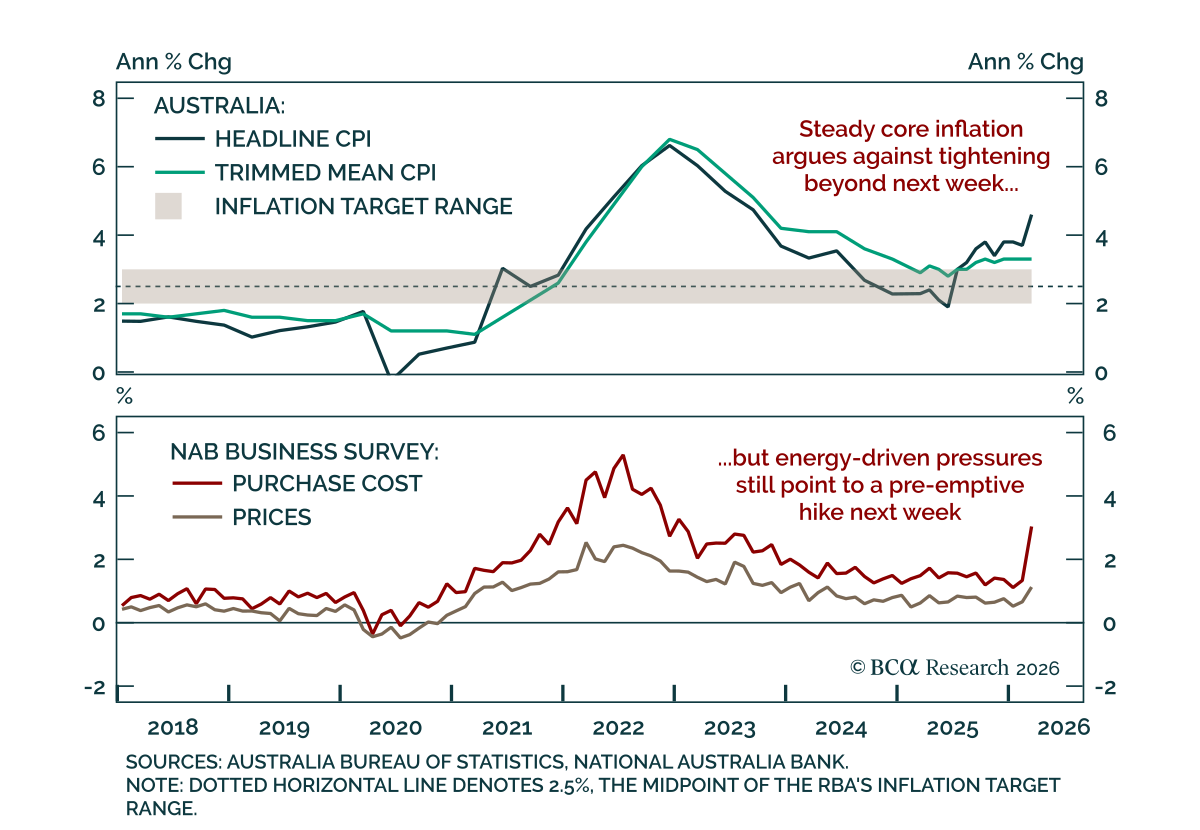
Australia's Q1 CPI showed energy-driven headline acceleration, but steady core inflation suggests markets are over-pricing RBA tightening. Headline inflation accelerated to 4.1% y/y (1.4% q/q) from 3.6% (0.6%), while the trimmed mean was largely unchanged at…
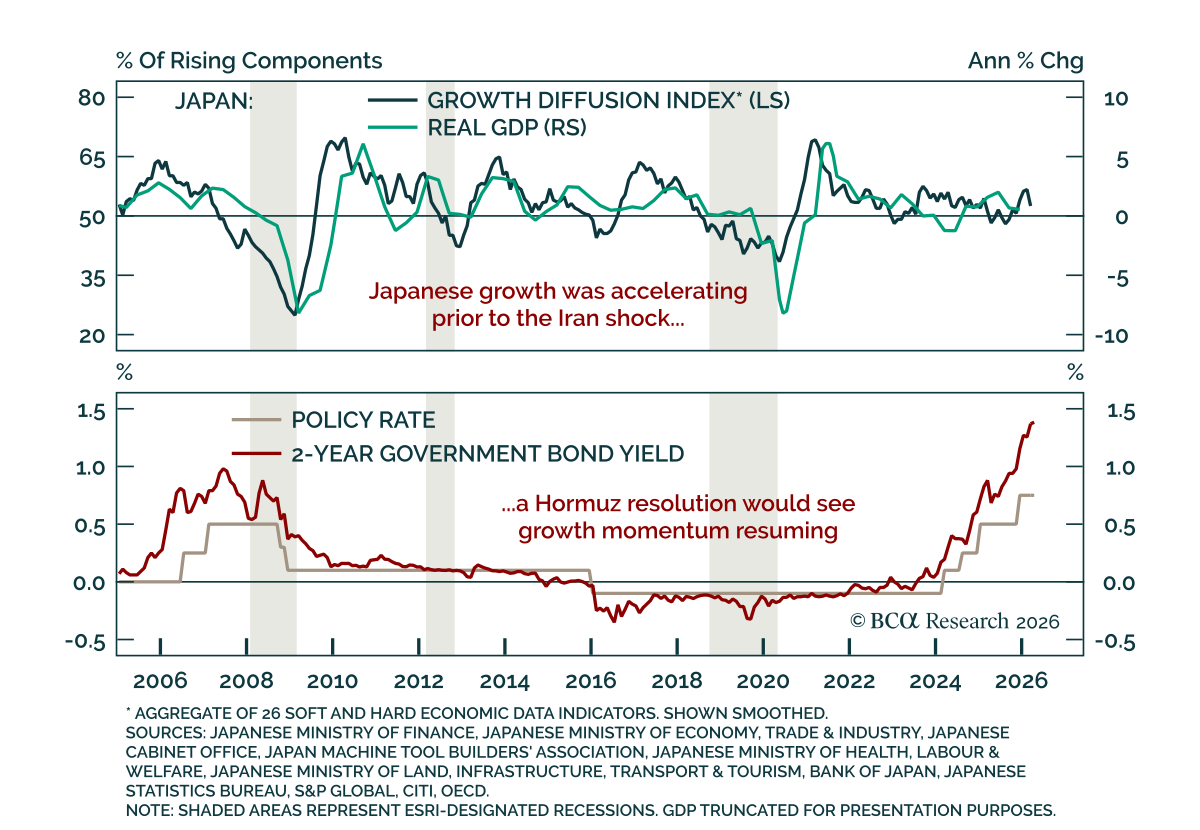
The Bank of Japan held rates at 0.75%, but the meeting still leaned hawkish. The hold was expected, but had a hawkish tone with 3 dissents in favor of a hike. That signal came alongside upward revisions to the BoJ’s inflation forecasts for 2026 and 2027, and…
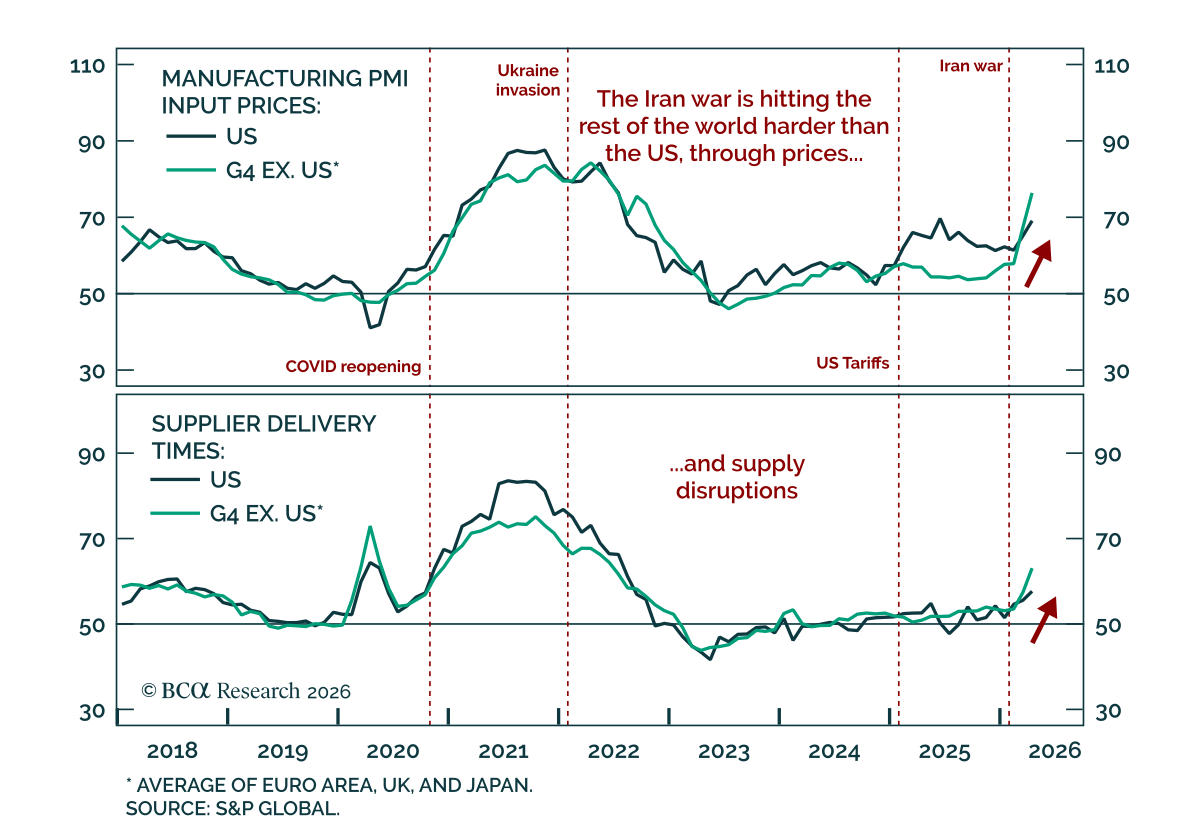
The April flash PMIs show that the global energy shock is feeding through unevenly, with sharper price pressures outside the US. Longer delivery times were widespread across developed markets, and input prices rose. One of our most timely tools for tracking…
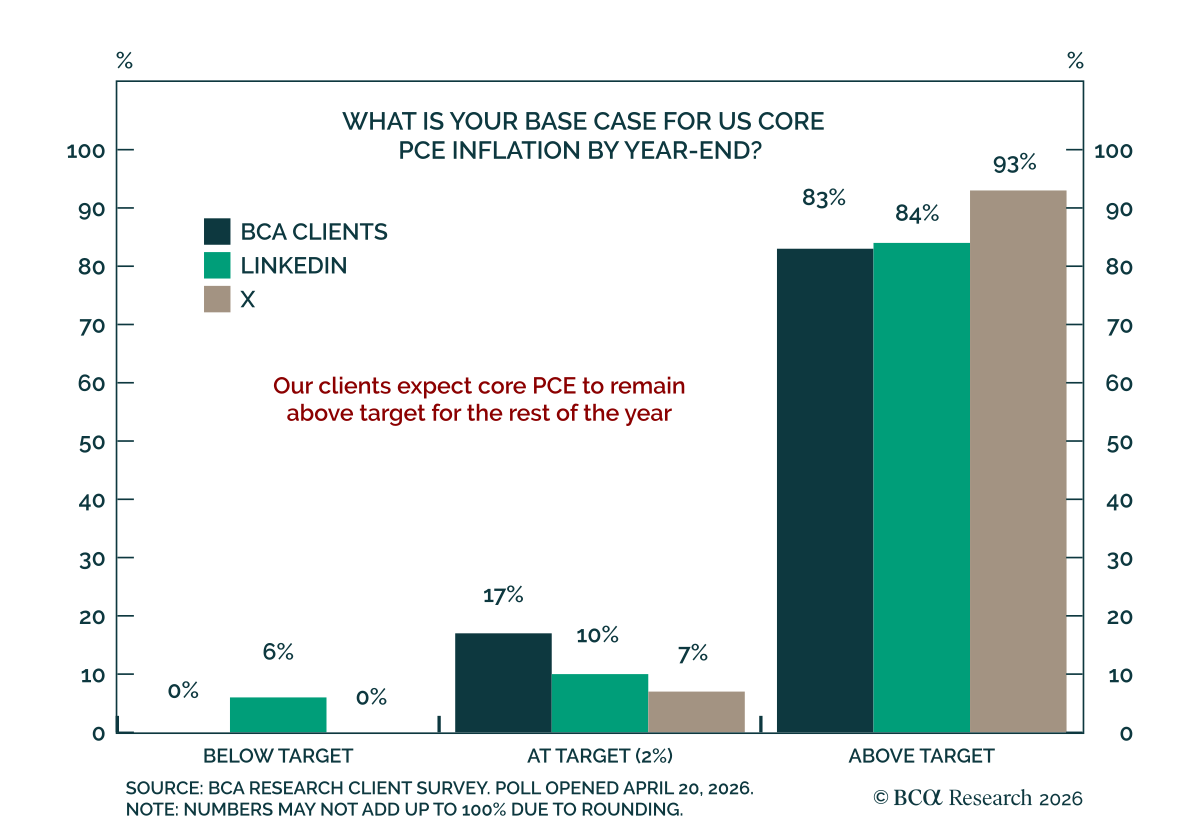
Our clients see US core inflation remaining above the Fed’s 2% target for the remainder of the year. In last week’s poll, opened April 20, we asked our clients and social media users their base case for core PCE by year-end. An overwhelming 83% of BCA clients…
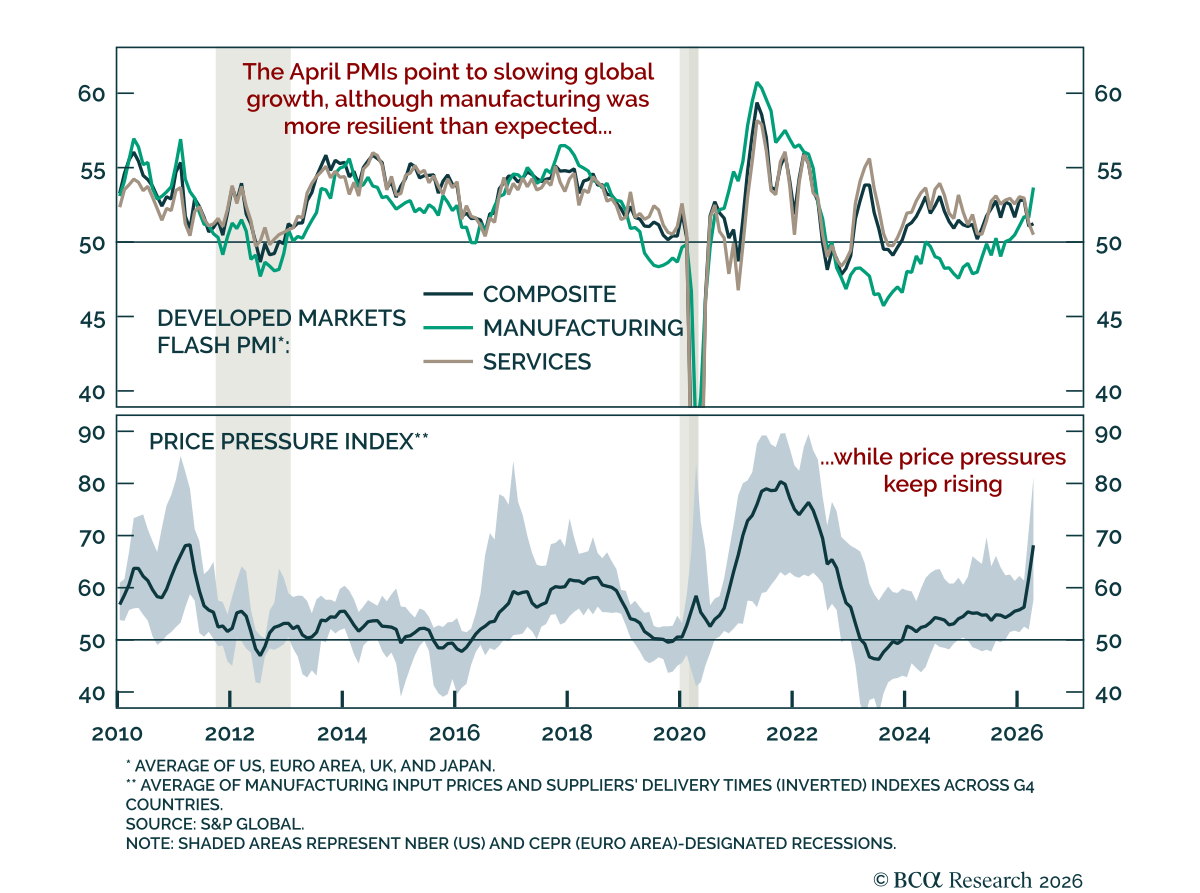
The April flash PMIs show the US weathering the energy shock better than the rest of the world, especially Europe. Global growth is slowing in the face of higher energy costs. Manufacturing beat estimates across the board, helped by longer delivery times and…
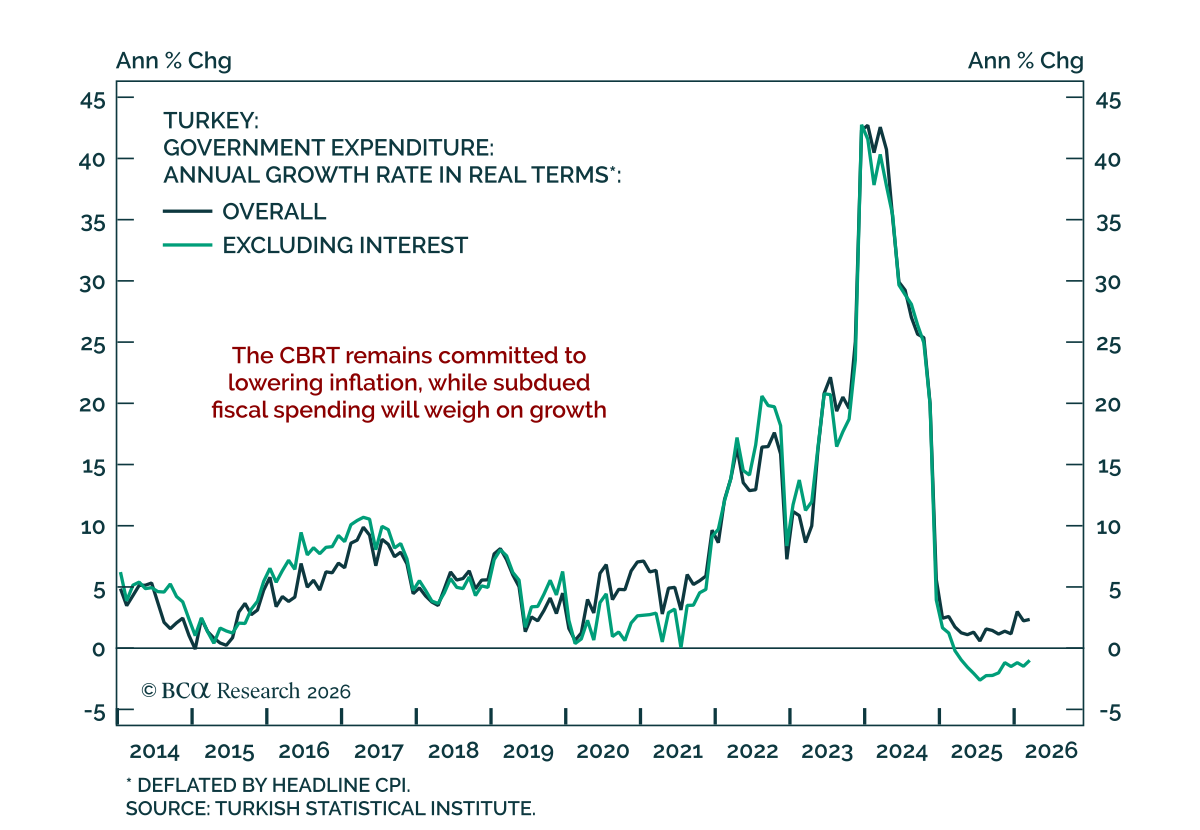
The Turkish Central Bank held rates at 37% this week, in line with expectations. While the energy shock may halt disinflation and delay near-term CBRT easing, the structural background remains disinflationary. An easing pause coupled with a slowing domestic…
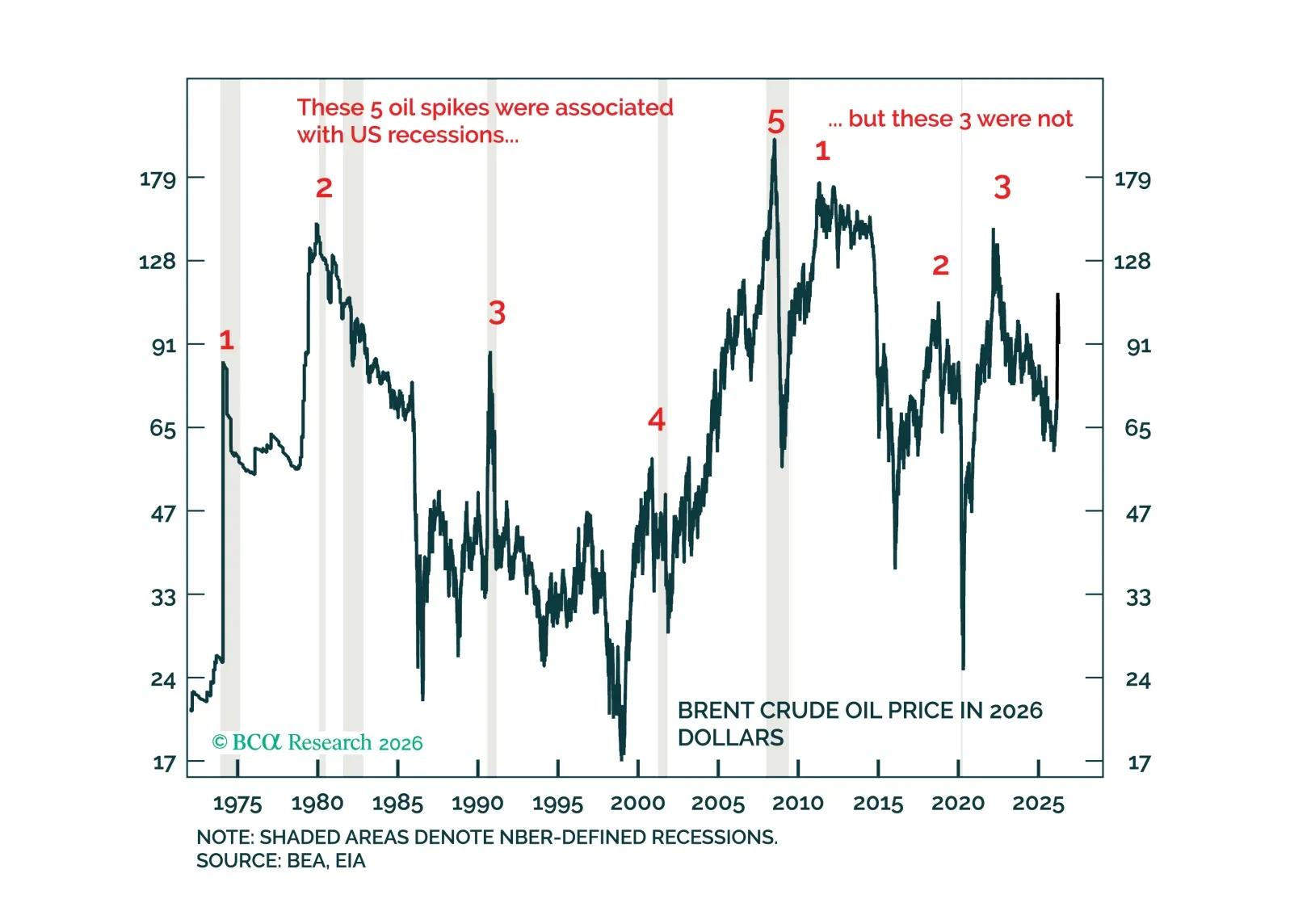
In the US, the oil shock’s impact is more inflationary than recessionary but in the other economies, like the UK, the impact is both inflationary and recessionary. This creates relative value opportunities for bond investors. Plus, we reiterate short AUD/JPY as a trade.