Sorry, you need to enable JavaScript to visit this website.
Skip to main content

Japan

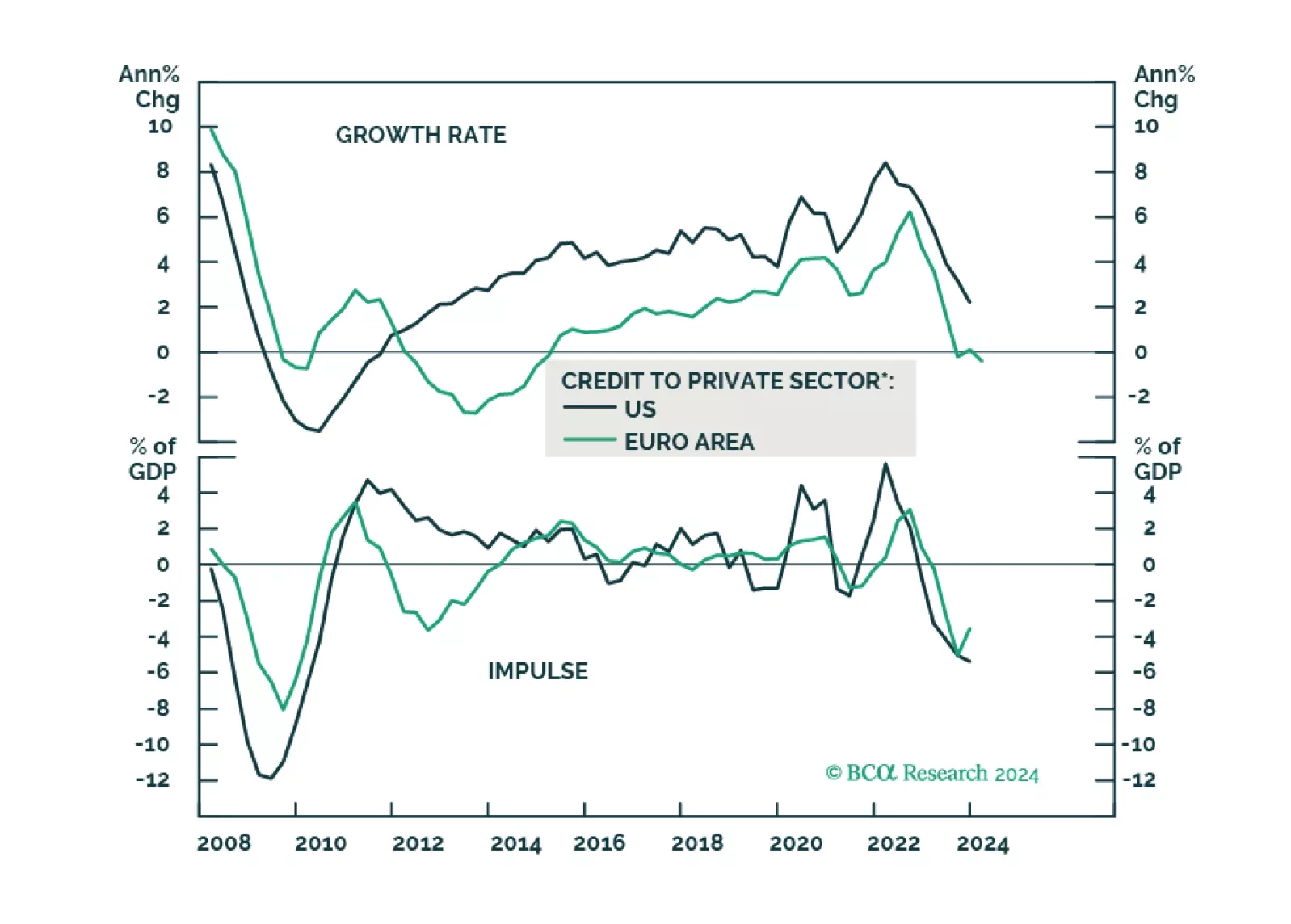
High interest rates will eventually cause growth to slow. Signs of stress are already starting to show. Stay cautiously positioned.

The Bank of Japan adjusted the language of its Monetary Policy Statement on Tuesday to indicate that it will allow greater flexibility it its yield curve control policy (YCC). It indicated that although the target level of 10-year JGB yields remains unchanged…
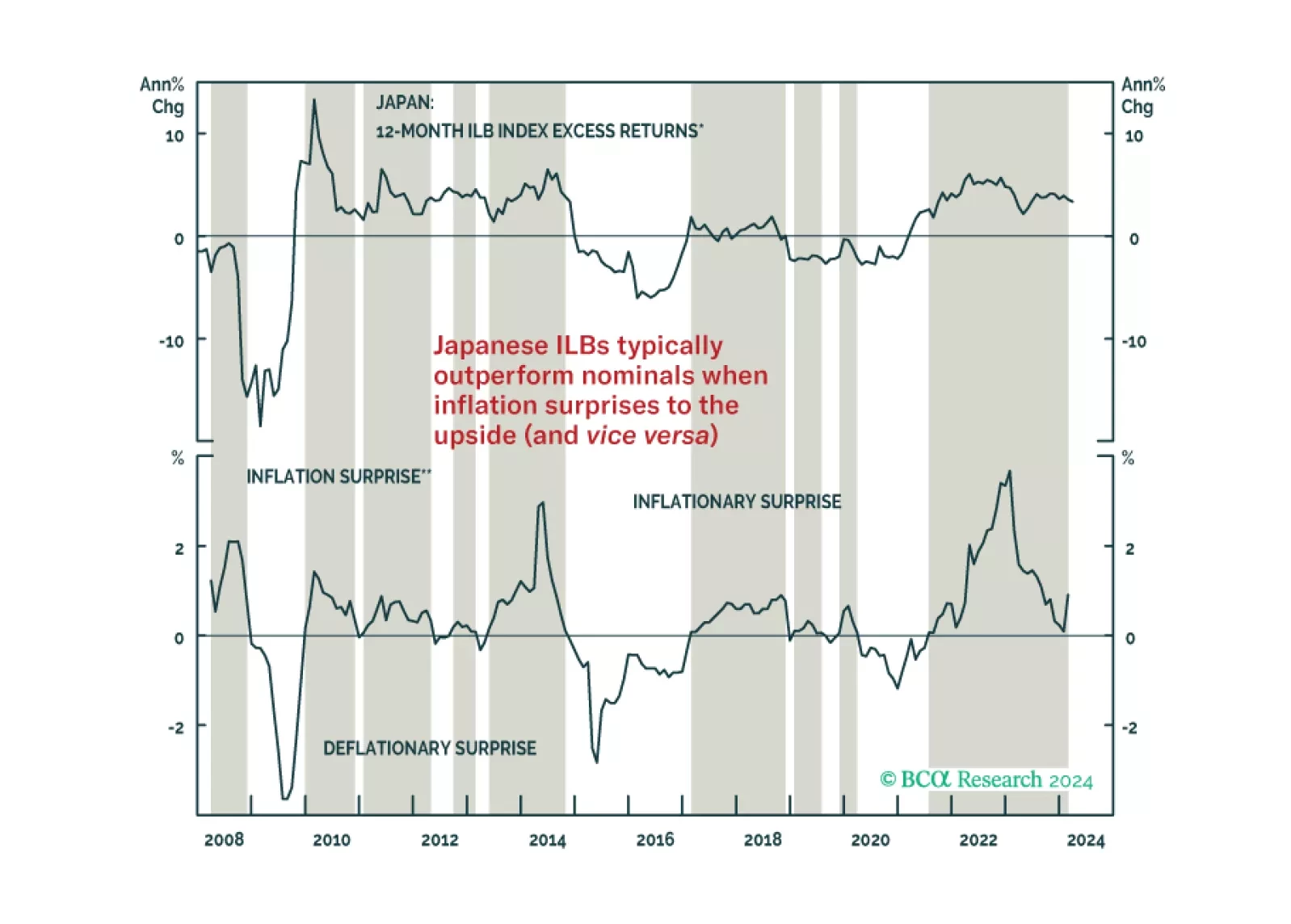
Friday's Tokyo CPI release suggests that inflationary pressures are picking back up again in Japan. Headline inflation accelerated to 3.3% y/y – surprising expectations it would remain unchanged at 2.8% y/y. The ex-fresh food component also unexpectedly rose…

In this Special Report, we introduce two strategies that use our Central Bank Monitors for global fixed income country allocations and currency trades. We find that using the Monitors in country selection helps improve the performance of a developed markets government bond portfolio. The CBMs can also help substantially minimize the drawdowns on a standard FX carry strategy.

The flash PMI estimates from S&P Global delivered a mixed message about economic conditions across DM economies in October. The Eurozone composite index unexpectedly fell from 47.2 to a nearly three-year low of 46.5 on the back of surprise declines in…

There is a high probability that the global economy will tip into recession in the second half of 2024. A long yen position is an excellent hedge against that risk.

In this report, we present the quarterly review of the Global Fixed Income Strategy Model Bond Portfolio. The portfolio remains positioned for slower global growth momentum over the next 6-12 months, favoring government bonds over corporate debt. The portfolio also favors government bonds in countries flirting with recession where policy rates are too high (core Europe & the UK).

The Japanese yen has depreciated by 12.6% against the USD year-to-date. This exceeds the 1.6% depreciation and 0.8% appreciation by the euro and British pound against the US dollar respectively. With the higher-for-longer narrative now becoming the mainstream…

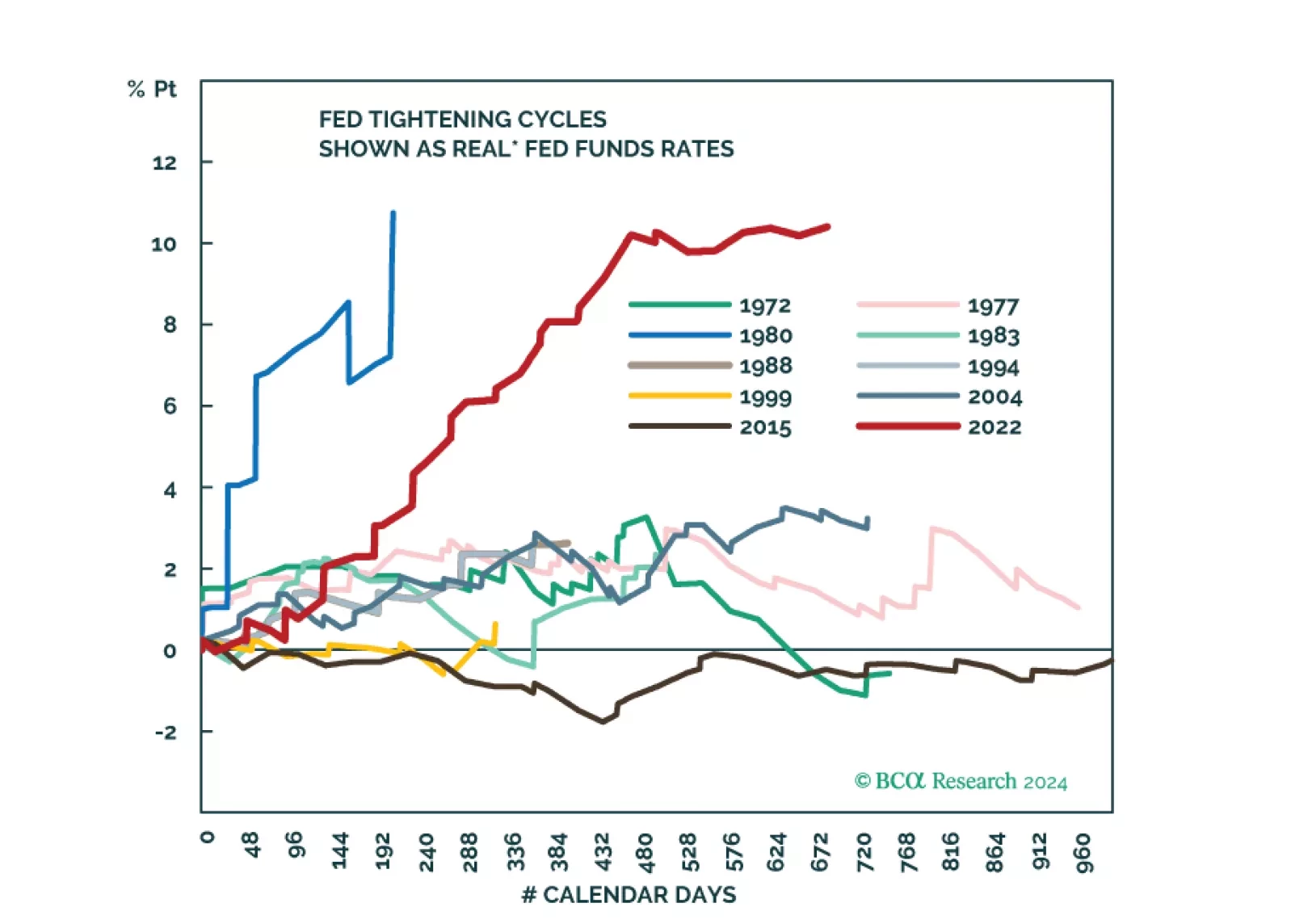
Aggressive monetary tightening has always led to recession, although the timing is uncertain. The effects of high interest rates are starting to be felt. Investors should stay risk off and buy government bonds as a safe haven investment with carry.

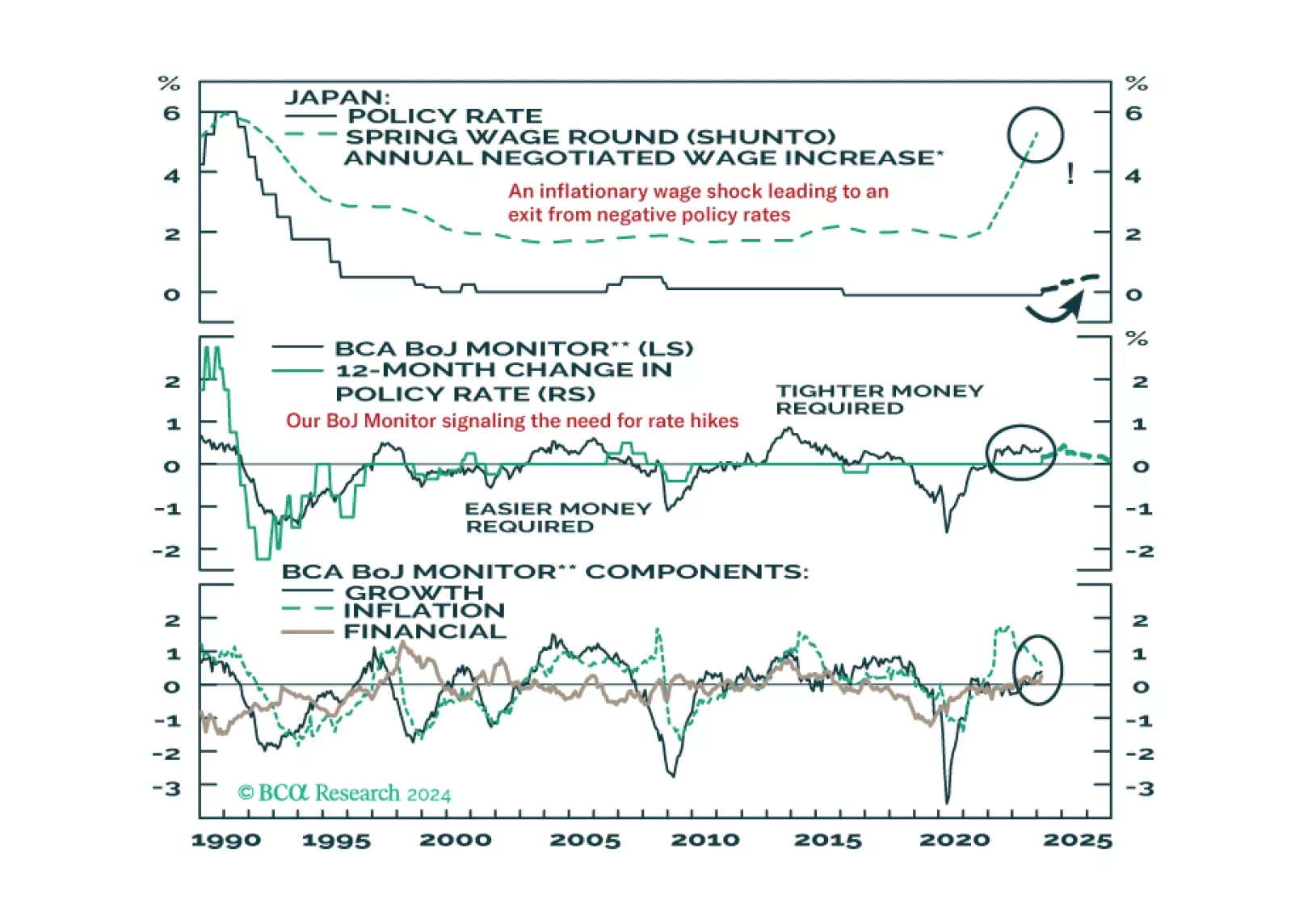
The BoJ remains an outlier among global DM central banks. While many of its peers are now debating whether to end their rate tightening cycles, the Japanese central bank has not even started raising interest rates yet. Nevertheless, Tokyo’s CPI report showed…