Sorry, you need to enable JavaScript to visit this website.
Skip to main content

Labor Market

A strong Australian labor market is limiting the scope for RBA easing, reinforcing our underweight on Australian government bonds. Our Chart Of The Week comes from Robert Timper, strategist in our Global Fixed Income Strategy team. The April NAB business…

Tariff front-running behavior makes the April hard economic data difficult to interpret, but we take the strong reading from Food Services spending as a signal that the US consumer has not yet buckled.

This year’s plunge in tech stocks followed by the recent strong countertrend rally is eerily reminiscent of 2000. But the market and economic parallels between 2025 and in 2000 run much deeper. This report lists 10 striking parallels between 2025 and 2020, then highlights some important differences, and ends by describing how the rest of 2025 might unfold based on a playbook that is: 2025 = ‘2000 with some tweaks.’

UK labor market weakness is reinforcing the case for BoE cuts and supporting our overweight in UK Gilts. April payrolls fell by 33k, marking a third consecutive monthly decline, while job vacancies remain below pre-COVID levels for the first time in nearly…
April’s CPI came in cooler than expected, but tariff-driven supply shocks will keep the Fed tight, supporting long-duration exposure. Headline CPI rose 0.2% m/m (2.3% y/y) while core inflation held steady at 2.8%. Services inflation remained firm at 3.7%, and…

A weakening economy will apply downward pressure to Treasury yields, but the Trump term premium will keep long-dated yields higher than they would otherwise be. This makes Treasury curve steepeners the most attractive trade in US fixed income.

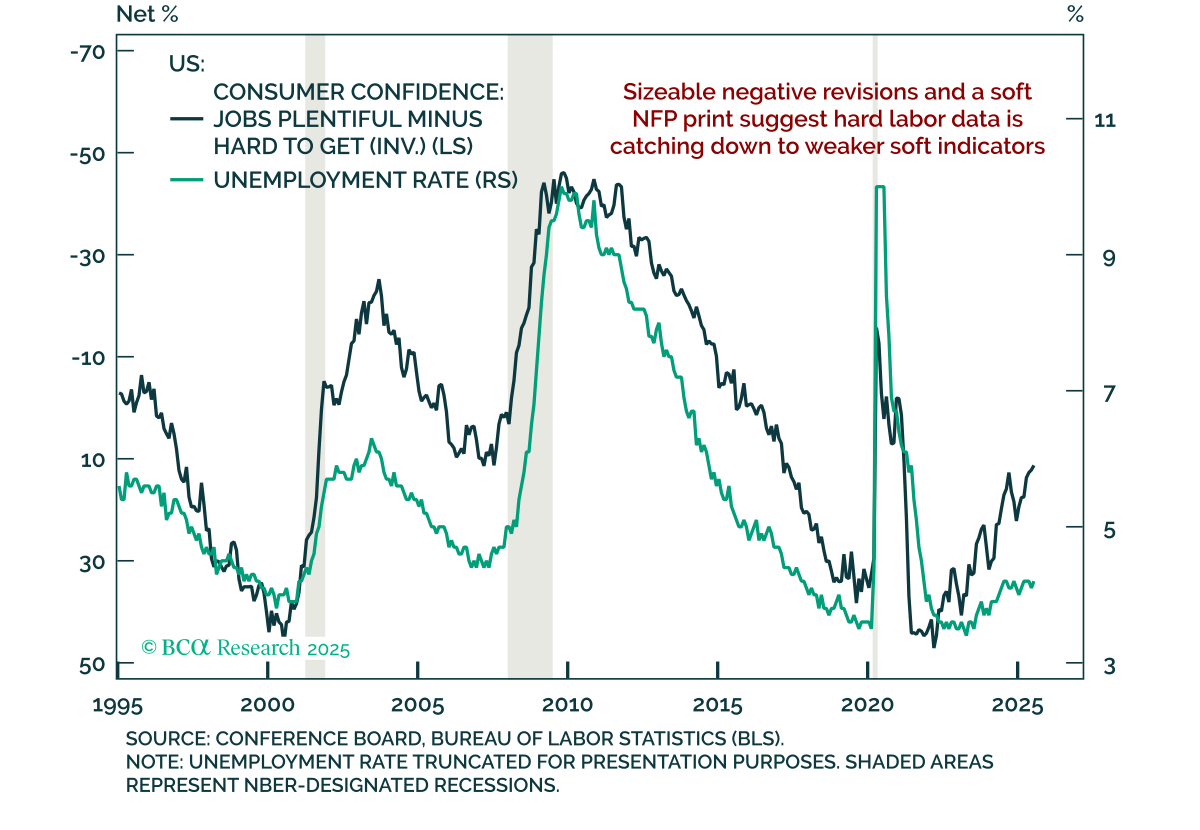
Markets remain indifferent to soft data, but hard labor data still matters; a rise in jobless claims would offer a chance to extend duration. Survey-based indicators have collapsed, while hard data has held up, partly thanks to front-loading ahead of tariffs.…

Short-term pain from Trump-related concessions, fiscal tightening amid a US and Mexican slowdown, and rising labor slack will weigh further on Mexican assets. But long-run, policy direction will capitalize on the nearshoring trend and resume the trend of Mexican asset outperformance relative to other emerging markets.

Soft April jobs confirm the Canadian labor market stall, yet we remain neutral on CGBs and structurally bullish on the CAD. The unemployment rate rose more than expected to 6.9% from 6.7%. Employment growth exceeded expectations but remains soft at 7.4k after…


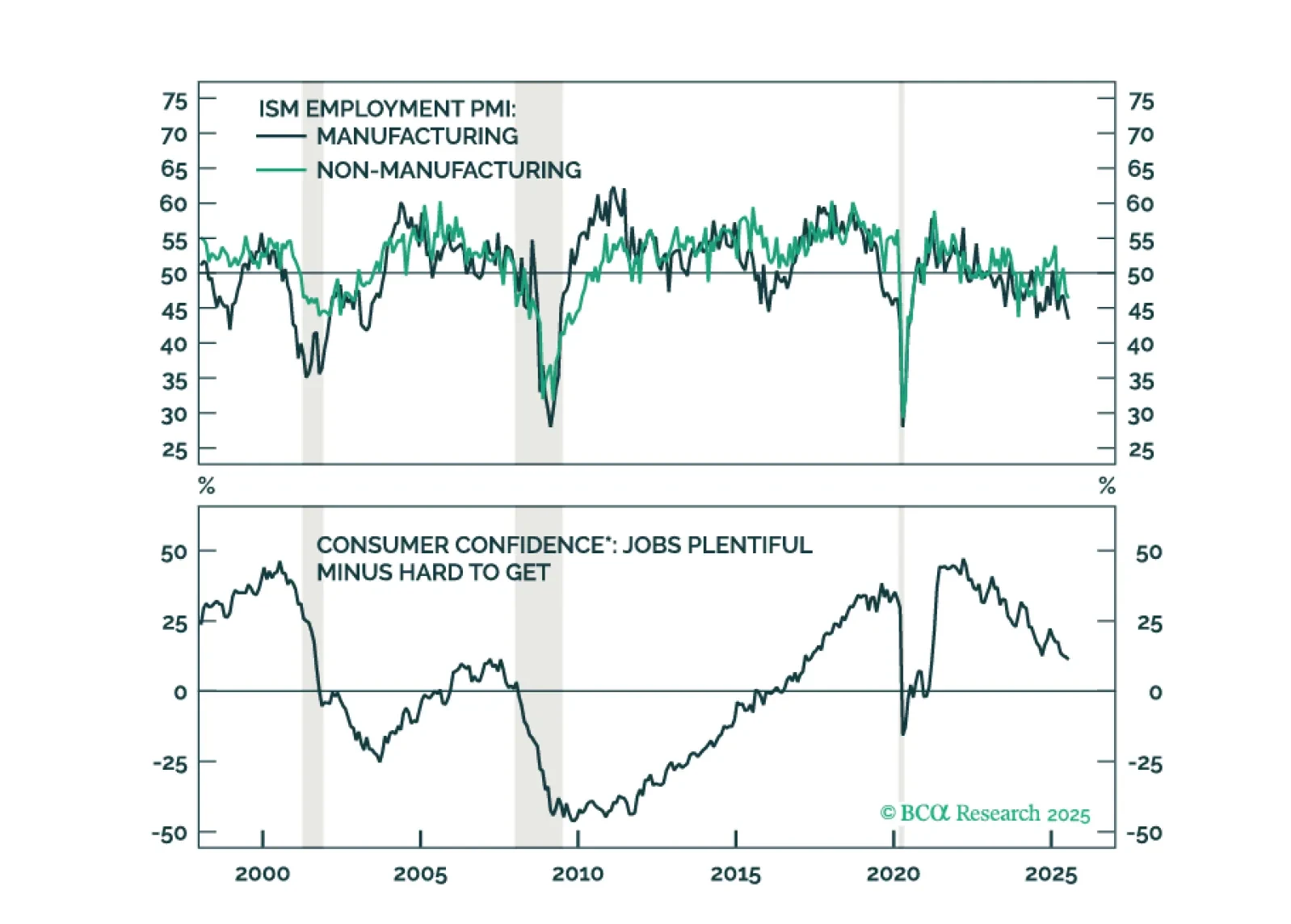
It may take several months for the tariff shock and policy uncertainty to filter through the real economy, but survey-based data are already sending a warning. Equities have priced in a lot of good news, and investors are too sanguine about the risk of a US recession.