Labor Market

US small business optimism unexpectedly shed 2.5 points to 91.2 in August, the largest monthly decline since 2022, retracing nearly half of the index’s advance since March. The NFIB Small Business Optimism has oscillated in a tight range since 2022 but…
The BoE embarked on its easing cycle in August, delivering its first 25 bps rate cut. The decision was nowhere near unanimous, with 5 MPCs out of 9 voting in favor of lowering policy rates. Indeed, while headline inflation is sitting right on the central…
The Swedish economy’s cyclicality and sensitivity to global trade make it a reliable bellwether for global growth. Sweden is facing significant domestic weakness. Employment growth declined by 0.14% y/y in July and households’ debt burden stands at 155% of…
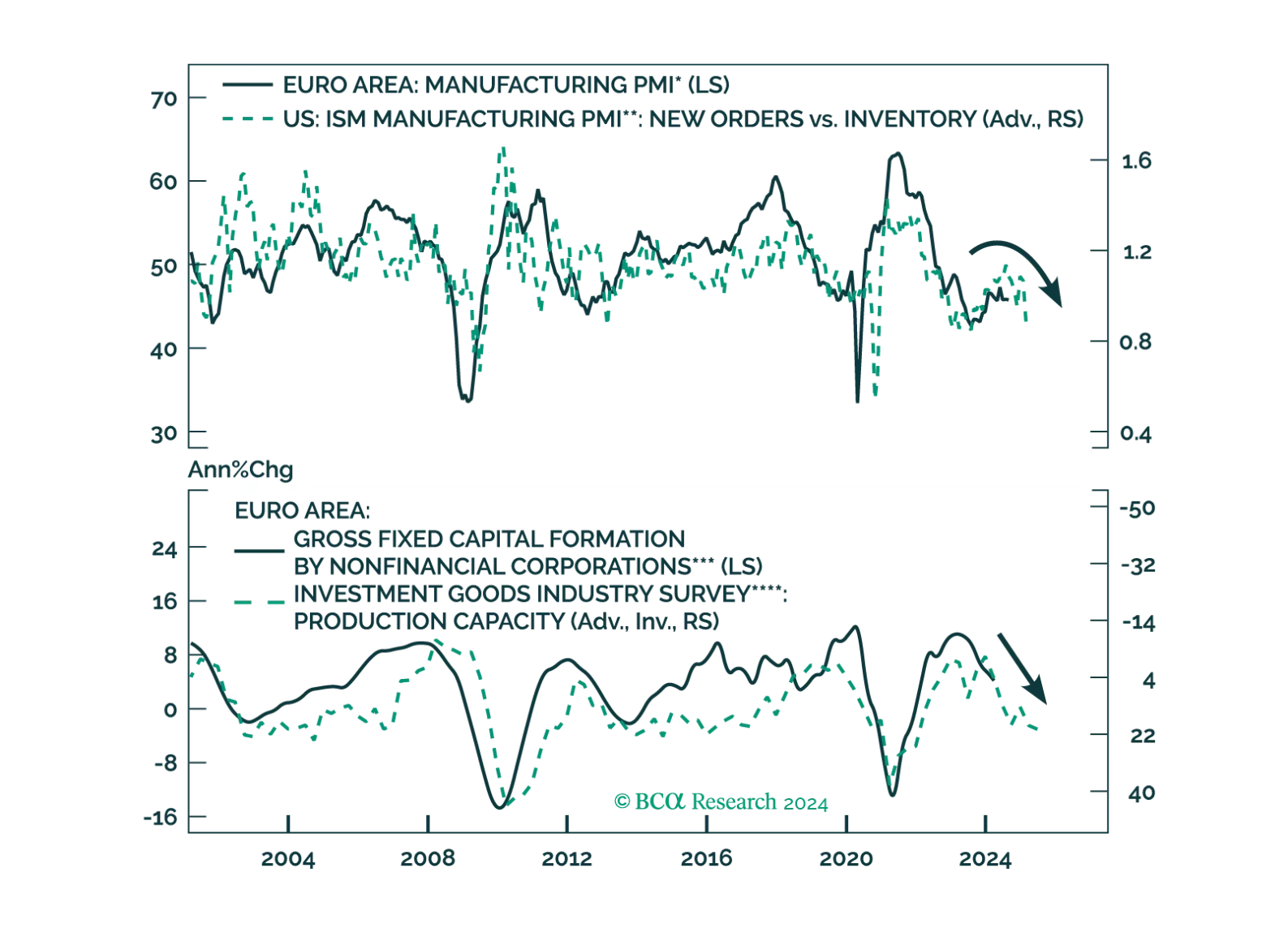
Crucial leading indicators of the global and European economies continue to deteriorate. How should investors position their European portfolios to benefit from these trends?
August nonfarm payrolls expanded by 142 thousand workers, from a downwardly revised 89 thousand and below expectations of 165 thousand. Payroll growth fell to a four-year-low of 116 thousand on a 3-month moving average basis. Notably, pro-cyclical…
The July Employment Situation report had already cemented the case for a September rate cut and Chairman Powell’s Jackson Hole comments dispelled any remaining doubt about an imminent monetary easing cycle. All the labor market data released since then…

This morning's employment report, particularly the downward revisions to prior months, strengthens our conviction that the US economy is headed for recession.
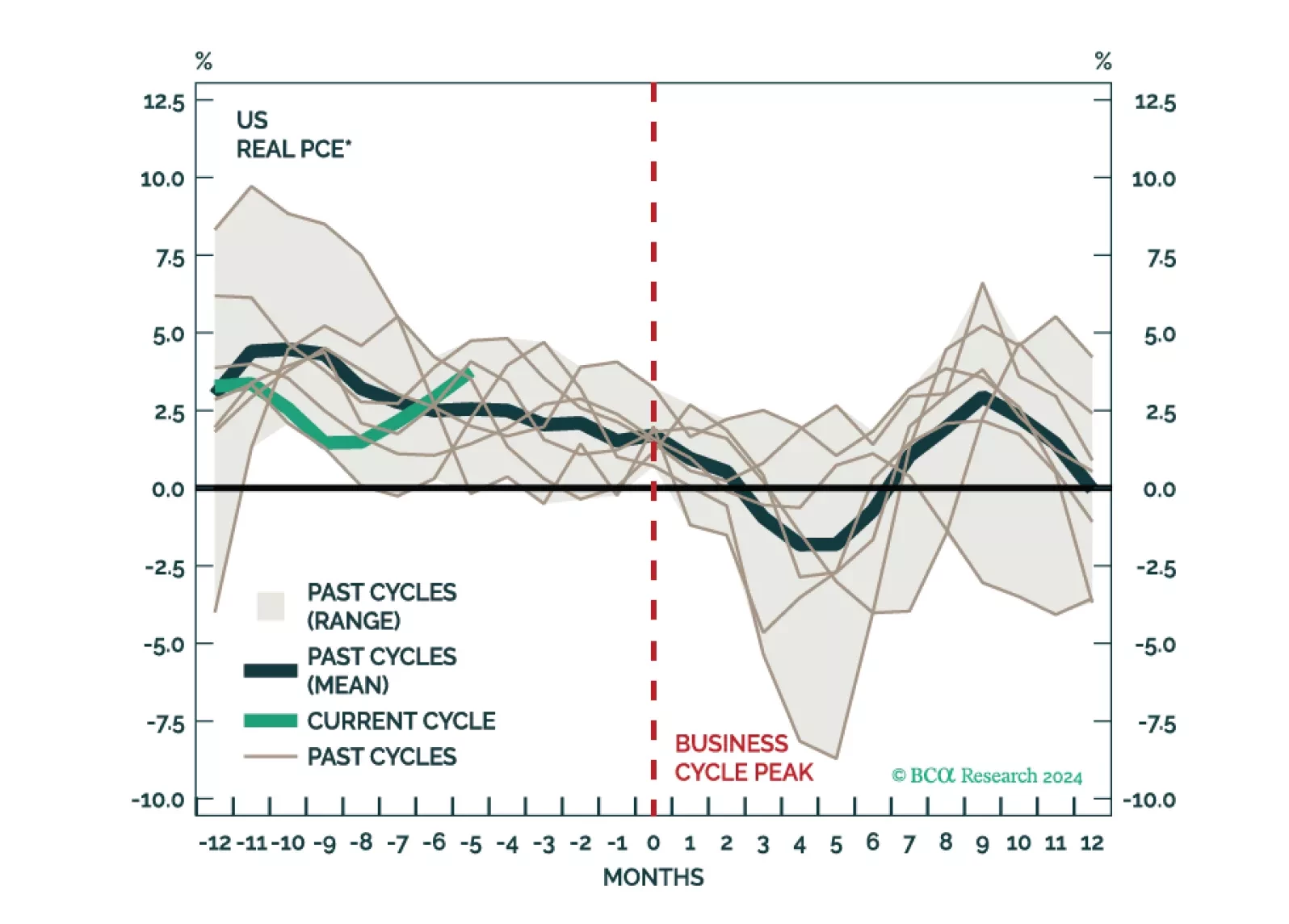
In this Special Report, we analyze the behavior of economic data leading up to US recessions and discuss some common patterns.
The ISM services PMI remained mostly stable in August, extending a second consecutive month of modest expansion. The headline index ticked 0.1 point higher to 51.5. However, although new orders continued to expand, new export orders fell a whopping 7.6…
In a widely expected move, the Bank of Canada (BoC) cut interest rates by a quarter of a percentage point for a third consecutive month in September, lowering the benchmark overnight rate to 4.25%. Policymakers also signaled further easing ahead. Both the…