Sorry, you need to enable JavaScript to visit this website.
Skip to main content

Labor Market

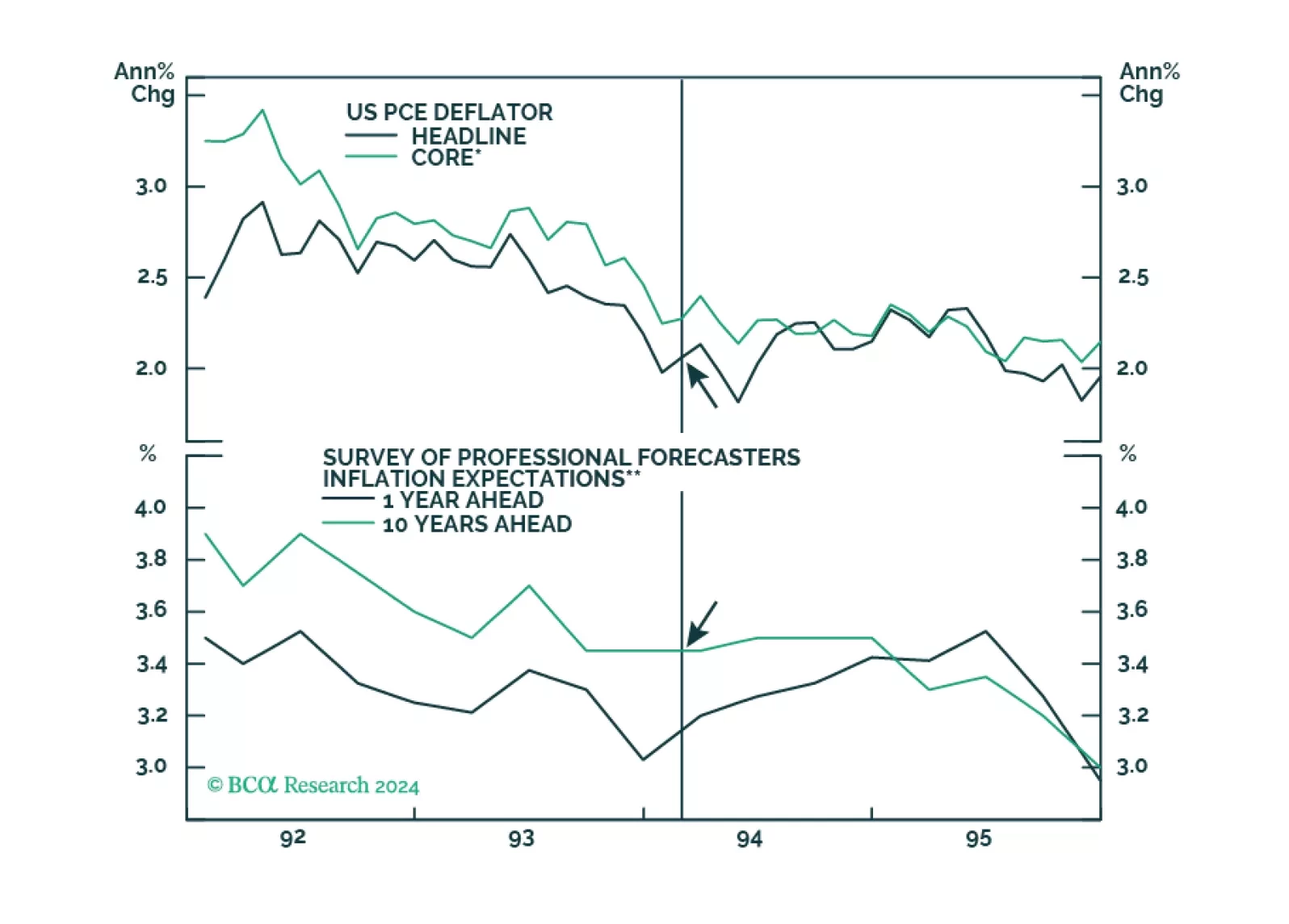
With the latest PCE release confirming that the disinflation process is intact (see The Numbers), a key question facing investors is around the timing of the Fed’s pivot to rate cuts. Indeed, the US inflation surprise index has collapsed from its mid-2021…
Over the past few months, falling inflation has provided a boost to real wages in the Euro Area which returned to growth in 2023Q3 after 9 consecutive quarters of decline. This dynamic in turn improved the purchasing power of households, boosting their morale…
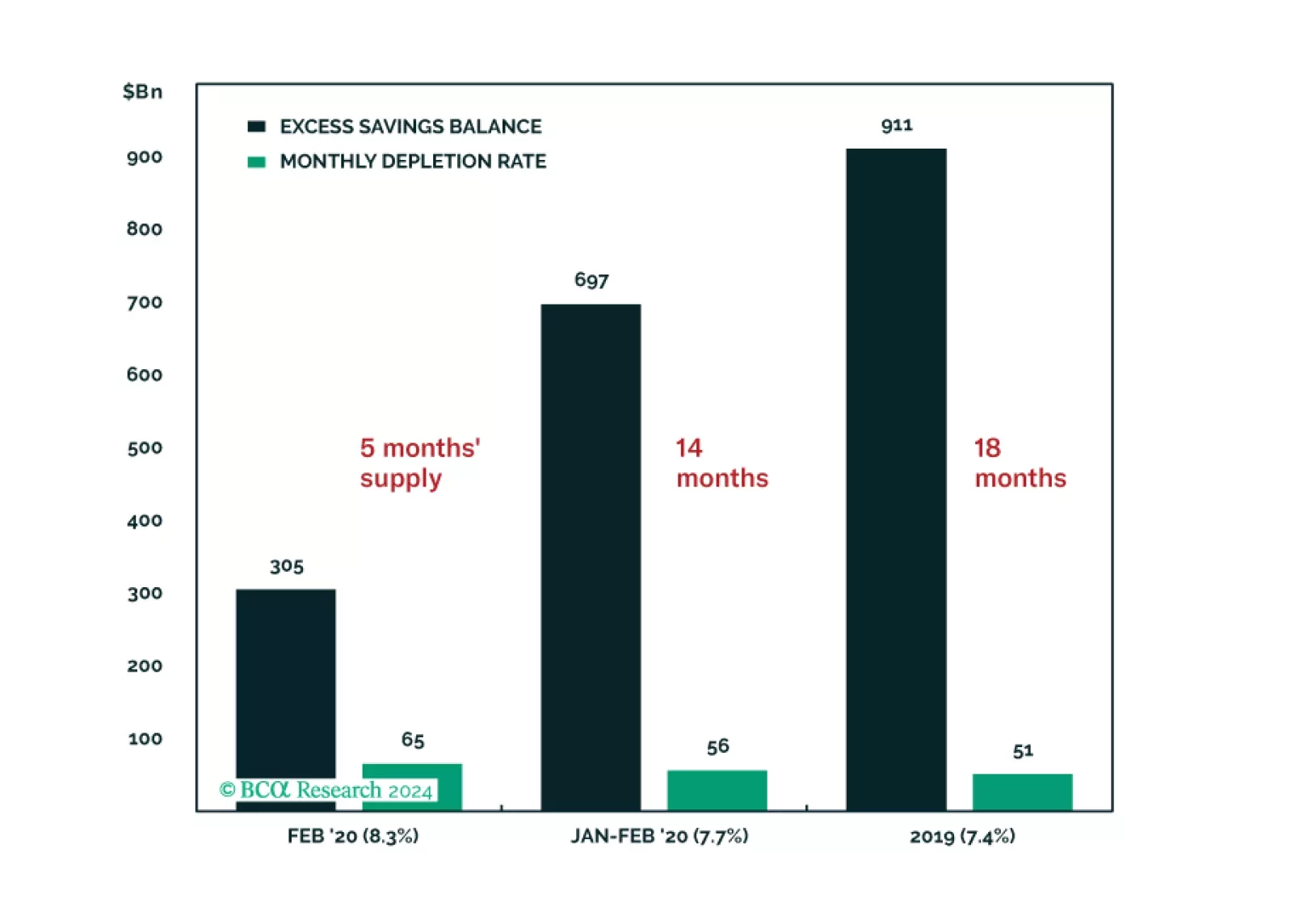
Friday’s US Personal Income and Outlays report for December delivered a positive update on the US economy. On the growth side, the data confirm the signal from the Q4 GDP release that consumer spending continues to power the US economy. The robust 0.5%…

Low inflation argues for the Fed to move relatively quickly toward rate cuts. Continued above-trend GDP growth poses a risk to this view, but leading indicators point to slower growth in the coming quarters.

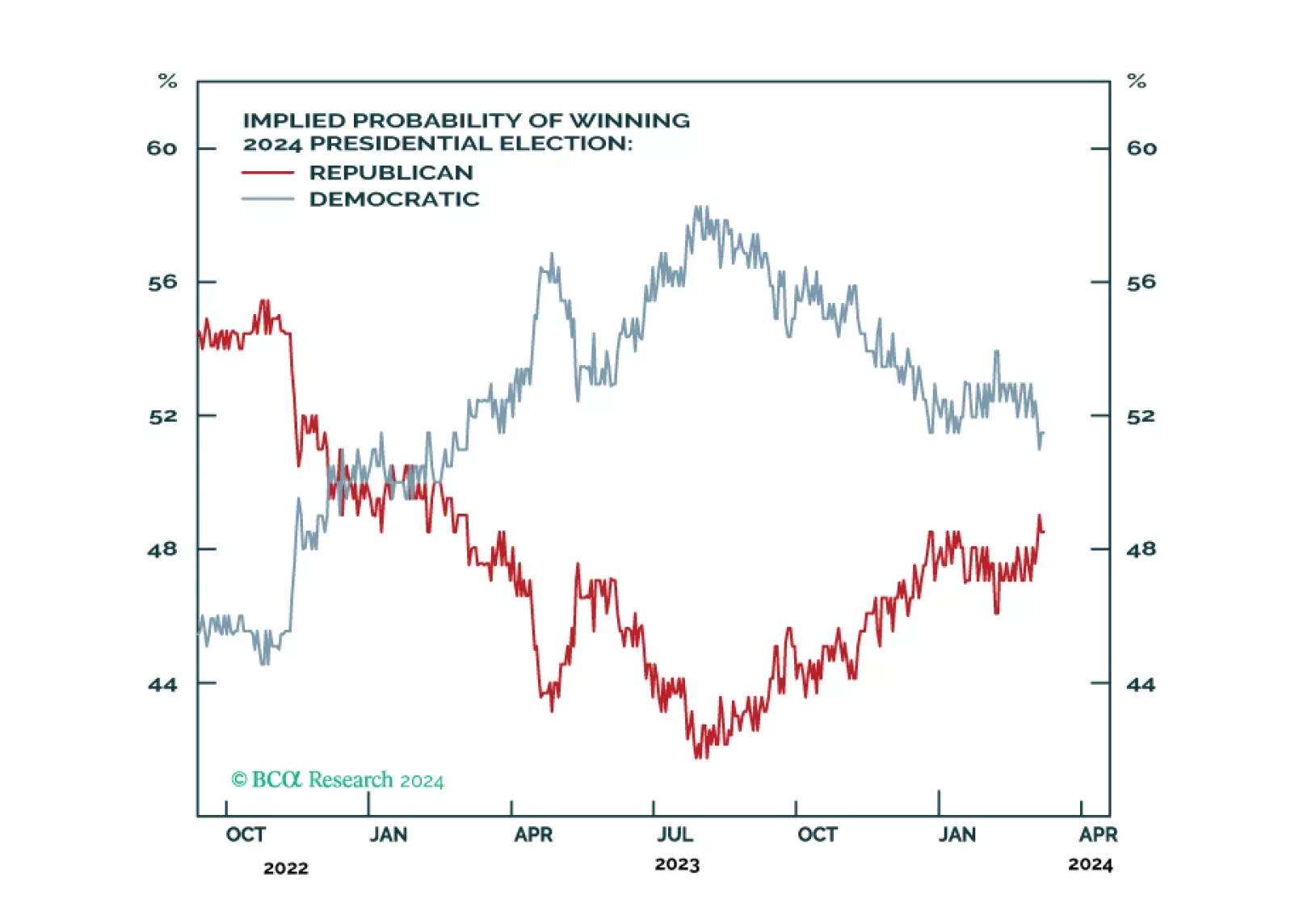
The US primary election is effectively over. The Biden-Trump rematch – our base case since 2022 – is all but set in stone. Only a health issue or freak incident could change that now.

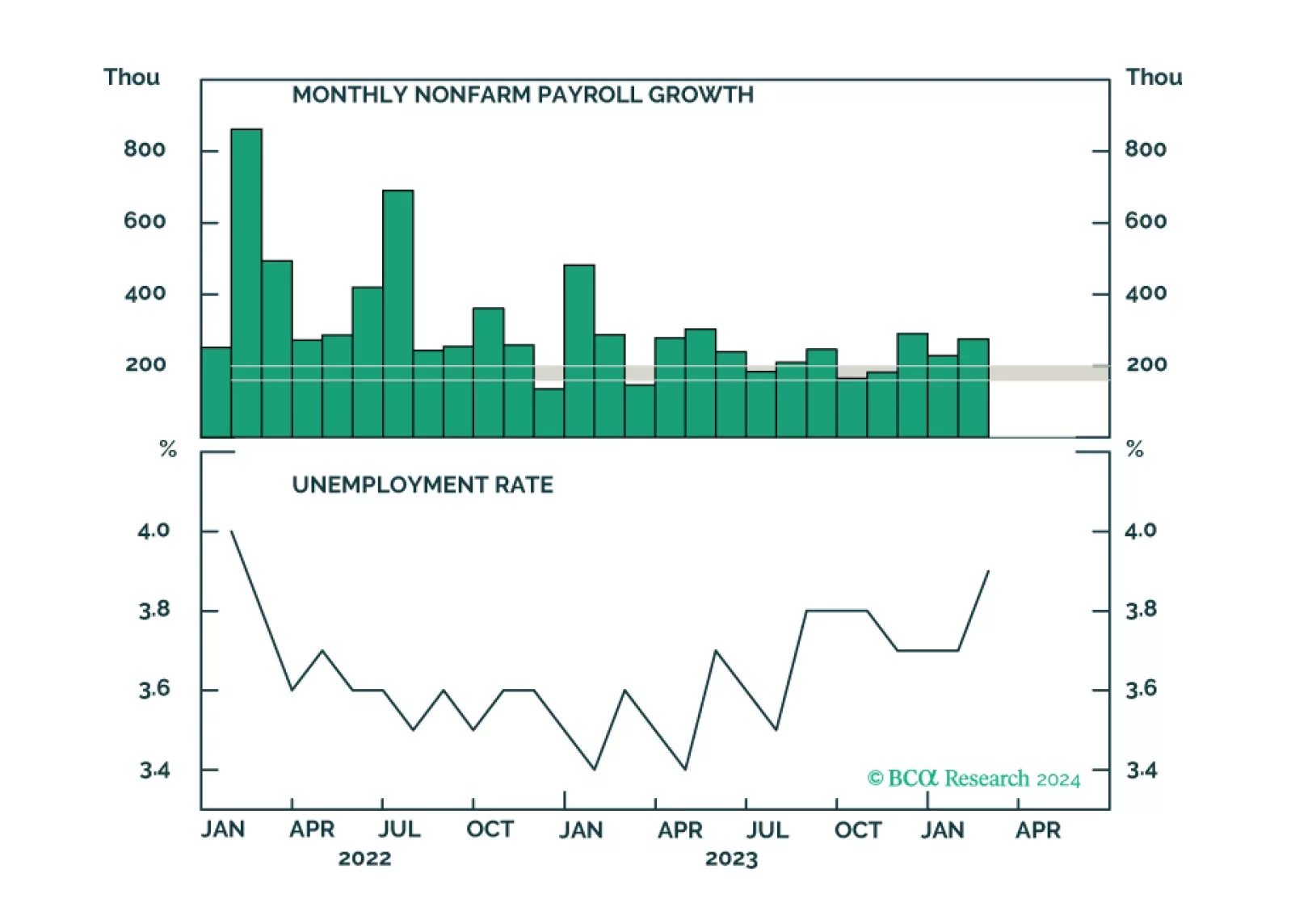
According to BCA Research’s Global Investment Strategy service, labor demand can fall even in a full-employment economy. Investors often focus on the unemployment rate as a gauge of how strong the labor market is. The unemployment rate is a valuable…
Ahead of today’s Bank of Canada (BoC) meeting and the Reserve Bank of Australia (RBA) meeting on February 6th, our Global Fixed Income Strategists compared the monetary policy outlooks for both central banks. In Canada, core inflation has already fallen…

The SIFI banks expressed confidence in their credit outlook for 2024 and expect that credit losses will crest soon, given the reserves they’ve already set aside. Their implicit embrace of the soft-landing narrative suggests to us that the consensus is getting closer to being set up for disappointment. We remain tactically equal weight equities and fixed income but think conditions may soon favor turning defensive.

The ECB will begin cutting rates in June, what does this start date imply for the yield curve and European cyclicals?

Investors have taken comfort in the fact that unemployment has remained low in the major economies. But underneath the surface, there are clear signs that labor demand is weakening. The clock keeps ticking towards our H2 2024 recession call. After being bullish on risk assets last year, we are slowly turning more defensive.