Labor Market
According to BCA Research’s Counterpoint service, the sharp sell-off in long duration bonds (ticker TLT) has reached the collapsed 130-day complexity that has preceded several turning-points in the last few years. This suggests a two-thirds probability of a…
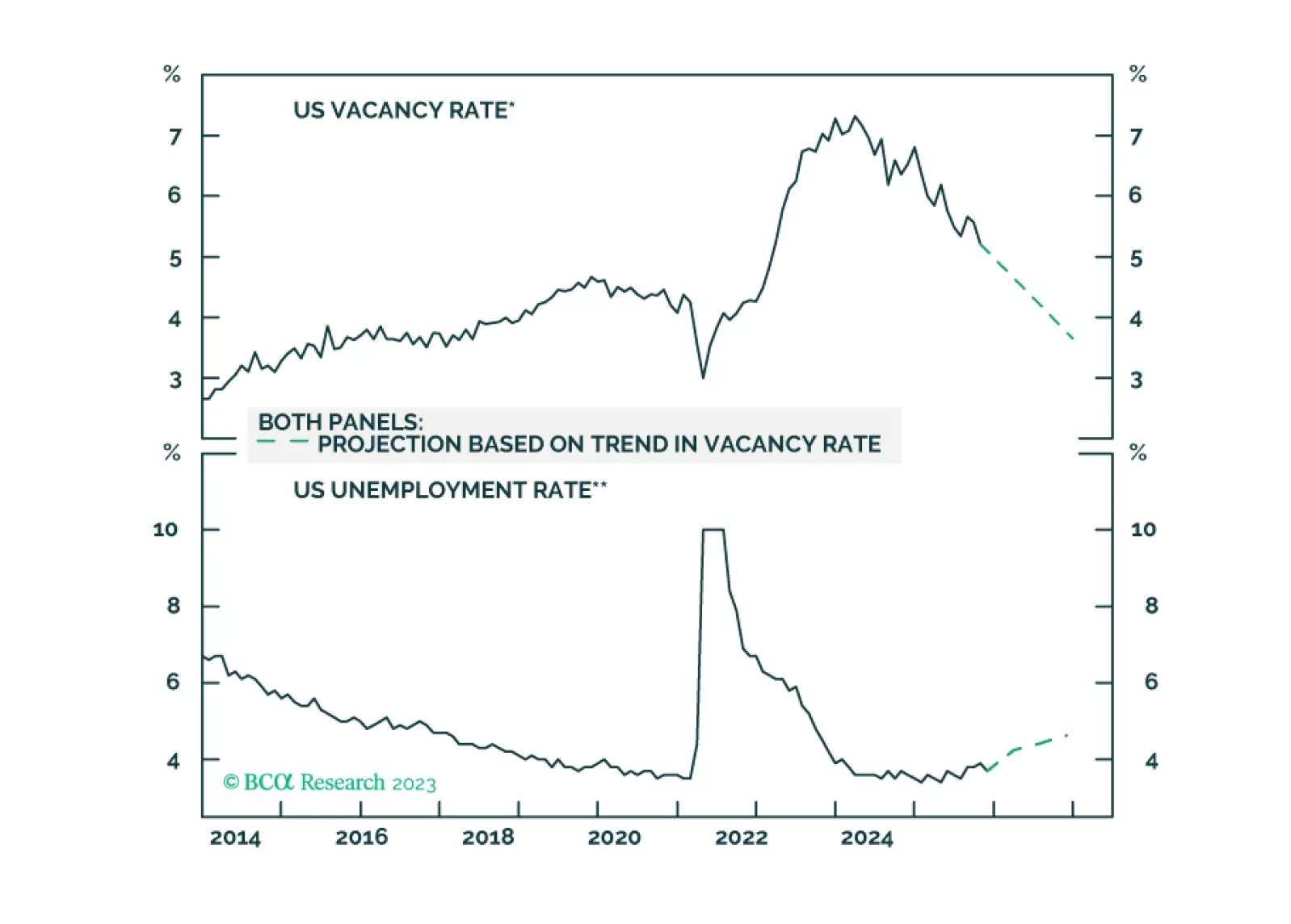
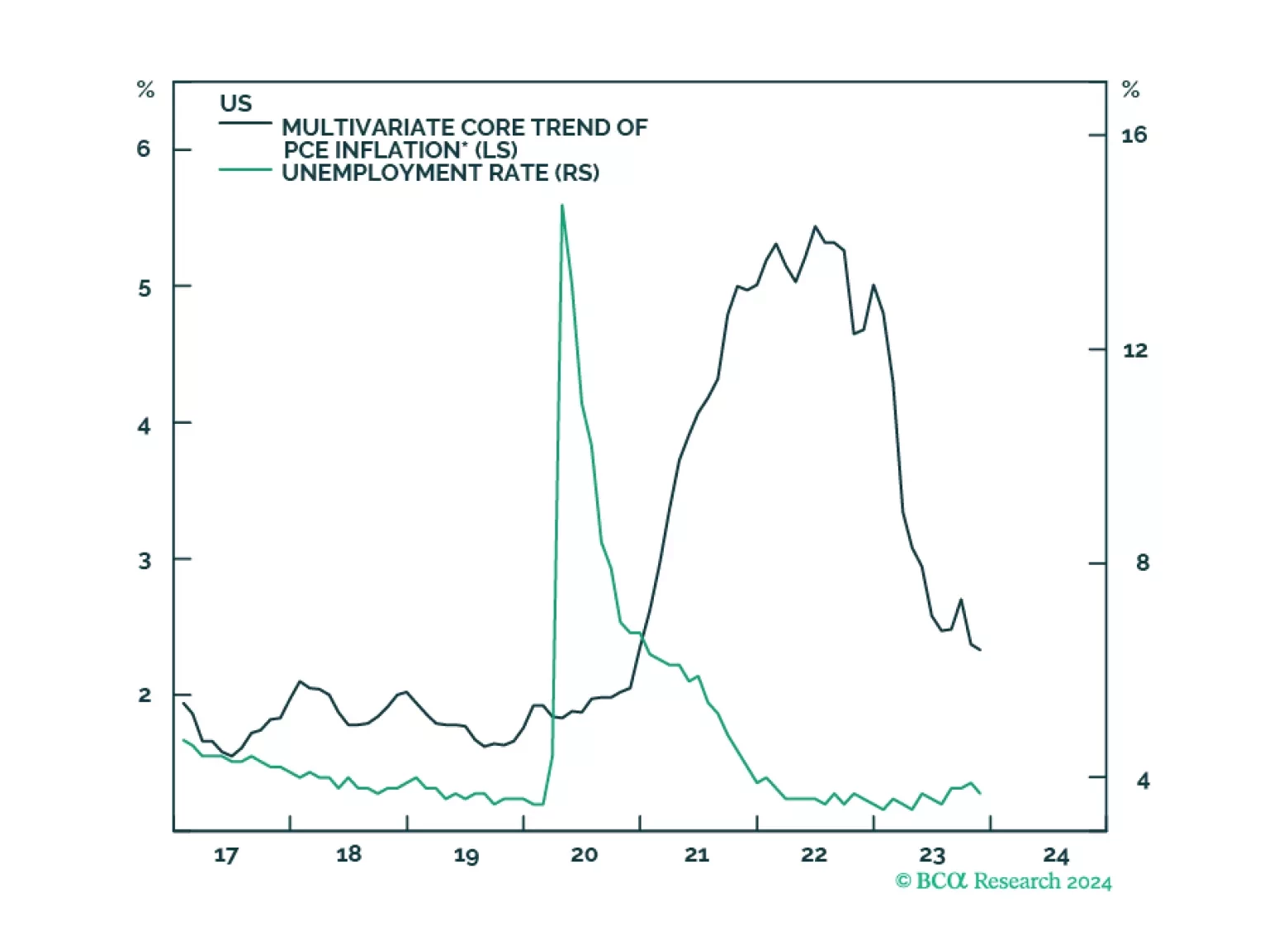
US monetary policy is restrictive, as evidenced by a falling jobs-workers gap. The reason that unemployment has not risen is because labor demand still exceeds supply. That will change in the second half of 2024 when the US economy succumbs to recession. Investors should increasingly favor bonds over stocks.
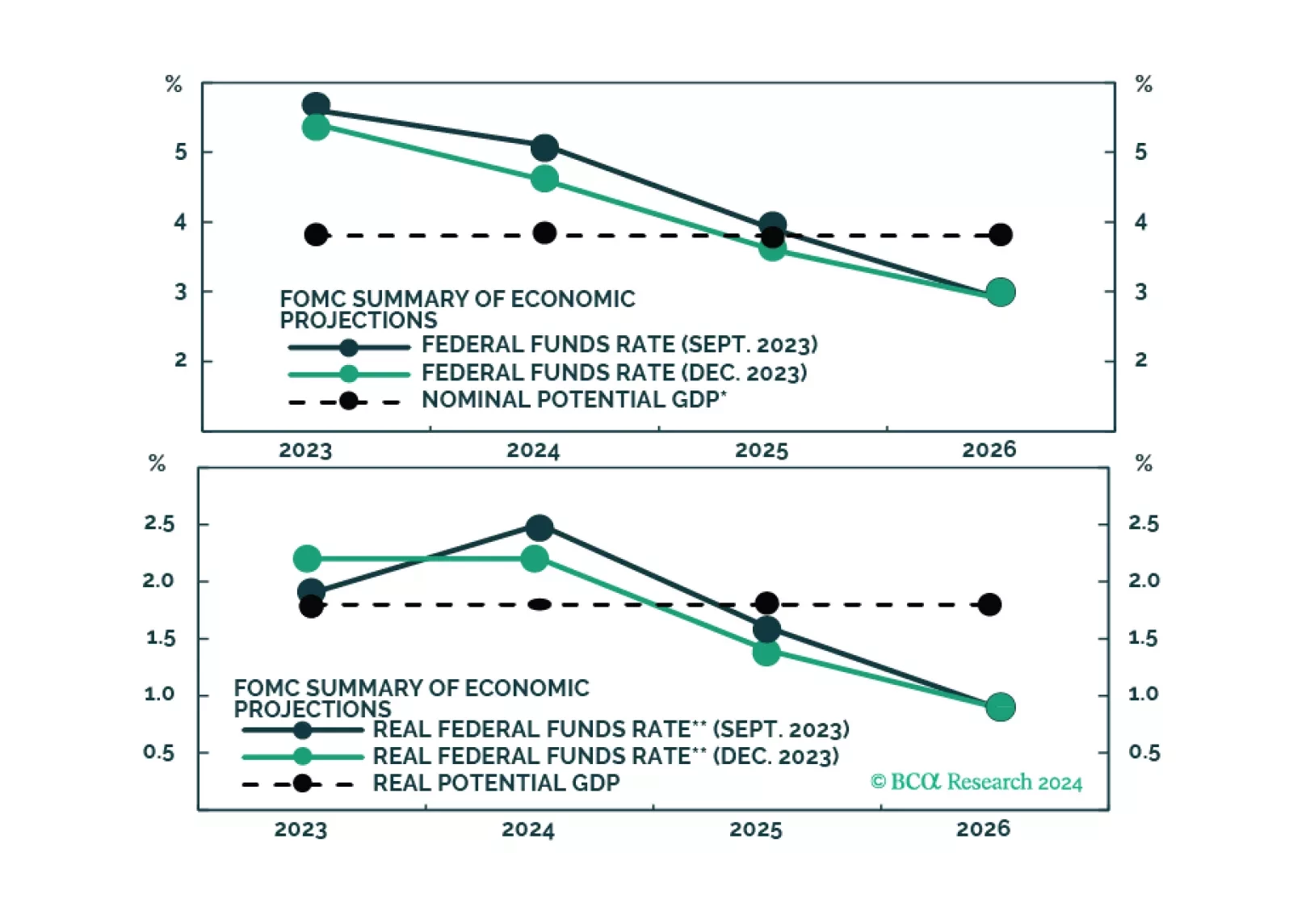
The minutes of the September FOMC meeting confirmed that the Fed intends to maintain restrictive monetary policy for longer. Although inflation has been moderating, participants continue to view it as unacceptably high and emphasized that they remain…
US small business optimism deteriorated for the second consecutive month in September. The NFIB index weakened by 0.5 points to 90.8, slightly below expectations of a more muted decline to 91.0. The latest move brings the index further below the 49-year…
Results of the New York Fed’s survey show American consumers’ near-term inflation outlook ticked up in September. Respondents’ one-year ahead inflation expectations rose from 3.6% to 3.7%, and the three-year ahead expectations increased from 2.8% to 3.0%.…
The US Nonfarm Payroll report delivered a strong positive surprise about employment growth in September. Job gains accelerated from 187 thousand to 336 thousand – significantly above expectations of a slight decline to 170 thousand. In addition, the increase…
An update to our US bond strategy following this morning’s employment report.
The Fed’s ‘Sahm rule’ real-time recession indicator signals a US recession when the three-month moving average of the unemployment rate rises by 0.50 percent from its low during the previous 12 months. But one shortfall of using the headline unemployment…
The US JOLTS report sent a chill through financial markets on Tuesday. The bigger-than-expected number of job openings in August fueled investors’ concern that the Fed will be forced to maintain a hawkish stance for longer. Indeed, the number of job…
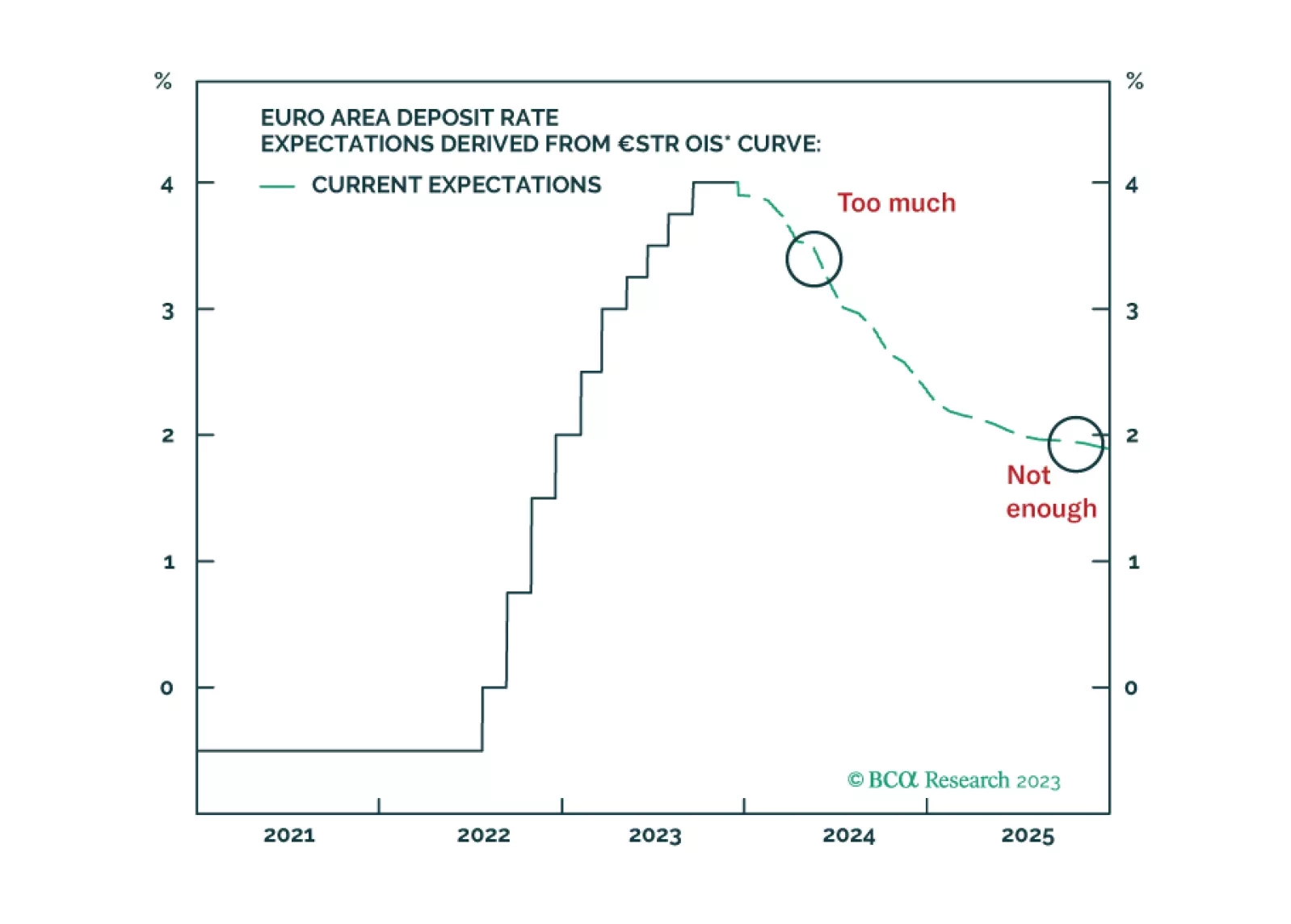
The Australian dollar was among the worst performing major currencies on Tuesday after the Reserve Bank of Australia held the cash rate at 4.1% for the fourth consecutive month. In her post meeting statement, newly appointed Governor Michele Bullock noted…