Sorry, you need to enable JavaScript to visit this website.
Skip to main content

Manufacturing

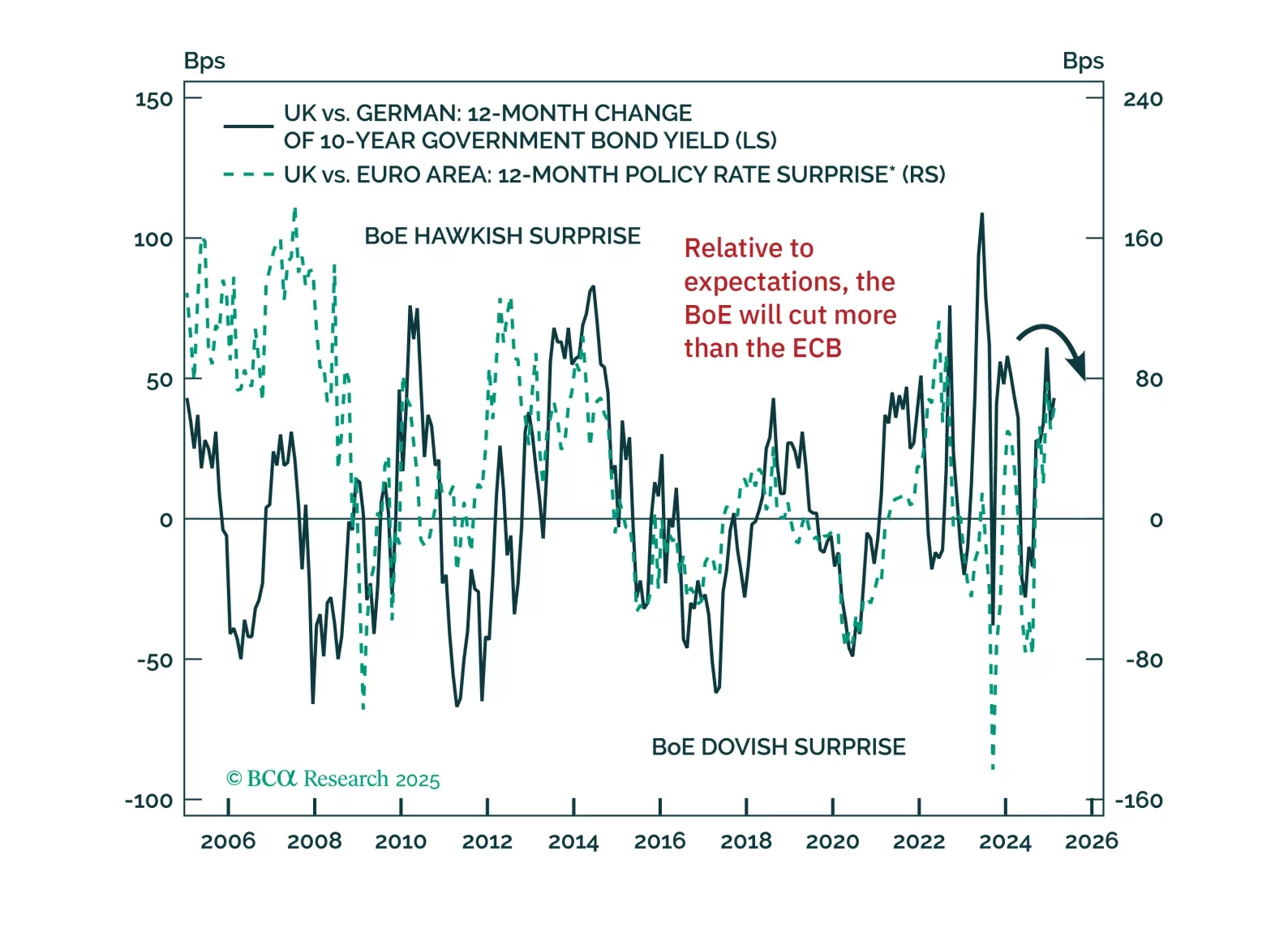
With economic headwinds building and fiscal dynamics shifting, bond markets are at a turning point. Our latest note outlines why German bund yields are set to decline and why UK gilts are poised to outperform — and how to position accordingly.

In this Second Quarter Strategy Outlook, we explore the major trends that are set to drive financial markets for the rest of 2025 and beyond.

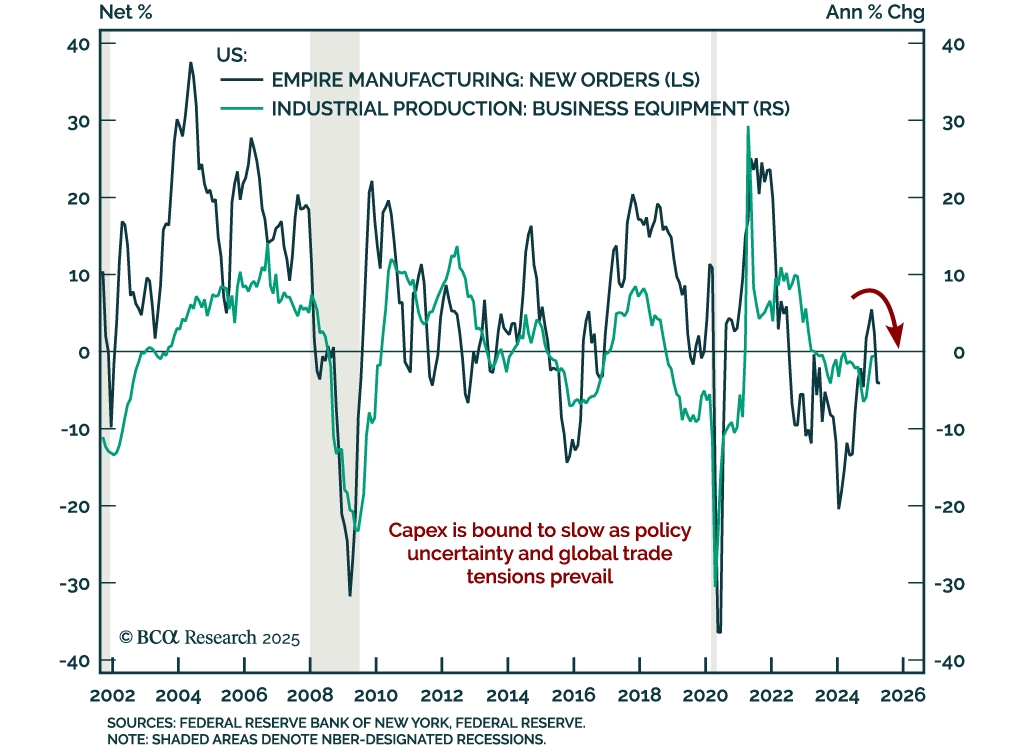
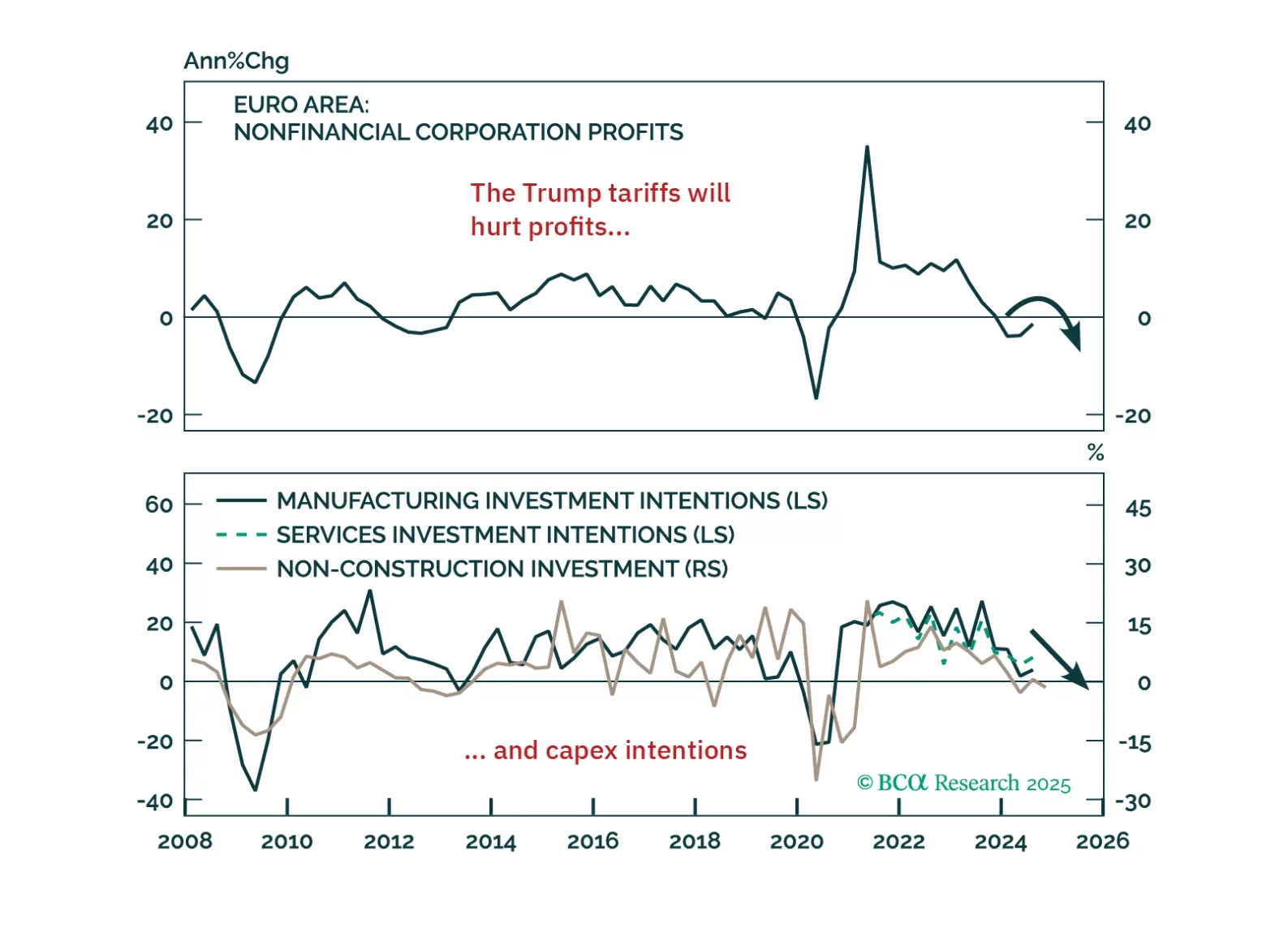
A drop in core capex orders points to slowing business spending and softening global growth. Businesses appear to have front-loaded shipments ahead of potential tariffs while deferring new orders amid policy uncertainty. With hiring and capex plans softening…
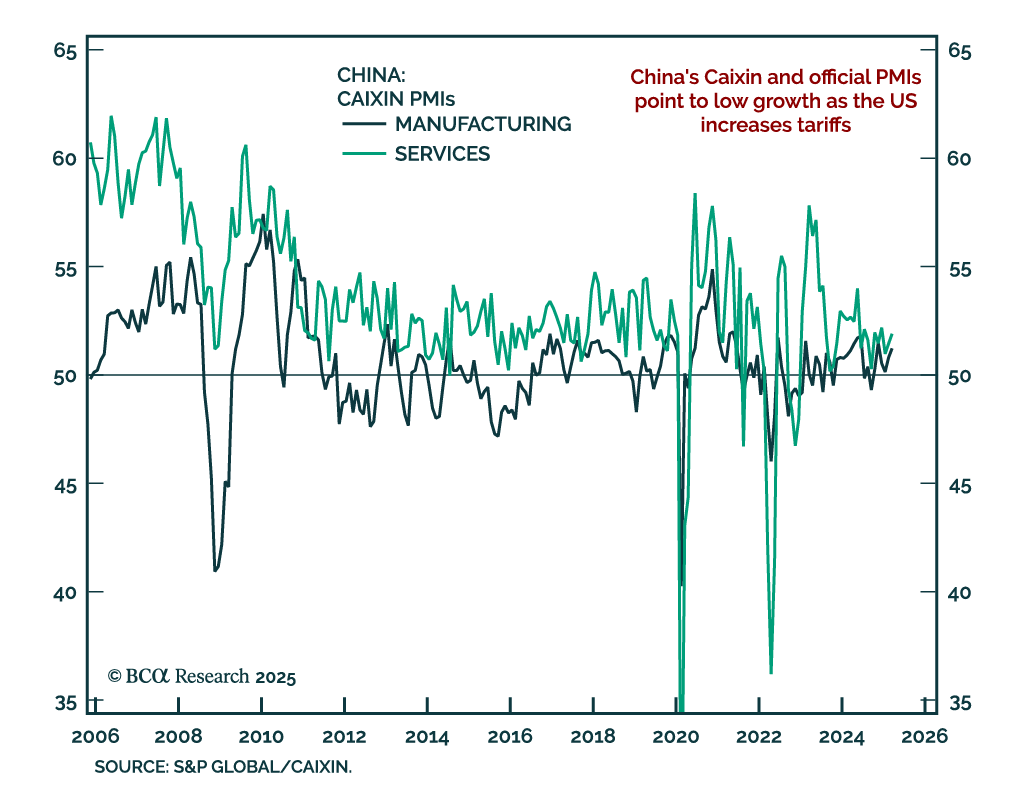
East Asian trade data has been disappointing. Preliminary February data for Japanese machine tool orders showed a slowdown to 3.5% y/y from 4.7% in January. Broader machinery orders were down 3.5% m/m in January. Taiwanese exports orders were up an abnormal…

European equities have surged on hopes of a low-inflation boom—but the rally has likely gone too far, too fast. With a pullback now likely, how should investors position themselves over the next 3–6 months?

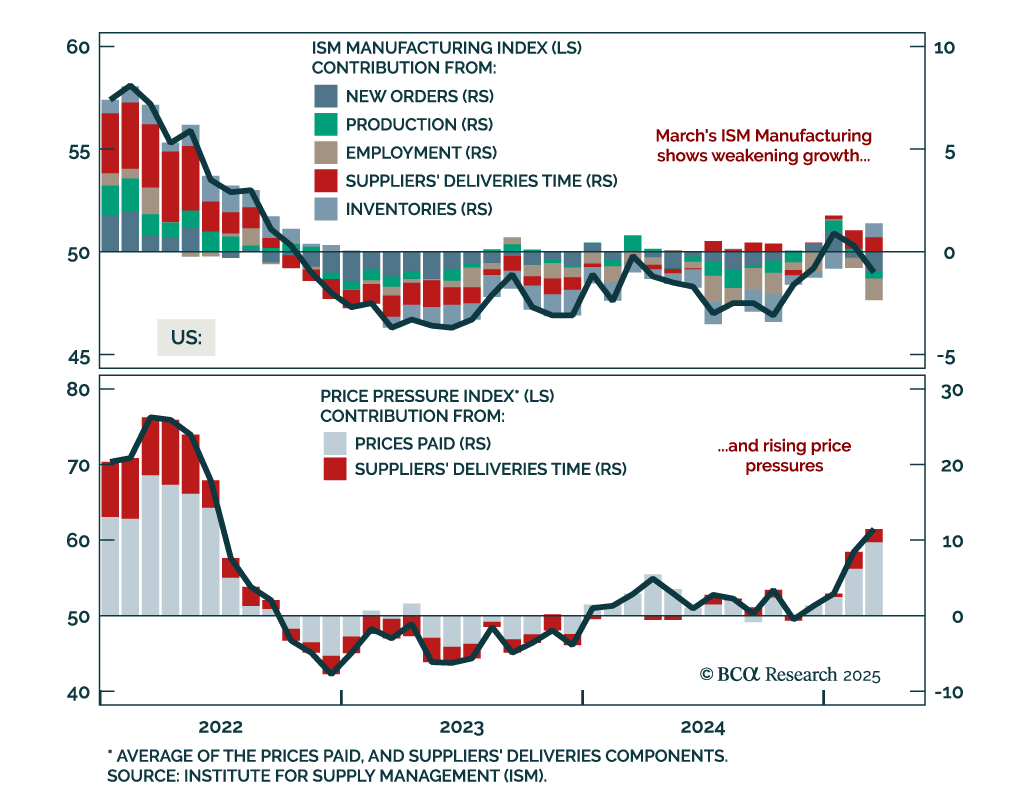
The March Philadelphia Fed Manufacturing index beat expectations, but still fell from 18.1 to 12.5, significantly down from January’s lofty 44.3 reading. Most activity components slowed except for current employment and work hours. Price pressure indicators…

Although there may be a method to DOGE’s 100-mile-an-hour madness, we think the worries and uncertainty stoked by it and on-again, off-again tariff measures have increased the probability of a recession while bringing forward its start date. We are therefore tactically downgrading equities to underweight and upgrading fixed income and cash to overweight. Investors should pursue a defensive posture.

After range-bound trading late last year, oil prices began the year rising to resistance levels, before falling and testing support on the downside. Oil remains caught between conflicting supply and demand risks.  Increased trade tensions are a drag on…

Europe’s resilience to global liquidity deterioration isn’t a fluke—it signals a structural shift. Our latest report explains why the decline in precautionary money demand marks the end of Europe’s liquidity trap and what it means for investors.

While inflation concerns prevail in the US, Swiss inflation hit its lowest level in almost four years. Headline CPI contracted 0.1% m/m in January, leaving the annual inflation rate at 0.4%, near the bottom of the Swiss National Bank’s 0%-to-2% inflation…