Policy

The US disinflationary trend remains intact. The core PCE deflator continued its downtrend in September, falling to 3.7% y/y from a peak of 5.6% in February 2022. Alternative measures of underlying price pressures such as the trimmed mean and median PCE…
US small-cap stocks have underperformed significantly this year. While the S&P 500 price index is up 14.0% year-to-date, the S&P 600 has lost 2.5%. However, this underperformance has not been a straight line down. Small caps benefited from a…
The economies of Canada and Australia share many similarities. Both nations are major commodity exporters, but with overvalued housing markets and highly indebted consumers. Lately, however, a notable gap has appeared between the economic…
According to BCA Research’s Emerging Markets Strategy service, Indonesia's “window of opportunity” to transition to a lower real interest rate regime – without jeopardizing the currency stability – has closed. This opportunity had opened thanks to an…
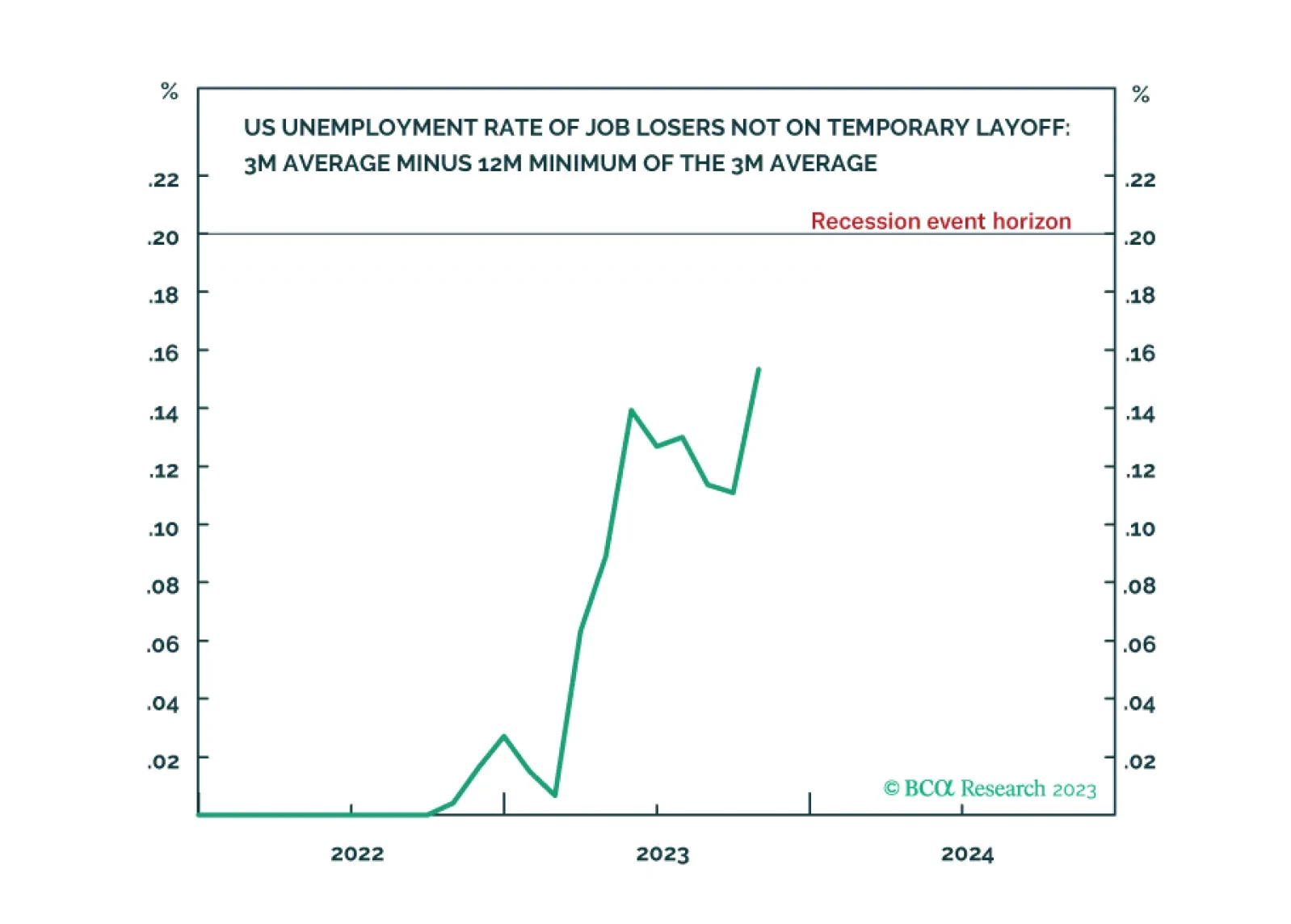
Following the October US jobs data, the ‘Joshi rule’ real-time US recession indicator increased from 0.11 to 0.15, meaning that it is fast approaching its event horizon of 0.20. We go through the investment implications. We also highlight a new long-term recommendation. Plus, the Norwegian krone is close to a potential rebound.
The Reserve Bank of Australia lifted the cash rate by 25 bps to a 12-year high of 4.35% on Tuesday, in line with consensus expectations. Governor Michele Bullock's post meeting statement underscored that although inflation is moderating, it remains too high…
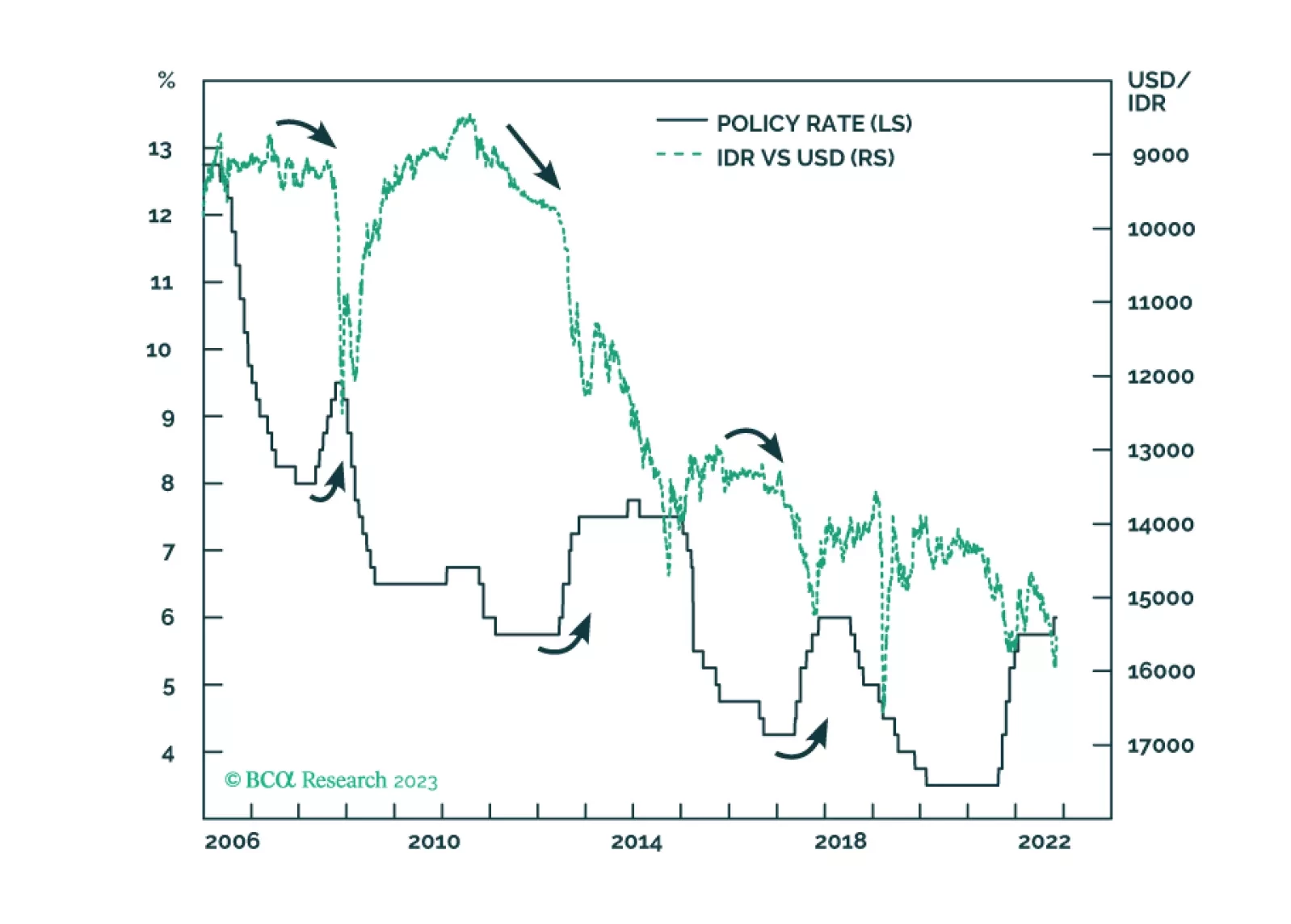
Despite very low inflation, Bank Indonesia raised its policy rates last month to support the currency. The strategy did not work before and will not work now. Stay short the rupiah.
The US Federal Reserve Senior Loan Officer Opinion Survey (SLOOS) reveals that US banks continued to tighten lending standards for commercial and industrial (C&I), commercial real estate (CRE), residential real estate (RRE) except government residential…
According to BCA Research’s European Investment Strategy service, German yields will fall toward 2% as market-based inflation expectations dip. For now, the deceleration in Eurozone core CPI can be attributed to the effect of the pass-through of energy…
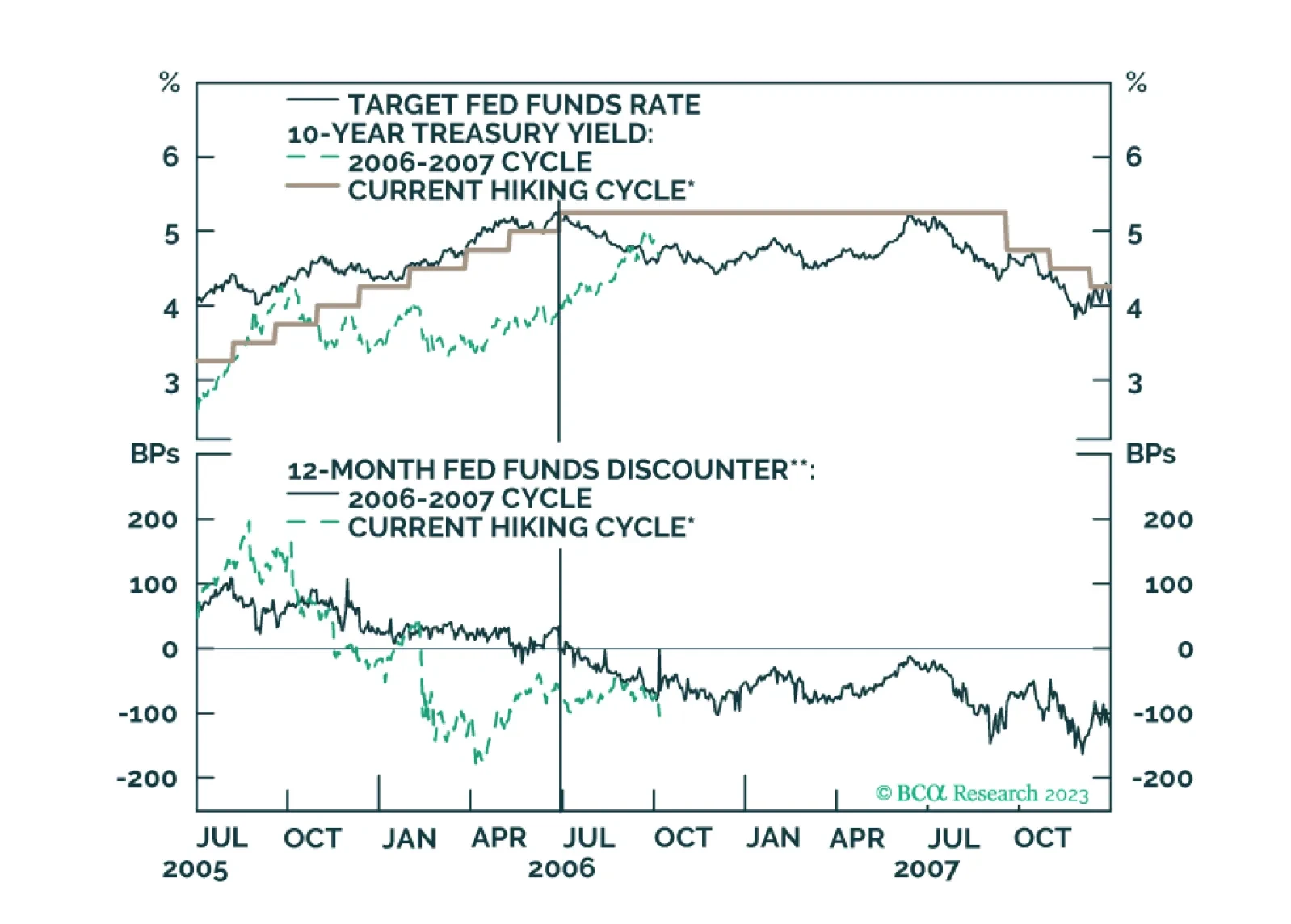
Our Portfolio Allocation Summary for November 2023.