Sorry, you need to enable JavaScript to visit this website.
Skip to main content

Policy

Taiwan’s failed recall election reduces 12-month geopolitical risk for Taiwanese and Chinese equities on the margin. We are reviewing our long European industrials / short Chinese industrials trade. 

Our Portfolio Allocation Summary for August 2025.

Chart 1 Inflation And Bond Yields Are Headed Lower Inflation And Bond Yields Are Headed Lower Turkey’s financial policymakers have pursued a disciplined and restrictive policy mix so far, delivering high real interest rates and curbing fiscal expansion even as the economy slows. This commitment to inflation control has paved the way for a pronounced decline in price pressures, prompting BCA’s Emerging Markets Strategy team to upgrade Turkish domestic bonds to overweight in its EM domestic bond portfolio. Similarly, Moody’s has recently upgraded Turkey’s credit rating and outlook. The lagged effects of the restrictive stance are now increasingly evident: real bank lending rates hover near 30%, real domestic demand growth is decelerating, and fiscal expenditure increases are barely keeping pace with inflation. Collectively, these conditions point to further disinflation and declining bond yields in the coming quarters (Chart 1).From an FX strategy perspective, the Turkish lira (TRY) presents a less precarious profile than many fear and what the forward markets currently imply. Chart 2 Weak Domestic Growth Means Narrow CA Deficit Weak Domestic Growth Means Narrow CA Deficit First, the current account deficit has narrowed considerably in recent years. As tight policy weighs on domestic demand, it will further curb goods imports and keep the current account deficit in check (Chart 2). This improvement should offset much of the expected export contraction due to slowing demand from the European manufacturing sector, reducing pressures on the lira from external balances. Second, the combination of receding inflation and very high nominal yields creates a compelling environment to attract sizable foreign portfolio flows into local currency debt. With foreign ownership of Turkish domestic government bonds currently low by historical standards, there’s significant room for new inflows (Chart 3). As such, the TRY depreciation over the next year will likely fall well short of the 26% pace currently implied by forward markets vis-à-vis the USD. Historically, periods of falling inflation have coincided with slower lira depreciation (Chart 4). A weaker trade-weighted US dollar could reinforce this trend, further curbing pressure on the currency. In this context, short-end local currency bonds are becoming increasingly attractive to global investors. Chart 3 Foreign Holdings Of Securities Are Low Foreign Holdings Of Securities Are Low Chart 4 Falling Inflation Supports The Lira Falling Inflation Supports The Lira Bottom Line: Falling inflation and a narrow current account deficit in Turkey have historically gone hand-in-hand with a less vulnerable currency. This time should be no different: the pace of the lira’s depreciation against the US dollar will likely ease in the coming months.

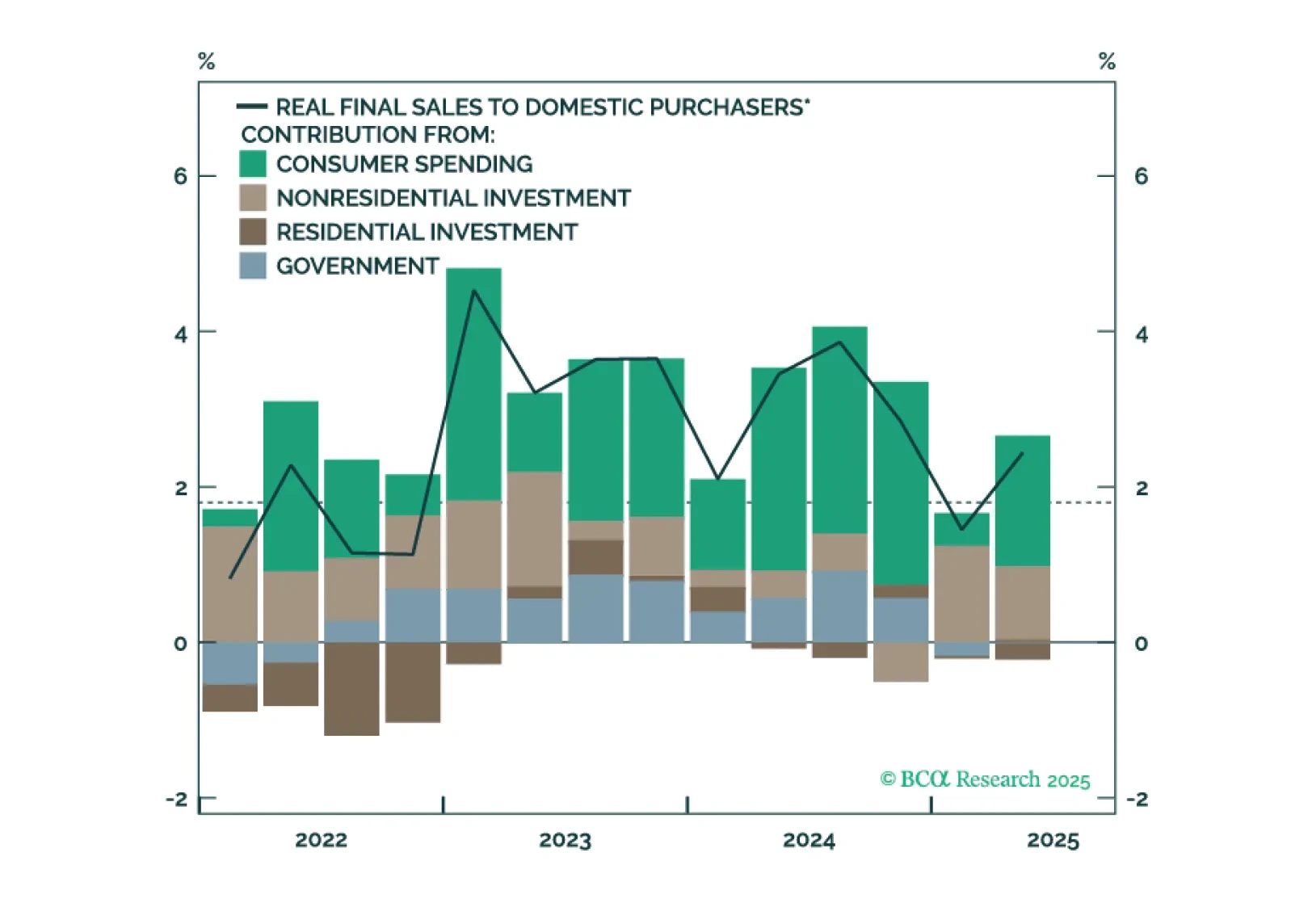
Economic activity and hiring cooled significantly in the first half of the year. The most important question for investors is whether this signals an imminent increase in labor market slack.

The yen’s discount, surplus, and rising real rates line up for a multi-quarter surge. Find out why EUR/JPY is the first short and when USD/JPY follows.

The Central Bank of Brazil (BCB) held rates at 15%, guaranteeing a sharp growth slowdown and reinforcing our underweight stance on Brazilian equities versus EM. All Copom board members voted to maintain an ultra-hawkish policy due to unanchored inflation…
The SARB cut rates by 25 bps to 7.00%; our EM strategists expect further easing and recommends short ZAR exposure. Real interest rates remain elevated, and high borrowing costs are intensifying debt sustainability concerns, with 10-year yields far above…

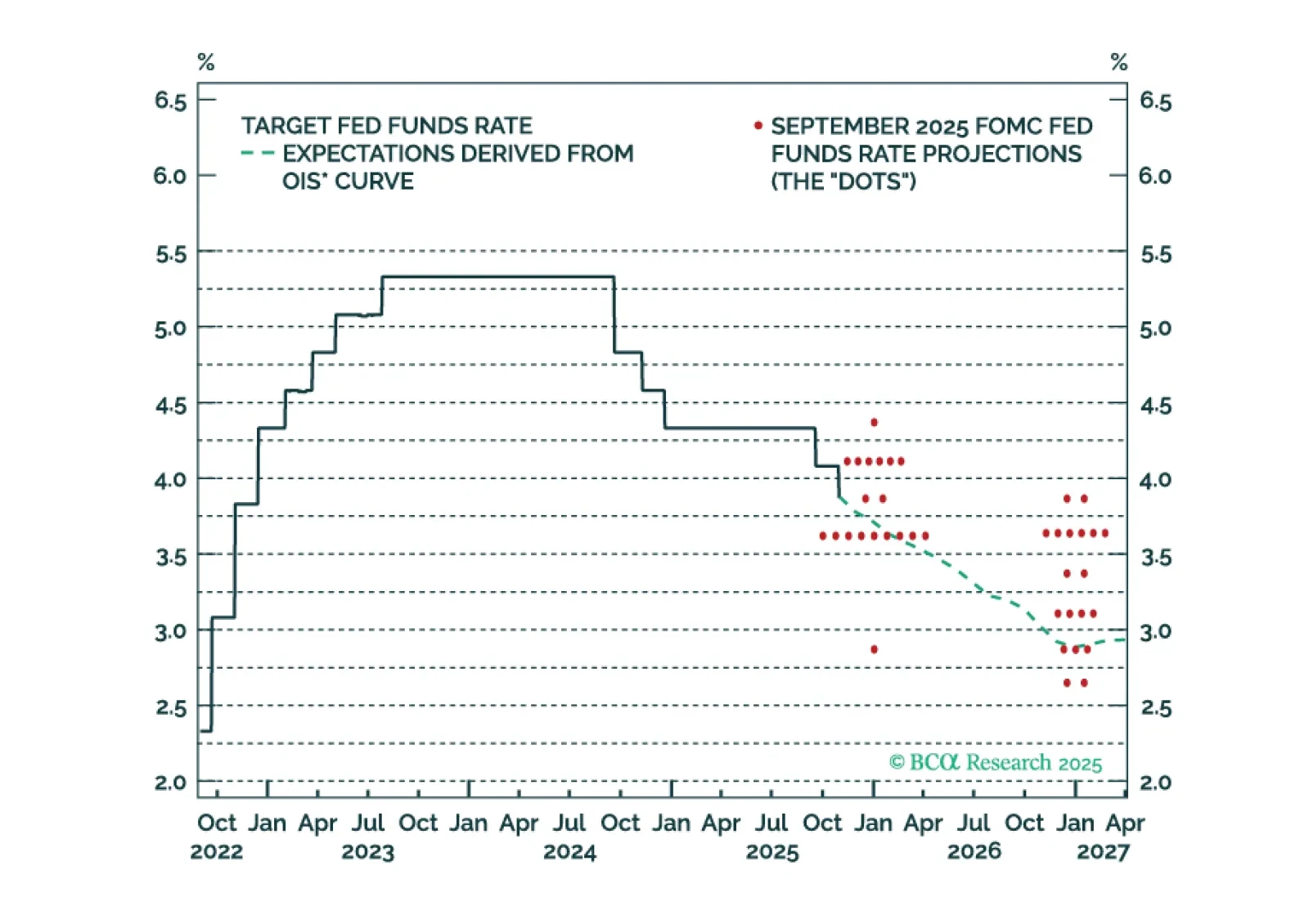
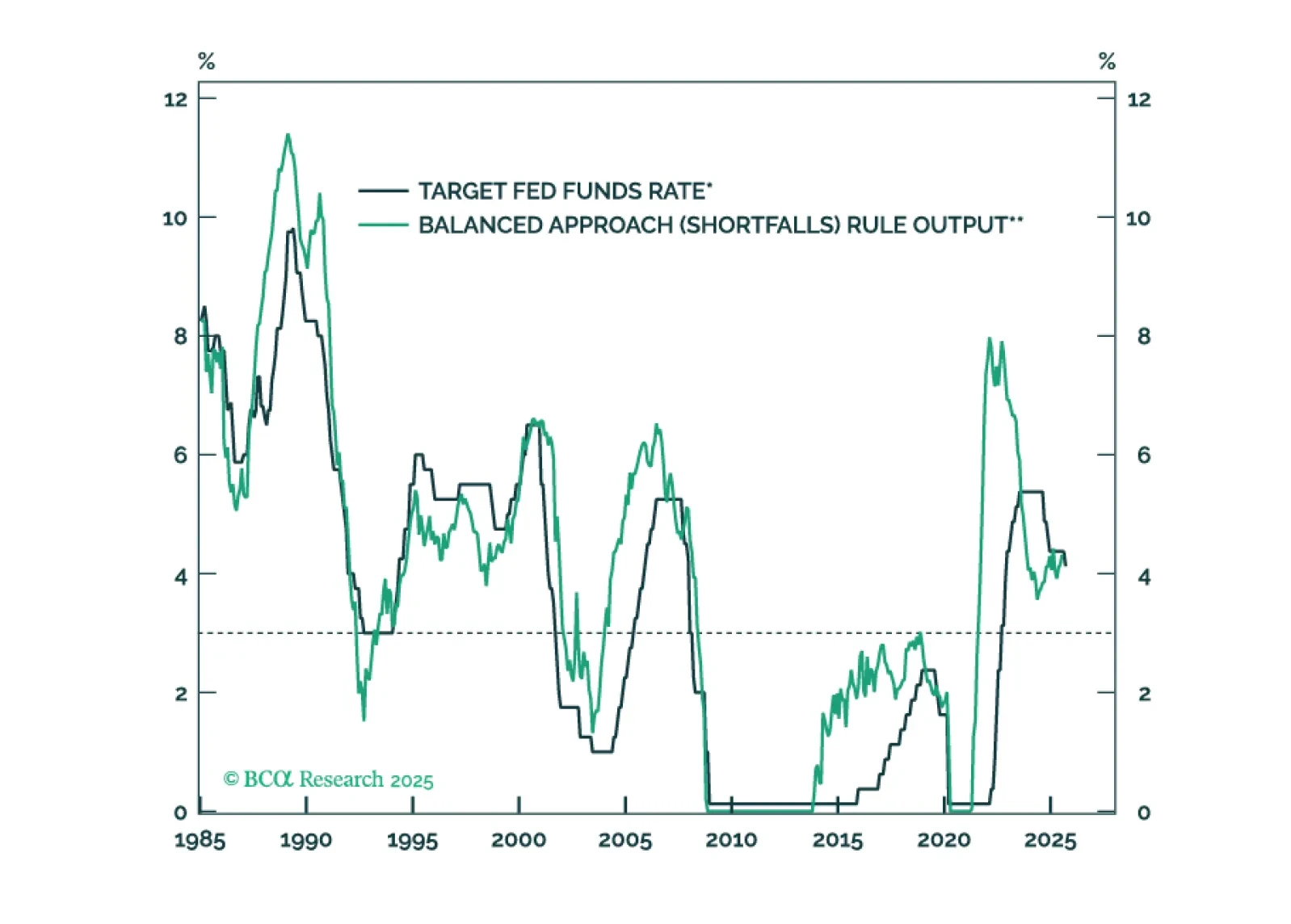
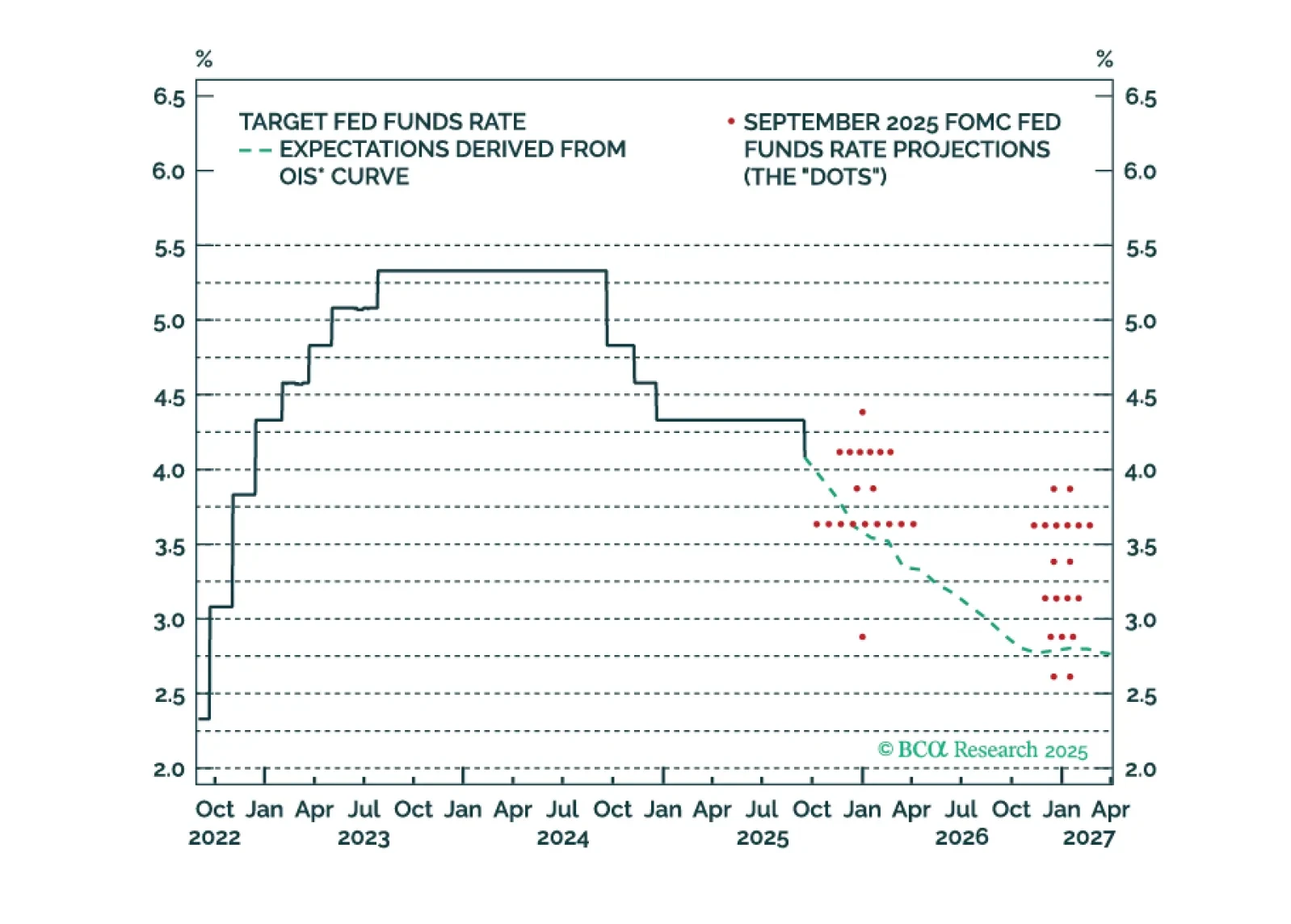
The Fed will keep rates on hold until the unemployment rate forces its hand.

Investors often ask us which industries the Chinese government is prioritizing for expansion. The assumption is that investing in sectors hand-picked authorities will produce solid investment returns. Yet, this assumption has not held over the past decade.

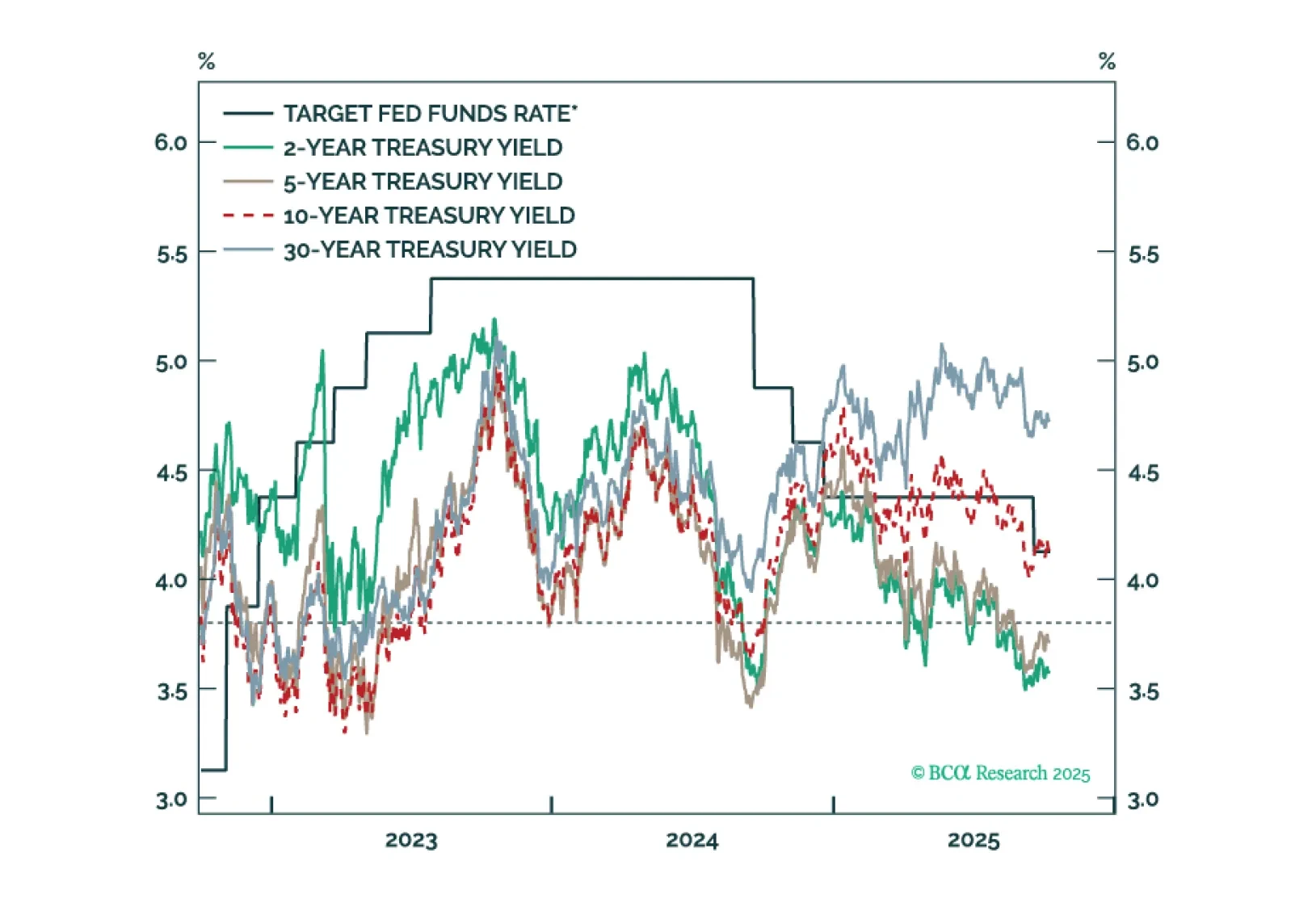
Investors should anticipate above average Treasury returns during the next 12 months, and curve steepeners will continue to profit.