The disinflation process is over in Poland and Hungary. Only the Czech Republic will see its core inflation meet its central bank target this year. The reason is much tighter labor market dynamics in the first two. Investors should…
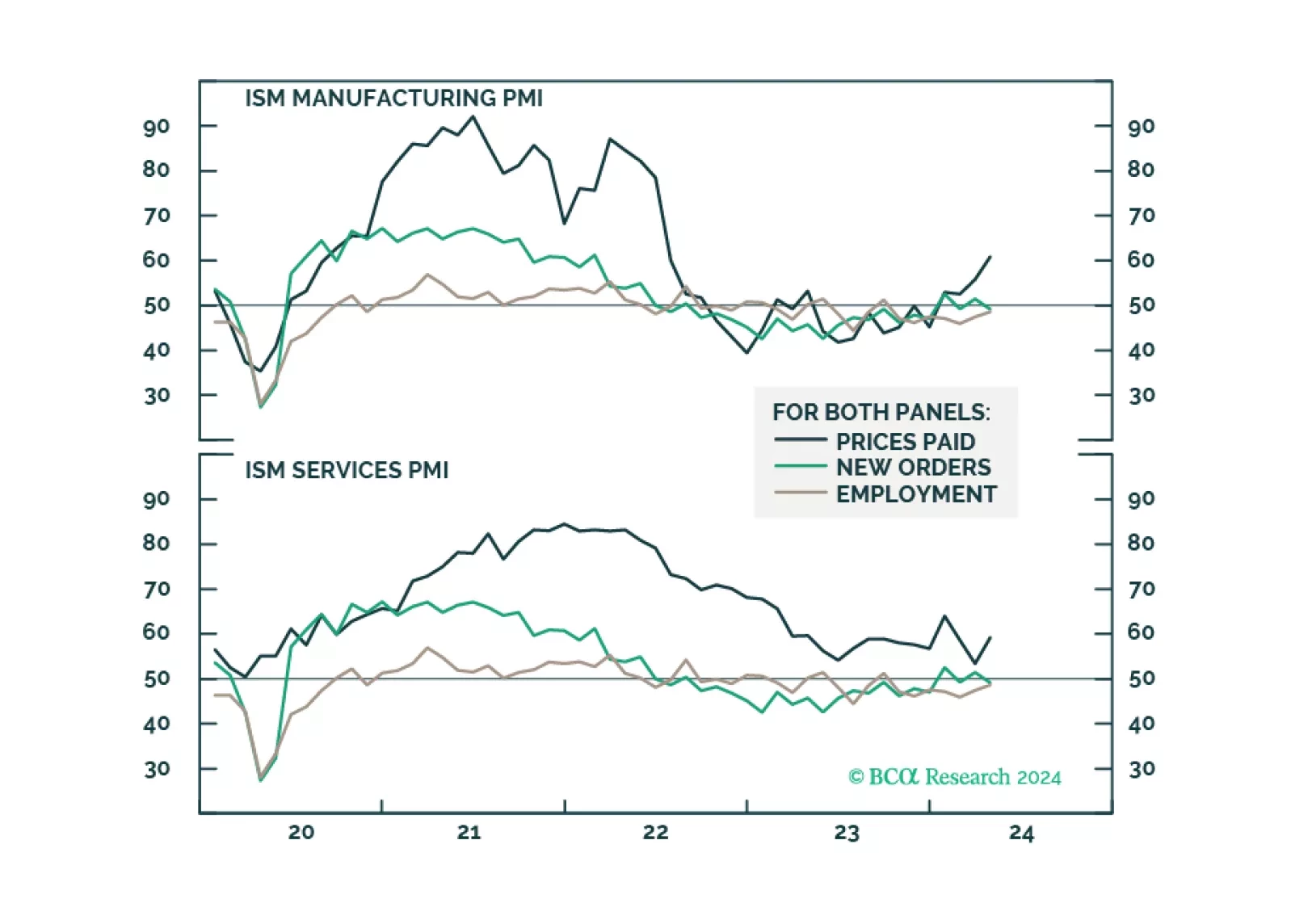
Preliminary S&P PMIs for the US showed the manufacturing index declined to contraction territory of 49.9 from 51.9, falling short of expectations of 52. The services PMI also disappointed coming in at 50.9, versus…
Retail gasoline prices have surged 13% since the beginning of the year, boosted by resilient global demand and geopolitical tensions. A key question for investors pertains to the ability of US consumption to sustain further…
Flash estimates for several European PMIs were released Tuesday. The results for manufacturing activity were somewhat disappointing. The German manufacturing PMI increased from 41.9 to 42.2, but underperformed expectations of…
According to BCA Research’s US Equity Strategy service, Q1 earnings results signaled that net interest income (NII) growth is set to decline in US banks. For nearly two years, America’s largest banks enjoyed a…
Q1 earnings results of the largest US banks have demonstrated that the engine of recent growth in profitability, NII, has faltered as funding costs are rising fast. However, the resurgence in non-NII thanks to a revival in corporate…
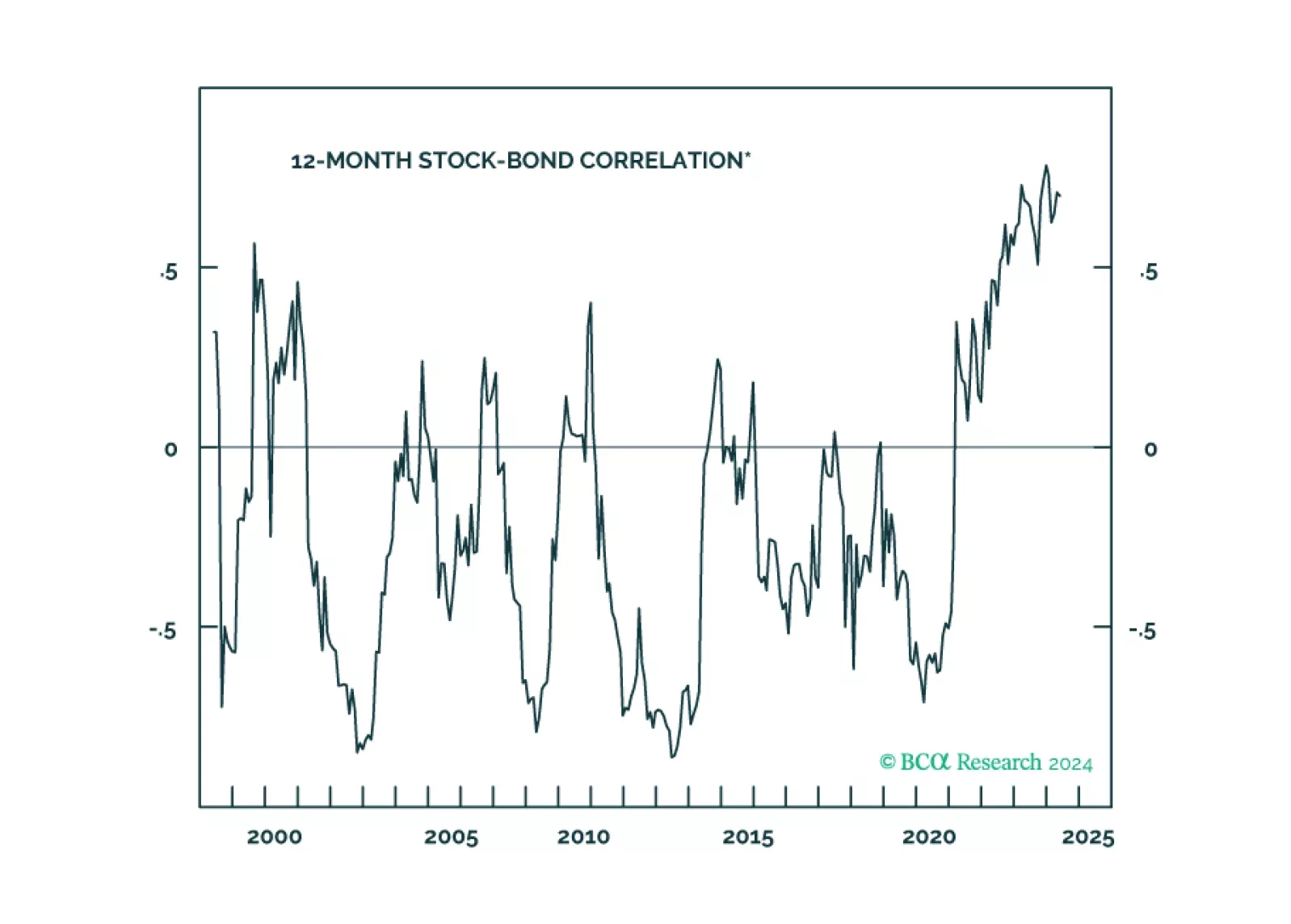
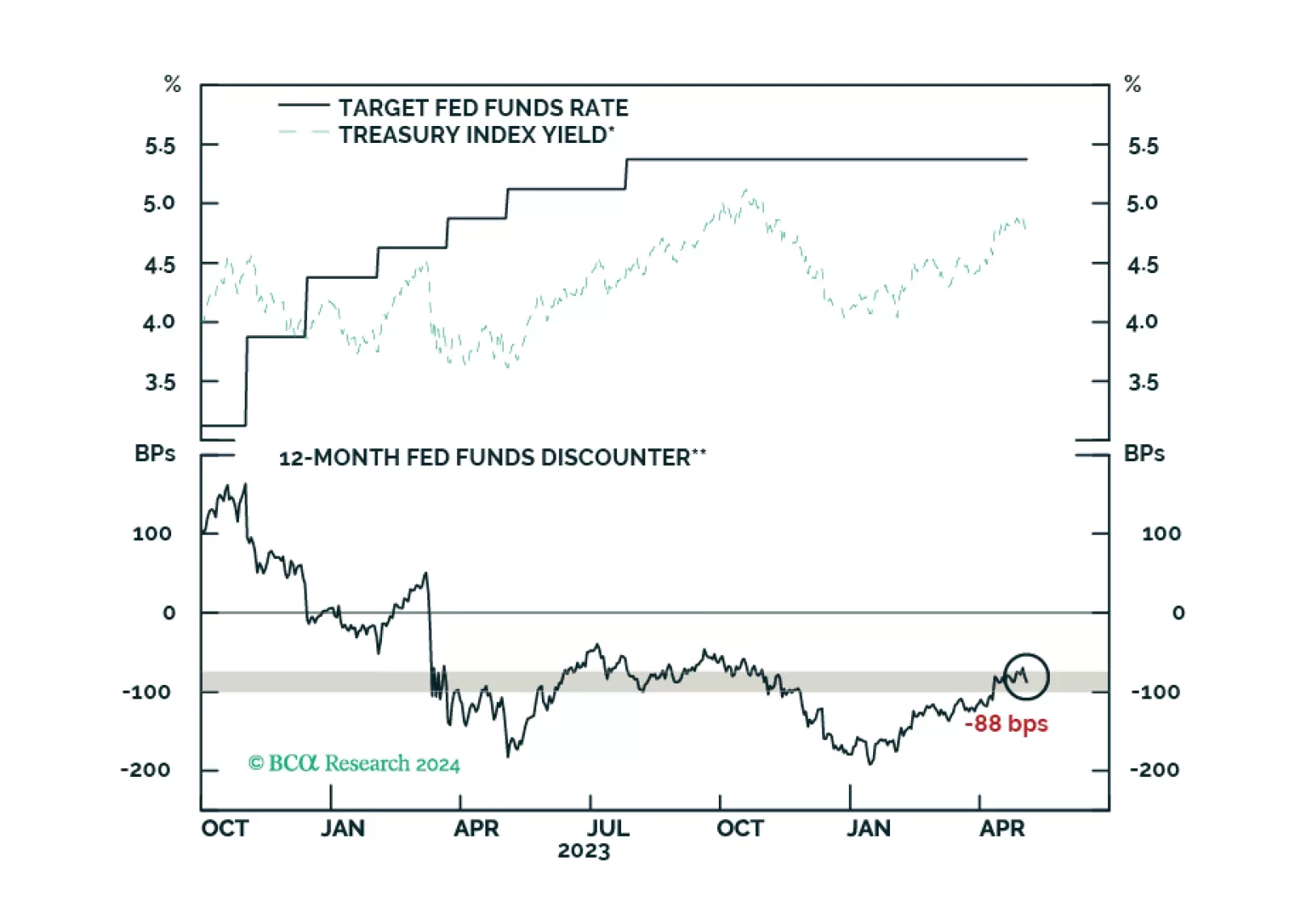
By the end of 2023, the “soft landing” scenario became the dominant narrative in financial markets. Following the regional banking scare in March of last year, market participants slowly came around to the view that…
Japan’s national CPI inflation unexpectedly cooled in March, falling to 2.7% y/y versus consensus estimates it would remain at 2.8% y/y. Notably, measures of underlying inflation such as core CPI (ex-fresh food) and “…
The IMF’s latest fiscal monitor report highlighted the dangers that rising sovereign debt alongside rising deficits pose to advanced economies. The United States, in particular, is at risk. The IMF projects that fiscal…
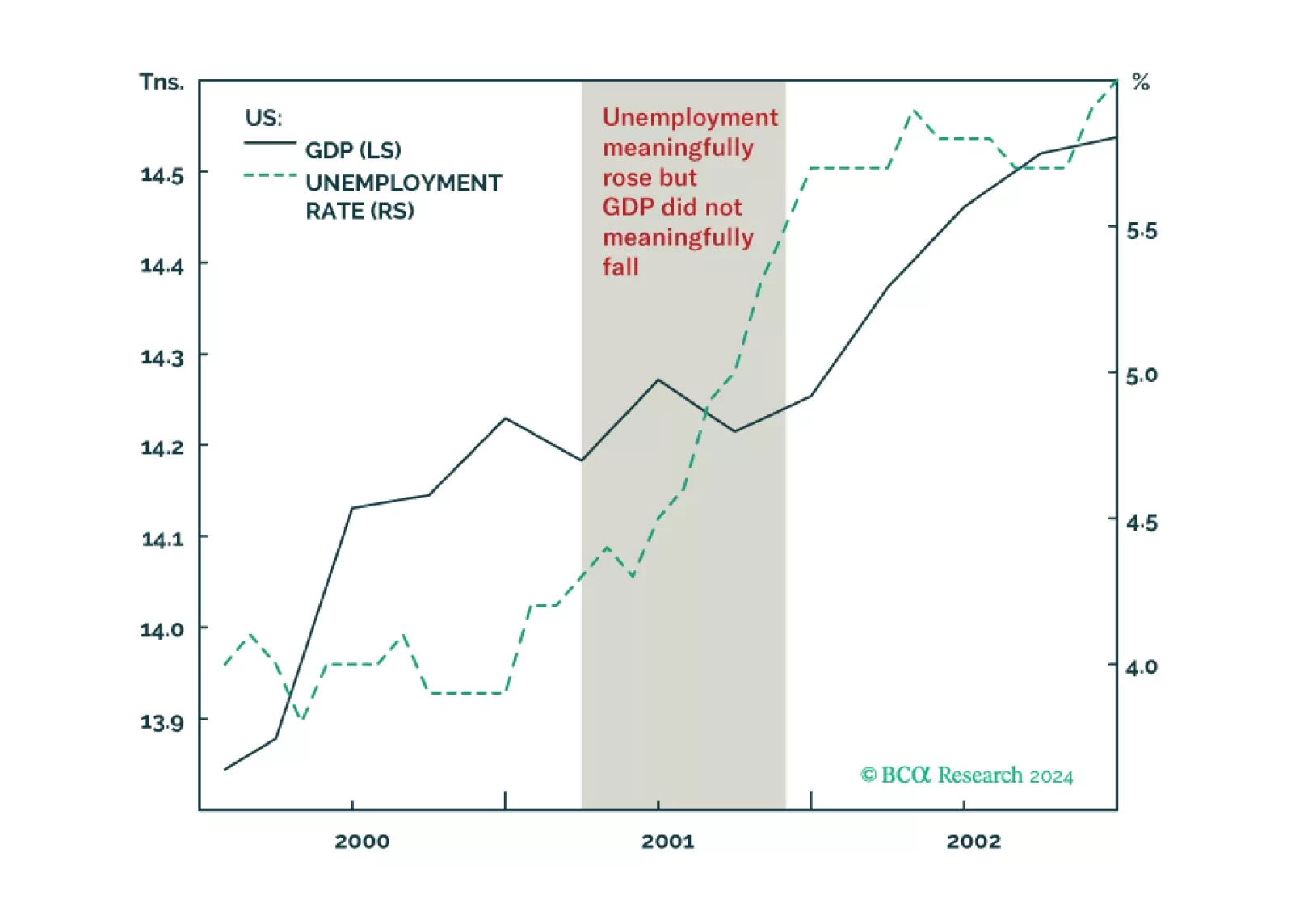
Unlike most advanced economies that are flirting with recession due to weak demand, the ‘inverted’ US economy is motoring along due to strong supply, from a combination of surging labour participation and surging immigration. We go…