Recession-Hard/Soft Landing

Expectations for oil demand growth through 2023-24 are way too optimistic. Until these expectations fall to -0.5-1 percent, the oil price has further downside. Plus: collapsed complexity confirms that AI is in a mania, while basic materials stocks and ZAR/EUR are rebound candidates.
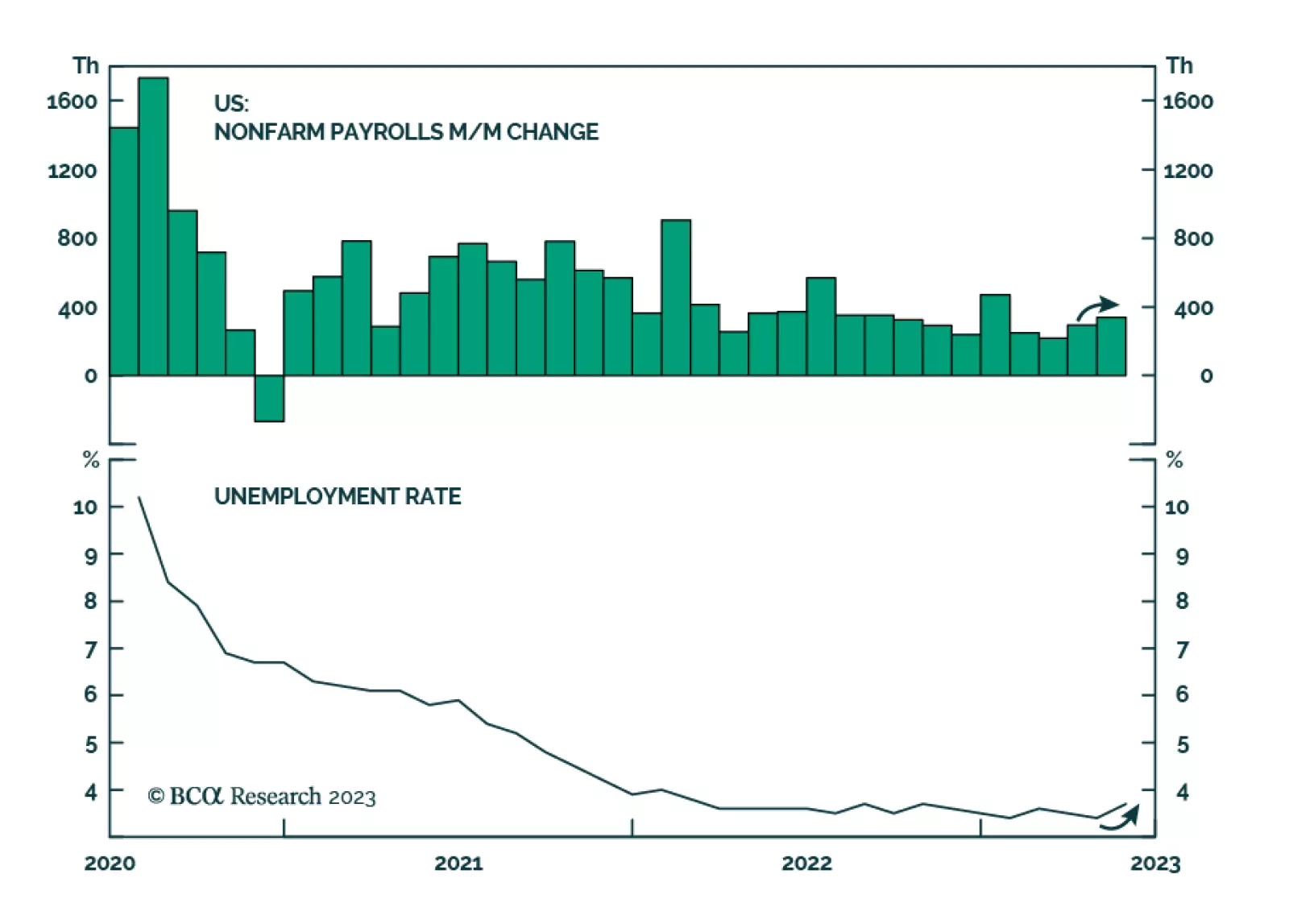
Once the debt ceiling soap opera ends, investors will likely turn their attention to some of the tailwinds supporting stocks. These include stronger earnings growth, diminished bank stresses, better housing data, early signs of an upleg in the manufacturing cycle, the prospects of an AI-driven productivity boom, and the fact that labor slack has managed to increase without rising unemployment. Investors should resist turning bearish on stocks for now but look to become more defensive later this year.
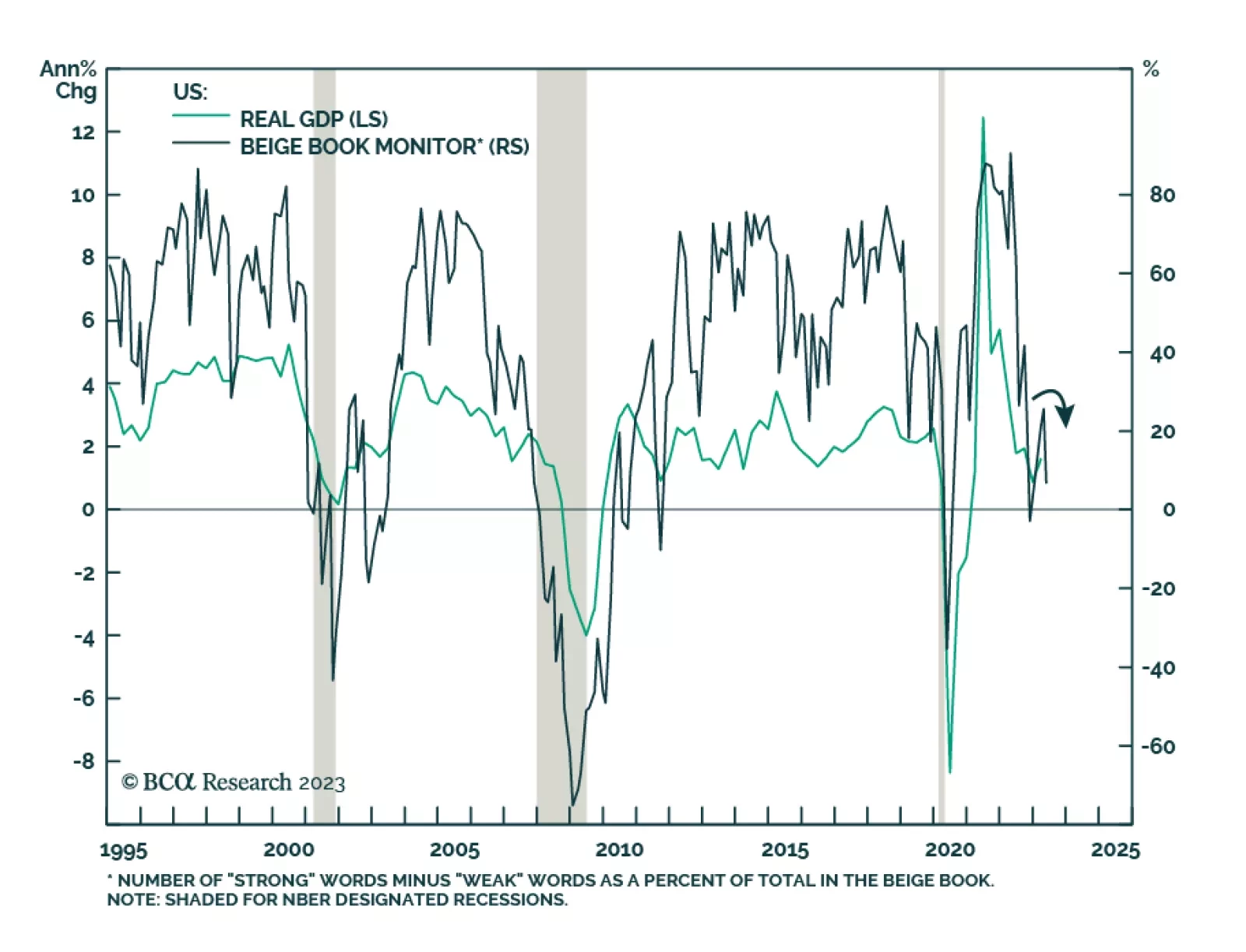
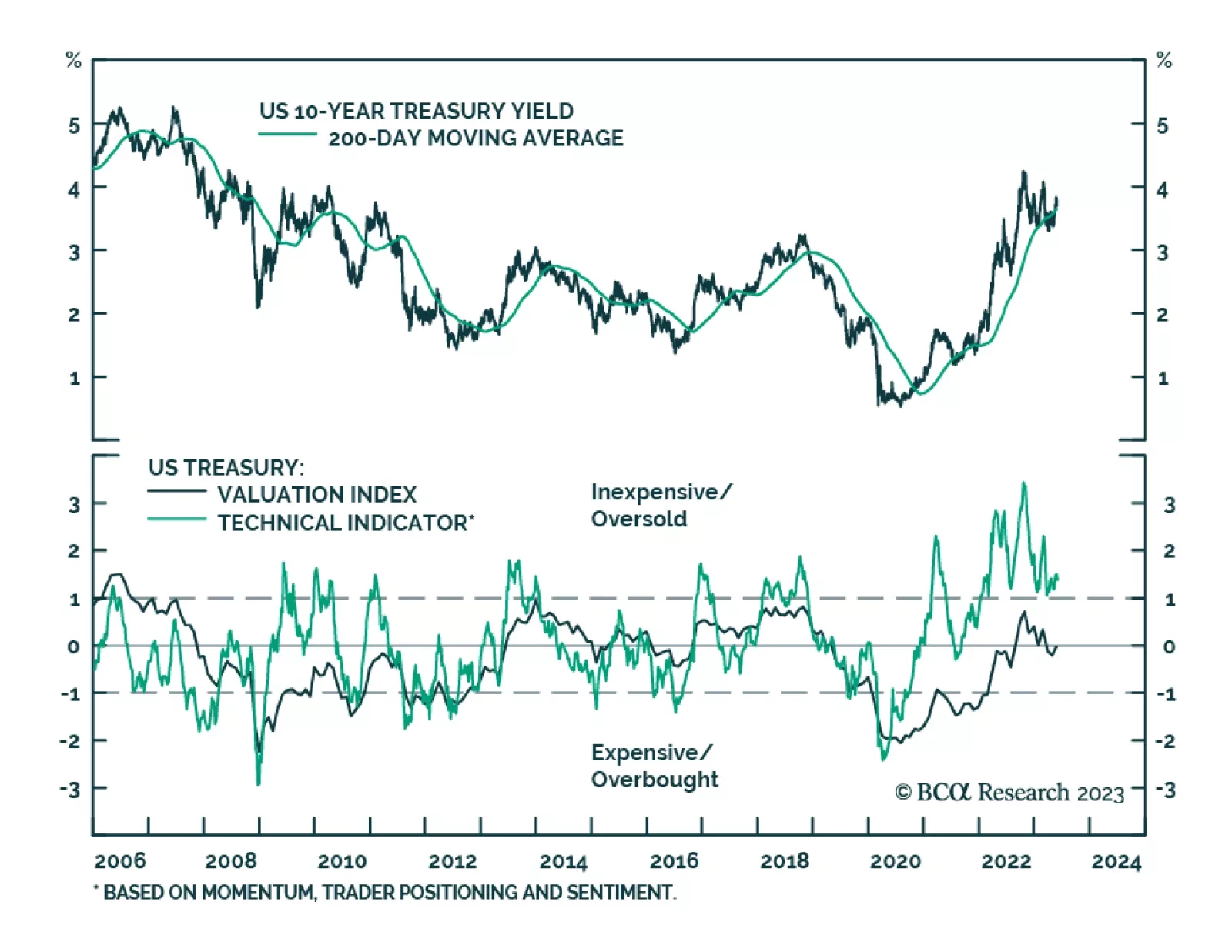
In Section I, we review the three possible economic scenarios over the coming year, and underscore that the “soft landing” scenario remains improbable. A “no landing” scenario could occur, but it would ultimately lead back to the recessionary path and thus is not a basis for investors to maintain pro-risk portfolio positions. US stock prices continue to be buoyed by rate cut expectations, but nonrecessionary cuts still appear to be a long way off. In Section II, we present our best estimate of the inflationary threshold that results in a positive or negative stock price / bond yield (SBY) correlation, and whether investors are likely to approach this level over the coming one-to-two years. US core inflation does not likely need to return to the Fed’s target in order for the SBY correlation to return to positive territory, but a move back to a positive correlation will very likely occur in the context of falling equity prices.
The debt ceiling game’s endpoint will avoid default only if it implies economic pain. For the Republicans, the best strategy is not to lift the debt ceiling unless the Democrats cut spending a lot, or unless the economy starts to tank. Plus: there are signs that the mania in ‘AI’ stocks has gone too far too fast.