Sorry, you need to enable JavaScript to visit this website.
Skip to main content

Recession-Hard/Soft Landing

In Section I, we reiterate why a soft economic landing remains improbable in the US. Some reasonable estimates of the level of excess savings point to their depletion in a year’s time, but other estimates indicate a much earlier end point. We interpret this evidence, as well as other indicators, as pointing to an earlier rather than later US recession if the current stance of monetary policy is maintained or tightened further. In Section II, we provide an update on the US housing market. We acknowledge that permanent site residential structures investment may begin to contribute positively to US real GDP growth if the recent pickup in housing starts is sustained. But the recent housing market data is symptomatic of a negative housing supply shock that is far more consistent with the “no landing” economic scenario than the “soft landing” scenario that stocks are betting on. We continue to recommend that investors position their portfolios conservatively.

The combination of a global manufacturing recession and tight/tightening policy is raising a red flag for global non-TMT stocks. In China, households are entering a liquidity trap, and deflationary pressures are heightening. Authorities need to reduce interest rates considerably and allow the currency to depreciate. By doing so, China will export its deflation to the rest of the world.
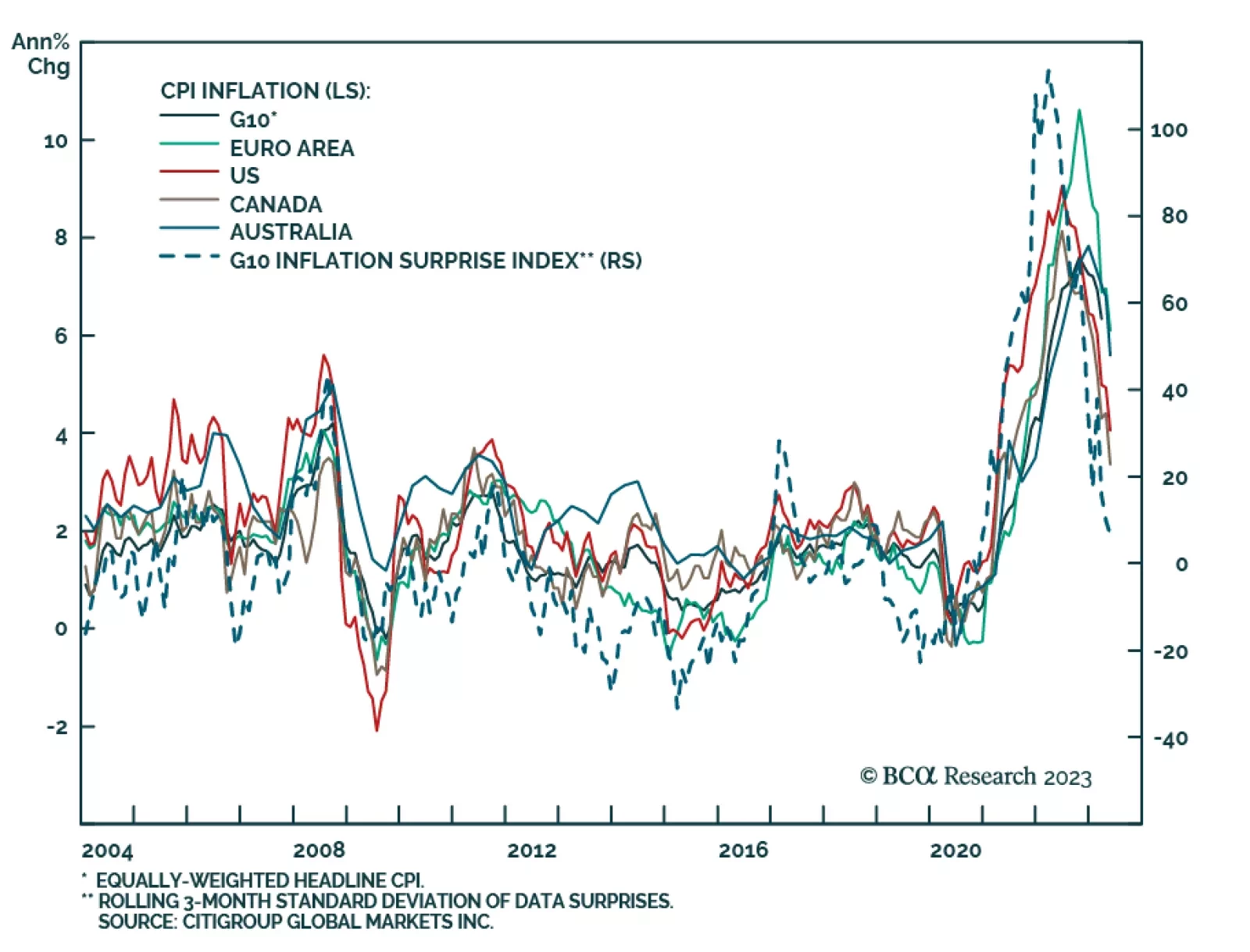
There have been big downside surprises to inflation over the last few weeks. Today, the May monthly print of Australian inflation (covers 67% of all items), came in at 5.6%, versus 6.8% the previous month. This followed a downside surprise to Canadian…

The market does not grasp the implied depths of recessions that will be needed to prevent inflation expectations from un-anchoring. Among the major economies, the most vulnerable to a deep recession is the UK. We explain why, and some investment implications. Plus: the yen is a rebound candidate, while Japanese equities are a reversal candidate.
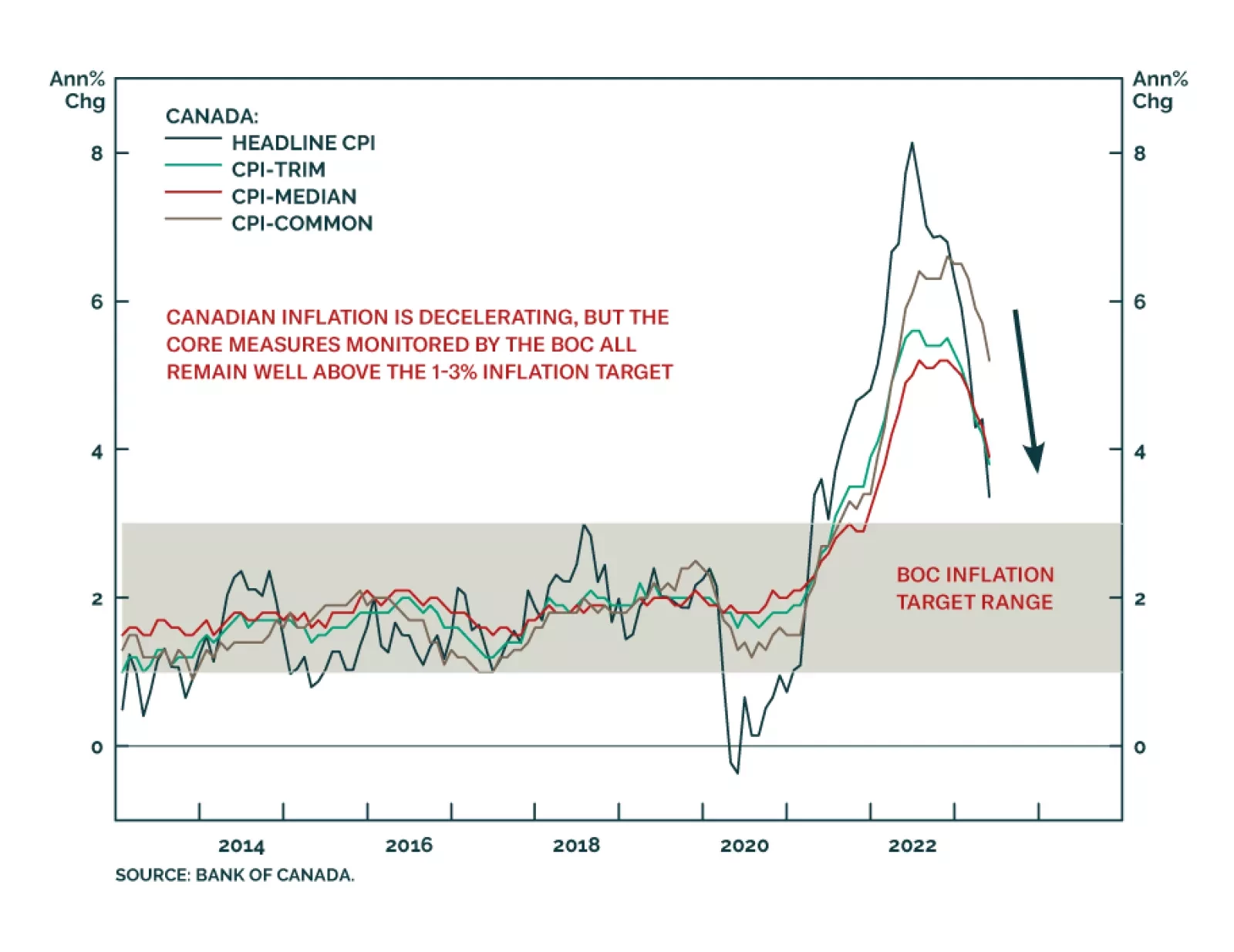
Canadian inflation slowed in May, slowing to 3.4% on a year-over-year basis from 4.4% in April. This matched market expectations, with the monthly increase of 0.4% (versus 0.7% in April), slightly lower than the 0.5% consensus forecast. The year-over-year…
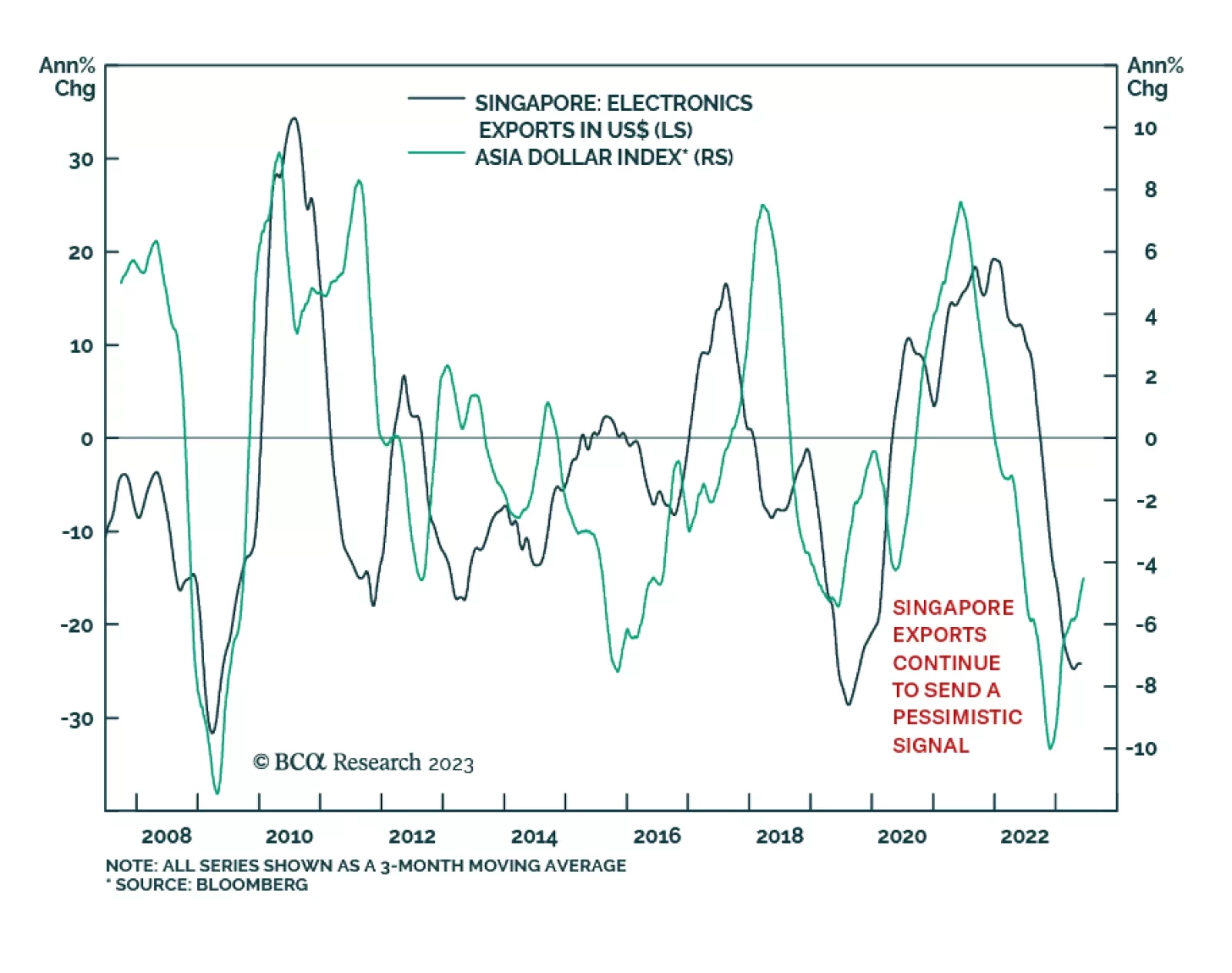
Singapore’s exports have historically acted as a good gauge for the health of the global economy. As a small open economy that is extremely exposed to fluctuations in the Asian and global manufacturing cycles, Singapore’s exports – particularly of electronics…
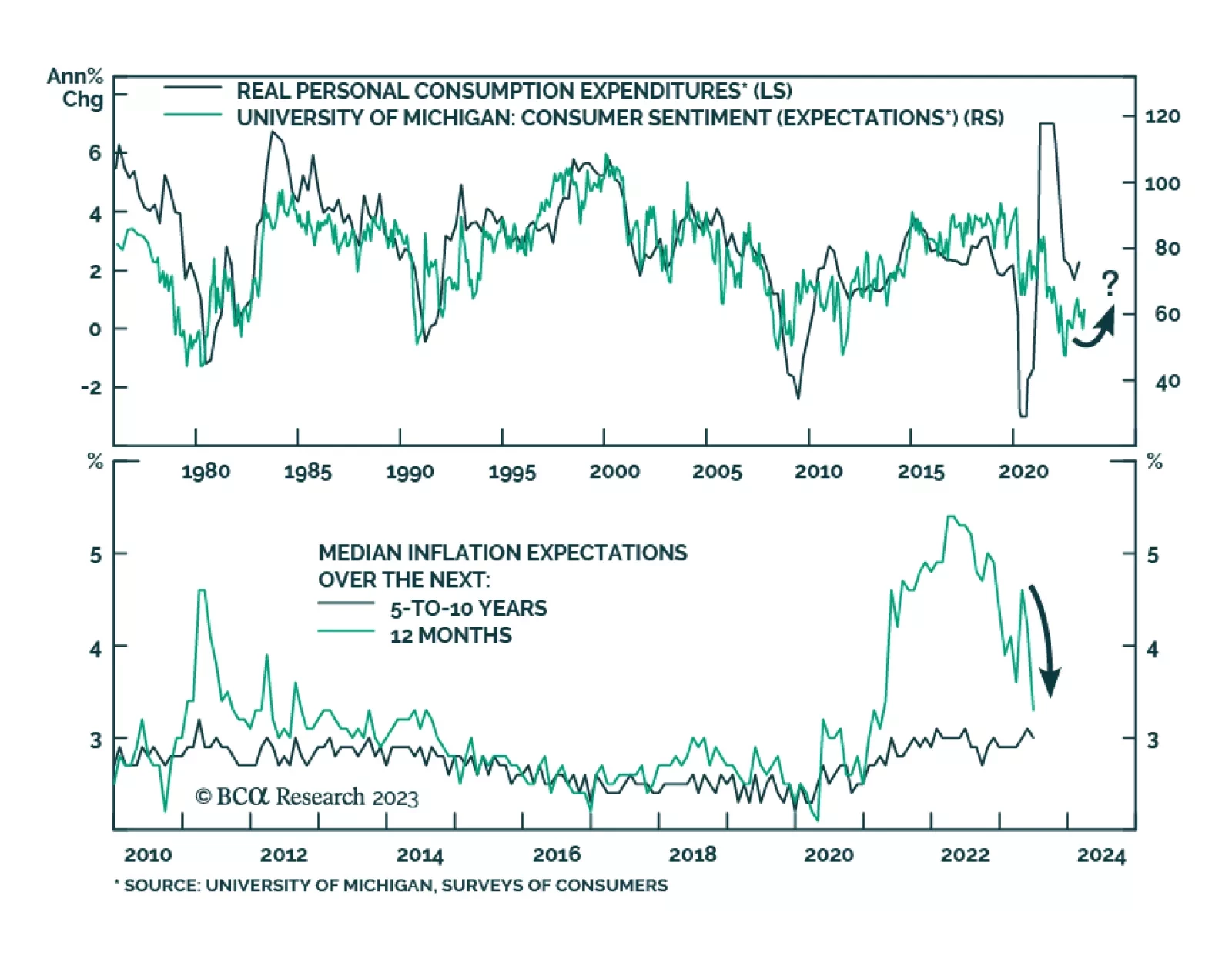
Preliminary results of the University of Michigan Consumer Sentiment survey sent a positive signal about household morale in June. The Sentiment index rose by a greater-than-anticipated 4.7 points to 63.9 on the back of improvements in both the Current…
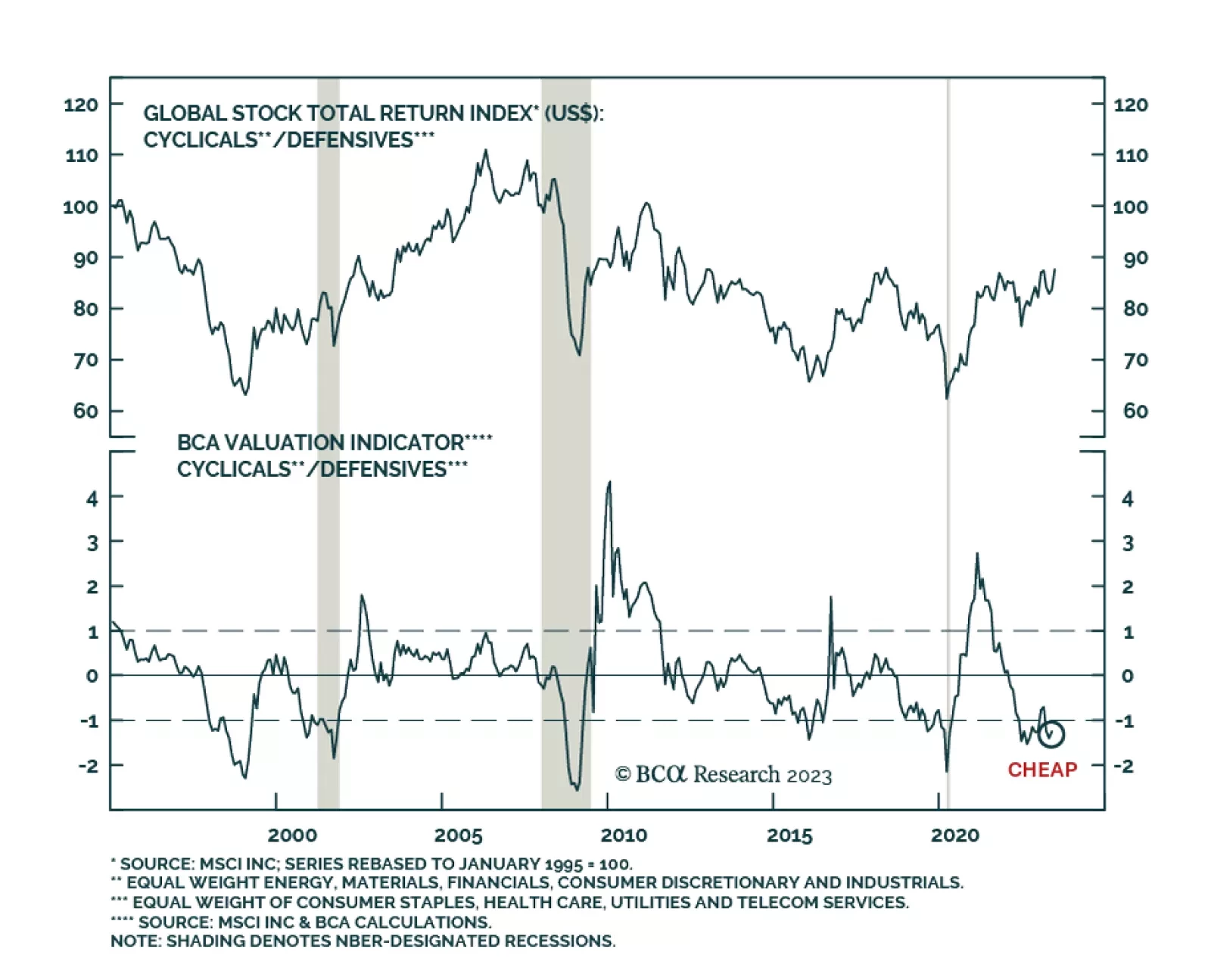
Once again, global cyclical stocks have recently been outperforming defensive sectors. This comes after the late-2022/early-2023 relative rally in cyclical stocks was cut short by the emergence of bank turmoil in early March. Valuations are providing a…
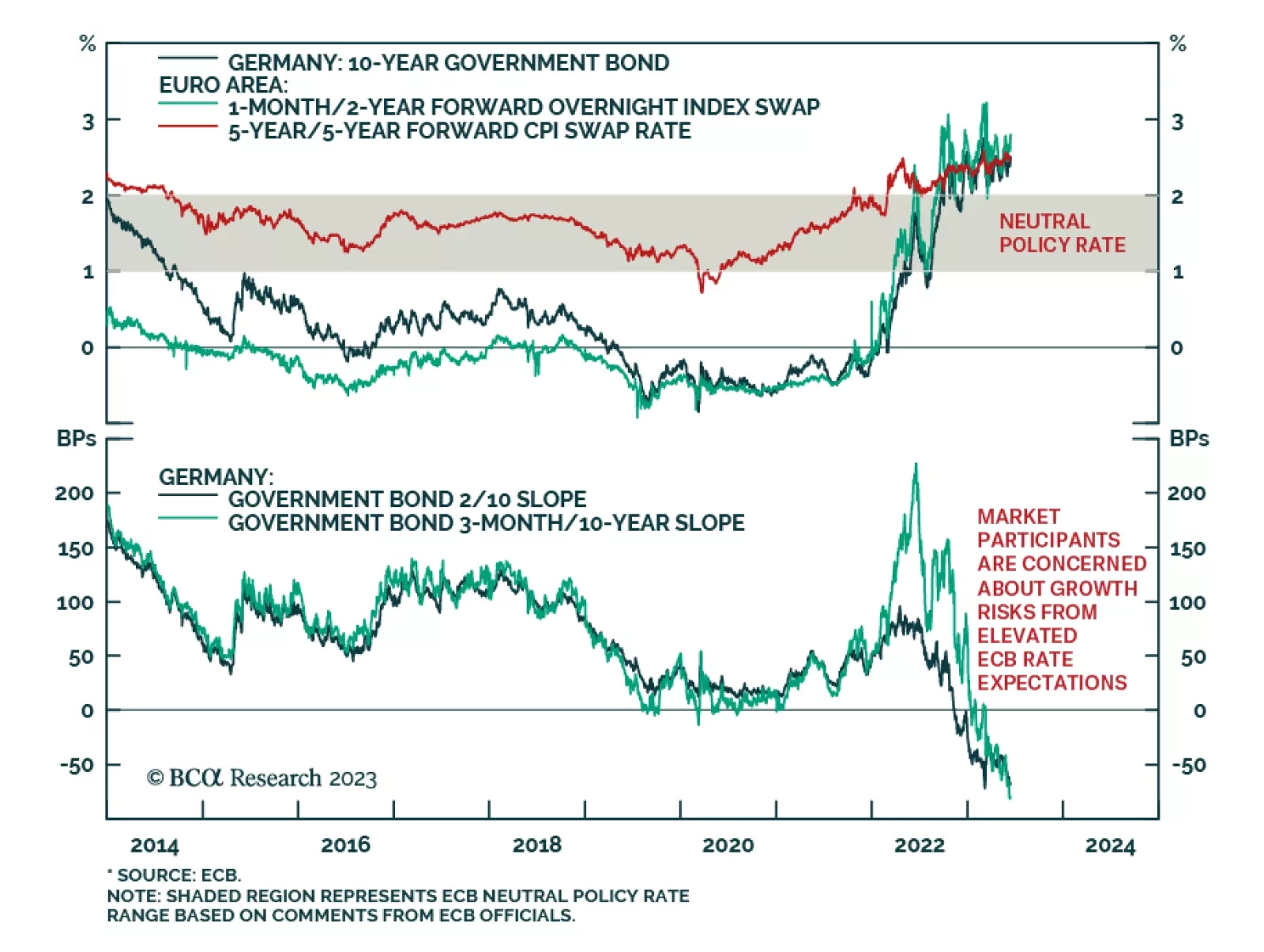
As expected, the European Central Bank (ECB) delivered a 25bps rate hike on Thursday, raising the policy rate to 3.5% — the highest since August 2001. Moreover, the central bank maintained a hawkish bias, signaling that further rate hikes are likely in…
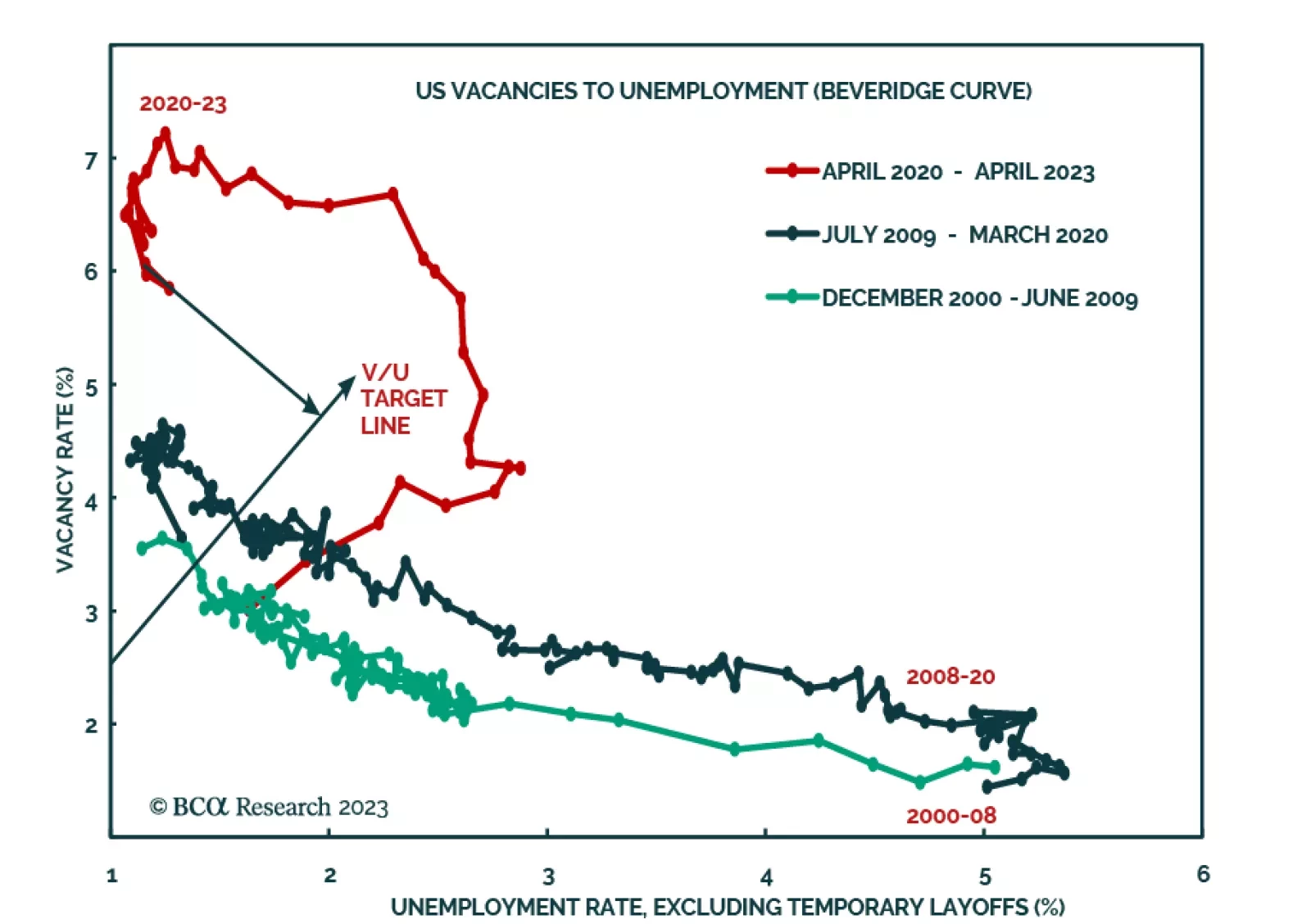
According to BCA Research’s Counterpoint service, making inflation imperceptible will require making unemployment perceptible, meaning a recession. Our non-linear world often surprises our linear-thinking minds. For linear thinkers, inflation falling from…