Sorry, you need to enable JavaScript to visit this website.
Skip to main content

United States

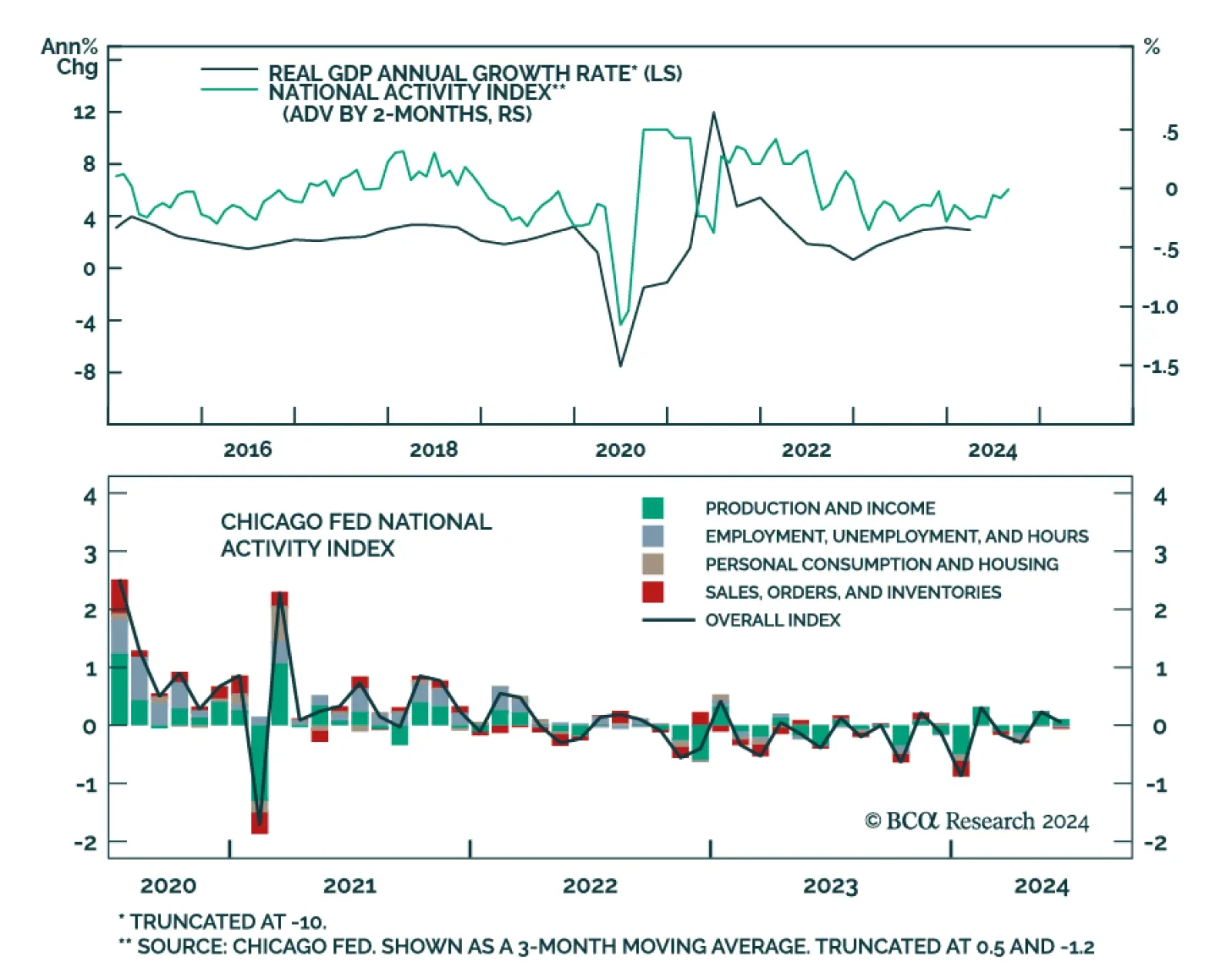
The Chicago Fed National Activity Index (CFNAI) – a summary statistic of US economic data releases – decreased to 0.05 from 0.23, suggesting that the US economy cooled in June. Although the headline index surpassed expectations of a negative (below-average…
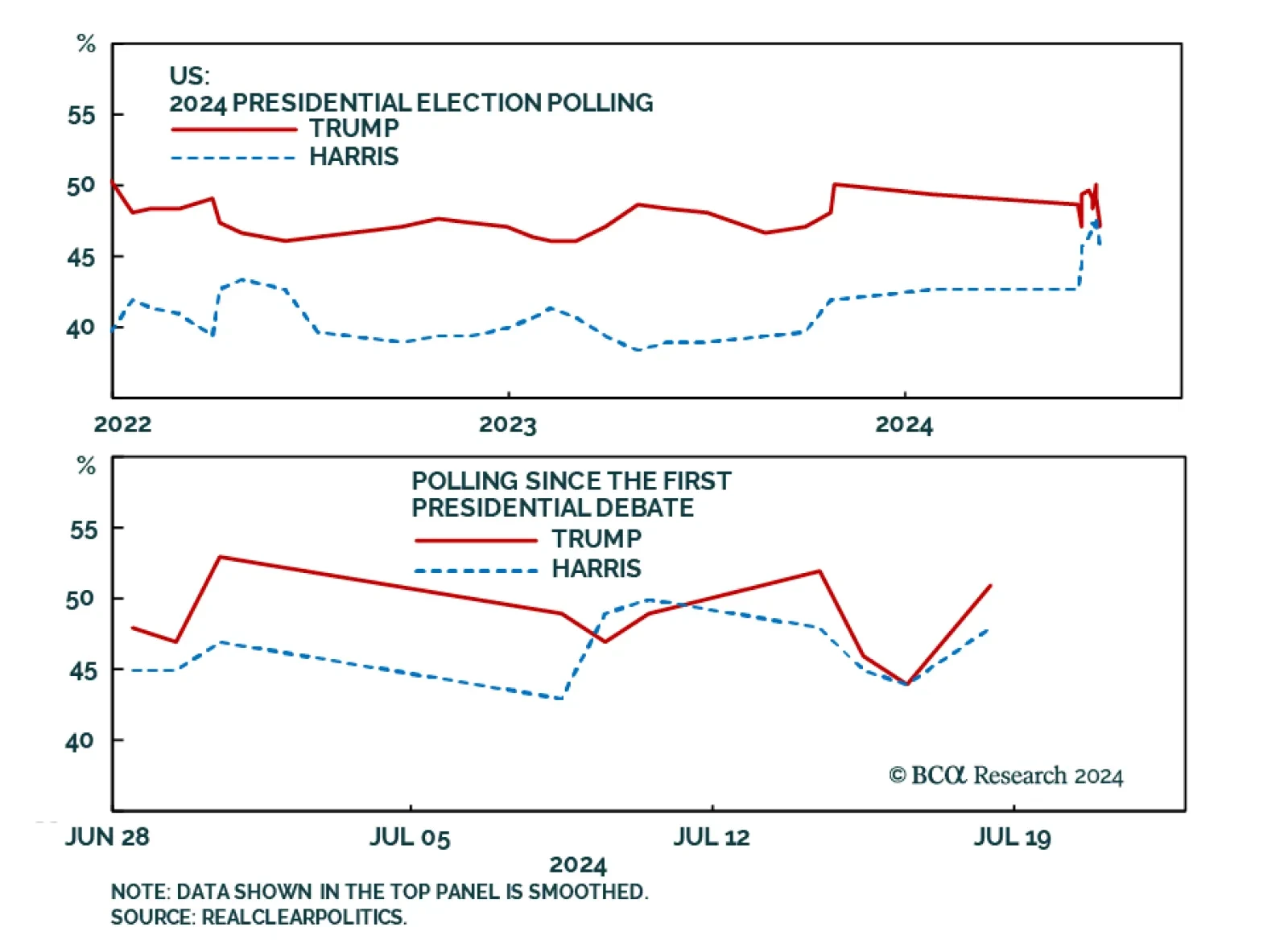
According to BCA Research’s US Political Strategy service, the biggest problem for Democrats is the economy. First, voters around the world have repeatedly voted against ruling parties since the 2022 inflation surge, in a sign of anti-incumbent sentiment…

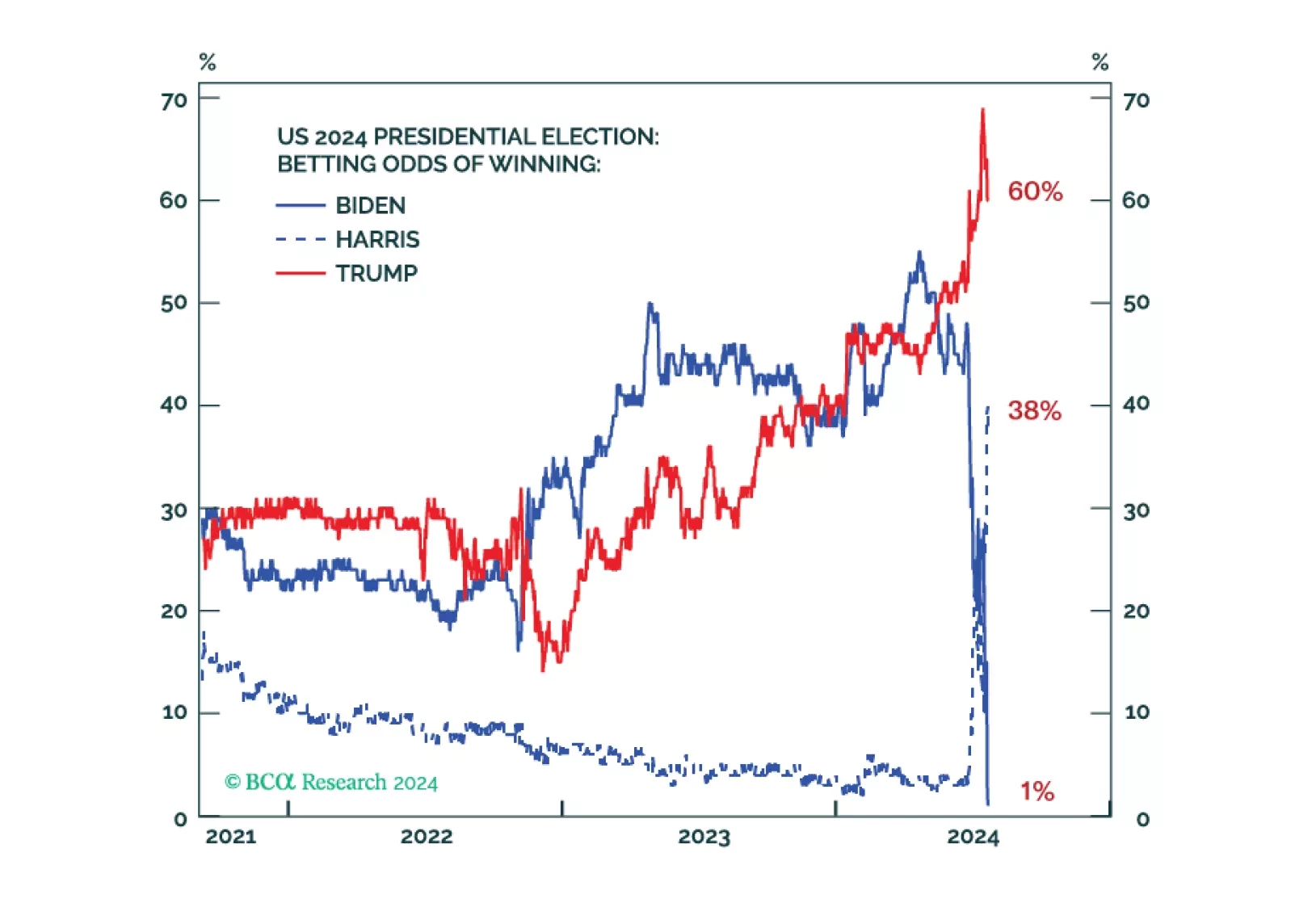
Investors should focus on growth concerns rather than the “Trump trade.” Bond yields will fall in the short run due to cyclically disinflationary economic slowdown, rather than rise in anticipation of a Republican full sweep and inflationary policies, which are likely but not yet a done deal.
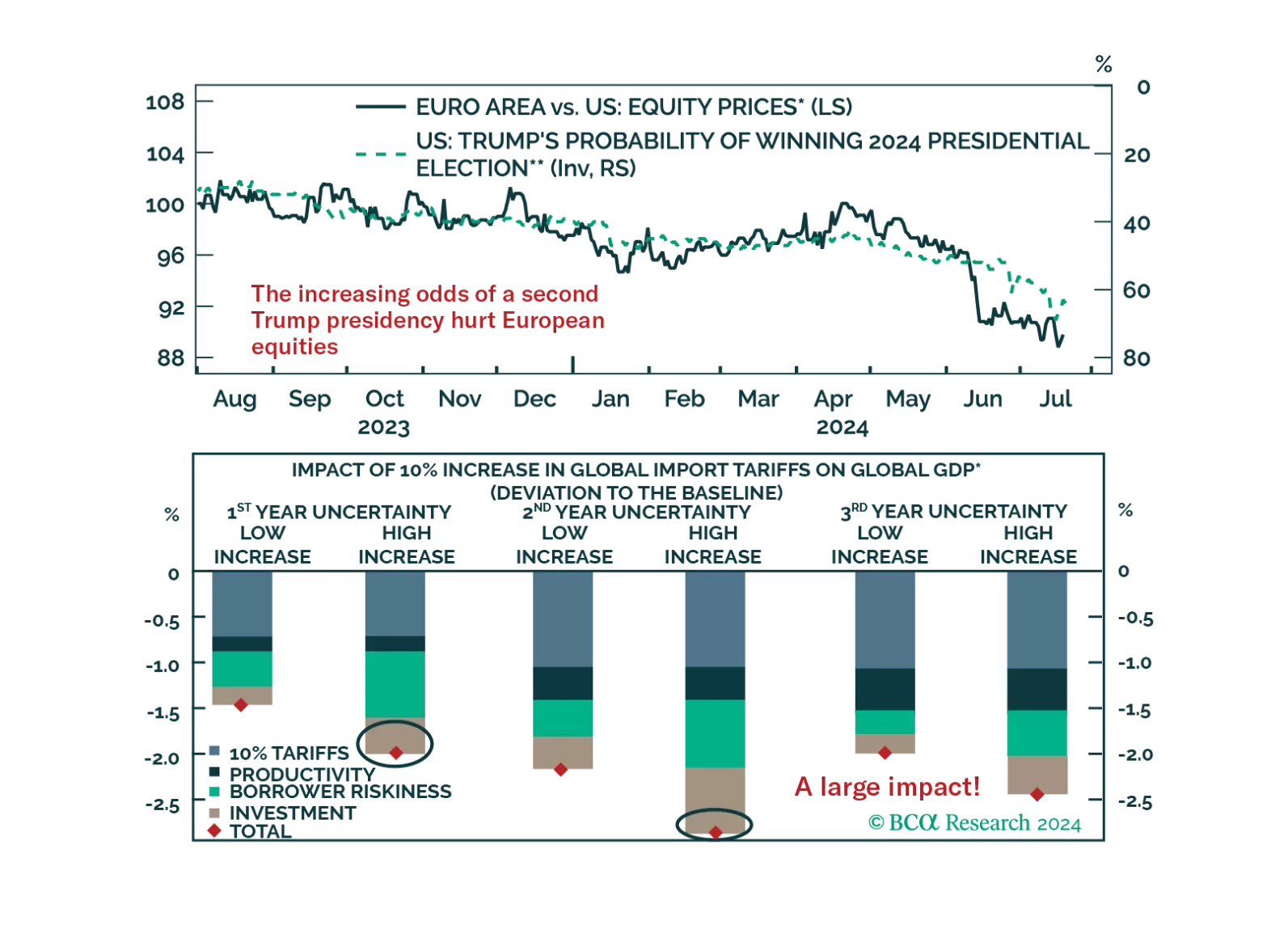
As Trump’s victory odds rise, the underperformance of European equities deepens. How negative would a global trade war be for European assets?
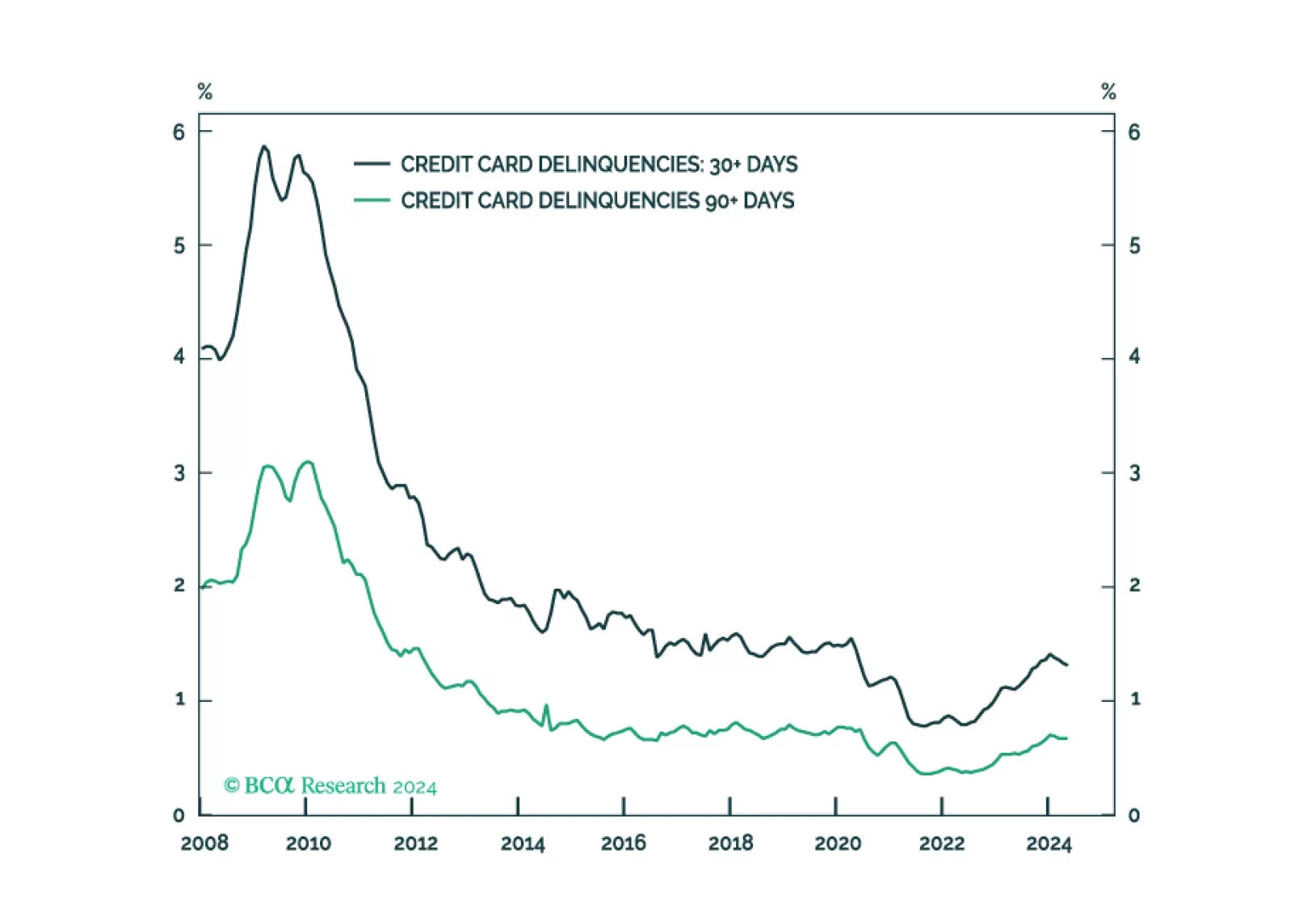
It’s status quo for the SIFI banks, as they don’t see consumer credit performance materially worsening from now-normalized levels and they are not meaningfully exposed to commercial real estate losses.
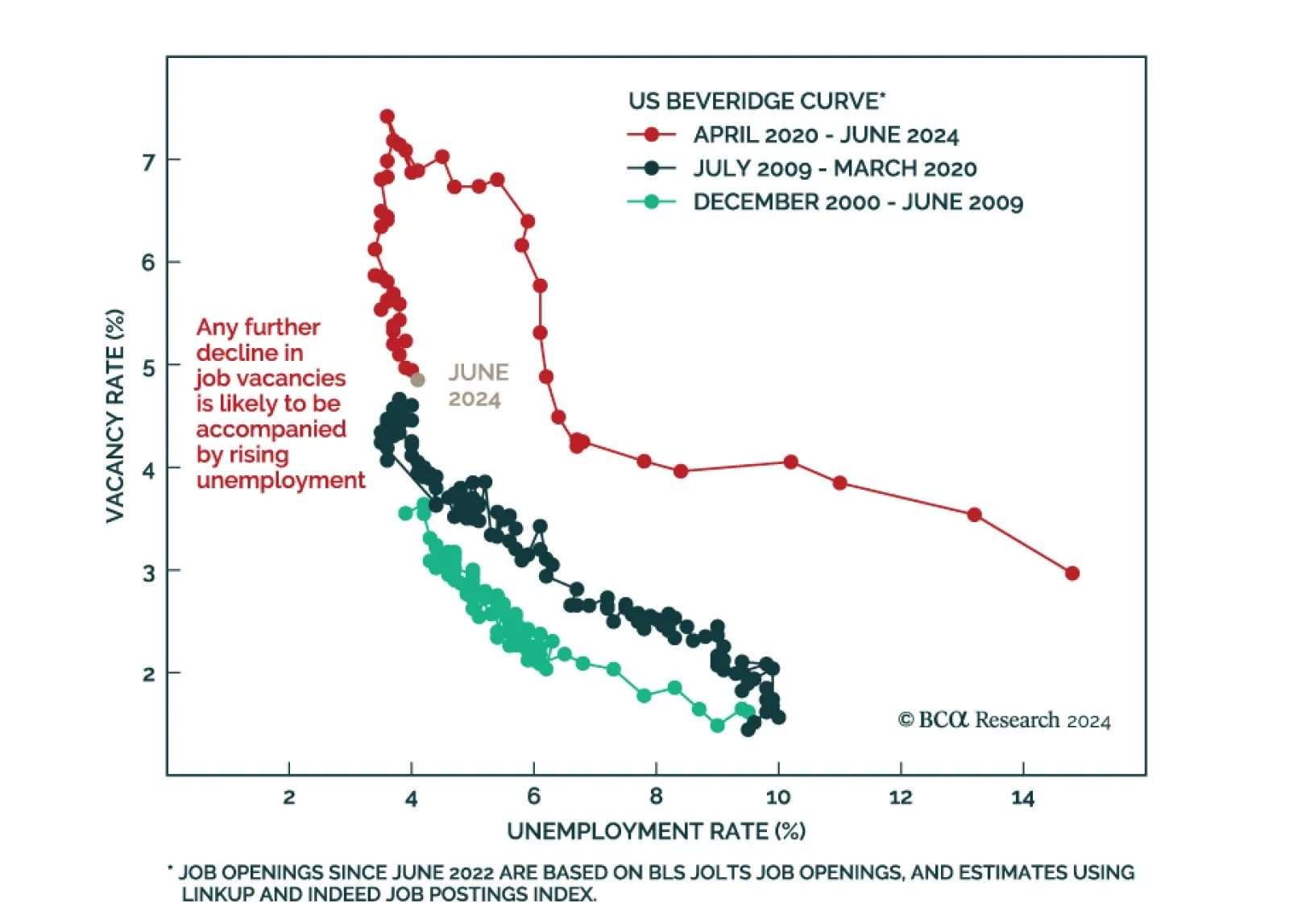
BCA Research’s Global Investment Strategy service remained tactically bullish on stocks for most of 2023, but shifted to neutral at the start of 2024, and downgraded stocks to underweight in late June. Its latest report fleshes out the team’s thinking in…
The Conference Board Leading Economic Index (LEI) for the U.S. declined by 0.2% in June from May, marking the smallest decrease in the past three months. Year-over-year, the US LEI remained negative but less so compared to prior months, prompting The…

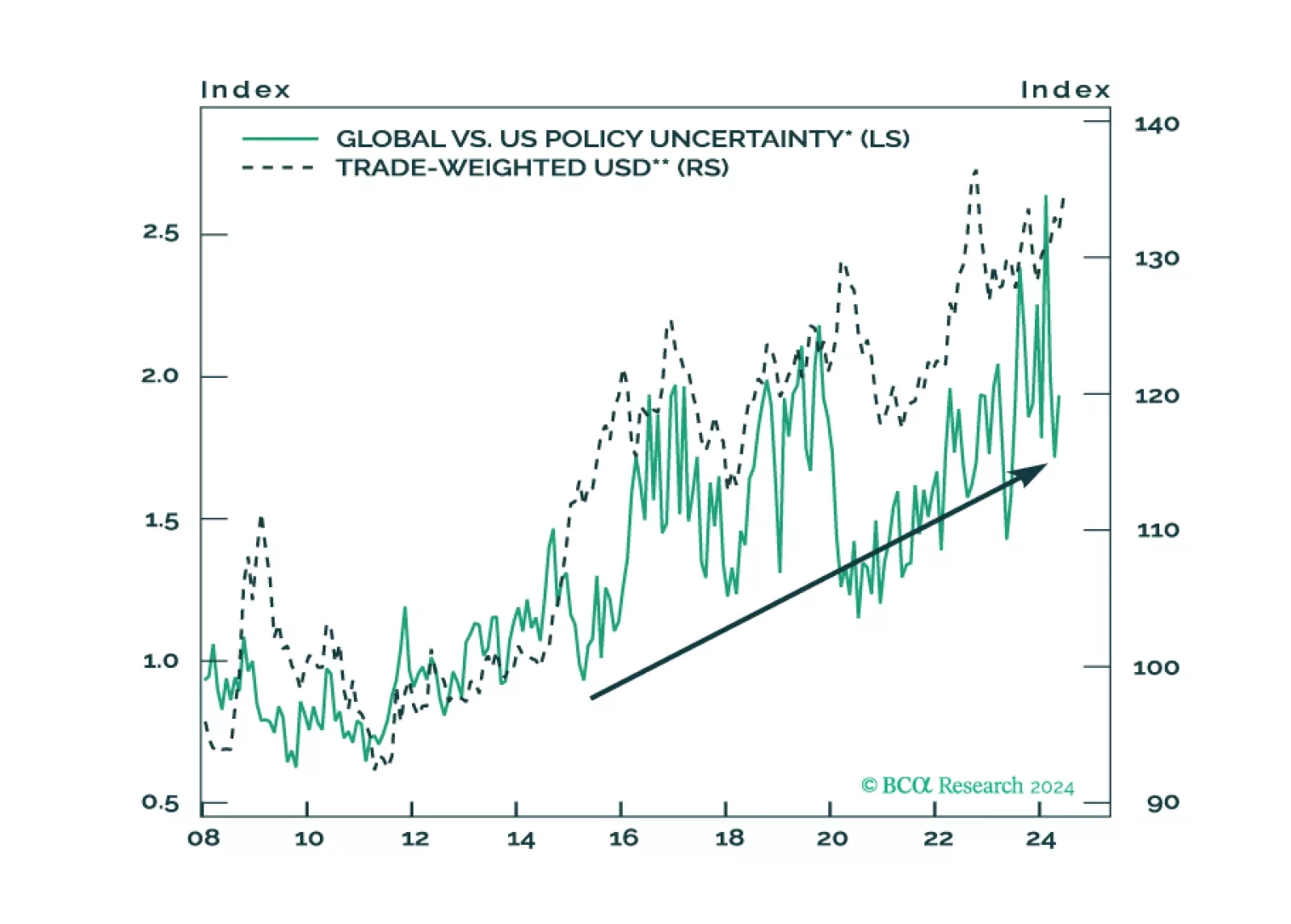
Investors should overweight US assets and de-risk their portfolios in anticipation of a major increase in policy uncertainty and geopolitical risk surrounding the US election and its global ramifications.
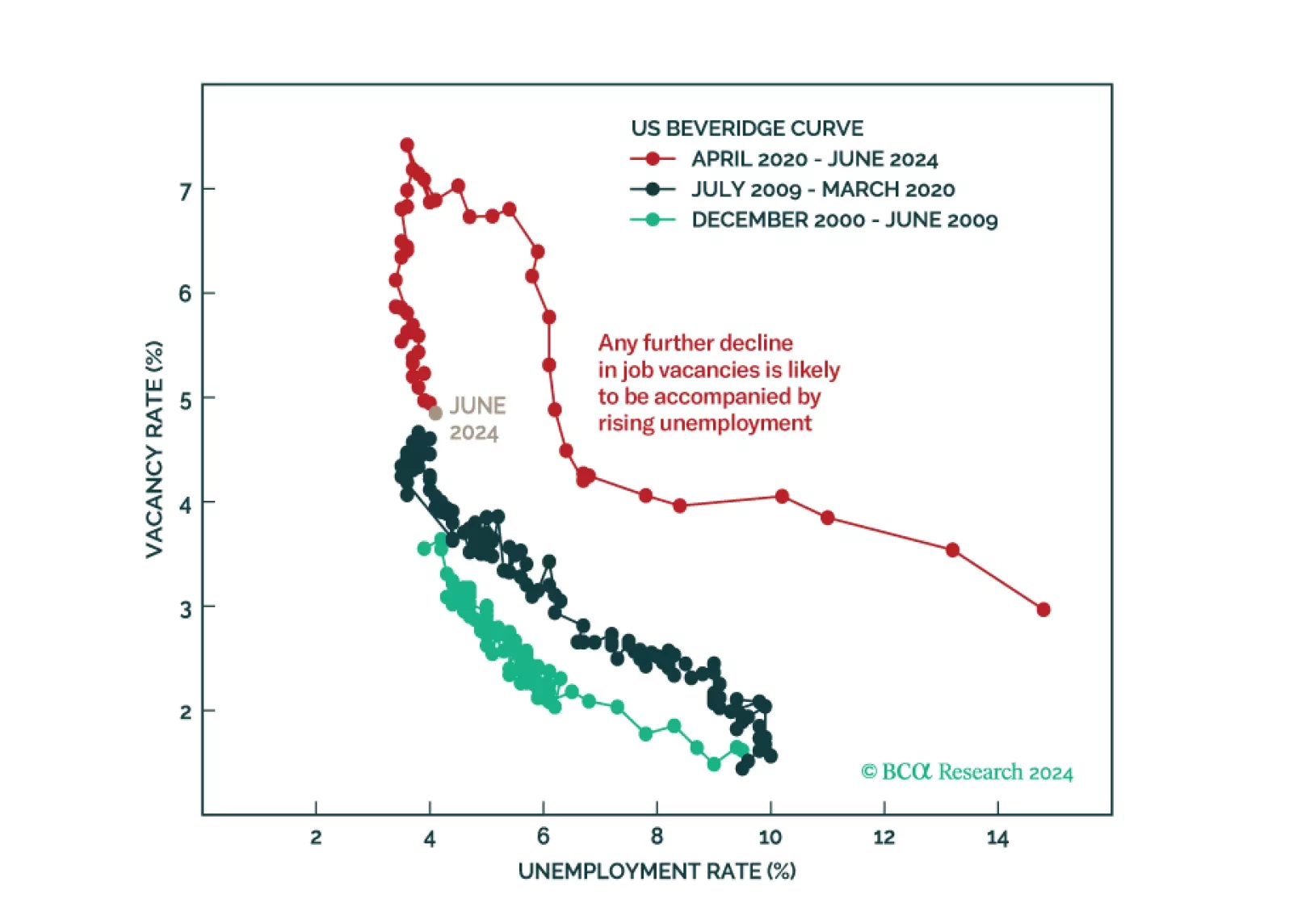
Don't buy the dip. The equity bull market is over. The US will enter a recession in late 2024 or in early 2025.
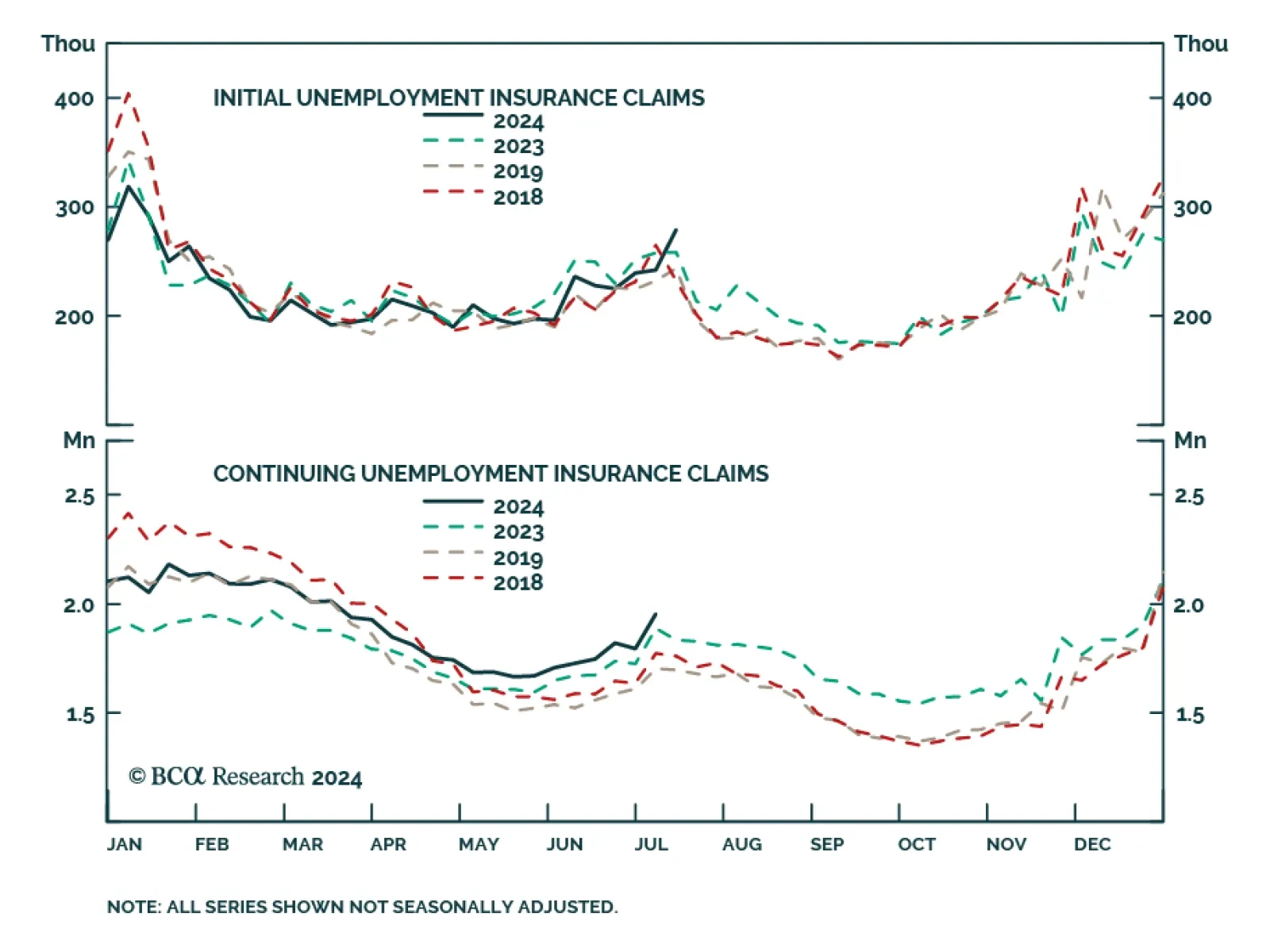
US initial unemployment insurance claims jumped this week and are now running above levels seen at this time of year in 2023, 2019 and 2018. We choose 2023, 2019 and 2018 as our benchmarks because the unemployment rate ran consistently below 4% in those…