Sorry, you need to enable JavaScript to visit this website.
Skip to main content

United States

We consider several uncertainties in this week’s report, from the interest rate outlook to the source of the mountain of cash households have amassed since the pandemic began. We have not adjusted our tactical asset-allocation recommendations but will do so soon to align with the defensive cast of our cyclical recommendations.
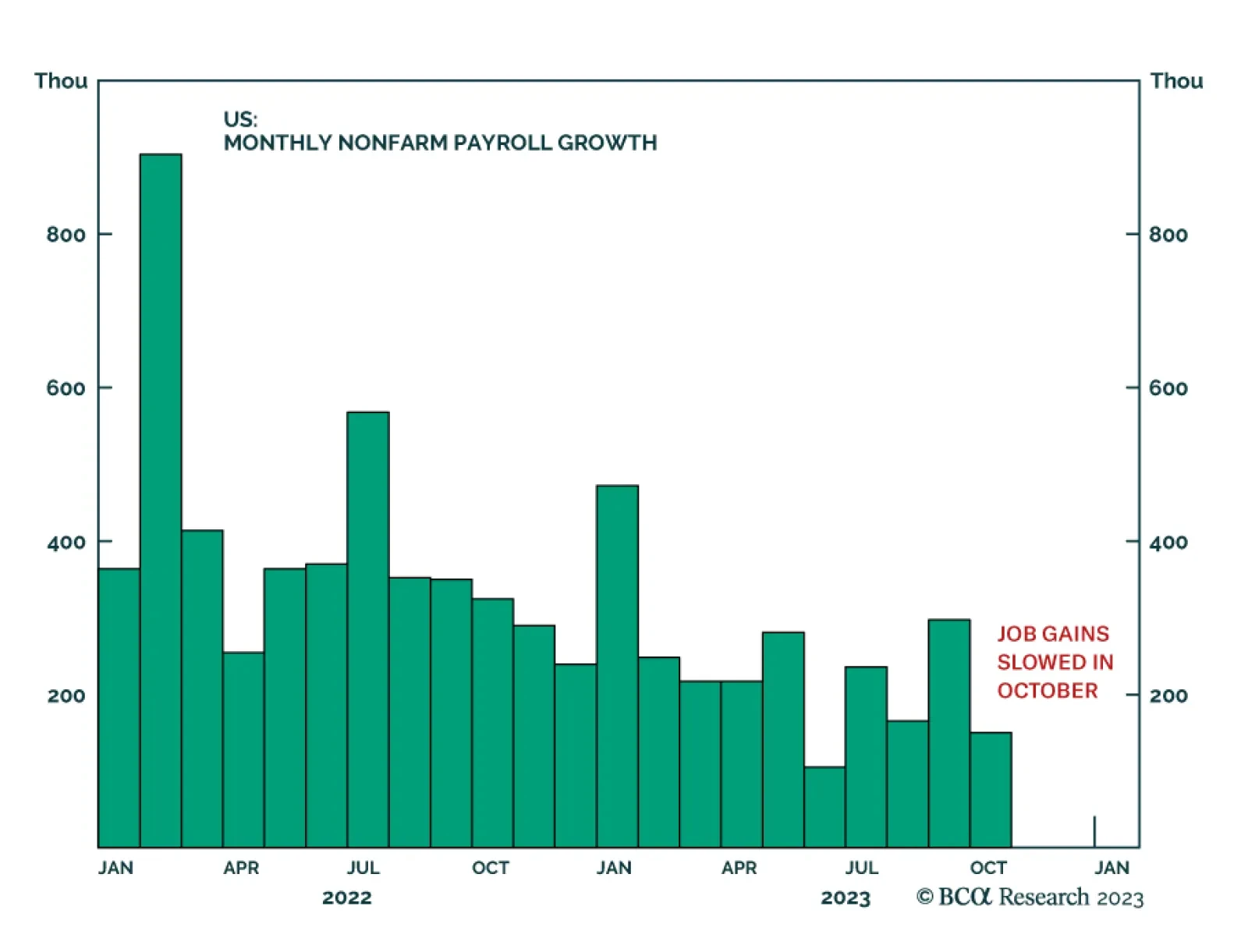
The US Nonfarm Payroll report indicates that labor market conditions cooled in October. The 150 thousand increase in payroll employment fell below expectations of 180 thousand and marks a slowdown from the 297 thousand increase in September. Moreover, the…
The US ISM PMI delivered a disappointing signal about service sector activity in October. The headline index fell from 53.6 to 51.8 – marking a sharp slowdown in activity and falling below expectations of a much more muted decline to 53.0. The index is now at…
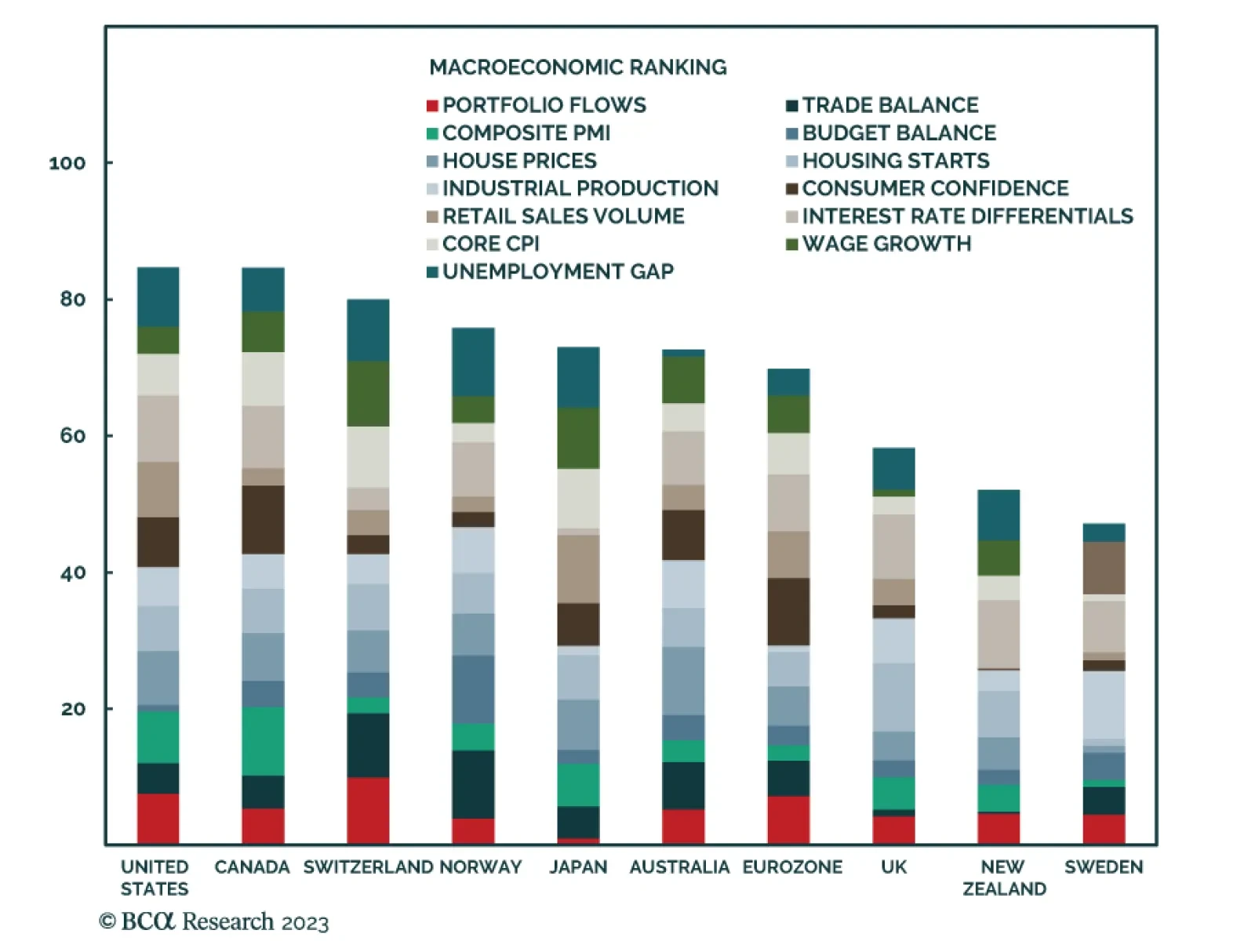
The FX G10 attractiveness model continues to favor the US dollar, but the tide could shift in the coming weeks. Currencies such as the NOK, CHF and even CAD have been rising in rankings in recent months. Using an aggregate of economic and financial…

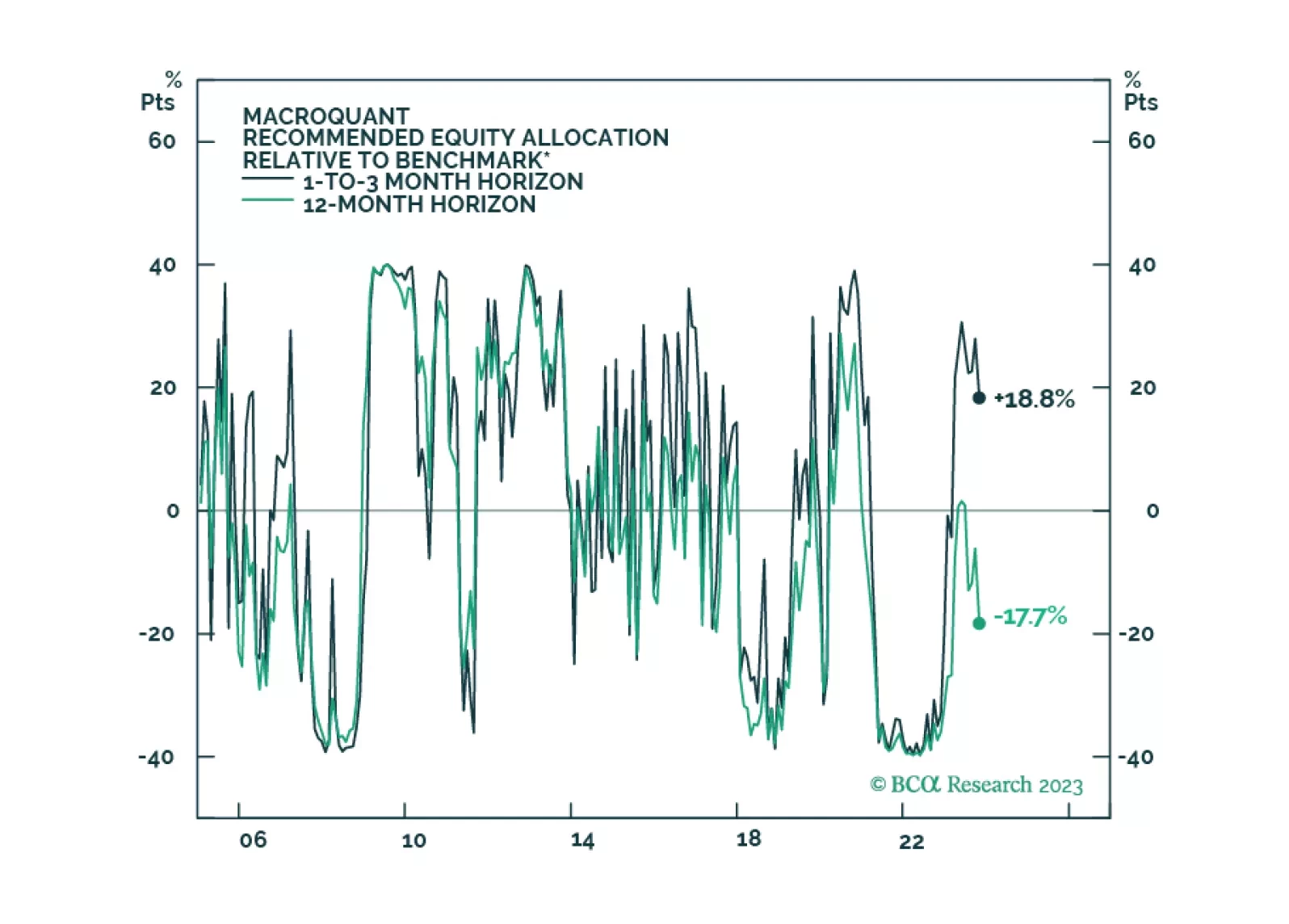
We are approaching another phase transition from boom to bust. Stocks should rally into year-end, but investors should look to reduce equity exposure early next year while increasing bond exposure.
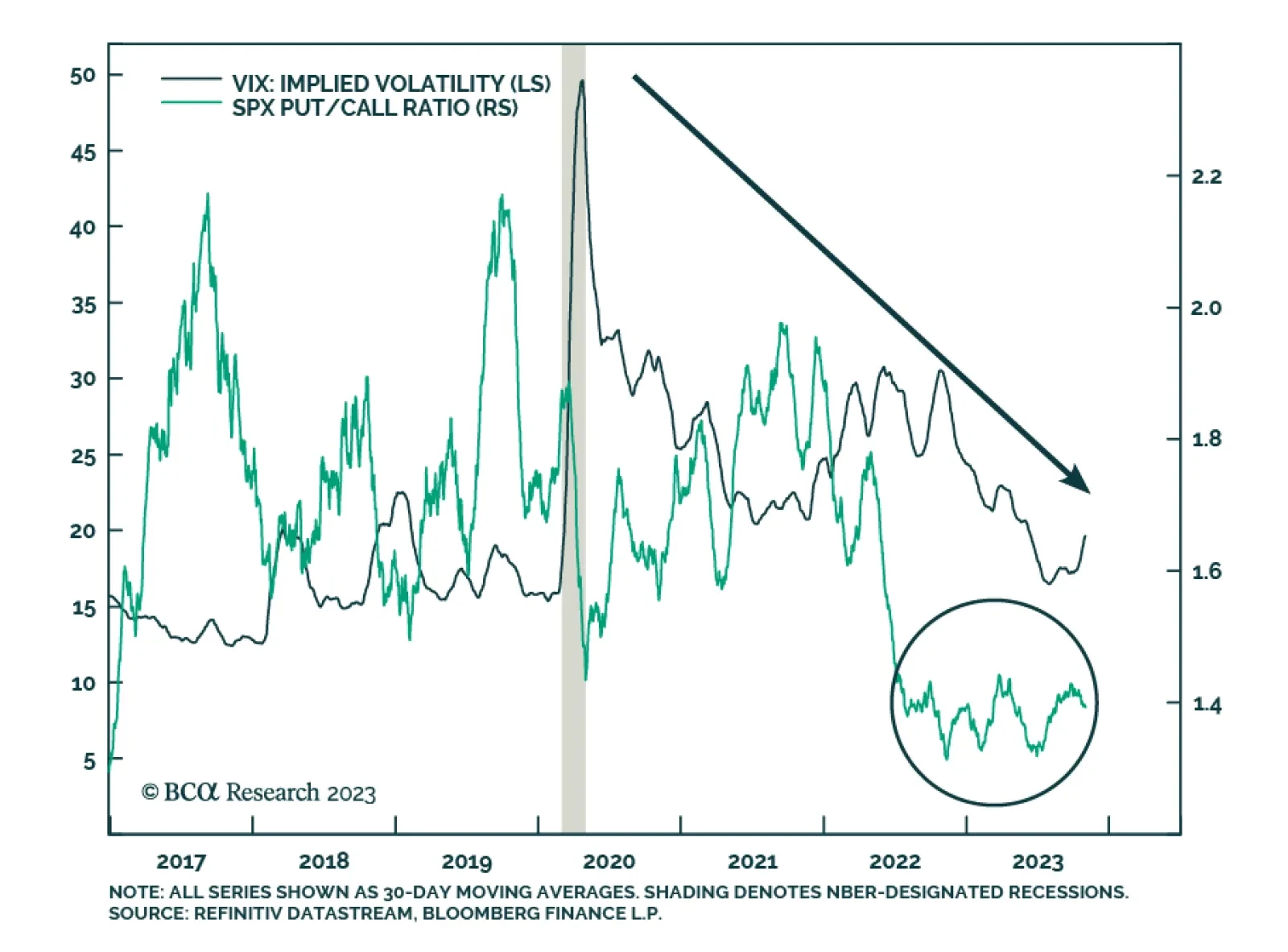
Our Private Market & Alternatives strategists recently upgraded their recommendation on Crisis Risk Offset (CRO) strategies within Hedge Funds from neutral to overweight. They are not making a tactical call around tail risk or black swan events. But they…
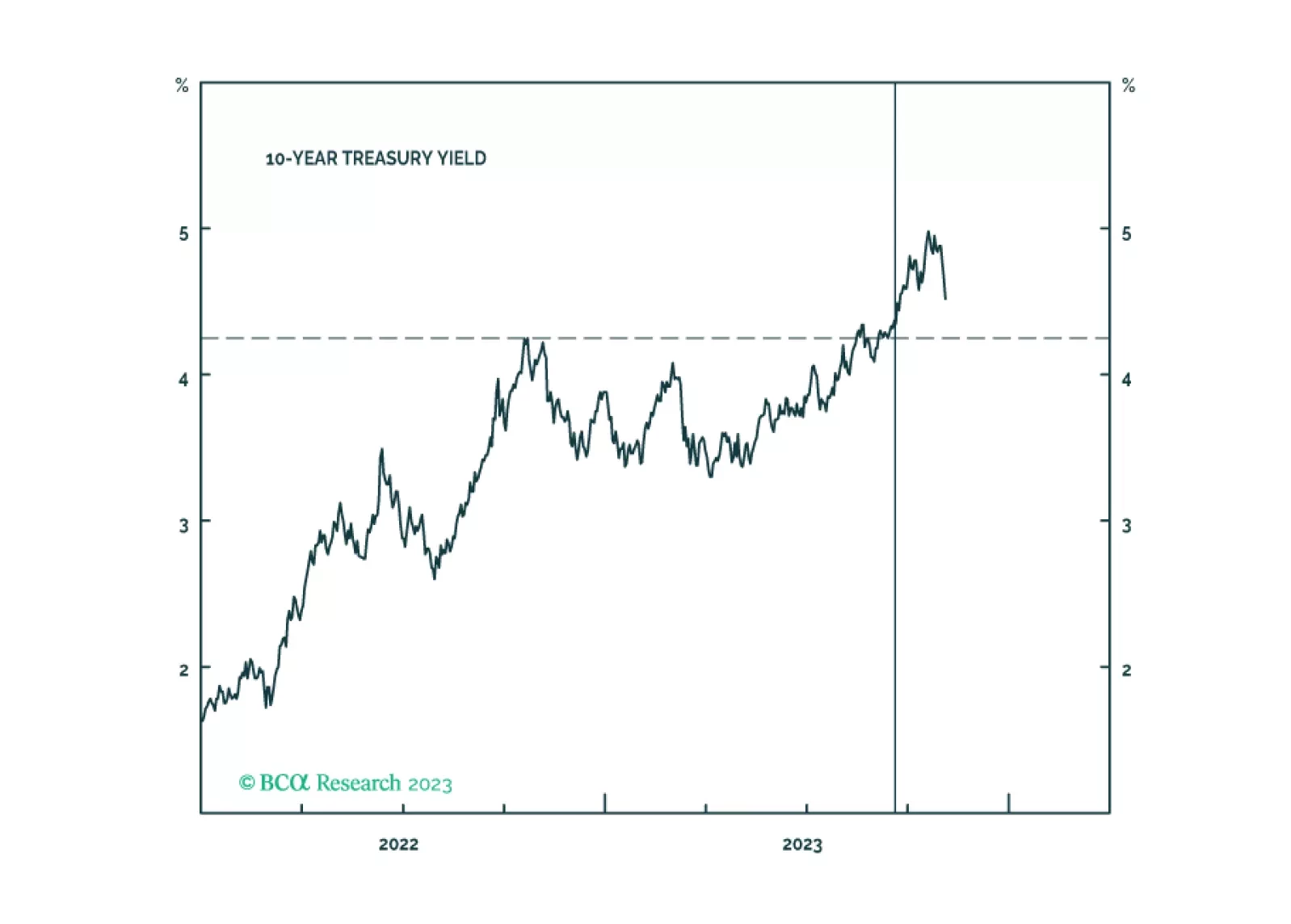
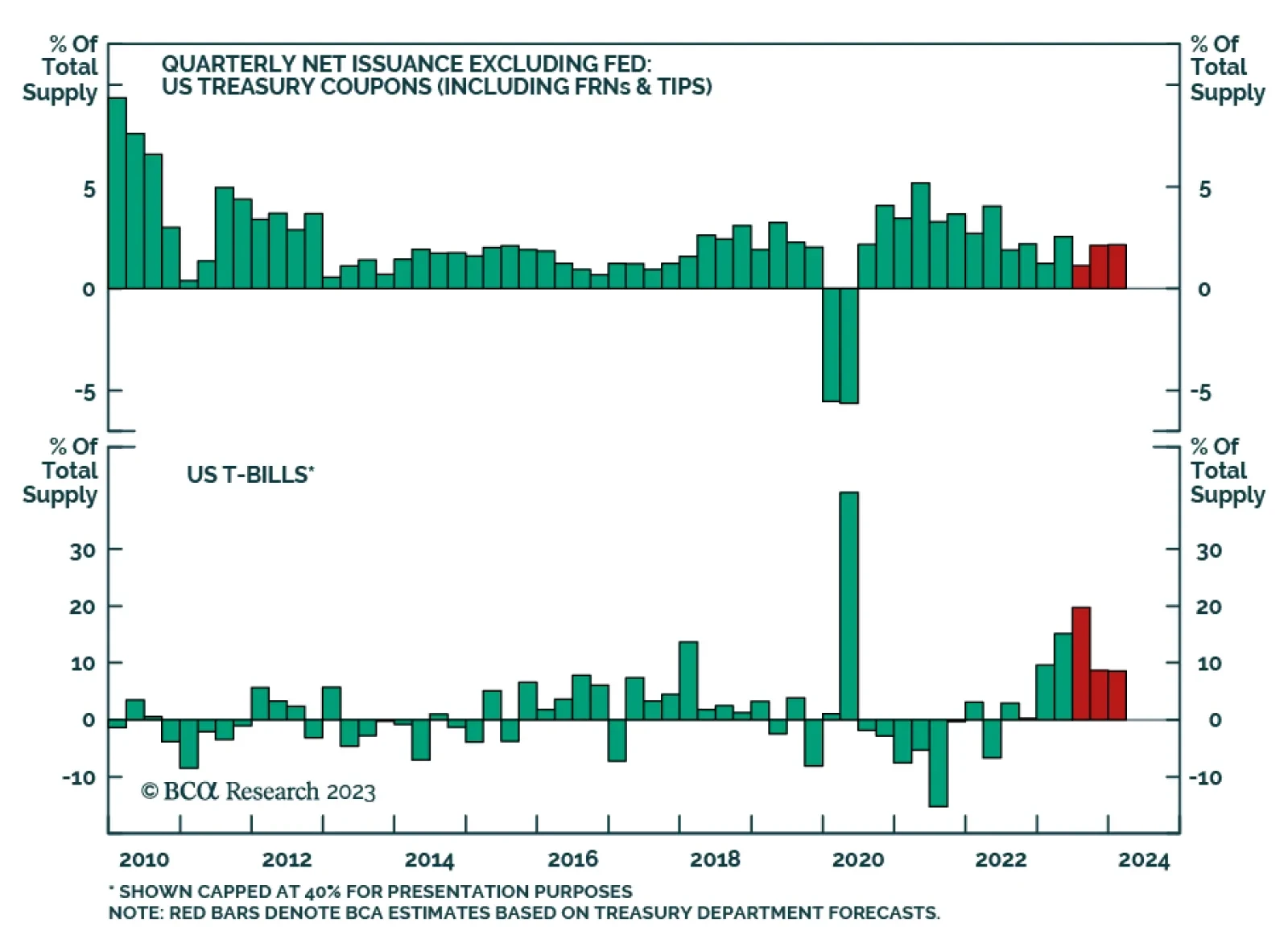
According to BCA Research’s US Bond Strategy service, while economic growth will be a much more important driver of Treasury yields going forward than supply, the Treasury department did make several announcements on Wednesday that will mitigate any negative…

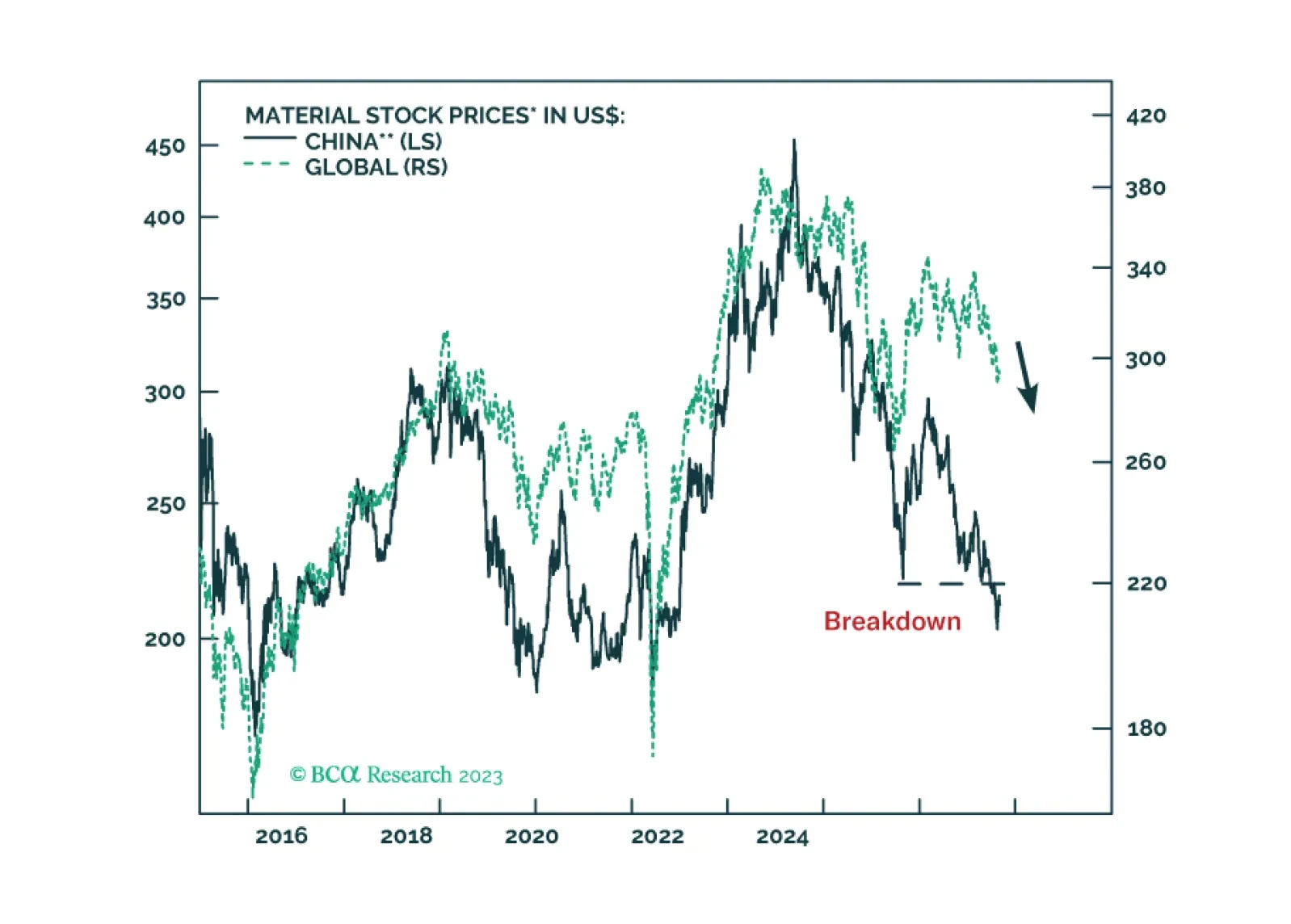
In financial systems, cracks typically begin on the periphery and then expand to the center. Hence, the ruptures on the fringes often act as an early warning. These fissures tend to widen and spread to the core, causing a breakdown in the S&P 500. Investors should consider buying US Treasurys aggressively when the S&P 500 slips below 4,000.
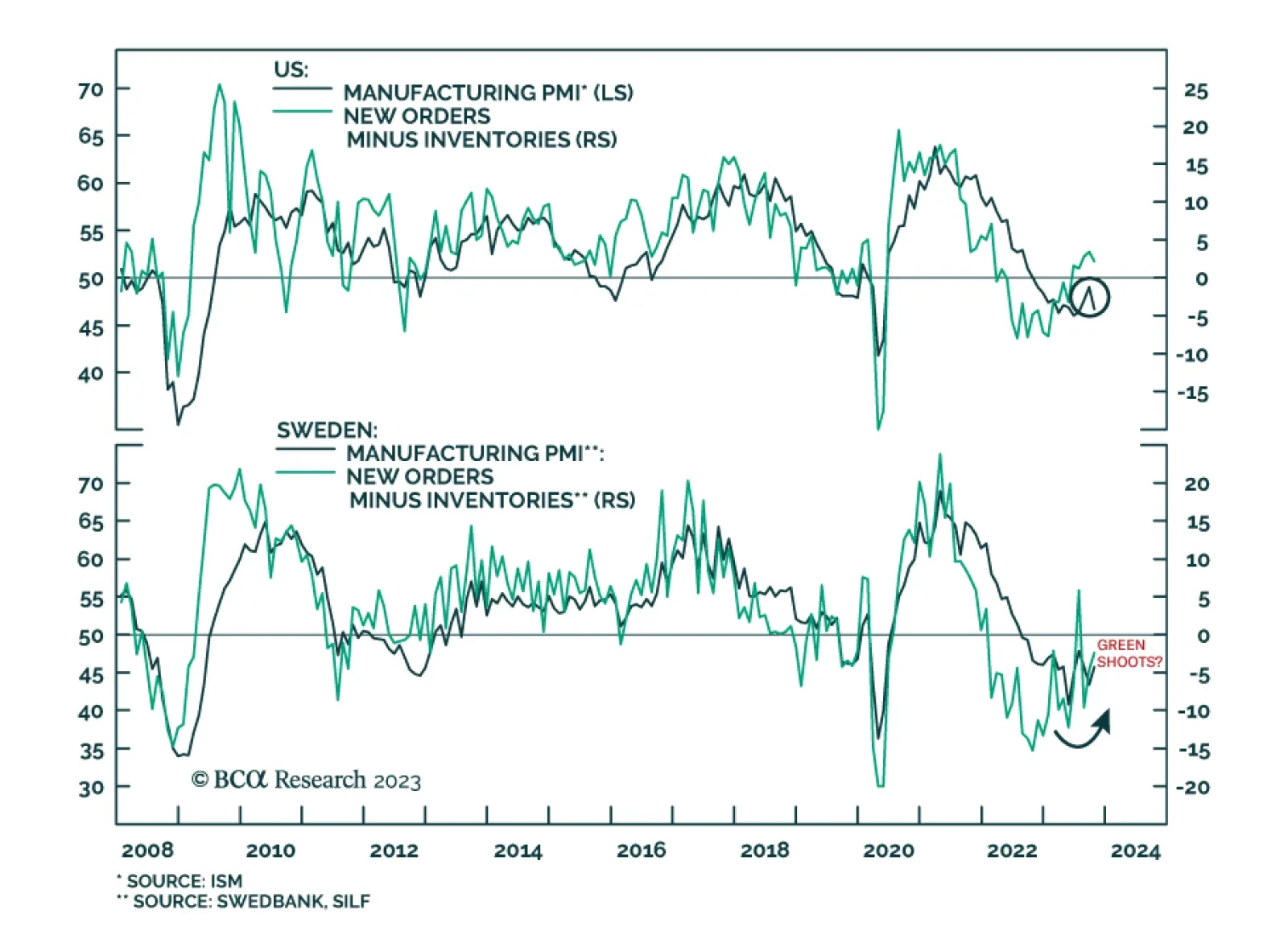
The US ISM Manufacturing PMI delivered a disappointing update on factory activity in October. The headline index unexpectedly fell to 46.7, surprising consensus estimates it would remain unchanged at 49.0. In particular, a sharp 4.4-point decline in the…
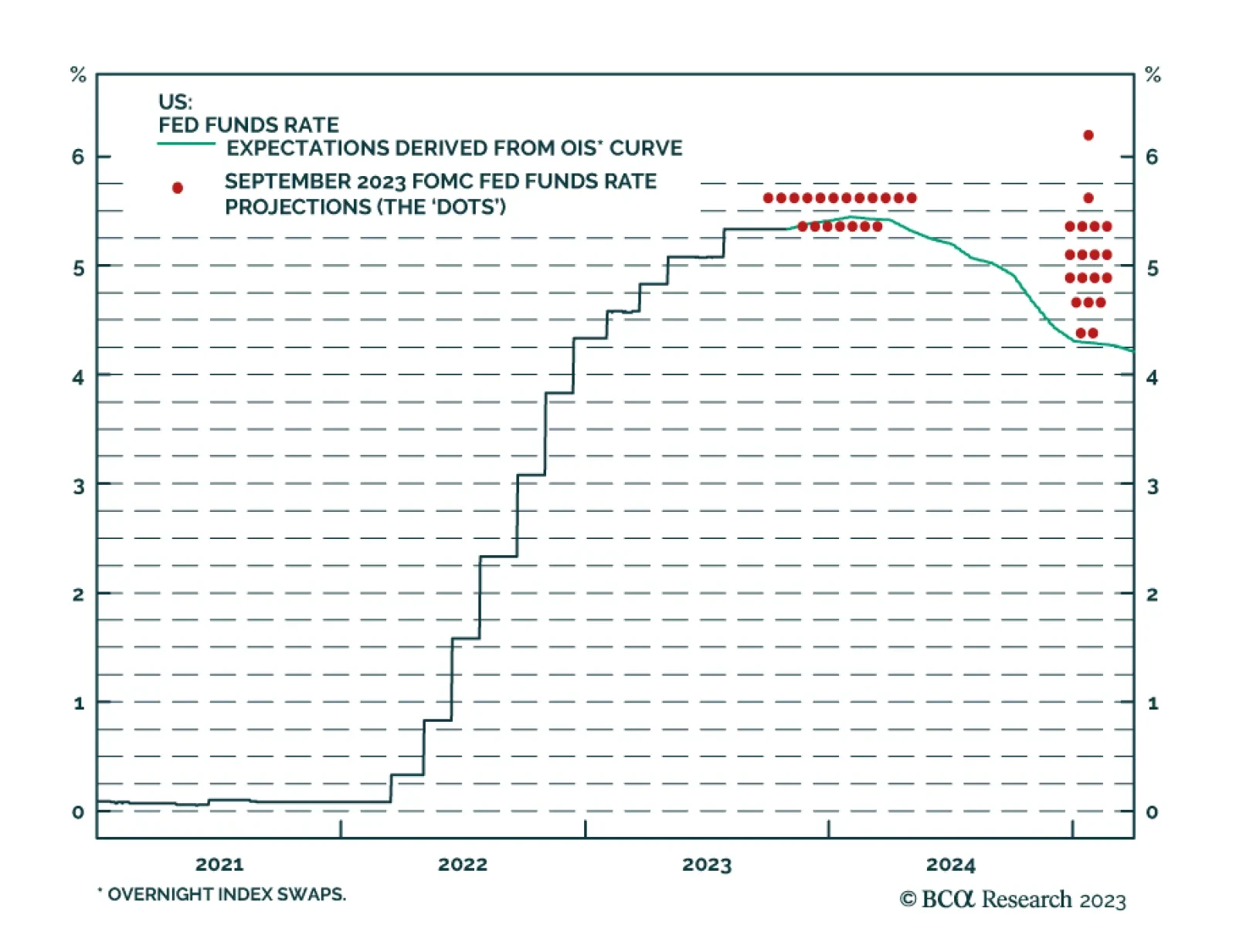
As expected, the Fed stood pat at its Wednesday meeting, maintaining the target for the fed funds rate at 5.25-5.50%. The minimal changes made to the Fed Statement were to emphasize the strong pace of economic activity in Q3, to characterize job gains as…