Sorry, you need to enable JavaScript to visit this website.
Skip to main content

United States

Our reaction to today’s FOMC meeting and the Treasury’s Quarterly Refunding Announcement.
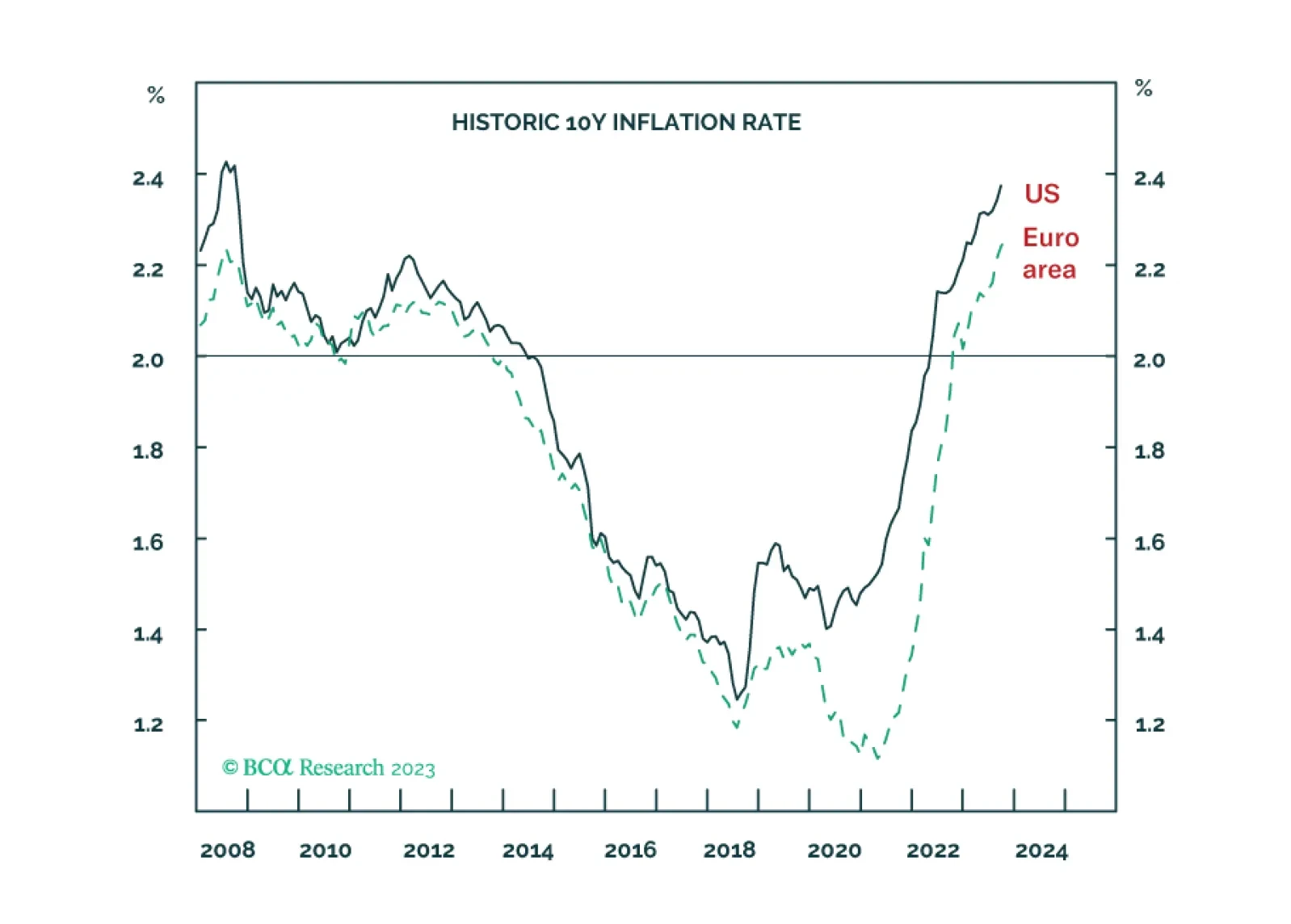
The fundamental component of long-term inflation expectations has climbed to its highest level since 2008 in both the US and the euro area. This means that both the Fed and the ECB will need to engineer inflation to undershoot 2 percent for an extended period if they are to maintain their 2 percent inflation targets. We explain what this means for investment strategy over the coming 6-12 months. Plus, we pinpoint what to focus on in this Friday’s US jobs report. And we identify food and beverages (PBJ) and the Indonesian rupiah (IDR/USD) as excellent rebound candidates.
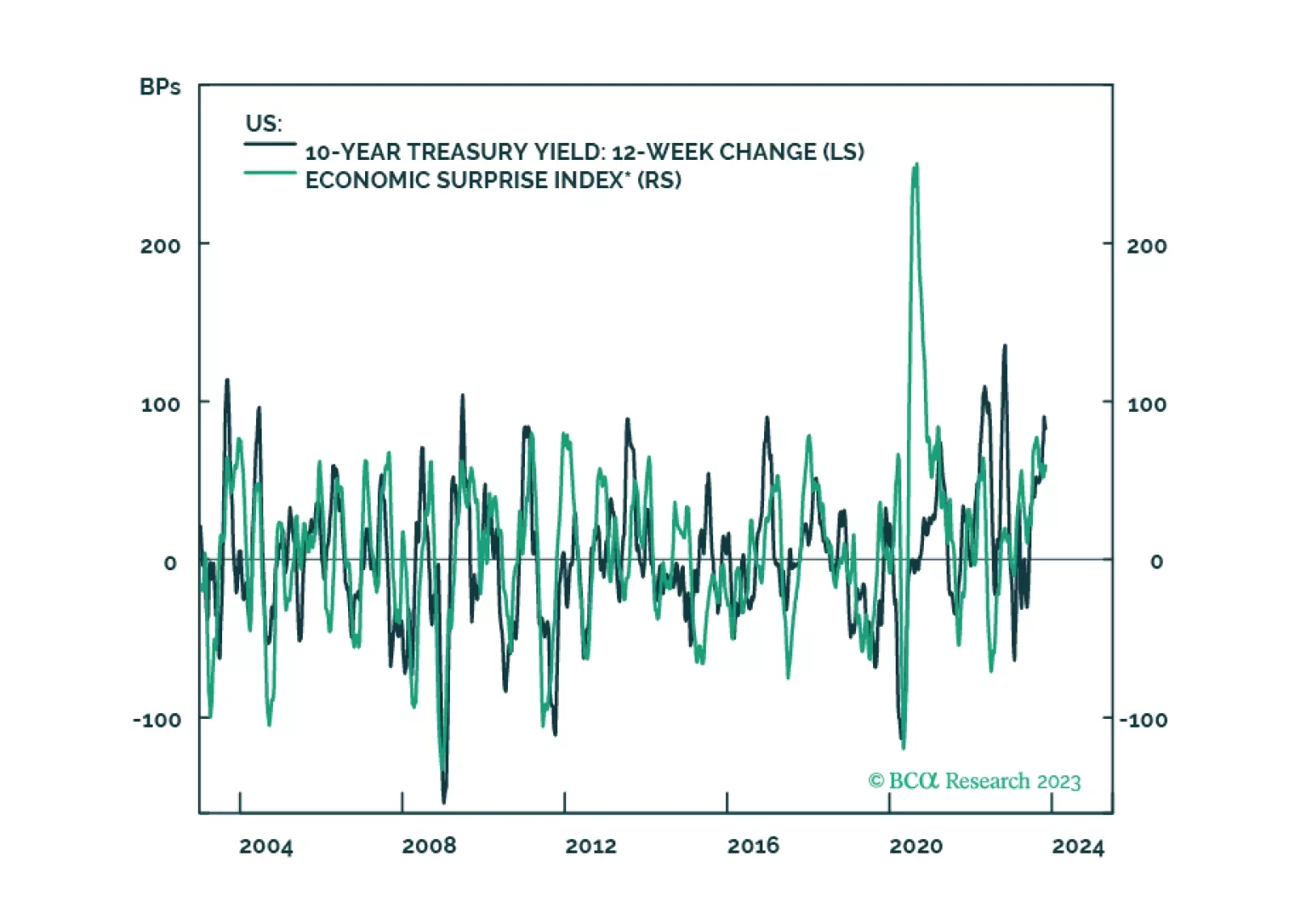
High interest rates will eventually cause growth to slow. Signs of stress are already starting to show. Stay cautiously positioned.

The US Employment Cost Index (ECI) unexpectedly accelerated in Q3, rising by 1.1% q/q versus anticipations the pace of increase would remain unchanged at 1.0% q/q. A pickup in wages and salaries drove the increase. On an annual basis, the ECI slowed from 4.5%…
The Eurozone's October inflation release confirmed the signal from the German and Spanish reports that price pressures are moderating. CPI inflation softened from 4.3% y/y to 2.9% y/y (below expectations of 3.1% y/y) while the monthly rate of change eased to…
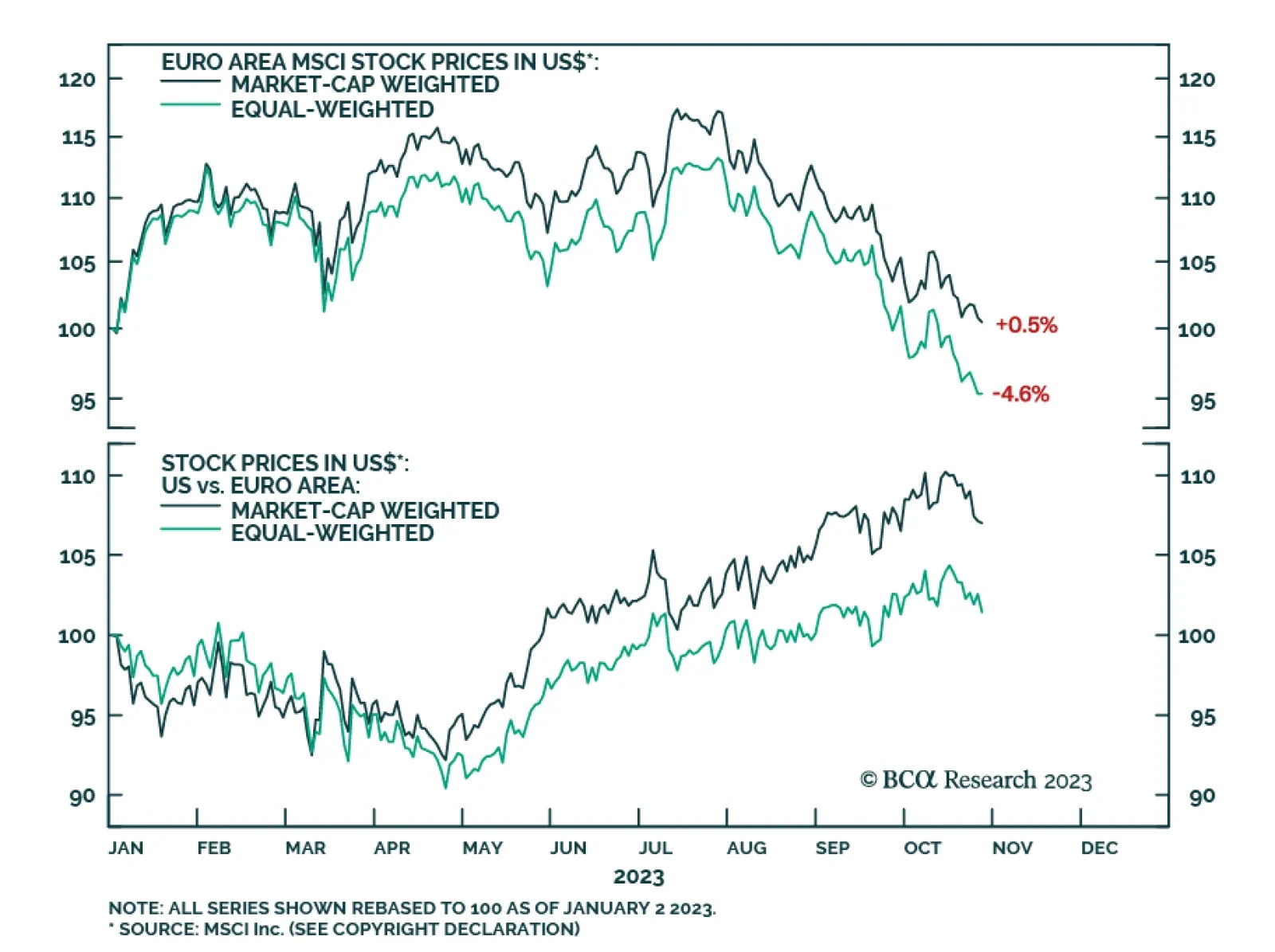
In a recent Insight we highlighted that the S&P 500's year-to-date rally is narrow in breadth and that the equal weighted index has erased all its year-to-date gains. This is also true in the case of the Euro Area where the MSCI price index is still up by…
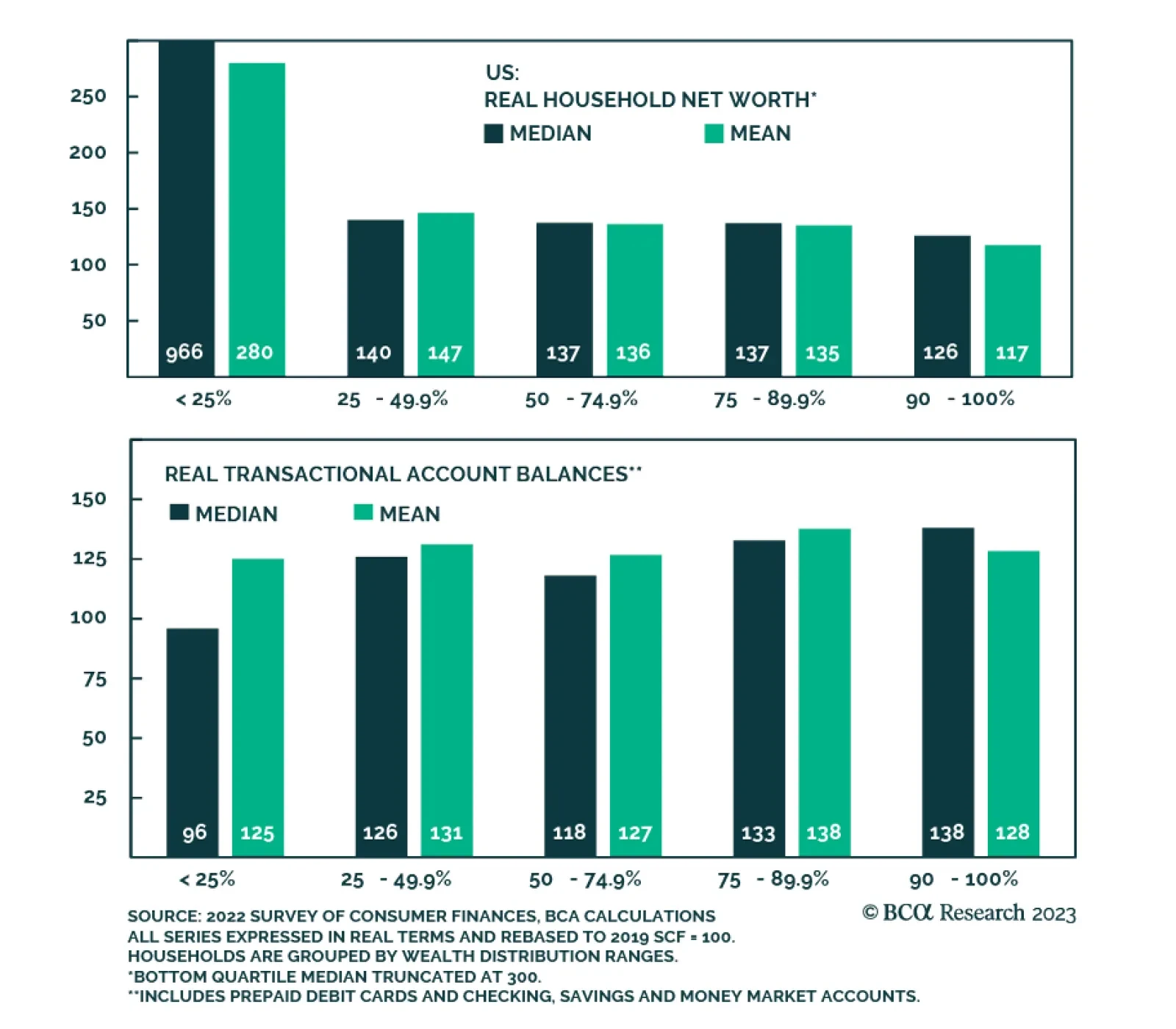
The Fed’s latest triennial Survey of Consumer Finances (SCF), spanning the period from 2019 to 2022, was released on October 18th. It augments the Distributional Financial Accounts' (DFA) depiction of the distribution of household wealth and income. According…
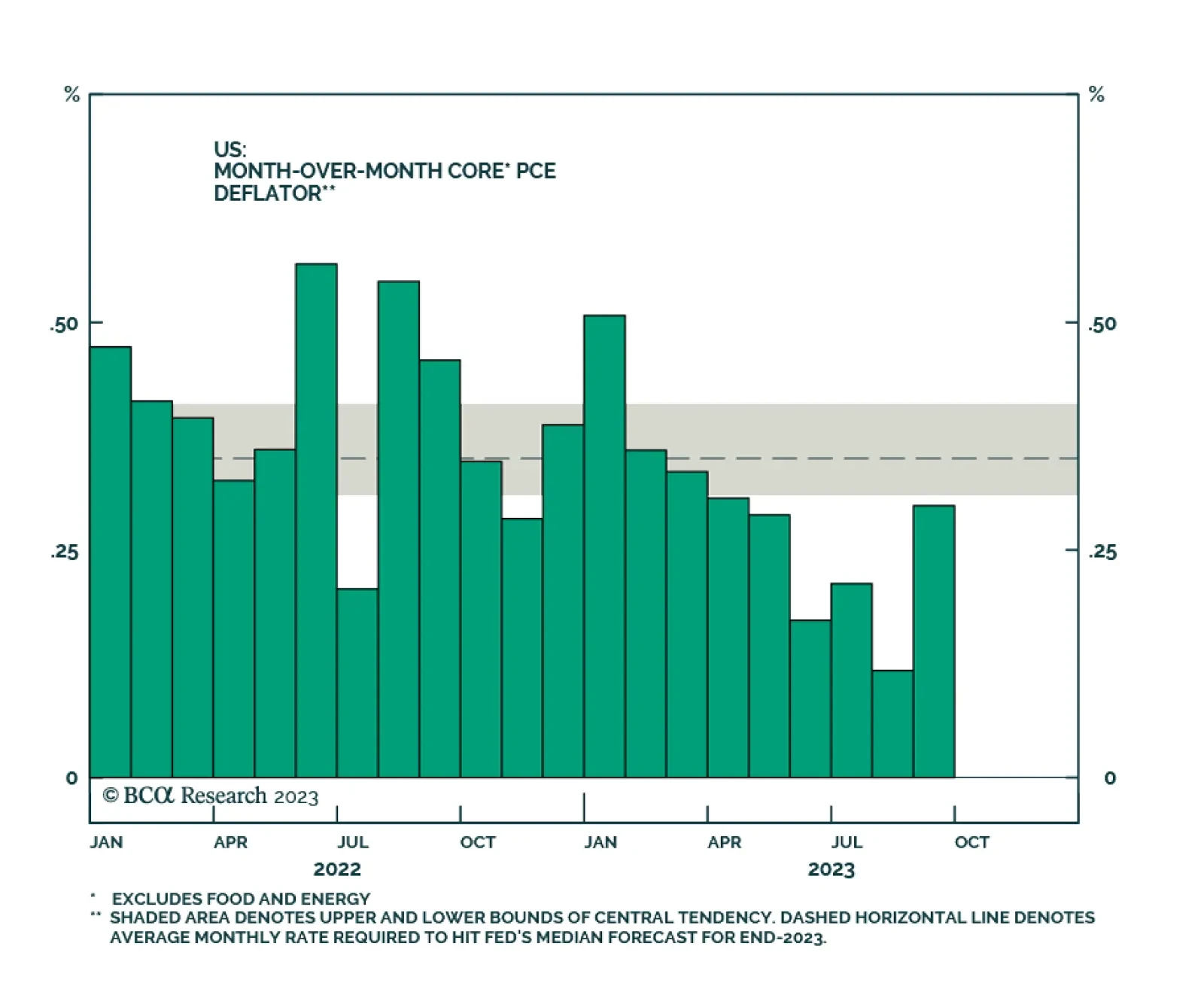
The US PCE report confirmed the signal from Thursday's preliminary GDP release that consumer spending was resilient in Q3.  Although personal income growth unexpectedly slowed, both nominal and real spending growth accelerated and beat expectations in…
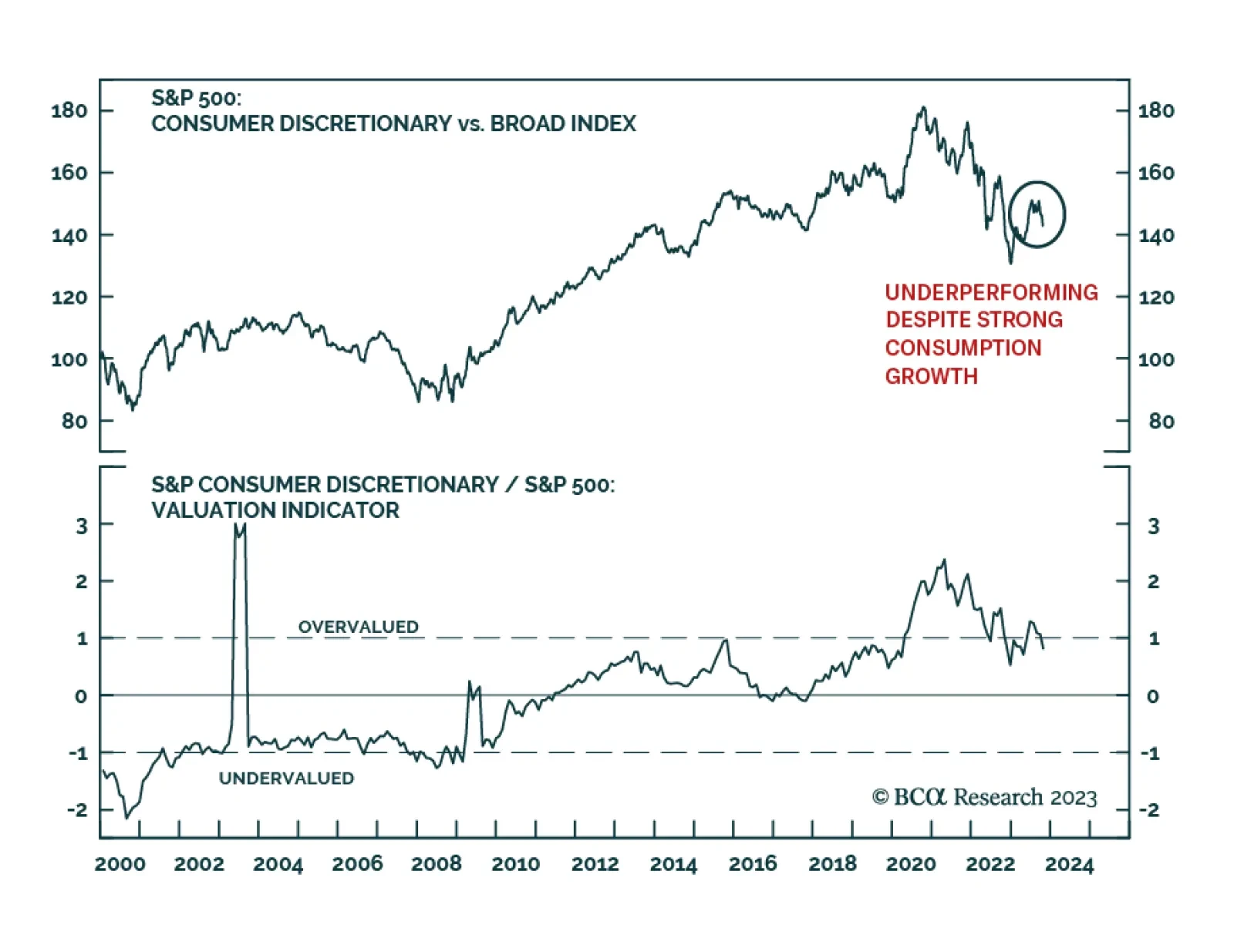
Recent US data reveals that consumer spending has been extremely robust in the US (see The Numbers). Personal consumption expanded by 4.0% q/q annualized in Q3, helping lift aggregate economic growth. Nevertheless, Consumer Discretionary is the second worst…
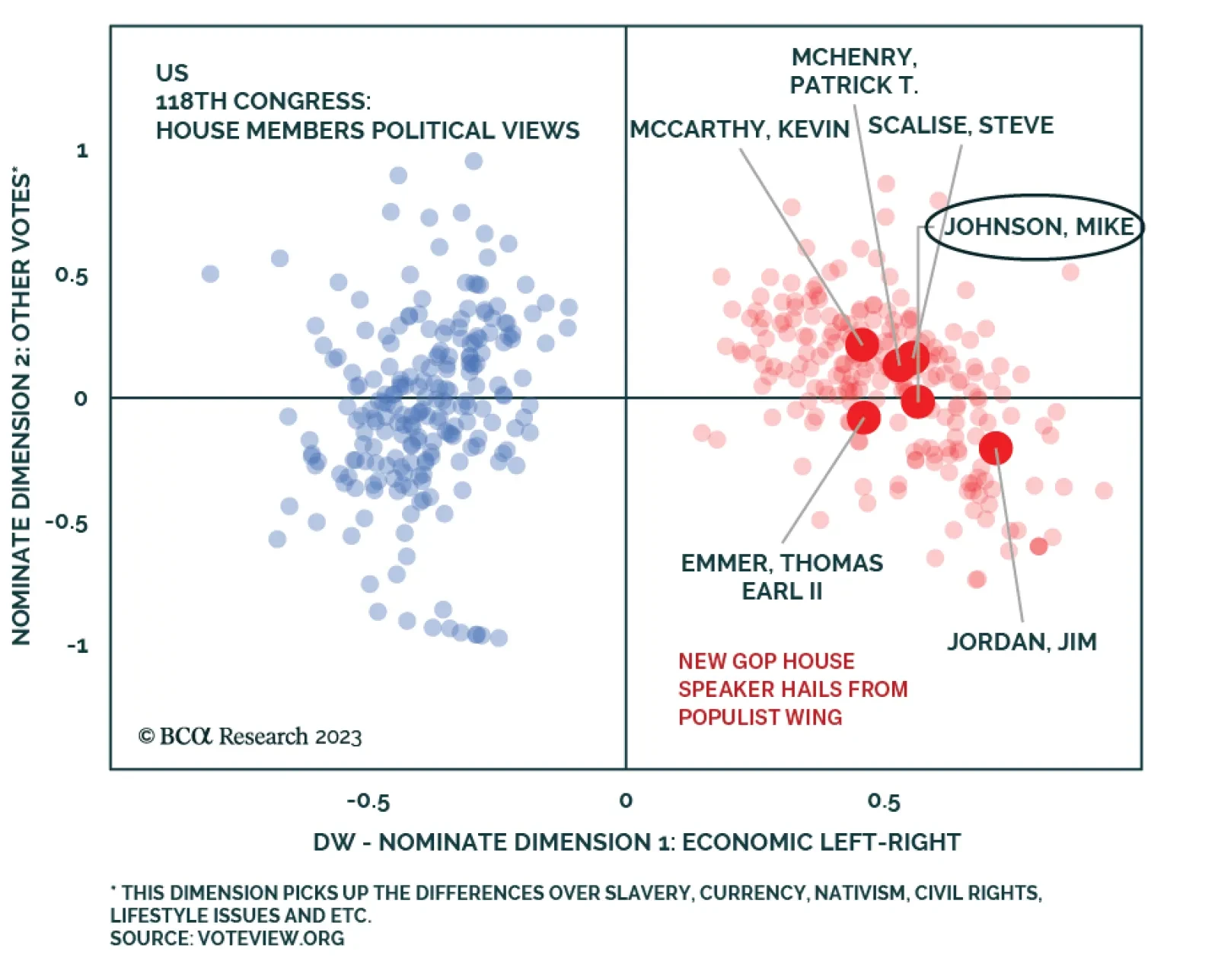
The US House of Representatives finally got a Speaker, but according to BCA Research’s US Political Strategy service, his voting record indicates that he will be a populist hardliner, which increases the chance that there will be a government shutdown. …