
Sorry, you need to enable JavaScript to visit this website.
Skip to main content

United States

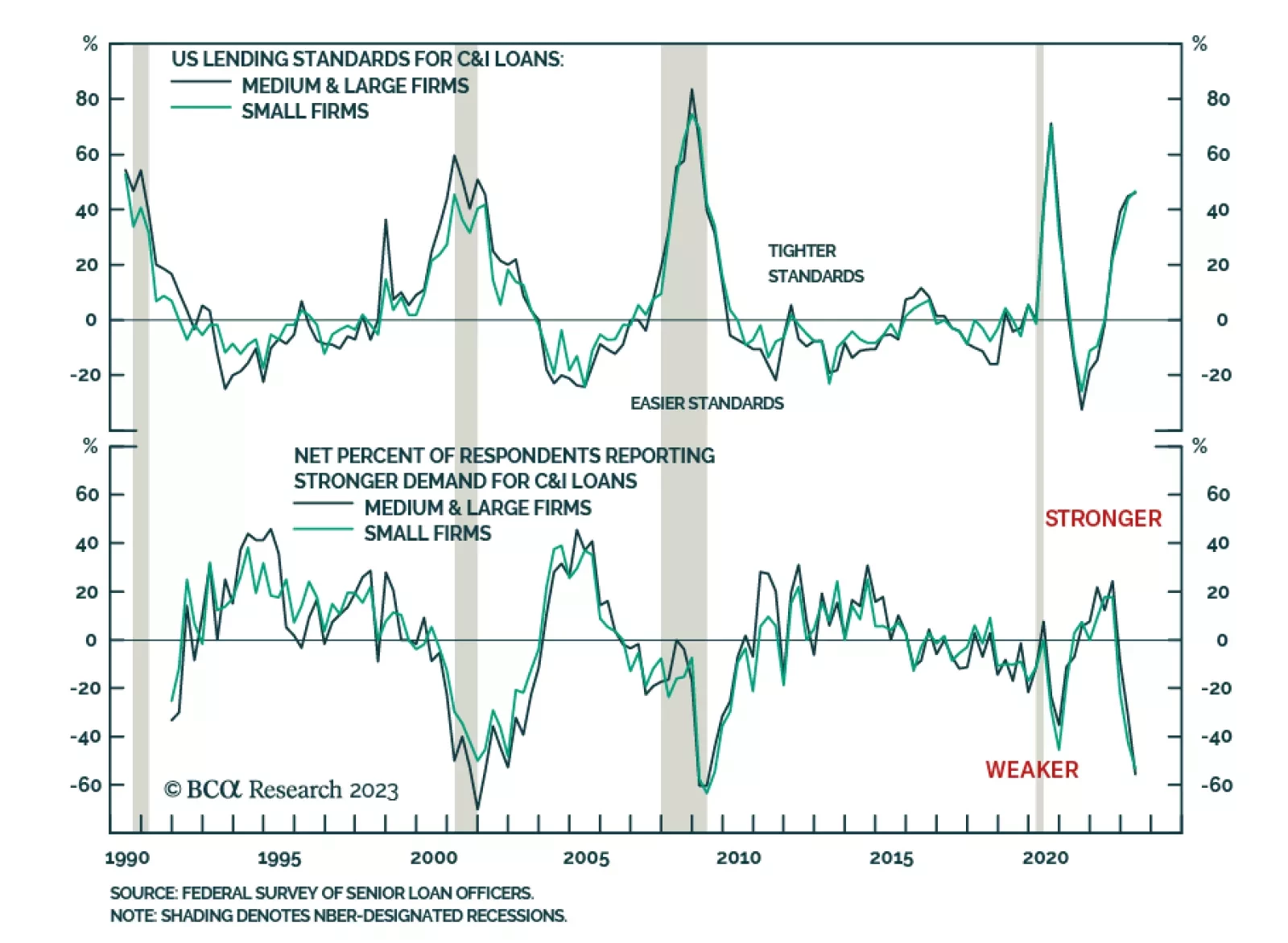
The US Federal Reserve Senior Loan Officer Opinion Survey (SLOOS) shows that US commercial banks continue to tighten lending standards across nearly all business and household loan categories. Moreover, demand is weakening for commercial & industrial…
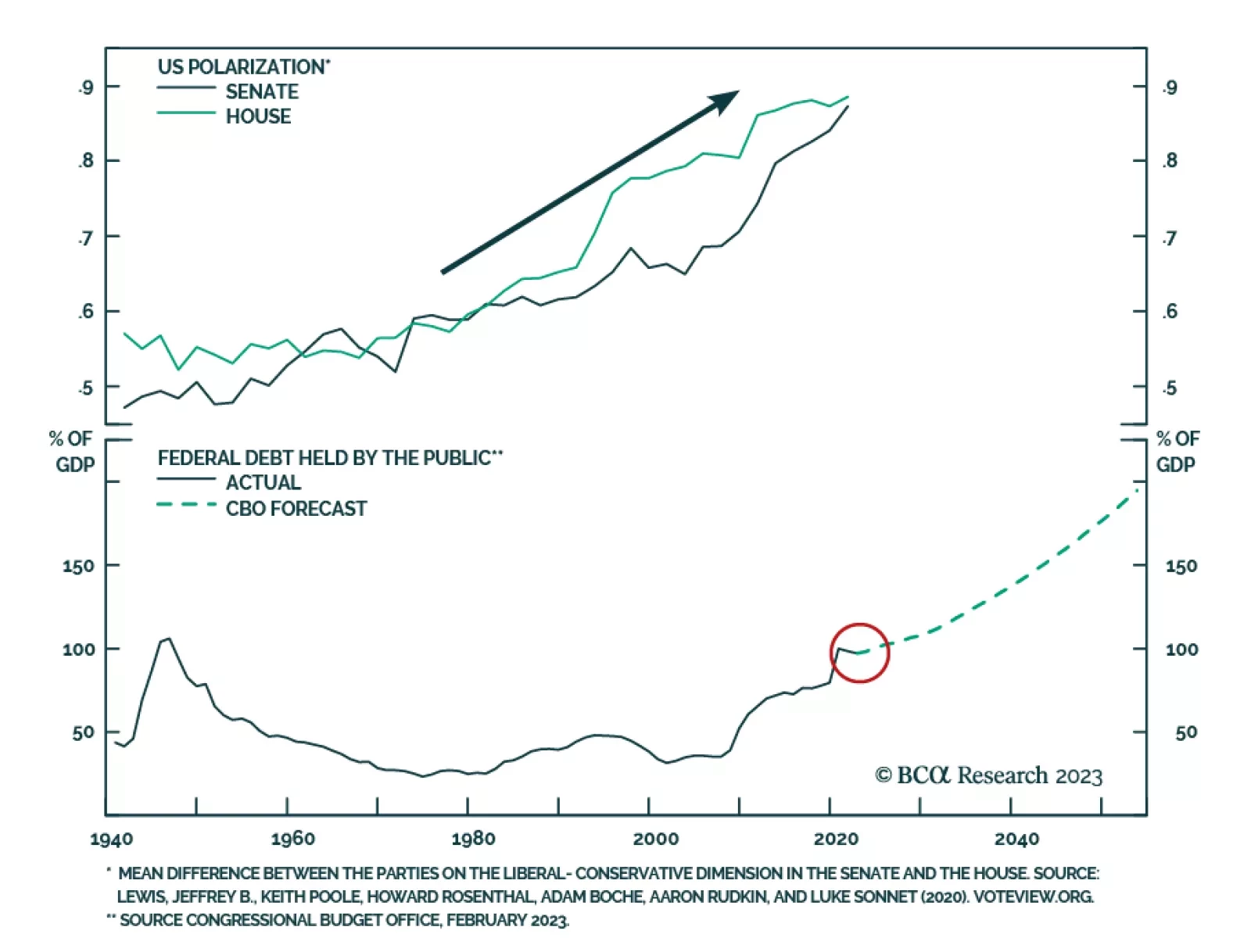
Treasury Secretary Janet Yellen warned of a “constitutional crisis” if Congress failed to raise the national debt limit and the United States defaulted on bond payments. Yellen spoke out to urge Congress to come to an agreement just ahead of May 9 meetings…
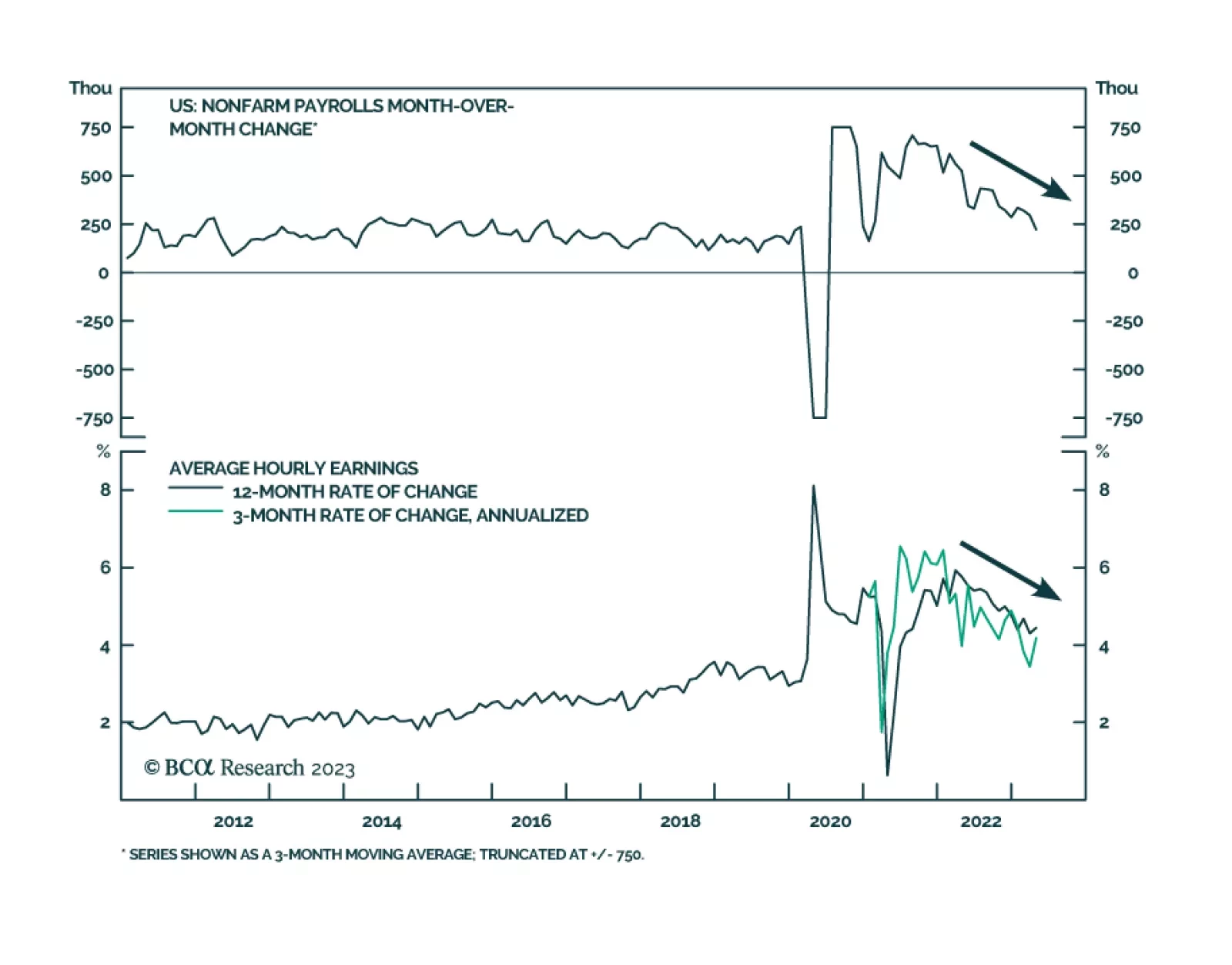
Friday’s US jobs report came in stronger than anticipated. Nonfarm payroll employment rose by 253 thousand in April, meaningfully above expectations of a 185 thousand increase. Admittedly, the March figure was revised down significantly from 236 thousand to…
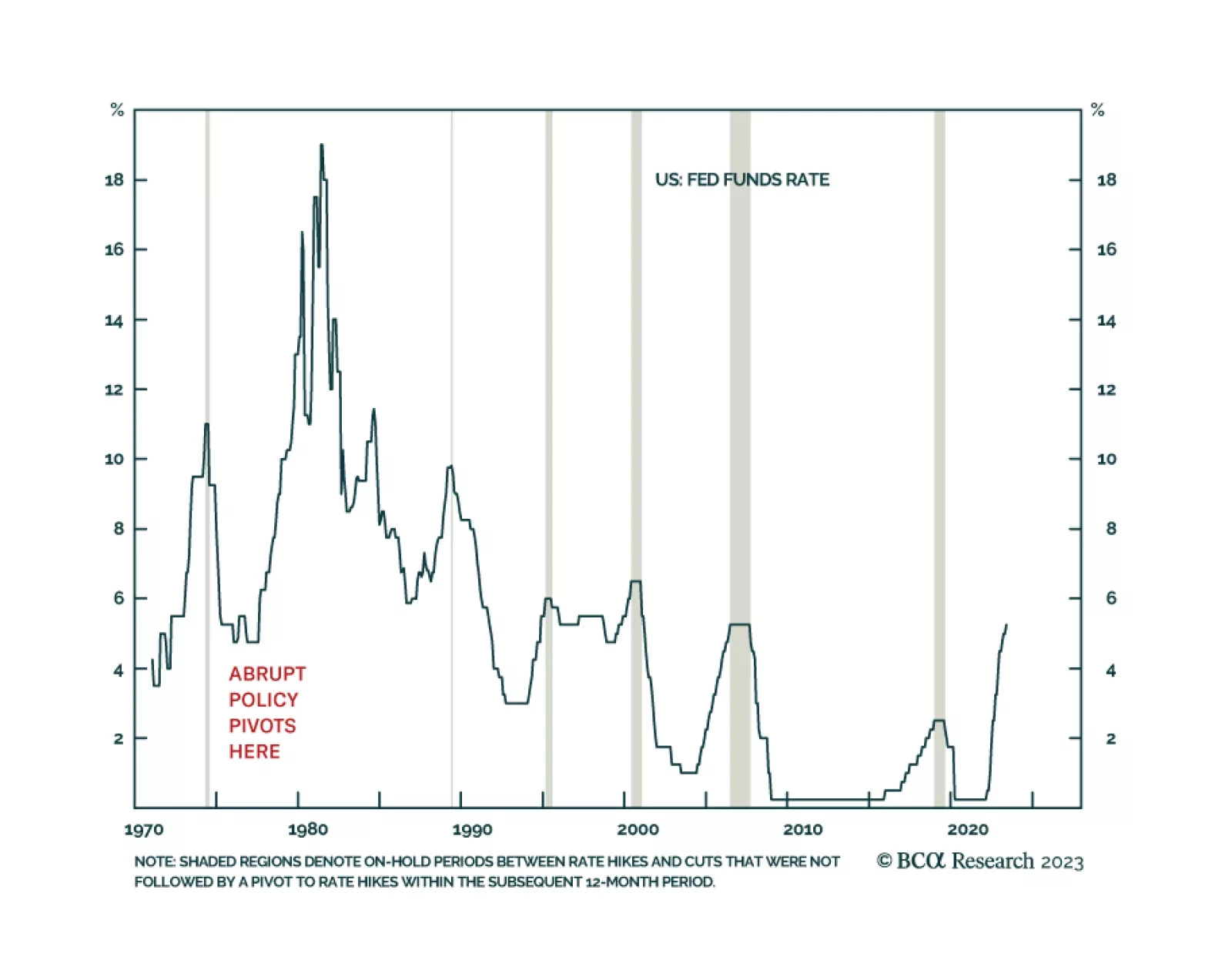
Investors are betting that the Fed has delivered its last rate hike of the cycle and will swiftly pivot to easing policy. According to the CME Fedwatch tool, Fed funds futures are pricing in a 38% chance of a 25bps rate cut at the July meeting. By…
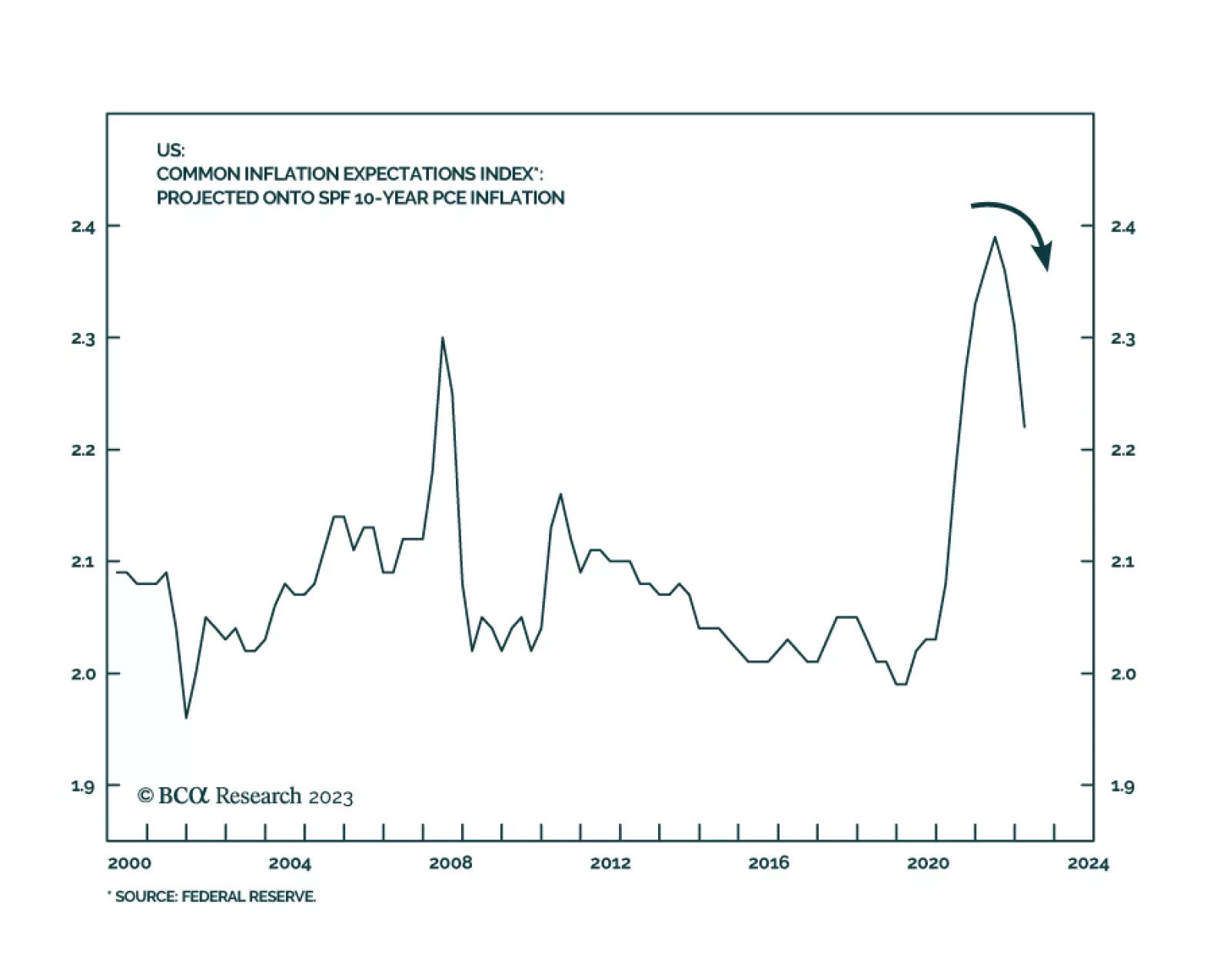
The Fed’s Index of Common Inflation Expectations confirms that there is reduced pressure on the central bank to tighten monetary policy further. The quarterly release shows the index declined for the third consecutive time in Q1. The index is a…
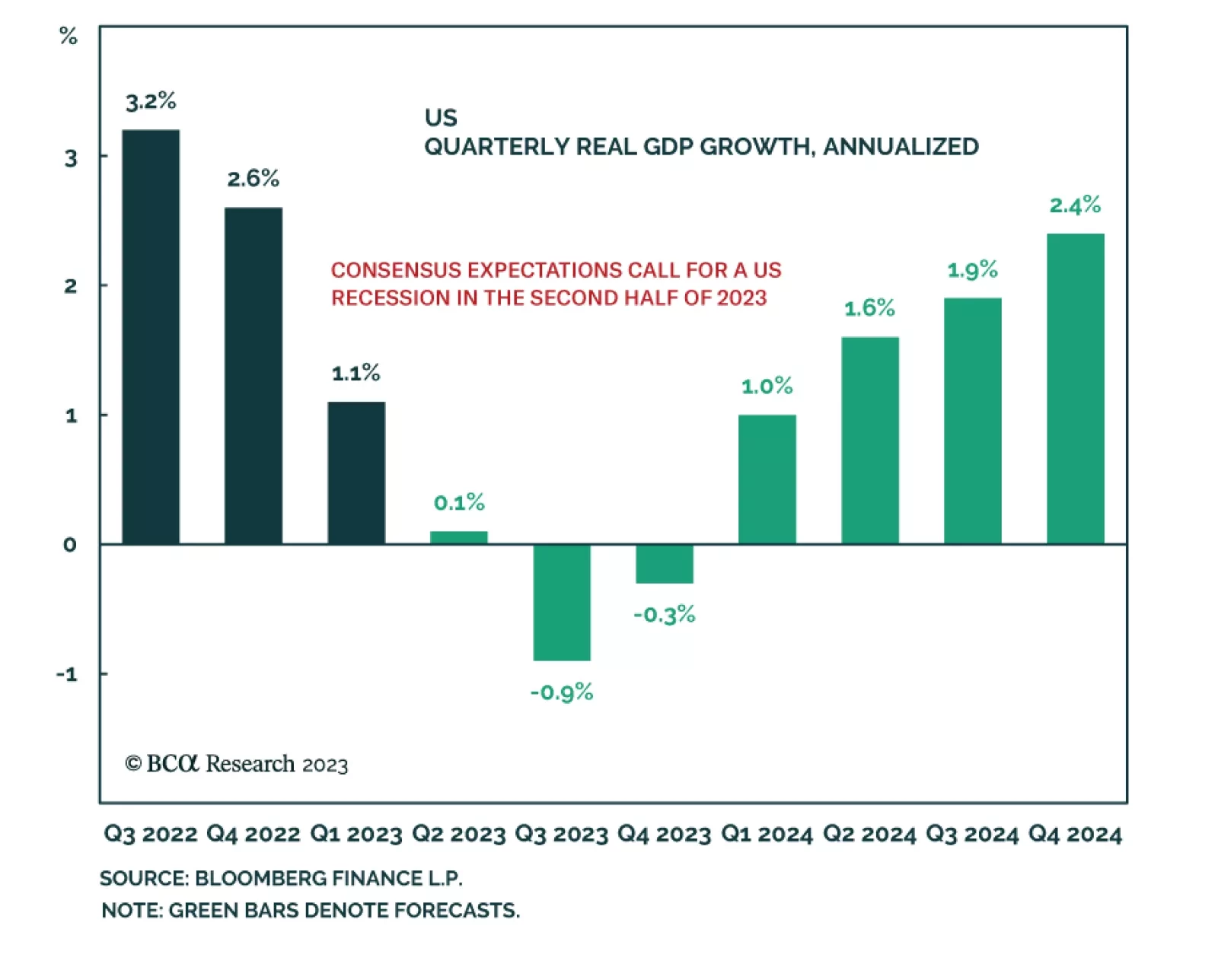
BCA Research’s Global Investment Strategy service’s base case remains a 2024 recession but the risks around that view have increased in light of recent banking stresses. A recession that begins abruptly this year could end up being deeper than one that…

Although our take has not changed yet, the immediate emergence of a second wave of banking system stresses poses a new threat to our constructive near-term economic and market views and will have to be monitored carefully.

If the recession begins this year, it is unlikely to be mild, because inflation will not have fallen by enough to allow the Fed to cut rates aggressively. In contrast, if the recession starts in 2024 or later, when inflation is likely to be much lower, the Fed will be able to cushion the blow. Our base case remains a 2024 recession but the risks around that view have increased in light of recent banking stresses.
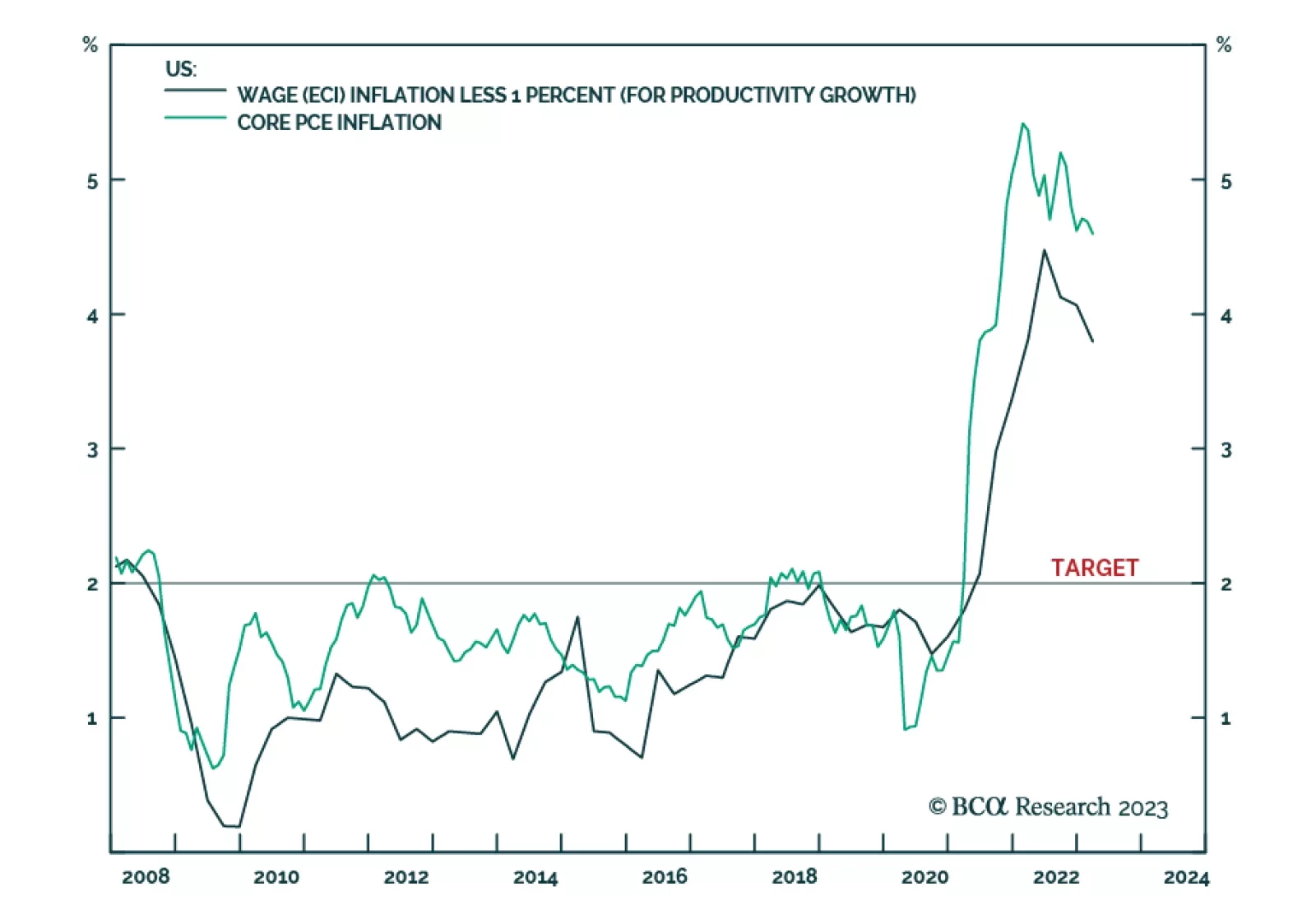
The biggest driver of structural inflation is wage inflation. This is because wages are the main cost in the services that comprise about two-thirds of any developed economy. To be more precise, the biggest component of structural inflation is wage inflation…

The Fed hiked 25 basis points at yesterday’s FOMC meeting while also signaling that the tightening cycle is now on hold. We discuss the short-run and long-run implications for Treasury yields.