Sorry, you need to enable JavaScript to visit this website.
Skip to main content

United States

The latest round of earnings calls from the systemically important banks was encouraging on balance. Households are still flush and still spending and consumer and business delinquencies remain remarkably low. Though a recession is surely coming, it doesn’t seem to be lurking just around the corner.

In this week’s report, we look at the current de-dollarization discussion within the context of the USD’s near-term cyclical outlook, and whether it warrants a bullish or bearish stance.
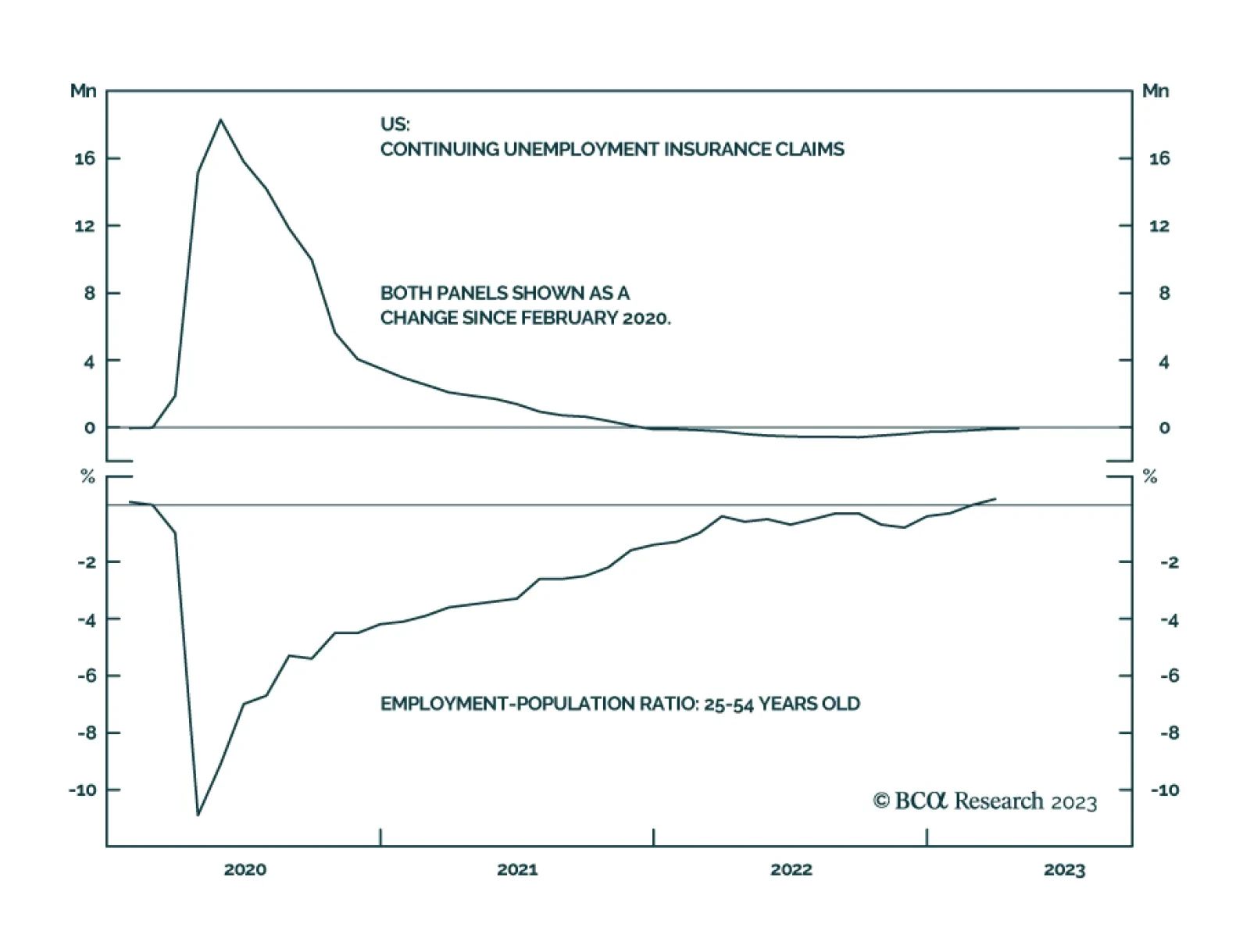
Last week’s US unemployment insurance claims data showed an increase in both initial and continuing claims. While weekly initial claims rose from 240k to 245k, the jump in continuing claims from 1.80 million to 1.87 million was more notable because it…
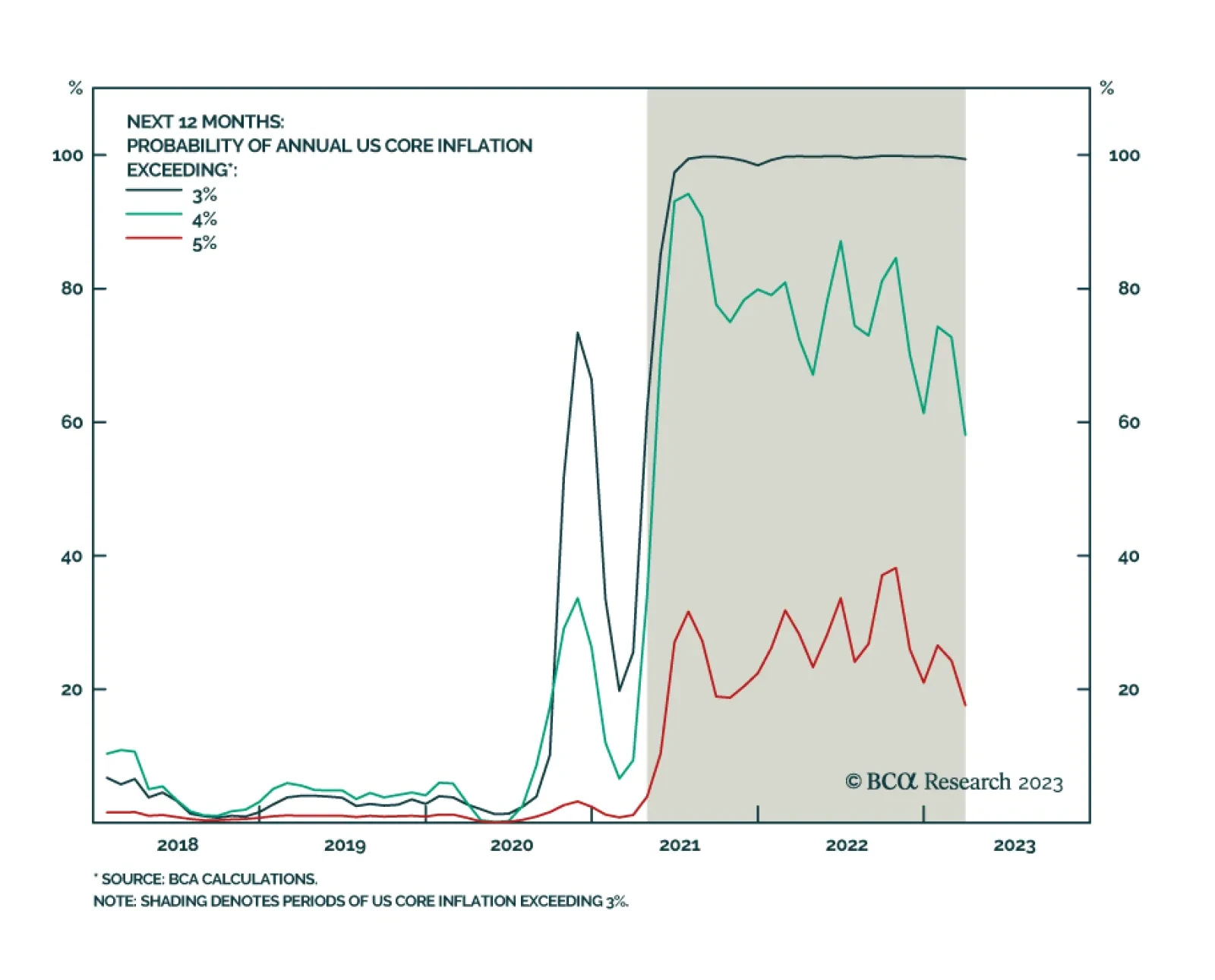
The rapid rise in US interest rates that has occurred since early 2022 has been the main driver of global risky asset prices over the past year. This quick tightening in monetary policy has occurred because of a surge in inflation to levels that are well…
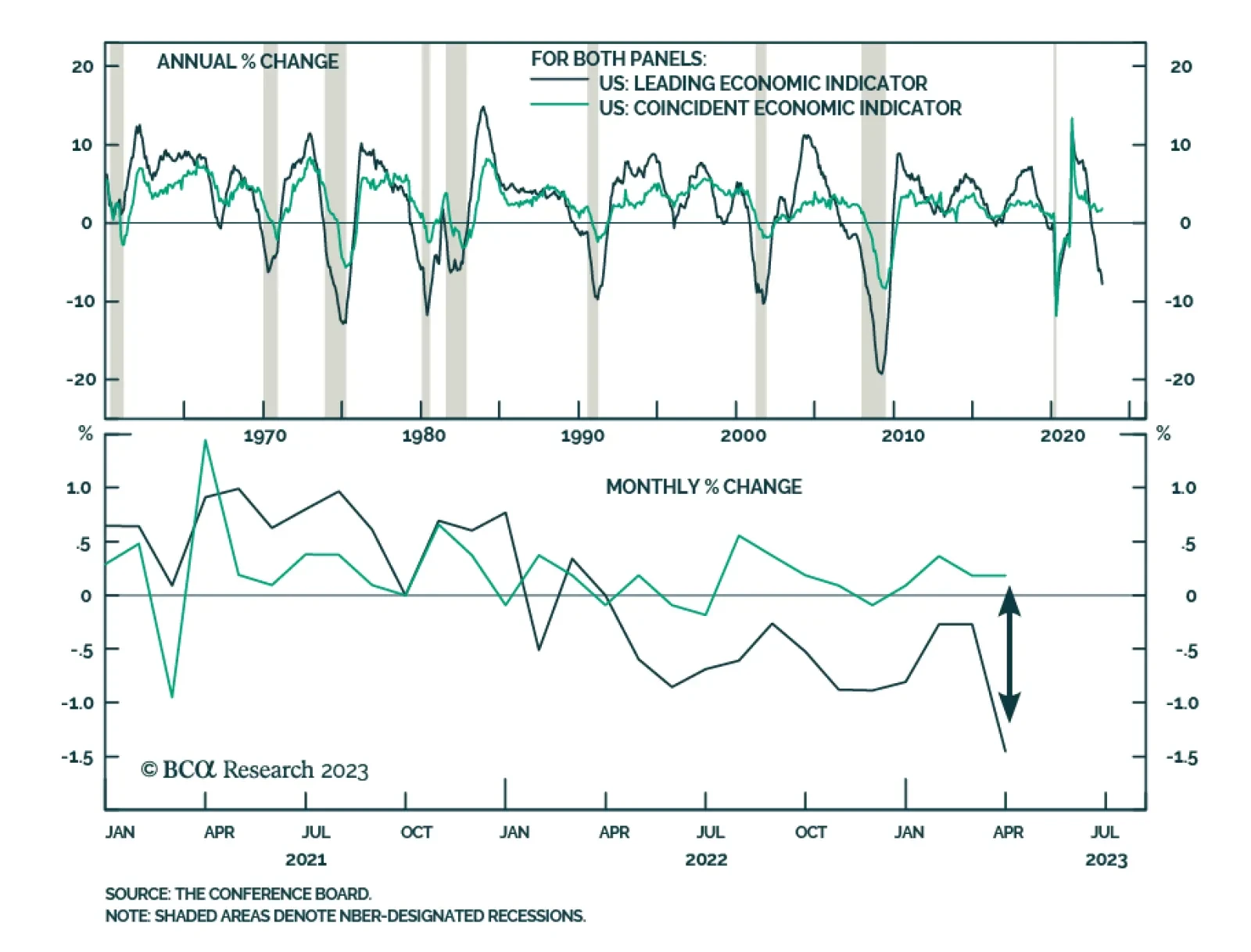
The Conference Board’s Leading Economic Index (LEI) fell by 1.2% m/m in March. The March update – which came in below consensus estimates of a 0.7% m/m decrease – marks its 12th consecutive drop. The weakness was broad-based across the index’s components with…
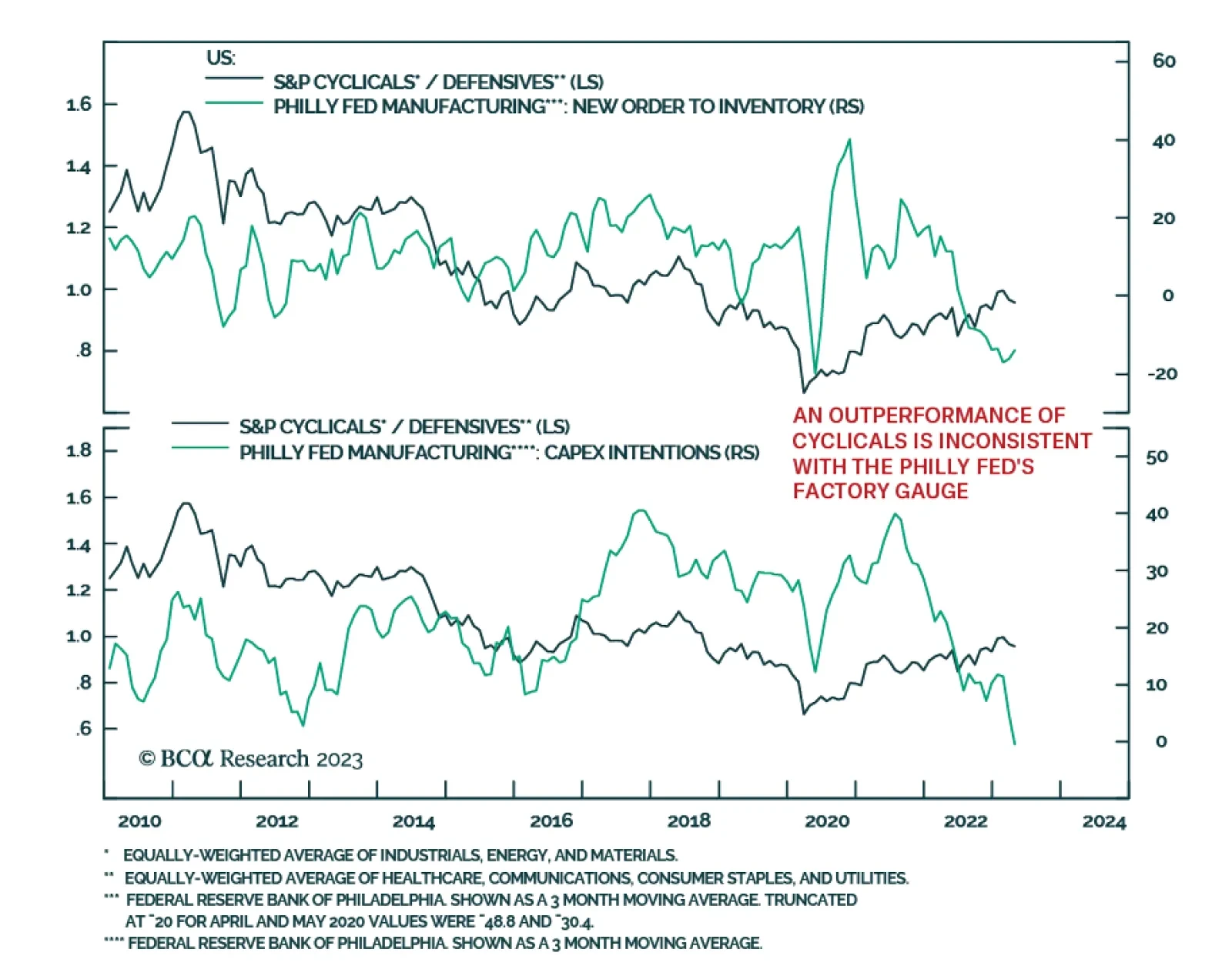
On the surface, results from the Philly Fed Business Outlook Survey sent a deeply negative signal about the US manufacturing sector. The headline Business Outlook Index lost 8.1 points in April and at -31.3 it is now at its lowest since May 2020.  …

We are increasing our gold price target to $2,200/oz, given the increasing risk of fiscal dominance in the US, rising geopolitical risk, the return of trading blocs and currency debasement risk. These risks also will increase economic uncertainty, which also will be bullish for gold.

The dollar has entered a structural bear market. Although the greenback could get a temporary reprieve during the next recession, investors should position for a weaker dollar over the long haul.
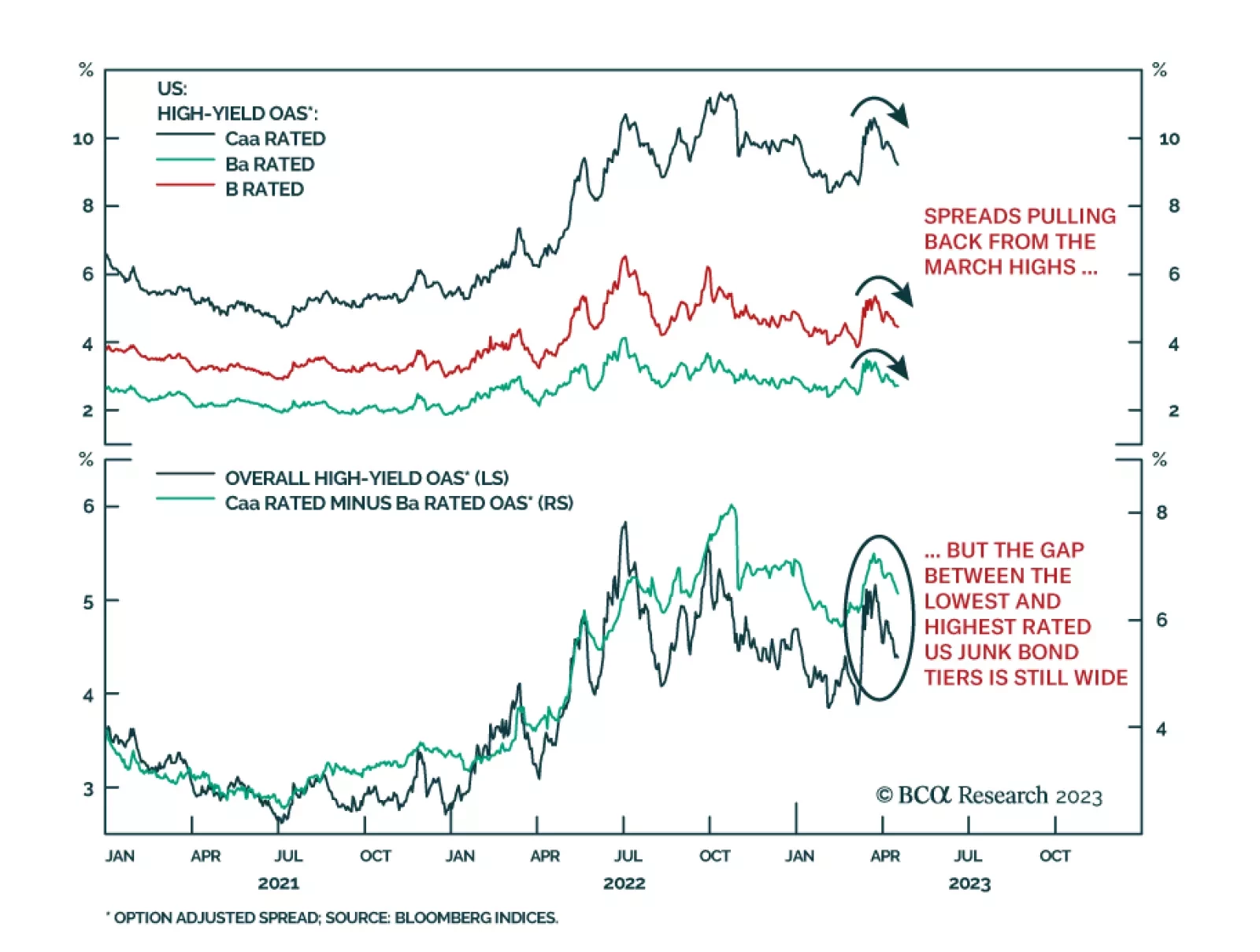
Like most other risk assets, US high-yield corporate bonds sold off in March during the banking turmoil in the US and Europe. The overall Bloomberg US high-yield index spread rose from a low of 389bps on March 6, just before the news on the funding problems…
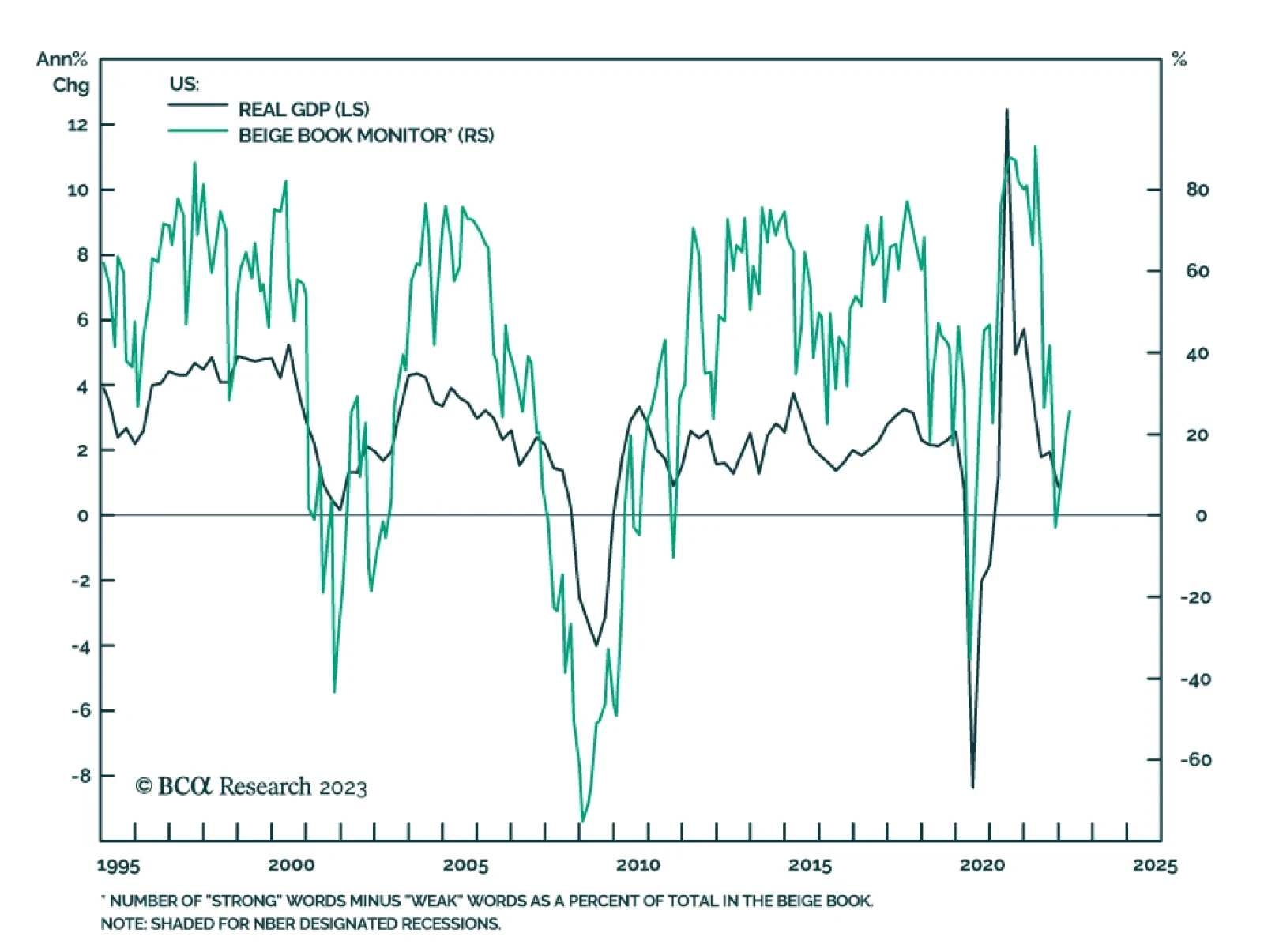
The Fed’s Beige Book suggests that the slight increase in US economic activity earlier this year is fading. The number of districts reporting modest growth fell to three from six in the February release. Moreover, two of the 12 districts expect a…